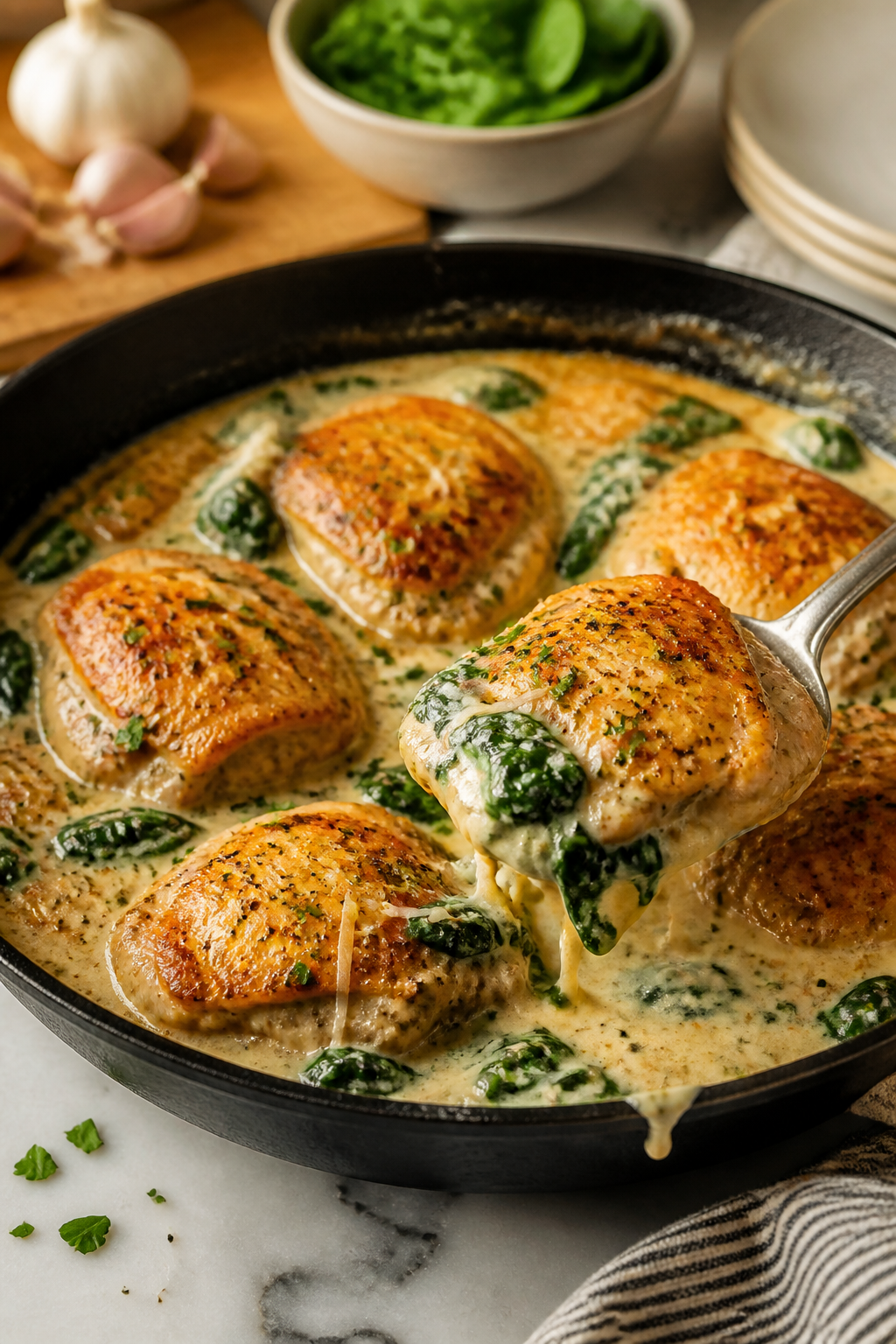
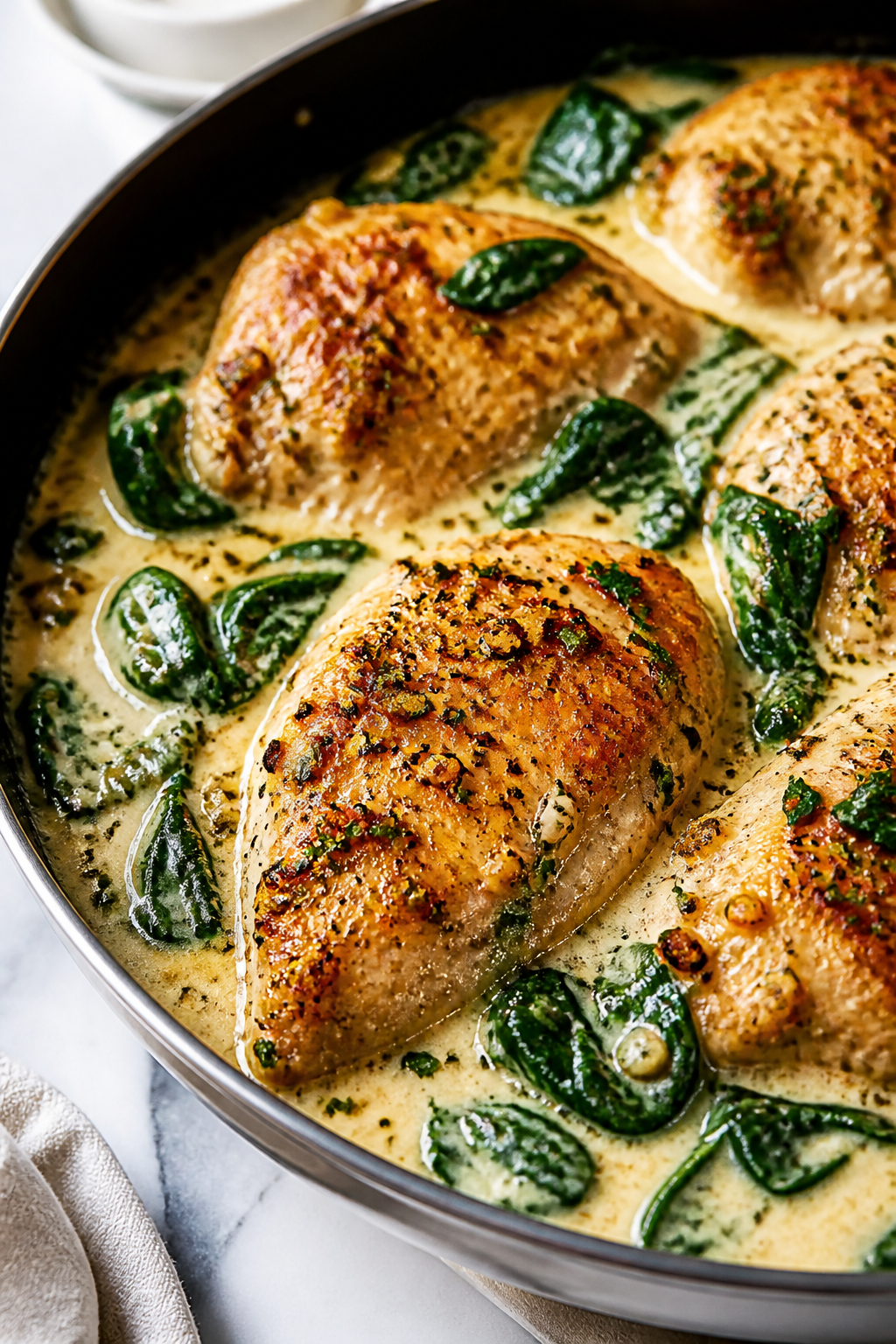
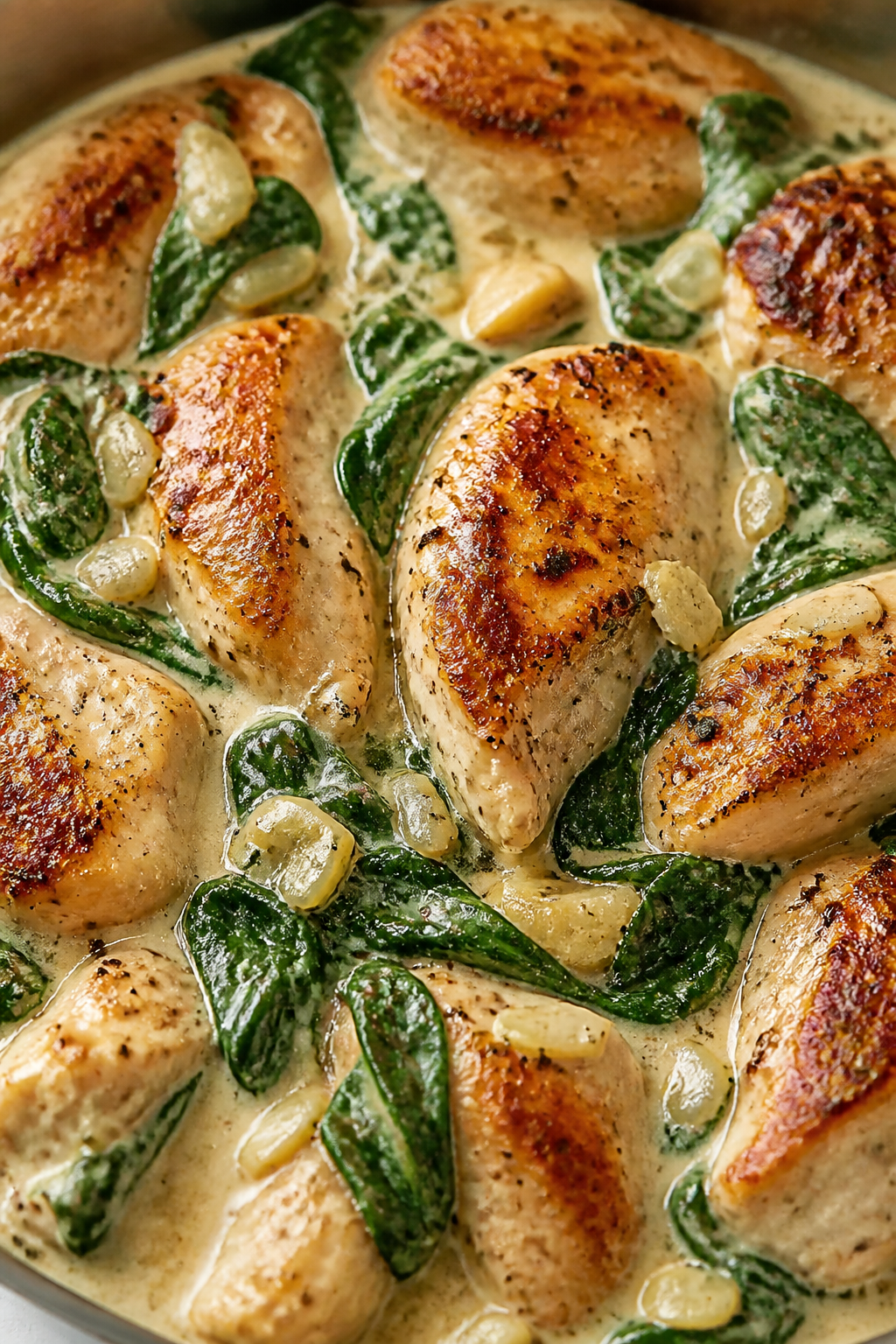
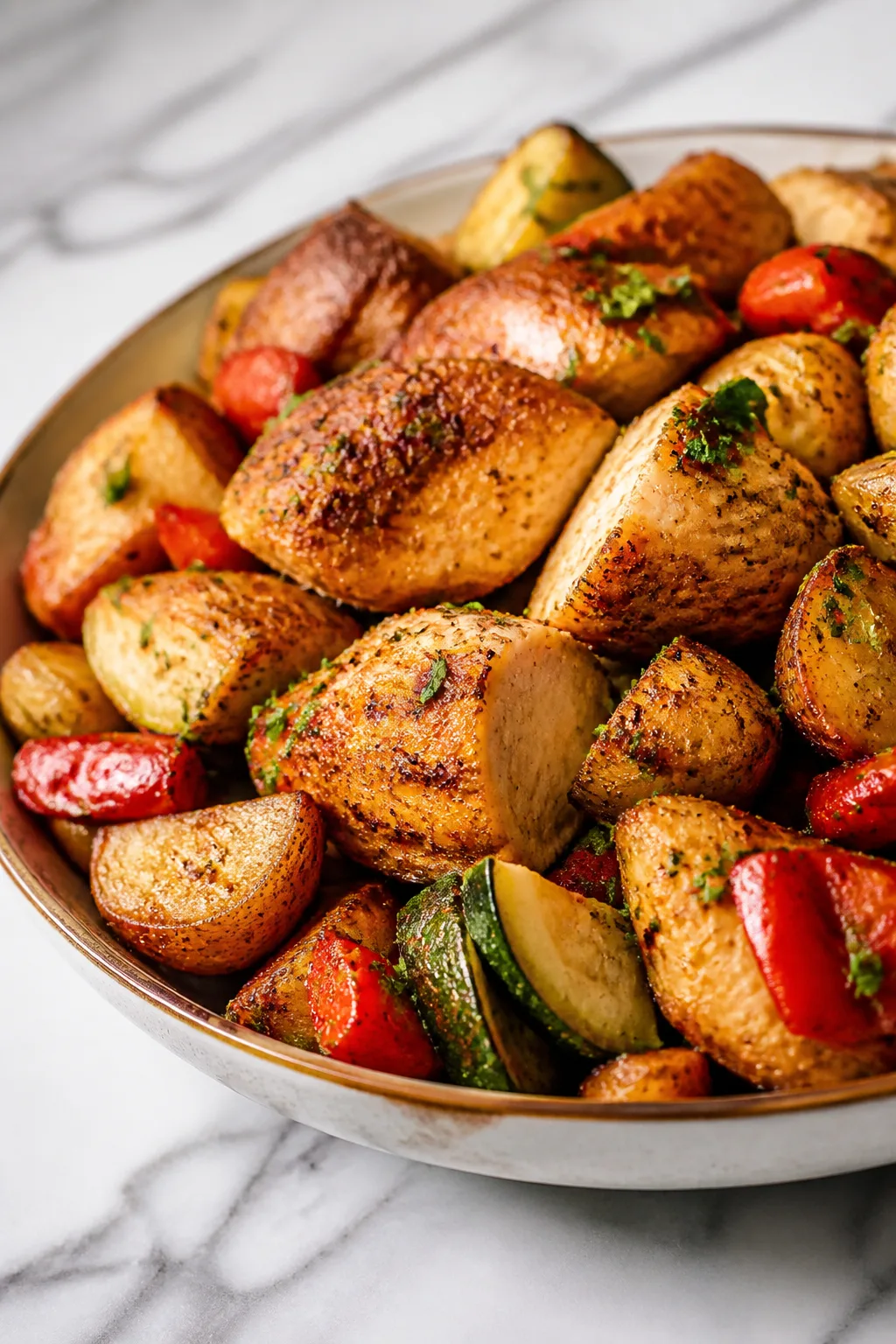
This skillet chicken dish is creamy, garlicky, and comes together in just about 30 minutes. The splash of cream and fresh spinach tossed in right at the end makes it feel special and comforting. Perfect for those busy nights when you want something warm and satisfying without a fuss.
Introduction
I first stumbled upon this creamy garlic chicken skillet on a hectic weeknight when I really needed something quick but comforting. What I love about this recipe is how simple it is—just a few ingredients, but the garlic and cream create this rich, cozy sauce that feels like a hug on a plate. I used chicken thighs here because they stay juicy and tender, unlike breasts that can dry out quickly. The secret to making the sauce so flavorful is to not rush the garlic—it’s gently sautéed to bring out its sweetness without burning. Then, folding in fresh spinach at the end adds a lovely pop of color and a mild earthiness that balances the richness perfectly. The finished dish is creamy, garlicky, and packed with comforting flavors, yet it only takes about 30 minutes from start to finish. It’s become one of my go-to dinners when I want something homemade but don’t want to spend hours in the kitchen. Honestly, the first time I made it, I almost overcooked the chicken, but once I got the timing right, it was a total winner. This recipe feels fancy enough for guests but easy enough for a weeknight, and I’m excited to share it with you!
How To Do It
Step 1
Season the chicken thighs evenly with kosher salt and black pepper on both sides. This step is key to building flavor right from the start. Make sure not to skip the salt—it helps to tenderize the meat and enhances the overall taste. If you under-season now, the dish can turn out bland. Pat the chicken dry before seasoning to ensure a better sear in the pan.
⏱ Time: 5 minutes
✓ Doneness: Chicken thighs seasoned and ready with no moisture on surface for good searing
Step 2
Heat the olive oil in a large skillet over medium-high heat until shimmering but not smoking. Add the chicken thighs and cook undisturbed for about 5-7 minutes per side until golden brown and cooked through. This searing locks in juices and develops that delicious caramelized crust. Avoid flipping too often or pressing down on the chicken, which can make it dry.
⏱ Time: 12-14 minutes
✓ Doneness: Golden-brown crust on chicken and internal temperature reaching 165°F (74°C)
Step 3
Remove the chicken from the skillet and set aside on a plate. Lower the heat to medium and add the minced garlic to the same pan. Stir frequently for 1-2 minutes until fragrant and lightly golden. Garlic burns easily and will turn bitter, so watch closely and don’t rush this step. This gentle cooking extracts maximum flavor to infuse the sauce.
⏱ Time: 2 minutes
✓ Doneness: Garlic turns lightly golden and smells aromatic but not burnt
Step 4
Pour in the chicken broth, scraping the bottom of the skillet with a wooden spoon to release any browned bits (fond). This deglazing step adds depth to the sauce and prevents bitterness. Bring the broth to a simmer and let it reduce by about half, concentrating the flavors and thickening the liquid slightly.
⏱ Time: 5 minutes
✓ Doneness: Broth reduces and thickens, pan bottom is clean with no stuck bits
Step 5
Stir in the heavy cream, Italian herbs, and red pepper flakes (if using). Return the chicken to the skillet, spooning some sauce over the top. Simmer gently for 5 minutes to let the chicken soak up the creamy sauce and finish cooking. Avoid boiling at this stage as cream can curdle and chicken can dry out.
⏱ Time: 5 minutes
✓ Doneness: Sauce thickens to coat the back of a spoon and chicken feels tender
Step 6
Add the fresh spinach to the skillet, folding it gently into the sauce until just wilted. This adds freshness, color, and a mild earthy flavor that balances the richness. Overcooking the spinach will make it soggy and dull the flavor, so stir until it just softens.
⏱ Time: 2 minutes
✓ Doneness: Spinach is bright green and slightly wilted but still vibrant
Step 7
Taste the sauce and adjust seasoning with extra salt or pepper if needed. This final tasting is important because the cream and broth dilute flavors slightly. A pinch more salt can really make the dish pop.
⏱ Time: 1 minute
✓ Doneness: Balanced, creamy sauce with garlicky depth and seasoning to taste
Step 8
Serve the creamy garlic chicken skillet hot with your favorite side—rice, pasta, or crusty bread work beautifully to soak up the sauce. Garnish with a sprinkle of fresh parsley or parmesan if you like. Enjoy immediately for best texture and flavor.
⏱ Time: 1 minute
✓ Doneness: Dish plated attractively with sauce coating chicken and spinach
Step 9
Clean the skillet promptly after cooking to avoid stuck-on bits hardening. Soak if necessary then wash with warm soapy water. Keeping your cookware well-maintained ensures even heating for future meals and better flavor development.
⏱ Time: 5 minutes
✓ Doneness: Skillet clean and ready for next use without residue
Variations
Add Mushrooms for Earthy Depth
Sauté 1 cup of sliced mushrooms with the garlic for an earthy twist. Mushrooms add umami and texture, making the dish heartier. This variation pairs well with rice or buttery noodles.
Note: Cook mushrooms until golden and their moisture evaporates to avoid watering down the sauce.
Spicy Kick with Red Pepper Flakes
Increase red pepper flakes to 1/2 teaspoon or add a dash of cayenne for a spicy version. The heat complements the creamy sauce and garlic beautifully for those who like a little zing.
Note: Add spices gradually and taste to avoid overpowering the dish.
Swap Spinach for Kale
Use chopped kale instead of spinach for a more robust texture and slightly bitter flavor. Kale holds up better if you want leftovers and adds extra nutrients.
Note: Cook kale a bit longer to soften, about 3-4 minutes, as it’s tougher than spinach.
Make it Dairy-Free
Replace heavy cream with full-fat coconut milk and use olive oil instead of butter for a dairy-free version. The sauce remains creamy with a subtle coconut flavor that pairs nicely with garlic.
Note: Simmer gently as coconut milk can separate if boiled too hard.
Serve Over Mashed Potatoes
Instead of rice or pasta, serve the creamy chicken over buttery mashed potatoes for a comforting, hearty meal that soaks up every bit of sauce.
Note: Prepare mashed potatoes ahead to save time; warm before serving.
Pro Tips
Pat chicken dry before seasoning and searing.
Removing surface moisture helps the chicken brown properly instead of steaming. This enhances flavor and texture by promoting the Maillard reaction, which is essential for a tasty crust.
Don’t rush cooking the garlic; cook it low and slow.
Garlic burns very easily, turning bitter and ruining the sauce’s flavor. Cooking it gently releases sweet, aromatic oils that build the sauce’s base without harshness.
Deglaze the pan with broth after searing chicken.
This step lifts the flavorful browned bits stuck to the pan, adding complexity and depth to the sauce that you can’t get otherwise.
Add spinach at the very end and fold gently.
Spinach wilts quickly and adding it last preserves its bright color and fresh texture, balancing the richness of the cream sauce.
Simmer sauce gently after adding cream.
High heat can cause the cream to curdle, ruining the sauce’s silky texture. Gentle simmering allows flavors to meld and sauce to thicken beautifully.
Season the sauce at the end, not before.
Cream and broth dilute saltiness, so adjusting seasoning last ensures the dish isn’t under- or over-salted.
Use boneless, skinless chicken thighs for juiciness.
Thighs have more fat than breasts, which keeps them tender and flavorful during quick cooking, preventing dryness.
Common Mistakes to Avoid
Burning the garlic during sautéing
Why it happens Many cooks turn up the heat too high or leave garlic unattended, thinking faster cooking saves time.
Fix Cook garlic over medium or medium-low heat, stirring frequently. Remove from heat as soon as it turns golden and fragrant to avoid bitterness.
Skipping the deglazing step
Why it happens Some might be in a rush or unfamiliar with fond, not realizing its flavor contribution.
Fix After searing chicken, pour broth into the pan and scrape the bottom with a wooden spoon to lift browned bits. This adds rich flavor to the sauce.
Adding spinach too early
Why it happens Inexperience with spinach’s quick wilting leads to adding it with the broth or cream.
Fix Add spinach at the very end and fold gently until just wilted to keep it vibrant and fresh-tasting.
Using chicken breasts instead of thighs without adjusting cooking time
Why it happens Breasts cook faster and can dry out if cooked like thighs.
Fix If using breasts, reduce cooking time and monitor closely to avoid dryness, or better yet, use thighs for this recipe.
Boiling the cream sauce
Why it happens High heat can cause cream to curdle or separate if boiled aggressively.
Fix Simmer sauce gently after adding cream and avoid rapid boiling for a smooth, creamy texture.
Nutrition
Per Serving:
Nutritional values are estimates and may vary based on specific ingredients used.
Storage & Tips
Room Temperature
This dish can safely sit at room temperature for up to 2 hours if covered loosely. Beyond that, refrigerate to prevent bacterial growth. Leaving it uncovered will dry out the sauce.
Refrigerator
Store leftovers in an airtight container for up to 3 days. The sauce may thicken and chicken can firm up, so reheat gently with a splash of broth or cream to restore creaminess.
Freezer
Freeze in a sealed container for up to 2 months. Wrap tightly to prevent freezer burn. Thaw overnight in the refrigerator before reheating. Texture may slightly change but flavor remains good.
Reheating
Reheat on the stovetop over low heat, stirring occasionally and adding a little broth or cream to loosen the sauce. Avoid microwaving on high to prevent curdling and uneven heating.
Make Ahead
You can cook the chicken and prepare the sauce up to 1 day ahead, then add fresh spinach just before serving. Store sauce and chicken separately from spinach to keep it fresh and vibrant.
FAQ
Can I use chicken breasts instead of thighs?
Yes, but chicken breasts cook faster and can dry out if overcooked. Use medium heat and reduce cooking time by a few minutes per side. Keep an eye on internal temperature to avoid dryness.
What can I substitute for heavy cream?
You can use half-and-half or full-fat coconut milk as alternatives. Keep in mind half-and-half is thinner, so sauce may be less rich and coconut milk adds a subtle flavor. Avoid low-fat milk as it can curdle.
How do I prevent the sauce from curdling?
Simmer the sauce gently after adding cream and avoid boiling. High heat causes the fat and liquid to separate. Stir frequently and keep temperature low to maintain a smooth sauce.
Can I make this recipe gluten-free?
Absolutely! This recipe is naturally gluten-free as long as you use gluten-free chicken broth. Always check labels on broth to be sure.
What sides go well with this chicken skillet?
Rice, pasta, mashed potatoes, or crusty bread are all great for soaking up the creamy sauce. A simple green salad also balances the richness nicely.
Can I prepare this recipe ahead of time?
Yes, you can cook the chicken and sauce a day ahead and reheat gently. Add fresh spinach just before serving to keep it vibrant and fresh.
How do I know when the chicken is fully cooked?
Chicken thighs should reach an internal temperature of 165°F (74°C). They should be opaque and juices run clear when pierced. Using a meat thermometer is the most reliable method.
Why does the sauce sometimes separate?
Sauce separation usually happens from boiling cream or overheating. To fix, reduce heat and stir in a small amount of cold cream or broth to bring it back together.
Final Thoughts
Give this creamy garlic chicken skillet a try for your next weeknight dinner—I think you’ll love how simple and satisfying it is. Don’t forget to share your results!