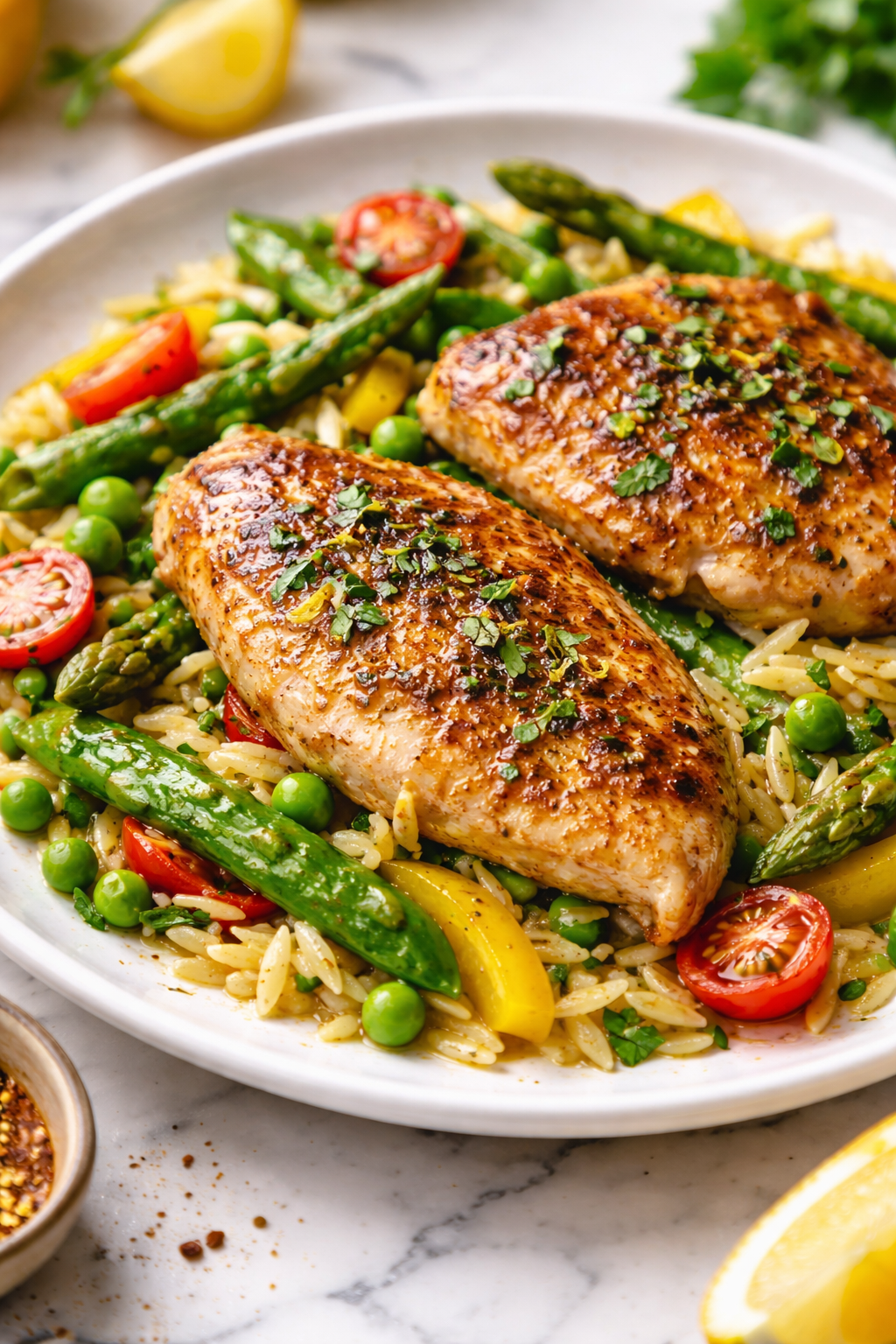
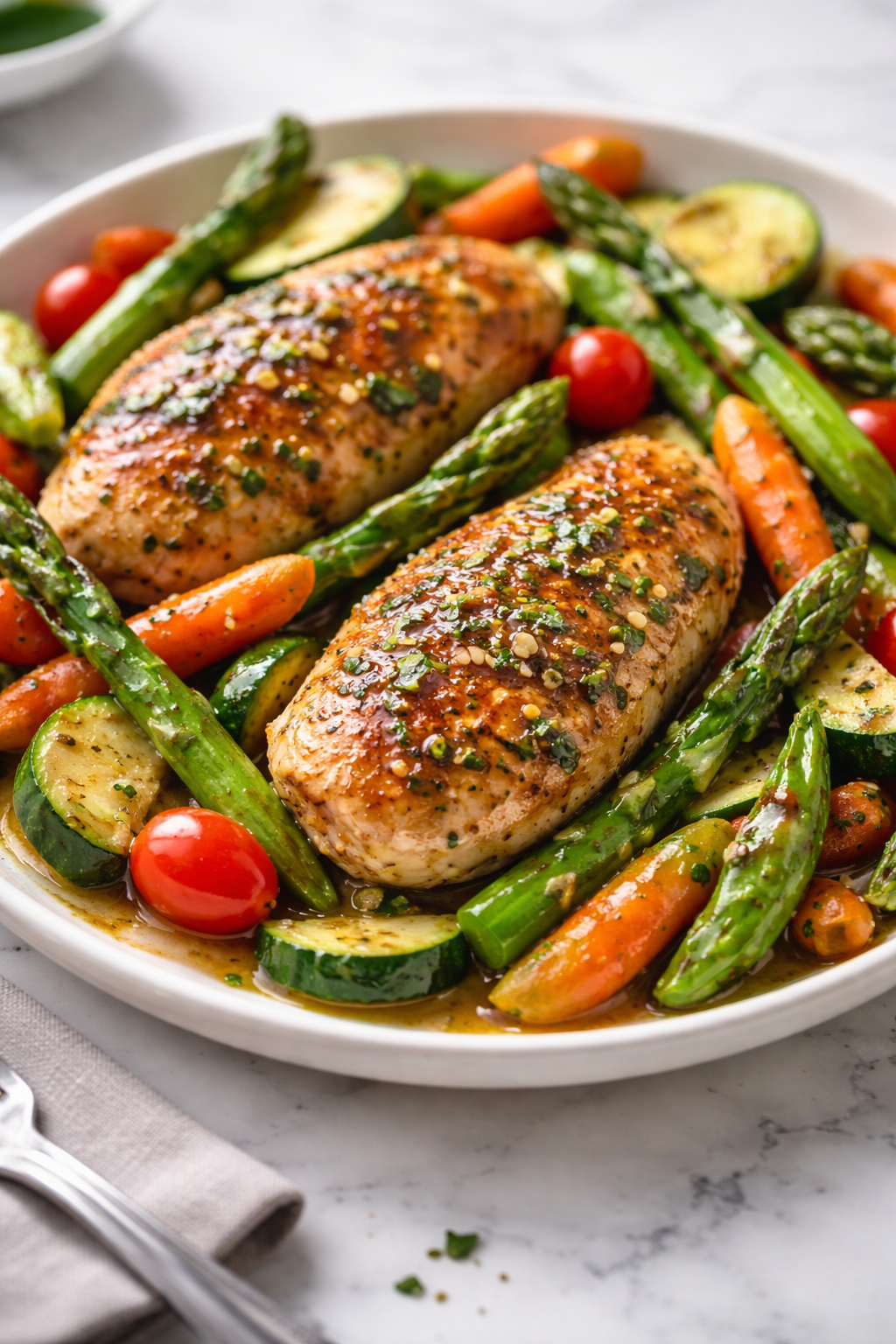
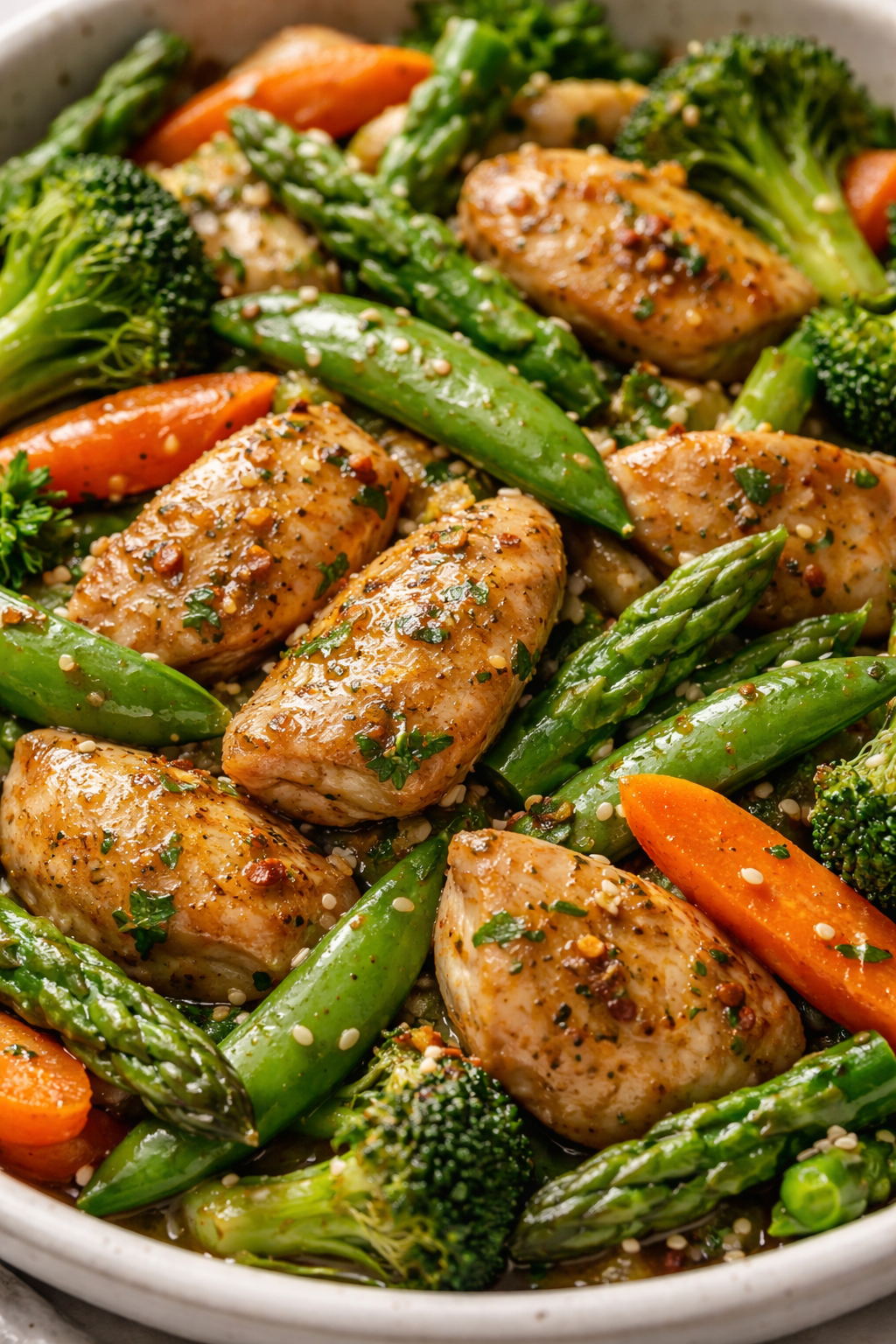
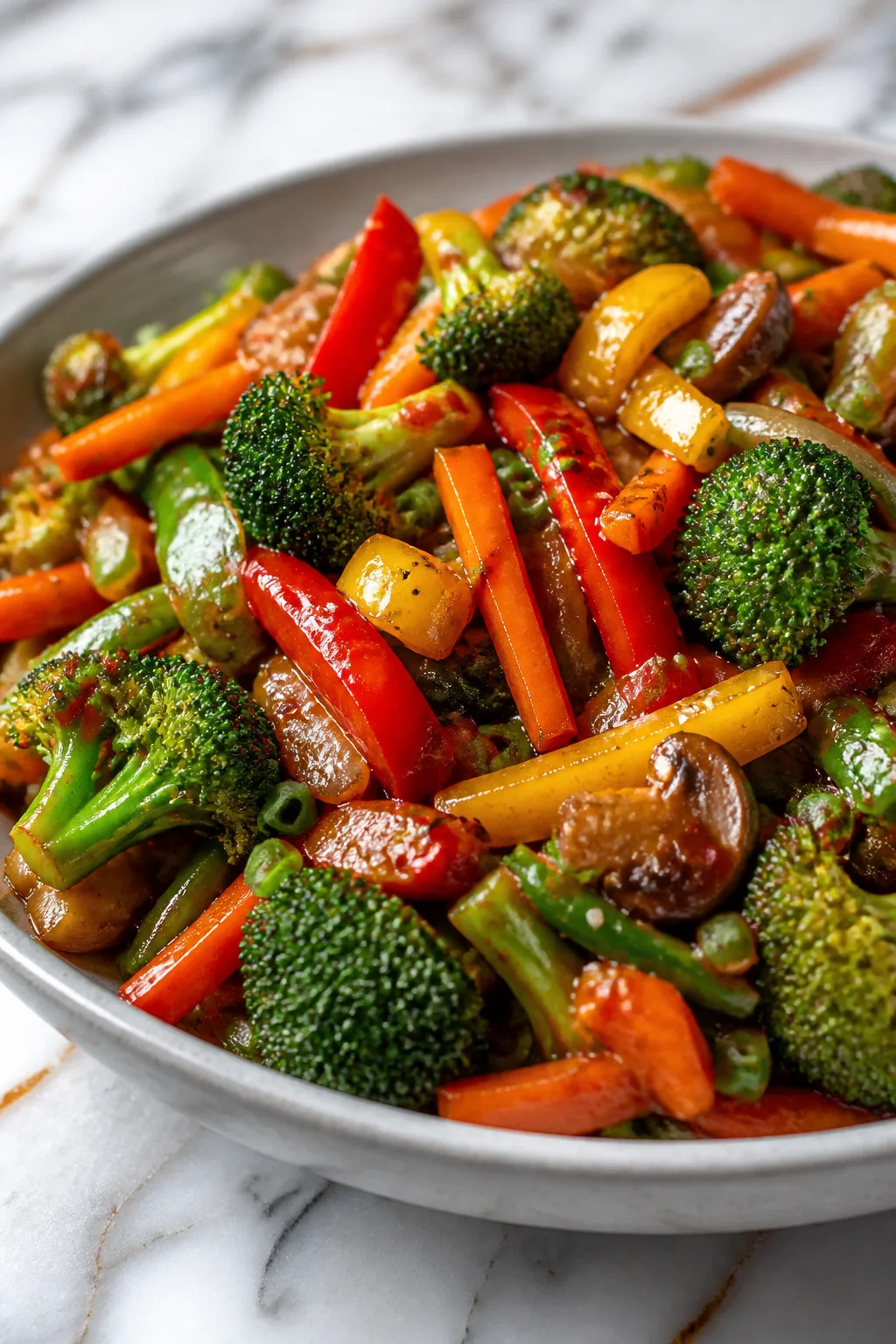
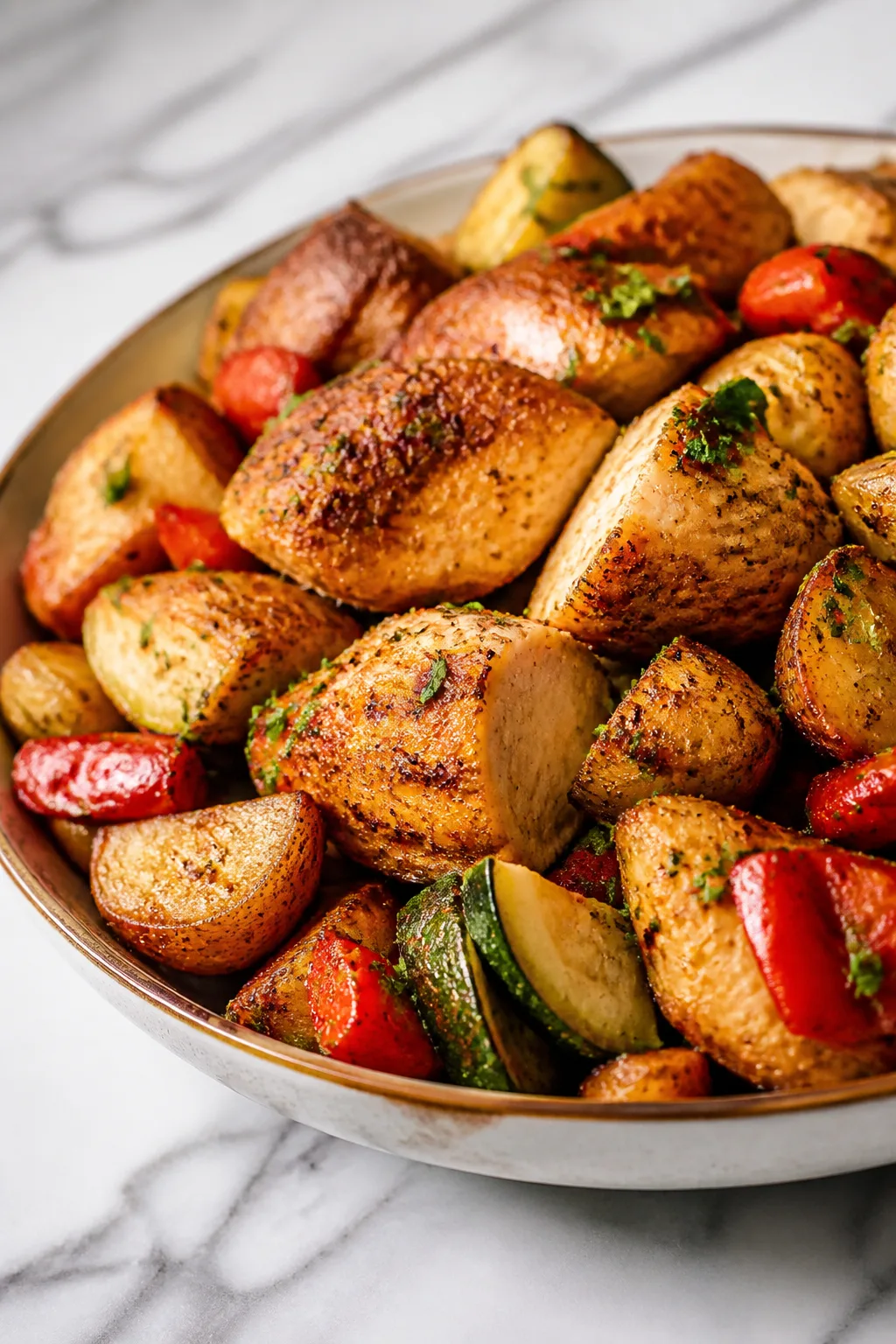
This garlic herb chicken with fresh spring veggies stir fry is my go-to for busy nights. The garlic and herbs pack a punch, and the crisp veggies keep it light and colorful. Perfect for a quick, healthy dinner!
Introduction
I've been making this garlic herb chicken with spring vegetable stir fry for years whenever I need a quick, fresh dinner that feels a bit special. The first time I tried this combo, I was looking for something light but still packed with flavor. What I love about this version is how the garlic and herbs really punch up the chicken without any heavy sauces, letting the natural freshness of the spring veggies shine through. One trick I learned is to slice the chicken thinly and cook it quickly on high heat to keep it juicy and tender. Also, tossing the veggies in at just the right time keeps them crisp and colorful instead of soggy. When it’s done, you get a vibrant, healthy plate that’s perfect for a weeknight meal but impressive enough for guests. It’s bright, flavorful, and comes together in under 45 minutes — a total winner in my book.
How To Do It
Step 1
Start by preparing your chicken breasts. Slice them thinly against the grain to ensure tenderness and quick cooking. Thin slices cook evenly and stay juicy rather than drying out, which can happen if the pieces are too thick. Season the chicken evenly with salt, pepper, dried thyme, and rosemary, rubbing it into the meat so the flavors penetrate well. Letting the seasoned chicken rest for a few minutes while you prep veggies helps the flavors develop.
⏱ Time: 10 minutes
✓ Doneness: Chicken slices are evenly coated with herbs and seasoning and feel slightly tacky to the touch.
Step 2
Heat 1 tablespoon of olive oil in a large skillet or wok over medium-high heat until shimmering but not smoking. Add the minced garlic and sauté for about 30 seconds until fragrant—don’t let it burn or it will taste bitter. Then add the chicken slices in a single layer. Cook without moving them too much for 2-3 minutes until they develop a golden sear on one side. Flip and cook another 1-2 minutes until the chicken is cooked through but still tender and juicy. Cooking on high heat quickly locks in juices and gives a nice caramelization.
⏱ Time: 6 minutes
✓ Doneness: Chicken pieces are golden brown on the outside and no longer pink inside.
Step 3
Remove the cooked chicken from the skillet and set aside. In the same pan, add the remaining tablespoon of olive oil. Toss in the sliced red bell pepper, snap peas, asparagus, and julienned carrot. Stir-fry the veggies on medium-high heat for 4-5 minutes until they are bright, tender-crisp, and still have a bit of crunch. Stirring constantly helps them cook evenly without steaming, which preserves their vibrant color and texture.
⏱ Time: 5 minutes
✓ Doneness: Vegetables are bright in color, slightly softened but still crisp when bitten.
Step 4
Return the chicken to the pan with the vegetables. Add sliced green onions, soy sauce, and lemon juice. Toss everything together to combine and heat through for another 1-2 minutes. The soy sauce adds a subtle umami layer without overpowering, while the lemon juice brightens the dish with a fresh zing. Tossing at the end keeps the chicken tender and veggies crisp.
⏱ Time: 2 minutes
✓ Doneness: Dish is evenly coated, hot, and aromatic with a balance of savory and fresh notes.
Step 5
Taste and adjust seasoning if needed, adding a pinch more salt or pepper to balance flavors. Remove from heat and let it sit for a minute to settle before serving. This resting step allows flavors to meld and the chicken juices to redistribute, making every bite juicy and flavorful.
⏱ Time: 1 minute
✓ Doneness: Aromas are well blended and the dish looks glossy with a fresh, vibrant appearance.
Step 6
Serve the garlic herb chicken and vegetable stir fry immediately, ideally with a side of steamed rice or quinoa. The grains soak up the flavorful juices and complement the fresh veggies perfectly. This meal is great warm but also makes fantastic leftovers.
⏱ Time: 0 minutes
✓ Doneness: Plated dish looks vibrant with colorful veggies and golden chicken.
Step 7
For extra flavor, you can garnish with fresh herbs like parsley or basil just before serving. This adds a fresh herbal note and makes the dish look even more inviting. It’s a small touch that makes a big difference in presentation and taste.
⏱ Time: 0 minutes
✓ Doneness: Bright green herbs sprinkled on top for an appealing finish.
Step 8
If you want a bit of heat, add a pinch of red pepper flakes while cooking the garlic or toss in some sliced chili peppers with the veggies. This adds a subtle kick without overpowering the fresh flavors. Adjust the spice level to your liking for a personalized touch.
⏱ Time: 0 minutes
✓ Doneness: Aromas hint at spiciness but remain balanced and fresh.
Step 9
To keep the chicken extra juicy, avoid overcooking by watching closely after flipping. Chicken cooks quickly when sliced thinly. If you notice the chicken pieces starting to dry or toughen, reduce the heat slightly or remove from the pan immediately. This attention to timing is key for tender results.
⏱ Time: Ongoing
✓ Doneness: Chicken remains tender and moist without any dryness or toughness.
Variations
Spicy Garlic Herb Chicken Stir Fry
Add sliced fresh chili peppers or a pinch of red pepper flakes to the garlic when sautéing. This gives the dish a spicy kick that pairs beautifully with the fresh herbs and crisp veggies. Adjust spice level to your preference.
Note: Be mindful not to burn the chili along with garlic; add it at the same time for balanced heat.
Creamy Garlic Herb Chicken Stir Fry
Stir in 1/4 cup of cream or coconut milk at the end for a richer, creamier sauce that coats the chicken and vegetables. This variation softens the fresh crunch but adds comforting smoothness.
Note: Reduce soy sauce slightly to avoid overpowering the creaminess.
Lemon Basil Garlic Chicken Stir Fry
Swap rosemary and thyme for fresh basil and increase lemon juice for a bright, herbaceous twist. This variation is lighter and more aromatic, great for summer dinners.
Note: Add fresh basil at the end to preserve its delicate flavor.
Gluten-Free Garlic Herb Chicken Stir Fry
Use tamari or coconut aminos instead of soy sauce to make this recipe gluten-free. The flavor remains balanced and the dish is safe for gluten-sensitive eaters.
Note: Check all other ingredients for gluten content, especially pre-packaged vegetables or seasoning blends.
Garlic Herb Chicken Stir Fry with Brown Rice
Serve the chicken and veggies over cooked brown rice for a heartier meal with more fiber. Brown rice adds a nutty flavor and chewy texture that complements the tender chicken and crisp vegetables.
Note: Brown rice takes longer to cook, so prepare it ahead or use quick-cook varieties.
Pro Tips
Slice chicken against the grain for tenderness.
Cutting against the grain shortens muscle fibers, making the cooked chicken easier to chew and more tender. Ignoring this can result in tougher bites, especially with lean chicken breast.
Cook chicken in batches if your pan is crowded.
Overcrowding lowers pan temperature, causing the chicken to steam instead of sear. This prevents browning and leads to less flavor development. Cooking in batches ensures a nice golden crust.
Use high heat for stir-frying vegetables quickly.
High heat cooks vegetables rapidly, preserving their bright color and crunch. Lower heat causes them to soften and lose vibrancy, resulting in a soggy texture.
Add lemon juice at the end for brightness.
Acidic ingredients like lemon juice lose their fresh flavor if cooked too long. Adding it last keeps the dish lively and balances the savory soy sauce.
Don’t overcook garlic to avoid bitterness.
Garlic burns quickly and turns bitter when overheated. Sauté it just until fragrant (about 30 seconds) before adding other ingredients to keep flavor clean and pleasant.
Let chicken rest after seasoning.
Resting allows salt and herbs to penetrate the meat, enhancing flavor throughout rather than just on the surface. Skipping this step can lead to blander chicken.
Use a wide pan or wok for even heat distribution.
A larger surface area ensures ingredients cook evenly without crowding, helping to achieve the perfect sear and crisp vegetables.
Common Mistakes to Avoid
Cooking chicken too thick or unevenly sliced
Why it happens Many cooks slice chicken unevenly or too thickly, thinking it will stay juicy longer, but this leads to uneven cooking and dryness.
Fix Slice chicken thinly and uniformly against the grain. This allows for quick, even cooking and tender results. Use a sharp knife and take your time to ensure even pieces.
Overcrowding the pan
Why it happens Trying to cook everything at once to save time causes temperature to drop, leading to steaming instead of searing.
Fix Cook chicken in batches if needed, then stir-fry veggies separately. This keeps the pan hot and ensures proper browning and texture.
Overcooking vegetables
Why it happens Leaving veggies in the pan too long or at too low heat results in sogginess and dull colors.
Fix Use high heat and cook vegetables just until tender-crisp. Stir constantly and remove from heat promptly to retain texture and color.
Burning garlic
Why it happens Garlic cooks very quickly and can burn if left unattended or cooked at too high a temperature before adding other ingredients.
Fix Sauté garlic for only 30 seconds until fragrant, then add chicken immediately. Watch closely and stir to prevent burning.
Adding soy sauce too early
Why it happens Adding soy sauce too soon can make the dish watery and overly salty.
Fix Add soy sauce at the end of cooking to maintain flavor balance and prevent excess liquid.
Nutrition
Per Serving:
Nutritional values are estimates and may vary based on specific ingredients used.
Storage & Tips
Room Temperature
This dish can safely sit at room temperature for up to 2 hours if covered loosely. Beyond that, bacteria growth increases, so refrigerate promptly.
Refrigerator
Store leftovers in an airtight container for up to 3 days. Flavors may mellow, and vegetables might soften. Reheat gently to avoid drying chicken.
Freezer
Freeze in airtight containers for up to 2 months. Wrap tightly to prevent freezer burn. Thaw overnight in the fridge before reheating.
Reheating
Reheat on the stovetop over medium heat with a splash of water or broth to keep moisture. Avoid microwave reheating for too long, which can dry out chicken and make veggies soggy.
Make Ahead
You can slice and season the chicken 1 day ahead and store covered in the fridge. Chop vegetables the day before and keep them in a sealed container. Cook everything fresh on the day of serving for best texture and flavor.
FAQ
Can I use chicken thighs instead of breasts?
Absolutely! Boneless skinless chicken thighs are a great alternative and tend to stay juicier. Just slice them thinly like the breasts and adjust cooking time slightly as thighs may take a minute or two longer to cook through. The flavor will be richer and a bit more tender.
What if I don't have fresh spring vegetables?
You can swap in whatever veggies you have on hand like broccoli, zucchini, or green beans. Just cut them into similar sizes so they cook evenly. Frozen vegetables can work too, though they may release more water and lose some crunch.
Can I make this recipe vegetarian?
To make it vegetarian, replace chicken with firm tofu or tempeh sliced thinly. Press tofu well to remove excess moisture and pan-fry until golden before stir-frying with veggies. You might want to add extra garlic and soy sauce for more umami.
How do I avoid overcooking the chicken?
Keep your slices thin and use high heat to cook quickly. Watch for the chicken to turn opaque and golden but still moist. Remove from heat as soon as it’s cooked through to prevent toughness.
Is it okay to marinate the chicken longer?
Yes, marinating for 30 minutes to an hour can deepen flavor, but because the herbs are dried and the cooking time is short, longer marination isn’t necessary. Avoid acidic marinades for too long as they can toughen the chicken.
Can I use fresh herbs instead of dried?
Fresh herbs like thyme and rosemary add a bright, fresh flavor but are less concentrated. Use about three times the amount of fresh herbs compared to dried. Add fresh herbs towards the end of cooking to preserve their aroma.
What’s the best way to reheat leftovers?
Reheat gently on the stovetop with a splash of water or broth to keep moisture. Avoid microwave reheating for long periods as it can dry out chicken and make veggies soggy. Stir frequently until warmed through.
Can I prepare the whole dish in advance?
You can prep ingredients like slicing chicken and chopping veggies a day ahead. Cook everything fresh for best texture, but leftovers can be stored and reheated as mentioned. Avoid cooking completely in advance to prevent soggy veggies.
Final Thoughts
I hope you enjoy making and eating this garlic herb chicken with spring vegetable stir fry as much as my family does. It’s easy, fresh, and full of flavor—give it a try and let me know how it turns out!