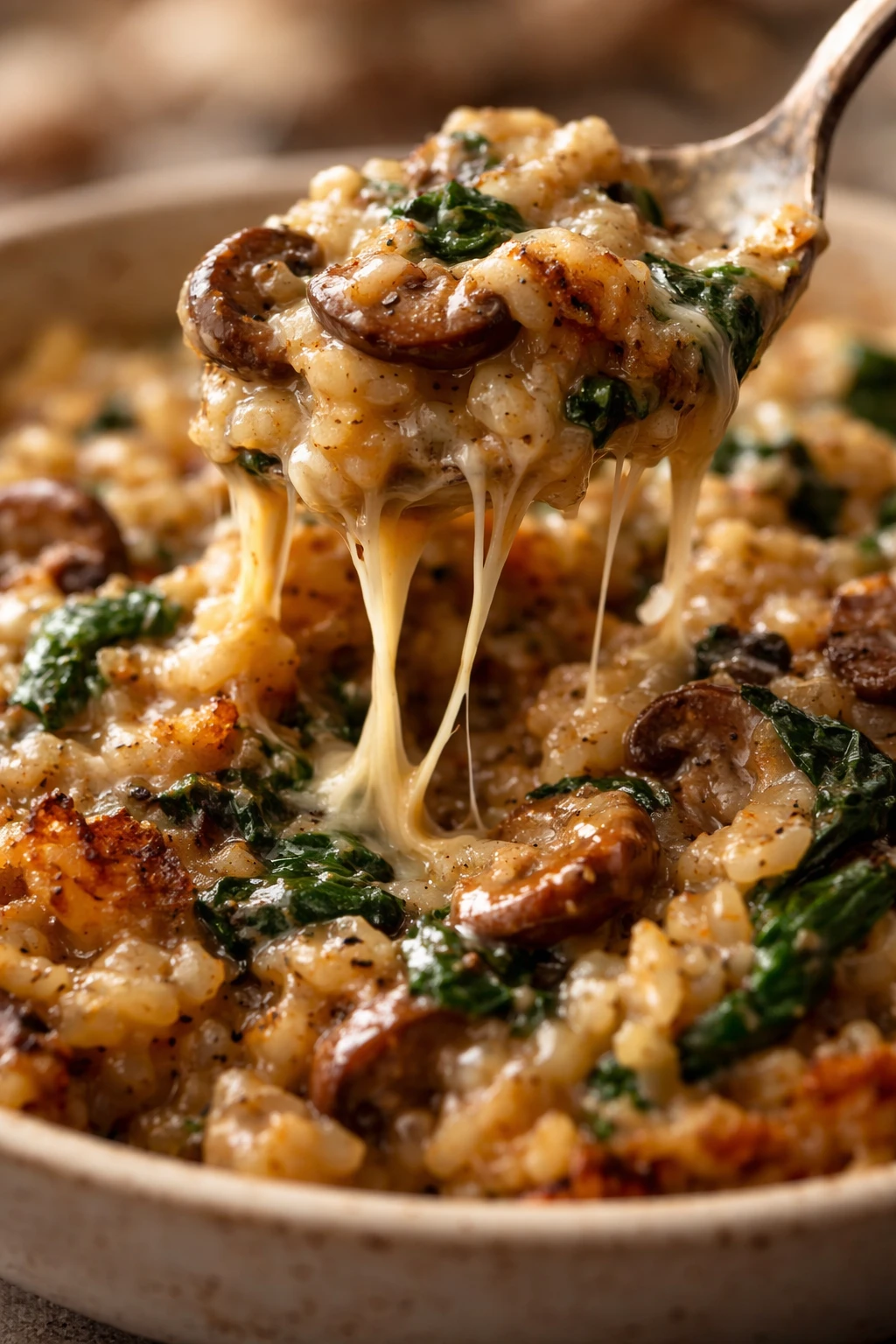
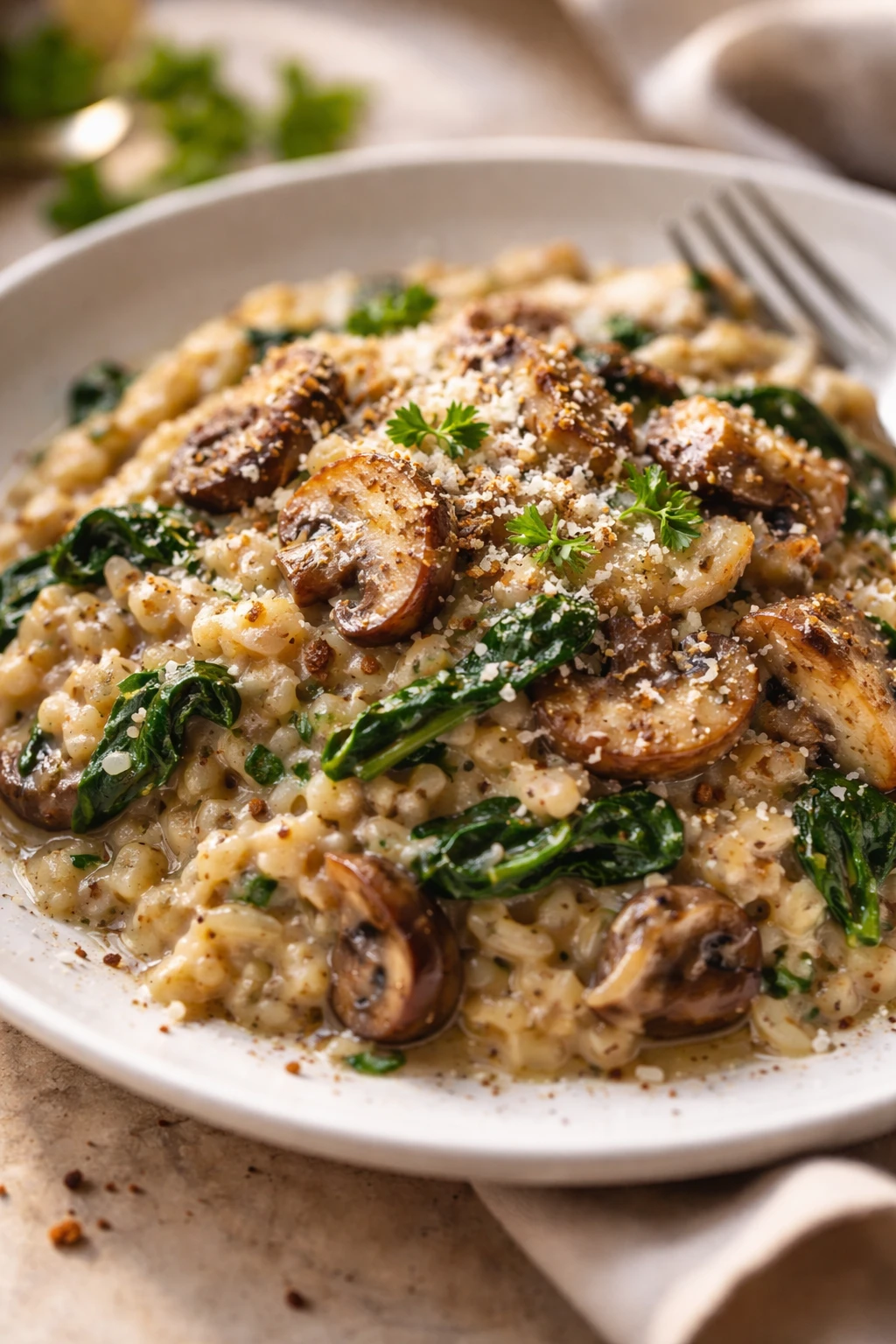
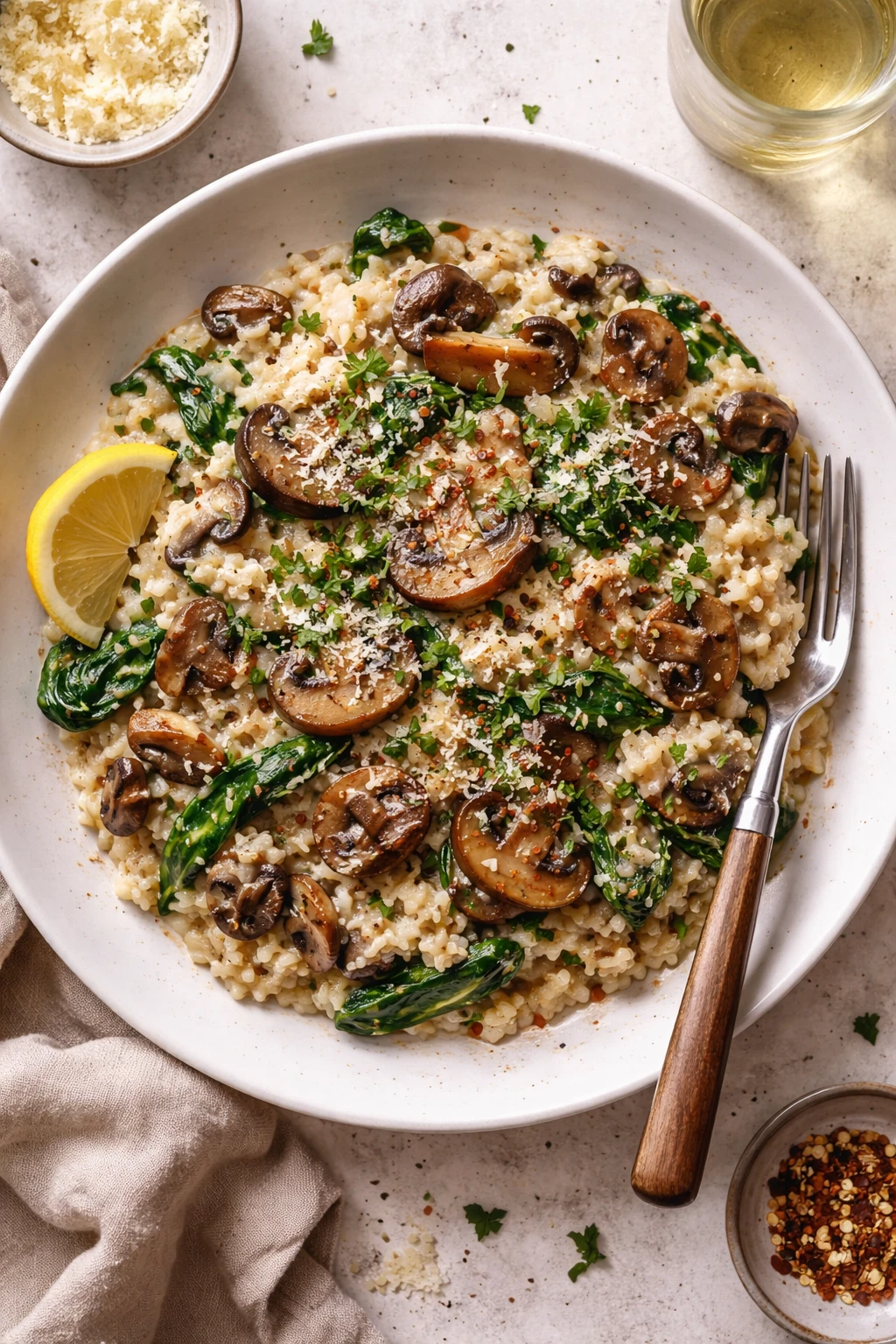
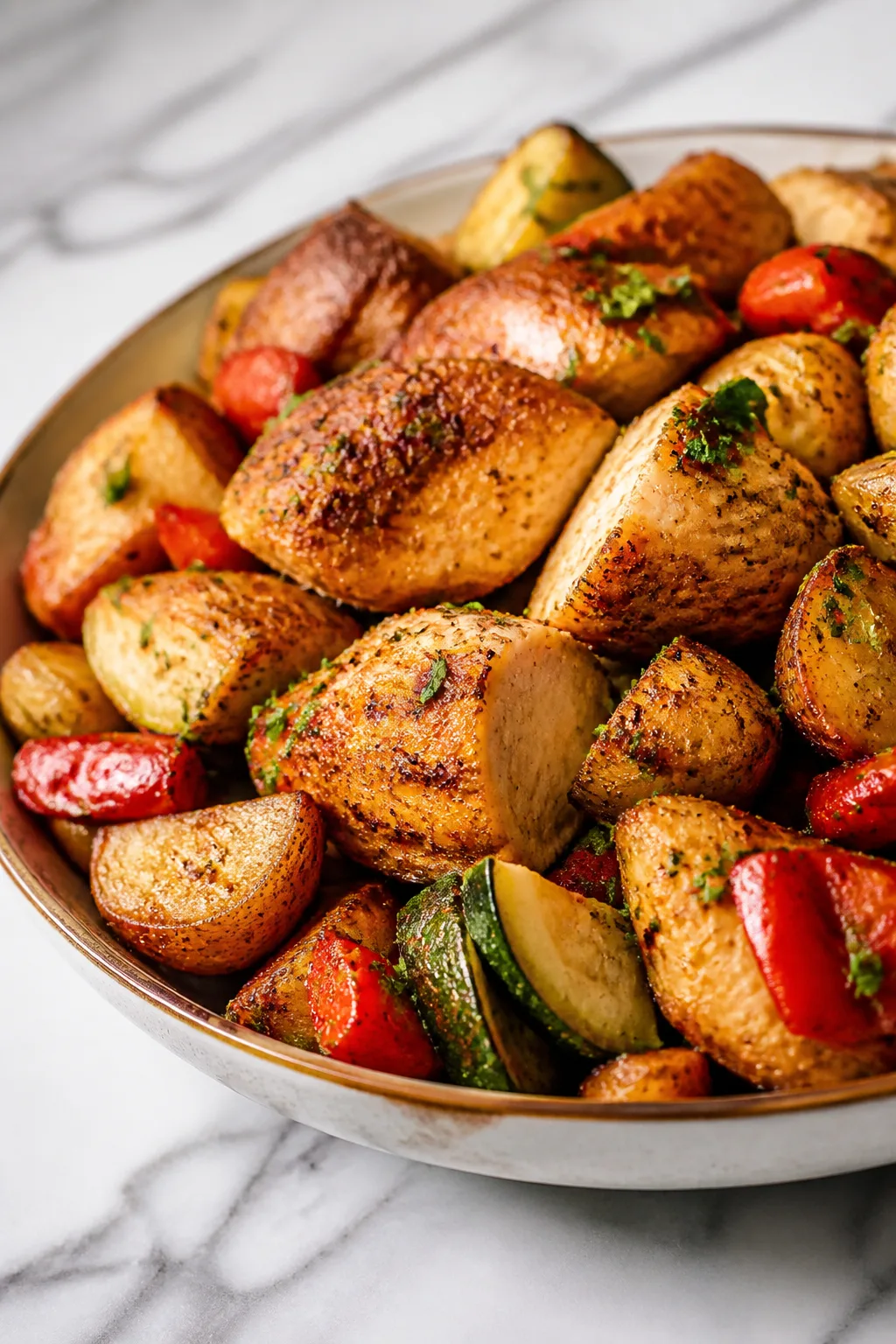
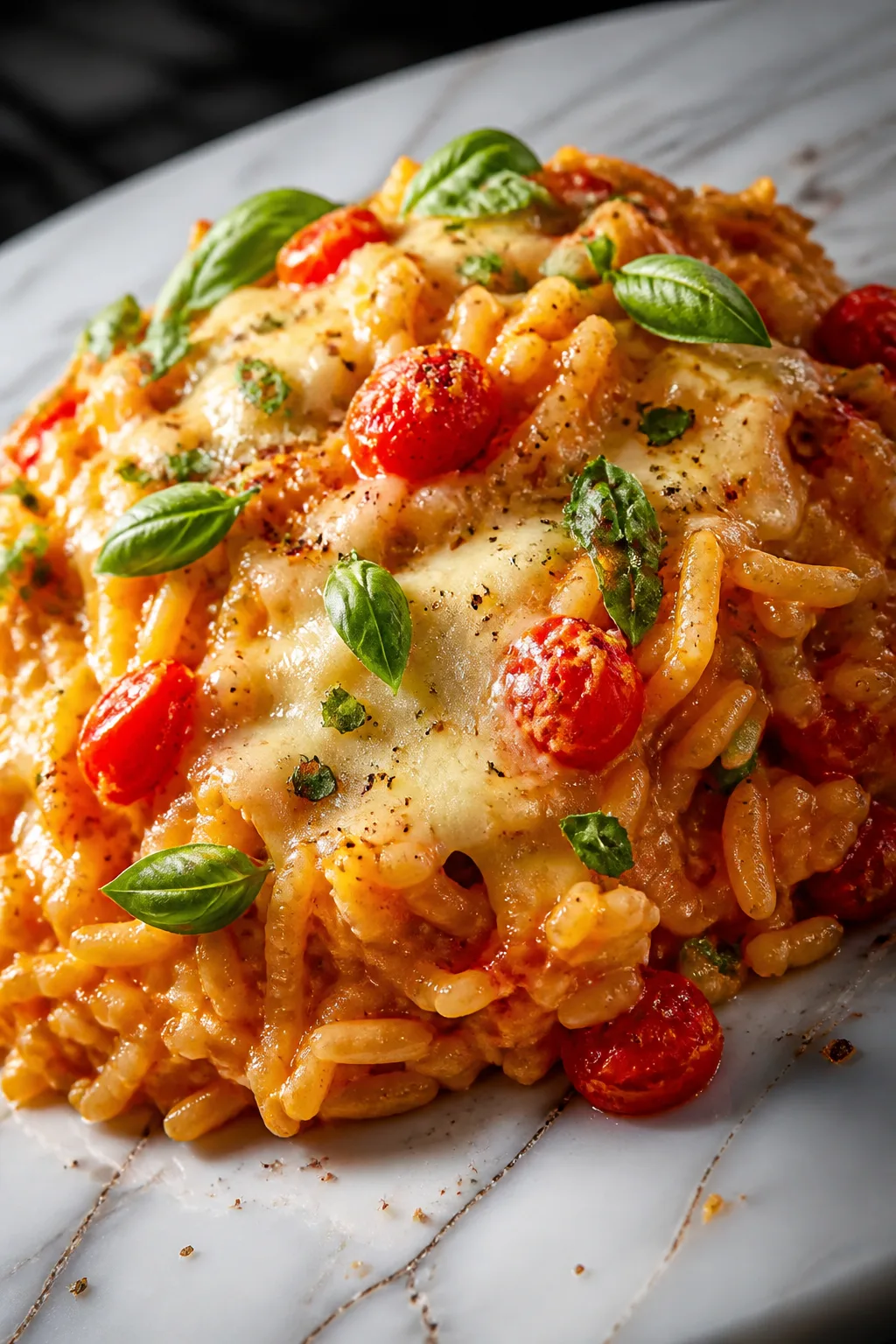
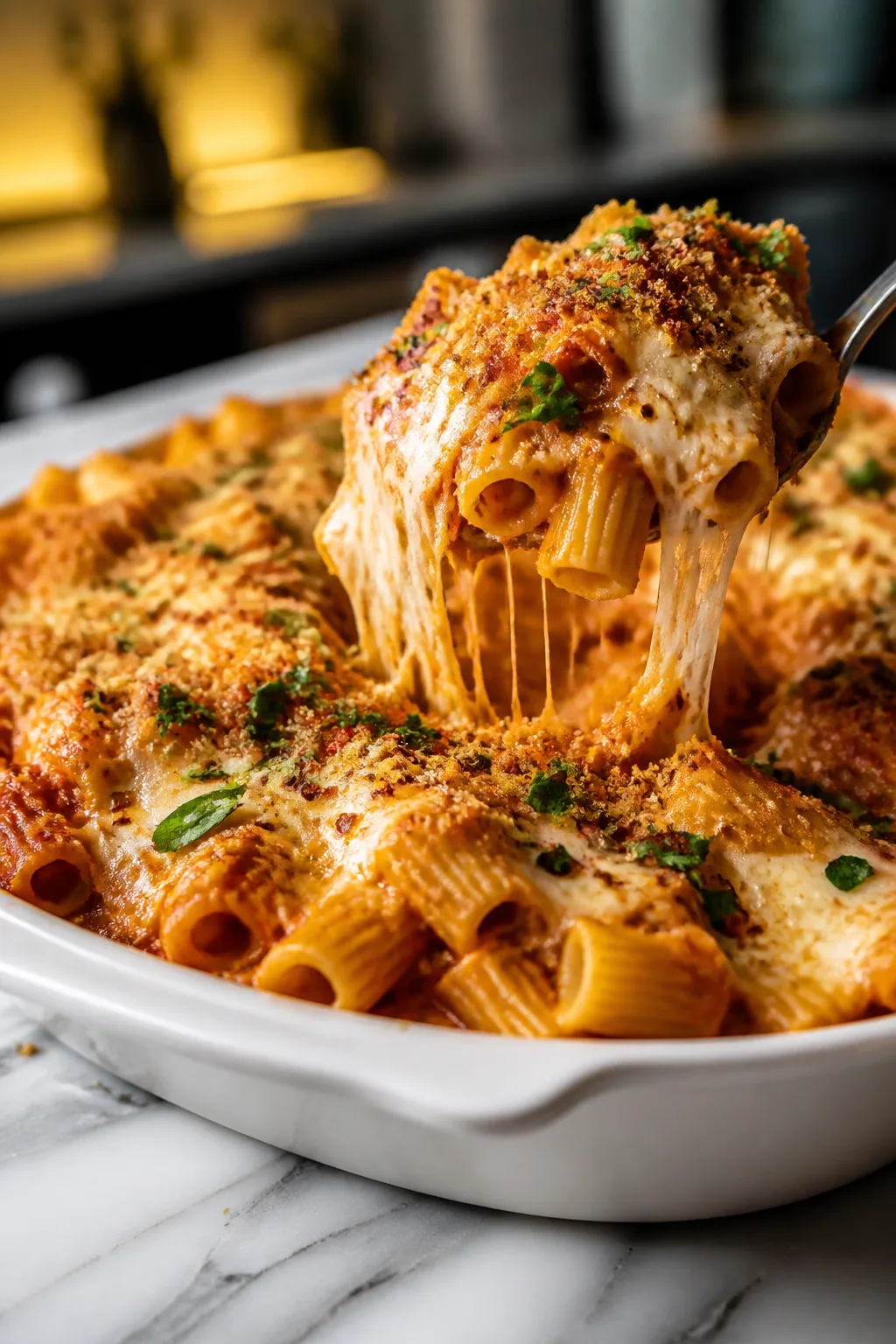
This risotto is a cozy, creamy dish bursting with earthy mushrooms and fresh spinach. The trick is to toast the rice first, giving it a perfect bite. Great for a comforting weeknight meal or a light lunch.
Introduction
I first stumbled upon this mushroom and spinach risotto recipe on a chilly spring evening when I wanted something comforting but not too heavy. I’ve been making risotto for years, but what makes this version stand out is the simple step of toasting the Arborio rice before adding any liquid. It gives the rice a slight nuttiness and helps it hold its shape better, so the final texture is creamy but with a pleasant bite—not mushy. Plus, the fresh spinach added at the end keeps it bright and fresh, balancing the earthy mushrooms perfectly. I remember the first time I tried skipping the toasting step, and the risotto turned out a bit gummy. Since then, that little trick has become my secret weapon. The finished dish is silky, rich, and packed with layers of flavor, making it ideal for a cozy weeknight dinner or a simple lunch. It looks impressive but is surprisingly straightforward to prepare, which I love sharing with friends who think risotto is complicated!
How To Do It
Step 1
Start by heating the olive oil in a large skillet or heavy-bottomed saucepan over medium heat. Add the finely chopped onion and cook gently until it becomes translucent and soft, about 5 minutes. This slow cooking releases the onion’s natural sweetness, which forms the flavor base for the risotto. Avoid browning the onion as that can make the dish bitter and overpower the delicate mushroom flavor.
⏱ Time: 5
✓ Doneness: Onions are soft, translucent, and fragrant without any browning.
Step 2
Next, add the sliced mushrooms and cook them down until they release their moisture and start to brown, about 7 minutes. This step intensifies their earthy flavor and ensures they add depth to the risotto. Stir frequently to prevent sticking and promote even cooking. Mushrooms that aren’t cooked properly can taste rubbery, so patience here really pays off.
⏱ Time: 7
✓ Doneness: Mushrooms are golden brown and have released most of their moisture.
Step 3
Add the minced garlic and cook for another minute until fragrant. Garlic cooks quickly and can burn easily, so keep stirring and watch closely. This adds a subtle punch that complements the mushrooms without overpowering the dish.
⏱ Time: 1
✓ Doneness: Garlic aroma fills the kitchen but no browning occurs.
Step 4
Now, stir in the Arborio rice to the pan and toast it for about 2 minutes. This is a crucial step that many skip. Toasting the rice coats each grain in oil and lightly cooks it, which helps it absorb the broth gradually and keeps the texture perfectly al dente. You’ll notice the rice becomes slightly translucent around the edges but remains opaque in the center.
⏱ Time: 2
✓ Doneness: Rice grains look glossy and slightly translucent at the edges.
Step 5
Pour in the white wine and let it simmer until mostly absorbed, about 3 minutes. The wine adds acidity and complexity, balancing the richness of the butter and cheese later. Don’t rush this step; allowing the alcohol to evaporate fully prevents any harsh flavors.
⏱ Time: 3
✓ Doneness: Wine has mostly evaporated, and the mixture looks creamy.
Step 6
Begin adding the warm vegetable broth one ladle at a time, stirring frequently. Wait until each ladle of broth is almost fully absorbed before adding the next. This gradual addition and constant stirring coax the rice to release its natural starches, creating that signature creamy risotto texture. Rushing this by adding all broth at once will result in uneven cooking and a less silky finish.
⏱ Time: 20
✓ Doneness: Rice is tender but still has a slight bite; mixture is creamy and thick.
Step 7
When the rice is almost done, stir in the chopped spinach and cook for 2-3 minutes until wilted. Adding the spinach at the end keeps its color bright and texture fresh instead of mushy. Overcooking greens can make the risotto look dull and taste bitter.
⏱ Time: 3
✓ Doneness: Spinach is wilted but still vibrant green.
Step 8
Remove the pan from heat and stir in the cold butter and grated Parmesan cheese until melted and fully incorporated. This finishing touch enriches the risotto, giving it a glossy, velvety texture and a slight tang from the cheese. Stirring off the heat prevents the cheese from clumping or becoming grainy.
⏱ Time: 2
✓ Doneness: Risotto looks creamy and shiny with no lumps.
Step 9
Season with salt and freshly ground black pepper to taste. Taste as you go because the Parmesan is salty, and you don’t want to overdo it. Let the risotto rest for a minute before serving to allow flavors to meld. Serve immediately for the best texture and flavor.
⏱ Time: 1
✓ Doneness: Balanced seasoning with a creamy, luscious consistency.
Variations
Creamy Parmesan and Pea Risotto
Swap mushrooms for fresh or frozen peas for a spring-inspired twist. The peas add sweetness and bright color while keeping the dish light and fresh. Use the same technique, adding peas alongside the spinach at the end.
Note: Peas cook quickly, so add them in the final minutes to avoid overcooking and maintain their texture.
Wild Mushroom and Thyme Risotto
Use a mix of wild mushrooms like shiitake, chanterelle, or porcini for a more intense earthy flavor. Add fresh thyme with the mushrooms for an aromatic note that elevates the dish.
Note: Wild mushrooms may require slightly longer cooking to release moisture and develop flavor, so adjust time accordingly.
Vegan Spinach and Mushroom Risotto
Replace butter with olive oil and use nutritional yeast instead of Parmesan for a vegan-friendly option. This keeps the risotto creamy with a cheesy flavor without dairy.
Note: Nutritional yeast melts differently than cheese, so stir it in off heat to avoid graininess.
Lemon and Herb Risotto with Spinach
Add a splash of fresh lemon juice and chopped parsley or basil at the end for a bright, fresh flavor contrast. This variation feels lighter and perfect for spring or summer meals.
Note: Add lemon juice off heat to preserve its fresh flavor and avoid bitterness.
Butternut Squash and Mushroom Risotto
Incorporate roasted butternut squash cubes for sweetness and texture contrast. It pairs beautifully with mushrooms and spinach for a comforting fall dish.
Note: Add roasted squash towards the end to warm through without breaking down.
Pro Tips
Always keep your broth warm while cooking risotto.
Cold broth slows down the cooking process and causes uneven absorption by the rice. Warm broth ensures the rice cooks steadily and releases starch gradually, which is key for achieving that creamy texture without overcooking.
Stir frequently but gently during broth additions.
Frequent stirring helps release starches from the rice, but stirring too vigorously can break grains and make the risotto mushy. Gentle, consistent stirring promotes even cooking and preserves the rice’s structure.
Don’t rush the toasting of the rice.
Toasting coats the rice grains with oil and slightly cooks the surface, which improves flavor and texture. Skipping or rushing this step often results in gummy risotto with less depth.
Add spinach at the very end.
Cooking spinach too early causes it to lose its vibrant color and fresh flavor, becoming bitter and mushy. Adding it near the end ensures it wilts just enough to stay bright and tender.
Use freshly grated Parmesan cheese.
Freshly grated cheese melts smoothly and blends perfectly into the risotto. Pre-grated cheese often contains additives that interfere with melting and can make the texture grainy.
Rest the risotto for a minute before serving.
Letting risotto rest briefly allows the flavors to meld and the texture to settle. Serving immediately ensures it’s creamy but not too runny.
Season gradually and taste often.
Since ingredients like Parmesan and broth contain salt, adding salt little by little prevents over-seasoning. Frequent tasting helps you balance flavors perfectly.
Common Mistakes to Avoid
Adding all the broth at once
Why it happens Many cooks assume pouring all broth in saves time, but it prevents the rice from cooking evenly and releasing starch properly.
Fix Add broth gradually, one ladle at a time, stirring often. This slow process ensures creamy texture and perfectly cooked rice.
Skipping toasting the rice
Why it happens Some think it’s unnecessary or time-consuming, but it’s crucial for flavor and texture.
Fix Always toast the rice in oil or butter until slightly translucent around edges before adding liquid to develop nuttiness and protect grains.
Using cold broth
Why it happens Forgetting to warm broth or rushing leads to temperature drops that disrupt cooking.
Fix Keep broth warm in a separate pot on low heat to maintain steady cooking temperature for the rice.
Overcooking mushrooms
Why it happens Cooking mushrooms too fast or at too high heat can make them rubbery or bitter.
Fix Cook mushrooms low and slow until golden and moisture evaporates for best flavor and texture.
Adding spinach too early
Why it happens Some add greens at the start, causing them to turn dull and bitter.
Fix Add spinach near the end and cook just until wilted to keep flavor fresh and color vibrant.
Nutrition
Per Serving:
Nutritional values are estimates and may vary based on specific ingredients used.
Storage & Tips
Room Temperature
Risotto can be safely kept at room temperature for up to 2 hours if covered to prevent drying out. Beyond that, it’s best to refrigerate to avoid bacterial growth.
Refrigerator
Store leftover risotto in an airtight container for up to 3 days. It will thicken as it cools, so reheat gently with a splash of broth or water to restore creaminess. Cold risotto can taste gummy and dense.
Freezer
Freeze risotto in airtight, freezer-safe containers for up to 2 months. Thaw overnight in the refrigerator. Risotto texture may change slightly after freezing but reheating carefully can restore much of the creaminess.
Reheating
Reheat risotto on the stovetop over low heat or in the microwave with a splash of broth or water. Stir frequently to redistribute moisture and prevent sticking. Avoid high heat which can dry it out.
Make Ahead
You can prepare the risotto up to the point before adding butter and cheese, then cool and refrigerate. Finish by reheating gently and stirring in butter and Parmesan just before serving for best texture.
FAQ
Can I use a different type of rice for risotto?
Arborio rice is best because of its high starch content which creates the creamy texture risotto is known for. Using long-grain or basmati rice won’t yield the same creaminess and often results in a dry or mushy dish.
Why do I need to stir the risotto so much?
Stirring helps release starch from the rice grains, which thickens the cooking liquid and creates a creamy texture. Without stirring, the risotto can cook unevenly and lack that signature creaminess.
Can I make risotto without wine?
Yes, you can substitute the white wine with extra broth or a splash of lemon juice for acidity. The wine adds flavor complexity but isn’t essential for the texture or basic taste.
How do I know when the risotto is done?
The rice should be tender but still slightly firm to the bite (al dente), and the overall texture should be creamy and loose but not soupy. Taste testing is the best way to check doneness.
Can I prepare risotto in advance?
Risotto is best served fresh, but you can cook it up to the point before adding butter and cheese, then refrigerate. Reheat gently and add butter and cheese at the end for best results.
What if my risotto turns out too thick?
If it’s too thick, stir in a little warm broth or water while reheating to loosen it up. Risotto should be creamy and slightly loose, not dry or clumpy.
How do I prevent risotto from becoming mushy?
Use the correct rice (Arborio), toast it, add broth gradually, and avoid over-stirring aggressively. Cooking it until al dente and not overcooking ensures it won’t turn mushy.
Can I add other vegetables to this risotto?
Absolutely! Peas, asparagus, roasted squash, or herbs can be added. Just consider their cooking times and add them accordingly to avoid over or undercooking.
Final Thoughts
I hope you give this creamy mushroom and spinach risotto a try—it’s one of those dishes that feels fancy but is so easy to make. Let me know how it turns out for you!