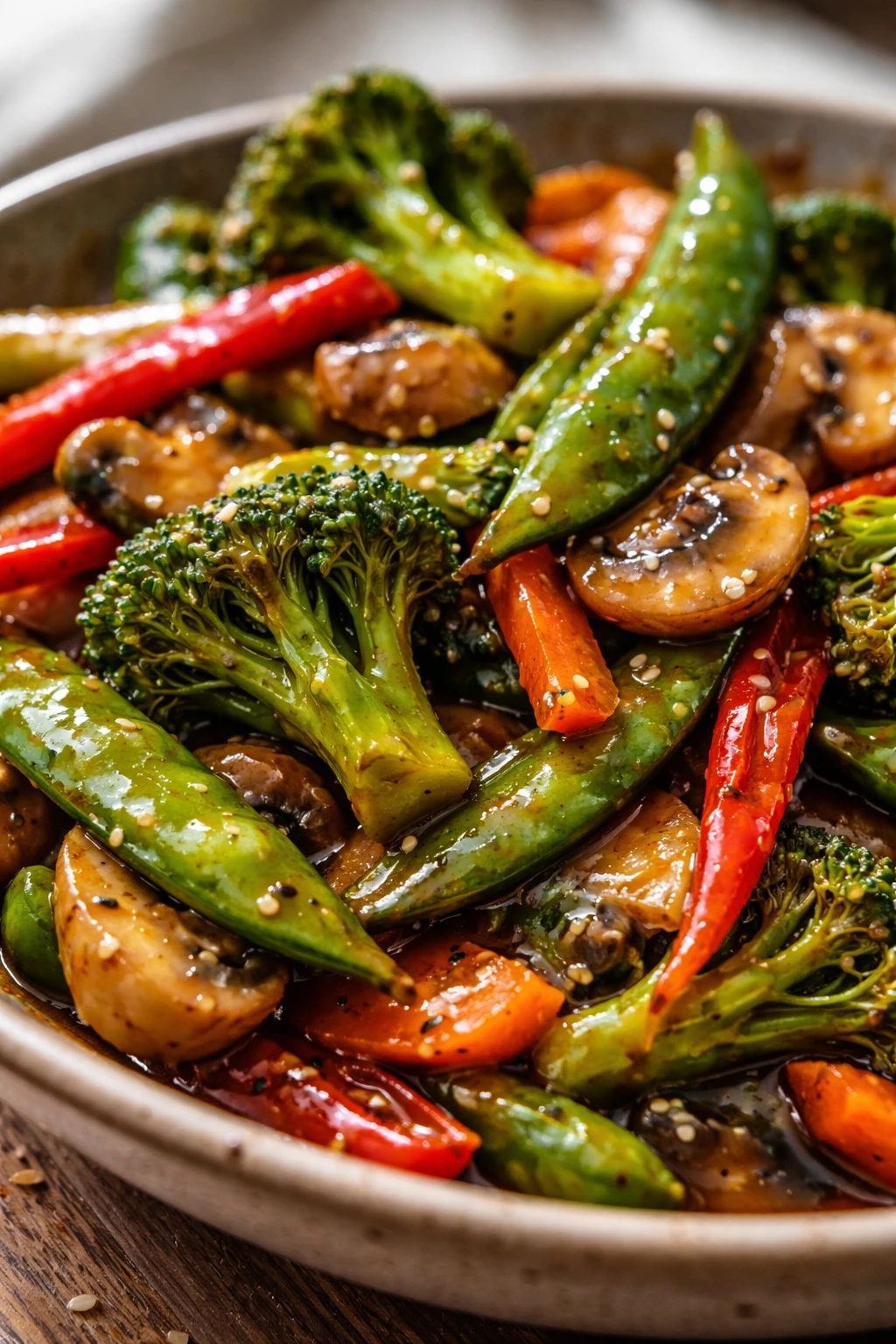
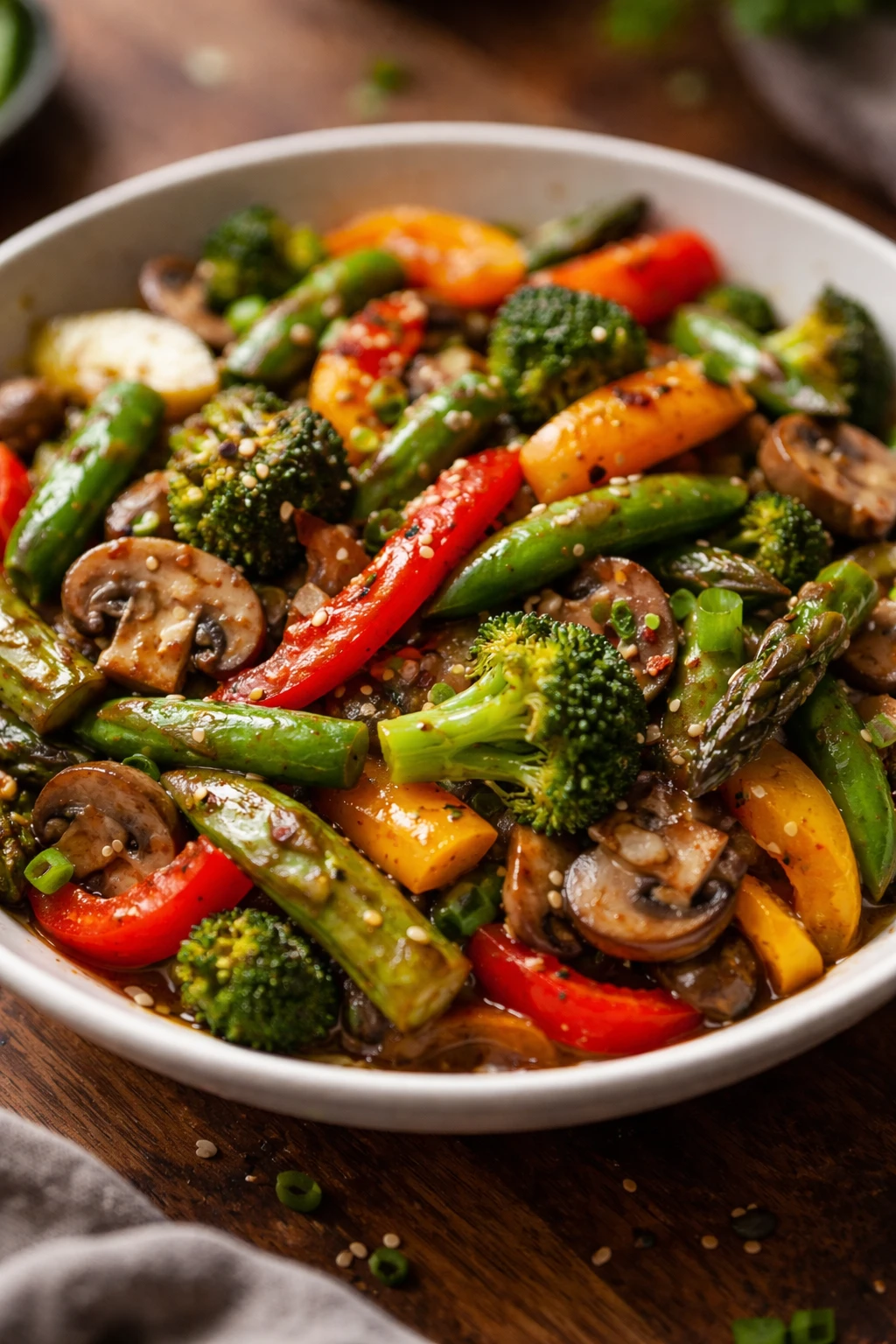
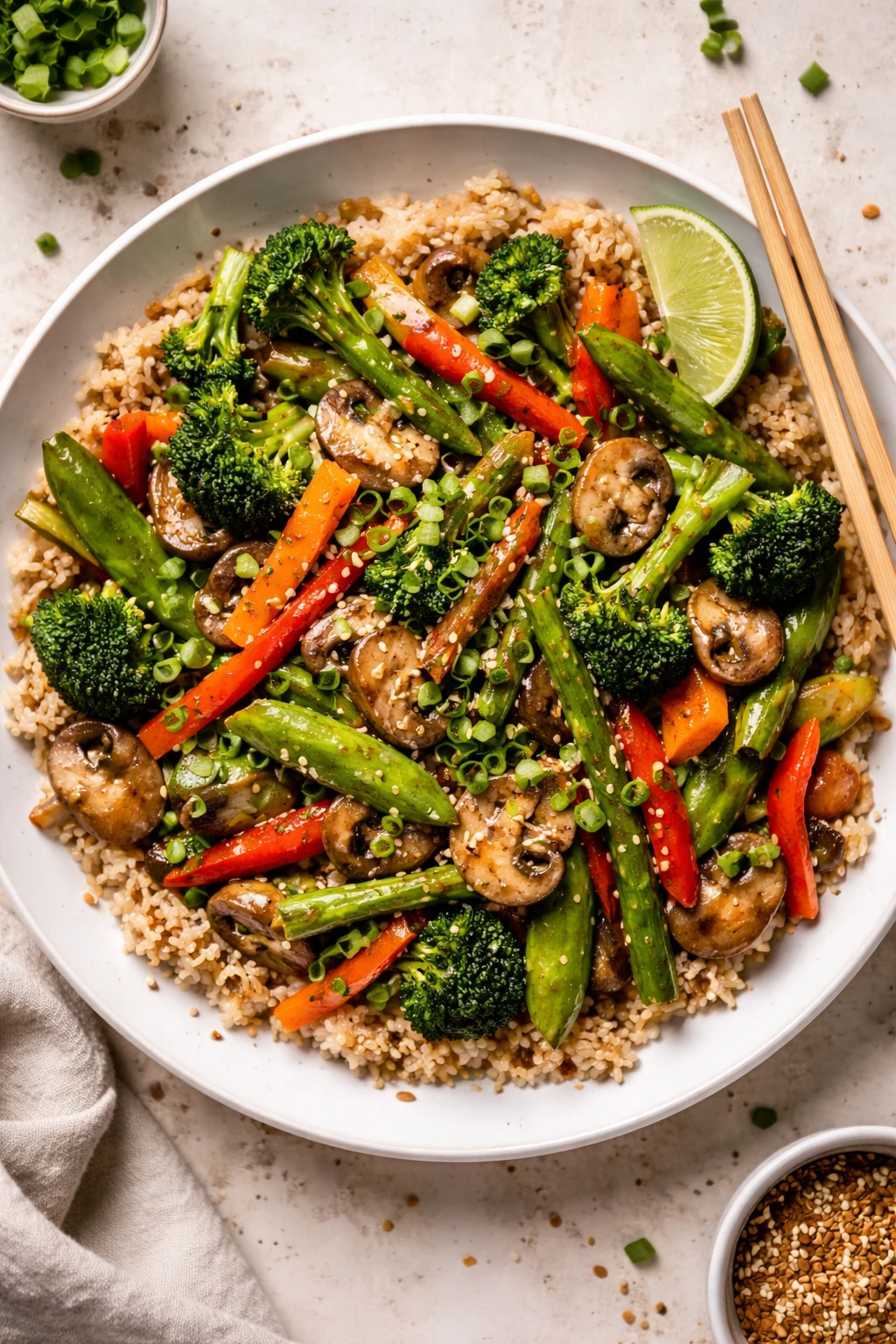
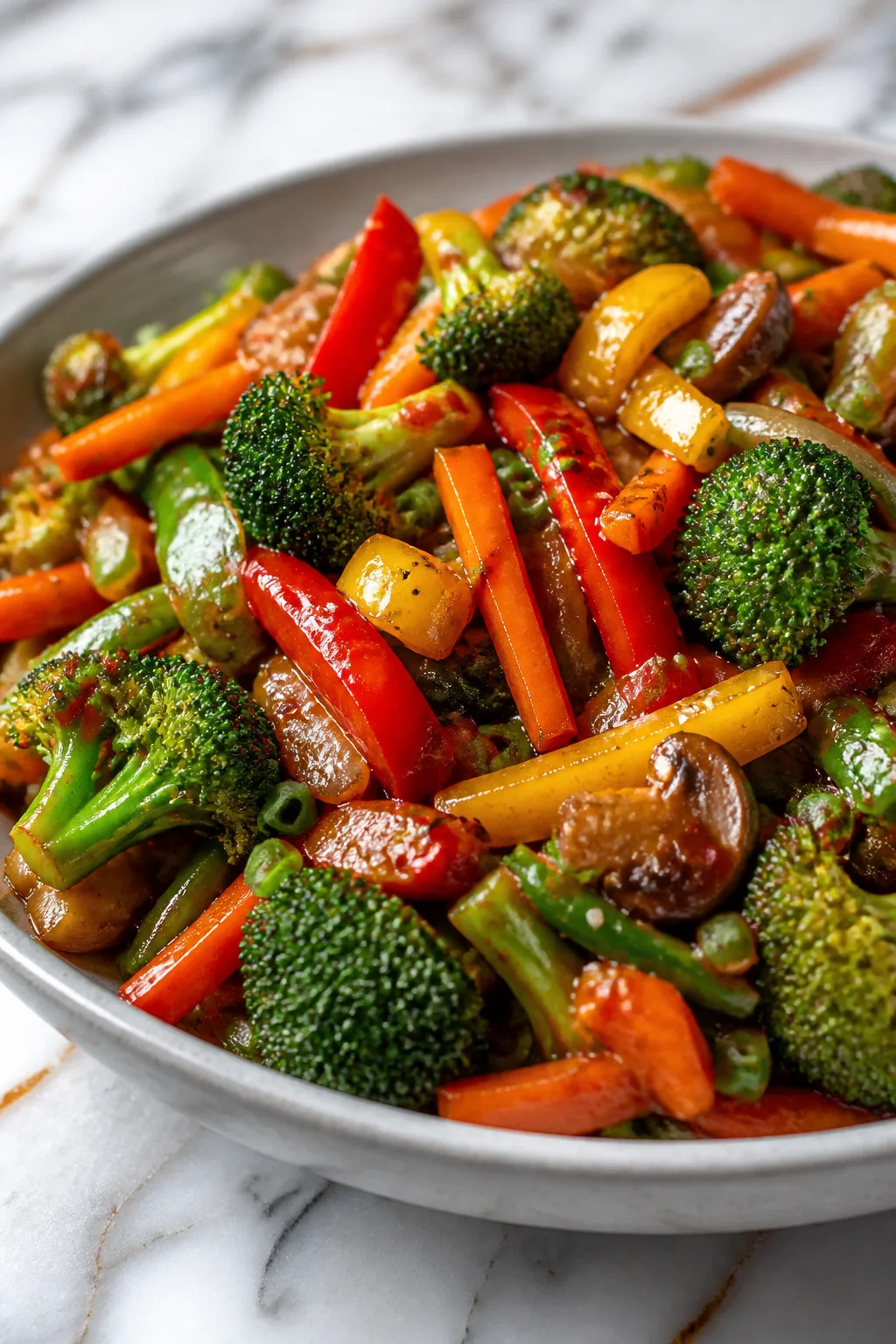
This vegan stir-fry is a quick, fresh meal packed with colorful spring veggies and a tangy sauce that wakes up your taste buds. I love the crisp snap peas—it’s perfect for hectic evenings when you want healthy and satisfying.
Introduction
I first stumbled upon this vibrant vegan stir-fry on a hectic weeknight when I wanted something quick but satisfying. What really hooked me was the fresh snap peas—they add such a delightful crunch that keeps the dish lively. Over time, I tweaked the sauce to balance tang and sweetness perfectly, using maple syrup and rice vinegar. The trick I learned is to cook the veggies just until tender-crisp; it keeps all those wonderful textures and colors alive. This stir-fry is now a staple in my kitchen because it’s fast, fresh, and feels so nourishing without any fuss. Plus, it’s versatile enough to swap in whatever veggies you have on hand. When it’s done, you get a beautiful, colorful plate that’s both comforting and energizing. Honestly, it’s one of those dishes that feels like you put in way more effort than you actually did!
How To Do It
Step 1
Heat 1 tablespoon of sesame oil in a large skillet or wok over medium-high heat until shimmering but not smoking. Adding the oil hot enough helps to sear the veggies quickly, preserving their crunch and bright color. Avoid overcrowding the pan to prevent steaming instead of stir-frying. This step is crucial because it sets the texture foundation for the dish. Once the oil is hot, add the minced garlic and grated ginger, stirring constantly for about 30 seconds until fragrant but not burnt. Burnt garlic turns bitter, so keep the heat monitored carefully.
⏱ Time: 3
✓ Doneness: Fragrant aroma and garlic just turning golden but not brown
Step 2
Add the sliced bell pepper, snap peas, carrot, and broccoli florets to the pan. Stir-fry them vigorously for about 5 to 7 minutes, tossing frequently. The goal is to soften the vegetables slightly while keeping them crisp and vibrant. If you rush this, the veggies might end up soggy or undercooked. Keep the heat high enough to get a slight char on edges but avoid burning. This balance creates a wonderful texture contrast and depth of flavor.
⏱ Time: 7
✓ Doneness: Veggies are tender-crisp with bright colors and slight browning on edges
Step 3
In a small bowl, whisk together the soy sauce, rice vinegar, maple syrup, and optional chili flakes. This sauce is the magic that ties all the flavors together with a perfect tangy-sweet balance. Pour the sauce over the veggies in the pan and toss everything to coat evenly. The residual heat will help the sauce thicken slightly and cling to each piece. Don’t add the sauce too early or it can cause the veggies to release water and turn soggy.
⏱ Time: 2
✓ Doneness: Sauce is glossy and evenly coats the vegetables
Step 4
Drizzle the remaining tablespoon of sesame oil over the stir-fry and give it a final toss. This finishing oil adds a rich, nutty aroma and depth of flavor that elevates the dish. It’s a subtle but important step that you don’t want to skip. Once combined, remove the pan from heat immediately to avoid overcooking.
⏱ Time: 1
✓ Doneness: Aromatic sesame scent with a glossy finish on veggies
Step 5
Transfer the stir-fry to a serving dish and sprinkle with sliced green onions and toasted sesame seeds. These toppings add freshness and a bit of crunch, rounding out the texture profile perfectly. Plus, the green onions bring a mild sharpness that contrasts nicely with the sweet and tangy sauce.
⏱ Time: 2
✓ Doneness: Bright green onions and sesame seeds evenly scattered on top
Step 6
Serve immediately over steamed rice or your favorite grain. The warm rice soaks up the delicious sauce and balances the crisp veggies. Waiting too long before serving can cause the veggies to lose their crunch and the sauce to thicken too much.
⏱ Time: 1
✓ Doneness: Rice is fluffy and ready to complement the stir-fry
Step 7
If you want to add protein, toss in cooked tofu cubes or chickpeas during the last few minutes of cooking. This boosts the meal’s heartiness without compromising the fresh veggie texture. Press tofu well before cooking to avoid excess moisture, which can make the stir-fry watery.
⏱ Time: 3
✓ Doneness: Protein is heated through and slightly golden on edges
Step 8
For an extra zing, squeeze fresh lime juice over the stir-fry just before serving. The citrus brightens all the flavors and adds a refreshing finish. It’s a simple touch that makes a big difference, especially on warmer days.
⏱ Time: 1
✓ Doneness: Light citrus aroma freshens the dish
Step 9
Clean your pan immediately after cooking to prevent oil and sauce residue from hardening. This keeps your cookware in great shape and ready for the next quick stir-fry session. Using warm water and a gentle scrubber usually does the trick.
⏱ Time: 5
✓ Doneness: Pan surface is clean and free of sticky residue
Variations
Tofu-Packed Vegan Stir-Fry
Add pressed and cubed tofu for extra protein. Pan-fry the tofu until golden before stir-frying the veggies, then toss them together with the sauce. Expect a heartier texture and more filling meal.
Note: Cook tofu separately to ensure it crisps up, then combine with veggies at the end.
Spicy Peanut Sauce Stir-Fry
Switch up the sauce by mixing peanut butter, soy sauce, lime juice, and a pinch of chili flakes. This adds creaminess and a spicy kick that pairs beautifully with the crunchy veggies.
Note: Thin the peanut sauce with warm water for smooth coating.
Asian Noodle Stir-Fry
Toss cooked rice noodles or soba into the stir-fry for a filling noodle bowl. Add extra sauce and garnish with fresh herbs like cilantro or basil for a fresh twist.
Note: Add noodles last and toss gently to avoid breaking.
Winter Veggie Version
Use hearty winter veggies like Brussels sprouts, kale, and sweet potato. Roast the sweet potato first for tenderness, then stir-fry with the other veggies and sauce for a cozy, seasonal meal.
Note: Adjust cook times as winter veggies take longer to soften.
Gluten-Free Stir-Fry
Use tamari instead of soy sauce and ensure all other ingredients are gluten-free. This version is safe for gluten-sensitive eaters without compromising flavor.
Note: Always check labels to avoid hidden gluten in sauces.
Pro Tips
Don’t overcrowd the pan when stir-frying.
Overcrowding traps steam and prevents the veggies from searing properly, resulting in soggy textures. Cooking in batches keeps the heat high and ensures each piece gets that perfect char and crunch.
Prep all your ingredients before you start cooking.
Stir-frying is a fast process, and having everything ready prevents overcooking or burning. Once the pan is hot, you want to move quickly to keep veggies crisp and flavors balanced.
Use a wok or large skillet for even heat distribution.
A wok’s shape allows for tossing and quick cooking with minimal oil, promoting even caramelization. A small pan traps moisture, which steams instead of stir-fries the vegetables.
Add sauce toward the end, not the beginning.
Adding sauce too early causes veggies to release water and become soggy. Adding it at the end helps the sauce cling to the vegetables, enhancing flavor without losing texture.
Toast sesame seeds separately before adding.
Toasting seeds intensifies their nutty flavor and crunch. Adding them raw can result in a bland garnish that doesn’t provide the same sensory impact.
Use fresh ginger and garlic for the best aroma.
Fresh aromatics release volatile oils that elevate the stir-fry’s flavor. Powdered or pre-minced versions lack the brightness and can taste flat or stale.
Serve immediately for optimal texture.
Stir-fried veggies lose their crispness as they cool. Serving right away preserves the fresh, vibrant mouthfeel that makes this dish so enjoyable.
Common Mistakes to Avoid
Overcooking the vegetables
Why it happens Many cooks assume that cooking longer will make veggies more tender, but this often leads to mushy, colorless results.
Fix Cook veggies on high heat with constant stirring just until tender-crisp—usually 5-7 minutes. Watch for bright color and slight browning, then remove from heat immediately.
Adding sauce too early
Why it happens Some add the sauce at the start to infuse flavor, but this causes the vegetables to release water and steam.
Fix Wait until the veggies are mostly cooked before adding the sauce. This allows it to coat the veggies without diluting or soggifying them.
Using low-quality soy sauce
Why it happens Poor soy sauce can be overly salty or flat, ruining the flavor balance.
Fix Choose a good-quality or low-sodium soy sauce or tamari. Taste it before adding and adjust quantities accordingly.
Skipping the finishing sesame oil
Why it happens People often omit this step thinking it’s unnecessary.
Fix Drizzle toasted sesame oil at the end off heat to add a nutty aroma and richness that lifts the entire dish.
Not prepping ingredients in advance
Why it happens Underestimating how fast stir-frying goes can lead to rushed, uneven cooking.
Fix Slice and measure everything before heating the pan to maintain control and timing.
Nutrition
Per Serving:
Nutritional values are estimates and may vary based on specific ingredients used.
Storage & Tips
Room Temperature
Keep the stir-fry covered at room temperature for up to 2 hours. Beyond that, bacteria growth can increase, so refrigerate promptly to maintain freshness and safety.
Refrigerator
Store leftovers in an airtight container for up to 3 days. The veggies may soften and lose some crunch when cold, so reheat gently to restore texture. Adding a splash of water or broth while reheating helps keep it moist.
Freezer
Freeze the stir-fry in a freezer-safe container for up to 2 months. Wrap tightly to prevent freezer burn. Thaw overnight in the fridge before reheating to maintain best texture and flavor.
Reheating
Reheat on the stovetop over medium heat with a splash of water or broth to prevent drying out. Avoid microwave reheating if possible, as it can make veggies mushy. Heat just until warmed through to preserve crispness.
Make Ahead
You can prep and chop all the vegetables a day ahead and store them in sealed containers. The sauce can also be mixed in advance. On the day of serving, stir-fry everything fresh for the best texture and flavor.
FAQ
Can I use frozen vegetables for this stir-fry?
Frozen veggies can be used but tend to release water when thawed, which may make the stir-fry soggy. To avoid this, cook them directly from frozen over high heat and stir-fry quickly, or pat them dry thoroughly before cooking.
What can I substitute for snap peas if I can’t find them?
Sugar snap peas add a unique crunch and sweetness, but snow peas or green beans make good substitutes. Just be sure to trim and slice them similarly and adjust cooking time to maintain crispness.
Is there a way to make this stir-fry spicier?
Absolutely! Add chili flakes to the sauce or toss in fresh sliced chili peppers while stir-frying. Another option is a drizzle of sriracha or chili garlic sauce just before serving for an extra kick.
Can I prepare this stir-fry in advance?
You can chop veggies and mix the sauce ahead of time, but it’s best to cook the stir-fry fresh to keep veggies crisp. Cooking too far in advance will cause loss of texture and flavor.
What’s the best oil for stir-frying if I don’t have sesame oil?
Use neutral oils with high smoke points like grapeseed, avocado, or peanut oil for stir-frying. You can add toasted sesame oil at the end for flavor if you have it.
How do I prevent my vegetables from becoming mushy?
Cook over high heat and avoid overcrowding the pan to ensure quick searing instead of steaming. Stir frequently and remove from heat as soon as veggies are tender-crisp.
Can I add protein like chicken or shrimp?
Yes! Cook chicken or shrimp separately until just done, then add to the stir-fry at the end with the sauce. This prevents overcooking the protein and keeps the veggies crisp.
What can I serve this stir-fry with?
It pairs beautifully with steamed rice, quinoa, or noodles. You can also serve it over cauliflower rice for a low-carb option.
Final Thoughts
I hope you enjoy making this fresh and quick vegan stir-fry as much as I do! Don’t forget to share your twists and how it turned out—I’d love to hear.