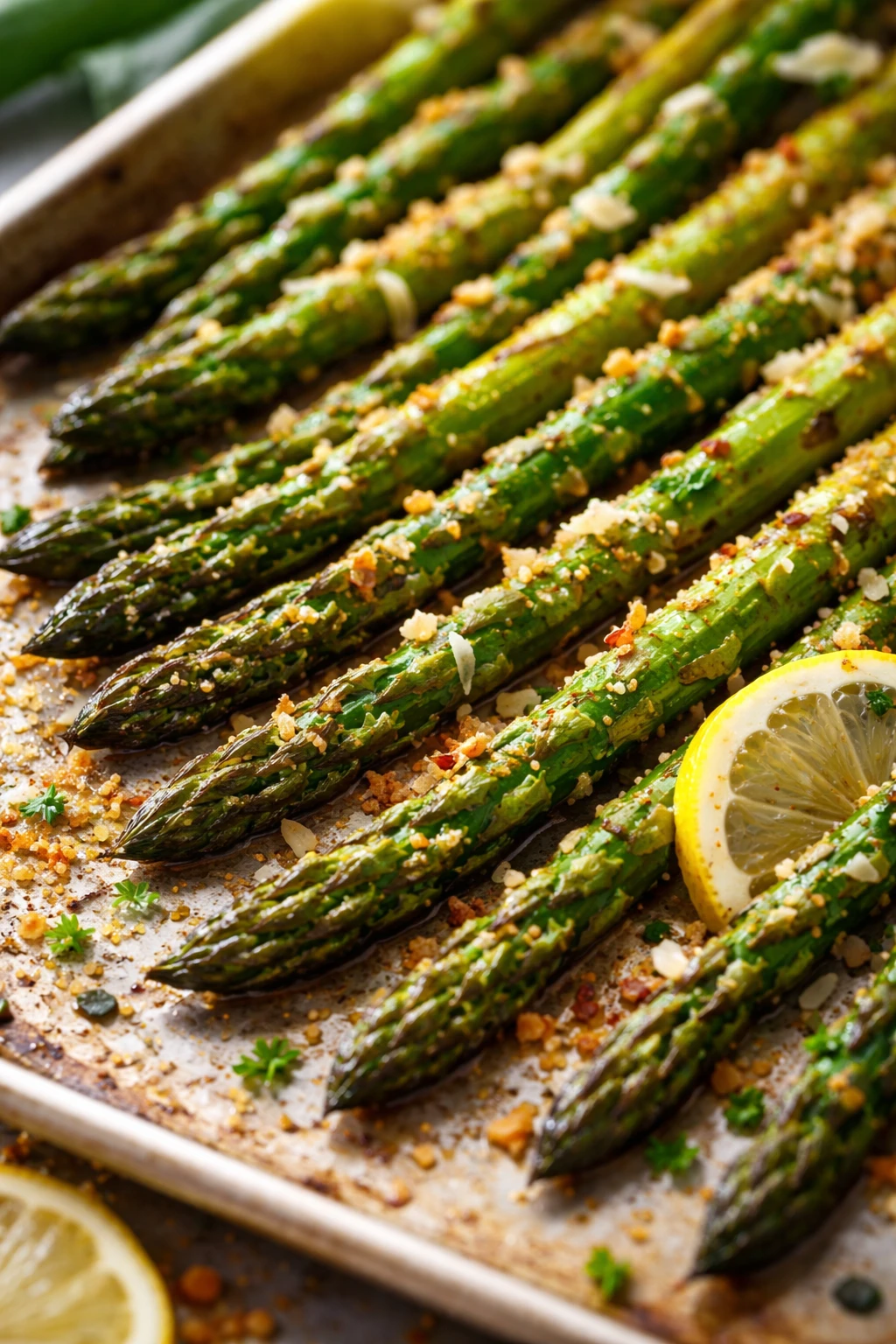
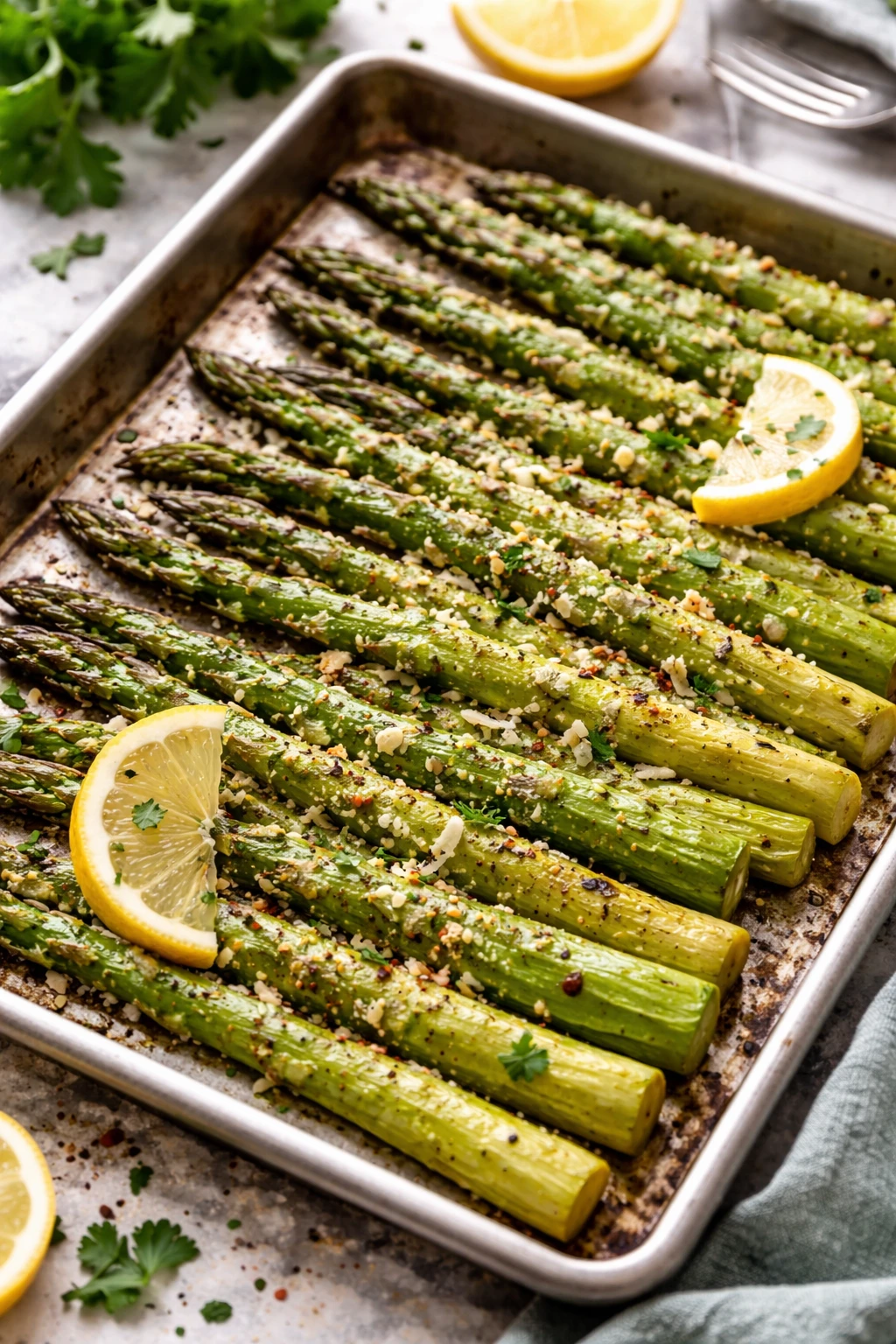
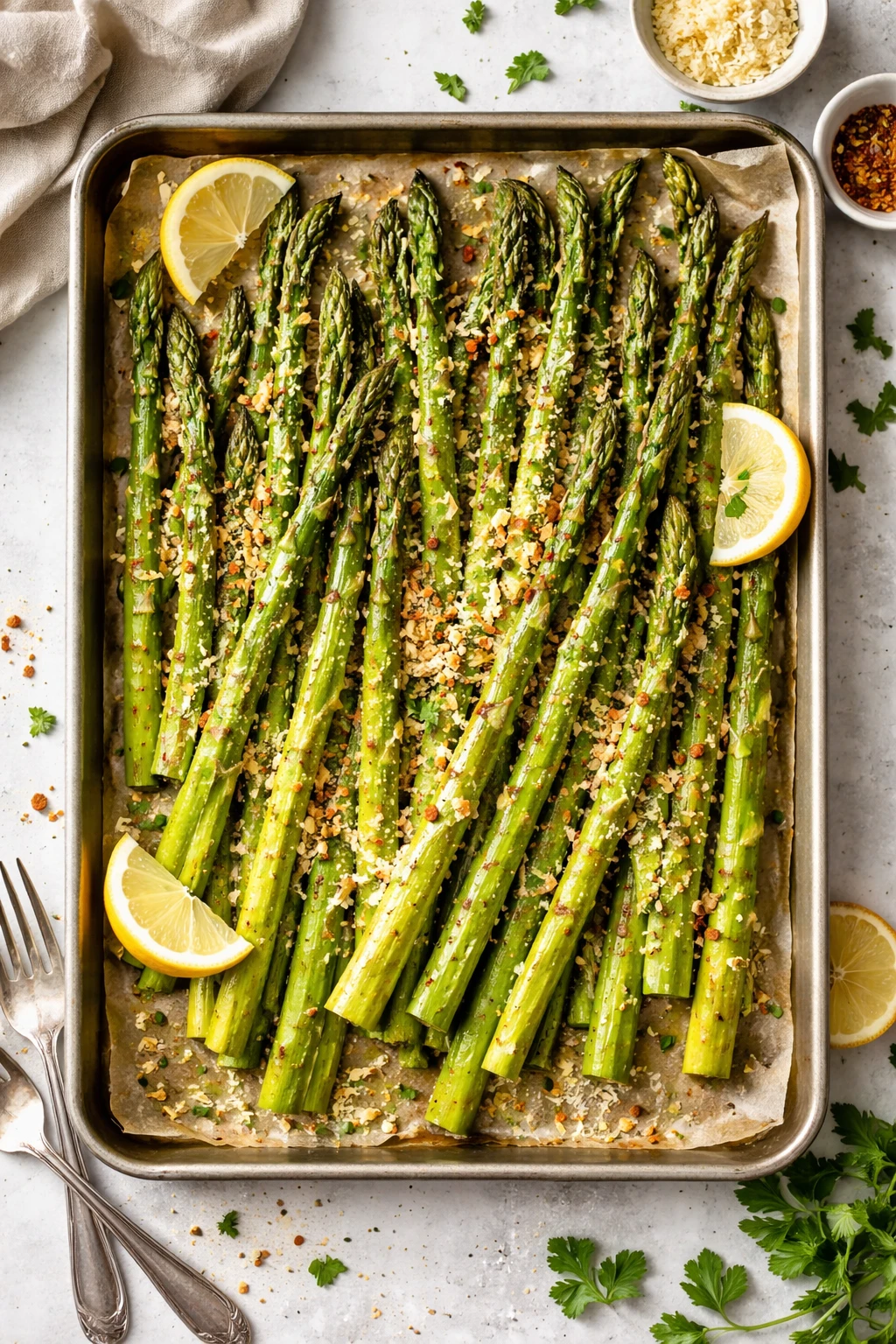
This roasted asparagus is my quick go-to side dish. Roasting brings out a lovely smoky sweetness, and the lemon zest adds a bright, fresh kick. Great for busy weeknight dinners or casual gatherings!
Introduction
I first stumbled upon this sheet pan roasted asparagus recipe when I needed a quick veggie side that didn’t require babysitting on the stove. Roasting asparagus on a single pan is not only super easy but it also brings out a natural smoky sweetness that you just don’t get from steaming or boiling. What really sets this version apart is the fresh lemon zest sprinkled on top right after roasting, which adds a bright, fresh pop that wakes up the whole dish. I used to overcook asparagus, ending up mushy and dull, but roasting at a high temp for just the right amount of time gives you tender stalks with crisp edges. It’s a simple side that feels fancy enough for guests but is fast enough for busy weeknights. The lemon juice drizzle at the end ties everything together with a lovely tang. Every time I make this, my family asks for more — it’s become a staple in our rotation because it’s healthy, tasty, and fuss-free. Plus, clean-up is a breeze since it’s all done on one pan. I think you’ll love how this little trick makes asparagus shine!
How To Do It
Step 1
Preheat your oven to 425°F (220°C). This high temperature is key to roasting asparagus perfectly — it caramelizes the edges quickly, giving that smoky flavor without drying them out. Line a baking sheet with parchment paper or foil for easy cleanup. Spread the trimmed asparagus in a single layer on the sheet, making sure the stalks aren’t overlapping or crowded. Crowding them traps steam and prevents crispness, so give them enough space to roast evenly.
⏱ Time: 10 minutes
✓ Doneness: Asparagus tips will be slightly browned and stalks tender but still firm when pierced with a fork.
Step 2
Drizzle the olive oil evenly over the asparagus and sprinkle with kosher salt and freshly ground black pepper. Toss gently with your hands or tongs to coat each stalk well. The olive oil helps conduct heat and promotes browning, while salt enhances the natural flavors. Don’t skip the pepper — it adds just enough bite to balance the sweetness from roasting. Avoid using too much oil or the asparagus will get soggy instead of crisp.
⏱ Time: 5 minutes
✓ Doneness: The asparagus will glisten lightly with oil, evenly coated but not dripping.
Step 3
Place the baking sheet in the preheated oven on the middle rack. Roast the asparagus for 12 to 15 minutes, depending on thickness. Thin stalks will cook faster, so check around 12 minutes to avoid overcooking. Halfway through roasting, shake the pan or use tongs to turn the asparagus for even browning. This step helps all sides get that beautiful caramelized texture and prevents burning on one side.
⏱ Time: 12-15 minutes
✓ Doneness: Edges should be browned and slightly crispy, with the stalks tender but not mushy.
Step 4
Once roasted, remove the asparagus from the oven and immediately sprinkle the lemon zest over the hot stalks. The residual heat releases the lemon’s fragrant oils, adding a fresh brightness that contrasts wonderfully with the smoky roasted flavor. Toss gently to distribute the zest evenly. This finishing touch is what makes the dish feel fresh and vibrant instead of heavy.
⏱ Time: 2 minutes
✓ Doneness: Aromatic lemon scent wafts from the asparagus, and you see fine zest speckled on the stalks.
Step 5
Squeeze fresh lemon juice over the asparagus just before serving. The acidity cuts through the richness of the olive oil and adds a tangy finish that lifts the whole dish. If you add lemon juice too early, it can make the asparagus soggy, so wait until the last moment. Serve immediately to enjoy the crisp texture and bright flavors at their best.
⏱ Time: 1 minute
✓ Doneness: Asparagus looks glistening with juice, and the lemon aroma is fresh and inviting.
Step 6
For extra flavor, sprinkle grated Parmesan or toasted almonds on top after the lemon juice if you like. These add a nice texture contrast and a savory element that pairs beautifully with the lemony asparagus. You can also add a pinch of red pepper flakes for a subtle heat kick. These optional garnishes can elevate the dish for a special occasion or when you want something a little different.
⏱ Time: Optional, 2 minutes
✓ Doneness: Toppings evenly scattered and slightly melted or warm if using cheese.
Step 7
If you want to prepare ahead, roast the asparagus fully but hold off on adding lemon zest and juice until serving. Store roasted asparagus in an airtight container in the fridge for up to 2 days. This keeps it crisp and fresh-tasting. When ready to eat, reheat gently in a warm oven and add lemon zest and juice right before plating to revive the flavors.
⏱ Time: Preparation ahead of time
✓ Doneness: Asparagus reheated but not dried out, fresh zest and juice brightening the dish.
Step 8
Use a sharp knife or snap the woody ends off the asparagus before cooking. This ensures you don’t get tough, fibrous bites. To find the snapping point, bend the stalk gently near the base — it will naturally break where the tender part begins. This simple prep step makes a big difference in texture and overall enjoyment.
⏱ Time: 5 minutes
✓ Doneness: Woody ends removed, asparagus stalks uniformly tender.
Step 9
Serve the roasted asparagus warm as a side to grilled meats, roasted chicken, or pasta dishes. It also works great chilled in salads or as a light snack. The versatility and ease of this recipe make it one of my favorites to keep on rotation. Plus, it’s a fantastic way to get more veggies on the table without fuss.
⏱ Time: Serve immediately
✓ Doneness: Asparagus served warm with bright lemon aroma and slight crispness.
Variations
Parmesan-Crusted Roasted Asparagus
After roasting, sprinkle grated Parmesan cheese over the asparagus and broil for 1-2 minutes until melted and golden. This adds a savory, crispy crust that pairs beautifully with the lemon zest. It’s a fancy twist that’s still easy enough for weeknights.
Note: Watch closely under the broiler to avoid burning; cheese melts quickly.
Spicy Roasted Asparagus with Chili Flakes
Add 1/2 teaspoon red chili flakes when tossing asparagus with oil and salt before roasting. This gives a subtle heat that complements the smoky flavor. Perfect if you like a little spice without overwhelming the fresh lemon notes.
Note: Adjust chili amount to your heat preference; start small to avoid overpowering.
Garlic and Herb Roasted Asparagus
Toss asparagus with 2 minced garlic cloves and 1 teaspoon mixed dried herbs before roasting. The garlic infuses the oil with aroma, and herbs like thyme or rosemary add depth. It’s a fragrant, earthy variation that pairs well with grilled meats.
Note: Add garlic right before roasting to prevent burning and bitterness.
Balsamic Glazed Roasted Asparagus
Drizzle 1 tablespoon balsamic vinegar over asparagus after roasting and toss gently. The tangy sweetness of balsamic adds a rich complexity that contrasts the lemon zest and smoky asparagus. Great for a more sophisticated side.
Note: Add balsamic after cooking to preserve its flavor and avoid burning.
Roasted Asparagus with Toasted Almonds
Top the finished asparagus with 2 tablespoons toasted sliced almonds for crunch and nuttiness. The almonds add texture and a lovely flavor contrast to the tender, lemony asparagus. This variation feels a bit more special but is still simple.
Note: Toast almonds separately in a dry pan until golden to maximize flavor.
Pro Tips
Make sure asparagus stalks are evenly spaced on the pan.
Crowding causes the asparagus to steam rather than roast, resulting in limp stalks without crisp edges. Giving each stalk space allows hot air to circulate and promotes even caramelization, which is key for flavor and texture.
Use a microplane to zest the lemon finely.
Fine zest releases more aromatic oils and blends evenly over the asparagus. Larger pieces can be bitter and uneven, while finely grated zest ensures every bite has a fresh, bright citrus note that complements the roasted flavor.
Don’t overcook the asparagus—check early.
Asparagus can quickly go from tender-crisp to mushy. Checking at 12 minutes helps you catch the perfect doneness where the stalks are soft inside but still have a slight snap and caramelized edges.
Trim woody ends by snapping rather than cutting.
Snapping naturally removes the tough, fibrous bottom part of the stalk, ensuring you only cook the tender section. Cutting can leave some woody bits that are unpleasant to eat and hard to chew.
Add lemon juice right before serving.
Adding lemon juice too early can make the asparagus soggy and dull the fresh citrus flavor. Waiting until the last moment preserves brightness and texture, enhancing the overall dish.
Use parchment paper or foil on your sheet pan.
This makes cleanup much easier and prevents asparagus from sticking, which can tear the stalks and ruin the presentation. It also helps distribute heat evenly across the pan.
Try tossing asparagus with Parmesan or nuts after roasting.
Adding grated cheese or toasted almonds provides a savory or crunchy contrast that elevates the dish. These toppings add texture and flavor complexity without much extra effort.
Common Mistakes to Avoid
Overcrowding the pan
Why it happens It’s tempting to fit all the asparagus on one pan to save time, but this traps moisture.
Fix Use two pans if needed or roast in batches. Make sure stalks have room to roast, not steam, for best texture.
Skipping trimming of woody ends
Why it happens Some cooks assume the whole stalk is edible, but the bottom is tough.
Fix Snap or trim ends before cooking to avoid unpleasant fibrous bites and ensure tenderness.
Using too much oil
Why it happens More oil doesn’t mean better flavor; it can make asparagus greasy.
Fix Use just enough to coat the stalks lightly. Excess oil prevents crisping and leads to soggy results.
Adding lemon juice too early
Why it happens Some add lemon juice before roasting to marinate, but heat breaks down acidity.
Fix Add fresh lemon juice right after roasting to maintain bright flavor and crisp texture.
Roasting at too low temperature
Why it happens Low heat doesn’t brown asparagus well and prolongs cooking time.
Fix Roast at 425°F for quick caramelization and tender-crisp stalks.
Nutrition
Per Serving:
Nutritional values are estimates and may vary based on specific ingredients used.
Storage & Tips
Room Temperature
Roasted asparagus can be left at room temperature for up to 2 hours if covered loosely with foil. Beyond that, bacteria growth increases, so refrigerate promptly to keep safe and fresh.
Refrigerator
Store in an airtight container in the fridge for up to 2 days. The texture may soften slightly when cold, so reheat gently in a warm oven or enjoy chilled in salads. Avoid microwaving to prevent sogginess.
Freezer
Freeze roasted asparagus in a single layer on a baking sheet before transferring to a freezer-safe bag for up to 1 month. Freeze quickly to preserve texture. To thaw, place in the fridge overnight and warm gently in the oven.
Reheating
Reheat in a 350°F oven for 5-7 minutes until warmed through. Avoid microwaving as it can make asparagus mushy. If needed, add a splash of olive oil or lemon juice after reheating to refresh flavors.
Make Ahead
You can roast asparagus fully 1-2 days ahead and store refrigerated. Add lemon zest and juice just before serving to keep flavors bright. This makes it easy to prep ahead for busy weeknights or dinner parties.
FAQ
Can I use frozen asparagus for this recipe?
Frozen asparagus is usually softer and wetter than fresh, so roasting won’t give the same crisp texture or caramelization. If using frozen, thaw completely and pat dry to remove excess moisture, then roast at a slightly lower temperature and shorter time to avoid sogginess.
How do I know when asparagus is done roasting?
Check that the stalks are tender when pierced with a fork but still have a slight snap. The tips and edges should be browned and slightly crispy. Overcooked asparagus becomes mushy and dull in color, so watch closely after 12 minutes.
Can I make this vegan or dairy-free?
This recipe is naturally vegan and dairy-free as is, since it uses olive oil and lemon for flavor. If you add toppings like Parmesan, simply omit or substitute with vegan cheese or nutritional yeast for a cheesy flavor.
What if I don’t have fresh lemons?
Fresh lemon zest and juice provide bright, fresh flavor that bottled juice can’t match. If you must use bottled lemon juice, add just a small amount at the end, but avoid using dried zest as it lacks aroma and can taste bitter.
Can I roast asparagus with other vegetables?
Yes! Just be mindful of different roasting times. Denser veggies like carrots or potatoes take longer, so add asparagus later in the roasting process or cut them thicker to sync cook times.
How do I store leftovers to keep asparagus crisp?
Store leftovers in an airtight container in the fridge, separated from moist foods. Reheat gently in the oven rather than microwaving to keep some crispness. Adding fresh lemon zest after reheating helps revive flavor.
Is it better to roast asparagus whole or cut into pieces?
Roasting whole stalks keeps them tender and visually appealing. Cutting into pieces can be done but may cause uneven cooking and loss of moisture. I prefer whole stalks for best texture and presentation.
Why do some asparagus recipes call for blanching before roasting?
Blanching softens asparagus and brightens color but can reduce roasting time and flavor development. For quick roasting with smoky flavor and crisp edges, I skip blanching and roast raw stalks directly.
Final Thoughts
I hope you enjoy this simple roasted asparagus recipe as much as my family does. Give it a try and let me know how it turns out!