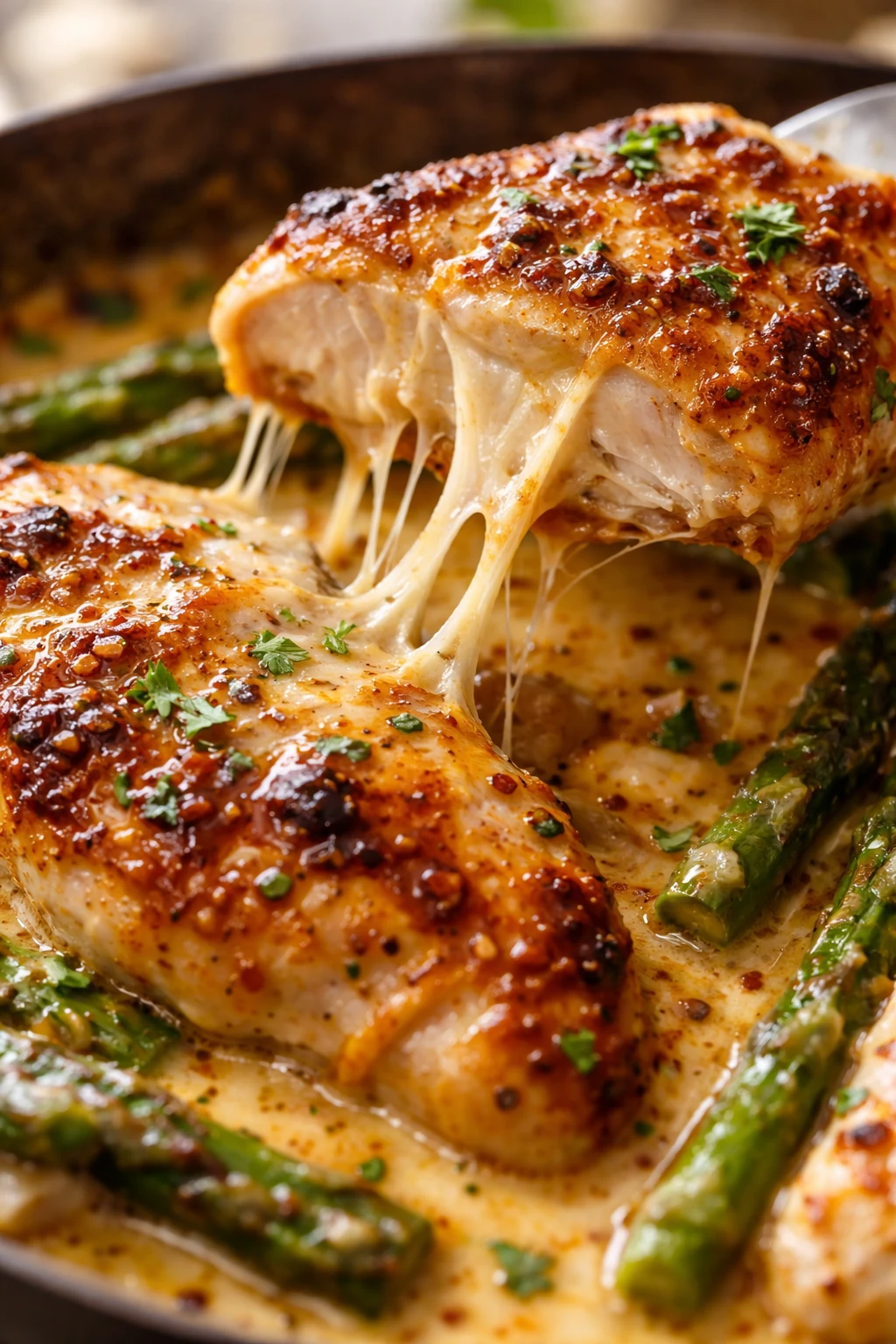
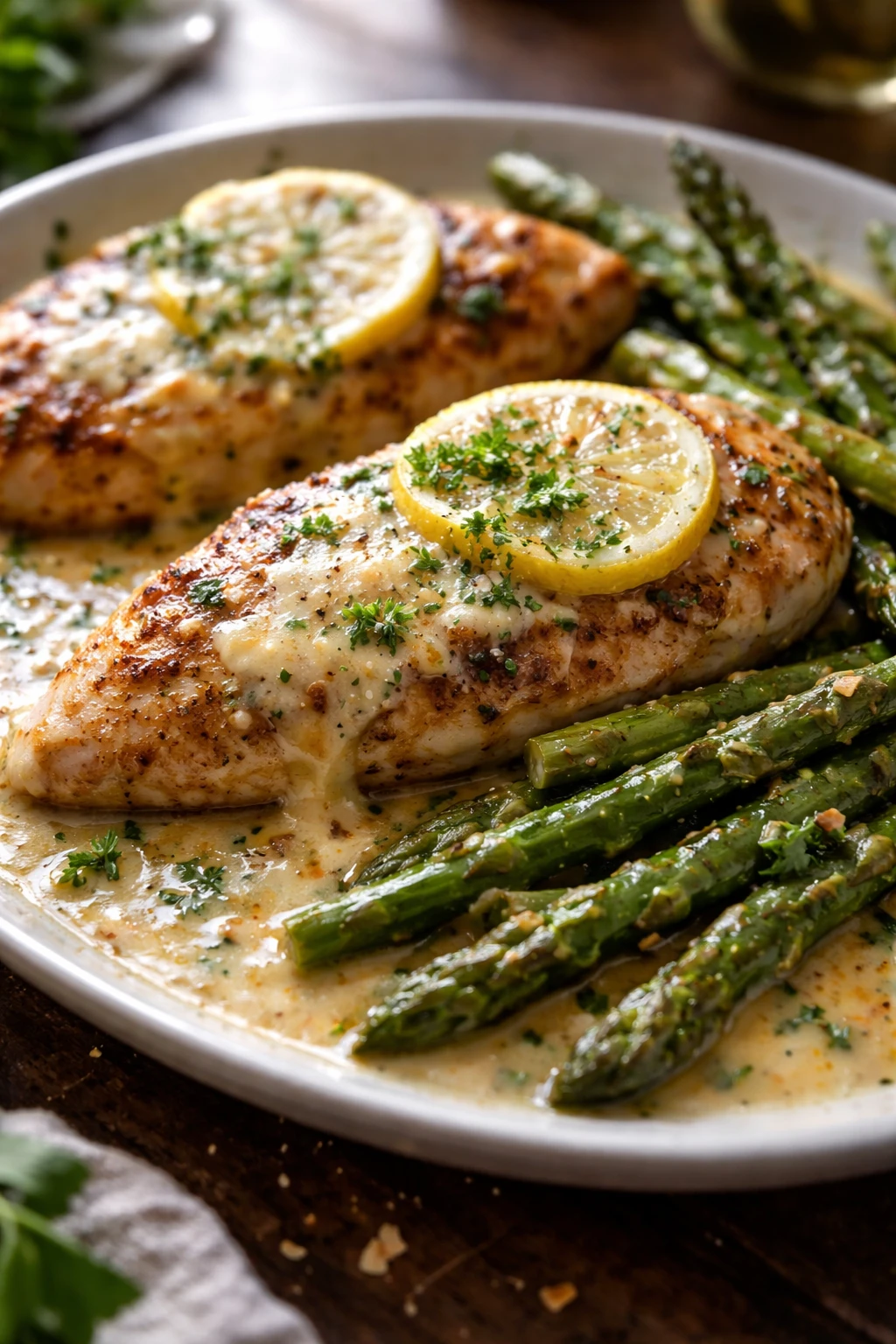
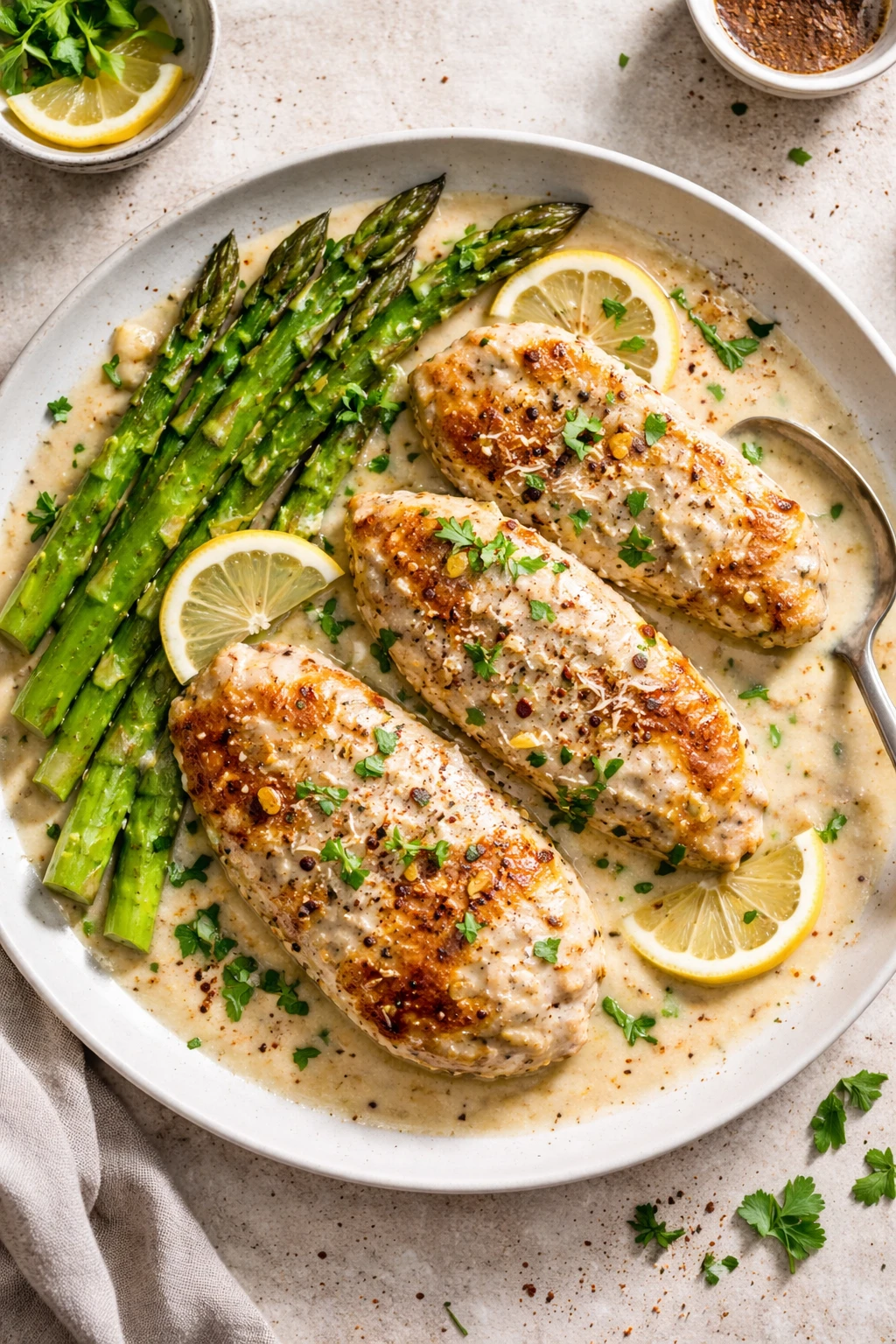
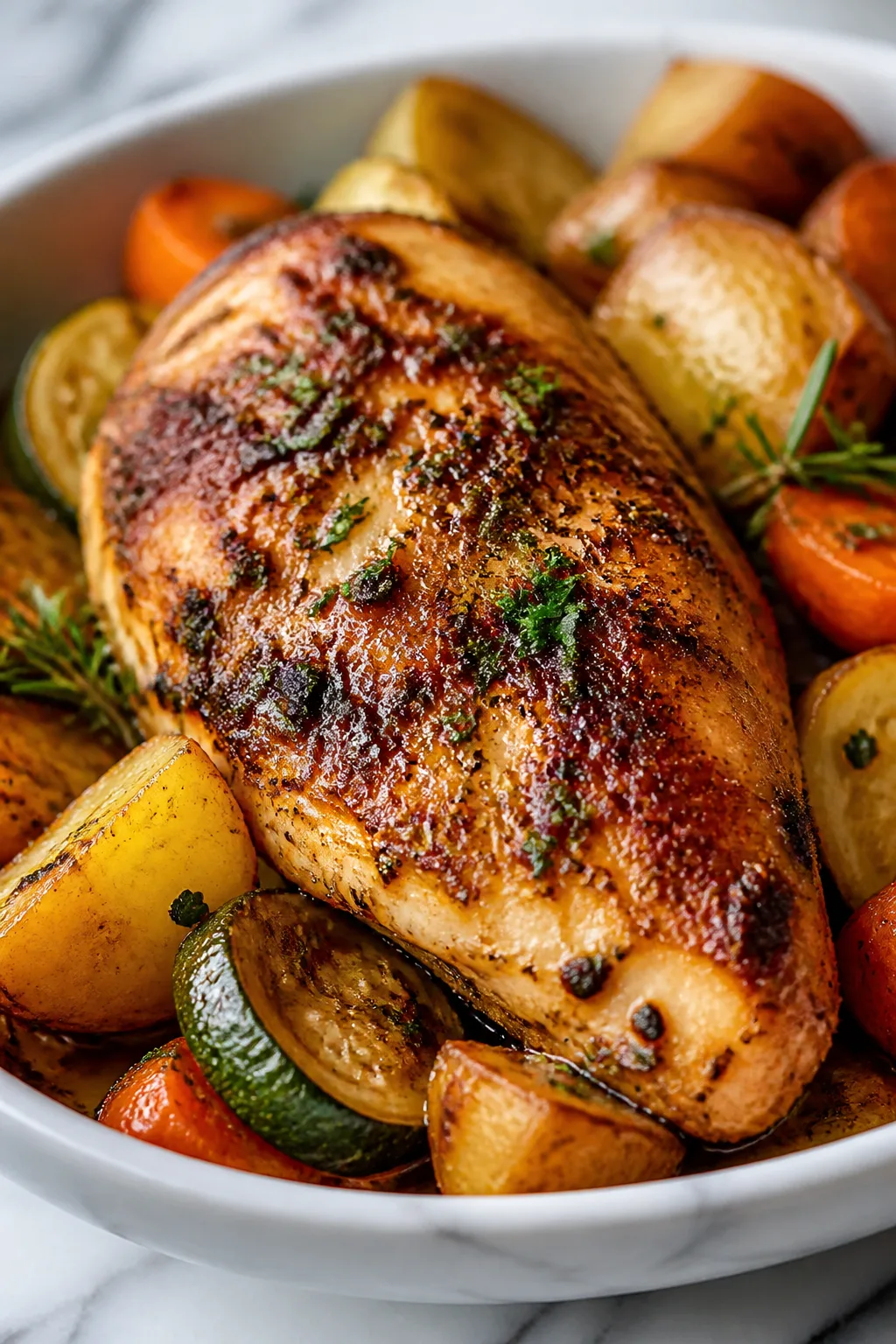
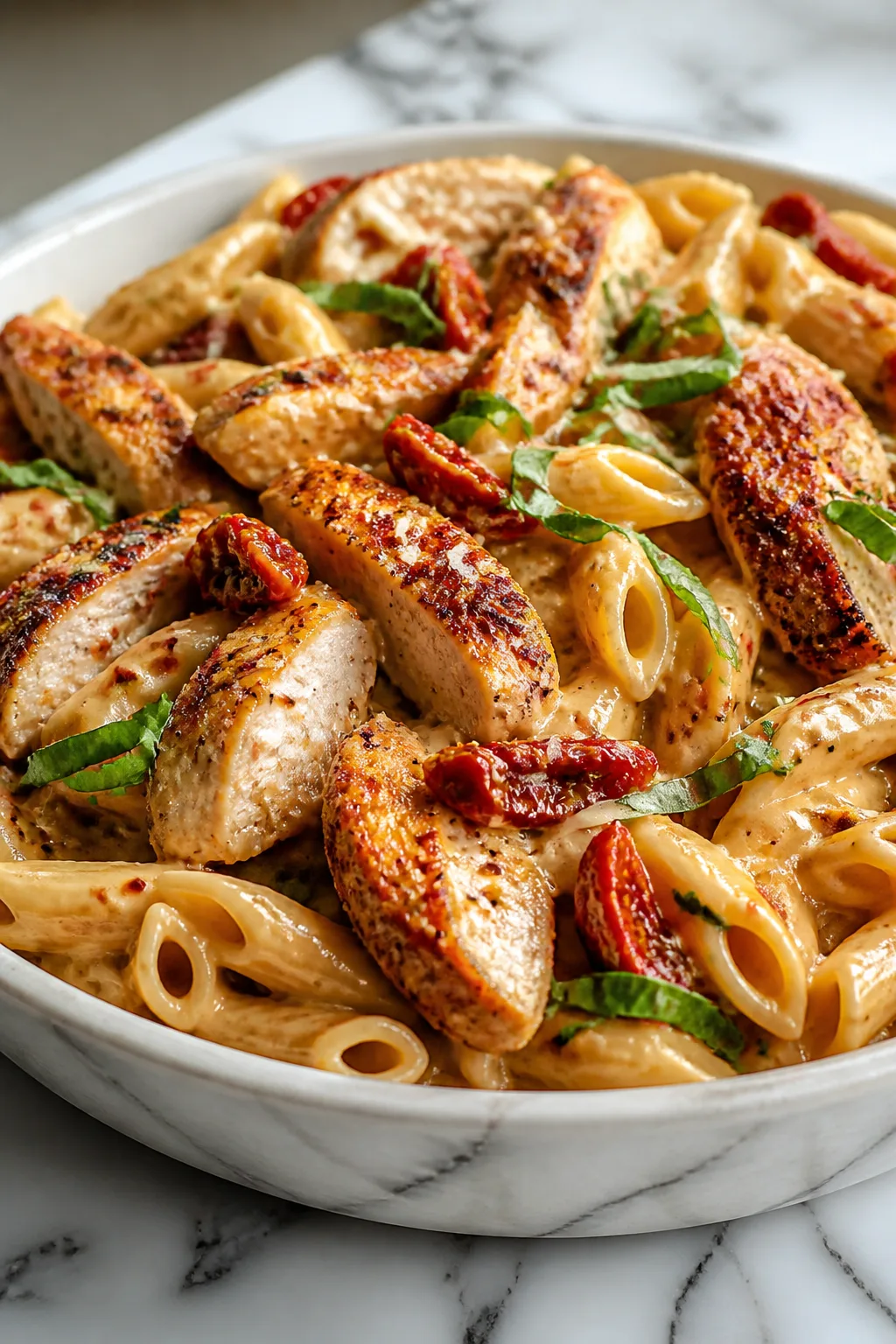
This creamy lemon garlic chicken is a bright, cozy dinner that feels fresh thanks to tender spring asparagus. The garlic-infused sauce adds warmth and depth, making it a perfect weekend treat or easy weeknight meal.
Introduction
I've been making this creamy lemon garlic chicken dish for a few years now, and it quickly became a family favorite. The first time I made it, I was looking for something bright and fresh to shake up my usual chicken routine. What sets this version apart is the balance between the tangy lemon and the richness of the cream, plus the fresh asparagus that adds a lovely spring crunch. I learned early on that pounding the chicken breasts to an even thickness helps them cook perfectly without drying out — a trick that really makes a difference. The garlic is sautéed gently to release its full flavor without burning, which infuses the sauce with a warm, inviting aroma. When it’s all done, the chicken is tender and juicy, swimming in a silky sauce that’s both zesty and comforting. It’s just the right dish to make when you want something impressive but still easy enough for a weeknight. Plus, it looks so pretty on the plate, which always feels like a win. I hope you enjoy making and eating it as much as I do!
How To Do It
Step 1
Start by pounding your chicken breasts to an even thickness, about 1/2 inch. This step is crucial because it ensures the chicken cooks evenly and stays juicy. Uneven pieces can dry out or undercook in spots, so take your time here. Use a meat mallet or rolling pin, placing the chicken between plastic wrap to avoid mess. Once pounded, season both sides generously with salt and pepper. This simple seasoning lays the foundation for all the flavors to come.
⏱ Time: 10
✓ Doneness: Chicken breasts are uniformly flattened and seasoned, ready for even cooking.
Step 2
Heat olive oil in a large skillet over medium heat. Add the chicken breasts and cook for about 5-6 minutes per side until golden brown and cooked through. Don’t rush this step; searing the chicken properly locks in moisture and builds flavor through the Maillard reaction, which creates that beautiful browned crust. Avoid moving the chicken too much, or it won’t brown nicely. When done, remove the chicken from the pan and set aside on a plate.
⏱ Time: 12
✓ Doneness: Chicken has a golden brown crust and an internal temperature of 165°F (75°C).
Step 3
In the same skillet, reduce the heat to medium-low and add butter. Once melted, add the minced garlic and sauté gently for 1-2 minutes until fragrant but not browned. Garlic burns quickly and turns bitter, so watch it closely. This step is key to infusing the sauce with warm, aromatic flavor without overpowering the dish.
⏱ Time: 3
✓ Doneness: Garlic is soft, aromatic, and lightly golden, filling the kitchen with a sweet scent.
Step 4
Pour in the chicken broth and lemon juice, scraping up any brown bits from the bottom of the pan with a wooden spoon. Those bits are packed with flavor and add depth to the sauce. Bring the mixture to a simmer and let it reduce slightly for about 5 minutes. This concentrates the flavors and balances the acidity of the lemon.
⏱ Time: 5
✓ Doneness: Sauce is slightly thickened and aromatic with lemon and broth mingled.
Step 5
Add the heavy cream and lemon zest to the skillet. Stir well and simmer for another 5 minutes, stirring occasionally. The cream will thicken the sauce and mellow the lemon’s brightness, creating a rich but fresh base. If the sauce gets too thick, add a splash of broth or water to loosen it. Taste and adjust seasoning with salt and pepper.
⏱ Time: 5
✓ Doneness: Sauce is creamy, smooth, and coats the back of a spoon.
Step 6
Add the asparagus pieces to the sauce and cook for 3-4 minutes until they turn bright green and are just tender but still crisp. Overcooking asparagus makes it mushy and dull in color, so keep an eye on it. This step brightens the dish and adds a fresh, crunchy texture contrast.
⏱ Time: 4
✓ Doneness: Asparagus is vibrant green and tender-crisp when pierced with a fork.
Step 7
Return the cooked chicken breasts to the skillet, nestling them into the sauce and asparagus. Spoon some sauce over the chicken and let everything warm together for 2-3 minutes on low heat. This reheats the chicken gently and allows the flavors to meld without drying out the meat.
⏱ Time: 3
✓ Doneness: Chicken is warmed through and glossy with sauce.
Step 8
Taste the sauce one last time and adjust seasoning if needed. Sometimes the lemon juice might need a pinch more salt or a touch of pepper to balance the flavors perfectly. Remember, seasoning is key to making the dish pop.
⏱ Time: 2
✓ Doneness: Sauce tastes balanced with bright lemon, creamy texture, and savory notes.
Step 9
Serve the chicken and asparagus hot, garnished with chopped fresh parsley for a pop of color and freshness. Pair it with rice, mashed potatoes, or crusty bread to soak up the luscious sauce. Enjoy immediately for the best texture and flavor.
⏱ Time: 2
✓ Doneness: Dish is plated attractively with fresh herbs and ready to enjoy.
Variations
Creamy Lemon Garlic Chicken with Mushrooms
Add sliced cremini or button mushrooms when sautéing the garlic for an earthy flavor and meaty texture. The mushrooms soak up the creamy lemon sauce wonderfully, adding depth to the dish.
Note: Sauté mushrooms until they release their moisture and brown slightly before proceeding with garlic to avoid sogginess.
Lemon Garlic Chicken with Zucchini and Cherry Tomatoes
Swap asparagus for zucchini ribbons and halved cherry tomatoes for a colorful, lighter variation. The tomatoes add a sweet acidity that pairs beautifully with lemon and garlic.
Note: Add zucchini early enough to soften but keep a slight bite; add tomatoes last to prevent mushiness.
Spicy Lemon Garlic Chicken
For a kick, add red pepper flakes when sautéing garlic. This variation adds warmth and spice that contrasts nicely with the creamy sauce and lemon brightness.
Note: Adjust red pepper flakes to taste; start small and increase to avoid overpowering the dish.
Dairy-Free Lemon Garlic Chicken
Use coconut milk instead of heavy cream for a dairy-free option. It creates a slightly different but still creamy texture with a subtle coconut flavor that works well with lemon and garlic.
Note: Choose full-fat coconut milk and add it after broth reduction, similar to cream.
Lemon Garlic Chicken with Herb Butter
Finish the dish by stirring in a tablespoon of herb butter (parsley, thyme, chives) at the end for an extra layer of richness and fresh herbal notes.
Note: Add herb butter off the heat and stir gently to melt it into the sauce without breaking.
Pro Tips
Pound chicken breasts evenly before cooking.
Even thickness means the chicken cooks uniformly, preventing dry edges and undercooked centers. This simple prep step ensures juicier, tender chicken every time.
Sauté garlic on medium-low heat to avoid burning.
Burnt garlic tastes bitter and can ruin the dish. Cooking it gently releases its sweet, aromatic flavors without harshness, enriching the sauce beautifully.
Let the broth and lemon juice reduce before adding cream.
Reducing intensifies flavor and prevents the cream from thinning out the sauce. It also helps avoid curdling by balancing acidity before cream is added.
Add asparagus last to keep it crisp and bright.
Overcooking asparagus dulls its color and makes it mushy. Adding it near the end preserves its fresh texture and vibrant green color.
Use fresh lemon zest and juice instead of bottled juice.
Fresh lemon provides essential oils and bright acidity that bottled juice lacks, resulting in a fresher, more vibrant flavor.
Reheat chicken gently in the sauce after cooking.
This step warms the chicken through without overcooking, allowing flavors to meld and keeping the meat tender.
Season the chicken before cooking generously.
Proper seasoning early on builds flavor from the start, ensuring the dish isn’t bland once finished.
Common Mistakes to Avoid
Not pounding chicken evenly
Why it happens Many cooks skip this step thinking it’s unnecessary, leading to uneven cooking and dry spots.
Fix Use a meat mallet or rolling pin to gently pound chicken breasts to uniform thickness before seasoning and cooking. This ensures even cooking and juicier meat.
Burning the garlic
Why it happens Garlic cooks quickly and can burn if the heat is too high or if it’s left unattended.
Fix Sauté garlic on medium-low heat and watch carefully, stirring frequently. Remove from heat as soon as it’s fragrant and lightly golden.
Adding asparagus too early
Why it happens Some add asparagus at the start of simmering, which overcooks it and makes it mushy.
Fix Add asparagus in the last few minutes of cooking to keep it crisp and vibrant green.
Skipping broth reduction before adding cream
Why it happens Rushing to add cream can result in a thin, less flavorful sauce or curdling.
Fix Simmer broth and lemon juice first to concentrate flavors and reduce acidity, then add cream slowly.
Overcooking chicken when reheating
Why it happens Reheating on high heat or too long dries out the chicken.
Fix Warm chicken gently in the sauce on low heat just until heated through.
Nutrition
Per Serving:
Nutritional values are estimates and may vary based on specific ingredients used.
Storage & Tips
Room Temperature
This dish can safely sit at room temperature for up to 2 hours if covered. Beyond that, bacteria growth increases, so refrigerate promptly.
Refrigerator
Store leftovers in an airtight container for up to 3 days. The sauce may thicken and flavors meld further. Reheat gently on the stovetop or microwave with a splash of broth to loosen the sauce.
Freezer
Freeze in airtight containers for up to 2 months. Wrap tightly to prevent freezer burn. Thaw overnight in the fridge before reheating gently to preserve texture.
Reheating
Reheat on low heat in a skillet or microwave in short bursts, stirring and adding a splash of broth or water if sauce is too thick. Avoid high heat to prevent drying out the chicken.
Make Ahead
You can prepare the sauce and chop asparagus a day ahead, storing separately. Cook chicken and combine everything just before serving for best texture and flavor.
FAQ
Can I use chicken thighs instead of breasts?
Absolutely! Boneless, skinless thighs work well and stay juicy due to higher fat content. Adjust cooking time slightly as thighs may take a bit longer to cook through. Pounding is less necessary but still helps even cooking.
What can I substitute for heavy cream?
You can use half-and-half or coconut milk as alternatives. Half-and-half will yield a thinner sauce, so reduce it longer. Coconut milk adds a subtle coconut flavor but keeps the sauce rich and creamy.
How do I keep the asparagus from getting mushy?
Add asparagus near the end of cooking and cook just until bright green and tender-crisp, usually 3-4 minutes. Overcooking makes it soft and dull in color, so keep an eye on it.
Can I make this recipe gluten-free?
Yes, this recipe is naturally gluten-free as long as your chicken broth is gluten-free. Always check labels to be sure, especially for broth or any pre-packaged ingredients.
Is it okay to skip lemon zest?
You can skip it, but zest adds essential oils that deepen lemon flavor without adding acidity. If you don’t have lemon zest, consider adding a tiny bit more lemon juice but be cautious not to overpower the sauce.
How do I prevent the cream from curdling?
Reduce the broth and lemon juice first to lower acidity before adding cream. Add cream slowly and avoid boiling the sauce once cream is added. Gentle simmering keeps the sauce smooth.
Can I prepare this dish ahead of time?
You can prepare components like the sauce and chop asparagus a day ahead but combine and reheat just before serving for best texture and flavor. Storing fully cooked chicken in sauce can sometimes make it mushy.
What sides pair well with this chicken dish?
This creamy chicken goes great with rice, mashed potatoes, or crusty bread to soak up the sauce. Steamed or roasted veggies also complement the bright lemon flavors nicely.
Final Thoughts
Give this creamy lemon garlic chicken a try—you'll love how fresh and comforting it feels. Don’t forget to share how it turns out; I’d love to hear your thoughts!