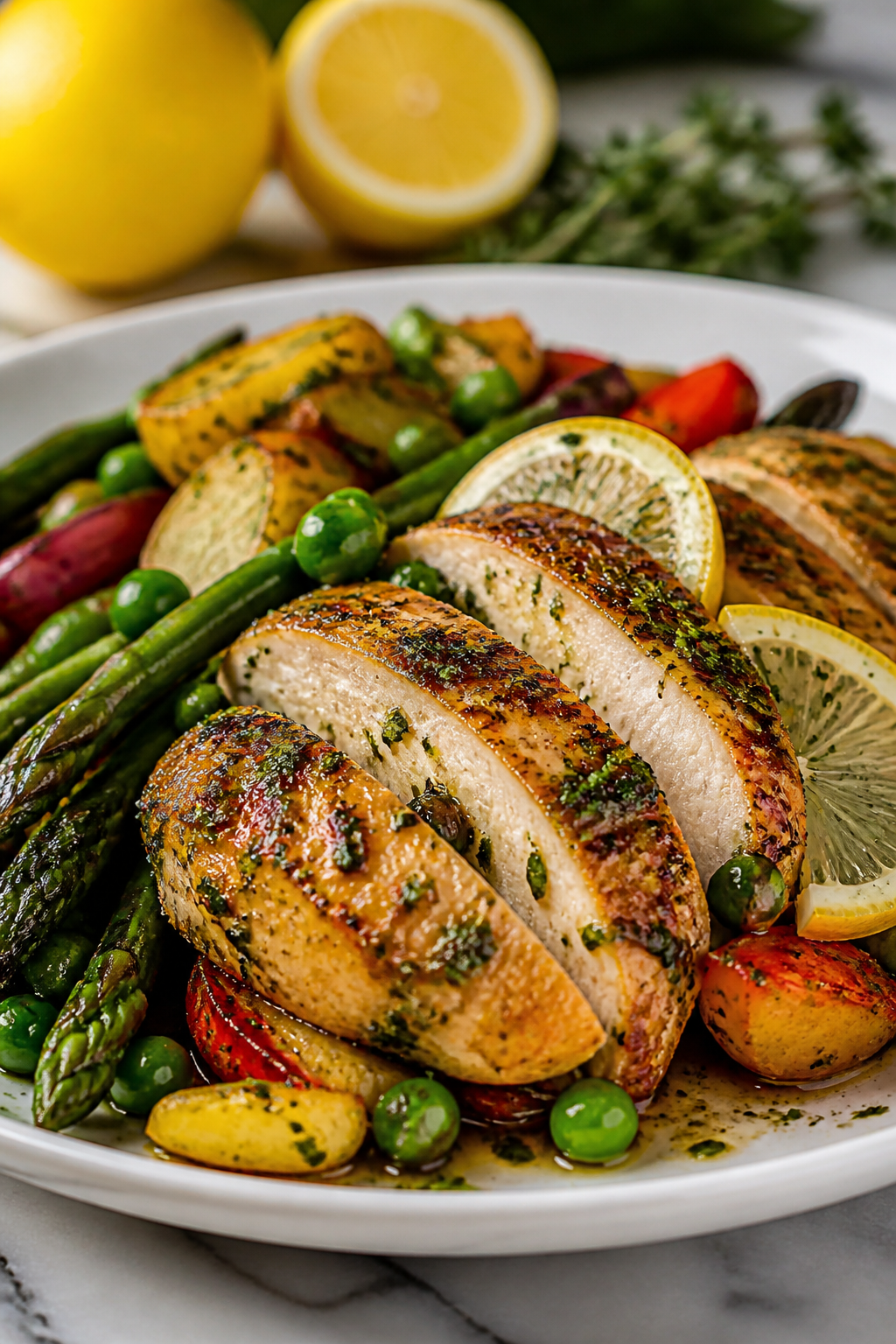
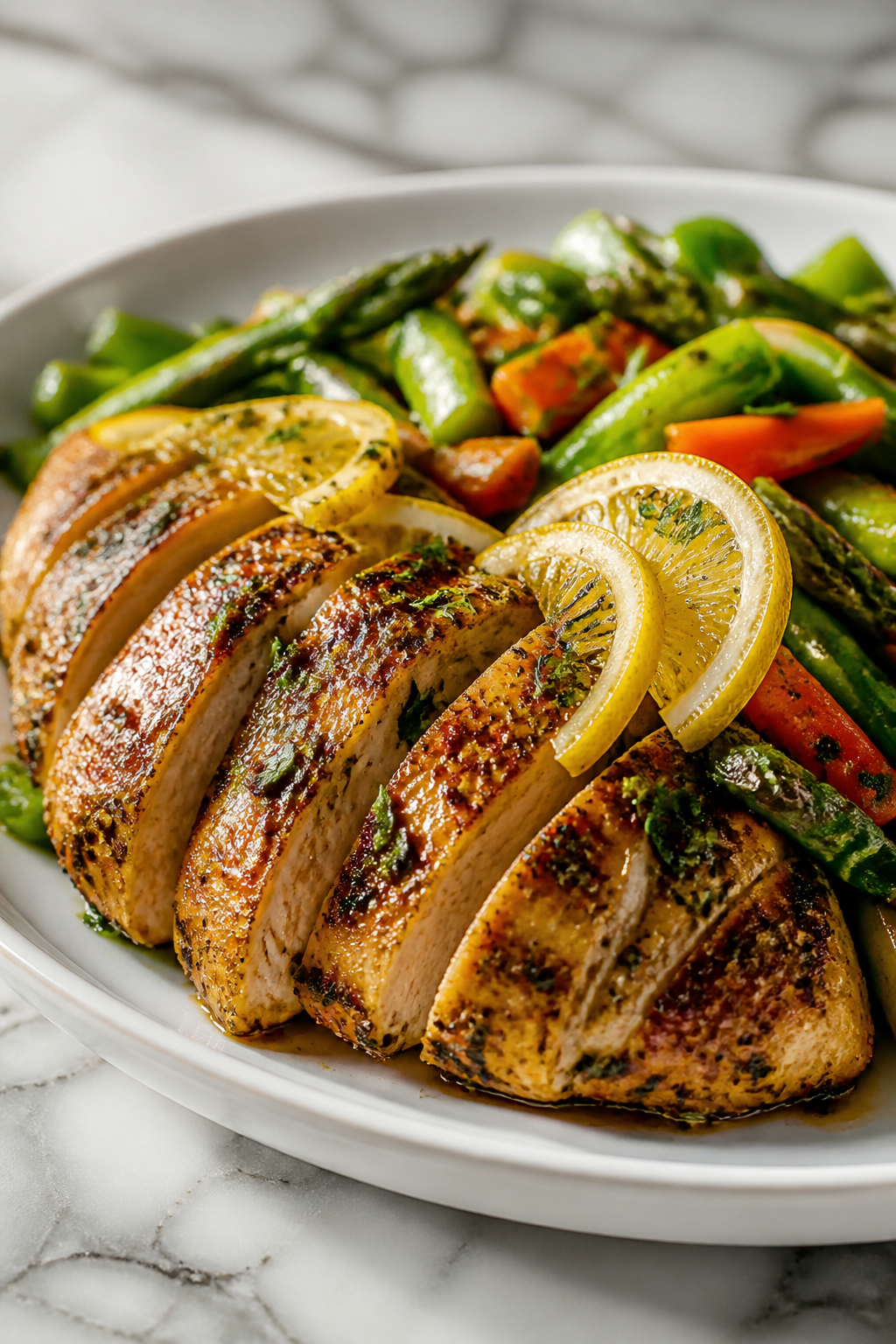
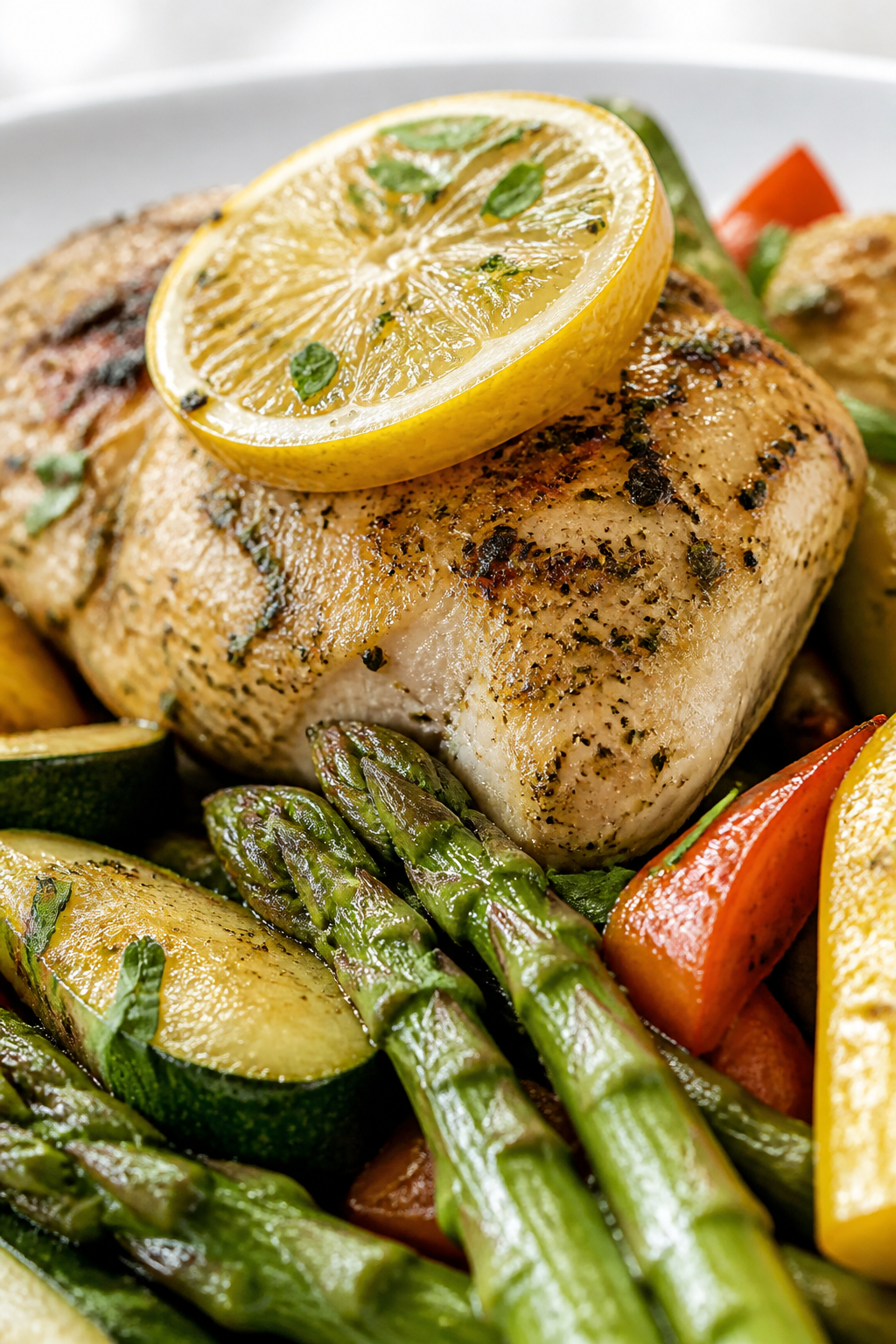
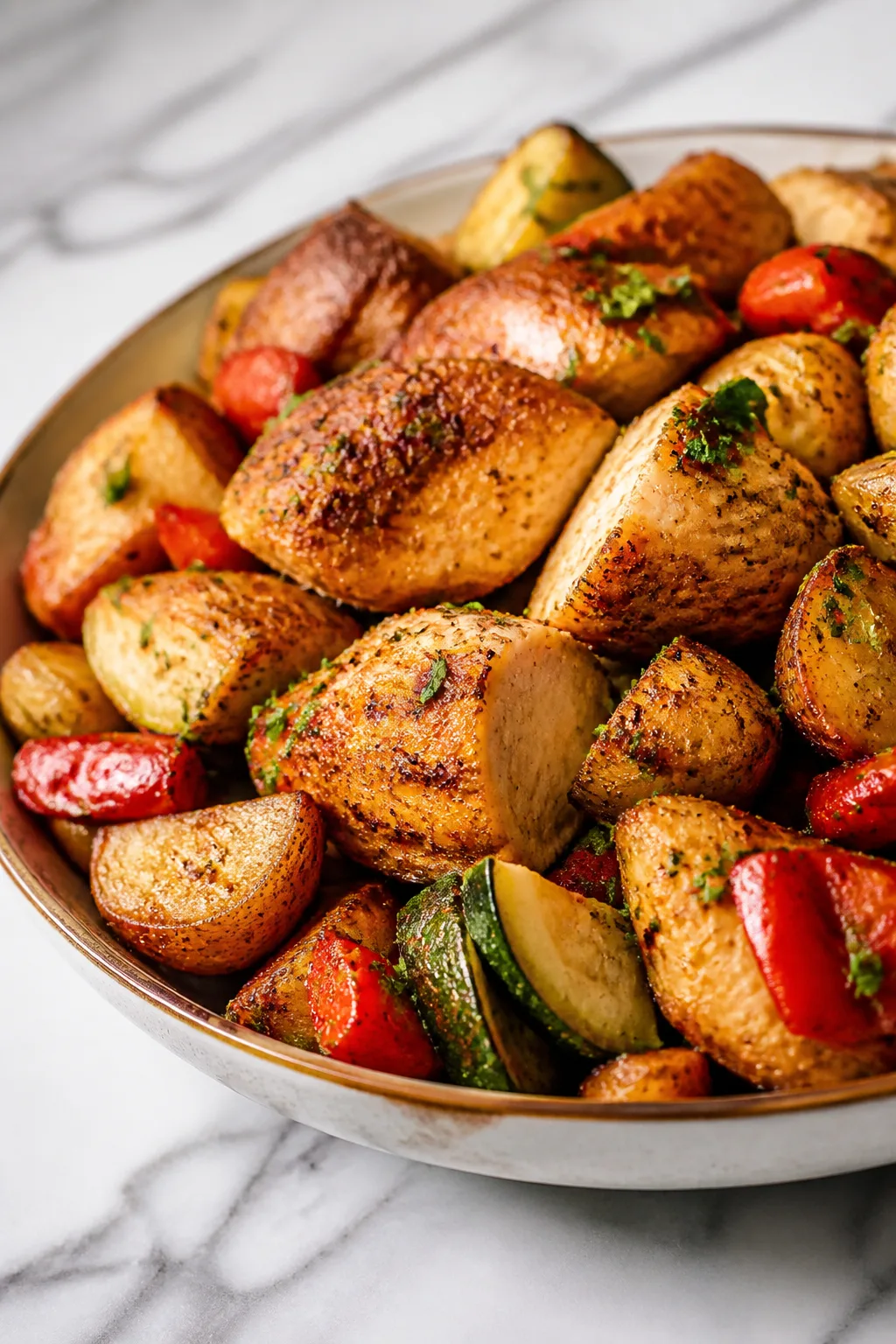
This lemon herb chicken is my go-to for busy nights. The bright lemon zest and fresh herbs bring a zing that pairs perfectly with tender spring veggies. Ready in just 15 minutes, it's light but totally satisfying!
Introduction
I first made this lemon herb chicken a few years ago when I wanted something quick but bright and fresh for a weekday dinner. It was a total hit with my family, and I’ve been making it regularly ever since. What I love about this version is how the lemon zest and juice really brighten up the dish without overpowering the natural chicken flavor. Plus, the blend of oregano and thyme adds a subtle earthiness that makes every bite interesting. One trick I learned early on is pounding the chicken breasts to an even thickness. It helps them cook evenly and stay juicy, which can be tricky otherwise. Also, tossing in fresh spring vegetables like snap peas and baby carrots gives it a nice crunch and color, making it a well-rounded meal in one pan. When it’s done, you get tender, flavorful chicken with a fresh, zesty sauce that’s perfect for a light but satisfying dinner. It’s just the kind of meal I reach for when I want something simple yet impressive, especially on busy nights when time is tight but taste matters.
How To Do It
Step 1
Start by pounding the chicken breasts to an even thickness, about 1/2 inch thick. This step is important because it helps the chicken cook evenly and prevents the thinner parts from drying out while the thicker parts finish cooking. Use a meat mallet or rolling pin, and place the chicken between two sheets of plastic wrap or in a zip-top bag to avoid mess. If you skip this, you might end up with unevenly cooked chicken that’s dry in some spots and underdone in others.
⏱ Time: 5 minutes
✓ Doneness: Chicken breasts are uniformly flattened with no thin or thick spots
Step 2
Heat olive oil in a large skillet over medium-high heat until shimmering but not smoking. Add the chicken breasts and sear them without moving for about 4-5 minutes. This creates a golden crust thanks to the Maillard reaction, which locks in flavor and juices. Don’t rush this step by flipping too early or pressing down on the chicken, or you’ll lose the crust and moisture.
⏱ Time: 5 minutes
✓ Doneness: Chicken has a golden-brown crust on the cooked side
Step 3
Flip the chicken and add minced garlic immediately to the pan. Cooking the garlic now allows it to infuse the oil and chicken with flavor without burning. Stir the garlic gently around the chicken for about 1 minute until fragrant. Watch carefully because garlic burns quickly and turns bitter if overcooked.
⏱ Time: 1 minute
✓ Doneness: Garlic is fragrant and lightly golden but not browned
Step 4
Sprinkle oregano, thyme, salt, and pepper evenly over the chicken. Then add the lemon zest and juice to the pan. The acidity of the lemon juice helps tenderize the chicken and brightens the whole dish. Stir gently to combine the herbs and lemon juice with the garlic and oil, creating a flavorful sauce. Avoid adding too much lemon juice at once as it can curdle or overpower the dish.
⏱ Time: 2 minutes
✓ Doneness: Herbs are evenly distributed and lemon juice is simmering gently
Step 5
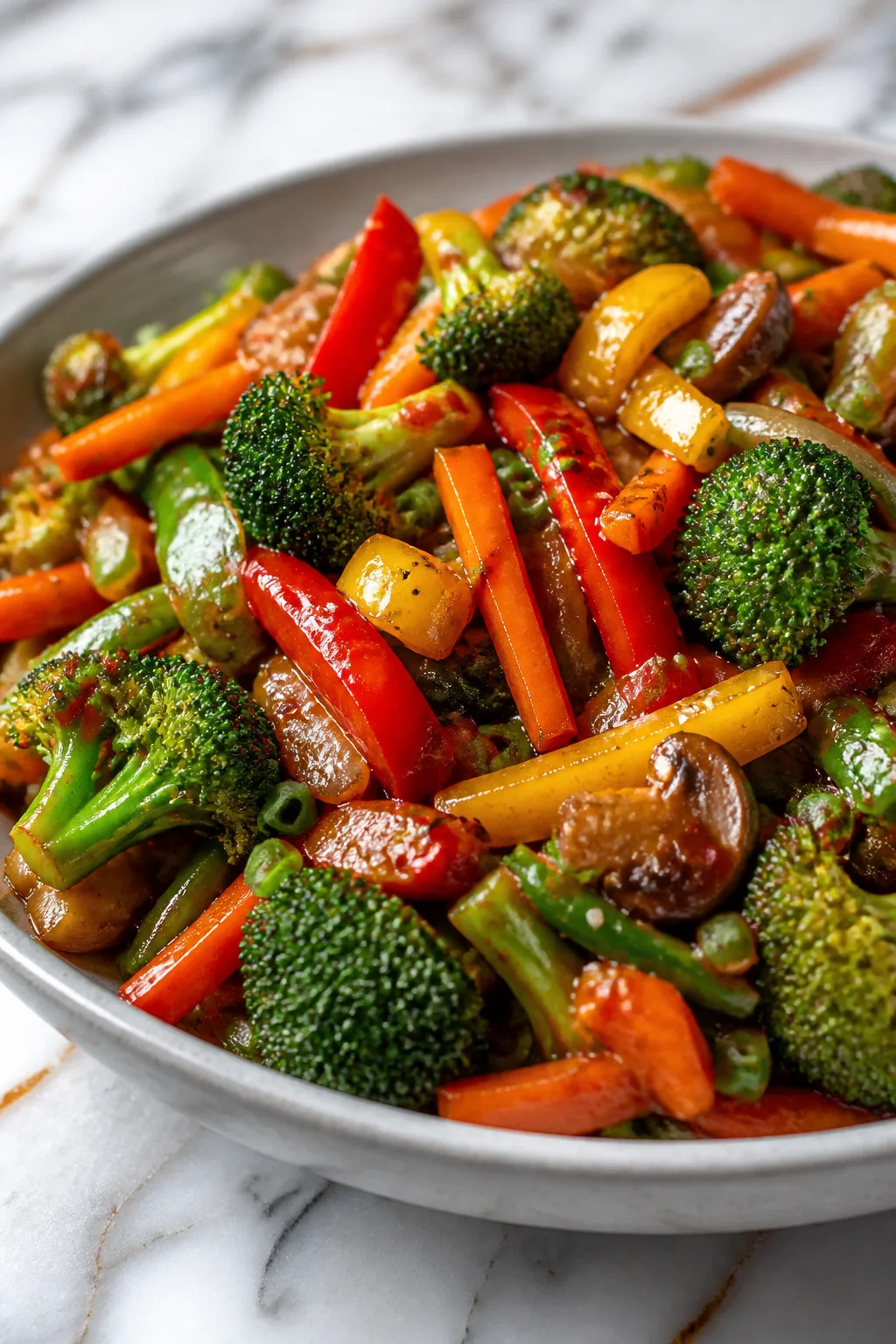
Add the snap peas and baby carrots to the skillet around the chicken. Stir the vegetables gently in the lemon herb sauce and let them cook alongside the chicken. This way, the veggies absorb the flavors while staying crisp and tender. Overcooking here will make them mushy, so keep an eye on texture.
⏱ Time: 5-6 minutes
✓ Doneness: Vegetables are bright, tender-crisp, and coated with sauce
Step 6
Reduce the heat to medium-low and cover the skillet loosely with a lid. This traps steam and helps the chicken cook through without drying out. Let everything cook gently for another 3-4 minutes. Check the chicken’s internal temperature with a thermometer; it should read 165°F for safe consumption. Don’t skip the cover step or the chicken may dry out.
⏱ Time: 4 minutes
✓ Doneness: Chicken reaches 165°F internally and vegetables are tender
Step 7
Remove the skillet from heat and let the chicken rest for 5 minutes before slicing. Resting allows the juices to redistribute, making the chicken juicy and tender. Cutting immediately will cause the juices to run out and the meat to dry. Cover loosely with foil during resting to keep warm.
⏱ Time: 5 minutes
✓ Doneness: Chicken feels firm but springs back slightly when pressed
Step 8
Slice the chicken against the grain into thin strips. This helps make each bite tender and easy to chew. Arrange the sliced chicken over the cooked veggies in the skillet or on a serving platter. Spoon any remaining lemon herb sauce over the top for extra flavor.
⏱ Time: 3 minutes
✓ Doneness: Slices are smooth and tender-looking with sauce coating
Step 9
Garnish generously with chopped fresh parsley to add a pop of color and fresh herbal brightness. Serve immediately with your favorite side like rice, quinoa, or crusty bread to soak up the sauce. This final touch elevates the dish and makes it look inviting.
⏱ Time: 2 minutes
✓ Doneness: Bright green parsley evenly scattered and dish looks vibrant
Variations
Spicy Lemon Herb Chicken
Add red pepper flakes or a diced jalapeño to the garlic and herb mix for a spicy kick. This variation adds warmth and depth without overwhelming the bright lemon flavor. Expect a bit more heat and complexity.
Note: Cook the chili gently to avoid burning and adjust spice levels to taste.
Creamy Lemon Herb Chicken
Stir in a splash of heavy cream or coconut milk at the end to create a rich, velvety sauce. This version is comforting and slightly indulgent while keeping the fresh lemon flavor intact.
Note: Add cream off heat to prevent curdling and stir gently.
Herb-Marinated Grilled Chicken
Marinate chicken breasts in lemon, garlic, and herbs for 1-2 hours and grill instead of pan-frying. This adds smoky char and is great for outdoor meals. Expect a slightly firmer texture with grill marks.
Note: Preheat grill and oil grates to prevent sticking.
Vegetarian Lemon Herb Tofu
Replace chicken with firm tofu pressed and sliced, then marinated and cooked the same way. This keeps the fresh lemon and herb flavor while making it vegetarian-friendly. Texture will be softer but flavorful.
Note: Press tofu well to remove excess moisture for better searing.
Lemon Herb Chicken with Quinoa Salad
Serve the chicken over a bed of quinoa tossed with cucumbers, tomatoes, and feta. This adds a Mediterranean flair and makes the meal more filling and colorful.
Note: Cook quinoa separately and toss with fresh herbs and lemon juice.
Pro Tips
Always pound chicken to an even thickness before cooking.
This step ensures the chicken cooks evenly, preventing dry edges or raw centers. Uneven thickness causes inconsistent cooking times, leading to a less juicy final product. Pounding also tenderizes the meat and allows it to absorb marinades better.
Don’t overcrowd the pan when searing chicken.
Crowding lowers the pan temperature and causes the chicken to steam rather than sear, resulting in less flavorful, pale meat. Searing at a high temperature creates a caramelized crust full of flavor through the Maillard reaction.
Add garlic after flipping the chicken to avoid burning.
Garlic burns very quickly and turns bitter if exposed to high heat too long. Adding it after flipping the chicken allows it to gently infuse the oil and chicken without burning, preserving its sweet, aromatic qualities.
Use both lemon zest and juice for balanced citrus flavor.
Zest contains essential oils that provide bright aroma and flavor, while juice adds acidity and tenderizing effects. Using both creates a fresh, layered lemon flavor that enhances the dish without overpowering it.
Cook vegetables alongside the chicken to absorb flavors.
Adding veggies to the pan lets them soak up the lemon herb sauce, enhancing their taste. It also saves time by cooking everything in one pan. Be careful not to overcook veggies so they stay crisp and vibrant.
Let chicken rest after cooking before slicing.
Resting allows juices to redistribute throughout the meat, keeping it moist and tender. Cutting immediately causes juices to leak out, resulting in dry chicken. Cover loosely with foil to keep warm during resting.
Slice chicken against the grain for maximum tenderness.
Cutting against the grain shortens muscle fibers, making the meat easier to chew and more tender. Slicing with the grain results in tougher, stringy bites.
Common Mistakes to Avoid
Not pounding chicken evenly
Why it happens Many cooks assume chicken breasts are uniform in thickness, but they vary naturally. Skipping pounding leads to uneven cooking.
Fix Always use a meat mallet or rolling pin to gently pound chicken to about 1/2 inch thickness before cooking. This ensures even cooking and juiciness.
Adding garlic too early and burning it
Why it happens Garlic is often added at the start by mistake, exposing it to high heat for too long.
Fix Add garlic after flipping the chicken so it cooks gently in the oil without burning, preserving its sweet flavor.
Overcrowding the pan when searing
Why it happens Trying to cook everything at once reduces pan heat, causing steaming instead of searing.
Fix Cook chicken in batches if needed to maintain high heat and get a nice golden crust.
Skipping the resting step
Why it happens Impatience leads to slicing chicken immediately after cooking.
Fix Let chicken rest covered loosely for 5 minutes to let juices redistribute, resulting in moist meat.
Overcooking vegetables
Why it happens Cooking veggies too long in the pan causes them to become mushy and lose color.
Fix Add veggies last and cook just until tender-crisp for best texture and flavor.
Nutrition
Per Serving:
Nutritional values are estimates and may vary based on specific ingredients used.
Storage & Tips
Room Temperature
This dish can be safely kept at room temperature for up to 2 hours if covered loosely to avoid contamination. Avoid leaving it out longer to prevent bacterial growth.
Refrigerator
Store leftovers in an airtight container in the fridge for up to 3 days. The chicken may firm up slightly when cold but reheats well. Veggies might lose some crispness but still taste fresh.
Freezer
Freeze cooked chicken and veggies in a sealed container or freezer bag for up to 2 months. Wrap tightly to prevent freezer burn. Thaw overnight in the fridge before reheating.
Reheating
Reheat gently in a skillet over medium-low heat with a splash of water or broth to keep moist. Avoid microwaving at high power which can dry out chicken. Warm until heated through but not overcooked.
Make Ahead
You can marinate chicken up to 24 hours ahead and store covered in the fridge. Chop veggies in advance and keep refrigerated separately. Cook everything fresh the day you plan to serve for best flavor and texture.
FAQ
Can I use chicken thighs instead of breasts?
Yes, boneless skinless chicken thighs work well here and are more forgiving if slightly overcooked. They have more fat, so reduce olive oil slightly and watch cooking time as thighs take a bit longer to cook through.
What if I don’t have dried oregano or thyme?
You can substitute with Italian seasoning or a mix of dried basil and rosemary. Fresh herbs can also be used but add them near the end to preserve their delicate flavors.
Can I prepare the chicken ahead and reheat?
You can cook the chicken ahead and reheat gently in a skillet with a splash of lemon juice or broth to keep it moist. Avoid microwaving on high as it tends to dry out the meat.
How do I keep the veggies crisp when reheating?
Reheat veggies quickly over medium heat or in the microwave for short bursts to retain some crunch. Avoid overcooking during initial preparation by adding them last and cooking just until tender.
Can I make this recipe gluten-free?
Absolutely! This recipe is naturally gluten-free as it contains no wheat-based ingredients. Just ensure any sides you serve with it are gluten-free as well.
Is it okay to use bottled lemon juice?
Fresh lemon juice is best as it has brighter, fresher flavor and aromatic oils from the zest. Bottled lemon juice can be more acidic and less flavorful, which may affect the dish’s brightness.
What sides pair well with lemon herb chicken?
Light sides like quinoa, rice pilaf, roasted potatoes, or a crisp green salad complement this dish beautifully. Crusty bread is great for soaking up the lemon herb sauce too.
Can I add other vegetables?
Yes, feel free to add asparagus, zucchini, or bell peppers for more variety. Add vegetables with similar cooking times to keep everything tender-crisp.
Final Thoughts
I hope you give this lemon herb chicken a try soon! It’s one of those easy, fresh meals that feels special but comes together fast. Let me know how yours turns out!