This lemon chicken is my quick fix for busy nights—tender, juicy, and brightened with a splash of fresh lemon juice. It’s super simple but packs a fresh punch. Great with rice or salad!
Introduction
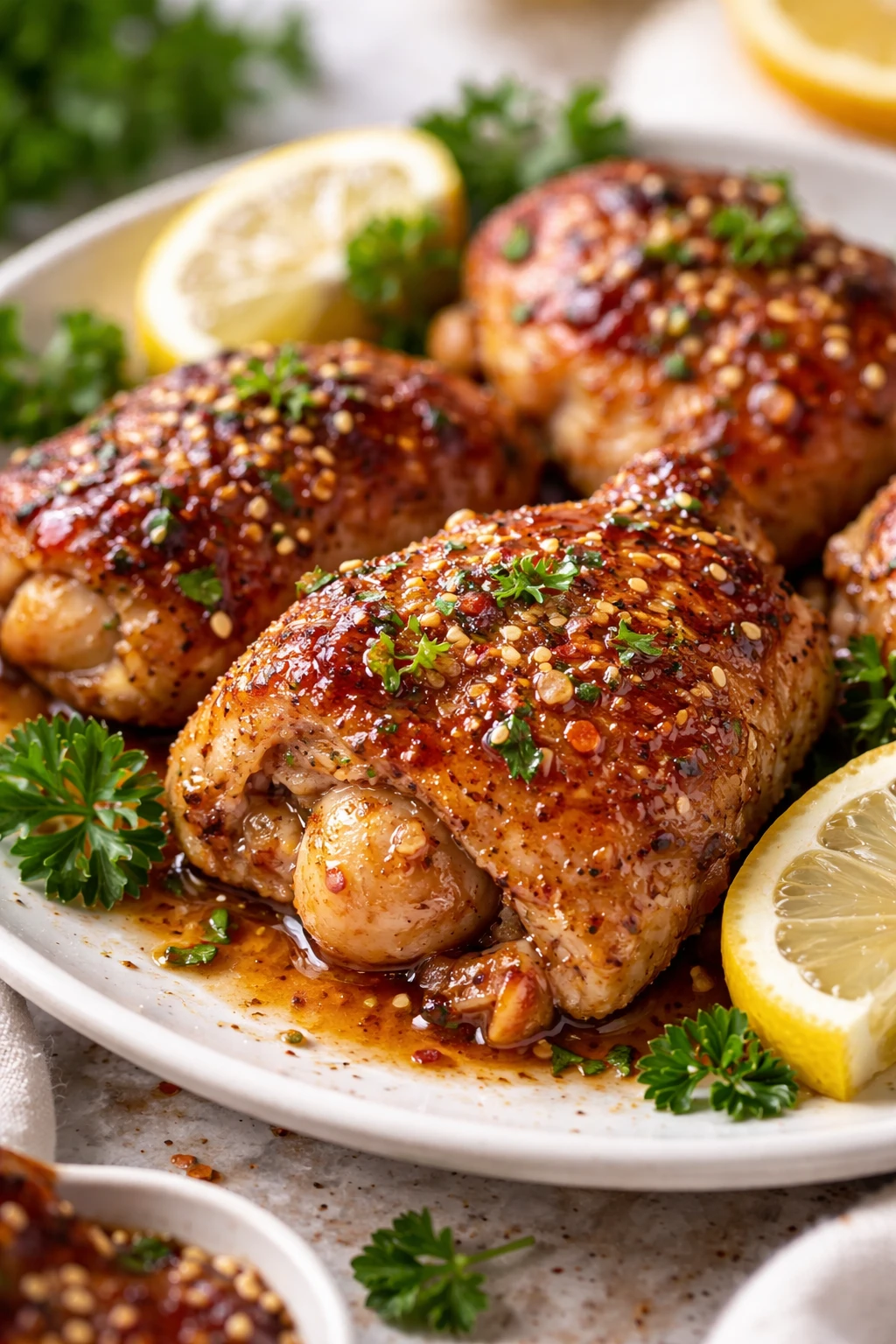
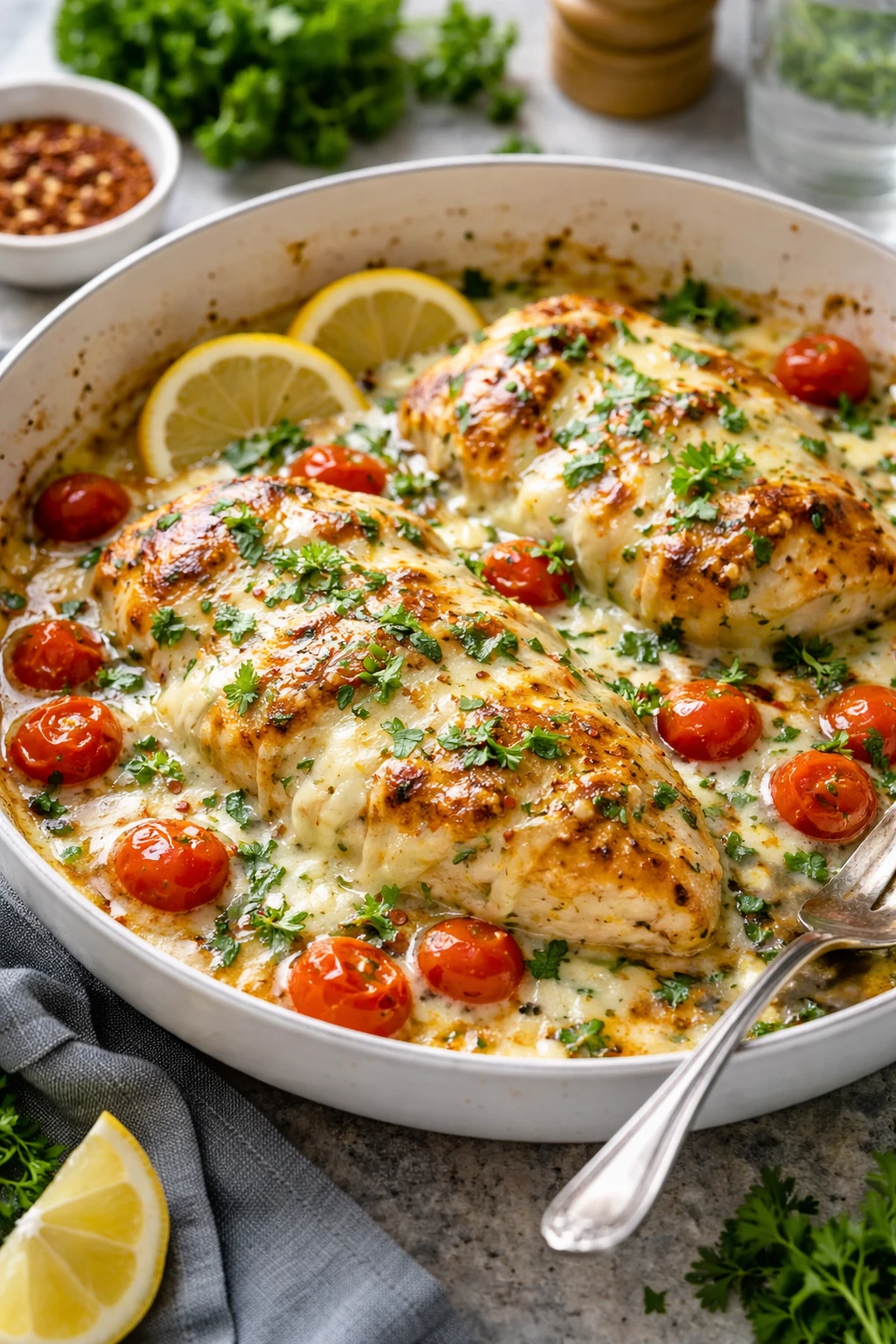
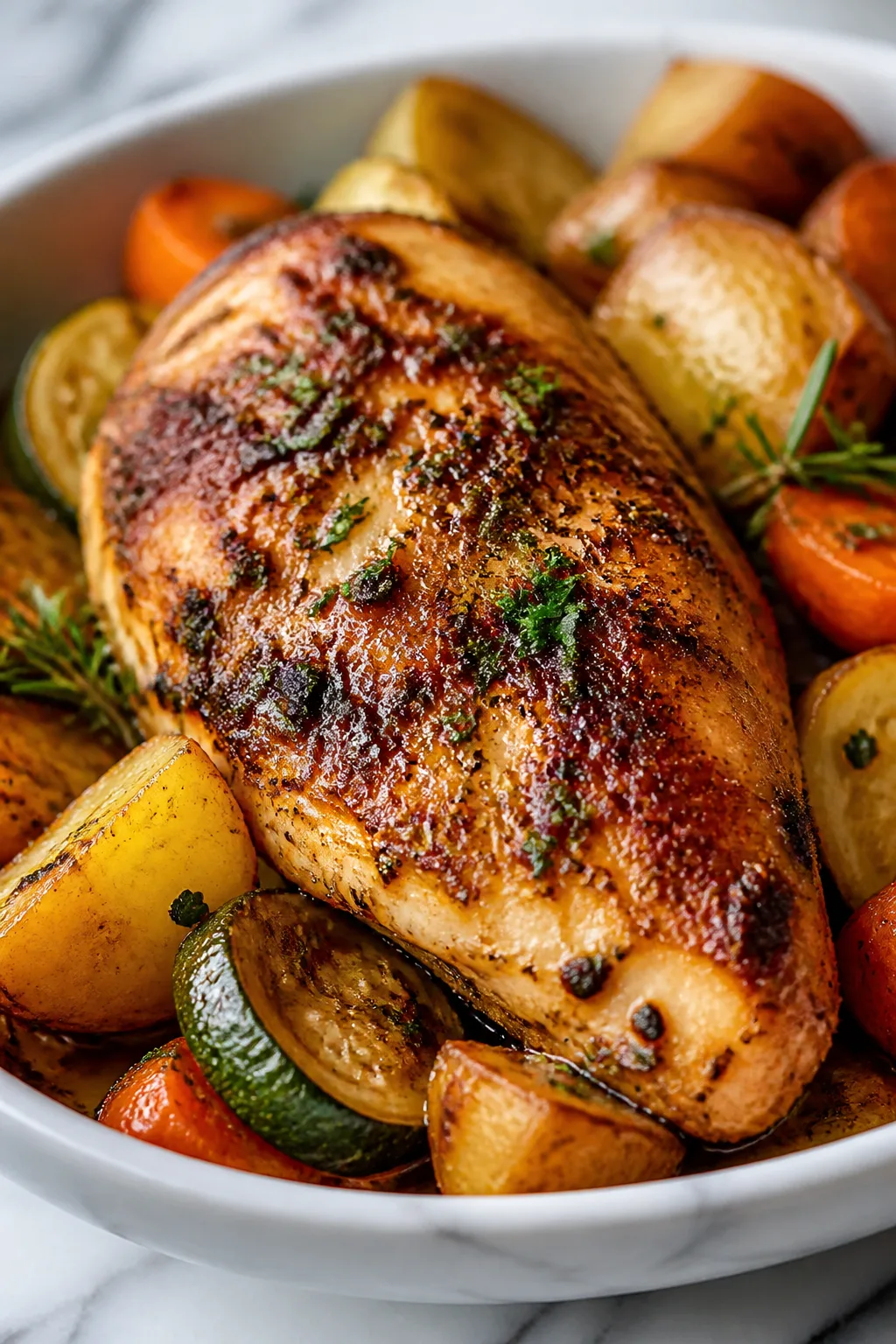
I first stumbled upon this lemon chicken recipe on a hectic weeknight when I needed something quick but satisfying. I’d tried a few lemon chicken dishes before, but they often left the chicken dry or overwhelmed by sauce. The trick I learned here is to use fresh lemon juice and zest right at the end of cooking to keep that bright, fresh flavor without drying out the chicken. Plus, a quick sear in olive oil locks in the juices and creates a lovely golden crust. I love how this dish feels light yet filling, perfect for pairing with a simple salad or fluffy rice. It’s become a staple in my kitchen because it’s so forgiving—you can easily tweak the herbs or add a pinch of chili flakes for a little kick. The finished dish looks inviting with its golden brown edges and specks of fresh parsley, and the aroma of garlic and lemon always fills the kitchen with warmth. This recipe feels like a little burst of sunshine on your plate!
How To Do It
Step 1
Start by patting your chicken breasts dry with paper towels. This step is crucial because moisture on the surface of the chicken can prevent it from searing properly and getting that nice golden crust. Heat the olive oil in a large skillet over medium-high heat until shimmering. Adding the chicken now will give you that beautiful caramelization which locks in flavor and juices. Avoid overcrowding the pan – if your skillet is small, cook in batches. You want the chicken to sizzle when it hits the pan, not steam. This step usually takes about 5-7 minutes per side depending on thickness.
⏱ Time: 7 minutes
✓ Doneness: Chicken has a golden brown crust on the bottom and releases easily from the pan
Step 2
Once the chicken is browned on both sides, reduce the heat to medium and add the minced garlic to the pan. Stir it around for about 30 seconds until fragrant, being careful not to burn it, as burnt garlic tastes bitter and can ruin the dish. Then pour in the lemon juice, sprinkle the lemon zest and oregano over the chicken. The lemon juice will deglaze the pan, lifting all those tasty browned bits and infusing the chicken with fresh, tangy flavor. Let it simmer gently for 8-10 minutes, spooning the sauce over the chicken occasionally. This allows the chicken to cook through while soaking up the lemony goodness.
⏱ Time: 10 minutes
✓ Doneness: Chicken is opaque inside and sauce is slightly thickened with a fresh lemon aroma
Step 3
After simmering, check the chicken’s internal temperature with a meat thermometer—it should be 165°F (74°C). If you don’t have a thermometer, cut into the thickest part to ensure it’s no longer pink inside. This step ensures food safety and that your chicken is perfectly cooked but still juicy. If it needs more time, cover and cook for a few more minutes, but avoid overcooking to prevent dryness.
⏱ Time: 5 minutes
✓ Doneness: Chicken is fully cooked through and juicy
Step 4
Remove the chicken from the pan and let it rest on a plate for 5 minutes. Resting allows the juices to redistribute throughout the meat instead of spilling out when you cut into it. This keeps the chicken moist and tender. Meanwhile, you can simmer the lemon-garlic sauce a little longer on medium heat to thicken it up if you want a more concentrated flavor. This step is optional but adds a nice touch.
⏱ Time: 5 minutes
✓ Doneness: Chicken has rested and sauce has thickened slightly
Step 5
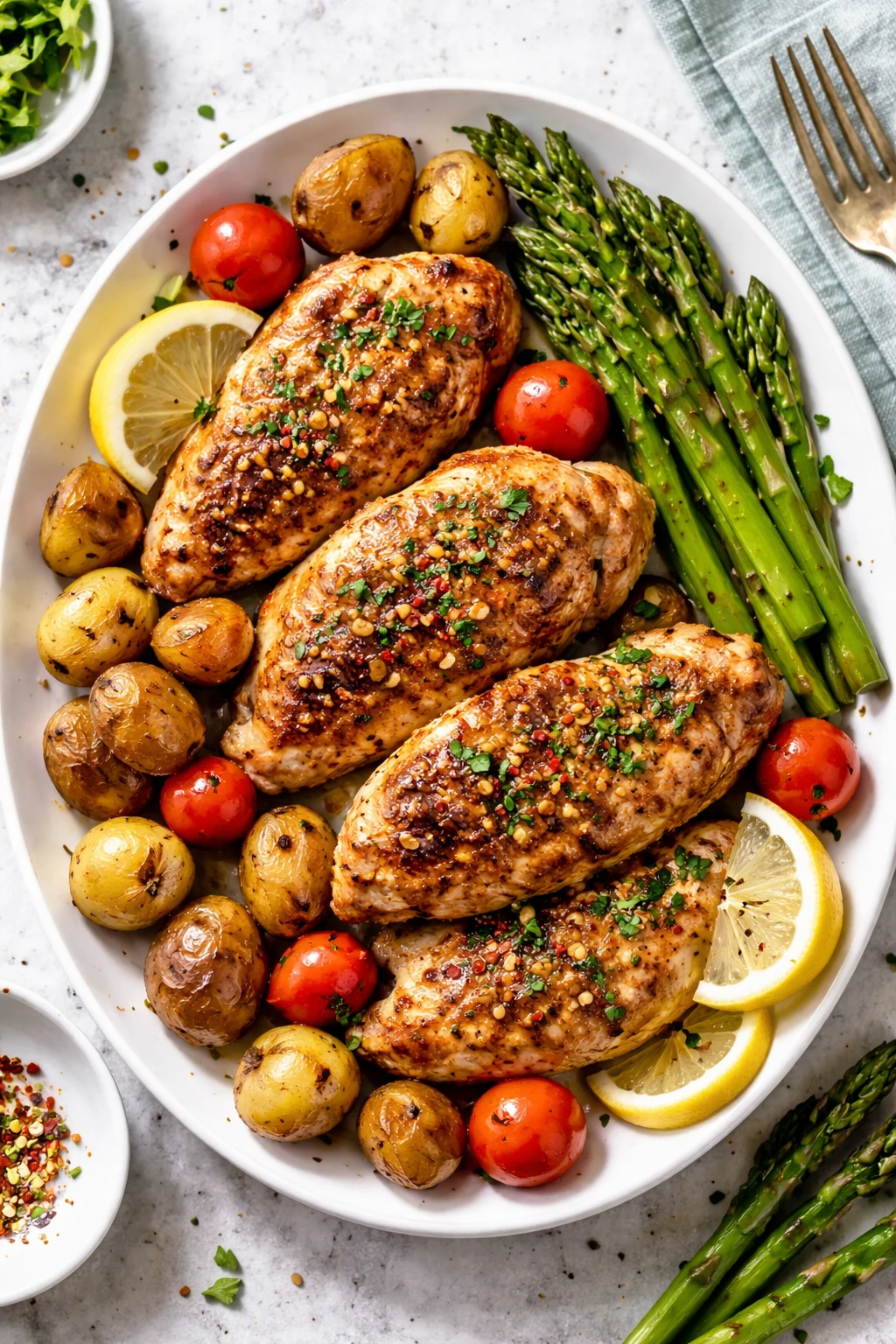
Plate the chicken and drizzle the pan sauce over the top. Sprinkle freshly chopped parsley for color and a fresh herbal note. Serve immediately with your choice of sides like steamed rice, roasted veggies, or a crisp salad. The combination of the golden seared chicken, tangy lemon sauce, and fragrant herbs makes this dish feel special even on a busy weeknight.
⏱ Time: 2 minutes
✓ Doneness: Dish is plated attractively with sauce and garnish
Step 6
If you want to add a bit of spice, sprinkle some red pepper flakes into the sauce while it simmers. This adds a subtle heat that balances the citrus. Adjust the amount to your taste. This little tweak can elevate the dish and give it a nice kick without overpowering the fresh lemon flavor.
⏱ Time: 1 minute
✓ Doneness: Sauce has a hint of spice and vibrant aroma
Step 7
For an extra layer of flavor, consider marinating the chicken for 20-30 minutes before cooking with a mix of lemon juice, olive oil, and oregano. This helps tenderize the meat and infuse it with flavor deeply. However, don’t marinate too long or the acid in lemon juice can start to break down the chicken’s texture too much, making it mushy.
⏱ Time: 30 minutes (optional)
✓ Doneness: Chicken is evenly coated and slightly softened from marinade
Step 8
When cooking multiple batches, keep the finished chicken warm by tenting it loosely with foil. This prevents it from drying out while you cook the rest. Make sure not to seal it tightly, or the steam will soften the crust you worked hard to get. Serving everything hot and fresh is key to enjoying the best texture and flavor.
⏱ Time: Throughout cooking
✓ Doneness: Chicken stays warm without losing crispness
Step 9
Clean your pan between batches if necessary, especially if bits start to burn. A quick wipe with a paper towel helps prevent bitter flavors and keeps the sauce tasting fresh and bright. Maintaining a clean surface also ensures even cooking and prevents sticking.
⏱ Time: 1 minute between batches
✓ Doneness: Pan surface looks clean and ready for next batch
Variations
Spicy Lemon Chicken
Add red pepper flakes or a dash of cayenne pepper to the lemon sauce for a spicy kick. This variation gives the dish a nice warmth that balances the citrus beautifully. Serve with a cooling cucumber salad to complement the heat.
Note: Add spices during the simmering step to infuse the sauce without overwhelming the chicken.
Herb-Infused Lemon Chicken
Mix fresh herbs like thyme, rosemary, or basil into the lemon sauce for an aromatic twist. Fresh herbs add complexity and freshness, making the dish feel more vibrant and gourmet.
Note: Add fresh herbs towards the end of cooking to preserve their flavor and color.
Creamy Lemon Chicken
Stir in a splash of heavy cream or coconut milk after simmering the lemon sauce for a richer, creamier texture. This variation softens the acidity and makes the sauce luscious, perfect for serving over pasta or mashed potatoes.
Note: Add cream off heat or very low heat to prevent curdling.
Lemon Chicken Thighs
Swap chicken breasts for bone-in, skin-on thighs for a juicier, more flavorful dish. The cooking time will be a bit longer, but the thighs stay moist and have a deeper flavor thanks to the skin and bone.
Note: Sear skin side down first for crispiness, then adjust cooking time to ensure thighs are fully cooked.
Garlic Butter Lemon Chicken
After cooking, finish the chicken with a knob of garlic butter melted over the top. This adds richness and a silky texture that complements the zesty lemon perfectly.
Note: Add the butter off heat to avoid burning and to keep the sauce glossy.
Pro Tips
Always pat the chicken dry before cooking.
Removing surface moisture ensures the chicken sears properly instead of steaming. This promotes browning through the Maillard reaction, which develops flavor and texture. If the chicken is wet, it will release water, leading to soggy, pale meat.
Use fresh lemon juice and zest, not bottled.
Fresh lemon juice provides bright, vibrant acidity and natural oils in the zest that bottled versions lack. Adding lemon juice too early can cause bitterness as the acid breaks down compounds during cooking, so add it at the end for best flavor.
Don’t overcrowd the pan when searing the chicken.
Crowding lowers the pan temperature and traps steam, preventing browning. Cook in batches if needed to maintain high heat and ensure each piece gets a golden crust. This step is key to juicy, flavorful chicken.
Let the chicken rest after cooking.
Resting allows juices to redistribute evenly inside the meat fibers instead of spilling out when cut. This keeps the chicken moist and tender. Skipping resting leads to drier, less flavorful bites.
Simmer the chicken gently after searing.
Simmering allows the chicken to cook evenly through indirect heat while absorbing the lemon-garlic sauce flavors. High heat here can dry the meat, so keep it low and slow for tender results.
Use a meat thermometer to check doneness.
Chicken is safe to eat at 165°F (74°C). Using a thermometer prevents undercooking or drying out the meat by overcooking. It’s the best way to get perfectly juicy chicken every time.
Deglaze the pan with lemon juice after searing.
Deglazing lifts the flavorful browned bits stuck to the pan (fond), incorporating them into the sauce. This adds depth and complexity to the lemon sauce, making it more delicious.
Common Mistakes to Avoid
Skipping patting the chicken dry before cooking
Why it happens Sometimes people rush and skip drying, assuming it’s not important.
Fix Always use paper towels to thoroughly dry chicken before cooking. This prevents steaming and promotes proper browning for flavor and texture.
Adding lemon juice too early in cooking
Why it happens Many think lemon juice should be cooked longer for flavor.
Fix Add lemon juice towards the end of cooking to preserve brightness and avoid bitterness caused by prolonged acid exposure to heat.
Overcrowding the pan when searing
Why it happens Trying to cook all chicken pieces at once to save time.
Fix Cook in batches if needed to maintain high heat and get a good crust. Overcrowding causes steaming and pale chicken.
Not letting the chicken rest before serving
Why it happens Impatience to serve immediately after cooking.
Fix Let the chicken rest 5 minutes on a plate tented with foil. This keeps juices inside for moist bites.
Burning garlic by adding it too early or cooking on high heat
Why it happens Garlic cooks quickly and can burn easily if left unattended.
Fix Add garlic after searing chicken and cook briefly on medium heat until fragrant. Avoid high heat to prevent bitter flavor.
Nutrition
Per Serving:
Nutritional values are estimates and may vary based on specific ingredients used.
Storage & Tips
Room Temperature
This lemon chicken can safely sit at room temperature for up to 2 hours if covered loosely. Beyond that, bacteria can grow, so it’s best to refrigerate promptly.
Refrigerator
Store leftovers in an airtight container for up to 3-4 days. The chicken may absorb some sauce flavor and become a bit firmer. It reheats well in a pan or microwave but avoid overcooking to keep it juicy.
Freezer
Freeze cooked chicken in airtight containers or freezer bags for up to 2 months. Wrap tightly to prevent freezer burn. Thaw overnight in the fridge before reheating gently on the stovetop or microwave.
Reheating
Reheat on stovetop over low heat with a splash of water or broth to loosen the sauce and keep the chicken moist. Microwave on medium power in short intervals to avoid drying out.
Make Ahead
You can marinate the chicken up to 24 hours ahead, then cook fresh when ready. Alternatively, cook the chicken fully and store sauce separately to reheat together for best texture and flavor.
FAQ
Can I use chicken thighs instead of breasts?
Absolutely! Chicken thighs add more flavor and stay juicy, but they take a bit longer to cook. Sear skin side down first for a crispy exterior, then simmer until the internal temperature reaches 165°F (74°C). Adjust timing by about 5-10 minutes.
What can I use if I don’t have fresh lemons?
Fresh lemon juice is best for brightness, but in a pinch, bottled lemon juice can work. Just use a little less and add zest if you have it, since bottled juice lacks the essential oils from the peel that add flavor.
How do I prevent the chicken from drying out?
Patting the chicken dry before searing, cooking over medium-high heat for a good crust, and simmering gently without rushing are key. Also, don’t skip resting after cooking to keep juices inside.
Can I make this recipe gluten-free?
Ensure all spices and condiments are gluten-free certified. No flour or breadcrumbs are used here.
Is this recipe good for meal prep?
Consider storing sauce separately to keep chicken texture fresh.
How can I make the sauce thicker?
Be careful not to over-thicken, as the sauce should remain light and fresh.
Can I add vegetables to cook with the chicken?
Adjust cooking time to ensure veggies don’t overcook or become mushy.
What sides go best with lemon chicken?
Choose sides that complement the bright, citrusy flavors without overpowering them.
Final Thoughts
Give this lemon chicken a try—you’ll love how quick and flavorful it is. Don’t forget to share your results; I’d love to hear how it turns out!