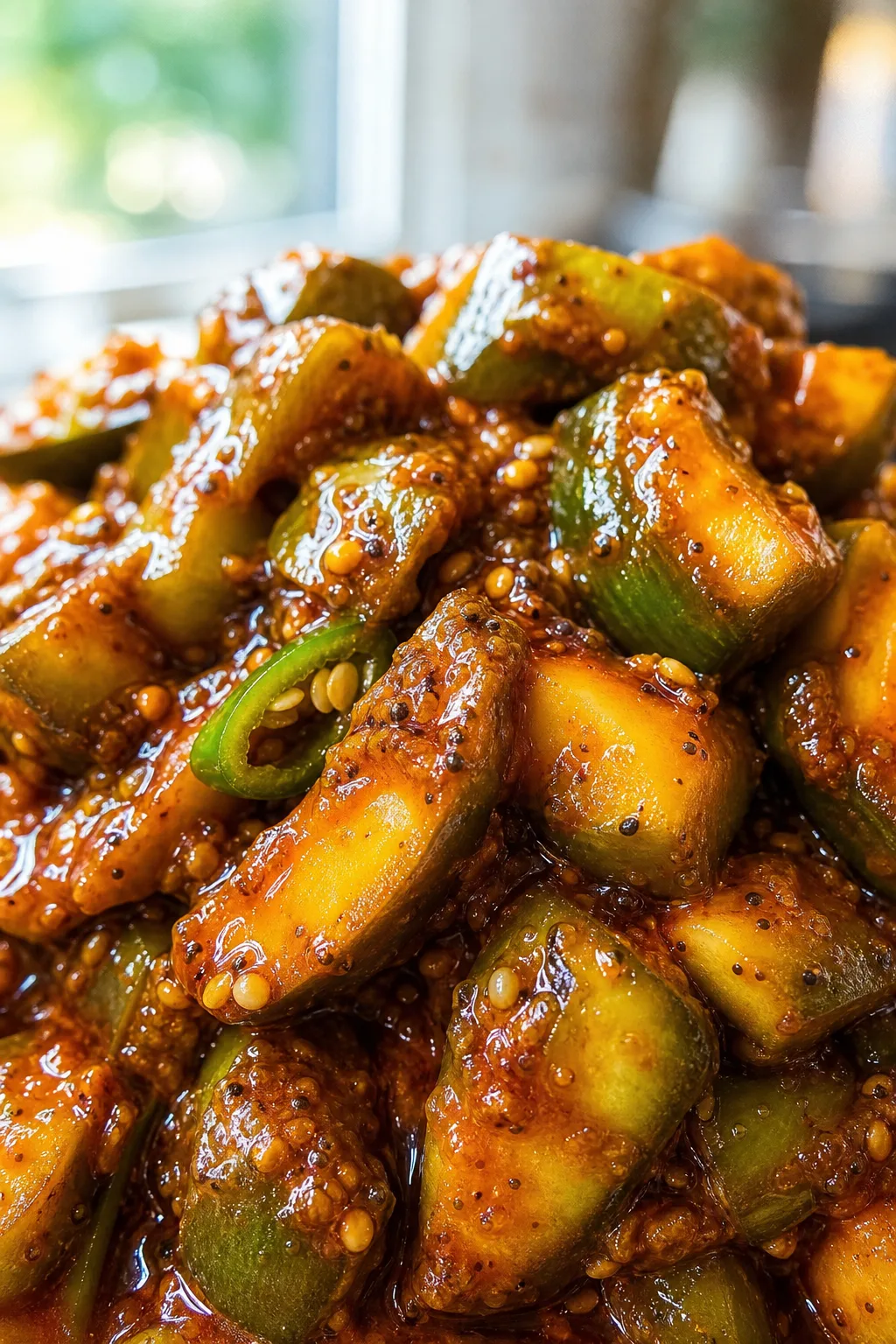
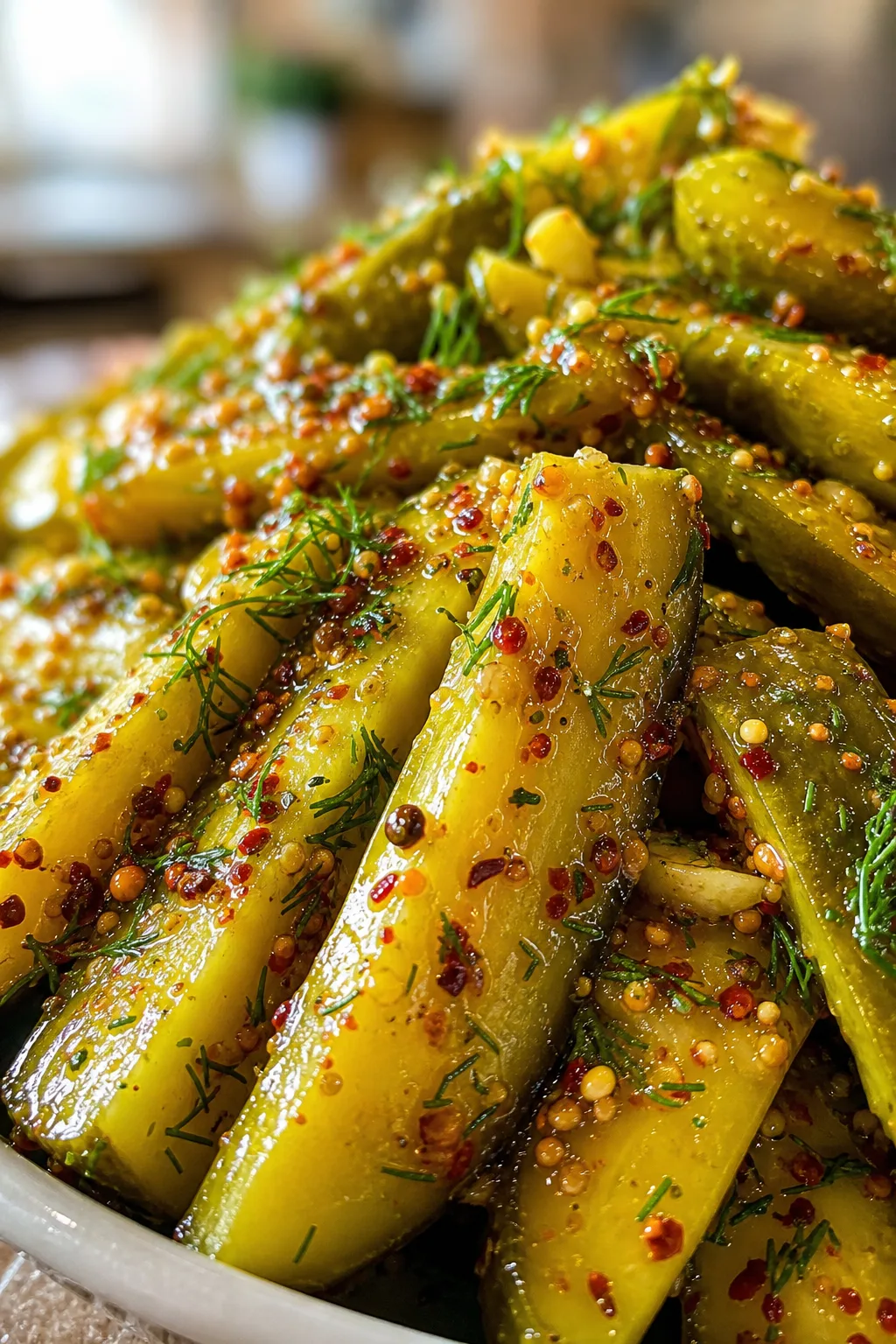
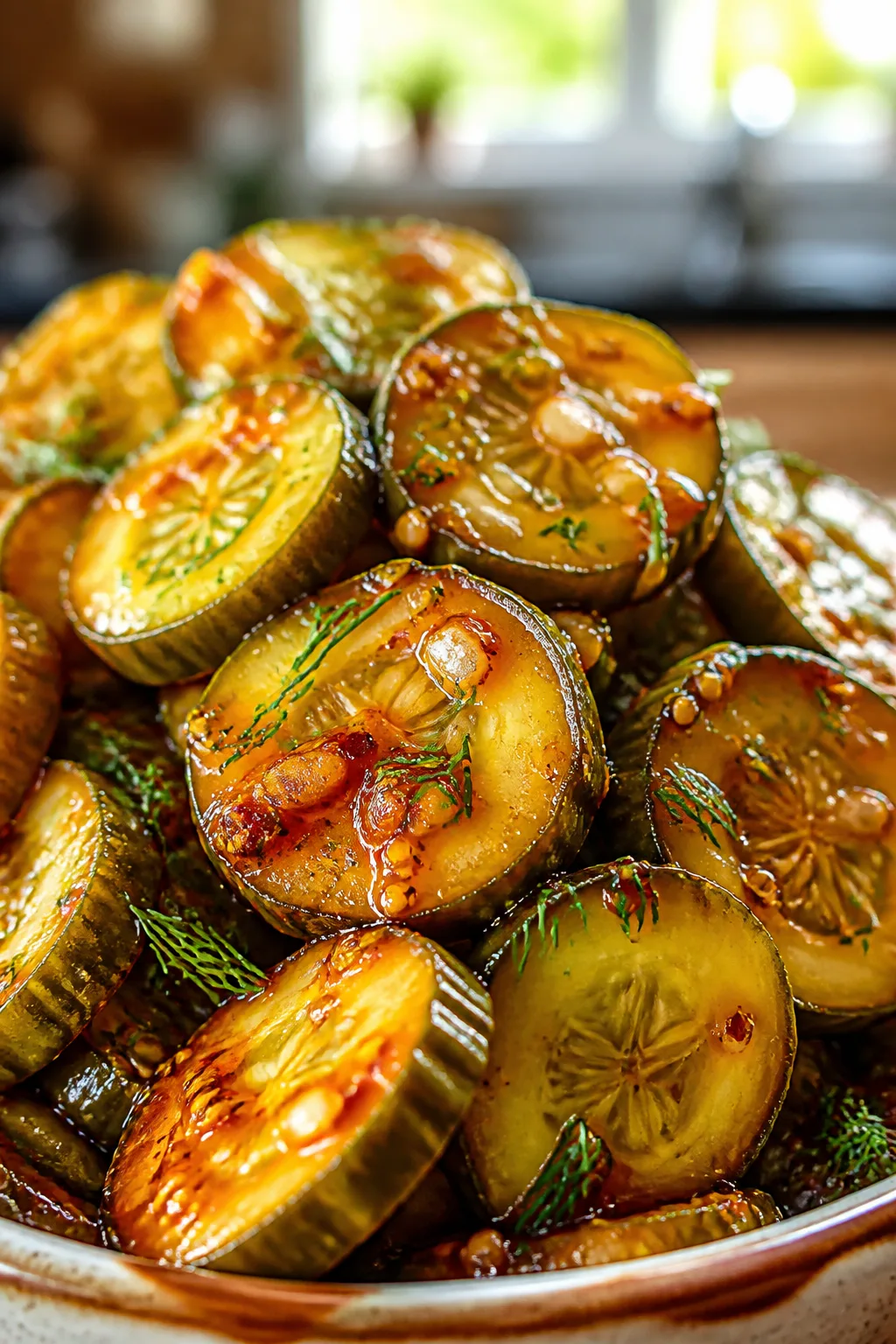
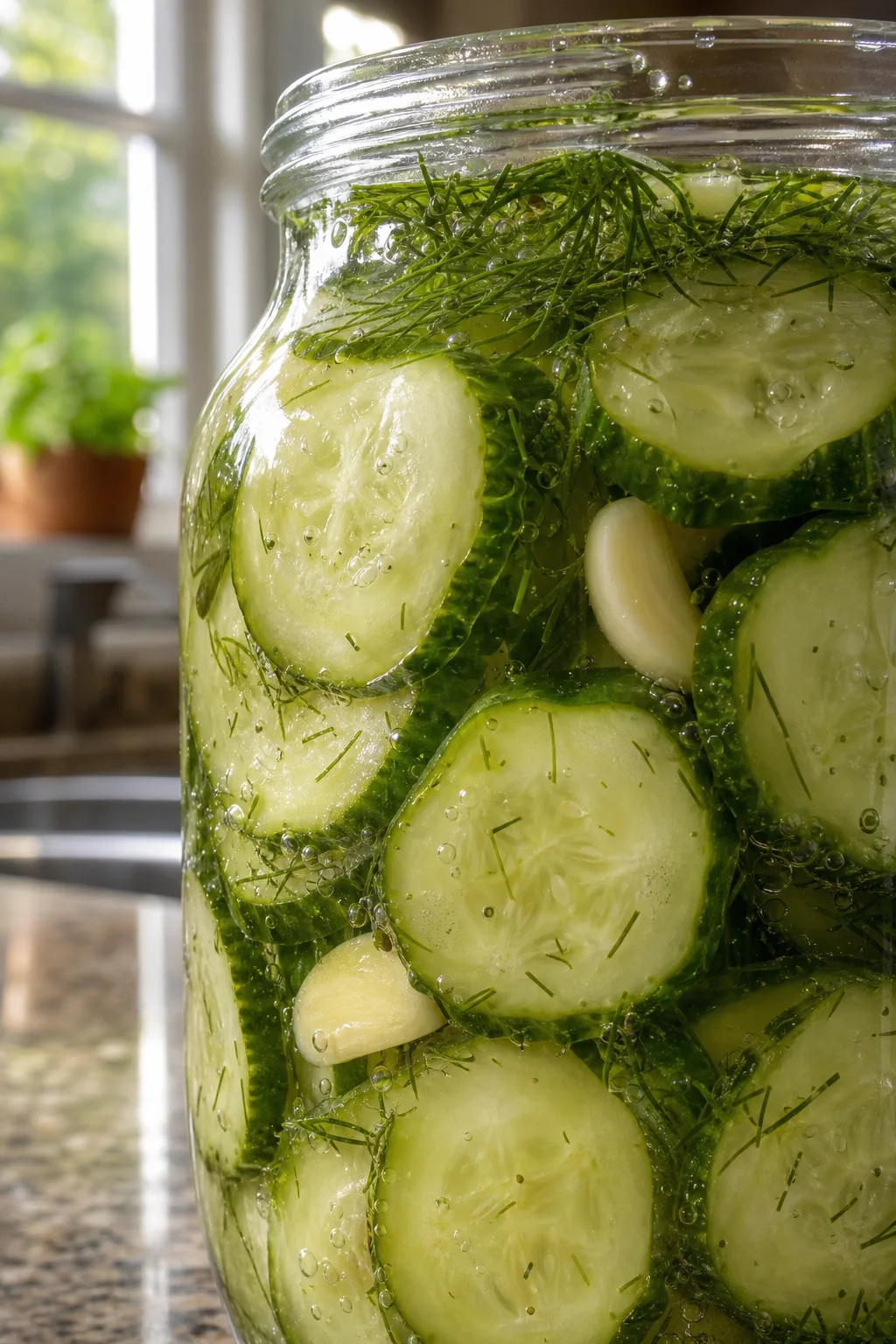
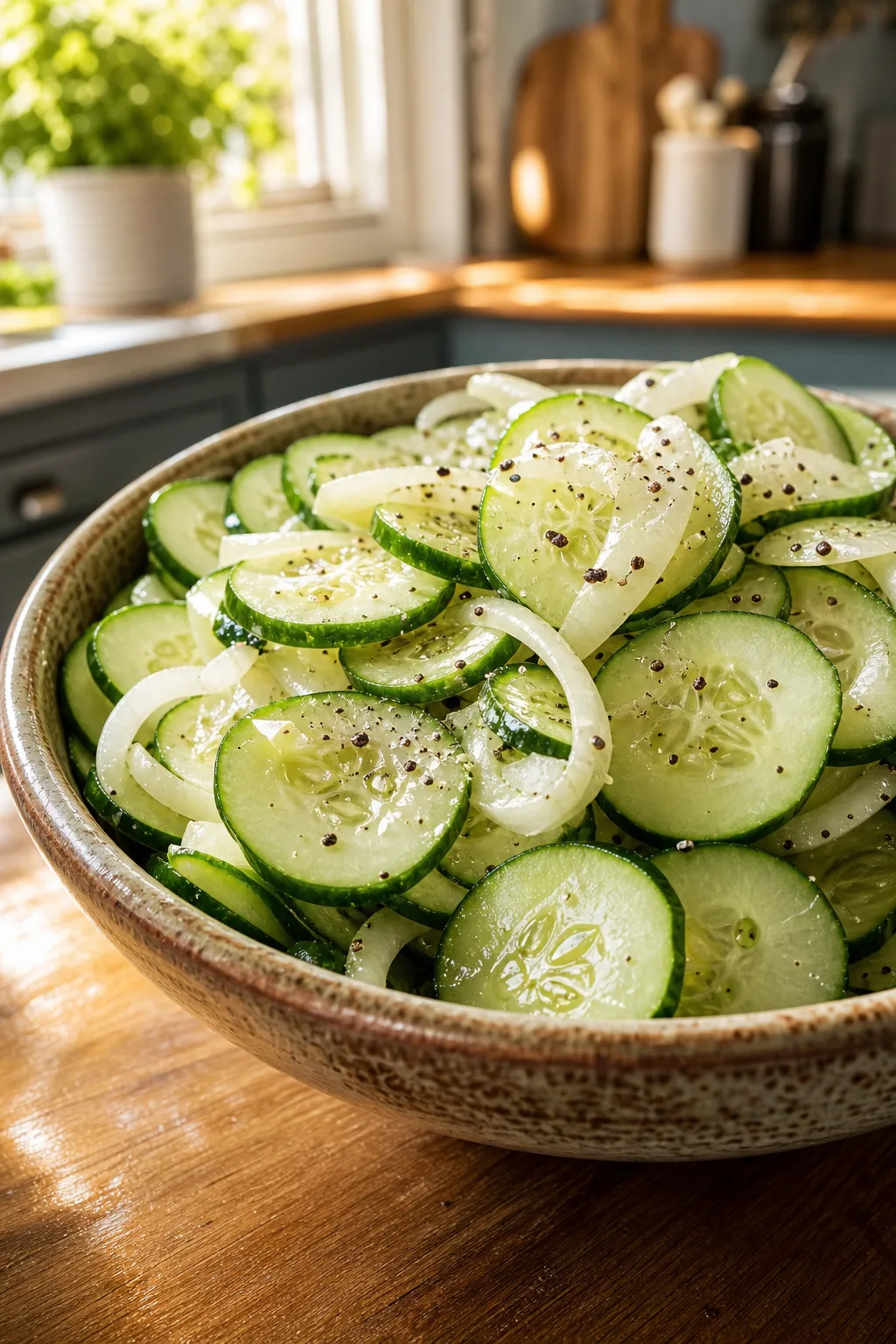
These freezer pickles are my go-to for a quick, crunchy snack with that perfect garlicky dill zing. No canning fuss, just pop them in the freezer and enjoy fresh-tasting pickles whenever you want!
Introduction
I first stumbled upon freezer pickles a few years back when I wanted to make pickles but didn’t have the time or equipment for traditional canning. After a few tries, I finally nailed a recipe that keeps the cucumbers crisp and tangy, without any vinegar overpowering the flavor. What makes this version special is the combination of fresh dill and smashed garlic cloves that infuse the pickles with that classic, irresistible aroma and taste. I also learned that freezing the pickles right after marinating locks in their crunch, which was a game changer for me. The result is a jar of pickles that taste fresh, vibrant, and just right—perfect for snacking straight from the fridge or layering on sandwiches. Honestly, once you try these, you’ll never want to go back to jarred pickles again!
What You'll Need
Approximately 4 cups, 4 servings
- 4 cups fresh cucumbers, sliced into spears
- 1 cup distilled white vinegar
- 1 cup water
- 3 tablespoons kosher salt
- 2 tablespoons sugar
- 4 cloves garlic, smashed
- 1 large bunch fresh dill
- 1 teaspoon black peppercorns
How To Do It
Step 1
Start by washing your cucumbers thoroughly and slicing them into spears about 3-4 inches long. This size is ideal because it allows the pickling brine to penetrate fully while keeping the crunch intact. Avoid slicing too thin, or they might become mushy after freezing. As you slice, keep an eye out for any soft spots and discard those to maintain the best texture.
⏱ Time: 10 minutes
✓ Doneness: Cucumber spears are uniform in size and feel firm to the touch.
Step 2
In a large bowl, mix the vinegar, water, kosher salt, and sugar until fully dissolved. This brine balances acidity and sweetness, which is crucial for flavor and preservation. If you skip dissolving the salt and sugar properly, you may end up with uneven seasoning. Stir well until the liquid is clear and all solids are dissolved.
⏱ Time: 5 minutes
✓ Doneness: Brine is clear with no visible salt or sugar granules.
Step 3
Place the sliced cucumbers into a large freezer-safe container or jar. Add the smashed garlic cloves, fresh dill sprigs, and black peppercorns evenly throughout. The garlic and dill release their flavors slowly, infusing the cucumbers beautifully. Make sure the cucumbers are packed but not crushed to avoid mushiness.
⏱ Time: 5 minutes
✓ Doneness: Cucumbers and aromatics are evenly distributed in the container.
Step 4
Pour the brine over the cucumbers, ensuring they are completely submerged. If any pieces float, gently press them down with a clean utensil. Submersion is key to avoid freezer burn and to guarantee even pickling. Leaving cucumbers exposed to air can cause freezer damage and off-flavors.
⏱ Time: 5 minutes
✓ Doneness: All cucumber spears are fully covered by the brine.
Step 5
Seal the container tightly and place it in the freezer. Let the pickles freeze for at least 24 hours before eating. Freezing halts the enzymatic processes that cause sogginess, preserving the crunch. Don’t rush this step or try to eat them immediately; the texture won’t be right.
⏱ Time: 24 hours minimum
✓ Doneness: Pickles are fully frozen and firm to the touch.
Step 6
When ready to eat, thaw pickles in the refrigerator for about 2-3 hours. This gradual thaw keeps the texture intact and prevents excess wateriness. Avoid thawing on the counter as it can lead to sogginess and uneven texture.
⏱ Time: 2-3 hours
✓ Doneness: Pickles are cold but no longer frozen, retain firmness.
Step 7
Once thawed, give the pickles a gentle stir to redistribute the brine and flavors. Taste and adjust seasoning if needed by adding a pinch of salt or a splash of fresh vinegar. This keeps the flavor balanced and fresh.
⏱ Time: 2 minutes
✓ Doneness: Pickles taste bright, tangy, and well-seasoned.
Step 8
Store leftover pickles in the refrigerator in their brine and consume within 2 weeks for best flavor and texture. Because they’re not canned, they won’t last as long but will stay delicious for a good while.
⏱ Time: N/A
✓ Doneness: Pickles remain crisp and flavorful during storage.
Step 9
Serve these pickles chilled as a snack, side, or sandwich topper. They pair wonderfully with burgers, deli meats, or just on their own. Their crispness and fresh dill aroma really elevate simple meals.
⏱ Time: N/A
✓ Doneness: Pickles are crunchy, tangy, and aromatic when served.
Variations
Spicy Freezer Pickles
Add sliced jalapeños or red pepper flakes to the brine for a spicy kick. This variation brings heat balanced with the fresh dill flavor, great for those who love a little fire in their snacks.
Note: Keep an eye on the spice level; too much chili can overpower the garlic and dill. Adjust to taste.
Sweet and Sour Pickles
Increase sugar to 1/4 cup and add a splash of apple cider vinegar for a sweeter, tangier pickle. These are perfect for sandwiches or salads where a milder pickle is desired.
Note: Higher sugar content will slightly soften cucumbers faster; freeze promptly to keep crunch.
Herb-Infused Pickles
Add fresh herbs like thyme, rosemary, or tarragon along with dill for a complex herbal note. This creates a unique flavor profile ideal for gourmet dishes or cheese boards.
Note: Use fresh herbs and avoid overpowering amounts; balance with classic dill flavor.
Garlic Lovers Pickles
Double the garlic cloves for an intense, pungent pickle that's perfect for garlic fans. The flavor mellows with freezing but remains distinct and savory.
Note: Too much garlic can dominate, so adjust based on your preference.
Low Sodium Freezer Pickles
Reduce kosher salt by half and add a splash of lemon juice to maintain brightness. This version is better for low-sodium diets but will have a slightly different texture and tang.
Note: Lower salt can reduce crispness and preservation time; consume sooner.
Pro Tips
Use fresh, firm cucumbers for the best crunch.
The texture of the cucumbers is key to a successful pickle. Fresh, firm cucumbers have a higher water content and thicker skin which helps them retain crunch after freezing. Older or soft cucumbers will become mushy regardless of technique.
Make sure cucumbers are fully submerged in brine before freezing.
Exposure to air causes freezer burn and uneven pickling. Fully submerging cucumbers in brine protects them from freezer damage, ensuring even flavor absorption and texture retention.
Freeze pickles immediately after packing to lock in crispness.
Delaying freezing allows enzymatic breakdown of cucumber cells, leading to soggy pickles. Quick freezing preserves cell structure and helps maintain that perfect crunch.
Thaw pickles slowly in the refrigerator before serving.
Slow thawing prevents excess water release and mushiness. It allows flavors to reabsorb into the cucumbers, resulting in a better texture and taste.
Use kosher salt instead of table salt for clearer brine.
Kosher salt dissolves evenly and lacks additives like iodine that can cloud the brine or add off-flavors. This keeps the pickle liquid clear and pure tasting.
Smash garlic cloves instead of mincing for mellow flavor.
Smashing garlic releases oils gently and avoids bitterness that can come from finely minced garlic. It also makes it easier to remove garlic later if desired.
Add whole peppercorns for subtle warmth without overpowering.
Whole peppercorns infuse flavor slowly during freezing and thawing, giving complexity without harshness. Crushed pepper would be too intense and uneven.
Common Mistakes to Avoid
Using old or soft cucumbers
Why it happens People often use whatever cucumbers are on hand without checking firmness, assuming all will pickle well.
Fix Always pick fresh, firm cucumbers with no soft spots. Smaller pickling varieties work best. This ensures the final pickles remain crunchy instead of mushy.
Not fully submerging cucumbers in brine
Why it happens Sometimes jars are overfilled or brine is insufficient, leaving cucumbers exposed to air.
Fix Add enough brine to cover all cucumbers completely. Use a weight if needed to keep them submerged and prevent freezer burn.
Freezing pickles too late after packing
Why it happens People might pack pickles and leave them in the fridge too long before freezing.
Fix Freeze immediately after packing to lock in texture. Delaying freezing allows cucumbers to soften and lose crunch.
Thawing pickles at room temperature
Why it happens For convenience, some thaw pickles on the counter, causing texture loss.
Fix Thaw in the fridge slowly to maintain firmness and prevent excess wateriness.
Using table salt instead of kosher salt
Why it happens Many use table salt without realizing it contains additives.
Fix Use kosher salt for a cleaner brine and better flavor. Adjust quantity if substituting table salt.
Nutrition
Per Serving:
Nutritional values are estimates and may vary based on specific ingredients used.
Storage & Tips
Room Temperature
Freezer pickles should not be left at room temperature for more than 2 hours to prevent spoilage. Always keep them sealed in their container and return to freezer promptly after use.
Refrigerator
Store thawed pickles in an airtight container in the refrigerator for up to 2 weeks. Flavors may intensify over time, but texture will remain best within the first week. Serve cold or at room temperature.
Freezer
Freeze pickles in a tightly sealed container for up to 3 months. Use freezer-safe jars or bags to prevent freezer burn. Thaw slowly in the fridge to maintain texture.
Reheating
No reheating needed. Simply thaw in refrigerator and enjoy cold or at room temperature. Avoid microwaving as it will ruin the texture.
Make Ahead
Prepare pickles a day ahead and freeze immediately. They can be thawed on the day of serving for quick snacks or meal additions. This saves time and ensures perfect crispness.
FAQ
Can I use regular cucumbers instead of pickling cucumbers?
You can, but regular slicing cucumbers tend to be more watery and less crunchy after freezing. Pickling cucumbers are smaller with thicker skin, which helps them stay crisp. If you use regular cucumbers, slice thicker and freeze immediately to preserve texture.
How long do freezer pickles last in the freezer?
For best quality, consume freezer pickles within 3 months. Beyond that, they may develop freezer burn or lose crispness. Always use airtight containers to extend shelf life and maintain flavor.
Do I need to blanch the cucumbers before freezing?
No blanching is necessary for freezer pickles. Blanching softens vegetables, which is the opposite of what you want here. The vinegar brine and quick freezing preserve texture and flavor without cooking.
Can I add other spices or flavorings to the brine?
Absolutely! Mustard seeds, coriander, chili flakes, or bay leaves can all be added to customize flavor. Just be mindful not to overpower the fresh dill and garlic which are the recipe’s stars.
What if my pickles turn out soggy after thawing?
Sogginess usually happens if cucumbers were not fresh, if the brine didn’t fully cover them, or if thawing was too fast at room temperature. Use fresh cucumbers, keep them submerged, and thaw slowly in the fridge to avoid this.
Can I make these pickles without freezing?
Yes, but they won’t stay as crunchy. Refrigerator pickles soften over time. Freezing locks in crispness by halting enzymatic softening, so freezing is key for texture here.
Is it safe to freeze pickles with garlic and dill?
Yes, freezing preserves the safety and flavor of garlic and dill in the brine. The acidic vinegar and salt also prevent bacterial growth, making this method safe and effective.
Can I reuse the brine after thawing the pickles?
It’s best not to reuse brine once cucumbers have been frozen and thawed, as it may lose acidity and flavor balance, and could harbor bacteria. Make fresh brine for each batch.
Final Thoughts
I hope you enjoy making and snacking on these freezer pickles as much as I do! Don’t forget to share your crunchy creations with friends and family.