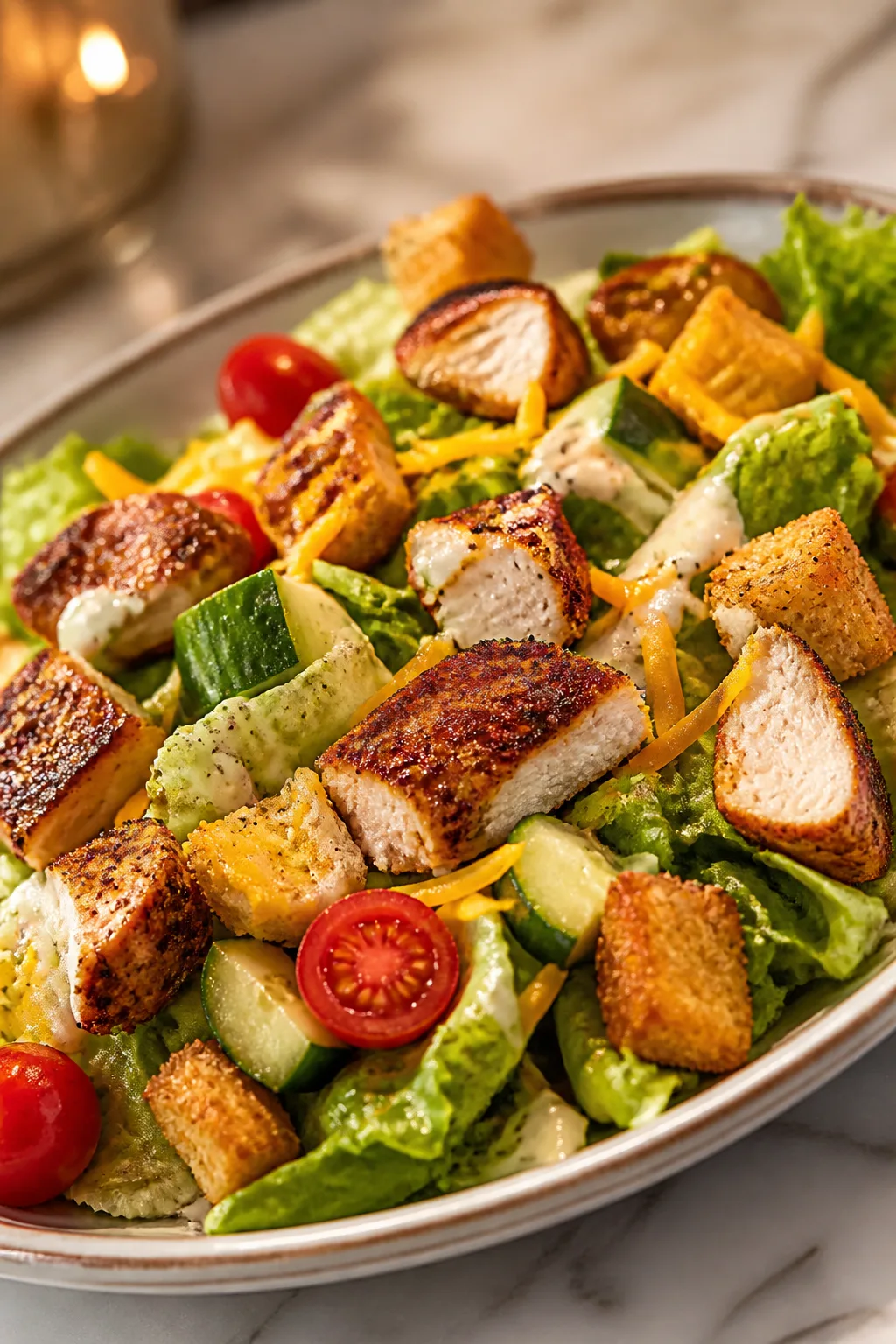
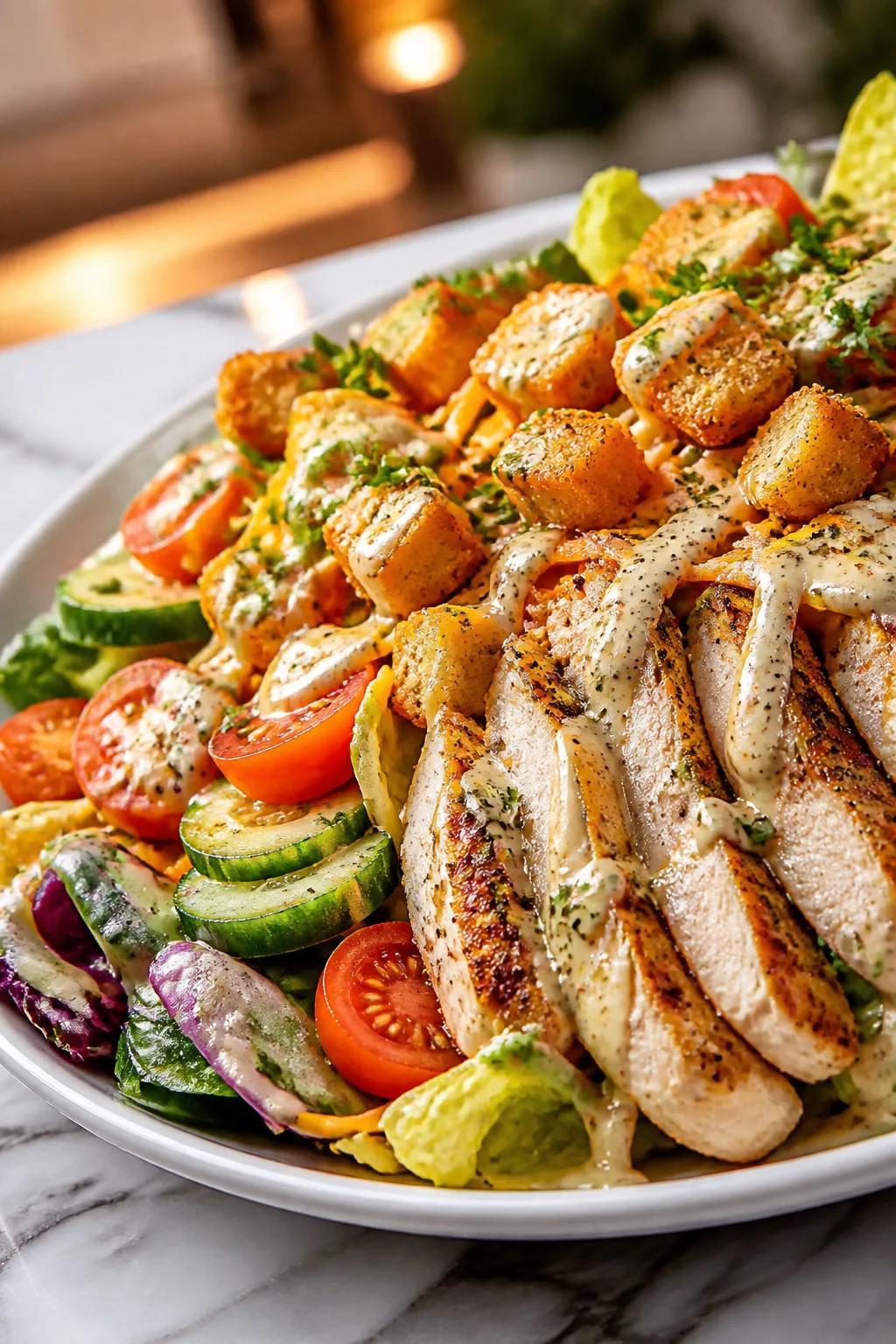
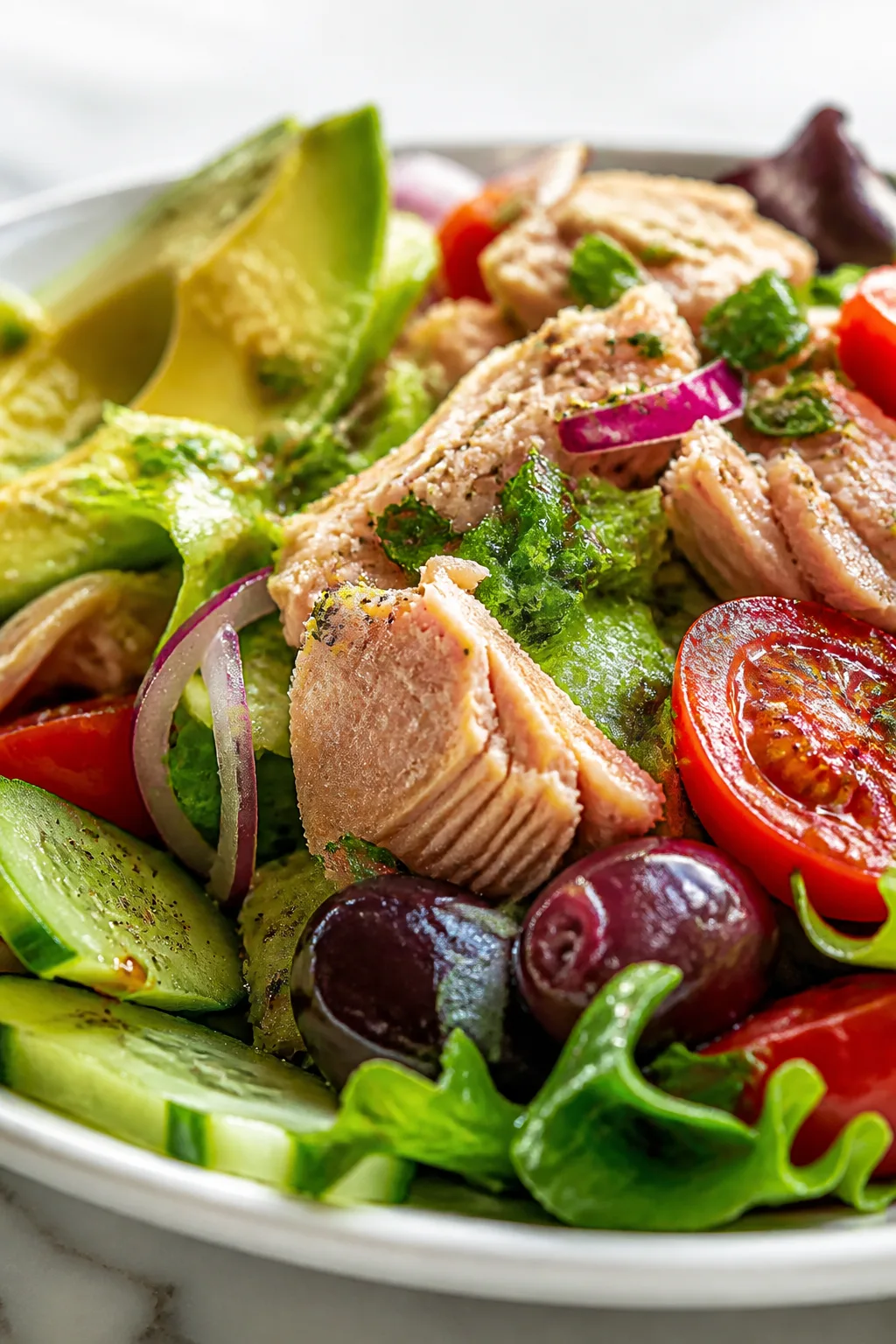
This no-cook salad is a lifesaver when you want something light yet filling. The lemon juice adds a zesty kick that ties all the fresh herbs and veggies together perfectly. Ideal for quick dinners or warm summer nights!
Introduction
I first stumbled upon this no-cook lemon herb salad when I wanted something light after a long, hectic day. It’s one of those recipes I keep coming back to because it’s so fresh and easy. What makes this salad special is the combination of fresh herbs and a bright lemon dressing that just wakes up your taste buds without any cooking involved. Unlike heavier salads, this one feels vibrant and refreshing, perfect for those evenings when you want something quick but satisfying. I also love that it’s super versatile — you can swap herbs or add in whatever veggies you have on hand. The secret trick I use is to let the salad sit for about 10 minutes after tossing everything together so the lemon and olive oil meld with the veggies, making every bite flavorful. It’s a go-to for warm weather dinners or even as a side dish when you want something healthy and fresh. Honestly, it’s saved me more times than I can count when I didn’t want to turn on the stove but still craved a delicious meal.
How To Do It
Step 1
Start by washing and drying all your fresh vegetables and herbs thoroughly. This step is crucial because moisture can dilute the dressing and make the salad soggy. Using a salad spinner or patting them dry with paper towels works best. Once dry, slice the cucumber thinly and halve the cherry tomatoes so they release just enough juice to add flavor without making the salad watery.
⏱ Time: 10 minutes
✓ Doneness: Vegetables are uniformly sliced and dry to the touch
Step 2
In a large mixing bowl, combine the salad greens, halved cherry tomatoes, sliced cucumber, and thinly sliced red onion. Toss gently to mix the textures evenly. This ensures every bite has a balance of flavors and prevents one ingredient from overpowering the others.
⏱ Time: 5 minutes
✓ Doneness: Ingredients are evenly distributed without bruising the greens
Step 3
Chop the fresh parsley and mint leaves finely, then add them to the bowl. Fresh herbs are key here, as they bring brightness and an aromatic punch that elevates the salad beyond just greens and veggies. Be careful not to over-chop; you want them to be visible and fresh.
⏱ Time: 5 minutes
✓ Doneness: Herbs are evenly sprinkled and still vibrant green
Step 4
In a small bowl, whisk together the juice of one lemon with three tablespoons of extra virgin olive oil. The acidity from the lemon cuts through the oil’s richness, creating a bright, balanced dressing. Adding salt and freshly ground black pepper at this stage helps to season the salad evenly.
⏱ Time: 3 minutes
✓ Doneness: Dressing is emulsified and slightly thickened
Step 5
Pour the lemon-olive oil dressing over the salad mixture. Toss everything gently but thoroughly to coat all the ingredients. This step allows the flavors to marry and the dressing to lightly soften the vegetables, enhancing their natural crispness without wilting them.
⏱ Time: 5 minutes
✓ Doneness: Salad is evenly coated and looks glossy
Step 6
Let the salad sit at room temperature for about 10 minutes before serving. This resting time is a small but important trick—it allows the lemon and olive oil to infuse into the veggies and herbs, making the whole dish more flavorful and cohesive.
⏱ Time: 10 minutes
✓ Doneness: Salad smells fresh with a citrusy aroma
Step 7
Give the salad one last gentle toss before plating. Taste and adjust seasoning with extra salt or pepper if needed. Sometimes a little more lemon juice can brighten the flavor even more, so don’t hesitate to tweak it to your preference.
⏱ Time: 2 minutes
✓ Doneness: Well-balanced flavor with fresh, bright notes
Step 8
Serve the salad immediately or chill briefly if you prefer it cold. It pairs wonderfully with grilled proteins or as a light stand-alone meal. The colors should be vibrant and the textures crisp, making it as pleasing to the eyes as it is to the palate.
⏱ Time: Immediate
✓ Doneness: Salad looks fresh and crisp on the plate
Step 9
Store any leftovers in an airtight container in the refrigerator. Because this salad is no-cook and uses fresh produce, it’s best eaten within a day or two to maintain that fresh texture and flavor. Give it a quick toss before serving leftovers.
⏱ Time: N/A
✓ Doneness: Salad remains fresh and not wilted
Variations
Add Avocado for Creaminess
Slice in a ripe avocado to add a creamy texture that balances the tangy lemon and fresh herbs. It makes the salad more filling and adds healthy fats.
Note: Add avocado just before serving to prevent browning and maintain freshness.
Spicy Kick with Red Pepper Flakes
Sprinkle some red pepper flakes into the dressing for a subtle heat that contrasts nicely with the fresh herbs and lemon. It’s great if you like a little spice.
Note: Start with a small amount and adjust to taste to avoid overpowering the salad.
Add Feta Cheese for Saltiness
Crumbled feta adds a salty, creamy element that pairs beautifully with the lemon and herbs. It turns the salad into a more substantial side or light meal.
Note: Choose a good-quality feta and add it just before serving to keep texture intact.
Swap Mint for Basil
Use fresh basil instead of mint for a different herbal note that’s sweet and slightly peppery. This variation pairs well with summer tomatoes and cucumber.
Note: Basil bruises easily, so add it last and toss gently.
Add Cooked Quinoa for Protein
Mix in cooked quinoa to make the salad more filling and add a nutty flavor and chewy texture. Perfect for a light lunch or vegetarian dinner.
Note: Cool quinoa completely before adding to avoid wilting the greens.
Pro Tips
Use a sharp knife to slice your vegetables thinly and evenly.
A sharp knife prevents bruising and crushing of delicate vegetables, preserving their texture and appearance. Even slices ensure consistent flavor distribution and improve the salad’s overall mouthfeel.
Let the salad rest for 10 minutes after tossing with dressing.
This resting period allows the lemon juice and olive oil to meld with the veggies, softening their edges slightly and intensifying the flavor. Skipping this step results in a less cohesive taste experience.
Always use fresh herbs rather than dried ones.
Fresh herbs provide vibrant aromas and bright flavors that dried herbs can’t match. They also add texture and visual appeal, making your salad feel more lively and fresh.
Adjust seasoning after resting to taste.
Flavors settle during the resting time, so you might need to add a pinch more salt, pepper, or lemon juice. This step ensures your salad is perfectly balanced when served.
Dry your greens thoroughly before dressing.
Excess water dilutes the dressing and makes the salad soggy quickly. Dry greens hold onto the dressing better, ensuring each bite is flavorful and crisp.
Use good quality extra virgin olive oil.
High-quality olive oil has a richer flavor and better mouthfeel. It enhances the salad’s taste and provides healthy fats that complement the acidic lemon juice.
Serve the salad at room temperature or slightly chilled.
Cold temperatures can mute flavors and dull the olive oil’s texture. Serving at room temp allows the salad’s bright flavors to shine and the dressing to coat ingredients evenly.
Common Mistakes to Avoid
Adding dressing too early before serving
Why it happens Many think tossing salad immediately before eating is best, but some dressings need time to meld with ingredients.
Fix Toss the salad with dressing and let it rest for about 10 minutes at room temperature. This allows flavors to develop and the dressing to soften the veggies, resulting in a more harmonious taste.
Using bottled lemon juice
Why it happens Convenience leads many to use bottled lemon juice, which lacks brightness and freshness.
Fix Always use freshly squeezed lemon juice for a brighter, more natural flavor. It makes a noticeable difference in the salad’s vibrancy and overall taste.
Not drying greens properly
Why it happens Rushing prep leads to wet greens, which dilute dressing and cause sogginess.
Fix Use a salad spinner or pat greens dry to remove excess moisture. This helps the dressing cling better and keeps the salad crisp longer.
Over-chopping herbs
Why it happens Chopping herbs too finely can bruise them and release bitterness.
Fix Chop herbs just enough to distribute them evenly but leave pieces intact to preserve their fresh flavor and appearance.
Using low-quality olive oil
Why it happens Some assume all olive oils are the same or use cheaper versions.
Fix Invest in a good quality extra virgin olive oil. It adds depth and richness to the dressing and makes a big difference in flavor.
Nutrition
Per Serving:
Nutritional values are estimates and may vary based on specific ingredients used.
Storage & Tips
Room Temperature
This salad can safely sit at room temperature for up to 1 hour if covered. Beyond that, the fresh vegetables may wilt and lose their crispness.
Refrigerator
Store leftovers in an airtight container for up to 2 days. The salad may become slightly soggy as the dressing continues to soak in. It’s best served chilled or at room temperature after a gentle toss to refresh.
Freezer
Freezing is not recommended for this salad as the fresh vegetables and herbs will become mushy and lose their texture upon thawing.
Reheating
No reheating needed since this is a fresh, no-cook salad. Serve chilled or at room temperature for best flavor and texture.
Make Ahead
You can prepare and chop all the vegetables and herbs up to 1 day ahead and store them separately in airtight containers. Mix and dress the salad just before serving to keep everything fresh and crisp.
FAQ
Can I use bottled lemon juice instead of fresh?
While you can use bottled lemon juice in a pinch, fresh lemon juice is much better here. It has a brighter, fresher flavor and less bitterness, which really makes the salad shine. Bottled juice can taste dull and affect the overall freshness.
How long can I store this salad after dressing it?
Once dressed, the salad is best eaten within 1-2 days if refrigerated. After that, the vegetables and greens start to wilt and lose their crisp texture. For best results, store components separately and dress just before serving.
Can I add other vegetables to this salad?
Absolutely! Feel free to add bell peppers, radishes, or even shredded carrots. Just keep in mind that some veggies may change the texture or moisture level, so slice them thinly and adjust the dressing accordingly.
What can I substitute for mint if I don’t have any?
Fresh basil is a great substitute for mint in this salad. It adds a sweet, peppery flavor that complements the lemon and parsley well. Just add it last and toss gently to avoid bruising the leaves.
Is this salad suitable for meal prep?
You can chop all the veggies and herbs ahead of time, but it’s best to keep the dressing separate and toss everything together right before eating. This keeps the salad fresh and prevents sogginess.
Can I add protein to make it a full meal?
Yes! Adding cooked quinoa, chickpeas, grilled chicken, or feta cheese can turn this salad into a satisfying main dish. Just add these ingredients after tossing the salad with dressing.
How do I keep the salad from getting soggy?
Dry your greens thoroughly before dressing, and avoid overdressing. Also, toss the salad gently and serve soon after dressing. Storing components separately until serving helps maintain crispness.
Can I use different types of olive oil?
Extra virgin olive oil is best for flavor and texture. Using lighter or refined olive oils will result in a less flavorful dressing. If you prefer, you can experiment with other oils like avocado oil, but it will change the taste.
Final Thoughts
I hope you enjoy this fresh, no-cook lemon herb salad as much as I do. It’s such an easy way to get a vibrant, healthy meal on the table fast—please share how it turns out for you!