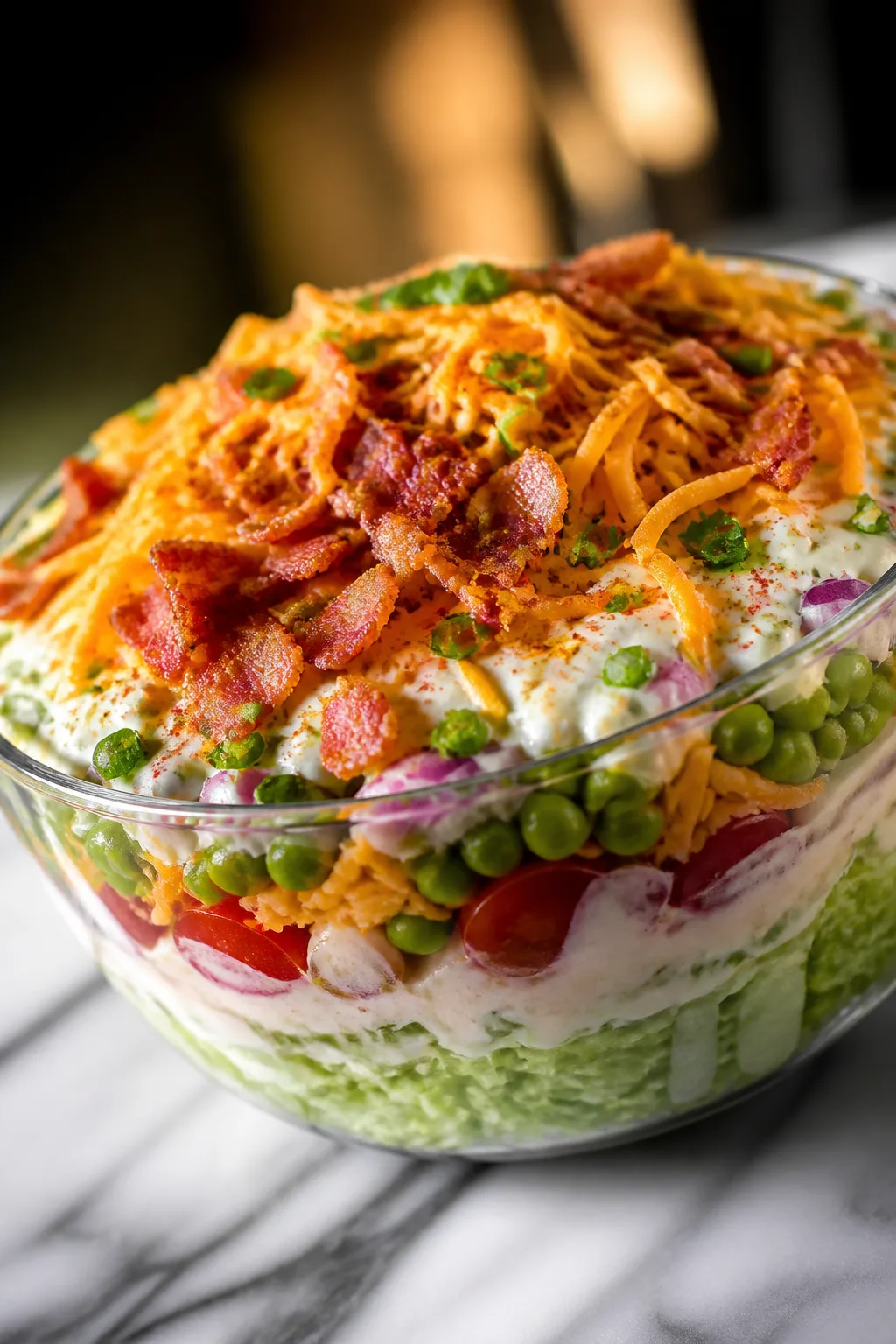
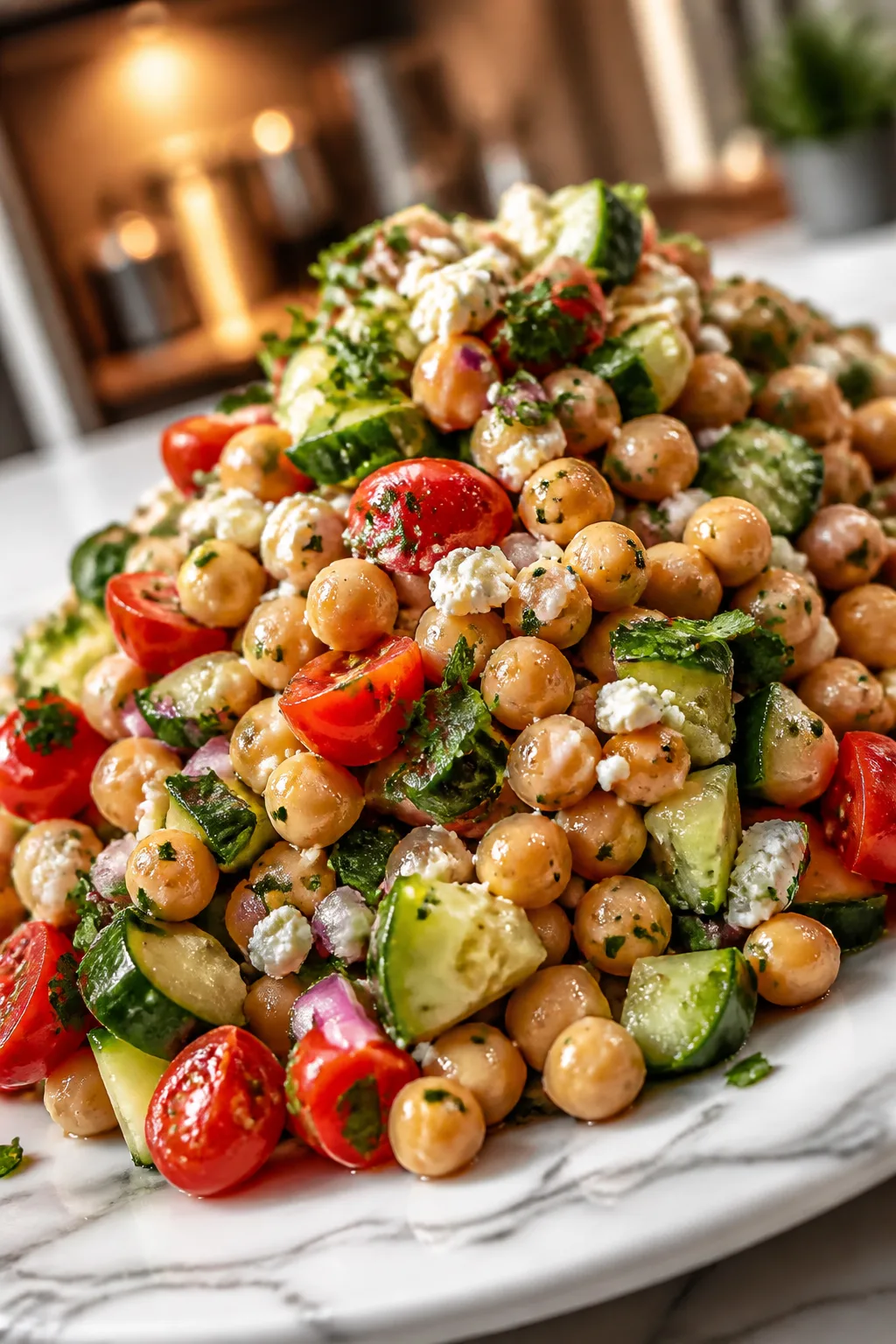
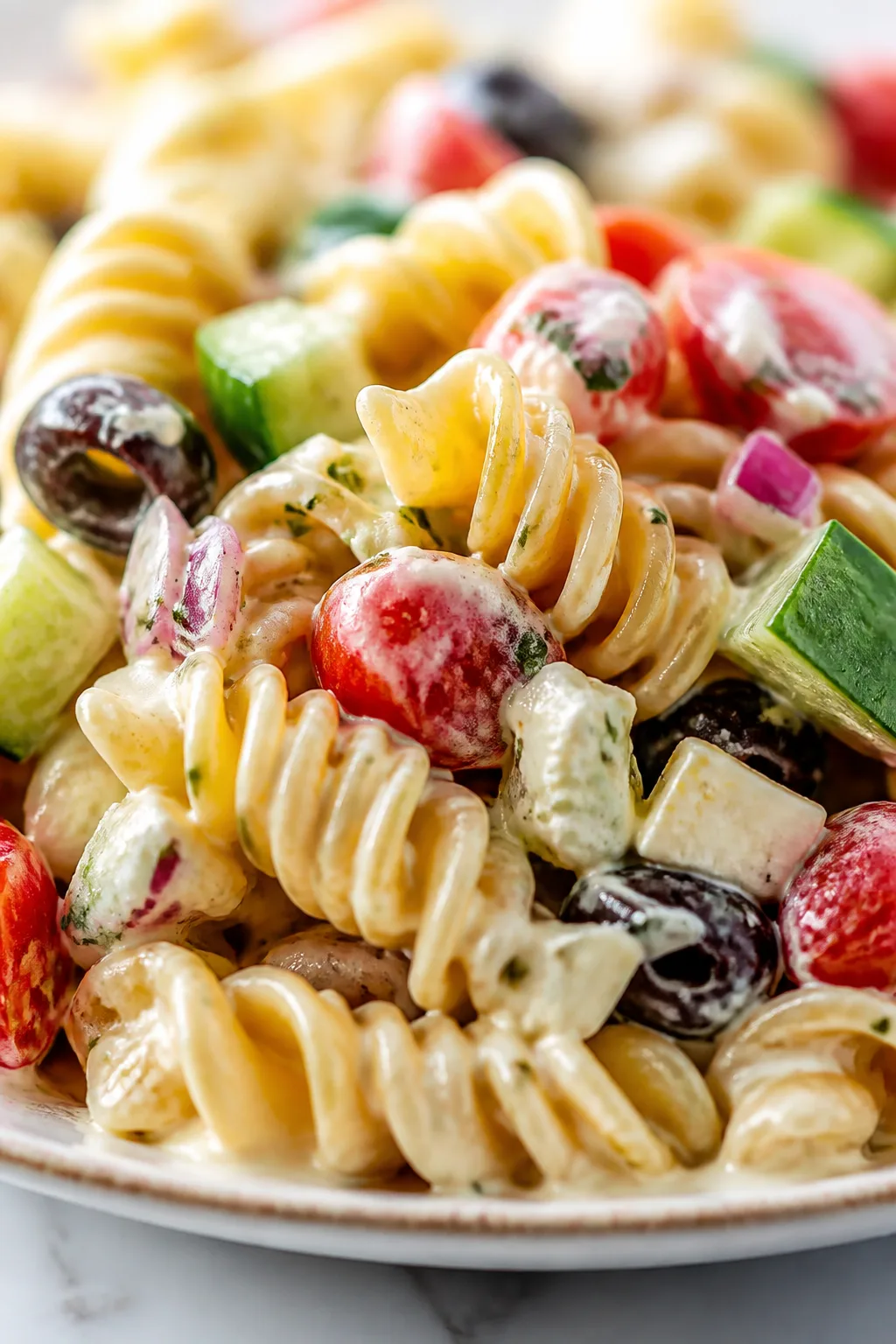
This no-cook salad is a lifesaver on hot days when you want something fresh but filling. A splash of lemon juice adds a bright zing that wakes up the flavors. Great for quick lunches or light dinners!
Introduction
I first stumbled upon this no-cook salad on a scorching summer afternoon when the last thing I wanted was to turn on the stove. Since then, it’s become my go-to for days when I crave something fresh but satisfying without any heat involved. What I love about this version is the simple splash of lemon juice that really wakes up the veggies and adds a brightness that’s hard to beat. Plus, it’s super quick to throw together, so it’s perfect for busy lunches or a light dinner. I’ve tried other no-cook salads before, but this one strikes the perfect balance between fresh, tangy, and a little savory thanks to the feta. The key trick I learned is to slice the veggies thinly — it makes every bite feel like a breeze and helps the dressing coat everything evenly. The end result is a crisp, colorful salad that feels like a little escape to summer in every forkful. If you want something fuss-free but bursting with flavor, this salad really hits the spot.
How To Do It
Step 1
Start by washing and drying all your veggies thoroughly. This step is crucial because excess water can dilute the dressing and make the salad soggy. Use a salad spinner if you have one to get them really dry. Then, slice the cucumber and red onion thinly so they blend well with the other ingredients. Thin slices help the flavors mingle better and make the salad easier to eat. Avoid thick chunks here, as they can overpower the lighter greens.
⏱ Time: 10 minutes
✓ Doneness: Veggies are evenly sliced and dry to the touch without any pooling water
Step 2
In a large bowl, combine the salad greens, halved cherry tomatoes, sliced cucumber, and onion. Toss gently to mix. This ensures every bite gets a bit of each element and sets the stage for even seasoning later. Be careful not to bruise the greens by tossing too vigorously — gentle folding preserves their crisp texture.
⏱ Time: 2 minutes
✓ Doneness: Ingredients are evenly distributed without bruising the greens
Step 3
Drizzle the olive oil and fresh lemon juice over the salad. The olive oil adds richness while the lemon juice brings a fresh zing that brightens the whole dish. Use fresh lemon juice for the best flavor — bottled just doesn’t compare. Toss everything gently again to coat the veggies evenly. This step is key because the dressing should lightly cover the salad but not drown it.
⏱ Time: 3 minutes
✓ Doneness: Salad ingredients glisten lightly with dressing and smell fresh and citrusy
Step 4
Season the salad with salt and freshly ground black pepper to taste. Salt helps bring out the natural sweetness of the tomatoes and balances the lemon’s acidity. Pepper adds a subtle kick. Be careful not to over-salt, especially if your feta is salty. It’s best to start with a little and adjust after tasting.
⏱ Time: 1 minute
✓ Doneness: Seasoning is balanced without overpowering the fresh flavors
Step 5
Sprinkle the crumbled feta cheese and chopped fresh parsley over the top. The feta adds a creamy, salty contrast that complements the crisp veggies, while parsley adds a fresh herbaceous note. If you want, you could also add a few fresh mint leaves for an extra pop of flavor. This finishing touch makes the salad feel complete and vibrant.
⏱ Time: 2 minutes
✓ Doneness: Salad looks colorful and inviting with feta and herbs evenly scattered
Step 6
Give the salad one final gentle toss to combine the cheese and herbs with the rest without breaking the greens. This helps distribute the flavors evenly while keeping the salad’s fresh texture intact. Avoid over-mixing here to prevent wilting.
⏱ Time: 1 minute
✓ Doneness: Salad is evenly mixed but still crisp and fresh-looking
Step 7
Serve immediately for the best texture and flavor. If you need to hold it for a short time, cover and refrigerate but know the greens will soften slightly. This salad is best enjoyed fresh to appreciate the crispness and bright lemon zing that make it so refreshing.
⏱ Time: 0 minutes
✓ Doneness: Salad is fresh, crisp, and vibrant when served
Step 8
If desired, add toasted nuts or seeds like pine nuts or sunflower seeds for an extra crunch. Toasting nuts enhances their flavor and adds a lovely textural contrast to the salad’s softness. This is optional but highly recommended for a more complex bite.
⏱ Time: 5 minutes (optional)
✓ Doneness: Nuts are golden brown and fragrant without burning
Step 9
For a heartier meal, toss in some cooked quinoa or chickpeas. This adds protein and fiber, making the salad more filling without losing its fresh vibe. Just be sure to cool cooked ingredients before mixing to avoid wilting the greens.
⏱ Time: 5 minutes (optional prep)
✓ Doneness: Added grains or beans are fully cooled and evenly mixed
Variations
Mediterranean No-Cook Salad
Add kalamata olives, diced roasted red peppers, and a sprinkle of oregano for a Mediterranean twist. This variation brings deeper savory and briny notes that complement the fresh veggies beautifully.
Note: No changes to technique needed, just toss in the extra ingredients with the dressing before serving.
No-Cook Protein Boost Salad
Include canned chickpeas or shredded rotisserie chicken to add protein and make the salad a filling meal. This turns the salad into a balanced lunch without losing its fresh appeal.
Note: Make sure any cooked protein is cooled completely before mixing to keep greens crisp.
Spicy No-Cook Salad
Add thinly sliced jalapeños or a pinch of red pepper flakes for a spicy kick. This variation livens up the salad while maintaining its refreshing qualities.
Note: Add spicy ingredients gradually and taste to avoid overwhelming the fresh flavors.
Creamy Avocado No-Cook Salad
Dice ripe avocado and gently fold it in for a creamy texture that pairs wonderfully with the zesty lemon dressing. This adds healthy fats and richness.
Note: Add avocado last and toss gently to avoid mashing it.
Asian-Inspired No-Cook Salad
Swap lemon juice for rice vinegar and add sliced scallions, shredded carrots, and sesame seeds. Drizzle with a little toasted sesame oil for a fresh Asian flair.
Note: Use the same gentle tossing technique to preserve texture and evenly distribute flavors.
Pro Tips
Dry your greens thoroughly before assembling the salad.
Excess moisture can dilute the dressing and make the salad soggy quickly. Using a salad spinner or patting the greens dry with paper towels ensures the dressing clings well and the salad stays crisp longer.
Slice vegetables thinly and uniformly.
Thin slices allow the dressing to coat the veggies evenly and help flavors meld better. Uniformity also ensures consistent texture and prevents any overpowering chunks that can detract from the salad's balance.
Use fresh lemon juice instead of bottled.
Fresh lemon juice has a brighter, more vibrant flavor and aroma. Bottled juice often tastes flat or bitter due to preservatives and processing, which can dull the salad's fresh zing.
Add the dressing just before serving.
Dressing the salad too early can cause the greens and veggies to wilt and lose their crispness. Tossing right before eating keeps everything fresh and crunchy.
Use good-quality extra virgin olive oil.
High-quality olive oil has fruitier, more nuanced flavors that enhance the salad. Cheap oils can taste greasy or bland, which diminishes the overall taste experience.
Season gradually and taste as you go.
Salt and pepper can quickly overpower fresh ingredients. Adding a little at a time and tasting helps you find the perfect seasoning balance without going too far.
Gently toss the salad to avoid bruising.
Vigorous tossing can break delicate greens and cause wilting. Gentle folding preserves the texture and appearance, keeping the salad vibrant and appetizing.
Common Mistakes to Avoid
Using wet or soggy greens
Why it happens People often skip drying their greens properly after washing, assuming a quick rinse is enough.
Fix Dry greens completely with a salad spinner or paper towels before assembling. This prevents the dressing from getting diluted and keeps the salad crisp and fresh.
Overdressing the salad
Why it happens It’s tempting to pour on a lot of dressing for flavor, but this can drown the veggies.
Fix Use measured amounts of olive oil and lemon juice, then toss gently. Add more if needed after tasting instead of all at once.
Skipping thin slicing
Why it happens Sometimes chopping is rushed or done unevenly, resulting in uneven texture and flavor distribution.
Fix Take time to slice cucumbers and onions thinly and uniformly to ensure each bite is balanced and pleasant.
Using bottled lemon juice
Why it happens Convenience leads many to grab bottled juice, not realizing the flavor difference.
Fix Always use fresh lemon juice for the best brightness and aroma; it makes a noticeable difference in taste.
Not seasoning gradually
Why it happens Adding all the salt and pepper at once can lead to an overly salty or spicy salad.
Fix Add seasoning little by little, tasting as you go. This helps you hit the perfect balance without overpowering the fresh ingredients.
Nutrition
Per Serving:
Nutritional values are estimates and may vary based on specific ingredients used.
Storage & Tips
Room Temperature
This salad is best eaten fresh but can sit at room temperature for up to 1 hour if covered to prevent drying out.
Refrigerator
Store leftovers in an airtight container for up to 2 days. Note that the greens may wilt and the salad will lose some crispness. It’s still tasty chilled or served at room temperature.
Freezer
Not recommended to freeze this salad as the fresh vegetables and dressing will lose texture and flavor upon thawing.
Reheating
No reheating needed or advised. If you prefer, let the salad sit at room temperature for 10 minutes before serving to soften the flavors.
Make Ahead
You can wash and slice the vegetables a day ahead and store them separately in airtight containers in the fridge. Assemble and dress the salad just before serving to keep it fresh and crisp.
FAQ
Can I use bottled lemon juice instead of fresh?
While you can use bottled lemon juice in a pinch, fresh lemon juice delivers a brighter, fresher flavor that really lifts the salad. Bottled juice often tastes flat or slightly bitter, which can dull the overall taste.
How long can I store this salad after dressing it?
Once dressed, the salad is best eaten within a couple of hours. The greens and veggies will start to wilt and become soggy if left too long. For best texture, dress just before serving.
Can I add other vegetables to this salad?
Absolutely! Feel free to add thinly sliced bell peppers, radishes, or shredded carrots. Just keep in mind that some veggies release more water, which can affect the salad’s crispness.
What can I substitute for feta cheese?
If you want to avoid dairy, try crumbled firm tofu with a sprinkle of salt or a vegan cheese alternative. Goat cheese also works well if you prefer a milder flavor.
Is it okay to prepare the salad a day ahead?
You can prep the veggies a day ahead but store them separately without dressing. Assemble and dress the salad just before serving to keep it fresh and crisp.
Can I add protein to make this a full meal?
Yes! Adding canned chickpeas, cooked chicken, or even hard-boiled eggs makes this salad more filling without losing its fresh vibe.
How can I make the salad spicier?
Try adding thin slices of jalapeño, a pinch of red pepper flakes, or a drizzle of hot sauce. Add gradually and taste to avoid overpowering the fresh flavors.
What’s the best way to toss the salad without bruising it?
Use gentle folding motions with large utensils or your hands rather than vigorous stirring. This preserves the integrity of delicate greens and keeps the salad crisp.
Final Thoughts
Give this no-cook salad a try next time you want something fresh and fuss-free. I’d love to hear how it turns out for you—don’t forget to share your thoughts!