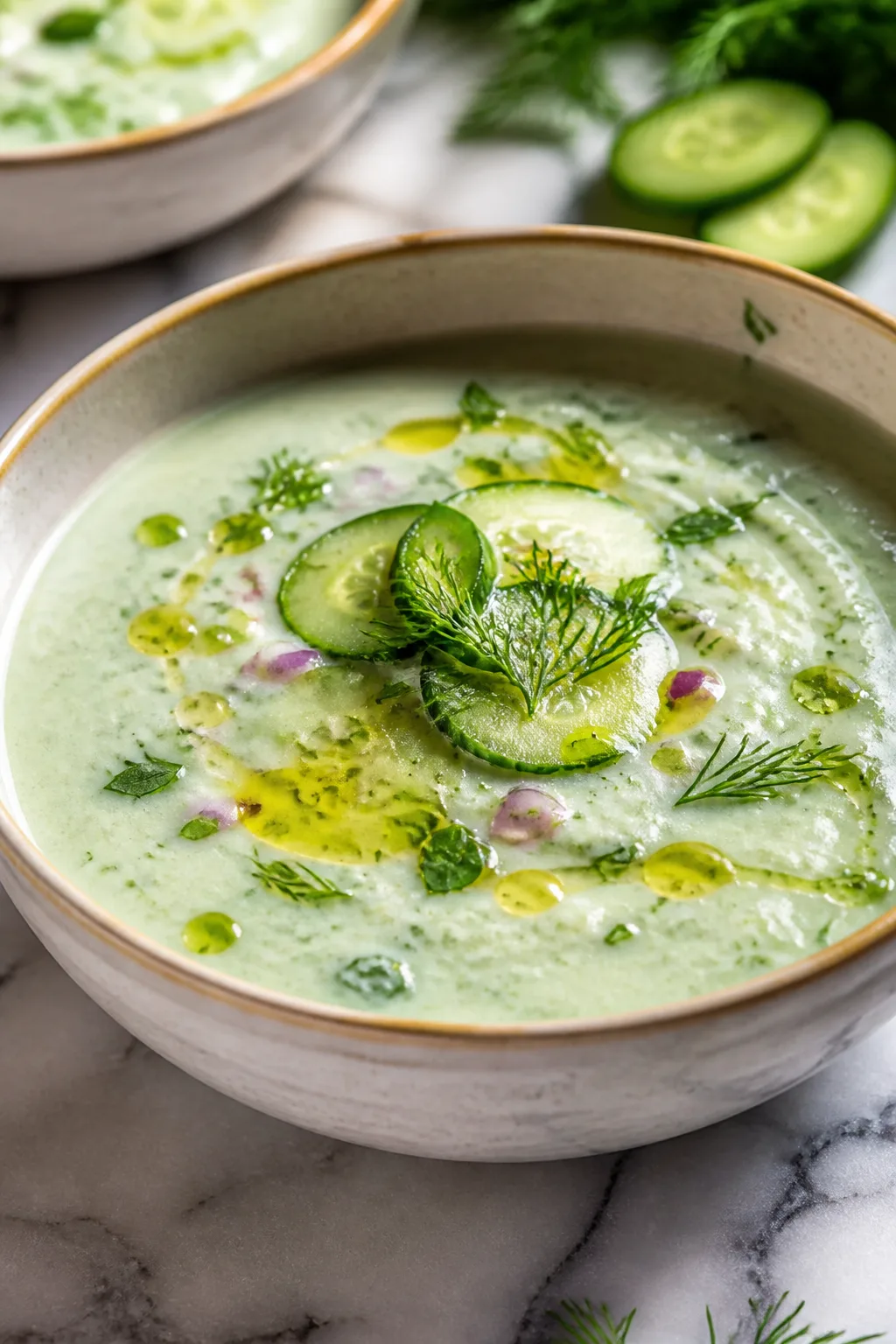
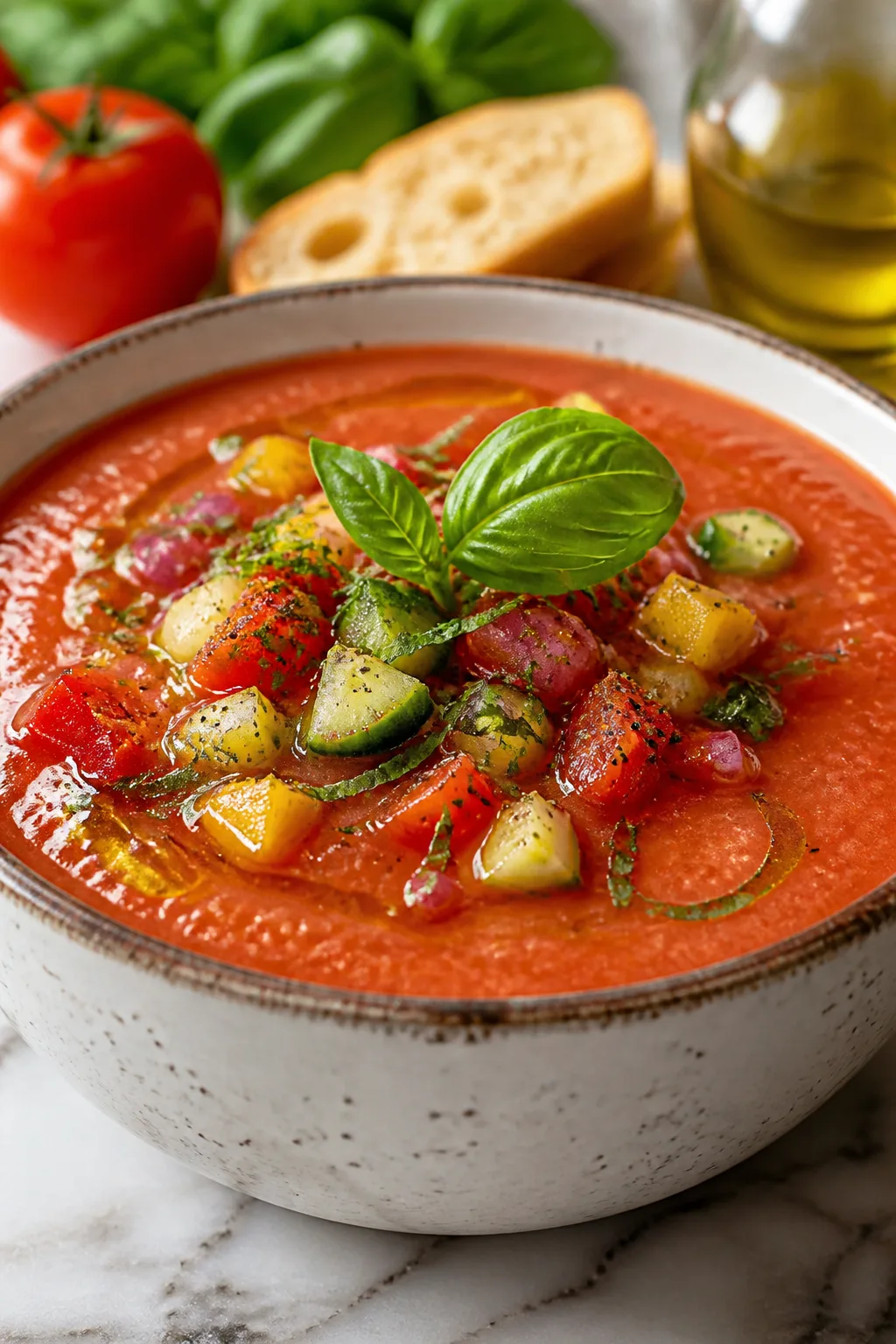
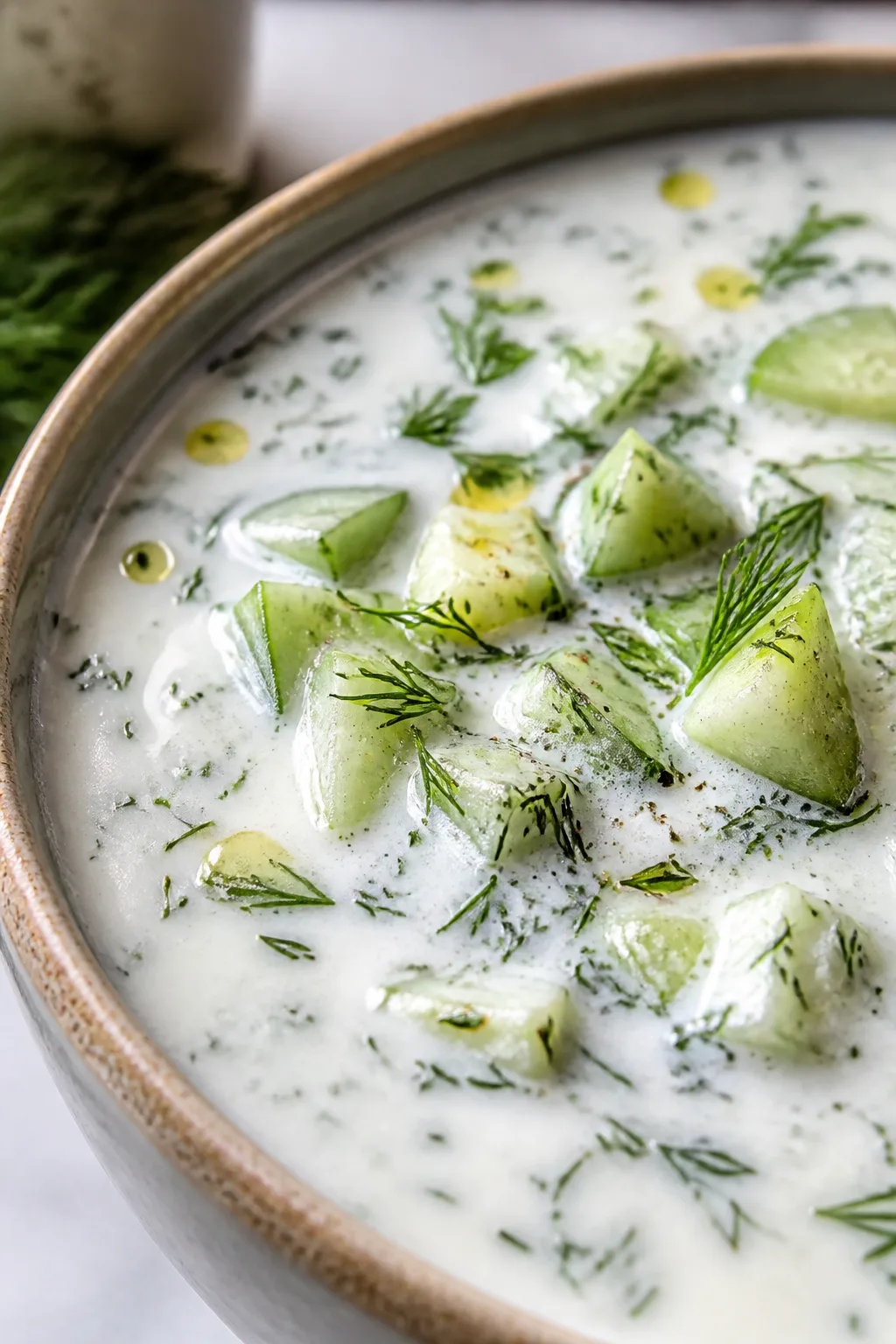
This gazpacho is a no-fuss, no-cook soup bursting with fresh veggies and herbs. It’s chilled, vibrant, and super easy to whip up—ideal for those sweltering afternoons when the last thing you want is heat in the kitchen.
Introduction
I first stumbled upon gazpacho during a summer trip to Spain, and I was instantly hooked by how vibrant and refreshing it was. Back home, I wanted to recreate that same cool, fresh taste without heating up my kitchen. After a few tries, I found a version that’s super easy and perfectly balanced—no cooking required! What makes this recipe special is the use of ripe, juicy tomatoes combined with a splash of red wine vinegar and quality olive oil to brighten all the flavors. I also like to let it chill for at least an hour so the ingredients meld beautifully. The result is a smooth, slightly chunky soup that’s bursting with freshness and just a hint of tang. It’s my go-to on hot days when I want something light but satisfying. Plus, it’s incredibly fast to pull together, making it great for a quick lunch or a light dinner. Honestly, it’s one of those recipes I keep coming back to when summer hits and the last thing I want is to turn on the stove. Trust me, this no-cook gazpacho will become a staple in your warm-weather meal rotation!
What You'll Need
Approximately 4 cups, 4 servings
- 4 cups ripe tomatoes, chopped
- 1 cucumber, peeled and diced
- 1 red bell pepper, seeded and chopped
- 1 small red onion, finely chopped
- 2 cloves garlic, minced
- 3 tablespoons extra virgin olive oil
- 2 tablespoons red wine vinegar
- 1 cup tomato juice
- Salt and freshly ground black pepper, to taste
- Fresh basil leaves, for garnish
How To Do It
Step 1
Start by chopping the ripe tomatoes into small pieces. Using ripe tomatoes is key because they provide natural sweetness and juiciness that form the soup’s base. Make sure to remove any tough cores or green bits, as they can add bitterness. The freshness of the tomatoes is what gives this gazpacho its vibrant color and flavor, so don’t skip this prep step or use canned tomatoes, which won’t have the same brightness.
⏱ Time: 5 minutes
✓ Doneness: Tomatoes should be chopped uniformly and juicy with no tough cores visible
Step 2
Peel the cucumber and dice it into small cubes. Peeling removes bitterness from the skin, and the cucumber adds a cool crunch that contrasts nicely with the tomatoes. Be careful not to over-dice; you want small pieces that blend well but still give texture. If you prefer a smoother soup, you can blend the cucumber separately and add it in for a velvety finish.
⏱ Time: 3 minutes
✓ Doneness: Cucumber pieces should be small, even, and free of skin
Step 3
Seed and chop the red bell pepper into small chunks. Removing seeds ensures the soup isn’t bitter or gritty. The pepper adds sweetness and a subtle peppery flavor that complements the tomatoes. Use a sharp knife for clean cuts and to avoid bruising the pepper, which can turn the soup bitter over time.
⏱ Time: 3 minutes
✓ Doneness: Pepper pieces should be bright red, crisp, and seed-free
Step 4
Finely chop the red onion and mince the garlic cloves. These aromatics add depth and a slight bite to the soup. I like to soak the chopped onion in cold water for a few minutes first to mellow the sharpness if I’m sensitive to onion flavor. Fresh garlic is important here; it should be minced finely to distribute evenly without overpowering the other ingredients.
⏱ Time: 4 minutes
✓ Doneness: Onion and garlic should be finely chopped with no large chunks
Step 5
Combine all the chopped vegetables in a large mixing bowl. Add the tomato juice, extra virgin olive oil, and red wine vinegar. The tomato juice helps loosen the mixture and creates a soup-like consistency. Olive oil adds richness and smoothness, while vinegar brightens the flavors and balances the sweetness of the tomatoes. Stir gently but thoroughly to combine everything evenly.
⏱ Time: 4 minutes
✓ Doneness: Mixture should look well combined with a vibrant red hue and slight sheen from olive oil
Step 6
Season the gazpacho with salt and freshly ground black pepper to taste. Season gradually and taste as you go because the right balance enhances all the flavors without overpowering the fresh veggies. Salt brings out the natural sweetness of the tomatoes, and pepper adds a subtle kick. Avoid over-salting, especially if your tomato juice is already salted.
⏱ Time: 2 minutes
✓ Doneness: Seasoning should taste balanced with no one flavor dominating
Step 7
Cover the bowl with plastic wrap and refrigerate the gazpacho for at least 1 hour before serving. This chilling step is crucial as it allows the flavors to meld and develop depth. Skipping this can result in a soup that tastes a bit flat or harsh. If short on time, even 30 minutes helps, but the longer it chills, the better.
⏱ Time: 60 minutes
✓ Doneness: Soup is well chilled and flavors taste harmonized when sampled
Step 8
Before serving, give the gazpacho a good stir and adjust seasoning if needed. Sometimes chilling dulls the flavors a bit, so a quick taste test and tweak can make a big difference. If you want a thinner consistency, add a splash more tomato juice or cold water. For thicker, blend a portion of the veggies and stir back in.
⏱ Time: 2 minutes
✓ Doneness: Soup should have balanced seasoning and preferred consistency
Step 9
Serve the gazpacho chilled in bowls, garnished with fresh basil leaves or a drizzle of olive oil. The basil adds a fresh herbal note and a pop of color that makes the soup look even more inviting. You can also add a few croutons or diced avocado on top for texture contrast. This soup pairs wonderfully with crusty bread or a light salad.
⏱ Time: 3 minutes
✓ Doneness: Final presentation looks fresh and colorful with garnish on top
Variations
Spicy Gazpacho with Jalapeño
Add a minced jalapeño or a pinch of cayenne pepper to the mix for a spicy kick. This variation keeps the fresh, cooling base but adds heat for those who like a little fire. Adjust the spice level to your taste.
Note: Be careful adding spice gradually, as it intensifies after chilling. Taste before chilling and adjust accordingly.
Creamy Avocado Gazpacho
Blend in half a ripe avocado for a creamy texture and richer flavor. The avocado adds healthy fats and a smooth mouthfeel while keeping the soup dairy-free and fresh.
Note: Add avocado last and blend gently to avoid over-processing the soup; this keeps some texture.
Herb-Infused Gazpacho
Mix in fresh herbs like cilantro, parsley, or mint for a bright, herbal note. This adds complexity and freshness to the soup, making it even more vibrant and fragrant.
Note: Add herbs finely chopped and stir in before chilling to allow flavors to infuse.
Roasted Red Pepper Gazpacho
Use roasted red peppers instead of raw for a smoky depth of flavor. This version has a more robust taste but still stays refreshing and light.
Note: Peel and seed roasted peppers carefully to avoid bitterness and blend smoothly with other ingredients.
Chunky Gazpacho Salad Style
Keep all vegetables diced larger and skip blending for a chunky, salad-like texture. It’s more rustic and fun to eat with a spoon or fork, offering bursts of fresh flavor in every bite.
Note: Use very fresh veggies and season well, since texture relies on the quality of each bite.
Pro Tips
Use the ripest tomatoes you can find for the best flavor.
Ripe tomatoes have higher sugar content and natural acidity, which balance perfectly to create the vibrant, fresh flavor gazpacho is known for. Using underripe tomatoes results in a bland or overly tart soup.
Chill the soup for at least an hour before serving.
This resting time allows flavors to meld and mellow. The cold temperature also enhances the refreshing quality of the soup, making it perfect for hot weather.
Add olive oil last and stir gently.
Olive oil is delicate and volatile; adding it last preserves its aroma and flavor. Stirring gently helps emulsify the soup, giving it a smooth texture without breaking down the vegetables.
Peel cucumbers to avoid bitterness.
Cucumber skin can be bitter and tough, which detracts from the soup’s smooth, fresh taste. Peeling ensures a clean flavor and better texture.
Soak chopped onions in cold water if you want a milder flavor.
Soaking draws out some of the sharp sulfur compounds in onions, reducing their bite and making the soup more balanced and pleasant to eat.
Use fresh garlic but mince it very finely.
Fine mincing distributes garlic’s flavor evenly without overpowering the soup. Large chunks can cause harsh, pungent bites.
Adjust seasoning after chilling.
Cold dulls flavors, so a final taste test and seasoning tweak ensures the soup tastes bright and balanced when served.
Common Mistakes to Avoid
Using underripe or canned tomatoes
Why it happens Sometimes cooks use whatever tomatoes they have on hand without considering ripeness or freshness, assuming canned tomatoes will work fine.
Fix Always use fresh, ripe tomatoes for gazpacho. If fresh aren’t available, opt for high-quality canned tomatoes but adjust seasoning to compensate for less vibrant flavor.
Skipping the chilling step
Why it happens Impatience or lack of planning leads people to serve gazpacho immediately, missing out on flavor development.
Fix Plan ahead and chill the soup at least 1 hour. This resting time allows flavors to meld and the soup to taste its best.
Overpowering with too much garlic or onion
Why it happens Adding large amounts of these aromatics without balancing can overwhelm the delicate fresh flavors.
Fix Use small amounts, mince finely, and if needed soak onions to mellow their sharpness.
Not peeling cucumbers
Why it happens For convenience, some skip peeling, but cucumber skin can add bitterness.
Fix Peel cucumbers to ensure a clean, fresh taste and smooth texture.
Adding olive oil too early or heating it
Why it happens Some mix olive oil in at the start or heat it, which degrades its flavor.
Fix Add olive oil last, cold, and stir gently to preserve its aroma and richness.
Nutrition
Per Serving:
Nutritional values are estimates and may vary based on specific ingredients used.
Storage & Tips
Room Temperature
Gazpacho should not be left out at room temperature for more than 2 hours as it contains fresh vegetables and juice that can spoil quickly. Keep it covered to avoid contamination if left briefly.
Refrigerator
Store gazpacho in an airtight container in the refrigerator for up to 3 days. It may thicken as it chills; stir well before serving. The flavors will continue to meld, but freshness peaks within the first day or two.
Freezer
Freezing gazpacho is not recommended because the texture and flavor degrade significantly. The fresh vegetables become watery and lose their vibrant taste after thawing.
Reheating
Gazpacho is served cold and should not be reheated. If you prefer a warmer soup, try a traditional tomato soup recipe instead.
Make Ahead
You can prepare the gazpacho base (chopped veggies and liquid) 1 day ahead and store it covered in the fridge. Add olive oil, vinegar, and seasoning just before chilling to keep flavors fresh and bright.
FAQ
Can I use canned tomatoes instead of fresh ones?
While fresh ripe tomatoes are best for authentic flavor, you can use high-quality canned tomatoes in a pinch. Choose whole peeled tomatoes, drain excess liquid, and adjust seasoning to compensate for the less vibrant taste. The soup won’t be quite as fresh or bright but will still be tasty.
How long does gazpacho keep in the fridge?
Gazpacho keeps well for up to 3 days refrigerated in an airtight container. The flavors actually develop more after a day, but after 3 days the texture may start to degrade and taste less fresh.
Can I blend the soup completely smooth?
Yes! If you prefer a smooth gazpacho, blend all ingredients until silky. Keep in mind this changes the texture and mouthfeel, making it less rustic but still delicious and refreshing.
Can I add other vegetables to this gazpacho?
Absolutely. Some people add celery, green peppers, or even a touch of carrot for sweetness. Just keep the balance of acidity and freshness in mind and adjust seasoning accordingly.
Is it okay to use white wine vinegar instead of red?
You can substitute white wine vinegar or sherry vinegar, but red wine vinegar has a stronger, fruitier flavor that complements the tomatoes best. Substitutions will slightly change the soup’s flavor profile.
Why does my gazpacho taste bitter?
Bitterness often comes from underripe tomatoes, cucumber skins, or over-chopped garlic/onion. Make sure to use ripe tomatoes, peel cucumbers, and mince garlic/onion finely and in moderation.
Can I make gazpacho ahead of time?
Yes, gazpacho actually tastes better after chilling for a few hours or overnight. Just add the olive oil and final seasoning right before serving for the freshest flavor.
Can I freeze gazpacho?
Freezing isn’t recommended because the fresh veggies lose texture and flavor after thawing. It’s best enjoyed fresh or refrigerated for a few days.
Final Thoughts
I hope you give this fresh and easy gazpacho a try—it's one of my favorite ways to stay cool and nourished in the summer. Let me know how it turns out and what variations you love!