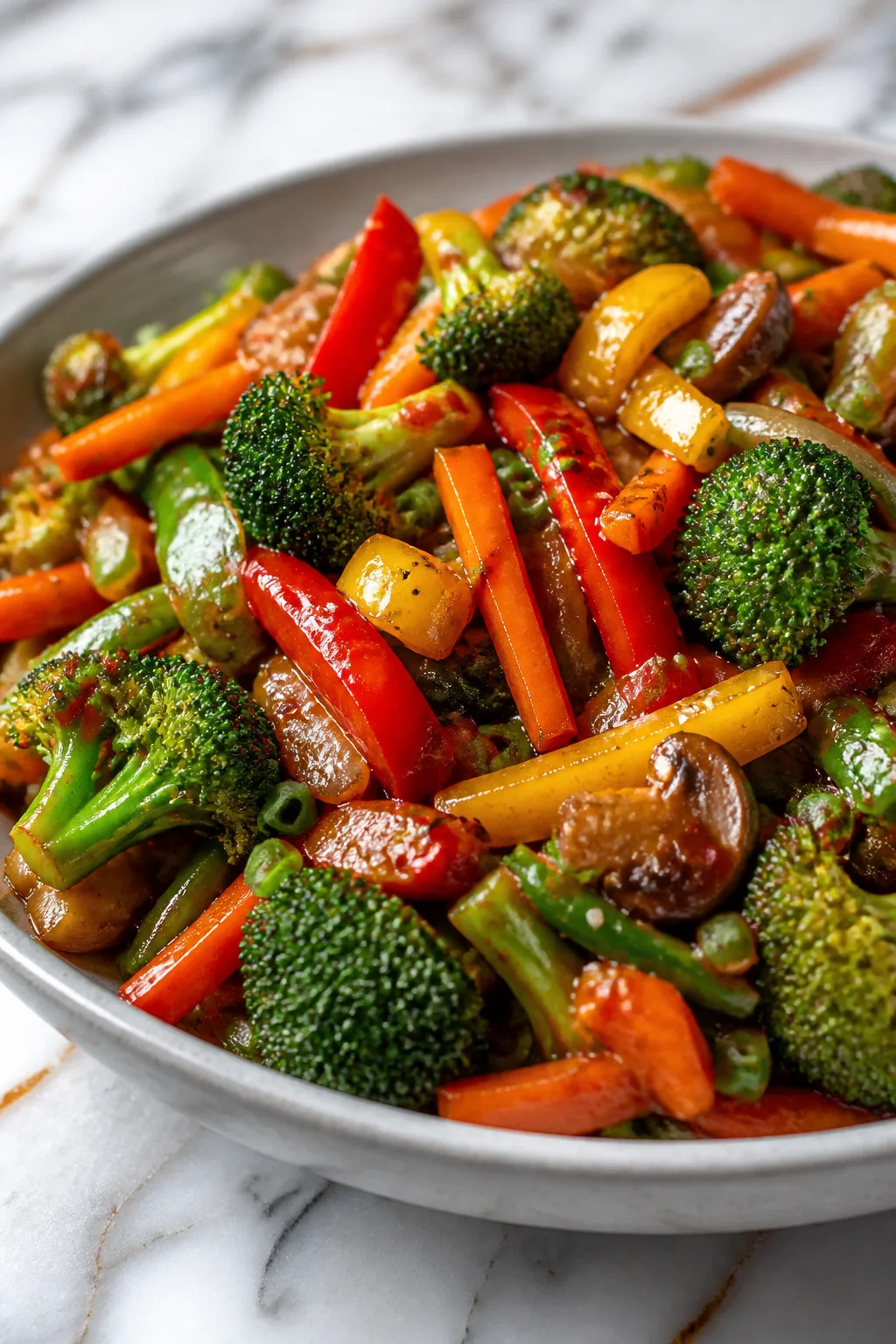
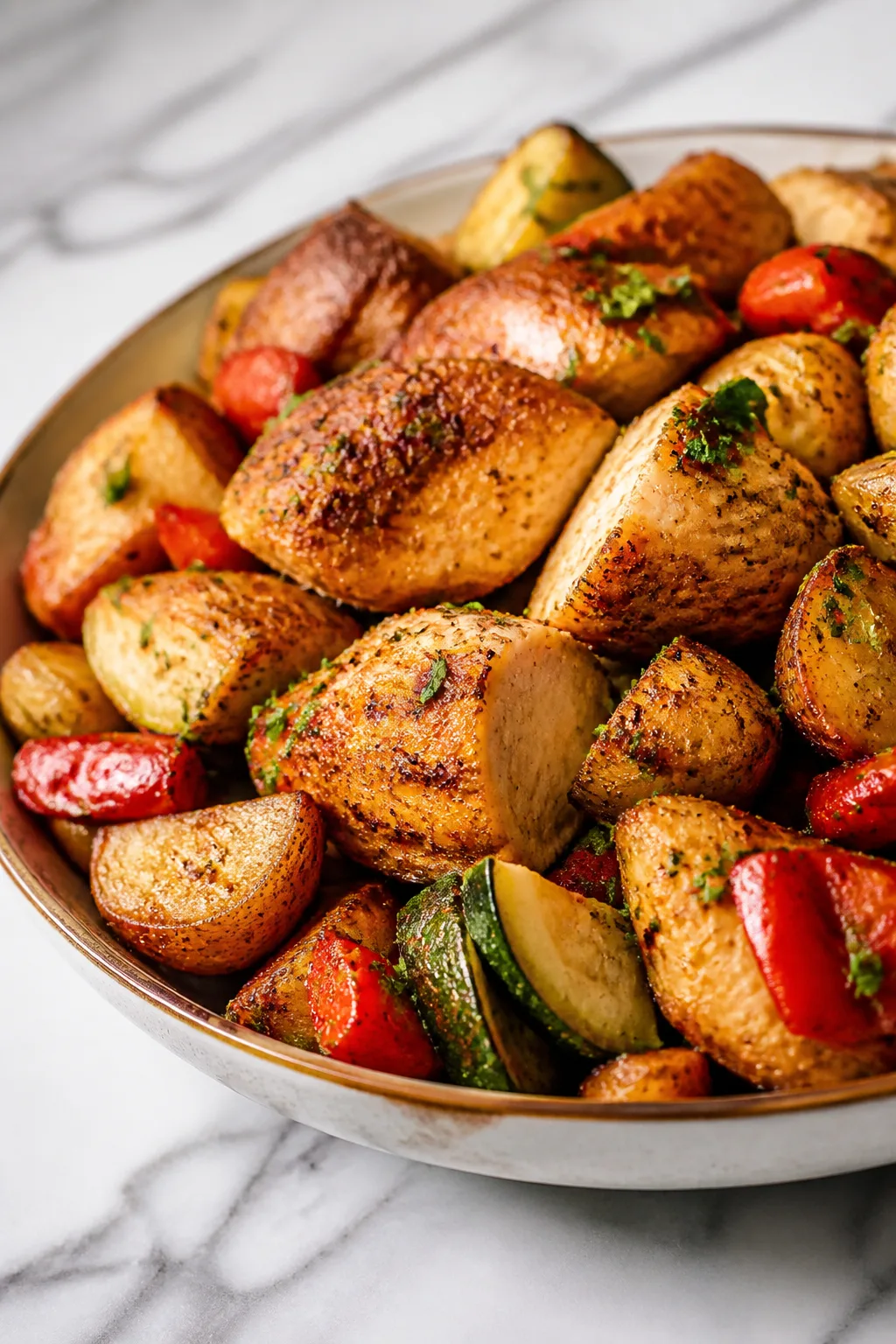
This beef stew is a cozy, no-fuss meal that comes together in a flash using the Instant Pot. The pressure cooking locks in rich flavors and tender meat, making it perfect for busy nights or lazy weekends.
Introduction
I stumbled upon this Instant Pot beef stew recipe a couple of years ago when I desperately needed a hearty meal on a hectic weeknight. I’d tried traditional slow cooker stews before, but they took forever, and sometimes the beef turned out tough or the veggies mushy. Using the Instant Pot changed everything. The pressure cooker locks in all those rich flavors and makes the beef incredibly tender in just about 30 minutes. What I love most is how everything cooks in one pot, which means minimal cleanup—always a win in my book. This version is a little different because I use a splash of red wine and tomato paste to deepen the stew’s flavor, plus a quick flour slurry at the end to thicken it up without needing to simmer forever. The result is a comforting, luscious stew with tender chunks of beef and perfectly cooked veggies. It’s just the kind of cozy meal that hits the spot after a long day, and it looks beautiful served straight from the pot with a sprinkle of fresh parsley. I think you’ll appreciate how easy it is to pull together and how satisfying it tastes, especially when you want something warm and nourishing without the fuss.
What You'll Need
Approximately 6 cups, 4 servings
- 1.5 pounds beef chuck, cut into 1-inch cubes
- 2 tablespoons olive oil, divided
- 1 large onion, diced
- 3 cloves garlic, minced
- 3 large carrots, peeled and sliced
- 2 stalks celery, sliced
- 3 medium potatoes, peeled and cubed
- 2 cups beef broth
- 1 cup red wine (optional)
- 2 tablespoons tomato paste
- 1 teaspoon dried thyme
- 1 teaspoon dried rosemary
- 1 bay leaf
- Salt and pepper to taste
- 2 tablespoons all-purpose flour
- Fresh parsley, chopped (for garnish)
How To Do It
Step 1
Set your Instant Pot to the sauté function and add 1 tablespoon of olive oil. Once hot, add the beef cubes in batches, making sure not to overcrowd the pot. Brown the beef on all sides, which should take about 5-7 minutes per batch. This browning step is crucial because it develops deep, rich flavors through the Maillard reaction, which you won’t get from just stewing the meat. If you skip this, your stew might taste flat. Watch closely so the beef doesn’t burn; you want a nice caramelized crust. Remove the browned beef and set aside.
⏱ Time: 15
✓ Doneness: Beef cubes should have a deep brown crust on all sides without burning.
Step 2
Add the remaining tablespoon of olive oil to the pot, then toss in the diced onion, carrots, and celery. Sauté for about 5 minutes until the onions soften and become translucent. This step builds more flavor by gently cooking the vegetables to release their natural sweetness. Stir frequently to avoid sticking or burning, which can impart bitterness. Adding garlic during the last minute of sautéing helps keep its flavor bright and pungent without burning it.
⏱ Time: 6
✓ Doneness: Onions look translucent and veggies are slightly softened; garlic is fragrant but not browned.
Step 3
Return the browned beef to the pot along with the potatoes. Stir in the tomato paste and cook for another 2 minutes to slightly caramelize the paste, intensifying the stew’s color and flavor. This step adds a subtle umami depth and richness, which helps balance the acidity of the broth and wine.
⏱ Time: 3
✓ Doneness: Tomato paste darkens slightly and coats the beef and veggies evenly.
Step 4
Pour in the beef broth and red wine, scraping the bottom of the pot with a wooden spoon to loosen any browned bits stuck to the surface. These bits hold tons of flavor and incorporating them prevents a burnt taste. Add thyme, rosemary, bay leaf, salt, and pepper. Stir everything gently to combine. The liquid should just cover the ingredients—too little and the beef won’t cook evenly, too much and the stew will be watery.
⏱ Time: 5
✓ Doneness: Broth covers ingredients and pot bottom is mostly clear of stuck bits.
Step 5
Seal the Instant Pot lid and set to high pressure for 25 minutes. This pressurized environment cooks the beef quickly while tenderizing it thoroughly. Don’t rush this step; undercooked beef will be tough and chewy. Once done, allow a natural pressure release for 10 minutes before quick-releasing the remaining pressure to avoid splattering.
⏱ Time: 35
✓ Doneness: Stew smells rich and beef is tender when pierced with a fork.
Step 6
Remove the bay leaf and switch the Instant Pot back to sauté mode. In a small bowl, mix the flour with a few tablespoons of cold water to create a smooth slurry. Slowly whisk it into the stew and simmer for 5-7 minutes, stirring frequently until the stew thickens to your liking. This step helps achieve a luscious, velvety texture without needing hours of simmering. Avoid adding the flour dry directly to prevent clumps.
⏱ Time: 7
✓ Doneness: Stew thickens and coats the back of a spoon smoothly.
Step 7
Taste and adjust seasoning with extra salt and pepper if needed. Fresh herbs like chopped parsley or thyme added at the end brighten the stew and add a fresh note that contrasts nicely with the rich broth.
⏱ Time: 2
✓ Doneness: Balanced seasoning with fresh herb aroma.
Step 8
Serve the stew hot in bowls, garnished with a sprinkle of fresh parsley. It pairs beautifully with crusty bread or creamy mashed potatoes for soaking up the sauce. Letting it rest a few minutes before serving helps flavors meld even more.
⏱ Time: 5
✓ Doneness: Stew is hot, thick, and visually inviting with vibrant garnish.
Step 9
Store any leftovers in an airtight container once cooled. This stew tastes even better the next day as the flavors deepen. When reheating, add a splash of broth or water and warm gently on the stovetop to maintain texture and avoid drying out the meat.
⏱ Time: 5
✓ Doneness: Stew reheated evenly without drying or breaking apart.
Variations
Mushroom and Red Wine Beef Stew
Add sliced mushrooms during the sauté step for an earthy flavor boost. Increase red wine to 1.5 cups and reduce broth slightly for a richer sauce. Expect a deeper, woodsy aroma and more complex texture.
Note: Sauté mushrooms separately to avoid excess liquid and add after browning beef to maintain stew thickness.
Spicy Beef Stew with Chili and Paprika
Incorporate 1 teaspoon smoked paprika and a pinch of chili flakes during the sauté step for a smoky, spicy twist. This variation adds warmth without overpowering the classic stew flavors.
Note: Adjust chili amount to taste; too much can mask the beef’s natural flavor.
Slow Cooker Version
Brown beef and veggies as usual, then transfer everything to a slow cooker. Cook on low for 7-8 hours. The texture will be slightly different—less pressure-tenderized but still delicious and tender.
Note: Skip flour slurry; thicken stew by simmering uncovered at the end.
Gluten-Free Beef Stew
Replace all-purpose flour with cornstarch or arrowroot powder mixed in cold water to thicken. Use gluten-free broth and check all ingredients for hidden gluten. Texture will be slightly glossier but just as tasty.
Note: Add thickener at the end and simmer until desired consistency.
Instant Pot Beef Stew with Root Vegetables
Add parsnips, turnips, or sweet potatoes with the carrots and potatoes for a sweeter, earthier stew. This adds variety in texture and flavor, making the stew more complex and colorful.
Note: Adjust cooking time slightly if using very dense root veggies.
Pro Tips
Don’t skip browning the beef.
Browning triggers the Maillard reaction, developing deep, savory flavors and a rich color that defines a great stew. Without it, your stew will lack complexity and taste one-dimensional.
Use a flour slurry to thicken the stew.
Mixing flour with cold water before adding it prevents lumps and creates a smooth, velvety texture. Adding flour dry can cause clumps and uneven thickening.
Let the pressure release naturally for 10 minutes.
Natural release allows the meat fibers to relax gently, keeping the beef tender. Quick release too soon can cause meat to toughen or splatter hot liquid.
Use fresh herbs as a finishing touch.
Adding herbs at the end preserves their bright aroma and flavor, balancing the rich stew. Cooking herbs too long dulls their taste and color.
Pat beef dry before browning.
Dry beef browns better because moisture on the surface causes steaming instead of searing. This step improves flavor and texture.
Scrape the pot bottom after adding liquids.
Deglazing lifts flavorful browned bits stuck to the pot, preventing burnt flavors and enriching the broth.
Cut vegetables into uniform pieces.
Evenly sized veggies cook at the same rate, ensuring nothing is overcooked or underdone.
Common Mistakes to Avoid
Skipping the browning step.
Why it happens Many rush to pressure cook without searing to save time, not realizing it sacrifices flavor.
Fix Take the extra 10-15 minutes to brown beef in batches. It’s worth the time for the deeper flavor and better texture.
Adding flour directly to stew without slurry.
Why it happens Some assume flour can be stirred in dry, but it clumps instantly in hot liquid.
Fix Always whisk flour with cold water first to make a slurry, then gradually stir into the hot stew.
Using lean beef cuts.
Why it happens People often choose lean cuts for health reasons, but they don’t tenderize well in stew.
Fix Use beef chuck or similar cuts with good marbling for tender, flavorful results.
Releasing pressure too quickly.
Why it happens Impatience leads to quick release, which can cause splattering and tough meat.
Fix Allow natural pressure release for at least 10 minutes to keep beef tender and avoid mess.
Overcooking vegetables.
Why it happens Adding all veggies early can turn them mushy during pressure cooking.
Fix Cut veggies into larger chunks and avoid overcooking by adjusting timing or adding some veggies later.
Nutrition
Per Serving:
Nutritional values are estimates and may vary based on specific ingredients used.
Storage & Tips
Room Temperature
This stew can safely sit covered at room temperature for up to 2 hours. Beyond that, bacteria growth increases, so refrigerate promptly to keep it safe and fresh.
Refrigerator
Store leftovers in an airtight container for up to 4 days. The flavors deepen overnight, but the potatoes may absorb liquid and soften. Reheat gently on the stove with a splash of broth to restore texture.
Freezer
Freeze stew in airtight containers or heavy-duty freezer bags for up to 3 months. Remove as much air as possible to prevent freezer burn. Thaw in the fridge overnight before reheating slowly.
Reheating
Warm the stew on the stovetop over low-medium heat, stirring occasionally. Add a bit of broth or water if it’s too thick. Avoid microwaving uncovered to prevent uneven heating and drying out.
Make Ahead
You can brown beef and sauté veggies 1-2 days ahead, then store separately in the fridge. Assemble and pressure cook just before serving for maximum freshness and flavor.
FAQ
Can I use a different cut of beef for this stew?
Beef chuck is ideal because it has enough fat and connective tissue to become tender under pressure. Leaner cuts like sirloin cook faster but can dry out and become tough. If using lean cuts, reduce cooking time and monitor tenderness carefully.
What if I don’t have red wine? Can I skip it?
Yes! You can substitute the red wine with extra beef broth plus a splash of balsamic or red wine vinegar to maintain acidity and depth. The stew will still be flavorful but slightly less complex.
How thick should the stew be?
The stew should be thick enough to coat the back of a spoon but still spoonable. If it’s too thin, simmer it uncovered on sauté mode a bit longer. If too thick, add a splash of broth or water to loosen it.
Can I add frozen vegetables?
Frozen vegetables can be added but should be added after pressure cooking to avoid overcooking and mushiness. Sauté or simmer them in the final thickening step.
How do I prevent the stew from burning on the bottom?
Make sure to scrape the pot bottom well when adding liquids to deglaze and lift any browned bits. Also, avoid thick sauces or too little liquid before pressure cooking, which can cause burning.
Can I make this stew vegetarian?
You can substitute beef with hearty mushrooms or lentils and use vegetable broth. Cooking times and textures will differ, so adjust accordingly.
What’s the best way to store leftovers?
Cool stew quickly and store in airtight containers in the fridge for up to 4 days. For longer storage, freeze in portions. Reheat slowly to preserve texture.
How do I reheat without drying out the beef?
Reheat gently on the stovetop with a splash of broth or water, stirring occasionally. Avoid high heat or microwaving uncovered, which can dry the meat.
Final Thoughts
Give this Instant Pot beef stew a try—it’s a simple, comforting meal that really delivers on flavor and ease. I’d love to hear how it turns out for you!