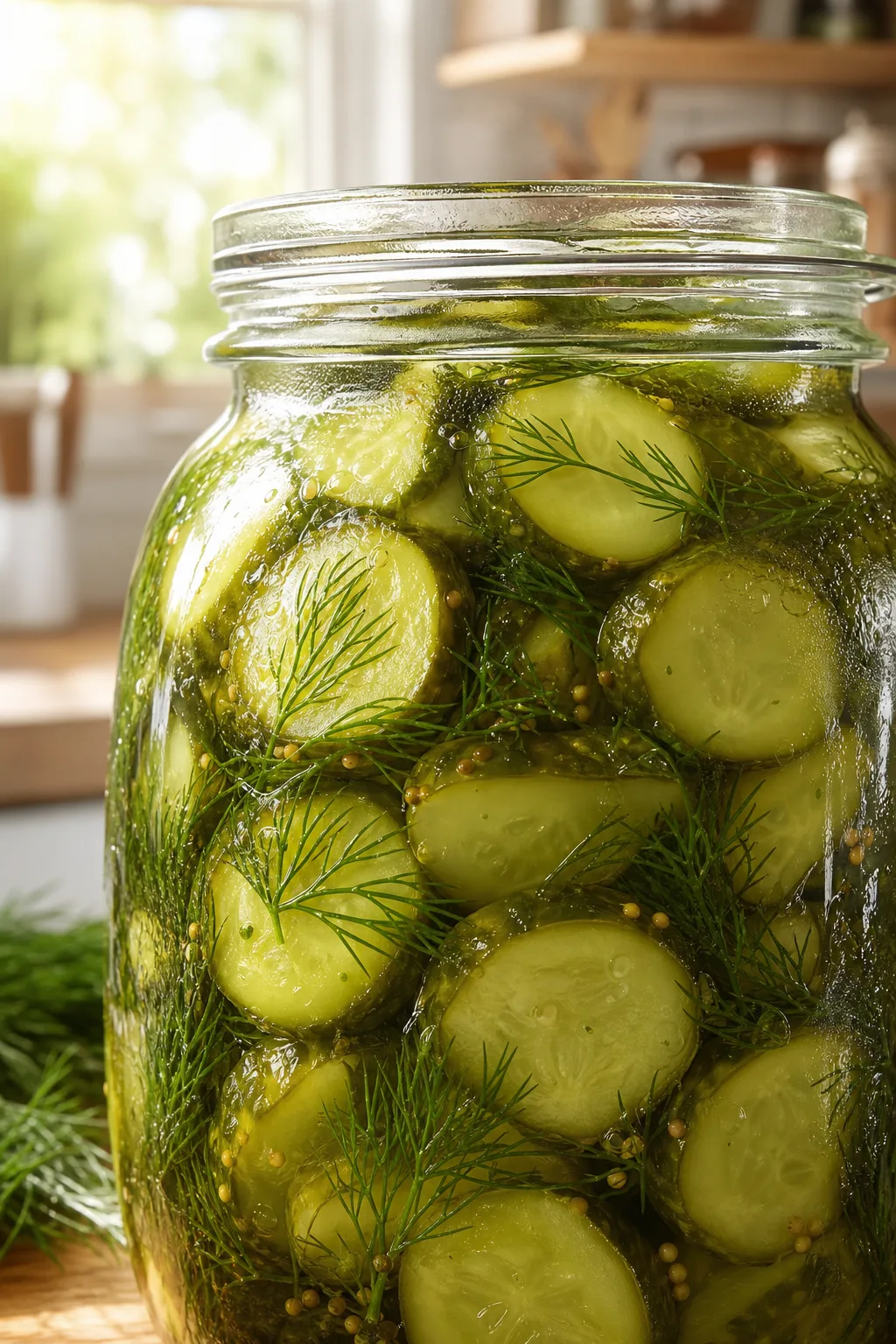
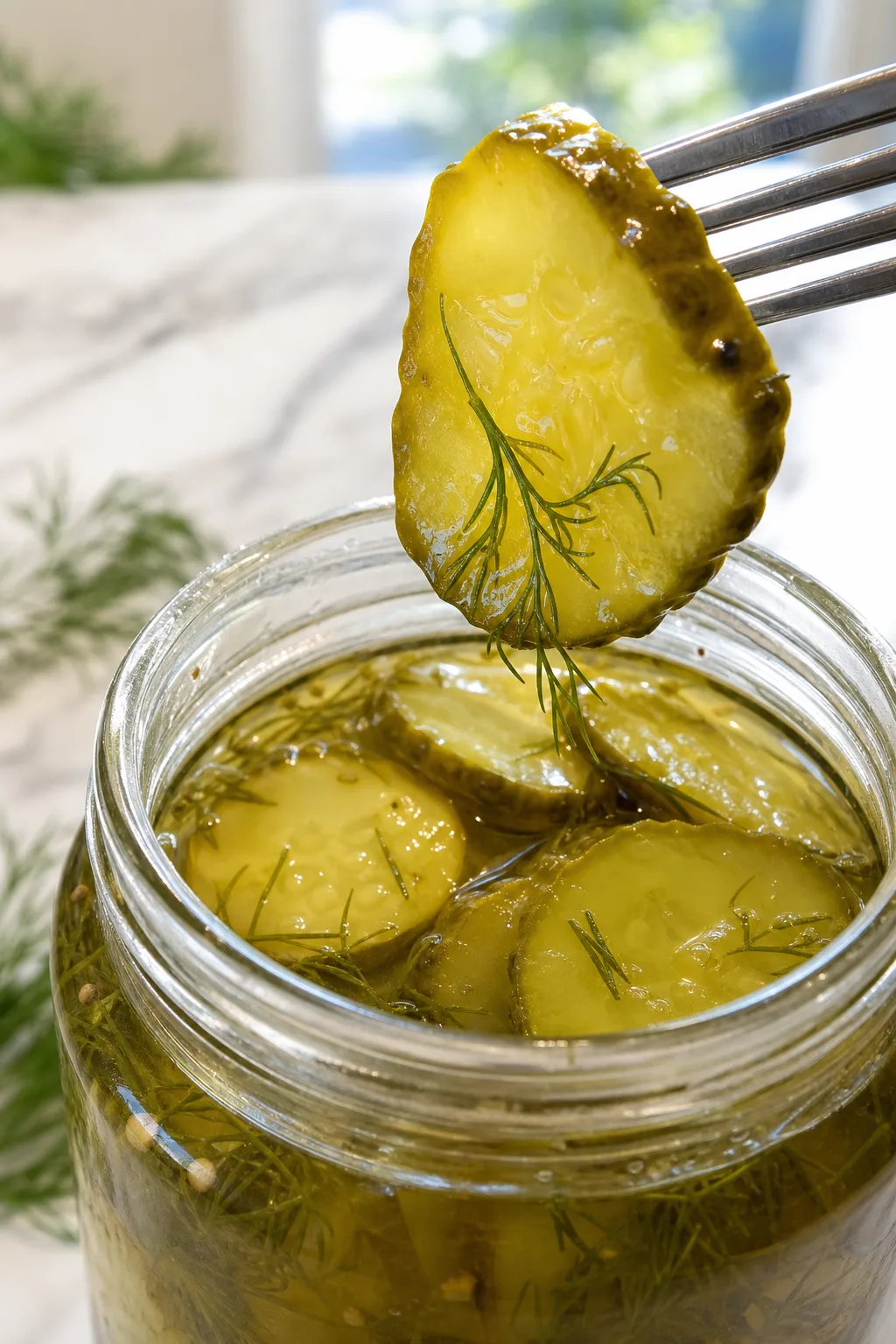
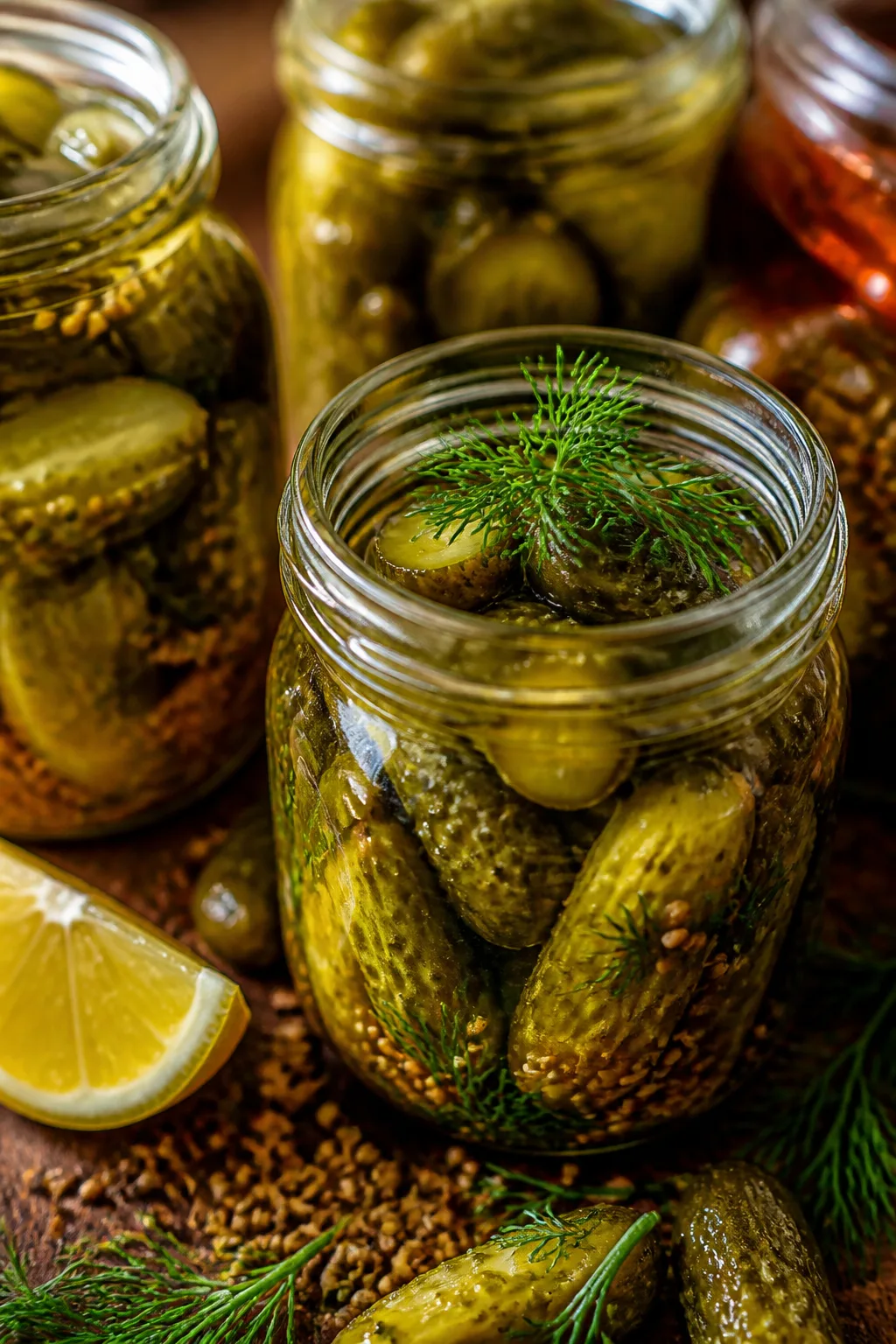
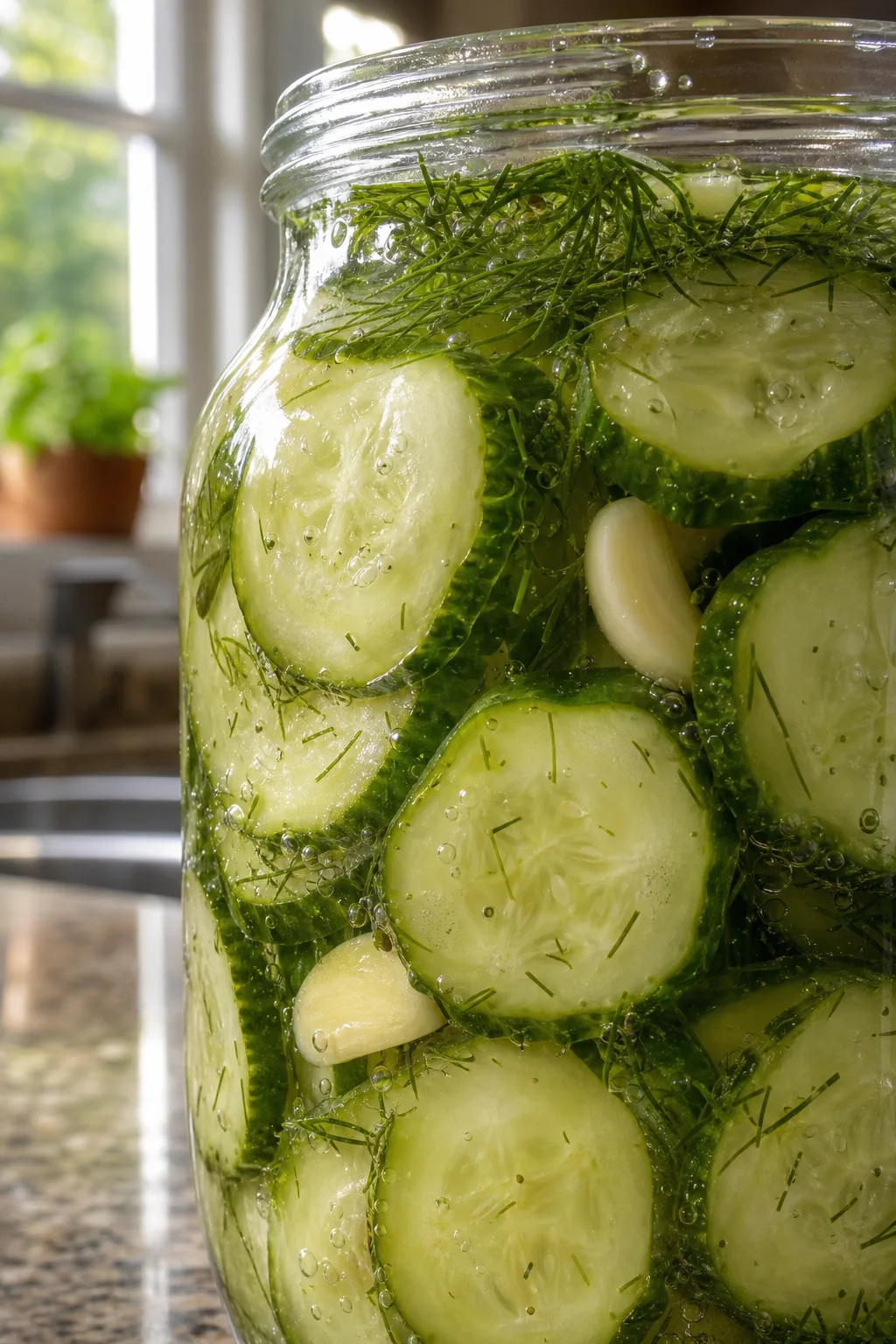
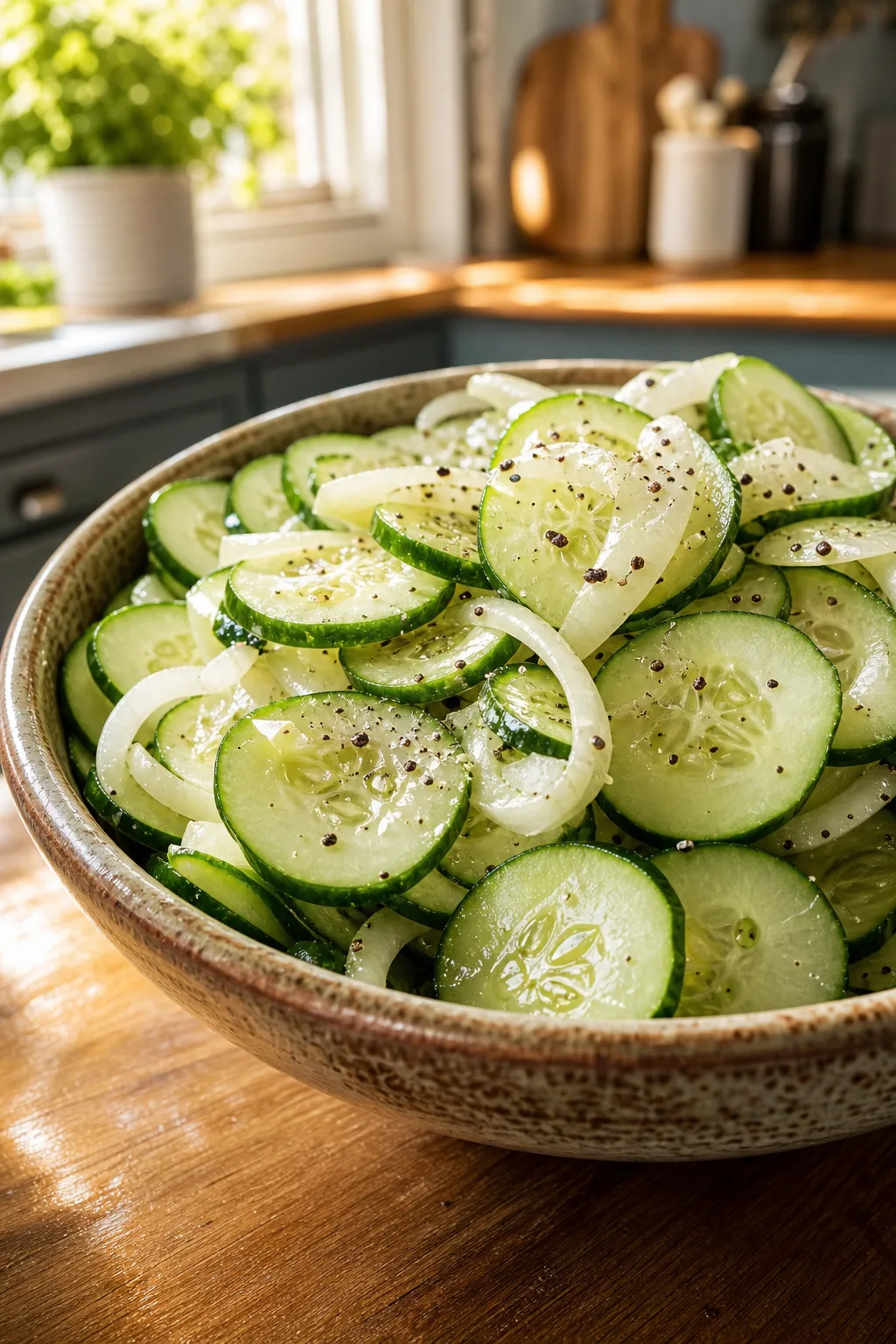
These tangy, crisp dill pickles come together in no time without any canning hassle. I love how fresh dill and mustard seeds add that classic zing. Great for snacking or jazzing up sandwiches!
Introduction
I first made these refrigerator dill pickles on a whim when I wanted that classic tangy crunch but didn't have time or patience for traditional canning. Honestly, I was skeptical at first — would quick pickles really have that satisfying snap? Turns out, the secret is fresh dill and a good dose of mustard seeds. They bring that iconic flavor punch without any fuss. What I love most is how versatile they are: perfect for snacking straight from the jar, topping burgers, or adding a bit of zing to a sandwich. I’ve tweaked this recipe a bit over time, especially the brine ratio, to balance vinegar tang with just enough saltiness. Plus, smashing the garlic releases more flavor without overpowering the pickles. The result is crunchy, bright, and super easy to make. You just mix, jar, and wait a day or two in the fridge. No heat, no canning, no stress. If you’re new to pickling or just want a quick fix, this recipe will be your new favorite. Trust me, once you try these, you’ll wonder why you ever bought store-bought pickles.
What You'll Need
Approximately 4 cups, 4 servings
- 4 cups thinly sliced cucumbers, fresh
- 1 cup white vinegar
- 1 cup water
- 2 tablespoons kosher salt
- 1 tablespoon sugar
- 4 cloves garlic, smashed
- 2 tablespoons fresh dill sprigs
- 1 tablespoon mustard seeds
- 1 teaspoon black peppercorns
- Optional: 1/2 teaspoon red pepper flakes for heat
How To Do It
Step 1
Start by thoroughly washing your cucumbers and slicing them thinly but not too paper-thin—about 1/8 inch thick is perfect. This thickness lets the brine penetrate well while keeping the slices nice and crunchy. Avoid slicing too thin, or the pickles can turn mushy quickly. Use a sharp knife or a mandoline for even slices. Also, drying them well before pickling helps prevent excess water diluting the brine, which can affect flavor intensity.
⏱ Time: 10 minutes
✓ Doneness: Uniform cucumber slices, dry to the touch, ready for brining
Step 2
In a small saucepan, combine the white vinegar, water, kosher salt, and sugar. Warm the mixture over medium heat, stirring occasionally, just until the salt and sugar fully dissolve. Don't let it boil, as boiling can alter the vinegar's sharpness and make the pickles too soft. Dissolving the solids ensures even seasoning throughout the pickles. Once dissolved, remove from heat and let the brine cool slightly before pouring over cucumbers to avoid cooking them.
⏱ Time: 5 minutes
✓ Doneness: Clear brine with no visible salt or sugar granules
Step 3
Place the cucumber slices into a clean quart-sized jar or container. Add the smashed garlic cloves, fresh dill sprigs, mustard seeds, black peppercorns, and optional red pepper flakes. These aromatics infuse the pickles with their signature flavor. Smashing the garlic releases more oils, enhancing the brine’s depth. Make sure the dill is fresh for the brightest herbal notes. Distribute the spices evenly for consistent flavor in every bite.
⏱ Time: 5 minutes
✓ Doneness: Jar filled with cucumbers and visible herbs and spices
Step 4
Pour the slightly cooled brine over the cucumbers and aromatics, making sure all slices are fully submerged. Leaving cucumbers exposed to air can cause uneven pickling or spoilage. If needed, use a small clean weight or folded piece of parchment to keep the slices submerged. Proper brine coverage is key to crispness and safety. Seal the jar tightly with a lid.
⏱ Time: 5 minutes
✓ Doneness: Cucumbers completely covered by brine, no floating slices
Step 5
Refrigerate the jar for at least 24 hours before tasting. The pickles develop flavor quickly in the fridge, but letting them sit for 2-3 days mellows the sharpness and deepens the dill aroma. Avoid opening the jar frequently during this time to maintain a stable environment. Remember, these are refrigerator pickles, so keep them chilled to stay crisp and safe to eat.
⏱ Time: 24 to 72 hours
✓ Doneness: Pickles taste tangy, aromatic, and have a firm crunch
Step 6
Before serving, give the jar a gentle shake to redistribute the spices and dill for even flavor. Use clean utensils to avoid contamination. These pickles are great chilled straight from the fridge and keep their texture well for up to two weeks. If you notice any off smells or sliminess, discard immediately to avoid foodborne issues.
⏱ Time: 1 minute
✓ Doneness: Evenly flavored pickles with fresh aroma
Step 7
For best results, use firm, fresh cucumbers like Kirby or pickling cucumbers. Their thicker skins and dense flesh hold crunch better than slicing cucumbers. If you only have slicing cucumbers, peel them partially to reduce excess water and improve texture. Avoid overripe or soft cucumbers, which can yield mushy pickles.
⏱ Time: 5 minutes prep
✓ Doneness: Firm cucumber flesh ready for slicing
Step 8
If you want spicier pickles, add more red pepper flakes or a sliced jalapeño to the jar. For milder pickles, omit the pepper flakes entirely. You can also experiment with adding a few slices of onion or a pinch of celery seed for different flavor twists. Just be mindful that extra ingredients can alter the brine’s balance, so adjust salt and vinegar slightly if needed.
⏱ Time: 3 minutes
✓ Doneness: Additional ingredients evenly distributed in jar
Step 9
When serving, these pickles make a fantastic topping for burgers, sandwiches, or charcuterie boards. They also shine as a quick snack or crunchy side for lunches. If you want to soften them slightly, let the jar sit out for 10 minutes before eating, but I recommend enjoying them cold and crisp for the best texture.
⏱ Time: Immediate
✓ Doneness: Pickles are chilled, crunchy, and flavorful
Variations
Spicy Dill Pickles
Add sliced jalapeños or increase red pepper flakes for a fiery twist. The spicy heat pairs beautifully with the tangy dill brine, making these pickles great for heat lovers. Expect a sharper bite and more complex flavor.
Note: Monitor spice levels carefully as heat intensifies over time; you may want to start mild and adjust next batch.
Garlic Lover’s Dill Pickles
Double the garlic cloves and add a few whole cloves of black pepper for a robust, savory profile. These pickles have a deeper aroma and work well as a bold sandwich topping or cocktail garnish.
Note: More garlic can overpower if left too long; consume within a week for best flavor balance.
Sweet and Tangy Dill Pickles
Increase sugar slightly and add a cinnamon stick or clove for a sweet-spiced variation. These are perfect for those who prefer a milder, sweeter pickle with aromatic notes.
Note: Adjust sugar carefully to avoid overly sweet brine that can hinder preservation.
Bread and Butter Style Refrigerator Pickles
Add sliced onions, turmeric, and a bit more sugar to create a sweeter, tangier pickle reminiscent of classic bread and butter pickles. Texture remains crisp but flavor is more complex and layered.
Note: Turmeric can discolor brine; use sparingly and store in clear jars to monitor color changes.
Herb-Infused Dill Pickles
Mix in fresh thyme, rosemary, or tarragon with the dill for a fragrant herbal twist. These make for elegant pickles that complement cheese boards and charcuterie beautifully.
Note: Use fresh herbs and avoid overpowering the dill; balance is key for harmonious flavor.
Pro Tips
Use a mandoline slicer for uniform cucumber slices.
Uniform slices ensure even brine penetration and consistent texture across all pickles. Uneven slices can lead to some pieces being overly soft while others remain under-pickled.
Smash garlic cloves gently instead of mincing.
Smashing releases garlic oils gradually without overpowering the brine. Minced garlic can release too much sulfur compounds, making pickles bitter or overly pungent.
Keep cucumbers fully submerged in brine using a weight.
Exposure to air can cause mold growth and uneven pickling. A weight ensures all cucumbers stay under the brine, promoting safe fermentation and consistent flavor.
Use glass jars with tight-fitting lids for storage.
Glass is non-reactive and preserves the pickle flavor without imparting any off-tastes. Airtight lids prevent contamination and maintain crispness.
Refrigerate pickles immediately after assembling.
Cold temperatures slow bacterial growth and keep cucumbers crisp. Leaving pickles out at room temperature can lead to spoilage or mushiness.
Adjust sugar and salt to taste after initial trial.
Different cucumbers and vinegar brands vary in acidity and water content; tweaking seasoning helps balance flavor perfectly for your palate.
Add red pepper flakes for a spicy kick.
Spices infuse the brine with warmth and complexity without masking the dill flavor. Adjust quantity based on your heat tolerance.
Common Mistakes to Avoid
Using overripe or soft cucumbers.
Why it happens People often use whatever cucumbers they have on hand without considering texture, assuming all cucumbers pickle the same.
Fix Choose firm, fresh Kirby or pickling cucumbers. If using slicing cucumbers, peel partially and use immediately to maintain crispness.
Not fully submerging cucumbers in brine.
Why it happens Sometimes jars are too small or people forget to use a weight, leading to exposed slices.
Fix Use a clean weight or folded parchment paper to keep cucumbers fully submerged, preventing mold and uneven pickling.
Heating brine too long or boiling.
Why it happens Some think boiling is necessary for safety but it can soften cucumbers and reduce vinegar sharpness.
Fix Warm brine just enough to dissolve salt and sugar, then cool slightly before pouring over cucumbers.
Using iodine or table salt instead of kosher salt.
Why it happens People assume all salts are interchangeable without realizing additives affect flavor and clarity.
Fix Use kosher salt for a clean taste and clear brine; avoid iodized salts which can cause cloudiness and off-flavors.
Opening the jar frequently during pickling.
Why it happens Curiosity or impatience leads to opening the jar, introducing air and bacteria.
Fix Resist opening the jar for at least 24 hours to allow proper flavor development and safe pickling.
Nutrition
Per Serving:
Nutritional values are estimates and may vary based on specific ingredients used.
Storage & Tips
Room Temperature
These refrigerator pickles should not be stored at room temperature for safety reasons. Keep them refrigerated promptly after preparation to preserve freshness and prevent spoilage.
Refrigerator
Store pickles in an airtight jar in the refrigerator for up to 2 weeks. Flavor and crunch remain great chilled, but pickles may soften slightly over time. Always use clean utensils to avoid contamination.
Freezer
Freezing is not recommended as it breaks down the cucumber texture, resulting in mushy pickles upon thawing. Keep pickles refrigerated instead for best quality.
Reheating
No reheating needed or recommended. Enjoy pickles cold or at room temperature. If desired, remove from fridge 10 minutes before serving to take the chill off.
Make Ahead
You can prepare the brine and slice cucumbers a day ahead, storing them separately. Assemble the jar with spices and pour brine over cucumbers just before refrigerating. This keeps cucumbers crisp and fresh.
FAQ
Can I use regular cucumbers instead of pickling ones?
You can, but regular slicing cucumbers have thinner skins and higher water content, which can result in softer, less crunchy pickles. To improve texture, peel partially and slice thicker. Pickling cucumbers are ideal for crispness.
How long do refrigerator pickles last?
Stored properly in the fridge, these pickles last about 2 weeks. Over time, they may soften and lose some crunch, so it's best to consume them within that window for optimum flavor and texture.
Can I omit the sugar in the brine?
Yes, sugar is optional and mainly balances acidity. Omitting it will make the pickles tangier and less sweet, but still delicious. Adjust salt and vinegar if needed to taste.
Do I have to use fresh dill, or can I use dried?
Fresh dill is recommended for its bright flavor and aroma. Dried dill lacks the essential oils that make the pickles taste fresh and vibrant, resulting in a muted flavor.
Why are my pickles not crunchy?
Common causes include using overripe cucumbers, not submerging them fully in brine, or letting them sit too long at room temperature. Using fresh pickling cucumbers and refrigerating promptly helps maintain crunch.
Can I make these pickles spicy?
Absolutely! Adding red pepper flakes or sliced jalapeños to the jar infuses heat. Start with small amounts and adjust based on your spice preference.
Is it safe to store pickles at room temperature?
No, refrigerator pickles are not shelf-stable and must be kept cold to prevent harmful bacteria growth. Always refrigerate immediately after preparing.
Can I reuse the brine for another batch?
It's best to make fresh brine each time to ensure proper acidity and flavor balance. Reusing brine may risk contamination and inconsistent results.
Final Thoughts
I hope you enjoy making and munching on these easy refrigerator dill pickles as much as I do! Don’t forget to share your crunchy creations with friends and family.