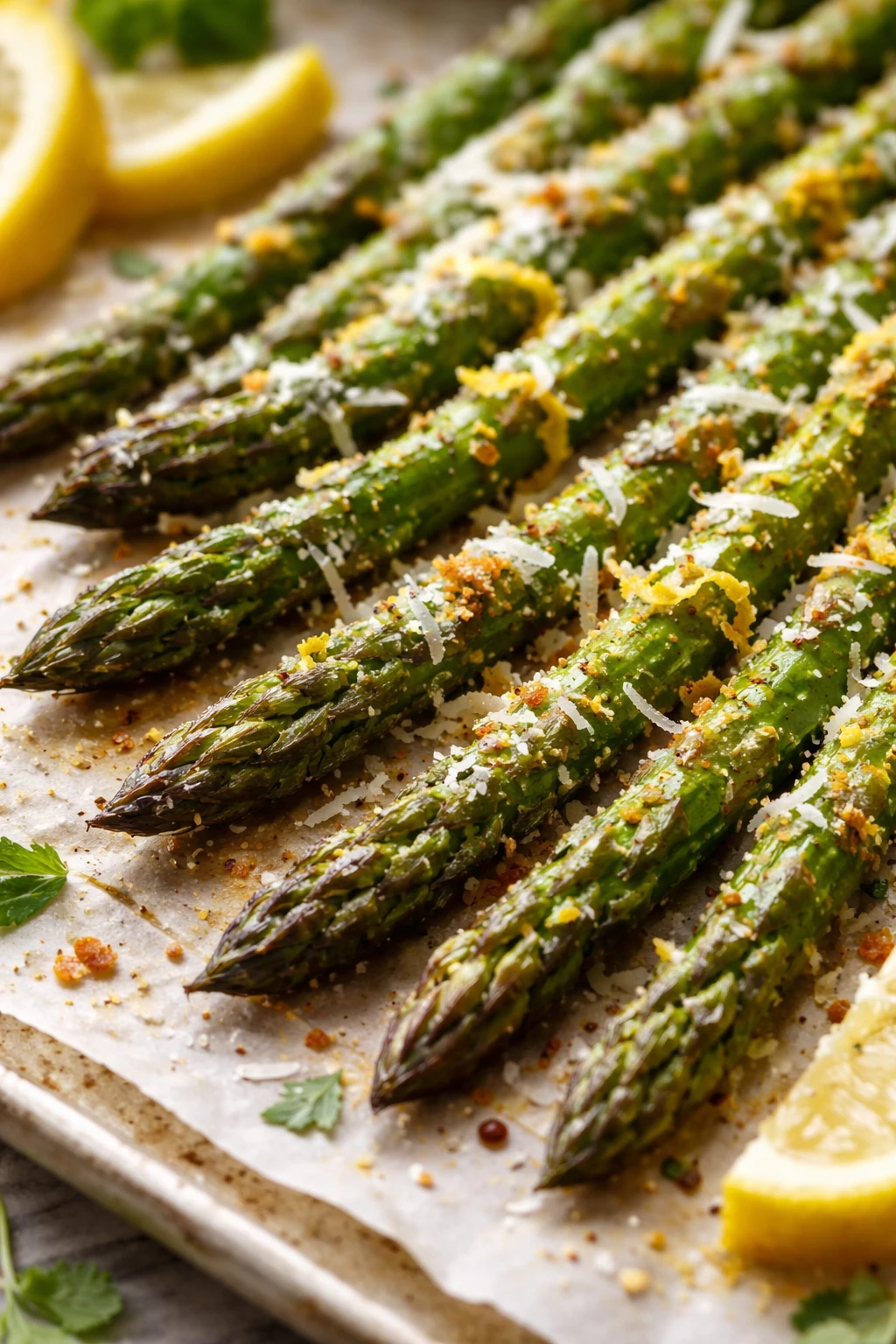
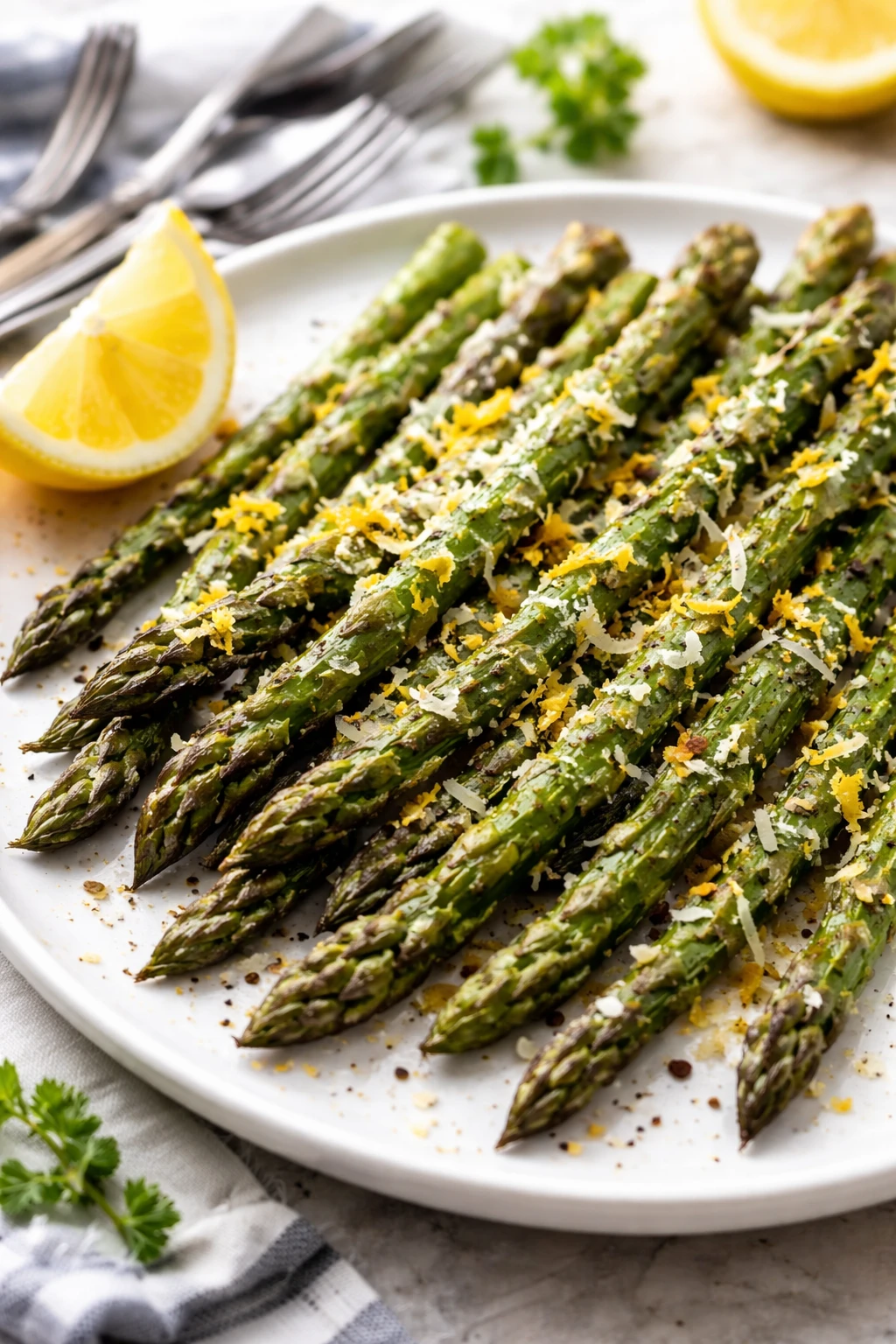
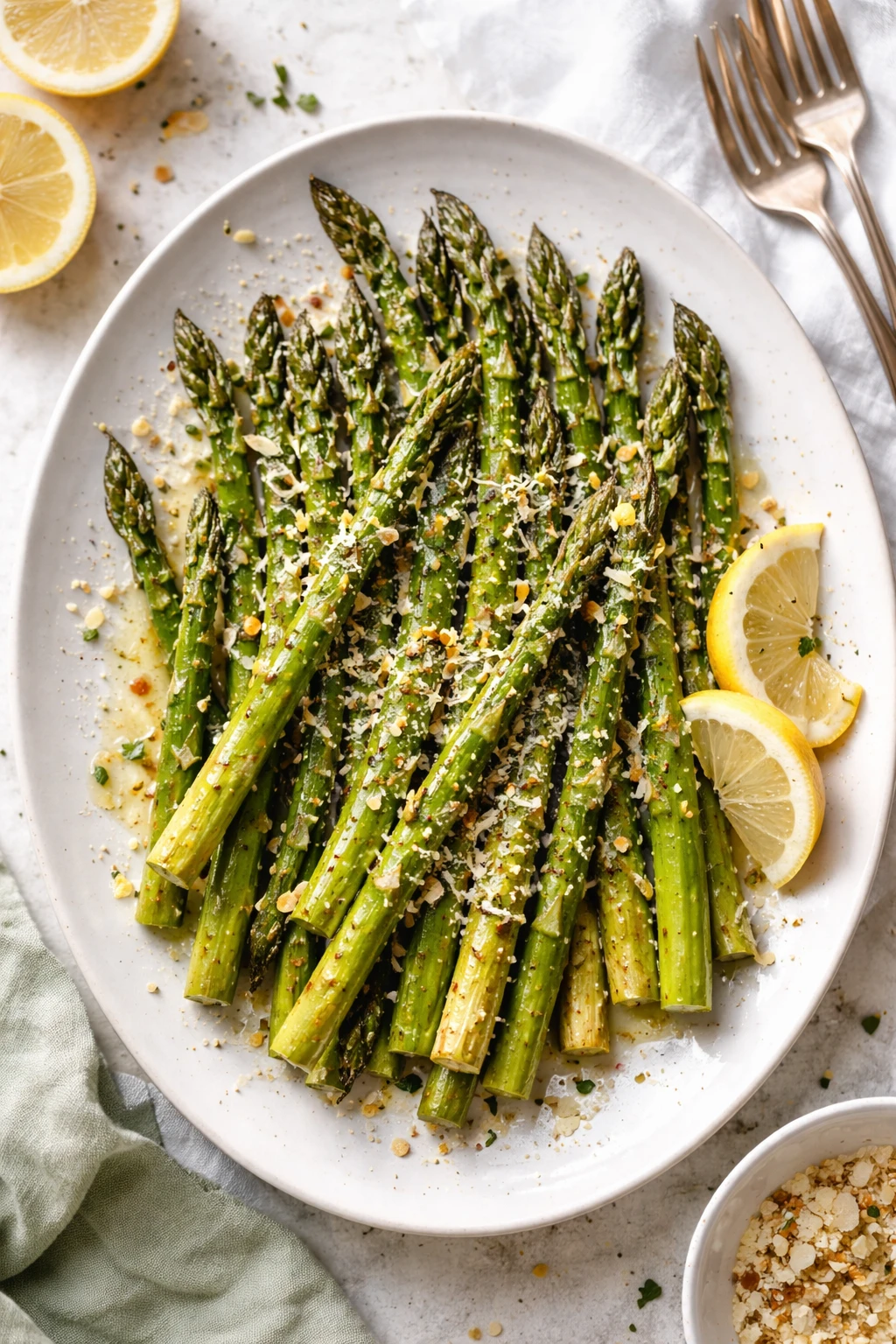
This roasted asparagus side is a breeze to make and full of bright, nutty flavors thanks to Parmesan and fresh lemon zest. It crisps up perfectly in the oven, making it a go-to for quick dinners or festive meals.
Introduction
I first made this roasted asparagus recipe a few years ago when I needed a quick side for a weeknight dinner, and it instantly became a staple in my kitchen. What I love about this version is how the Parmesan cheese adds a lovely nutty depth while the lemon zest brightens everything up without overpowering the natural asparagus flavor. Roasting asparagus is such a simple technique but it really brings out its natural sweetness and gives it those slightly crispy edges that I find irresistible. One trick I learned is to make sure the asparagus spears are evenly coated with olive oil so they roast evenly and don’t dry out. Plus, adding the lemon zest right at the end keeps that fresh citrus aroma vibrant and lively. The finished dish looks beautiful too — bright green spears with golden Parmesan and a hint of yellow zest. It’s a great side for busy weeknights or even holiday dinners when you want something fresh but fuss-free. Honestly, sometimes I skip the Parmesan and just add a sprinkle of chili flakes for a bit of heat, and it’s just as good. Give it a try; you’ll be surprised how this simple veggie side can steal the spotlight.
How To Do It
Step 1
Preheat your oven to 425°F (220°C). This high heat is essential because it helps the asparagus roast quickly, developing those tasty browned edges without becoming mushy. While the oven heats, trim the tough ends of your asparagus by snapping or cutting off the woody parts — usually about an inch or so from the bottom. This ensures every bite is tender and enjoyable. Make sure your asparagus spears are roughly the same size so they cook evenly. Uneven sizes can lead to some spears being undercooked while others get too soft. This prep step might seem small but it really affects the final texture.
⏱ Time: 10
✓ Doneness: Asparagus tips look vibrant and slightly crisp, with the stalks tender but firm when pierced with a fork.
Step 2
Place the trimmed asparagus on a baking sheet and drizzle with olive oil. Use your hands or tongs to toss them until each spear is lightly coated. The olive oil helps conduct heat evenly and promotes browning, which adds flavor through the Maillard reaction. Season generously with salt and freshly ground black pepper — don’t be shy here, seasoning brings out the natural sweetness of the asparagus. Spread them into a single layer so they roast rather than steam. If they’re crowded, they’ll release moisture and get soggy instead of crisping up nicely.
⏱ Time: 5
✓ Doneness: Asparagus spears are evenly coated with oil and sprinkled with visible salt and pepper grains.
Step 3
Roast the asparagus in the preheated oven for 10 to 12 minutes, turning once halfway through. Turning ensures even cooking and browning on all sides. Keep an eye on them starting around 8 minutes; depending on thickness, they might cook faster or slower. The goal is tender-crisp with slightly charred tips, which gives that wonderful contrast in texture. If you wait too long, they’ll get limp and lose their bright color and fresh flavor.
⏱ Time: 12
✓ Doneness: Asparagus has golden-brown tips and a vibrant green color with a slight snap when bent.
Step 4
Remove the asparagus from the oven and immediately sprinkle with the freshly grated Parmesan cheese while they’re still hot. The heat will gently melt the cheese, creating a subtle creamy coating that complements the natural earthiness of the asparagus. Be generous but avoid clumps — you want an even distribution. This step adds a rich, savory layer that elevates the dish beyond basic roasted veggies.
⏱ Time: 3
✓ Doneness: Parmesan slightly melted and clinging to the asparagus without becoming greasy or clumpy.
Step 5
Next, zest a fresh lemon over the Parmesan-topped asparagus. Lemon zest adds bright citrus oils that awaken the palate and balance the richness of the cheese. It’s important to zest just the yellow part; avoid the bitter white pith underneath. Adding the zest last preserves its fresh aroma and flavor, giving the dish a lively pop. Toss gently to combine but don’t overmix, or you’ll lose that beautiful presentation.
⏱ Time: 2
✓ Doneness: Visible fine strands of lemon zest scattered evenly, releasing a fresh lemon scent.
Step 6
Taste one spear and adjust seasoning if needed. Sometimes a little extra salt or a crack of black pepper can make a big difference. If you want a touch more acidity, a quick squeeze of lemon juice works great here, but add sparingly so the Parmesan doesn’t curdle. This final seasoning tweak helps balance all the flavors perfectly.
⏱ Time: 2
✓ Doneness: Asparagus tastes balanced with savory, bright, and slightly nutty notes.
Step 7
Transfer the asparagus to a serving platter or serve directly from the baking sheet for a rustic feel. The dish is best enjoyed warm, right out of the oven, when the cheese is melty and the lemon zest aroma is fresh. If you need to hold it for a short time, cover loosely with foil to keep it warm without steaming.
⏱ Time: 1
✓ Doneness: Asparagus remains vibrant green and cheese looks melty but not hardened.
Step 8
For a bit of extra texture, consider sprinkling toasted pine nuts or slivered almonds on top just before serving. This adds a lovely crunch contrast and a subtle nutty flavor that pairs beautifully with the Parmesan. Toast nuts in a dry skillet over medium heat until golden, watching carefully to avoid burning.
⏱ Time: 5
✓ Doneness: Nuts are golden brown and fragrant, adding a crunchy topping.
Step 9
If you want to add herbs, fresh chopped parsley or basil sprinkled on top right before serving adds a fresh herbal note that brightens the whole dish. Herbs also add a pop of color that makes the asparagus even more inviting. Just be sure to add them last so they don’t wilt under the residual heat.
⏱ Time: 1
✓ Doneness: Herbs look vibrant and fresh, complementing the green asparagus.
Variations
Spicy Roasted Asparagus
Add a pinch of red chili flakes or cayenne pepper with the olive oil before roasting for a subtle heat kick. This variation pairs well with grilled meats or spicy dishes.
Note: Monitor roasting closely as the chili flakes can burn if exposed to direct heat too long, adjust time if needed.
Asparagus with Garlic and Herb Butter
Toss asparagus with melted garlic herb butter instead of olive oil before roasting. This gives a rich, aromatic flavor that feels indulgent but still fresh.
Note: Use softened butter mixed with minced garlic and fresh herbs; add after roasting to avoid burning the garlic.
Vegan Roasted Asparagus
Skip the Parmesan and sprinkle nutritional yeast after roasting for a cheesy flavor without dairy. Finish with lemon zest and a drizzle of good olive oil.
Note: Nutritional yeast won’t melt like cheese but adds umami; add it off heat for best flavor.
Roasted Asparagus with Toasted Almonds
Top the finished asparagus with toasted slivered almonds for a crunchy texture contrast and nutty flavor that complements the vegetable beautifully.
Note: Toast almonds separately in a dry pan until golden and fragrant; add just before serving to keep crunch.
Asparagus and Prosciutto Wraps
Wrap each roasted asparagus spear with a thin slice of prosciutto after roasting for a salty, savory twist that’s perfect for appetizers or special dinners.
Note: Prosciutto doesn’t need cooking; wrap after asparagus cools slightly to prevent wilting.
Pro Tips
Always trim the woody ends of asparagus before cooking.
The tough ends don’t soften during roasting and can be unpleasant to eat. Trimming ensures every bite is tender and enjoyable, improving texture and overall eating experience.
Don’t overcrowd the baking sheet when roasting.
Crowding causes the asparagus to steam instead of roast, resulting in limp, soggy spears rather than crisp, caramelized ones. A single layer ensures even heat exposure and better browning.
Use freshly grated Parmesan cheese instead of pre-grated.
Freshly grated melts better and has a richer flavor. Pre-grated cheese often contains additives that prevent proper melting and can affect texture.
Add lemon zest last, off heat.
Zesting after roasting preserves the fresh citrus oils and aroma. If added earlier, heat can diminish its bright flavor.
Turn the asparagus once during roasting.
Flipping halfway ensures even cooking and browning on all sides, preventing burnt spots and undercooked areas.
Use thick asparagus spears for roasting.
Thicker spears hold up better to high heat and develop a satisfying tender-crisp texture, while thin ones can overcook quickly.
Serve immediately for best texture.
Asparagus loses its crispness and the cheese can harden if left too long. Serving warm keeps flavors vibrant and textures ideal.
Common Mistakes to Avoid
Roasting at too low a temperature
Why it happens Many think slower roasting is gentler, but low heat causes asparagus to steam rather than roast, resulting in soggy, flavorless veggies.
Fix Preheat your oven to 425°F to encourage Maillard browning and caramelization. This produces that signature crispy edge and intensified flavor.
Skipping trimming the woody ends
Why it happens It’s easy to overlook trimming, assuming the whole spear cooks evenly, but woody ends remain tough and unpleasant.
Fix Snap or cut off about an inch of the bottom before cooking. This simple step improves texture dramatically.
Overcrowding the pan
Why it happens Trying to roast everything at once to save time leads to overcrowding, which traps steam and prevents crisping.
Fix Use a large enough baking sheet to spread asparagus in a single layer without overlap for even roasting.
Using pre-grated Parmesan
Why it happens Pre-grated cheese contains anti-caking agents that reduce meltability and flavor.
Fix Always grate fresh Parmesan just before adding it to the hot asparagus to get that perfect melt and rich taste.
Adding lemon juice instead of zest too early
Why it happens Lemon juice’s acidity can curdle the cheese or overpower the delicate asparagus flavor if added before serving.
Fix Use zest for brightness and add juice sparingly and only after roasting if desired for extra tang.
Nutrition
Per Serving:
Nutritional values are estimates and may vary based on specific ingredients used.
Storage & Tips
Room Temperature
Roasted asparagus can be kept at room temperature for up to 2 hours if covered loosely with foil or a clean kitchen towel to prevent drying out and contamination.
Refrigerator
Store leftovers in an airtight container in the fridge for up to 3 days. The asparagus may lose some crispness but reheating gently in the oven or serving cold in salads works well.
Freezer
Freezing roasted asparagus is not recommended as it tends to become mushy and lose texture upon thawing. If necessary, freeze in airtight containers for up to 1 month and thaw in the fridge.
Reheating
Reheat roasted asparagus in a 350°F oven for 5-7 minutes to restore some crispness. Avoid microwaving as it can make asparagus soggy. Add a splash of olive oil before reheating if it seems dry.
Make Ahead
You can trim and toss asparagus with olive oil and seasoning up to 24 hours ahead, storing it covered in the fridge. Roast just before serving to preserve texture and flavor.
FAQ
Can I use frozen asparagus for this recipe?
Frozen asparagus isn’t ideal for roasting because it releases a lot of moisture and becomes soggy rather than crisp. If using frozen, thaw thoroughly and pat dry before roasting, but the texture won’t be as good as fresh.
How do I know when asparagus is done roasting?
Properly roasted asparagus should be bright green, tender but still have a slight snap when bent, with golden-brown tips. Overcooked spears become limp and dull in color.
Can I prepare this recipe without Parmesan cheese?
Yes! You can skip the Parmesan or substitute with nutritional yeast for a vegan option. The dish will be less rich but still flavorful with lemon zest and seasoning.
Is it better to roast asparagus whole or cut into pieces?
Roasting whole spears looks nicer and preserves texture better. Cutting into pieces can cause uneven cooking and loss of crispness.
What if I don’t have a lemon for zest?
You can use a bit of lemon juice added after roasting but add sparingly to avoid overpowering the dish. Alternatively, a sprinkle of lemon pepper seasoning works in a pinch.
Can I add garlic to this roasted asparagus?
Yes, minced garlic tossed with olive oil before roasting adds great flavor. Just be careful not to burn the garlic by roasting at high heat too long or adding it too early.
How do I prevent asparagus from becoming mushy?
Avoid overcrowding the pan, roast at a high temperature, and watch the cooking time closely. These steps help maintain a tender-crisp texture.
Can I make this recipe gluten-free?
Absolutely! All ingredients used are naturally gluten-free. Just ensure your Parmesan cheese doesn’t contain any additives with gluten if you’re highly sensitive.
Final Thoughts
I hope you enjoy making and eating this roasted asparagus as much as I do. It’s a simple side that really brings brightness and flavor to any meal—let me know how it turns out!