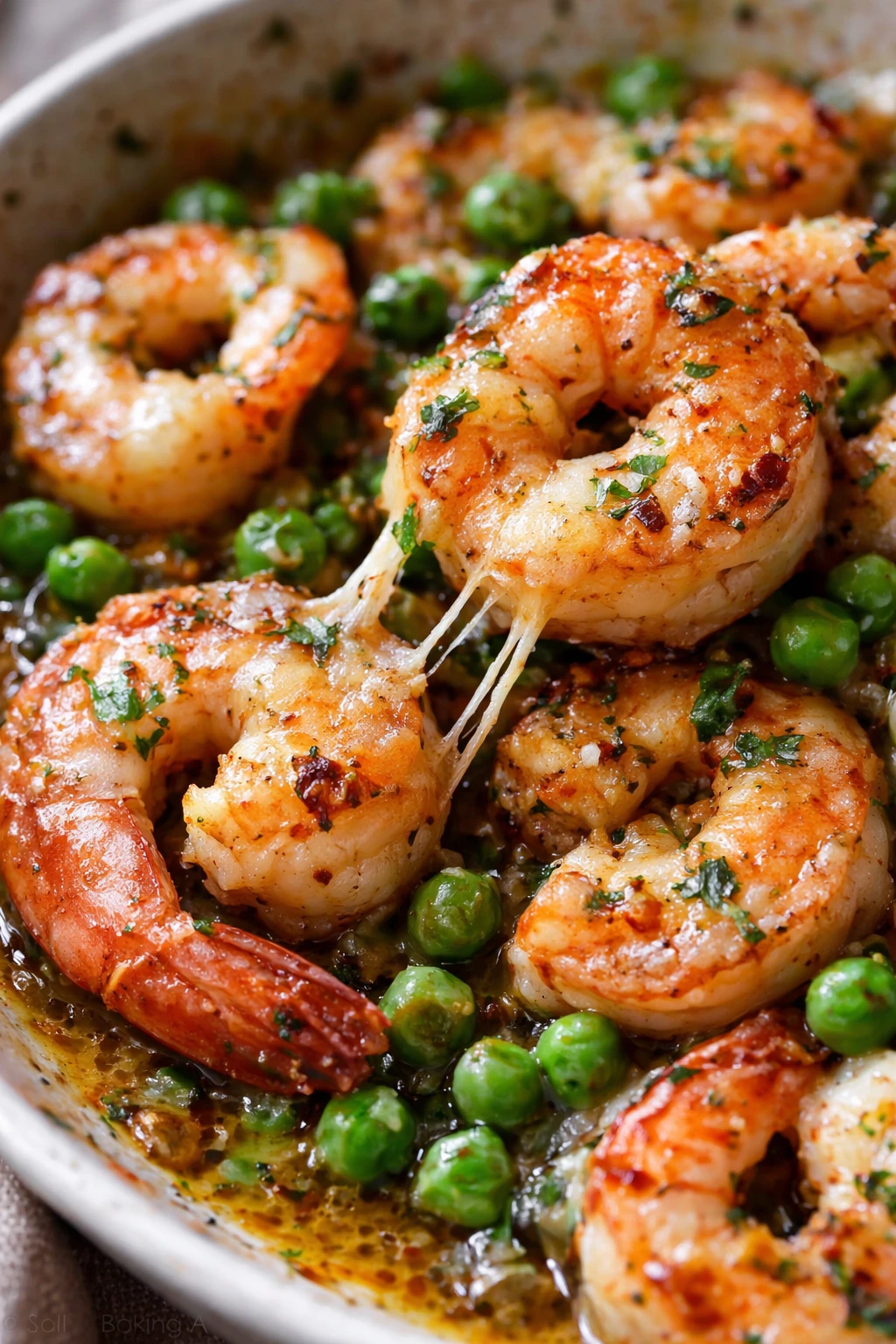
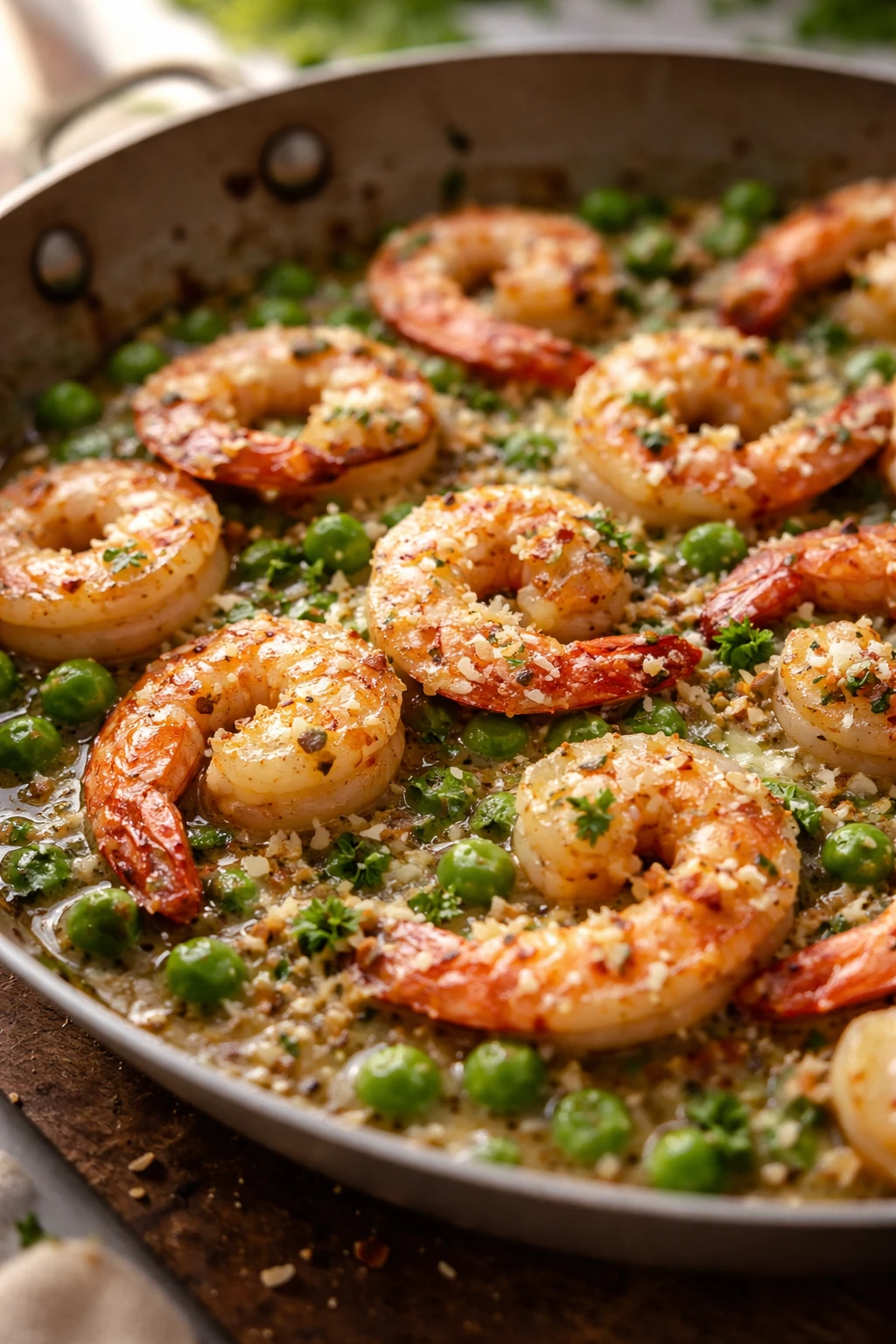
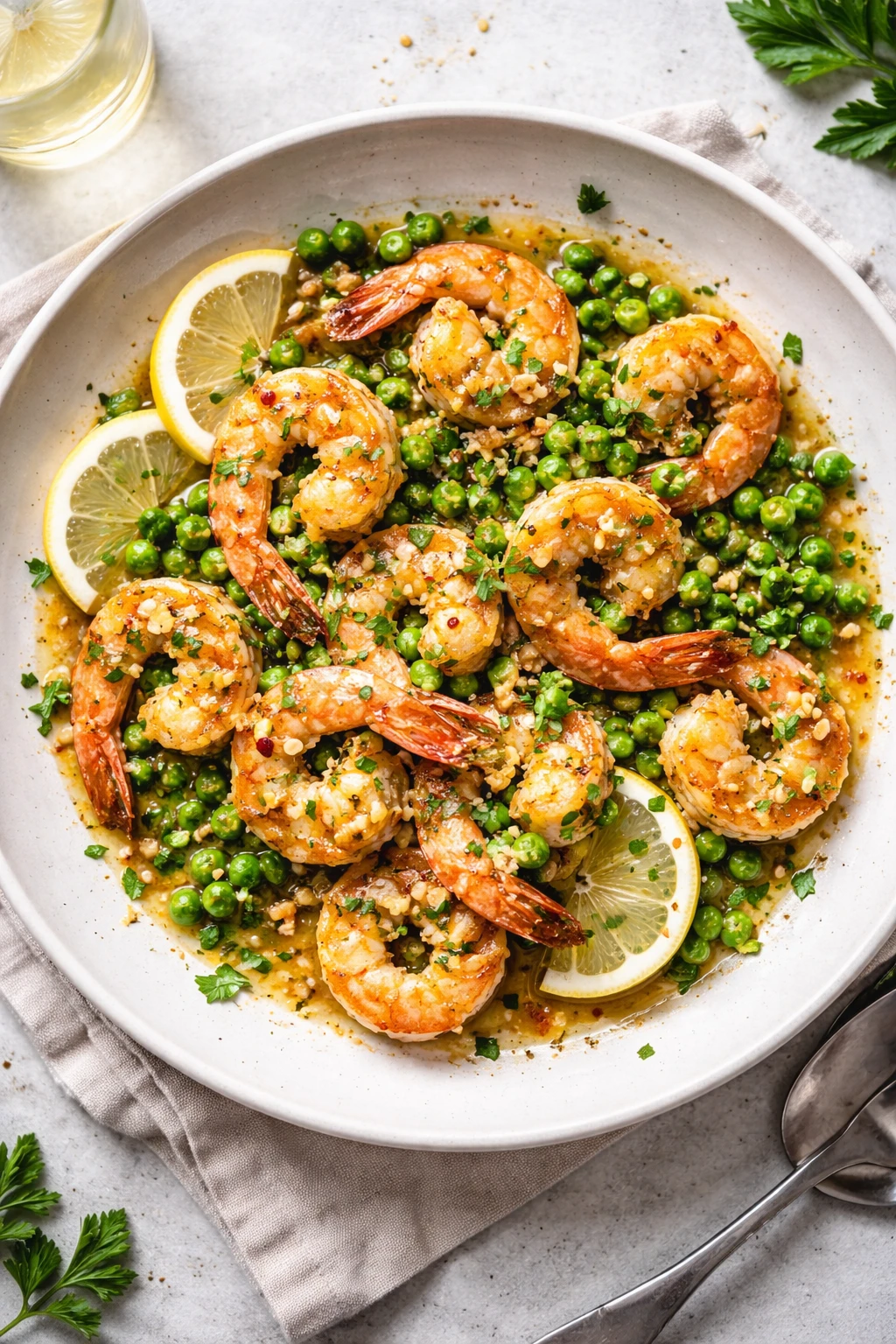
This shrimp recipe is a buttery, garlicky treat with sweet spring peas for a fresh pop. It comes together fast, making it a go-to for weeknights or casual dinners with friends.
Introduction
I first made this garlic butter shrimp with spring peas on a hectic weeknight when I needed something quick but satisfying. What I love about this recipe is how the buttery, garlicky sauce clings to every shrimp, while the peas add a lovely fresh crunch that balances the richness. I’ve tried other shrimp recipes that feel heavy or bland, but this one hits the perfect note of comfort and brightness. A little trick I learned is to cook the garlic gently in butter first to avoid bitterness and to toss in the peas just at the end so they stay crisp and vibrant. The end result is a dish that looks beautiful with its bright green peas and pink shrimp, smells incredible, and tastes like a little celebration of simple ingredients. It’s become my go-to when I want a fuss-free dinner that still feels special. Plus, it comes together in under 30 minutes, which is a win in my book. If you like shrimp and garlic, you’ll definitely want to try this one.
How To Do It
Step 1
Start by shelling your fresh spring peas if they aren’t shelled already. Fresh peas bring a natural sweetness and a crisp snap that canned or frozen peas just can’t match. Rinse them under cold water and set aside. This step is important because fresh peas add a bright, fresh flavor and vibrant color to the dish, making it feel springy and light. Avoid using frozen peas here, as they tend to be softer and can make the dish mushy.
⏱ Time: 5 minutes
✓ Doneness: Peas should be bright green and firm but tender enough to bite easily.
Step 2
Heat the olive oil and 2 tablespoons of butter in a large skillet over medium heat. Once the butter is melted and foamy, add the minced garlic. Cook gently for about 1-2 minutes until fragrant but not browned — burnt garlic tastes bitter and ruins the dish. Stir continuously to infuse the butter with garlic flavor evenly. This gentle cooking releases the garlic’s sweetness and ensures your shrimp will be perfectly flavored.
⏱ Time: 3 minutes
✓ Doneness: Garlic should look soft and golden but not dark or crispy.
Step 3
Add the shrimp to the skillet in a single layer. Don’t overcrowd the pan; cook in batches if needed. Let the shrimp cook undisturbed for about 2 minutes to get a nice sear, then flip and cook another 2 minutes until pink and opaque. Overcooking shrimp makes them rubbery, so watch carefully. The shrimp should curl slightly and turn a vibrant pink color when done.
⏱ Time: 4 minutes
✓ Doneness: Shrimp are opaque and firm, with a slight curl but not tightly coiled.
Step 4
Once shrimp are nearly cooked, stir in the fresh peas and the remaining 2 tablespoons of butter. Toss everything together gently to coat the peas and shrimp in the garlic butter. Cook for an additional 2-3 minutes so the peas warm through but remain crisp. This step brightens the dish and adds a fresh contrast in texture and flavor.
⏱ Time: 3 minutes
✓ Doneness: Peas are warmed but still snap when bitten; butter is melted and glossy.
Step 5
Season the skillet with salt, freshly ground black pepper, and a squeeze of lemon juice. The lemon juice adds a subtle tang that cuts through the richness of the butter and brightens the whole dish. Taste and adjust seasoning as needed. Remember, seasoning at the end helps balance the flavors perfectly.
⏱ Time: 2 minutes
✓ Doneness: Flavors taste balanced — buttery, garlicky, bright with lemon.
Step 6
Remove the pan from heat and sprinkle chopped fresh parsley over the shrimp and peas. Parsley adds a fresh herbal note and a pop of green color that makes the dish look inviting and vibrant. Toss gently once more to distribute the parsley evenly.
⏱ Time: 1 minute
✓ Doneness: Parsley looks fresh and bright, no wilting.
Step 7
Serve immediately with crusty bread, rice, or pasta to soak up the buttery garlic sauce. The dish tastes best fresh and hot, so plating right away ensures the shrimp stay tender and the peas crisp. If you wait too long, the peas can soften too much and the shrimp may lose their delicate texture.
⏱ Time: 1 minute
✓ Doneness: Dish is steaming hot, shrimp still tender, peas crisp.
Step 8
If doubling the recipe, make sure to use a large enough skillet to avoid overcrowding, which can cause shrimp to steam instead of sear. Cooking in batches preserves the shrimp’s texture and flavor. Also, adjust seasoning accordingly since a larger volume may need more salt and lemon juice.
⏱ Time: Varies
✓ Doneness: Shrimp cooked evenly with a nice sear, peas bright.
Step 9
For a little extra kick, add a pinch of red pepper flakes when cooking the garlic. This adds a subtle heat that pairs beautifully with the buttery shrimp. Be careful not to add too much, or it can overpower the delicate flavors. I like just enough to give a gentle warmth that lingers.
⏱ Time: Optional, 1 minute
✓ Doneness: Garlic butter has a slight reddish hue, gentle spicy aroma.
Variations
Spicy Garlic Butter Shrimp
Add a pinch of red pepper flakes when cooking the garlic to give the dish a gentle heat that complements the buttery sauce. This variation adds warmth without overpowering the fresh flavors.
Note: Be careful not to burn the red pepper flakes; add them early with the garlic to infuse the butter with heat.
Creamy Garlic Butter Shrimp
Stir in 1/4 cup heavy cream after adding the peas for a richer, creamier sauce. This makes the dish feel more indulgent and works great served over pasta.
Note: Simmer gently after cream addition to avoid curdling and to thicken the sauce slightly.
Lemon Herb Garlic Butter Shrimp
Enhance the lemon flavor by adding lemon zest and a mix of fresh herbs like thyme and basil along with parsley. This gives the dish a brighter, garden-fresh aroma and taste.
Note: Add herbs at the end of cooking to preserve their freshness.
Garlic Butter Shrimp with Asparagus
Swap peas for tender asparagus tips sautéed briefly with the shrimp. Asparagus adds a different texture and a subtle earthiness that pairs well with garlic butter.
Note: Cook asparagus first for 2-3 minutes before adding shrimp to ensure even cooking.
Garlic Butter Shrimp Tacos
Use the garlic butter shrimp as a filling for warm tortillas. Top with fresh slaw and a squeeze of lime for a quick, flavorful taco night.
Note: Drain excess butter before assembling tacos to avoid sogginess.
Pro Tips
Don’t overcrowd the pan when cooking shrimp.
Shrimp release moisture as they cook, and overcrowding traps steam, preventing proper searing. This makes shrimp rubbery instead of tender with a nice crust. Cooking in batches ensures even heat distribution and better texture.
Use fresh peas instead of frozen for the best texture.
Fresh peas have a natural sweetness and crisp snap that frozen peas lose during freezing. The fresh peas add brightness and a contrasting texture that elevates the dish, making it feel lighter and more vibrant.
Cook garlic slowly in butter over medium heat.
Garlic burns quickly and develops a bitter flavor if cooked too fast or at high heat. Gently cooking it in butter releases its natural sweetness and infuses the butter with flavor, creating a smooth, aromatic sauce base.
Add lemon juice at the end of cooking.
Adding lemon juice too early can cause bitterness and diminish its bright acidity. Adding it off heat preserves the fresh citrus flavor, balancing the richness of butter and enhancing the shrimp’s natural sweetness.
Serve immediately for best texture and flavor.
Shrimp continue cooking from residual heat and peas soften over time. Serving right away ensures shrimp remain tender and peas stay crisp, preserving the dish’s ideal texture and vibrant color.
Use high-quality unsalted butter for richer flavor.
Butter quality greatly affects the sauce’s taste. Unsalted butter lets you control seasoning precisely, and premium butter adds creaminess and depth. Lower quality spreads lack this richness and can alter the dish’s flavor.
Garnish with fresh parsley for color and freshness.
Parsley adds a herbal brightness and a pop of green that visually enlivens the dish. It also contributes subtle flavor contrast that complements the garlic butter and shrimp perfectly.
Common Mistakes to Avoid
Overcooking the shrimp
Why it happens Shrimp cook very quickly, and many cooks leave them on the heat too long thinking they need to be fully opaque. This results in tough, rubbery shrimp that are unpleasant to eat.
Fix Watch the shrimp closely and remove them from heat as soon as they turn pink and curl slightly. They should be firm but still tender. Residual heat will finish cooking them if you remove them promptly.
Burning the garlic
Why it happens Garlic cooks faster than many ingredients and burns easily if the heat is too high or it’s left unattended. Burnt garlic tastes bitter and ruins the flavor of the dish.
Fix Cook garlic gently over medium or medium-low heat, stirring constantly. Remove from heat if it starts to brown too quickly.
Using frozen peas without adjusting cooking time
Why it happens Frozen peas are softer and require less cooking, but if treated like fresh peas, they become mushy and lose their bright flavor and color.
Fix Add frozen peas at the very end of cooking and heat only until warmed through, about 1 minute, to keep texture intact.
Not seasoning properly
Why it happens Butter and shrimp can taste bland without enough salt and acid to balance richness. Some skip seasoning or add it too late.
Fix Season gradually and taste as you go. Finish with salt, pepper, and lemon juice to brighten and balance flavors.
Overcrowding the pan
Why it happens Trying to cook all shrimp at once traps moisture, causing them to steam rather than sear, resulting in rubbery shrimp.
Fix Cook shrimp in batches if needed, giving them space to brown properly for the best texture.
Nutrition
Per Serving:
Nutritional values are estimates and may vary based on specific ingredients used.
Storage & Tips
Room Temperature
This shrimp dish should not be left out at room temperature for more than 2 hours to avoid bacterial growth. Cover loosely if serving buffet-style but refrigerate promptly.
Refrigerator
Store leftovers in an airtight container for up to 2 days. The peas may soften and shrimp texture may be slightly firmer when cold. Reheat gently to avoid overcooking.
Freezer
Freeze cooked shrimp in an airtight container or heavy-duty freezer bag for up to 1 month. Wrap tightly to prevent freezer burn. Thaw overnight in the fridge before reheating.
Reheating
Reheat gently on the stovetop over low heat with a splash of water or broth to loosen the sauce. Avoid microwaving at high power to prevent tough shrimp. Heat until warmed through but not hot enough to overcook.
Make Ahead
You can shell peas and mince garlic 1 day ahead and store in the fridge. Shrimp can be peeled and deveined in advance. Assemble and cook the dish fresh to maintain texture and flavor.
FAQ
Can I use frozen shrimp instead of fresh?
Yes, frozen shrimp works well if properly thawed in the fridge overnight or under cold running water. Make sure to pat them dry before cooking to avoid excess moisture that can prevent searing.
What if I don’t have fresh peas?
You can use frozen peas, but add them at the very end of cooking and warm only briefly to keep their texture intact. Avoid canned peas as they tend to be mushy and less flavorful.
How do I avoid rubbery shrimp?
Shrimp cook very quickly—usually 3-4 minutes total. Remove them from heat as soon as they turn pink and curl slightly. Overcooking causes a tough, rubbery texture.
Can I make this dish spicy?
Absolutely! Add red pepper flakes when cooking the garlic or a dash of hot sauce at the end. Just be careful not to overpower the buttery garlic base.
Is butter necessary, or can I use oil?
Butter adds richness and flavor that oil alone can’t replicate. You can substitute part of the butter with olive oil for a lighter version, but the sauce won’t be as creamy or flavorful.
Can I prepare this dish ahead of time?
You can prep ingredients like peeling shrimp and shelling peas ahead, but cook the shrimp last to keep them tender. The dish is best served fresh for optimal texture and flavor.
What should I serve with this shrimp dish?
It pairs beautifully with crusty bread to soak up sauce, steamed rice, or pasta. A light green salad on the side also complements the richness nicely.
How do I store leftovers?
Store in an airtight container in the fridge up to 2 days. Reheat gently on the stovetop with a splash of water or broth to avoid overcooking the shrimp.
Final Thoughts
I hope you give this garlic butter shrimp with spring peas a try soon—it’s one of those easy dishes that always impresses. Don’t forget to share how it turns out!