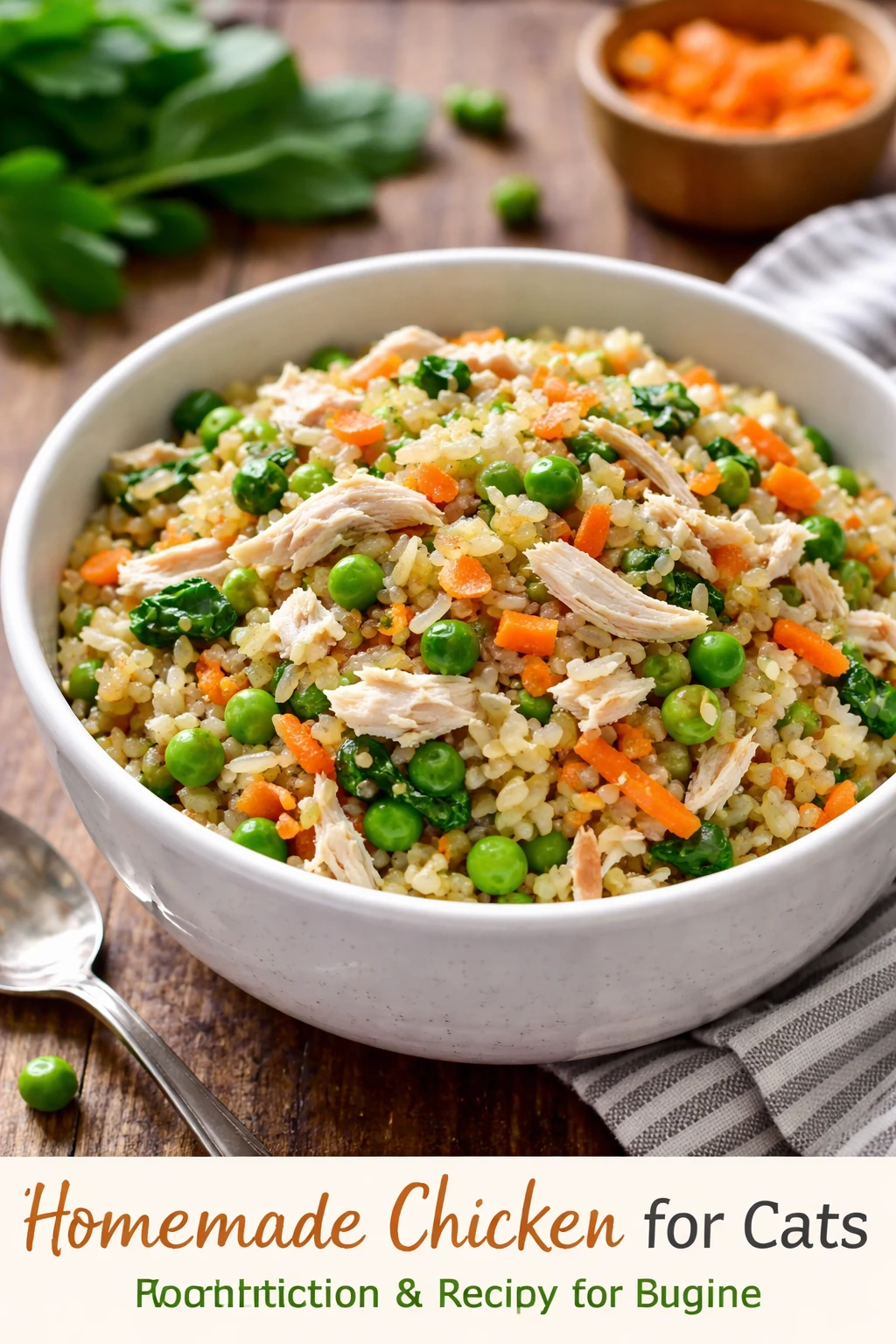
This easy homemade chicken recipe is perfect for spoiling your cat with a fresh, wholesome meal. Using gentle cooking keeps the chicken tender and tasty. Serve it anytime your furry friend needs a little extra love!
Introduction
I’ve been making homemade meals for my cat for years, and this simple chicken recipe is one of her absolute favorites. It’s super easy and uses fresh ingredients, which I trust more than store-bought options. When I first tried it, I was surprised how much she loved the tender texture—way better than dry kibble treats. What makes this recipe stand out is the gentle simmering technique I use; it keeps the chicken moist and easy to digest, which is great for sensitive tummies. I also like adding a tiny pinch of turmeric sometimes because it’s good for inflammation, but that’s totally optional. The finished dish looks plain but smells fresh and natural, which I think cats appreciate. It’s perfect for those times when you just want to spoil your fur baby with something wholesome and homemade, without any complicated steps or weird ingredients. Plus, it’s a great way to bond over food, even if they can’t tell you how much they love it in words!
How To Do It
Step 1
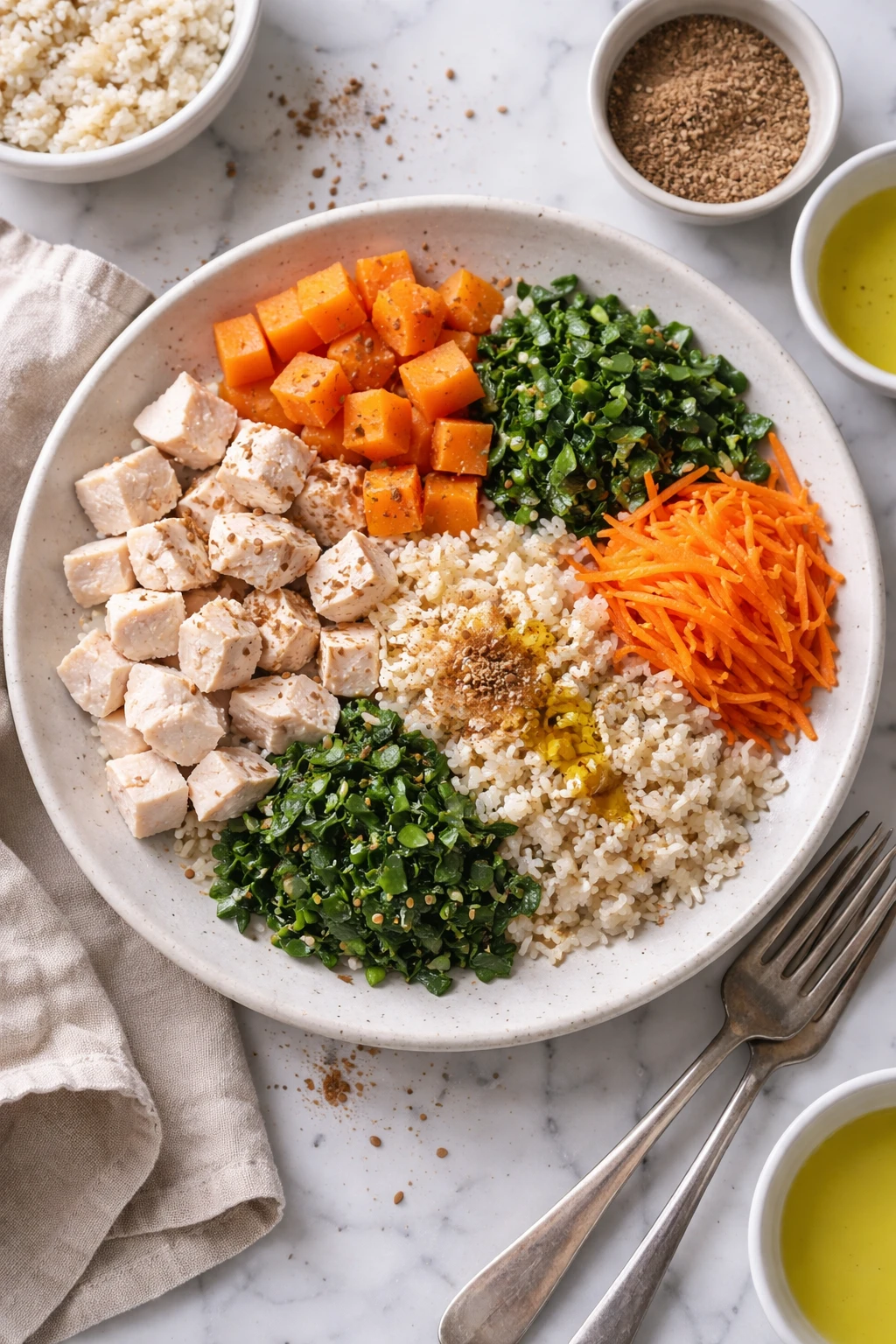
Start by chopping the chicken breast into small, bite-sized pieces. This ensures even cooking and makes it easier for your cat to eat. Using fresh chicken is important because it provides the best flavor and nutrients. Avoid using frozen or pre-seasoned chicken as additives can upset your cat’s stomach. Make sure your knife is sharp to get clean cuts without shredding the meat, which can affect texture.
⏱ Time: 5 minutes
✓ Doneness: Chicken pieces are uniformly chopped and roughly the same size
Step 2
Place the chopped chicken in a small saucepan and add water or low sodium chicken broth just enough to cover the pieces halfway. This gentle simmering method poaches the chicken, keeping it tender and juicy without drying out. Avoid boiling as high heat can toughen the meat and reduce nutrient content. Low and slow is the key here to preserve flavor and texture.
⏱ Time: 15 minutes
✓ Doneness: Chicken is opaque throughout and flakes easily with a fork
Step 3
Once the chicken is cooked, drain any excess liquid but reserve a small amount to mix back in if needed for moisture. Let the chicken cool to room temperature before serving to avoid burning your cat’s mouth. At this stage, you can stir in a teaspoon of olive oil for added healthy fats and shine, or a pinch of turmeric for its anti-inflammatory properties. Both are optional but can boost nutrition.
⏱ Time: 5 minutes
✓ Doneness: Chicken is cooled and slightly moist but not wet
Step 4
Serve the chicken in your cat’s favorite bowl or dish. If your cat is new to homemade food, start with small portions to let them adjust gradually. Observe their reaction and appetite to ensure they like the texture and flavor. Homemade meals can be a nice change from commercial food, but always introduce new recipes slowly to prevent digestive upset.
⏱ Time: 2 minutes
✓ Doneness: Meal is served at safe temperature and portion size
Step 5
Store any leftovers in an airtight container in the refrigerator. Homemade cat food doesn’t have preservatives, so it’s best consumed within 2-3 days. Before serving leftovers, gently warm the chicken to room temperature or slightly warmer to enhance aroma and palatability. Avoid microwaving as it can cause uneven heating and hot spots.
⏱ Time: 2 minutes
✓ Doneness: Leftovers are stored properly and reheated gently
Step 6
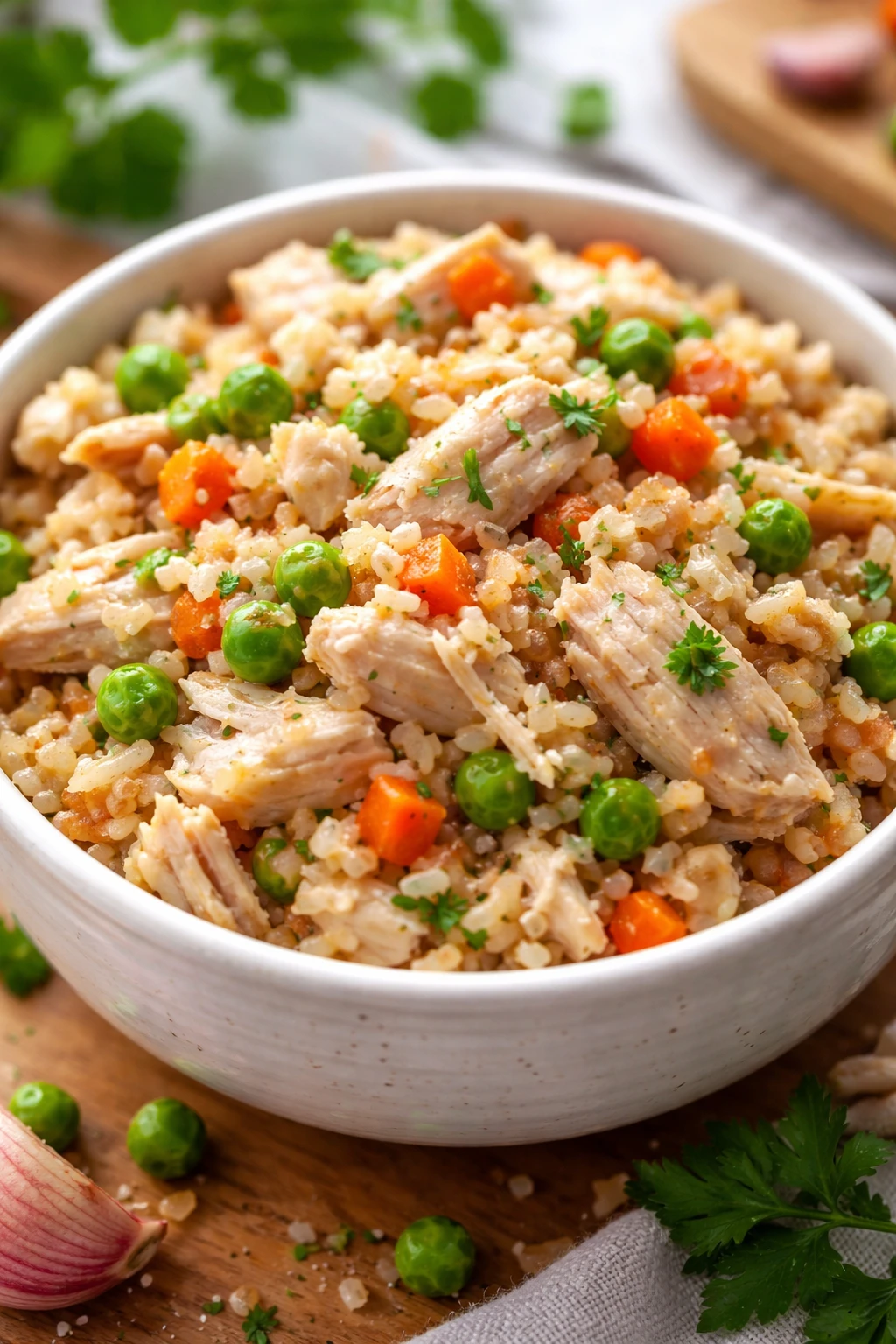
If you want to add variety, you can mix in finely chopped cooked vegetables like carrots or peas, but keep portions small as cats are obligate carnivores. Avoid onions, garlic, or seasoning that can be toxic. Always check with your vet before introducing new foods to your cat’s diet.
⏱ Time: Optional step
✓ Doneness: Vegetables are finely chopped and fully cooked
Step 7
When preparing this meal, ensure all utensils and surfaces are clean to prevent bacterial contamination. Cats are sensitive to spoiled food, so hygiene is especially important. Wash hands thoroughly before and after handling raw chicken.
⏱ Time: Throughout preparation
✓ Doneness: Kitchen and utensils are sanitized
Step 8
For extra flavor and nutrients, you can occasionally add a teaspoon of fish oil or a sprinkle of dried catnip on top before serving. These extras can make the meal more enticing and provide additional health benefits like omega-3s or mental stimulation.
⏱ Time: Optional step
✓ Doneness: Add-ins are evenly distributed and fresh
Step 9
Observe your cat after feeding to ensure they tolerate the meal well. Look for signs of digestion like normal stool and no vomiting. If you notice any adverse reactions, discontinue and consult your vet. Homemade meals can be a wonderful supplement but should complement a balanced diet.
⏱ Time: Post-feeding observation
✓ Doneness: Cat appears comfortable and happy after eating
Variations
Chicken and Pumpkin Blend
Mix cooked, mashed pumpkin into the poached chicken to add fiber and gentle digestion support. This combo is great for cats with mild digestive issues or constipation. Pumpkin adds moisture and a subtle sweetness cats often enjoy.
Note: Use plain canned pumpkin (not pie filling) and add no more than 1 tablespoon per serving to avoid changing texture drastically.
Chicken with Fish Oil Boost
Stir in a teaspoon of high-quality fish oil after cooking for omega-3 fatty acids that promote skin and coat health. This variation is perfect for cats with dry skin or dull fur.
Note: Add fish oil only after cooking and cooling to preserve its delicate nutrients and avoid off-flavors from heat.
Chicken and Carrot Mix
Add finely diced, steamed carrots to the chicken for a mild crunch and extra vitamins. This variation adds color and texture, making mealtime more interesting for picky eaters.
Note: Ensure carrots are soft and small enough to prevent choking; steam until tender but not mushy.
Chicken with Bone Broth
Use homemade bone broth instead of water to poach the chicken, enriching the meal with minerals and collagen. This variation supports joint health and adds a richer flavor cats love.
Note: Make sure bone broth is low sodium and free of onions or garlic. Cool broth before cooking chicken.
Plain Poached Chicken Only
Keep it super simple with just poached chicken and water for cats with very sensitive stomachs or during illness recovery. This recipe is gentle, easy to digest, and highly palatable.
Note: Avoid any extras and make small batches to ensure freshness and safety.
Pro Tips
Poach chicken gently rather than boiling rapidly.
Rapid boiling can toughen proteins and dry out the meat, making it less appealing and harder for cats to chew. Gentle simmering preserves moisture and tenderness, which encourages eating and improves digestibility.
Cool the chicken to room temperature before serving.
Serving food that’s too hot can burn your cat’s mouth and discourage eating. Cooling also allows flavors to mellow and makes the texture more natural and inviting for your pet.
Use fresh, high-quality chicken breast without seasoning.
Cats are sensitive to additives and salt, which can cause health issues. Fresh, plain chicken ensures a clean protein source with minimal risk of allergic reactions or digestive upset.
Add a tiny pinch of turmeric for health benefits.
Turmeric’s anti-inflammatory compounds support joint and immune health, but too much can irritate the stomach. Using just a pinch balances health benefits with safety.
Introduce homemade meals gradually into your cat’s diet.
Sudden dietary changes can cause digestive distress. Slowly mixing homemade food with regular meals allows the gut to adjust and prevents adverse reactions.
Keep all utensils and surfaces clean during prep.
Raw chicken can harbor harmful bacteria. Proper hygiene prevents contamination that could make your cat or family sick.
Store leftovers properly in airtight containers.
Homemade food lacks preservatives and spoils faster. Airtight storage in the fridge maintains freshness and prevents harmful bacterial growth.
Common Mistakes to Avoid
Using seasoned or processed chicken.
Why it happens People often assume store-bought chicken is safe as-is, forgetting that added spices and salts can harm cats.
Fix Always use plain, fresh chicken without any seasoning or additives. Check labels carefully and avoid deli or pre-marinated meats.
Feeding the chicken too hot.
Why it happens In a hurry, pet owners might serve food right after cooking, risking burns.
Fix Allow the chicken to cool to room temperature before serving. This protects your cat’s mouth and encourages eating.
Skipping thorough cooking.
Why it happens Some believe raw or undercooked chicken is healthier, but this risks bacterial infections.
Fix Cook the chicken fully by poaching until no pink remains and juices run clear. This ensures safety without sacrificing moisture.
Adding toxic ingredients like onions or garlic.
Why it happens People may add flavorings common in human cooking without knowing they’re harmful to cats.
Fix Avoid any seasoning or ingredients toxic to cats. Stick to plain chicken, water, and safe optional additions like olive oil.
Feeding large portions suddenly.
Why it happens Excited to treat their cat, owners may offer too much homemade food at once.
Fix Start with small amounts mixed with regular food, gradually increasing if your cat tolerates it well.
Nutrition
Per Serving:
Nutritional values are estimates and may vary based on specific ingredients used.
Storage & Tips
Room Temperature
Homemade cat food should not be left out at room temperature for more than 2 hours to avoid bacterial growth. Cover it loosely with a clean lid or foil during this time if serving intermittently.
Refrigerator
Store leftovers in an airtight container for up to 3 days. The texture may firm slightly when cold, so warming gently to room temperature before feeding improves palatability and aroma.
Freezer
Freeze portions in sealed containers or freezer bags for up to 1 month. Label with date. Thaw overnight in the refrigerator and warm gently before serving to restore moisture and softness.
Reheating
Reheat gently on the stovetop over low heat or in short bursts in the microwave, stirring frequently. Add a splash of water or broth to maintain moisture. Avoid overheating to prevent dry, tough meat.
Make Ahead
You can poach the chicken 1-2 days in advance and store refrigerated. Add any oils or spices just before serving to keep flavors fresh and nutrients intact.
FAQ
Can I use chicken thighs instead of breast?
Yes, chicken thighs can be used and provide a slightly richer flavor and more fat, which some cats love. However, use skinless thighs to avoid excess fat and always cook thoroughly to ensure safety.
Is it safe to feed raw chicken to my cat?
Raw chicken carries risks of bacterial contamination like salmonella. Unless you follow strict raw feeding protocols and source high-quality meat, it’s safer to cook the chicken fully to protect your cat’s health.
How often can I feed this homemade chicken meal?
This recipe works well as an occasional treat or supplement to a balanced diet. Feeding it daily is possible but should be balanced with other nutrients. Consult your vet for long-term diet planning.
Can I add seasoning or spices for flavor?
No, cats are sensitive to many seasonings, especially onion, garlic, salt, and pepper, which can be toxic. Keep the recipe plain and simple for safety.
What if my cat refuses to eat it?
Try warming the food slightly to enhance aroma or mixing it with a small amount of their regular wet food. Sometimes gradual introduction helps cats accept new flavors and textures.
Can I store leftovers for longer than 3 days?
It’s best not to. Homemade food lacks preservatives, so bacteria can grow quickly. Freeze any portions you won’t use within 3 days to keep them safe.
Is olive oil necessary in the recipe?
Olive oil is optional but adds healthy fats and improves texture. If your cat has a sensitive stomach or fat intolerance, it’s best to omit it.
Can I add vegetables to this recipe?
Yes, but only small amounts of cat-safe veggies like carrots or peas, finely chopped and cooked. Cats mainly need protein, so veggies should be a minor addition.
Final Thoughts
I hope you and your cat enjoy this simple, wholesome chicken recipe as much as we do. Give it a try and let me know how your furry friend likes it!