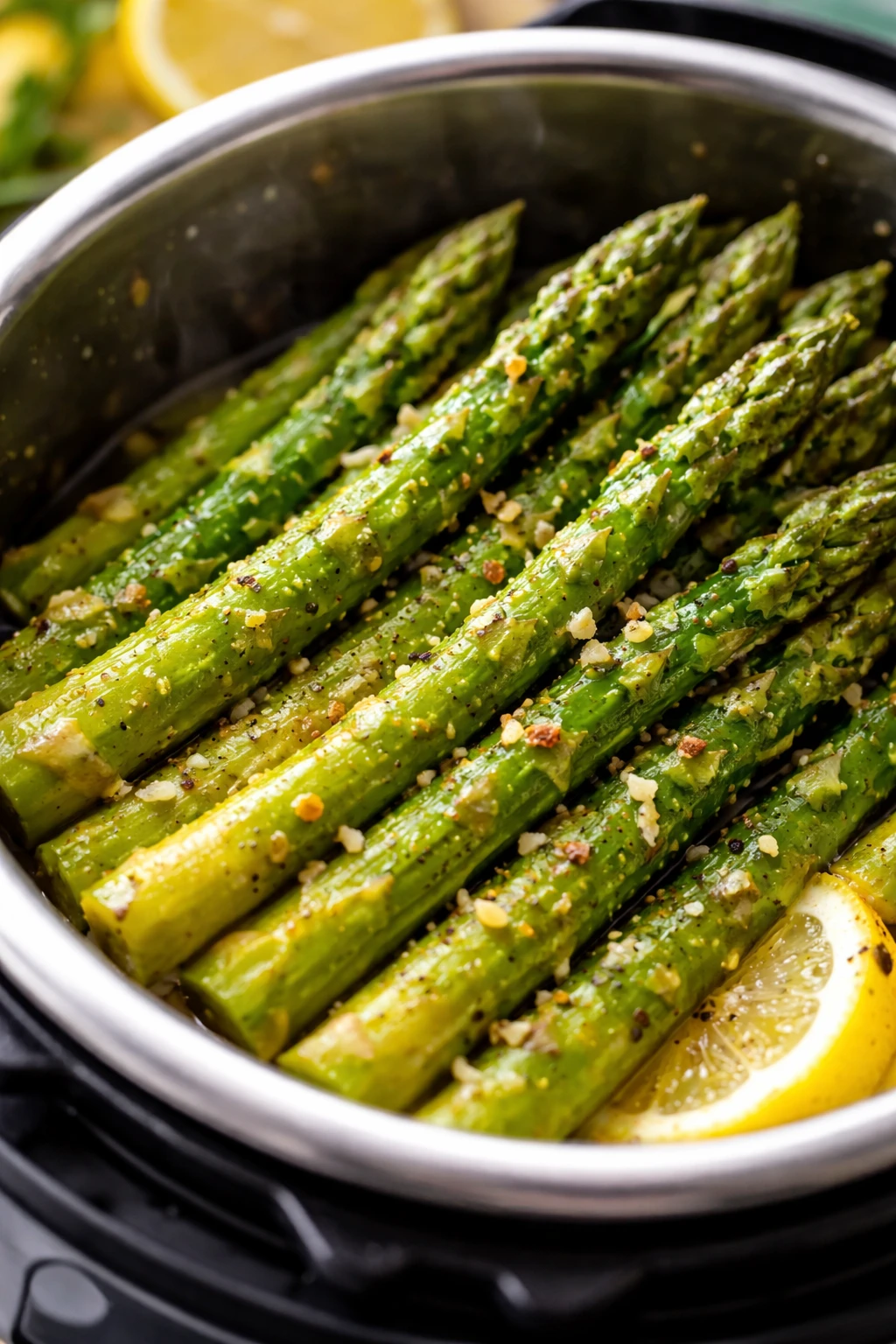
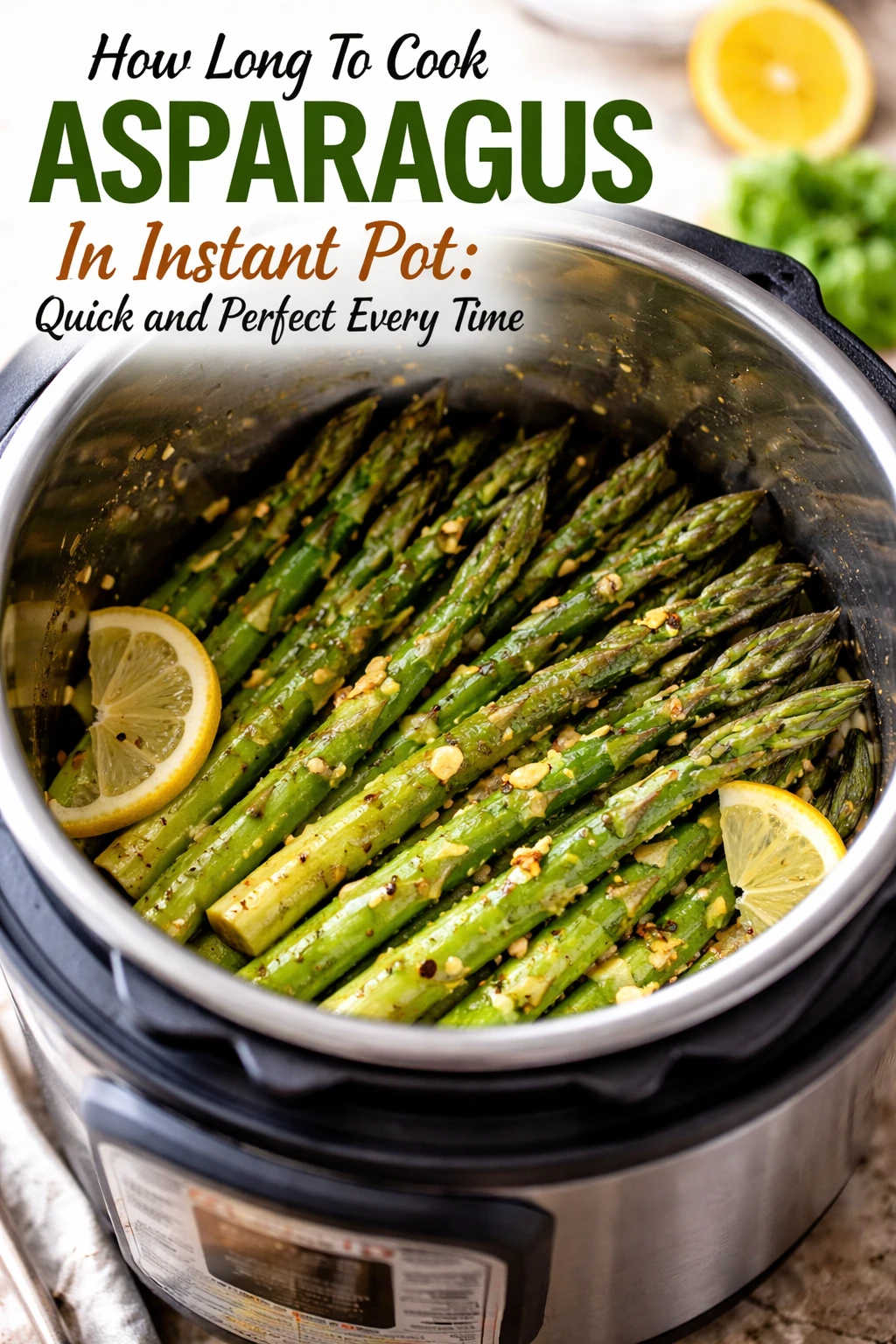
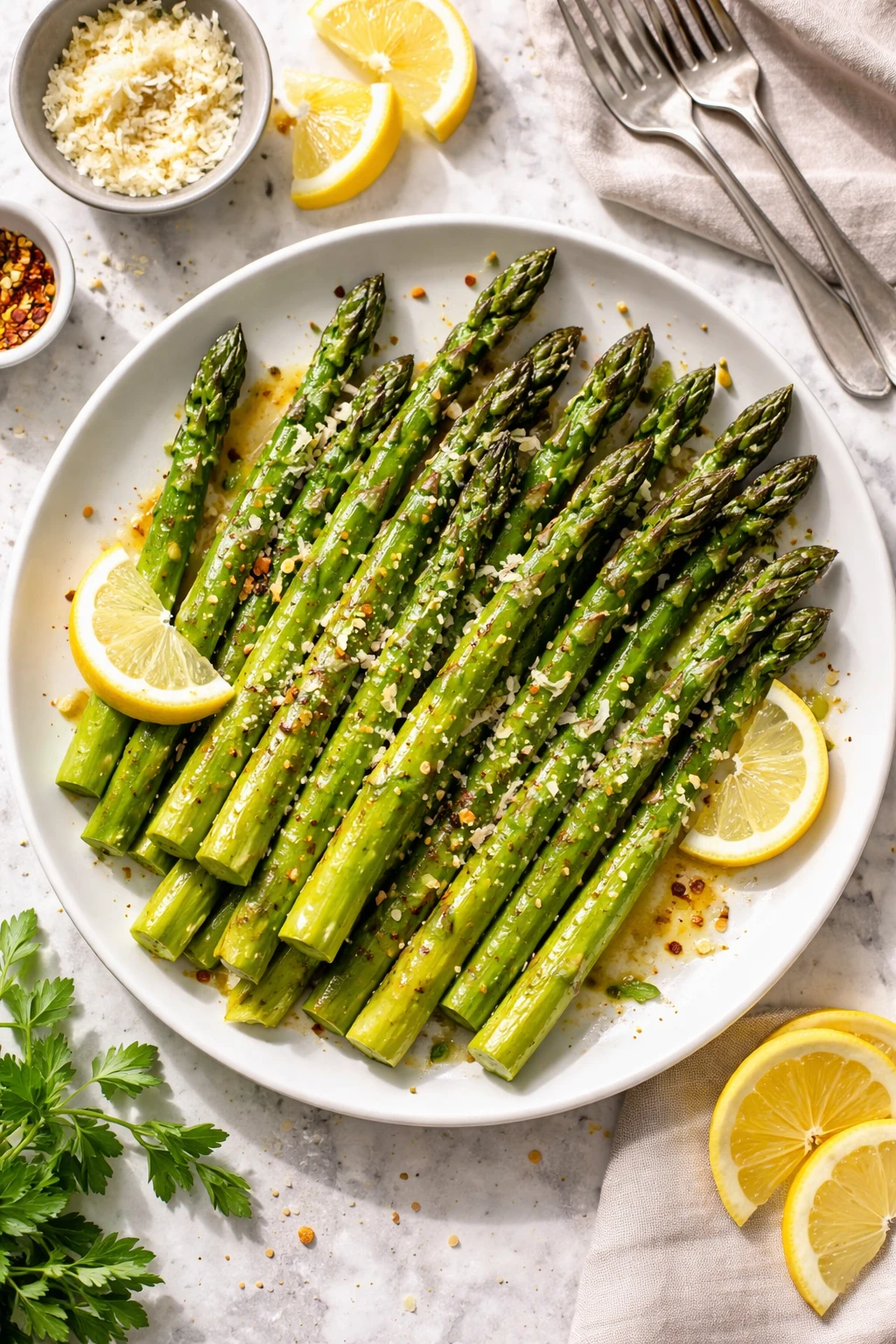
This Instant Pot asparagus recipe is my go-to for perfectly tender yet crisp stalks every time. The secret? Just the right pressure cooking time to lock in that vibrant green color. Great for quick weeknight sides or prepping ahead!
Introduction
I remember the first time I tried making asparagus in the Instant Pot — I was skeptical about it retaining that perfect crisp-tender texture. Usually, when I steamed or boiled asparagus, I’d end up with limp, overcooked stalks that lost their bright green pop. But this simple Instant Pot method changed everything. The trick I learned is to set the pressure cooker for just a couple of minutes and use the quick release immediately. This locks in the vibrant color and keeps the asparagus from turning mushy. Plus, it’s so fast, making it perfect for busy weeknights or when I’m prepping meals ahead for the week. What I love most is how the stalks come out tender yet still have a satisfying snap. Adding a little olive oil and lemon zest at the end really brightens things up and makes it feel special without any extra fuss. If you’ve struggled with soggy asparagus before, this recipe will be a game changer for you.
How To Do It
Step 1
Start by trimming the tough ends off your asparagus. This step is essential because those woody ends don’t soften well and can ruin the texture. I usually snap them off by hand where they naturally break, which saves time and ensures you’re only cooking the tender parts. Once trimmed, rinse the asparagus under cold water to remove any dirt or grit. This prep ensures your final dish is clean and fresh-tasting.
⏱ Time: 5
✓ Doneness: Ends cleanly snapped off, asparagus stalks rinsed and ready
Step 2
Pour 1 cup of water into the Instant Pot and place the steamer basket inside. The water is what creates the steam needed to cook the asparagus gently. Make sure the water doesn’t touch the basket to avoid boiling the stalks directly. This setup allows the asparagus to cook evenly through steam pressure, which locks in moisture and nutrients without sogginess.
⏱ Time: 2
✓ Doneness: Water level below steamer basket, ready to start cooking
Step 3
Arrange the asparagus stalks in the steamer basket in a single layer if possible. Crowding can cause uneven cooking, so if your stalks are thick or you have a lot, consider cooking in two batches. Even spacing helps the steam circulate and cook each stalk uniformly, preventing some from becoming mushy while others stay underdone.
⏱ Time: 2
✓ Doneness: Asparagus evenly placed, no overlapping or crowding
Step 4
Secure the lid on the Instant Pot and make sure the valve is set to sealing. Set the pressure cooker to high pressure for exactly 1 minute. Yes, just one! This precise timing is the secret to tender-crisp asparagus. Longer cooking will over-soften the stalks, while less time won’t cook them through. Trust the timer and resist the urge to peek.
⏱ Time: 1
✓ Doneness: Instant Pot display shows 1 minute countdown
Step 5
As soon as the timer beeps, perform a quick release by carefully turning the valve to venting. This immediate release stops the cooking process abruptly, preserving the asparagus’s bright green color and snap. Leaving the pressure to release naturally will continue cooking the asparagus and make it mushy, so don’t skip this step.
⏱ Time: 1
✓ Doneness: Steam vents fully, pressure releases quickly
Step 6
Lift the steamer basket out carefully to avoid dripping water on your asparagus. Transfer the stalks to a serving dish. Draining well is important because leftover water can dilute flavor and make them soggy. I like to give them a gentle shake or pat with paper towels to remove excess moisture.
⏱ Time: 2
✓ Doneness: Asparagus dry and bright green on plate
Step 7
Drizzle the asparagus with olive oil and sprinkle with sea salt and freshly ground black pepper to taste. The olive oil adds richness and helps the seasonings stick, while the salt enhances the natural flavor. You can also add lemon zest or a squeeze of fresh lemon juice for a bright, fresh note that complements the earthiness of the asparagus.
⏱ Time: 2
✓ Doneness: Asparagus lightly coated, glistening with seasoning
Step 8
Give the asparagus a gentle toss to evenly distribute the oil and seasoning. This also warms the oil slightly, making it more aromatic. Be careful not to break the stalks — use tongs or a fork to turn them gently. Presentation matters, and you want those stalks looking vibrant and inviting.
⏱ Time: 1
✓ Doneness: Evenly seasoned, stalks intact and shiny
Step 9
Serve immediately while warm and crisp. If you’re prepping ahead, cool the asparagus quickly and store it in an airtight container in the fridge. It reheats well with a quick toss in a hot pan or even enjoyed cold in salads. This flexibility makes it a perfect side for any meal.
⏱ Time: 1
✓ Doneness: Asparagus served warm or cooled for later use
Variations
Garlic Butter Asparagus
After cooking, toss the asparagus with melted garlic butter and a sprinkle of Parmesan cheese. This adds richness and a savory depth perfect for dinner parties or cozy nights. The butter melts into the warm stalks, making each bite silky smooth.
Note: Use unsalted butter and add garlic after cooking to avoid burning. Parmesan should be added last to prevent clumping.
Spicy Lemon Asparagus
Add a pinch of red pepper flakes and a splash of fresh lemon juice after cooking to give your asparagus a bright, spicy kick. This variation pairs wonderfully with grilled meats or fish and adds a zesty punch to the classic recipe.
Note: Add chili flakes sparingly to control heat. Lemon juice should be fresh and added just before serving.
Asparagus with Toasted Almonds
Top the cooked asparagus with toasted sliced almonds and a drizzle of honey for a crunchy, sweet contrast. This adds texture and complexity, making it a great side for autumn meals or holiday dinners.
Note: Toast almonds separately to avoid sogginess. Add honey right before serving to maintain texture.
Asian-Inspired Sesame Asparagus
Finish the asparagus with a drizzle of toasted sesame oil, soy sauce, and a sprinkle of sesame seeds. This variation brings an umami flavor and nutty aroma that’s perfect for pairing with rice dishes or stir-fries.
Note: Use low-sodium soy sauce to avoid overpowering saltiness. Add sesame seeds last for crunch.
Vegan Lemon Tahini Asparagus
Drizzle your asparagus with a simple tahini sauce mixed with lemon juice and garlic for a creamy vegan-friendly option. This adds richness and tang while keeping the dish light and fresh.
Note: Whisk tahini with water to desired consistency before adding lemon and garlic. Add sauce after cooking to keep asparagus crisp.
Pro Tips
Use the quick release method immediately after cooking.
Instantly releasing pressure stops the cooking process, preventing the asparagus from overcooking and becoming mushy. If you let the pressure release naturally, the residual heat will continue cooking the asparagus, which ruins the crisp texture.
Trim asparagus by snapping off the woody ends instead of cutting.
Snapping naturally removes the tough, fibrous parts without wasting the tender stalk. Cutting can leave some woody bits behind, making the asparagus stringy and unpleasant to eat.
Arrange asparagus in a single layer in the steamer basket.
Crowding causes uneven cooking because steam can’t circulate properly. A single layer ensures every stalk cooks evenly, locking in vibrant color and perfect texture.
Add olive oil and lemon zest after cooking, not before.
Adding oil or citrus before cooking can alter the steaming process and texture. Finishing with these ingredients enhances flavor and preserves the asparagus’s crispness.
Use thicker asparagus stalks for the best results.
Thicker stalks hold up better under pressure cooking and are less likely to become mushy. Thin stalks cook too quickly and can turn limp.
Serve immediately or cool quickly for meal prep.
Asparagus tastes best right after cooking but also stores well if cooled quickly and refrigerated. Cooling prevents continued cooking and preserves texture for later use.
Use fresh lemon zest instead of lemon juice for finishing.
Zest adds bright, aromatic oils without extra moisture, which can make asparagus soggy. Juice adds liquid and acid that might change texture and flavor balance.
Common Mistakes to Avoid
Overcooking the asparagus in the Instant Pot.
Why it happens Many assume longer cooking equals better tenderness, but asparagus cooks very quickly under pressure. Overcooking leads to mushy, dull-colored stalks.
Fix Set the timer for exactly 1 minute and perform a quick release immediately. Resist the urge to increase time or allow natural pressure release to avoid soggy asparagus.
Not trimming the woody ends properly.
Why it happens People often cut asparagus instead of snapping, leaving tough, fibrous bits that ruin texture.
Fix Snap the ends off by hand where they naturally break. This removes only the tough part and keeps the tender stalk intact.
Crowding the steamer basket with too many stalks.
Why it happens Trying to cook a large batch at once can cause uneven steam circulation and inconsistent cooking.
Fix Cook in batches if needed and arrange asparagus in a single layer for even steaming.
Skipping the quick release step.
Why it happens Waiting for natural pressure release continues cooking, leading to loss of crispness and color.
Fix Once cooking time ends, immediately move the valve to venting to release pressure quickly.
Adding oil or seasoning before cooking.
Why it happens Adding ingredients before steaming can interfere with cooking and make asparagus soggy.
Fix Season and dress asparagus after cooking to maintain texture and flavor.
Nutrition
Per Serving:
Nutritional values are estimates and may vary based on specific ingredients used.
Storage & Tips
Room Temperature
Asparagus should not be left out at room temperature for more than 2 hours to prevent bacterial growth. Cover loosely with foil or a clean kitchen towel if serving shortly after cooking.
Refrigerator
Store cooled asparagus in an airtight container in the fridge for up to 3 days. Flavor and texture are best when served cold or gently reheated. Avoid reheating multiple times to keep texture intact.
Freezer
Freezing asparagus is not recommended as it tends to become mushy upon thawing. If necessary, blanch before freezing and store in airtight freezer bags for up to 1 month.
Reheating
Reheat asparagus gently in a hot skillet with a splash of olive oil over medium heat for 2-3 minutes, or microwave in short bursts. Avoid overheating to maintain crispness.
Make Ahead
Trim and wash asparagus up to 1 day ahead. Store trimmed stalks wrapped in a damp towel in the fridge. Cook and season on the day of serving for best freshness.
FAQ
Can I cook frozen asparagus in the Instant Pot?
Frozen asparagus can be cooked in the Instant Pot but requires slightly less cook time—around 30 seconds to 1 minute under high pressure. Use quick release immediately to avoid overcooking. Keep in mind frozen asparagus may be softer in texture.
What if my asparagus turns out mushy?
Mushy asparagus is usually a result of overcooking or not using quick release. Stick to 1 minute high pressure and release steam immediately. Also, avoid overcrowding the basket to ensure even cooking.
Can I use this method for thicker or thinner asparagus stalks?
Thicker stalks work best with this timing, as thinner ones may overcook quickly. If using thin asparagus, reduce pressure cook time to 30 seconds and release pressure immediately.
Is it okay to add seasoning before cooking?
It's best to add seasoning like salt, oil, or lemon zest after cooking. Adding them before can affect steaming and may result in soggy or unevenly cooked asparagus.
How do I store leftovers?
Cool leftover asparagus quickly and store in an airtight container in the fridge for up to 3 days. Reheat gently or enjoy cold in salads to maintain texture.
Can I double the recipe to cook more asparagus at once?
Yes, but avoid overcrowding the steamer basket. Cook in batches if needed to ensure even steam circulation and consistent texture.
What’s the best way to trim asparagus quickly?
Hold the stalk near the bottom and bend until it snaps naturally. This removes the tough woody end without wasting the tender part. It’s faster and more effective than cutting.
Can I add garlic or herbs during cooking?
Adding fresh garlic or herbs during pressure cooking can make flavors too strong or bitter. Instead, add minced garlic or fresh herbs after cooking for a fresher taste.
Final Thoughts
I hope you give this Instant Pot asparagus a try—it’s quick, reliable, and delicious every time. Let me know how it turns out for you!