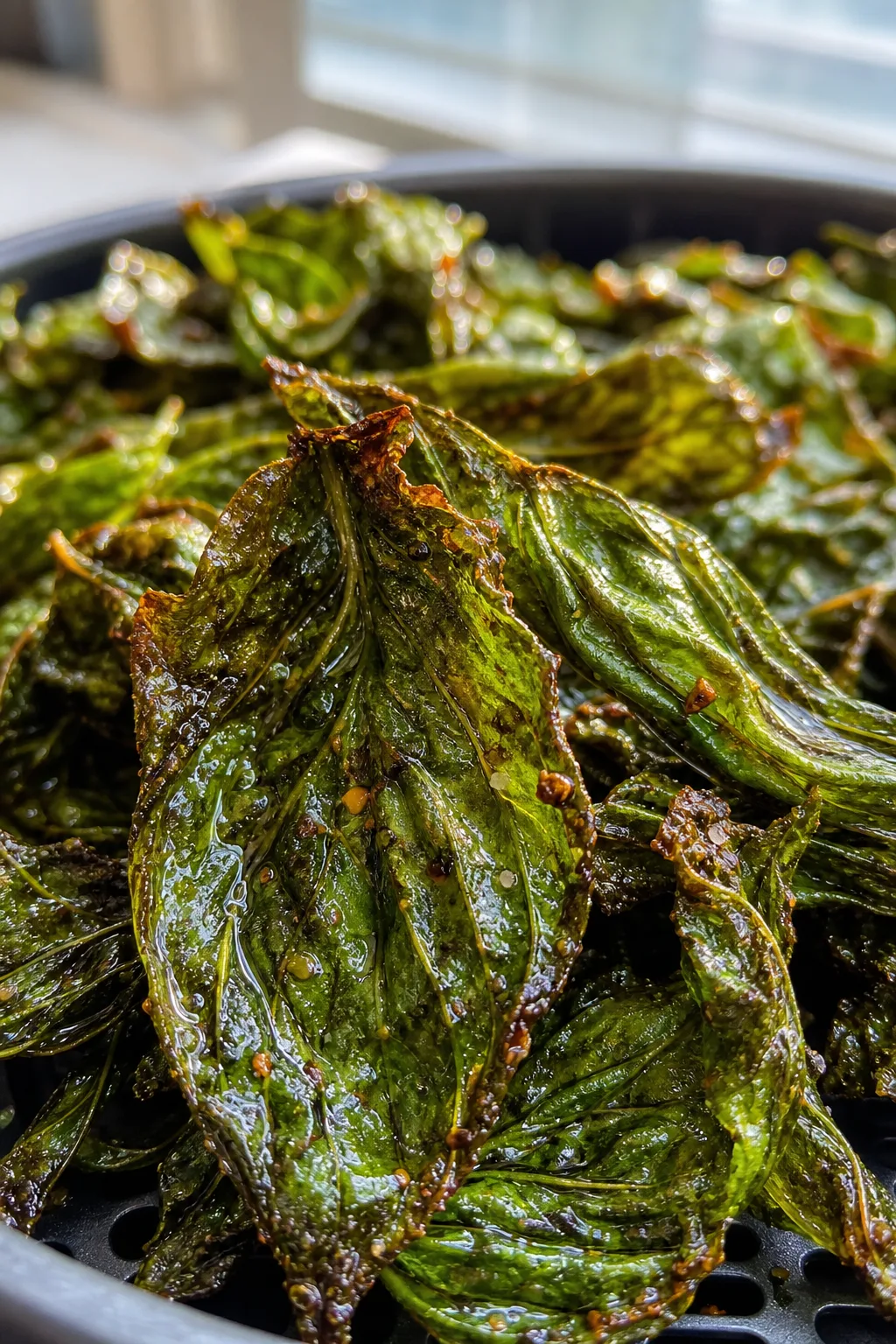
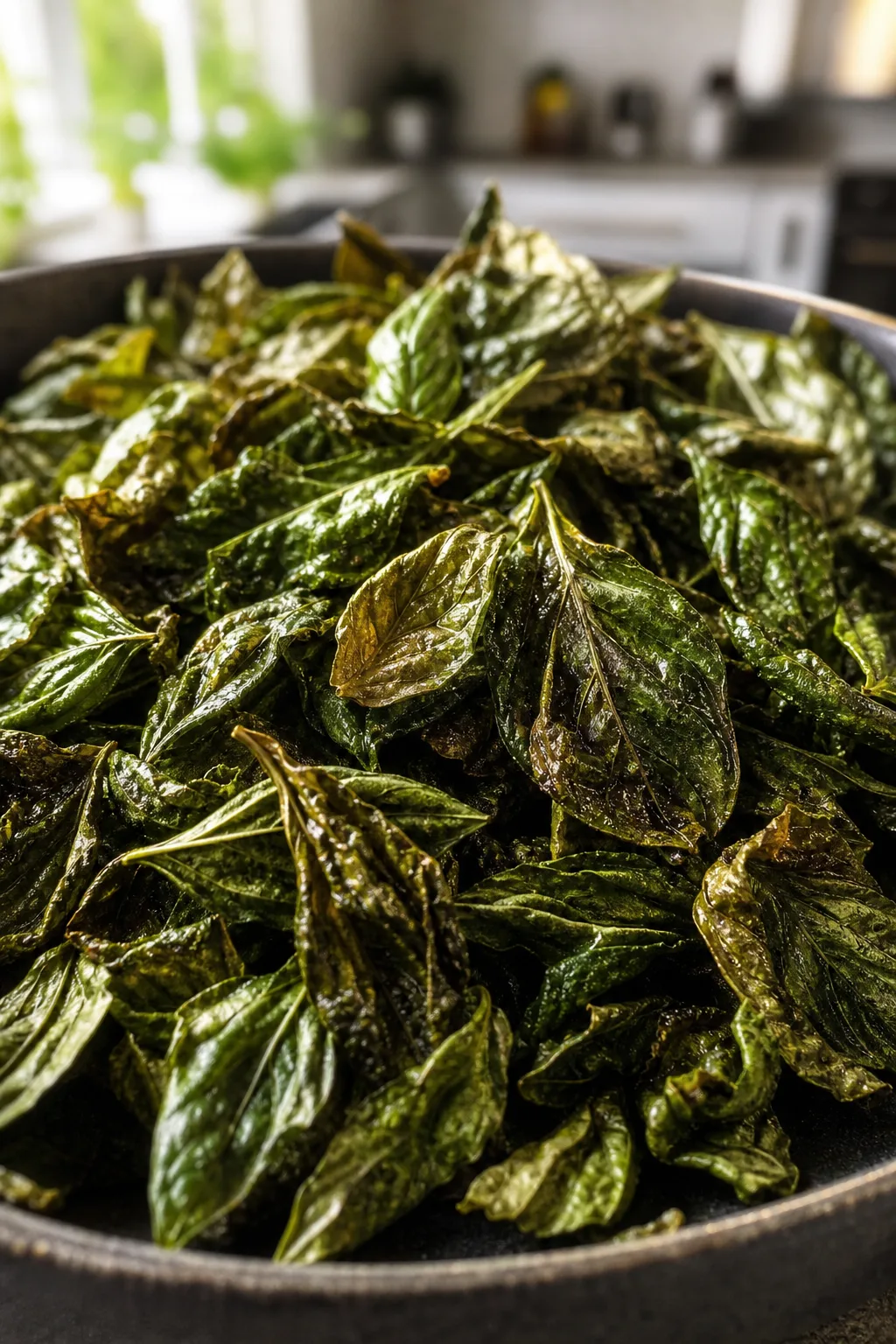
If you love fresh basil but hate how quickly it wilts, this air fryer dehydrated basil is a lifesaver. It crisps the leaves without losing that punchy, fresh flavor. Perfect to sprinkle on pasta, salads, or even pizza whenever you want.
Introduction
I first discovered dehydrating basil in my air fryer when I had a bunch of fresh basil that was about to go bad, and honestly, it was a total game changer. Instead of letting those beautiful leaves wilt or tossing them out, I decided to try drying them quickly in the air fryer. The result was incredible – the basil leaves turned crispy and retained that bright, fresh aroma you want in your cooking. This method is way faster than traditional oven drying and less messy than using a dehydrator. What makes this version stand out is how gentle the air fryer heat is; it crisps without burning or turning the leaves bitter. I usually use these dehydrated basil flakes as a quick garnish on pasta, salads, or even homemade pizza, and it adds such a lovely punch of flavor. Plus, it feels so good to reduce waste and preserve herbs naturally. If you’re like me and love fresh herbs but hate how fast they go bad, this is a little trick you’ll want to keep in your back pocket.
What You'll Need
Approximately 1 cup dehydrated basil flakes, 4 servings
- 2 cups fresh basil leaves, washed and dried thoroughly
How To Do It
Step 1
Start by thoroughly washing your fresh basil leaves and patting them completely dry with paper towels or a clean kitchen cloth. Any moisture left on the leaves will cause them to steam instead of dehydrate, which can make them limp or even soggy. Drying them well ensures the air fryer crisps them perfectly. Lay the leaves out in a single layer on a plate or tray and let them air dry for about 10 minutes to remove lingering moisture. This prep step is crucial for achieving that perfect crisp texture.
⏱ Time: 15 minutes
✓ Doneness: Leaves feel dry and slightly brittle to the touch before air frying
Step 2
Preheat your air fryer to 140°F (60°C) if it has a dehydration setting, or the lowest temperature possible. Arrange the dried basil leaves in a single layer in the air fryer basket or tray, making sure they don’t overlap. Overcrowding will cause uneven drying and may lead to some leaves burning or others remaining moist. Set the timer for 10-15 minutes, but start checking around 8 minutes to avoid over-drying. The leaves should turn crisp but still green, not brown or burnt. If you rush this step by increasing the temperature or drying time, the basil can lose its vibrant flavor and become bitter.
⏱ Time: 10-15 minutes
✓ Doneness: Leaves are crisp and snap easily without bending
Step 3
Once the basil leaves are crisp, carefully remove them from the air fryer and let them cool completely on a paper towel-lined plate. This cooling step allows any remaining heat to dissipate and prevents condensation from forming, which could reintroduce moisture. Avoid stacking the leaves while they’re still warm or you risk them becoming soggy. After cooling, crumble the leaves gently with your fingers or a mortar and pestle to create flakes or powder, depending on your preference.
⏱ Time: 5 minutes
✓ Doneness: Leaves cooled to room temperature and crumble easily
Step 4
Store your dehydrated basil flakes in an airtight container away from light and heat. Proper storage keeps the flavor vibrant for months. Using a glass jar with a tight lid works best. Avoid plastic containers that might trap moisture. Label the container with the date so you can keep track of freshness. When stored well, these basil flakes are perfect for sprinkling over dishes anytime you want a fresh herb boost without the hassle of fresh leaves.
⏱ Time: 2 minutes
✓ Doneness: Container sealed and labeled
Step 5
If you want to use the basil flakes as a seasoning blend, consider mixing them with a pinch of sea salt or dried garlic powder to create an easy herb mix. This step is optional but adds depth and can be a great way to jazz up simple meals. Just mix gently to combine and store in a separate airtight container. It’s a versatile topping that works great on roasted veggies or soups.
⏱ Time: 3 minutes
✓ Doneness: Herb blend evenly mixed and ready to use
Step 6
For a more intense flavor, you can crush the basil flakes finely using a mortar and pestle. This releases more of the essential oils and aroma, making it perfect for infusing oils or adding directly to sauces. Be gentle to avoid turning it into powder unless you want to use it as a seasoning dust.
⏱ Time: 2 minutes
✓ Doneness: Leaves crushed to desired consistency
Step 7
When using your dehydrated basil, sprinkle it towards the end of cooking to preserve its aroma and flavor. Adding it too early can cause the flavor to dissipate. Try it on dishes like pasta, pizza, or even scrambled eggs for a fresh herbal kick.
⏱ Time: Varies
✓ Doneness: Flavor noticeable and fresh in finished dish
Step 8
If you notice any burnt leaves during drying, remove them immediately as they can impart bitterness. Adjust your air fryer temperature or reduce drying time next batch to prevent this. Every air fryer model varies slightly, so it might take a couple tries to find your perfect settings.
⏱ Time: Ongoing
✓ Doneness: No burnt or overly dark leaves present
Step 9
Experiment with drying other herbs like oregano, thyme, or rosemary using the same method. Different herbs may require slightly different times or temperatures, so keep an eye on them to avoid burning. This technique is super versatile and can help you preserve your garden herbs year-round.
⏱ Time: Varies
✓ Doneness: Herbs crisp but retain color and aroma
Variations
Dehydrated Oregano and Basil Blend
Mix fresh oregano leaves with basil before dehydrating for a Mediterranean herb blend. This combo adds complexity to your dishes and saves time when seasoning. Expect a slightly earthier flavor from the oregano that complements basil’s sweetness.
Note: Oregano may take a bit longer to dry; check leaves frequently to avoid burning while drying together.
Basil and Lemon Zest Flakes
Add finely grated lemon zest to your basil flakes after drying for a fresh, citrusy twist. This variation brightens salads and seafood dishes beautifully. The zest adds a zing that pairs perfectly with the herbaceous basil.
Note: Add zest only after drying to prevent moisture and bitterness during dehydration.
Spicy Basil Flakes with Crushed Red Pepper
Mix crushed red pepper flakes with your dehydrated basil for a spicy herb topping. Great on pizzas or roasted veggies, this variation adds a kick without overwhelming basil’s flavor.
Note: Add pepper flakes after drying basil to maintain their heat and texture.
Garlic-Infused Basil Flakes
Sprinkle dried garlic powder into your basil flakes for a savory, aromatic seasoning. This blend works well in Italian dishes and marinades, adding depth and richness.
Note: Mix garlic powder after drying; avoid adding fresh garlic during dehydration due to moisture.
Freeze-Dried Basil for Longer Storage
Try freeze-drying basil instead of air frying for even longer shelf life and a lighter texture. Freeze-dried basil rehydrates quickly and retains vibrant color and flavor. Ideal if you want to store herbs for months without losing quality.
Note: Freeze-drying requires specialized equipment and longer preparation time compared to air frying.
Pro Tips
Dry basil leaves completely before air frying to prevent steaming.
Any moisture left on the basil leaves will cause them to steam rather than dry, resulting in limp, soggy leaves instead of crisp ones. Thoroughly drying ensures the hot air circulates around each leaf, removing water evenly and producing the perfect crispy texture.
Use the lowest temperature setting on your air fryer to preserve basil’s flavor.
Basil’s essential oils are delicate and evaporate quickly at high heat, which can cause bitterness and loss of aroma. Keeping the temperature low allows water to evaporate gently, preserving the herb’s bright, fresh flavor.
Arrange leaves in a single layer without overlapping for even dehydration.
Overlapping leaves block airflow, causing uneven drying where some leaves burn while others stay moist. Spreading them out allows consistent heat and air circulation, ensuring each leaf crisps perfectly.
Cool the dried basil completely before storing to avoid moisture buildup.
Warm herbs release steam when enclosed, which can cause condensation inside the container. This moisture can lead to mold or soggy leaves, ruining your dried basil. Cooling fully prevents this issue.
Store dehydrated basil in a glass jar away from light and heat.
Light and heat degrade basil’s essential oils, causing flavor and color loss. Glass jars with airtight lids protect the herb from air and moisture, extending shelf life and keeping the flavor vibrant.
Use a mortar and pestle to crush dried basil for maximum flavor release.
Crushing the leaves releases essential oils trapped inside the dried leaf cells, intensifying aroma and taste. This traditional method also allows you to control texture better than electric grinders.
Check your air fryer frequently during drying to avoid burning.
Air fryer models vary in heat output and airflow. Monitoring ensures you catch the leaves just as they turn crisp and green without browning or burning, which negatively affects flavor.
Common Mistakes to Avoid
Not drying basil leaves before air frying.
Why it happens Many assume washing the leaves is enough and skip drying, but residual water causes steaming rather than drying.
Fix Always pat basil leaves completely dry and let them air dry for 10-15 minutes before air frying. This prevents soggy leaves and ensures crispness.
Using too high heat in the air fryer.
Why it happens People often think higher heat speeds up drying, but it burns the leaves and destroys flavor.
Fix Set your air fryer to the lowest temperature (around 140°F or 60°C). Dry slowly to preserve color and aroma.
Overcrowding the air fryer basket.
Why it happens Trying to dry too many leaves at once leads to uneven airflow and inconsistent drying.
Fix Arrange leaves in a single layer with space between them. Dry in batches if necessary.
Storing dried basil while still warm.
Why it happens People often put herbs away immediately, not realizing trapped heat causes condensation.
Fix Let dried basil cool completely before transferring to an airtight container to prevent moisture buildup.
Using plastic containers for storage.
Why it happens Plastic can trap moisture and odors, degrading dried herbs faster.
Fix Use glass jars with airtight lids stored in a cool, dark place for best preservation.
Nutrition
Per Serving:
Nutritional values are minimal as this is a herb seasoning, values may vary slightly based on exact quantity used.
Storage & Tips
Room Temperature
Dehydrated basil can safely keep at room temperature for several hours during use. Keep it covered or in an airtight container to prevent moisture and dust contamination.
Refrigerator
Store dried basil in an airtight container in the refrigerator for up to 6 months. The cool temperature helps preserve flavor, though basil flakes are typically fine at room temperature if stored properly.
Freezer
You can freeze dehydrated basil in a sealed container for up to 12 months to extend shelf life. Ensure no moisture is trapped to prevent freezer burn. Thaw at room temperature before use.
Reheating
No reheating needed for dried basil flakes. Add directly to dishes near the end of cooking to preserve flavor. Avoid exposing dried basil to prolonged heat or boiling as it loses aroma.
Make Ahead
Prepare dried basil flakes 1-2 days ahead and store in an airtight container. This allows you to have ready-to-use herb topping on hand for quick meals without last-minute prep.
FAQ
Can I dehydrate basil in the oven instead of an air fryer?
Yes, you can dry basil in the oven on the lowest setting (around 140°F), but it takes longer and risks uneven drying or burning. The air fryer’s fan circulates heat more evenly, resulting in better texture and color.
How do I know when the basil is fully dehydrated?
The leaves should be crisp and snap easily without bending. If they feel leathery or bend without breaking, they need more drying time. Over-drying can cause brittleness and loss of flavor, so check often.
Can I use frozen basil for dehydrating?
Frozen basil is not ideal because it contains extra moisture from freezing and thawing, making it harder to dry evenly. Fresh basil works best for crisp, flavorful flakes.
How long does dehydrated basil last stored properly?
Stored in an airtight container away from heat and light, dried basil can last 6-12 months while retaining good flavor. Over time, the aroma fades, so it’s best used within a year.
Can I use other herbs with this air fryer dehydration method?
Absolutely! Herbs like oregano, thyme, rosemary, and parsley dehydrate well using the same technique. Just adjust drying time slightly as some herbs are denser or thinner.
What if my leaves turn brown or burnt during drying?
Burnt leaves mean the temperature was too high or drying time too long. Lower the heat and check more frequently next time to catch leaves at the perfect crispness.
Is it safe to store dried basil in plastic containers?
While plastic containers can be used, glass jars with airtight lids are better at preventing moisture and odors from affecting the dried herbs. Plastic can sometimes trap moisture, leading to spoilage.
How do I use dehydrated basil in cooking?
Add dried basil flakes near the end of cooking to preserve flavor. They’re great sprinkled on pasta, pizza, soups, or salads. For sauces, rehydrate briefly in warm water or oil to release aroma.
Final Thoughts
Give this air fryer dehydrated basil a try and see how easy it is to enjoy fresh herb flavor anytime. I’d love to hear how you use your crispy basil flakes in your favorite dishes!