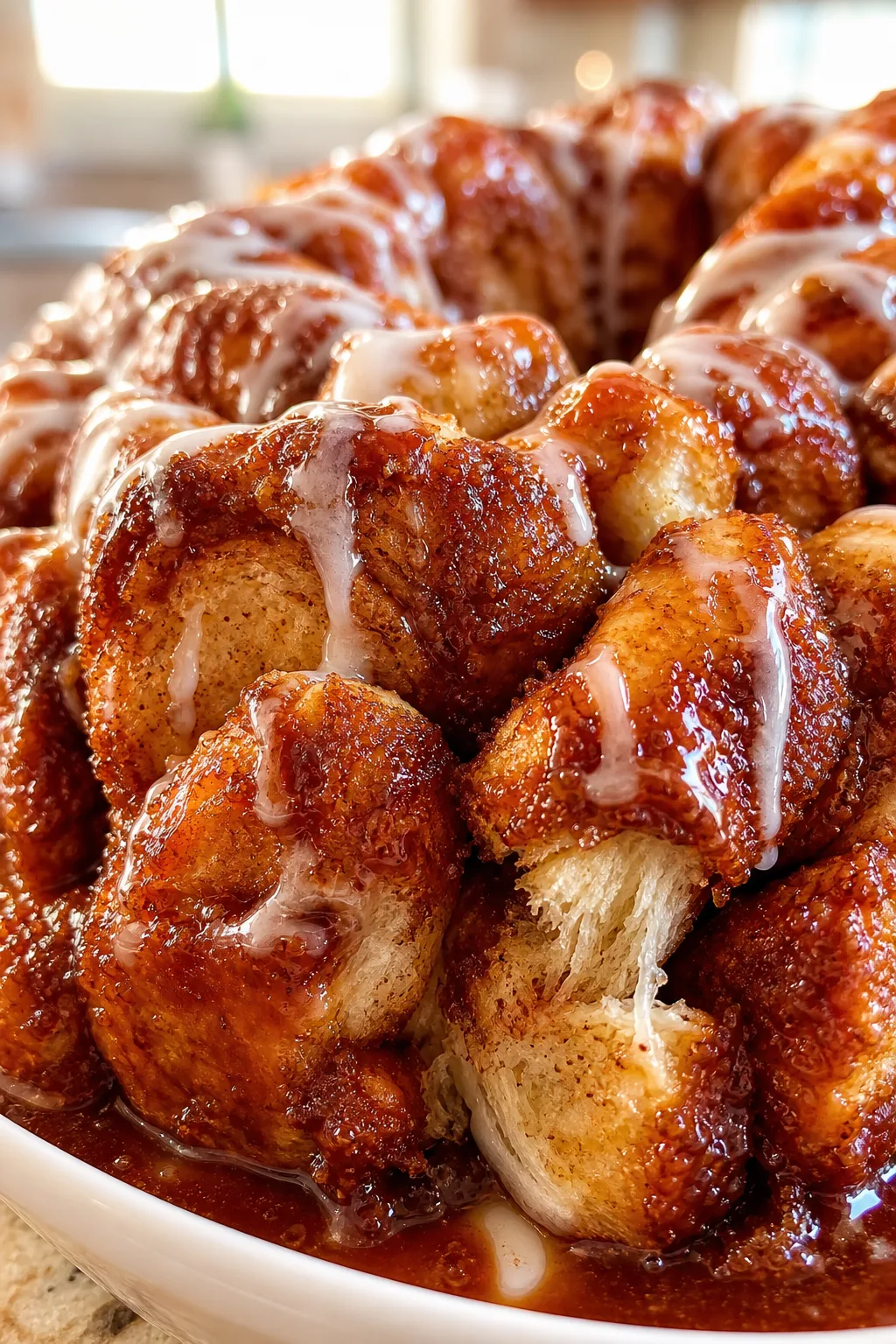
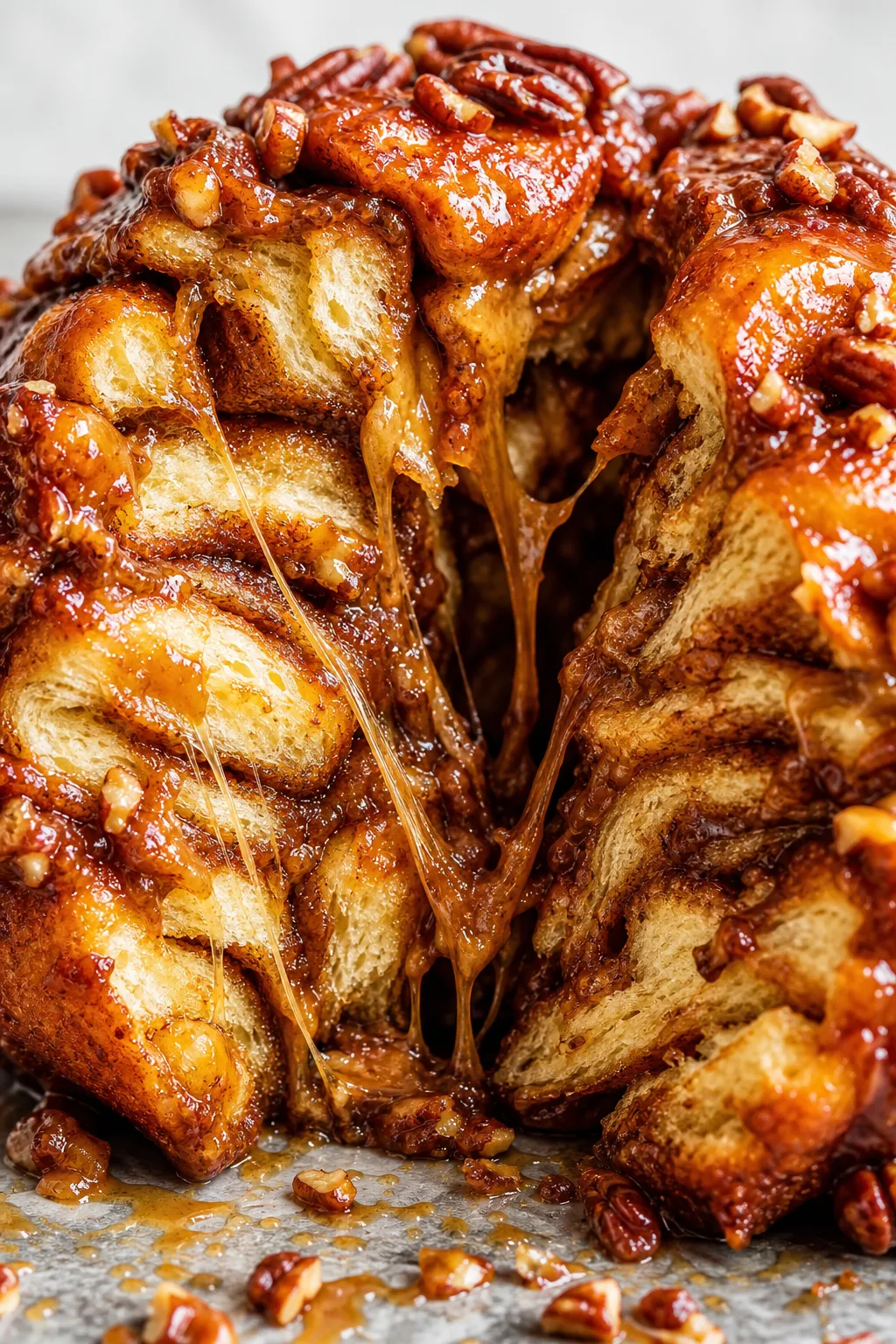
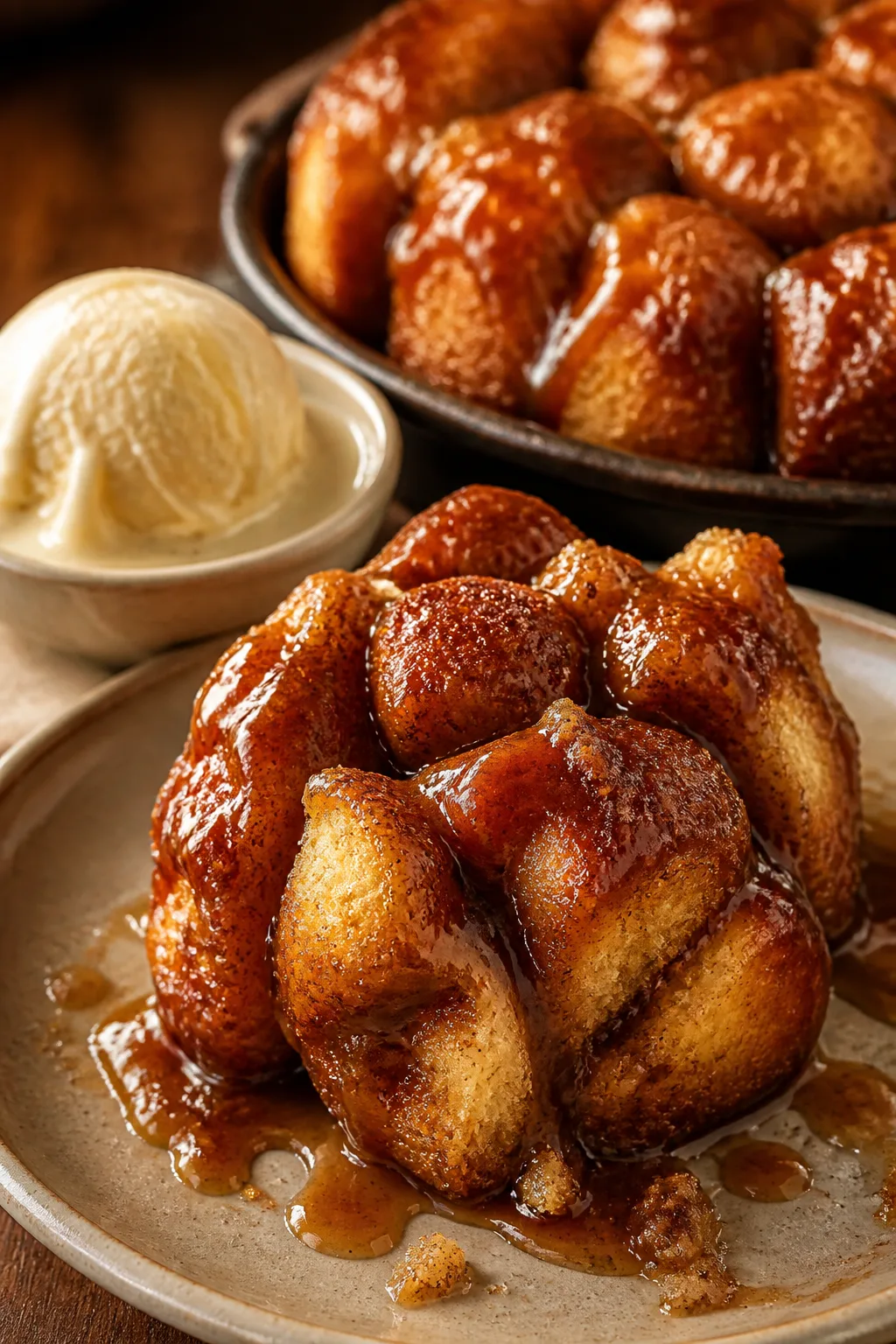
This monkey bread is pure magic—soft dough, sticky caramel, and cinnamon sugar layered in every bite. I love making it for lazy weekend brunches or holiday mornings when everyone’s craving something sweet and cozy.
Introduction
I first tried monkey bread years ago at a friend's brunch, and I was hooked instantly. That sticky, gooey, cinnamon-scented pull-apart bread was unlike anything I’d baked before. Since then, I’ve tweaked the recipe a few times to get the dough just right—soft, pillowy, and perfectly risen. What makes this version special is how I layer the brown sugar and cinnamon generously between each dough ball, then drizzle warm caramel over the whole thing before baking. The result? A sticky, sweet, and aromatic treat that’s perfect for sharing. I remember the first time I made it myself; I was worried the dough wouldn’t rise enough or the caramel would burn, but following the steps carefully made all the difference. Now it’s become a weekend tradition in my home, especially on chilly mornings when you want something comforting and a little indulgent. The bread pulls apart easily, making it fun to eat with your hands, and the cinnamon sugar caramel combo is just heavenly. If you love cinnamon rolls or sticky buns, this monkey bread is like those but way easier and more fun to make. I can’t wait for you to try it too!
How To Do It
Step 1
Start by activating your yeast. Warm the milk to about 110°F—warm enough to feel cozy but not hot or it’ll kill the yeast. Sprinkle the yeast and a teaspoon of sugar over the milk and let it sit for 5-10 minutes until foamy. This step is crucial because it confirms your yeast is alive and ready to help the dough rise. If you don’t see foam, your yeast might be old or the milk too hot. Skipping this can lead to dense bread, so be patient here.
⏱ Time: 10 minutes
✓ Doneness: Milk surface looks bubbly and foamy, signaling active yeast
Step 2
While the yeast activates, mix the flour, sugar, and salt in a large bowl. Add the melted butter, egg, and the foamy yeast mixture. Stir until a sticky dough forms. This dough should be tacky but not overly wet. If it’s too dry, add a tablespoon of warm water at a time. Knead the dough on a floured surface for about 8-10 minutes until smooth and elastic. Kneading develops gluten, which gives the bread structure and chewiness. Under-kneading results in crumbly dough, while over-kneading can make it tough, so aim for smooth elasticity.
⏱ Time: 15 minutes
✓ Doneness: Dough is smooth, slightly tacky, and springs back when pressed
Step 3
Place the dough in a lightly greased bowl, cover it with a damp cloth or plastic wrap, and let it rise in a warm spot for about 1 to 1.5 hours until doubled in size. This fermentation step lets the yeast produce gas, which creates airy bread. Avoid drafts or cold spots that can slow rising. If the dough hasn’t doubled by 90 minutes, give it more time. Proper rising is key to soft, fluffy monkey bread.
⏱ Time: 60-90 minutes
✓ Doneness: Dough has visibly doubled and looks puffy
Step 4
While the dough rises, mix the brown sugar and cinnamon in a medium bowl. This cinnamon sugar mixture will coat each dough ball, giving monkey bread its signature sweet and spicy layers. Make sure to blend the cinnamon evenly through the sugar for consistent flavor in every bite.
⏱ Time: 5 minutes
✓ Doneness: Sugar is evenly mixed with cinnamon, no clumps
Step 5
After the dough has risen, punch it down gently to release the air. Divide the dough into small pieces—about 1 to 1.5 inch balls. Toss the balls in the melted butter, then roll them in the cinnamon sugar mixture until fully coated. This step ensures each bite is sticky and sweet. The butter acts as a glue for the cinnamon sugar and helps caramelize during baking. Don’t skip the butter coating or the sugar won’t stick properly.
⏱ Time: 10 minutes
✓ Doneness: Each dough ball is shiny from butter and fully coated in cinnamon sugar
Step 6
Layer the coated dough balls in a greased bundt pan or a deep cake pan. Sprinkle any leftover cinnamon sugar between layers for extra flavor. Once all the dough is layered, pour the caramel sauce evenly over the top. The caramel will seep down during baking, creating that sticky, gooey texture monkey bread is famous for. Be careful not to pour too much caramel or it might overflow while baking.
⏱ Time: 5 minutes
✓ Doneness: Caramel evenly coats dough balls and pools slightly at the bottom
Step 7
Cover the pan loosely with plastic wrap and let it rise again for about 30 minutes. This second rise helps the dough balls puff up and press together, making the pull-apart effect possible. Without this, the bread can be dense or fall apart. Keep it in a warm place and avoid touching to maintain the rise.
⏱ Time: 30 minutes
✓ Doneness: Dough balls look puffed and fill more of the pan
Step 8
Preheat your oven to 350°F (175°C). Bake the monkey bread for 30-35 minutes until golden brown and caramel is bubbly. Check halfway through and if the top is browning too fast, loosely tent with foil. Proper baking melts the caramel into the bread and creates that irresistible sticky crust. Underbaking leaves dough raw inside; overbaking dries it out.
⏱ Time: 30-35 minutes
✓ Doneness: Golden brown top with bubbling caramel around edges
Step 9
Let the monkey bread cool in the pan for about 10 minutes before inverting onto a serving plate. This cooling lets the caramel thicken slightly so it’s sticky but not runny. Serve warm or at room temperature. It’s easiest to pull apart with your hands when warm, making it perfect for sharing. If you try to unmold too soon, it may stick and break.
⏱ Time: 10 minutes
✓ Doneness: Bread releases cleanly from pan and caramel is tacky, not liquid
Variations
Pecan and Maple Monkey Bread
Add chopped toasted pecans between dough layers and drizzle maple syrup instead of caramel for a nutty, sweet twist. The nuts add crunch and depth, while maple gives a rich, earthy sweetness.
Note: Watch for extra moisture from maple syrup; reduce butter slightly to compensate for stickiness.
Apple Cinnamon Monkey Bread
Mix in small diced apples into the cinnamon sugar coating for fruity bursts. Apples add moisture and a fresh contrast to the caramel and cinnamon, making the bread feel lighter and more complex.
Note: Use firm apples to prevent mushiness and reduce the caramel slightly to avoid sogginess.
Savory Herb Monkey Bread
Skip sugar and caramel. Toss dough balls in melted butter, garlic, and herbs like rosemary and thyme for a savory pull-apart bread perfect with soups or stews.
Note: Bake until golden but watch closely as savory toppings brown faster without sugar.
Chocolate Chip Monkey Bread
Sprinkle mini chocolate chips between dough layers along with cinnamon sugar. The chocolate melts into gooey pockets, adding a rich surprise to every bite.
Note: Use mini chips to ensure even melting and prevent clumping.
Vegan Monkey Bread
Replace butter with coconut oil and use plant-based milk and egg substitute. The texture is slightly different but still soft and sticky with the same great cinnamon caramel flavor.
Note: Coconut oil solidifies when cold, so serve warm for best gooey texture.
Pro Tips
Always proof your yeast in warm milk before mixing dough.
Proofing confirms that your yeast is alive and active, which is essential for proper rising. Milk that’s too hot kills the yeast, while too cold won’t activate it. This step prevents dense or flat bread and ensures a light texture.
Use melted butter to coat each dough ball before rolling in cinnamon sugar.
The butter acts as an adhesive for the sugar and helps it caramelize during baking. Without this, the sugar won’t stick well, and the bread won’t develop that signature sticky crust and sweet flavor.
Let the dough rise twice for best texture.
The first rise develops volume and gluten strength, while the second rise helps the dough balls puff up and fuse together without becoming one dense mass. Skipping the second rise leads to a less tender, less pull-apart-friendly bread.
Use a bundt pan or similarly deep pan for layering dough balls.
The shape allows the caramel to pool and coat the dough evenly, creating gooey layers. Shallow pans won’t trap the caramel, and the bread can dry out or bake unevenly.
Don’t rush baking or use too high heat.
Baking at moderate temperature ensures the dough cooks through and the caramel caramelizes without burning. Too hot, and the caramel will scorch; too low, and the bread will be dense and gummy.
Cool the bread slightly before inverting to serve.
This resting period lets the caramel thicken to a perfect sticky consistency. If you try to unmold too soon, the bread can stick and break, ruining the presentation and texture.
Use fresh cinnamon and good quality sugar for best flavor.
Old spices lose potency, and cheap sugar can alter caramelization. Fresh, flavorful ingredients make a noticeable difference in the final taste of this simple but flavor-driven bread.
Common Mistakes to Avoid
Skipping yeast proofing
Why it happens Many assume the yeast will work fine without proofing, especially if it’s instant yeast or prepackaged.
Fix Always proof your yeast in warm milk with a bit of sugar before mixing dough. If it doesn’t foam, don’t use it. This avoids flat, dense bread due to inactive yeast.
Using milk that’s too hot
Why it happens People often use boiling or very hot milk thinking it will speed things up.
Fix Use a thermometer or test by touch—milk should feel warm, not hot. Too-hot milk kills yeast, preventing rise and leading to dense texture.
Not kneading enough
Why it happens Some rush kneading or skip it, thinking it’s unnecessary.
Fix Knead dough until smooth and elastic. This develops gluten, which traps gas and creates a soft, chewy bread. Under-kneading leads to crumbly or dense results.
Not letting dough rise fully
Why it happens Impatience or cold kitchen conditions can cause premature baking.
Fix Give dough enough time to double in size in a warm spot. Proper rising ensures airy bread. If slow, find a warmer spot or increase rising time.
Pouring too much caramel
Why it happens Trying to make it extra gooey without considering overflow.
Fix Use just enough caramel to coat and fill gaps without spilling over. Excess caramel can burn or make the bread soggy.
Nutrition
Per Serving:
Nutritional values are estimates and may vary based on specific ingredients used.
Storage & Tips
Room Temperature
Monkey bread can be kept covered at room temperature for up to 4 hours safely. Cover it loosely with foil or a clean kitchen towel to prevent drying out but avoid airtight containers that trap moisture and soften the crust.
Refrigerator
Store leftover monkey bread in an airtight container in the fridge for up to 3 days. The caramel may harden slightly, so warm gently before serving. It’s best reheated in the oven for a few minutes to restore softness and gooey texture.
Freezer
Freeze monkey bread wrapped tightly in plastic wrap and then foil for up to 2 months. To thaw, leave it overnight in the fridge, then warm in the oven. Avoid microwaving frozen bread directly, as it can become soggy or chewy.
Reheating
Reheat monkey bread in a 325°F oven for 10-15 minutes until warm and gooey again. Add a splash of water or butter if it feels dry. Avoid microwaving for long periods, which can make the bread tough or rubbery.
Make Ahead
You can prepare the dough and shape the coated balls in the pan a day ahead. Cover tightly and refrigerate overnight. Let it come to room temperature and rise for 30 minutes before baking the next day for fresh, easy monkey bread.
FAQ
Can I use instant yeast instead of active dry yeast?
Yes, you can substitute instant yeast, but reduce the proofing time since instant yeast activates faster. You can mix it directly with the dry ingredients without proofing, but I still recommend proofing in warm milk if you’re unsure of freshness to ensure a good rise.
What if my dough doesn’t rise properly?
If your dough isn’t rising, it’s usually due to inactive yeast, too cold a rising spot, or too little time. Make sure your milk is warm (not hot) and that your yeast is fresh. Place the dough in a warm, draft-free spot, or use the oven with just the light on to keep it cozy.
Can I make monkey bread without caramel sauce?
Absolutely! You can skip the caramel and just use the cinnamon sugar and butter coating for a simpler version. It won’t be as sticky but will still be sweet and delicious. Alternatively, try drizzling honey or maple syrup after baking.
How do I prevent the caramel from burning in the oven?
Use a moderate oven temperature (350°F) and avoid pouring too much caramel at once. If the top browns too quickly, tent the bread loosely with foil halfway through baking to protect the caramel and dough.
Can I make this recipe gluten-free?
Making monkey bread gluten-free is challenging since gluten is essential for the dough’s structure and chew. You’d need a specialized gluten-free flour blend with xanthan gum and may need to adjust liquids and rising times. Expect a different texture.
What’s the best pan to bake monkey bread in?
A bundt pan is ideal because its shape traps the caramel and layers the dough balls nicely. You can also use a deep cake pan or cast iron skillet, but avoid shallow pans as the caramel may overflow or the bread won’t bake evenly.
Can I add nuts or fruit to the monkey bread?
Yes! Chopped nuts like pecans or walnuts add crunch, and small diced apples or dried fruit add sweetness and texture. Just be mindful of moisture content to avoid soggy bread and adjust caramel and butter quantities accordingly.
How do I store leftover monkey bread?
Store it in an airtight container at room temperature for up to 4 hours or refrigerate for up to 3 days. Reheat in the oven to restore softness. You can also freeze it wrapped tightly for up to 2 months.
Final Thoughts
Give this sticky cinnamon monkey bread a try—you’ll love how it fills your kitchen with warmth and sweet aromas. Share it with family or friends and enjoy every gooey, pull-apart bite!