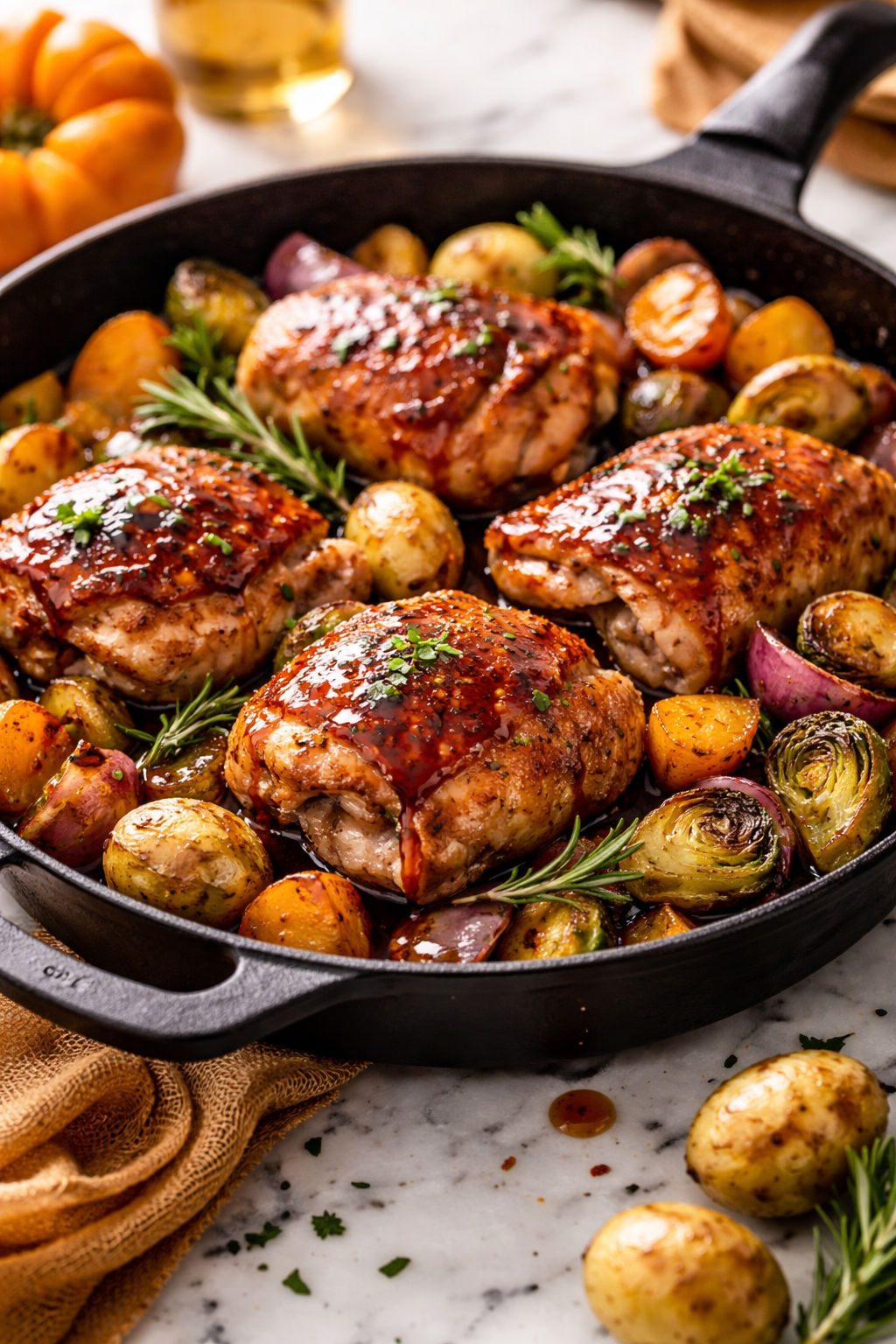
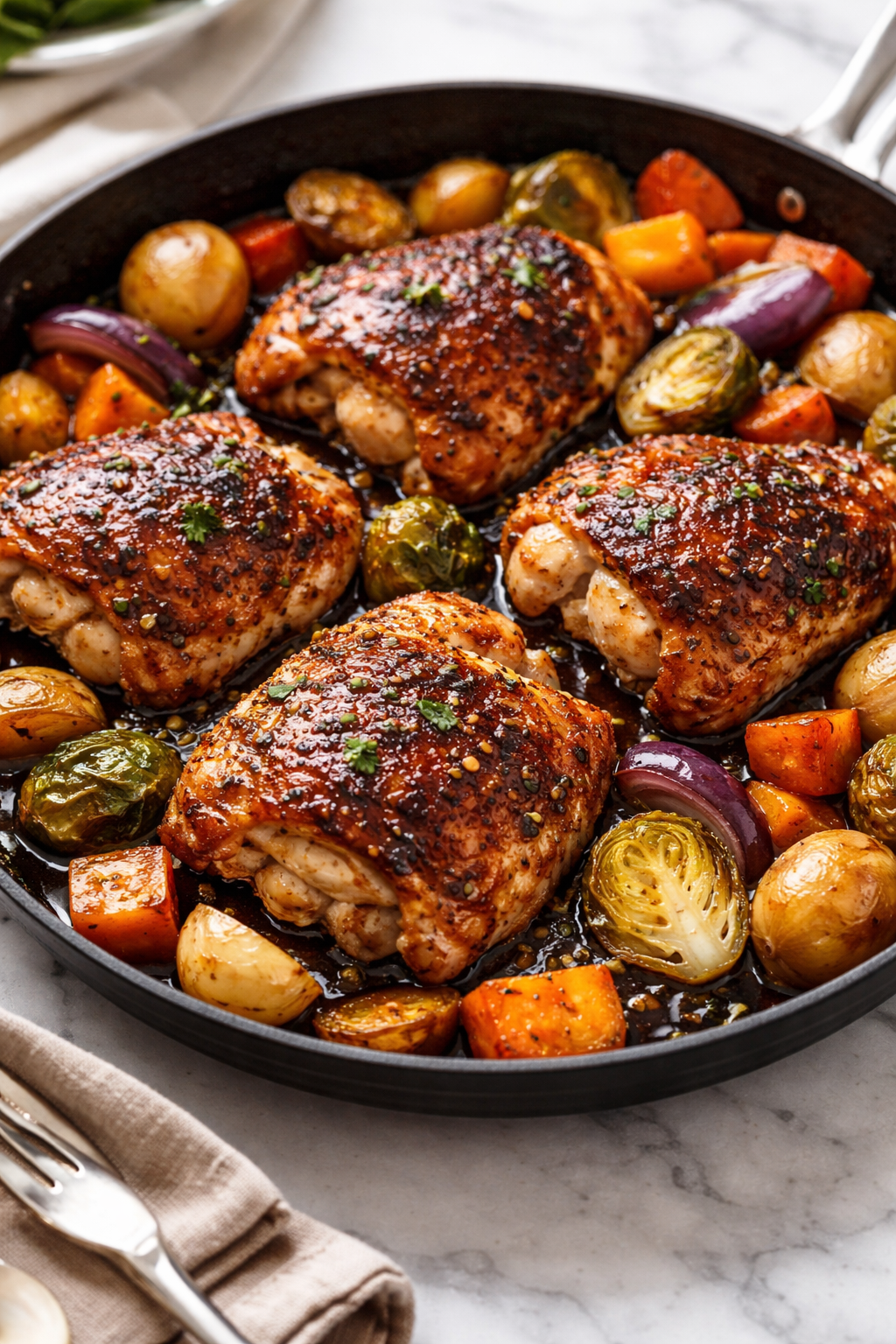
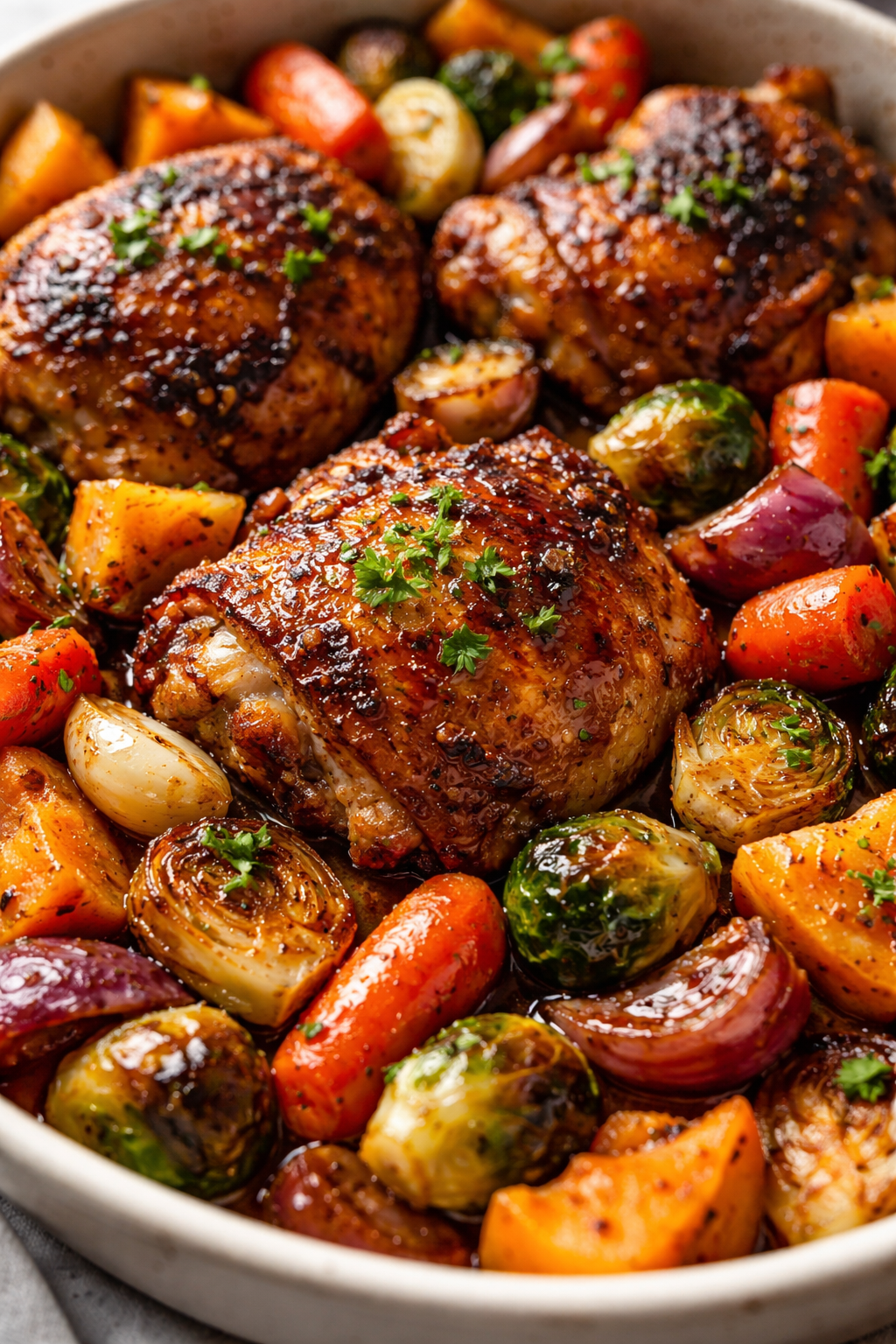
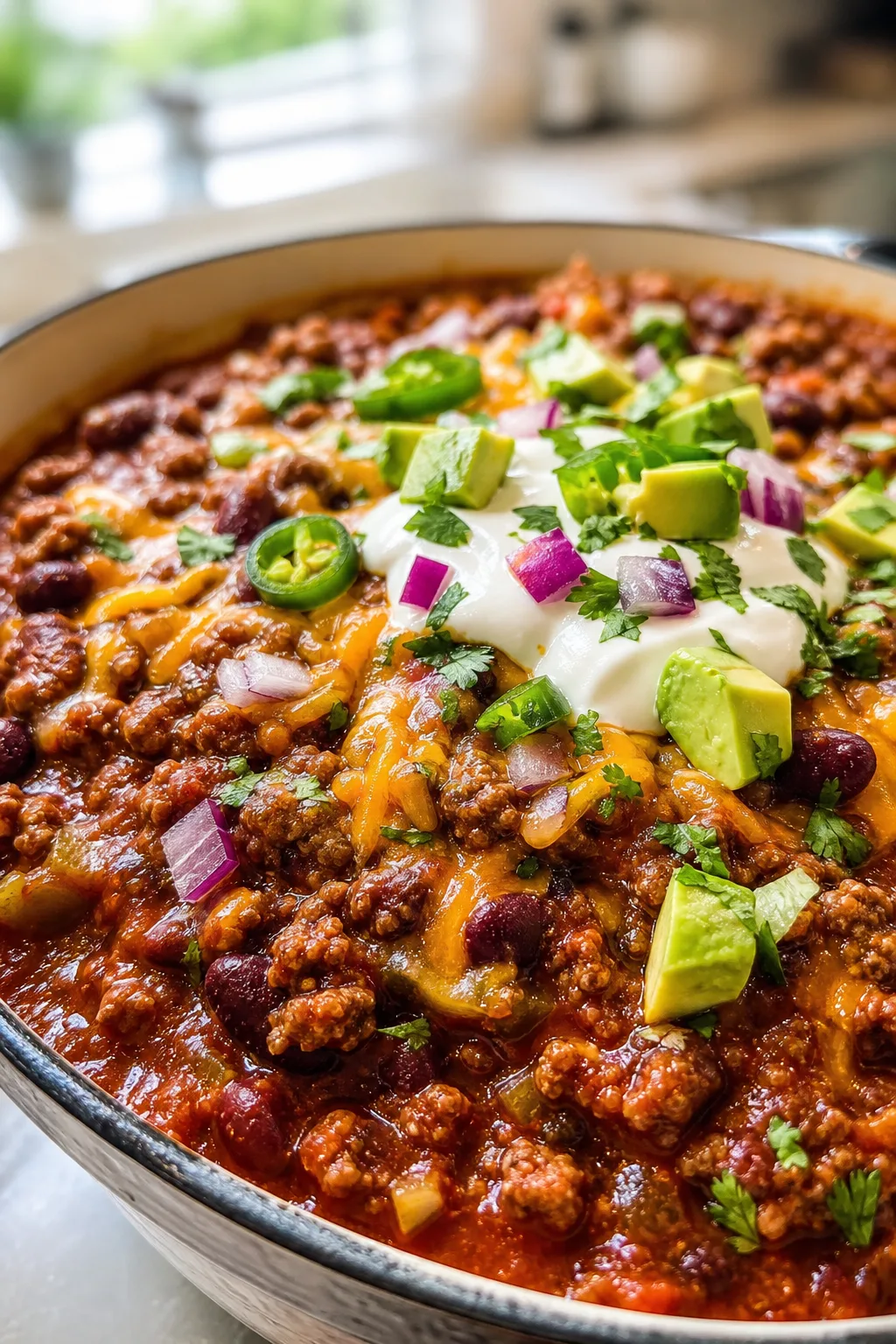
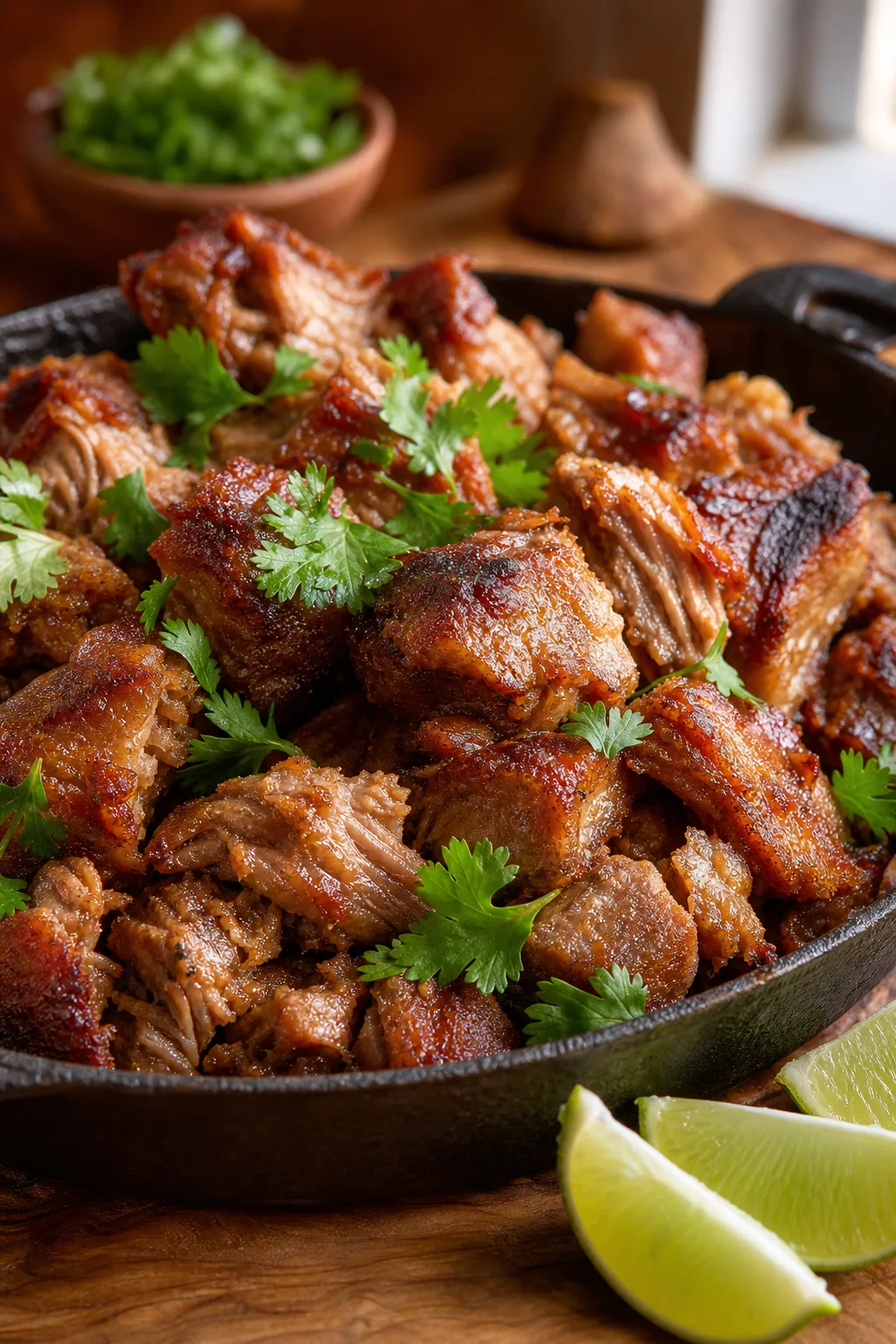
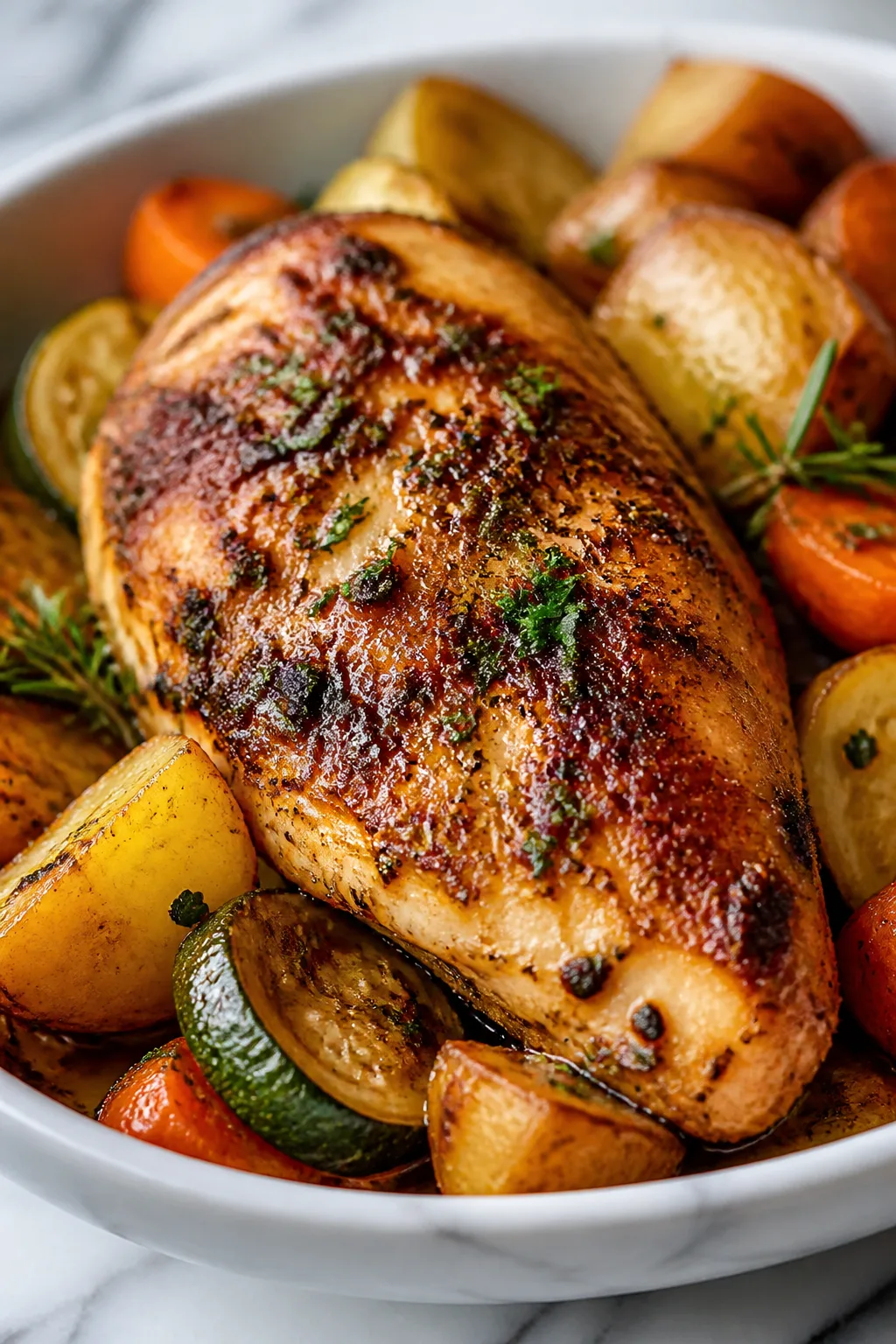
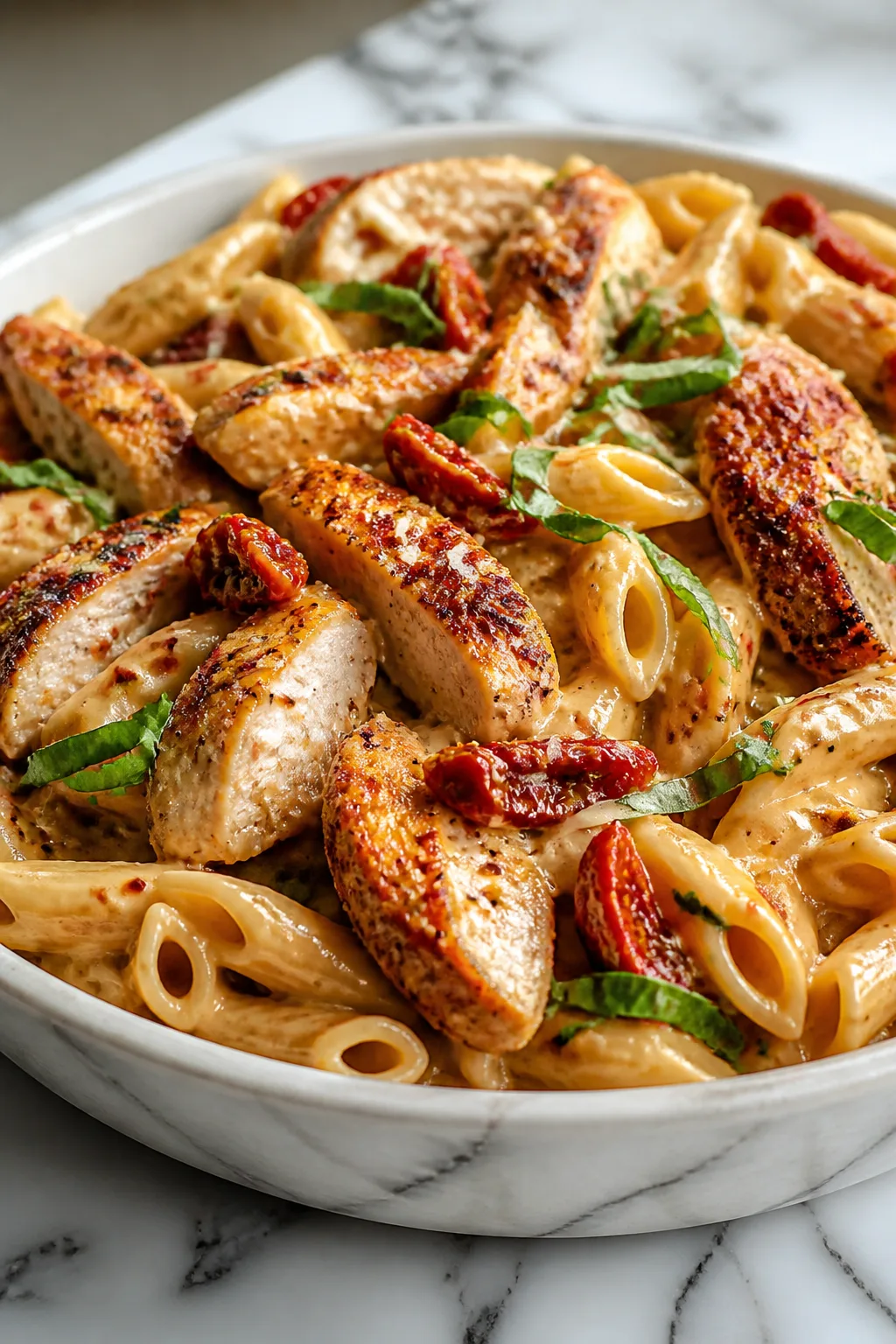
This cozy one-pan dinner features crispy chicken thighs with tender roasted autumn veggies glazed in a tangy balsamic sauce. It’s fuss-free, perfect for chilly nights when you want comfort food without the mess.
Introduction
I first made this one-pan balsamic chicken dish on a chilly autumn evening when I wanted something comforting but easy to throw together. The crispy skin on the chicken combined with the sweet-tangy balsamic glaze quickly won over my whole family. What sets my version apart is the balance of textures—the chicken skin crisps up beautifully while the veggies roast tender and caramelized, soaking up that glossy sauce. I like to use bone-in, skin-on thighs because they stay juicy and flavorful throughout cooking. The trick I learned is to start the chicken skin-side down in a hot pan to get that perfect golden crust before adding the veggies and sauce. The finished dish looks rustic yet inviting, with vibrant autumn colors and a shiny balsamic glaze that’s irresistible. It’s a real weeknight hero—minimal cleanup, big flavor, and cozy enough to make you feel like you spent hours in the kitchen, even if you didn’t. Plus, it’s flexible: swap in your favorite seasonal veggies or double the sauce for extra tang. I think you’ll love how this one-pan meal makes dinner feel both special and effortless.
How To Do It
Step 1
Preheat your oven to 425°F (220°C). Pat the chicken thighs dry with paper towels—this step is crucial because moisture on the skin prevents it from crisping up properly. Season both sides generously with salt and pepper. Heat olive oil in a large oven-safe skillet over medium-high heat until shimmering. Place the chicken thighs skin-side down carefully; you should hear a satisfying sizzle. Let them cook undisturbed for about 7-9 minutes. This initial sear renders the fat and crisps the skin, creating a golden, crunchy texture that’s key to the dish. Avoid moving the chicken too soon or you’ll lose that beautiful crust.
⏱ Time: 10 minutes
✓ Doneness: Skin is deep golden brown and releases easily from the pan
Step 2
Flip the chicken thighs over and scatter the Brussels sprouts, carrots, and red onion around the chicken in the skillet. Add the minced garlic on top of the veggies. In a small bowl, whisk together balsamic vinegar, honey, and dried thyme until smooth. Pour this mixture evenly over the chicken and vegetables. The tangy-sweet glaze will caramelize in the oven, coating everything with flavor. Transfer the skillet to the preheated oven and roast for 20-25 minutes until the chicken is cooked through (internal temp 165°F) and the vegetables are tender and slightly charred. Don’t rush this step; roasting gently melds the flavors and softens the veggies perfectly.
⏱ Time: 25 minutes
✓ Doneness: Chicken juices run clear, veggies are tender with browned edges, sauce is glossy and slightly thickened
Step 3
Remove the skillet from the oven and let the chicken rest for 5 minutes. This resting period allows the juices to redistribute throughout the meat, making it juicy and tender rather than dry. While resting, you can spoon some of the pan sauce over the chicken and veggies to enhance the flavor. Serve straight from the skillet for a rustic presentation. Watch out for the hot handle and use oven mitts! Resting also helps the balsamic glaze thicken slightly, giving a sticky, delicious finish.
⏱ Time: 5 minutes
✓ Doneness: Chicken feels firm but juicy when pressed gently, sauce clings nicely when spooned
Step 4
For extra crispiness on your chicken skin, after flipping the chicken in step 2, you can briefly return the skillet to the stovetop on medium heat for 2 minutes before roasting. This step revives the sear lost during flipping. Be careful not to burn the garlic or veggies during this quick sear. It’s a little extra step but adds a lovely texture contrast that I adore.
⏱ Time: 2 minutes
✓ Doneness: Skin sizzles softly and regains a golden hue
Step 5
If you don’t have an oven-safe skillet, transfer the chicken and veggies to a roasting pan after searing. Pour the balsamic glaze over everything evenly. Make sure to scrape any browned bits from the skillet into the pan—those bits add incredible flavor. This technique is called deglazing and it enriches the sauce with savory depth.
⏱ Time: 5 minutes
✓ Doneness: Pan or skillet has flavorful browned bits loosened with glaze
Step 6
When selecting vegetables, aim for similar roasting times to ensure everything finishes evenly. Brussels sprouts and carrots work beautifully here because they soften and caramelize at roughly the same pace. Cut veggies uniformly so they cook evenly. If you want to add potatoes or sweet potatoes, cut them smaller or parboil briefly to match timing.
⏱ Time: Varies, prep only
✓ Doneness: Veggies cut evenly, no overly large or tiny pieces
Step 7
Use a meat thermometer to check chicken doneness for best results. Insert it into the thickest part without touching bone. Once it reads 165°F, your chicken is safe to eat and perfectly juicy. Overcooking dries out the meat, so this tool is your best friend for foolproof results.
⏱ Time: During roasting
✓ Doneness: Thermometer reads 165°F in thickest part
Step 8
If you want a thicker balsamic glaze sauce, after roasting, remove the chicken and veggies and place the skillet on the stove over medium heat. Simmer the pan juices for 3-5 minutes until slightly reduced and syrupy. Pour over the chicken when serving. This intensifies the flavor and adds a beautiful glossy finish.
⏱ Time: 3-5 minutes
✓ Doneness: Sauce coats spoon and clings without running off
Step 9
Garnish with fresh thyme or parsley before serving to add a pop of color and fresh herbal aroma. This final touch elevates the rustic dish and brightens the deep balsamic flavors. Plus, it makes your dinner look extra inviting!
⏱ Time: 1 minute
✓ Doneness: Fresh herbs vibrant and fragrant on top of dish
Variations
Spicy Balsamic Chicken with Roasted Sweet Potatoes
Add a kick by mixing chili flakes into the balsamic glaze and swap carrots for cubed sweet potatoes. The sweet heat pairs perfectly with the tangy sauce, adding depth. Expect slightly softer veggies and a warm spice note.
Note: Sweet potatoes roast faster than carrots, so cut into larger chunks to avoid mushiness.
Herb-Infused Balsamic Chicken with Root Vegetables
Use fresh rosemary and sage instead of thyme, and add parsnips and turnips alongside the Brussels sprouts. This earthy twist enhances the rustic feel and deepens flavors, with a heartier vegetable medley.
Note: Root vegetables may need a few extra minutes roasting to become tender; check doneness accordingly.
Honey Mustard Glazed Chicken with Green Beans
Swap balsamic for a honey mustard glaze and replace carrots with crisp green beans. This brightens the dish and adds a tangy-sweet contrast, perfect for spring or summer dinners.
Note: Green beans roast faster; add them halfway through cooking to keep their snap.
Lemon Garlic Balsamic Chicken with Asparagus
Add lemon zest and juice to the balsamic glaze and swap carrots for asparagus spears. The citrus adds freshness, while asparagus cooks quickly for a lighter side.
Note: Add asparagus during the last 10 minutes of roasting to avoid overcooking.
Vegan Balsamic Roasted Vegetables
Omit chicken and double the veggies like Brussels sprouts, carrots, and add cauliflower florets. Toss with balsamic glaze and roast until caramelized for a hearty vegan main or side dish.
Note: Roast veggies a bit longer to develop deeper caramelization without drying out.
Pro Tips
Always pat chicken skin dry before cooking.
Removing moisture from the skin allows it to crisp up instead of steaming. Water creates steam which prevents that golden, crunchy crust we want. This simple step is the foundation for crispy skin.
Sear chicken skin-side down without moving it.
Letting the chicken sit undisturbed in the hot pan encourages even rendering of fat and Maillard browning. Moving it too soon causes sticking and uneven browning, ruining the texture.
Use a meat thermometer to check doneness.
This prevents overcooking or undercooking. Chicken thighs should reach 165°F internally for safety and juiciness. Guesswork often leads to dry or unsafe meat.
Cut vegetables uniformly.
Evenly sized pieces cook at the same rate, avoiding some being mushy while others remain raw. This results in a balanced texture throughout.
Rest chicken after roasting.
Resting allows juices to redistribute, making the meat moist and tender. Cutting immediately causes juices to run out, drying the chicken.
Deglaze the pan with balsamic glaze.
Scraping up browned bits adds deep flavor to the sauce. These bits contain concentrated savory compounds that elevate the dish’s taste.
Roast at high heat (425°F).
High heat promotes caramelization and browning without drying out the meat. It also helps the glaze thicken and veggies to crisp at the edges.
Common Mistakes to Avoid
Not drying chicken skin before cooking
Why it happens Many overlook this step, assuming seasoning is enough. Moisture on skin creates steam and prevents crispiness.
Fix Use paper towels to thoroughly pat the skin dry before seasoning and searing. This ensures the skin crisps up beautifully.
Moving chicken too soon in the pan
Why it happens Impatience or fear of sticking leads cooks to flip or move chicken before it’s ready.
Fix Let chicken cook undisturbed on skin side until it naturally releases from the pan—usually 7-9 minutes. This guarantees even browning.
Overcrowding the pan with veggies
Why it happens Trying to fit everything in one pan leads to crowded veggies that steam instead of roast.
Fix Spread veggies in a single layer with space between pieces. Use a larger pan if needed to promote caramelization.
Skipping resting time after roasting
Why it happens Eager to eat, some cut into chicken right away, losing precious juices.
Fix Let chicken rest 5 minutes post-roast to keep it juicy and tender.
Using low heat for roasting
Why it happens Some think slow cooking is better for tenderness, but low heat prevents caramelization.
Fix Roast at 425°F to develop rich color and flavor while keeping meat juicy.
Nutrition
Per Serving:
Nutritional values are estimates and may vary based on specific ingredients used.
Storage & Tips
Room Temperature
This dish can safely sit at room temperature for up to 2 hours if covered loosely with foil. Beyond that, bacteria growth increases risk, so refrigerate promptly.
Refrigerator
Store leftovers in an airtight container for up to 3 days. The chicken skin will soften when cold, but reheating in the oven restores crispiness. Veggies may become softer but remain flavorful.
Freezer
Freeze cooked chicken and veggies in a sealed freezer-safe container for up to 2 months. Wrap tightly to prevent freezer burn. Thaw overnight in the fridge before reheating.
Reheating
Reheat in a 375°F oven for 10-15 minutes until warmed through and skin crisps back up. Avoid microwaving as it softens the skin and veggies. Add a splash of water or broth if sauce thickens too much.
Make Ahead
You can prep and sear the chicken a day ahead, then refrigerate covered. Chop veggies and mix glaze separately. Assemble and roast everything fresh on serving day for best texture and flavor.
FAQ
Can I use boneless chicken thighs for this recipe?
Yes, you can substitute boneless thighs, but they cook faster and won’t have the same juicy, tender texture as bone-in. Reduce roasting time accordingly and watch carefully to avoid drying out the meat.
What can I substitute for balsamic vinegar?
If you don’t have balsamic vinegar, a mix of red wine vinegar and a little brown sugar or honey works well. It won’t have the same depth or sweetness, but it still provides acidity and tang to balance the dish.
How do I make the chicken skin extra crispy?
Pat the skin very dry and sear skin-side down on medium-high heat without moving it for several minutes. Also, roasting at high heat helps crisp the skin. Avoid covering the pan during cooking.
Can I make this recipe gluten-free?
Absolutely! The recipe is naturally gluten-free as long as you check that your balsamic vinegar and honey don’t contain any additives with gluten. Always verify ingredient labels to be safe.
What other vegetables can I use with this dish?
Root veggies like parsnips, sweet potatoes, or beets work well. Green beans, asparagus, or bell peppers can be added but may require timing adjustments since they roast faster.
Is it okay to prepare this dish entirely in advance?
You can prep ingredients and sear chicken a day ahead, but roasting is best done fresh to preserve texture. Fully cooked leftovers reheat well but won’t have as crisp skin.
How do I prevent the vegetables from getting soggy?
Cut veggies evenly and don’t overcrowd the pan to allow air circulation. Roasting at high temperature helps evaporate moisture quickly, keeping veggies tender but not mushy.
What’s the best way to reheat leftovers?
Reheat in the oven at 375°F for 10-15 minutes to restore crispiness. Avoid microwaving as it makes skin rubbery and veggies soggy.
Final Thoughts
Give this one-pan balsamic chicken a try and enjoy a cozy, flavorful meal with minimal fuss. I’d love to hear how it turns out for you—don’t forget to share your pics!