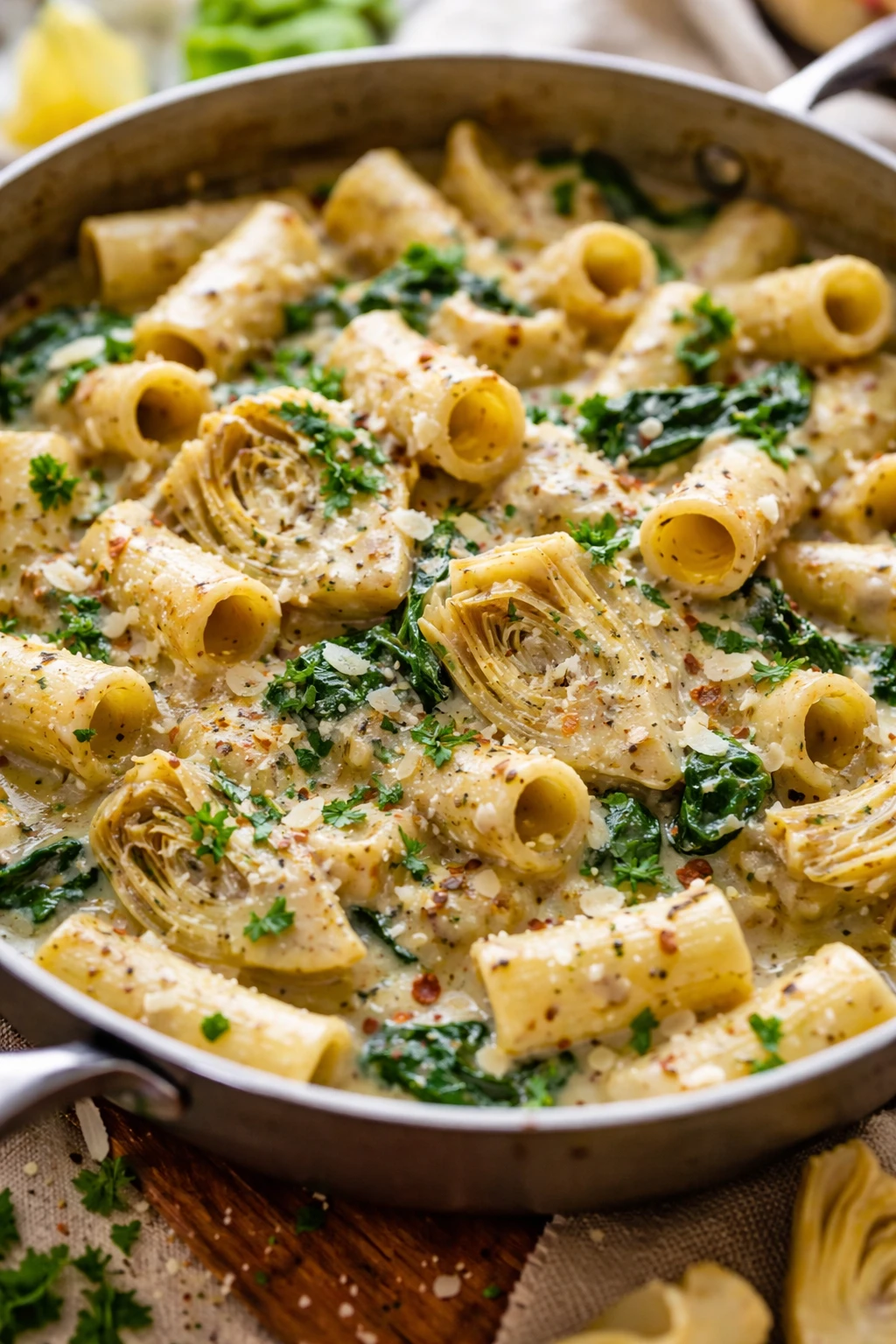
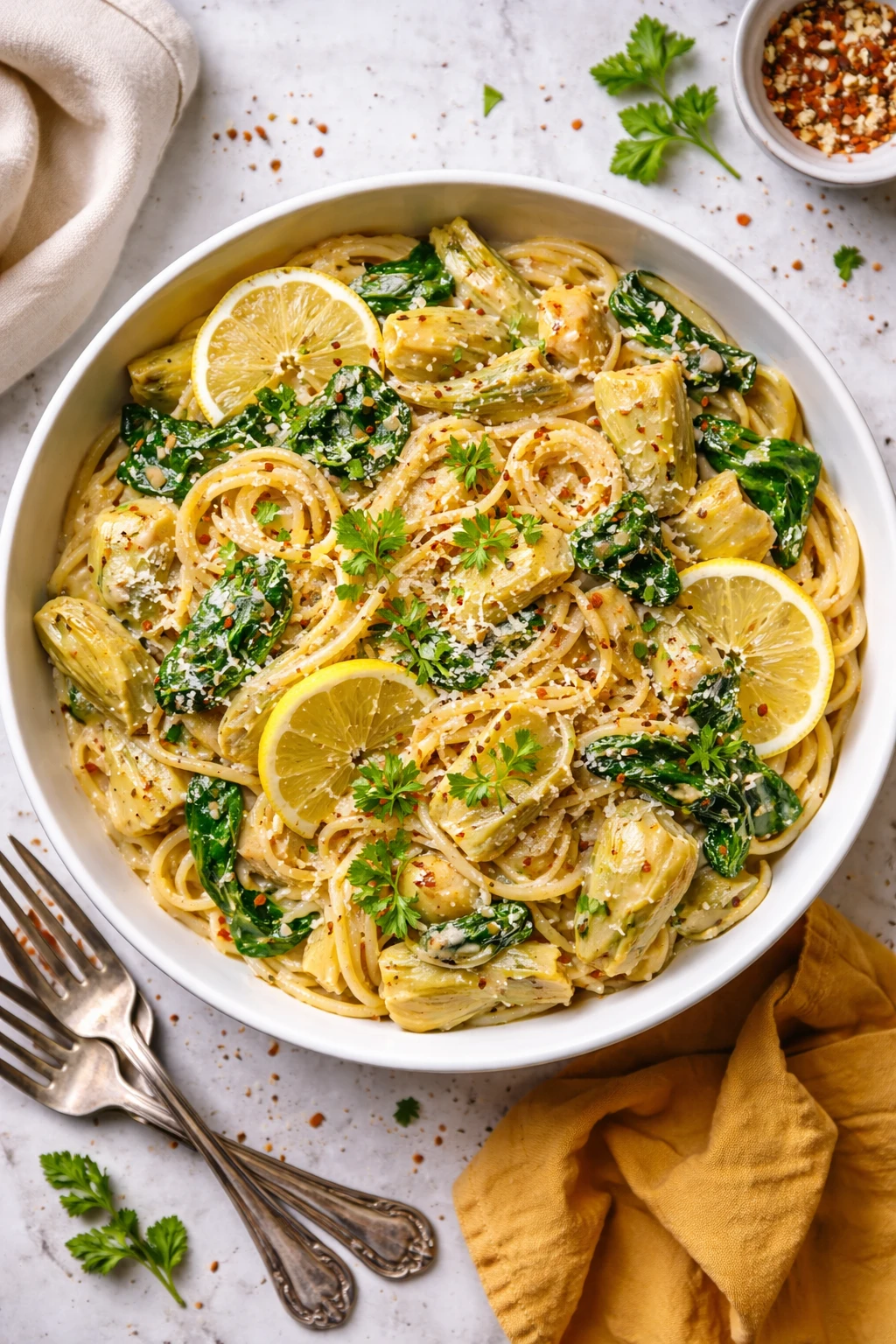
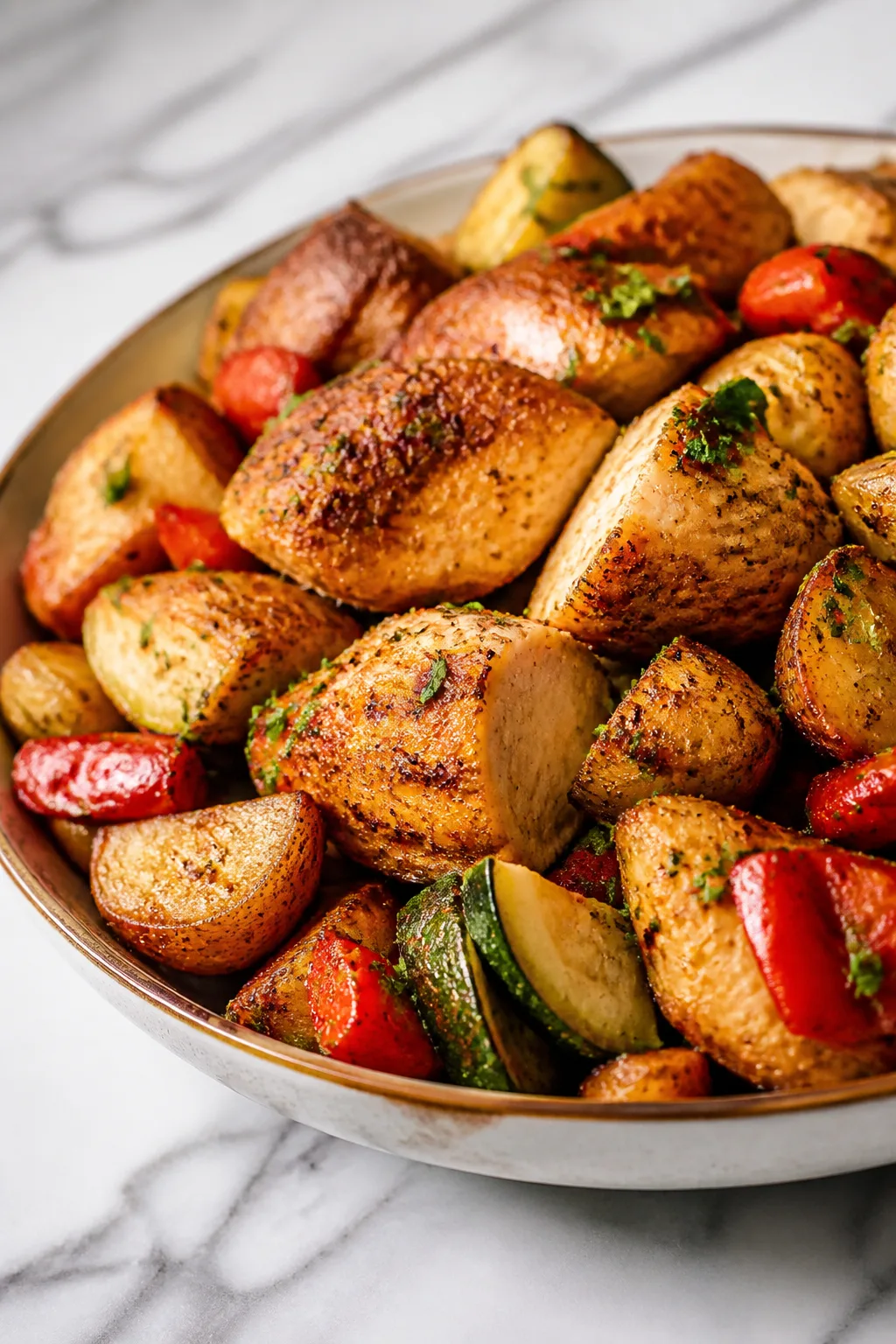
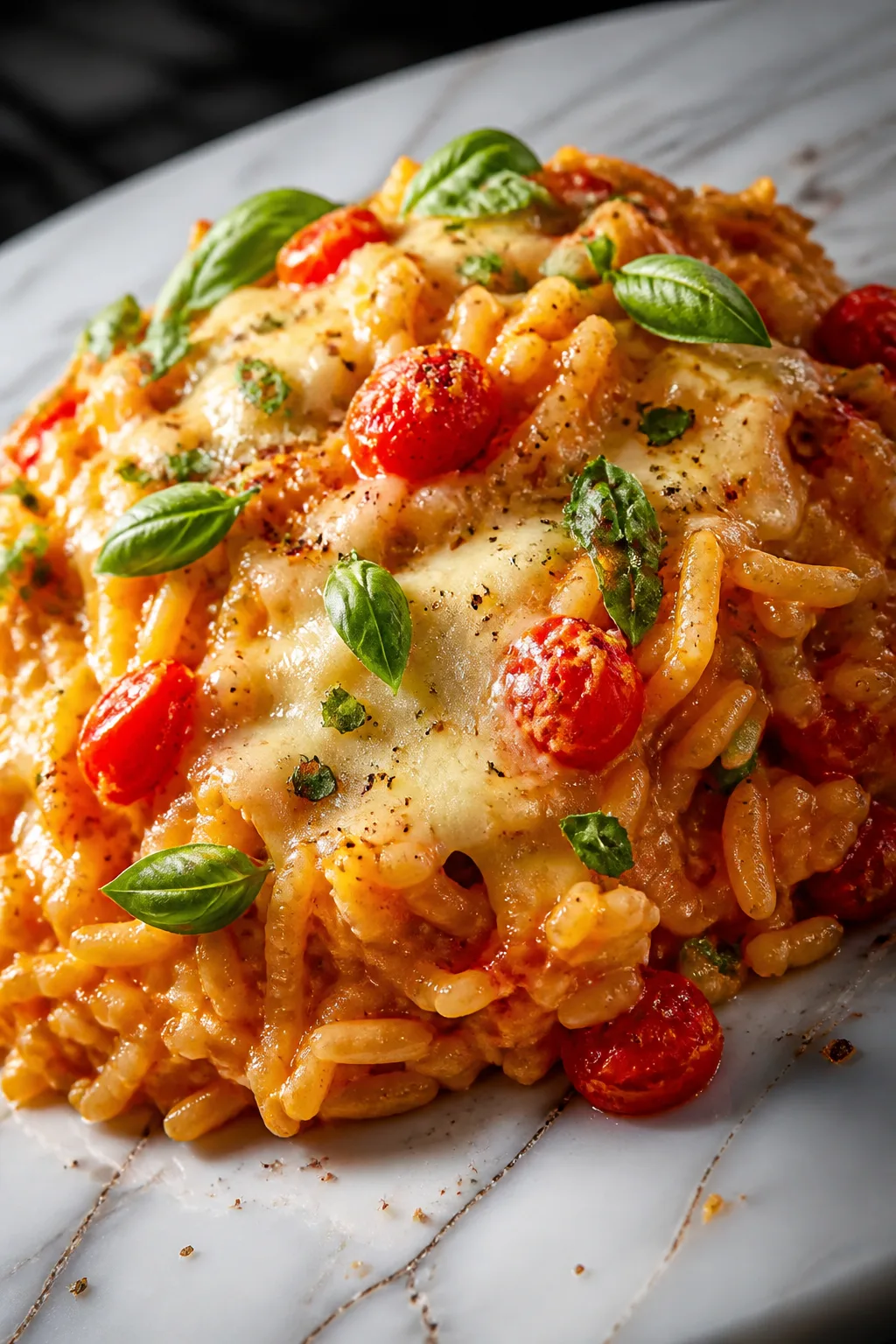
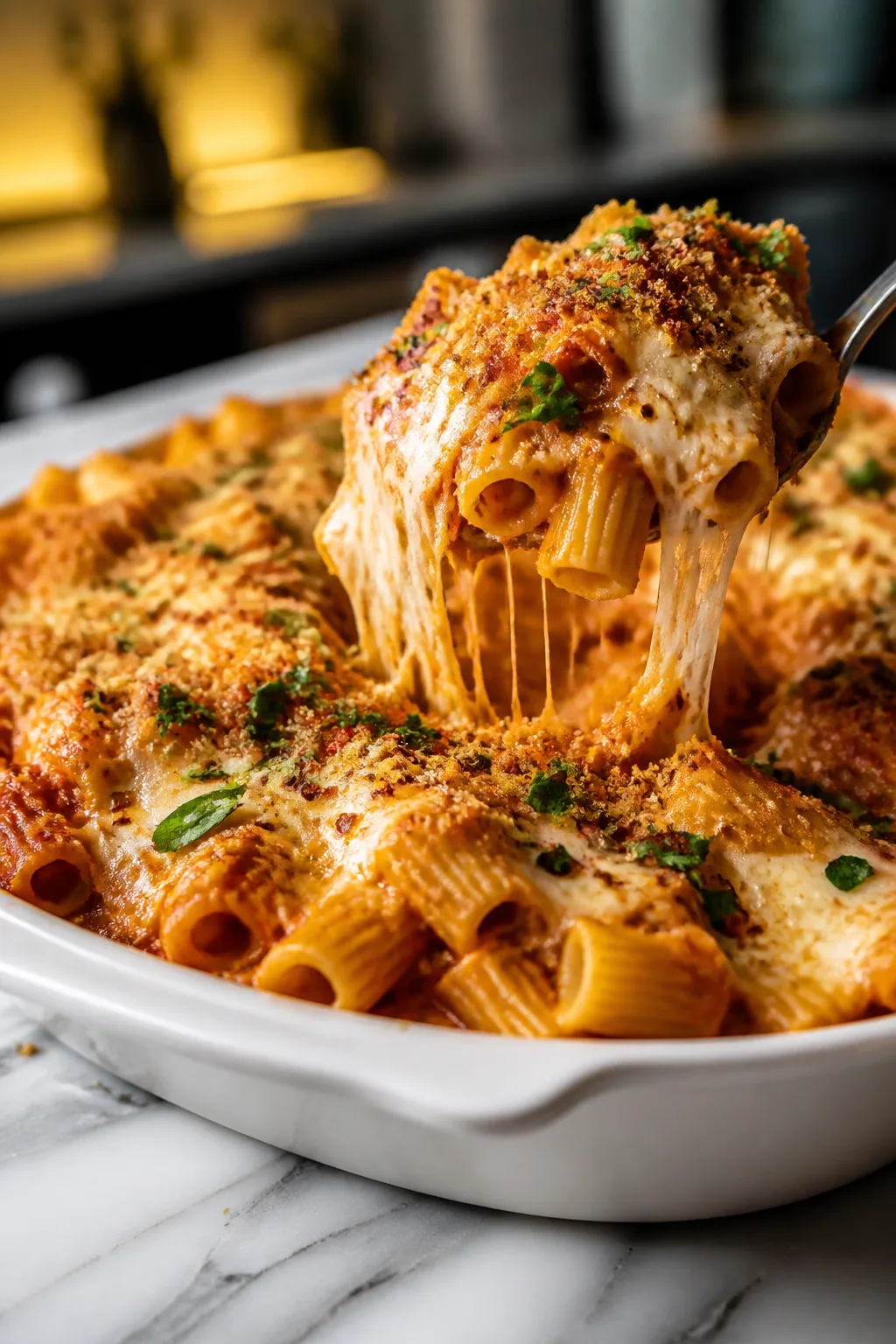
This one-pot artichoke pasta is delightfully creamy and tangy, perfect for those busy nights when you want something quick but special. The artichokes add a fresh twist that makes it stand out. Super easy and comforting!
Introduction
I stumbled upon this one-pot artichoke pasta recipe on a hectic weeknight when I just wanted something comforting and quick but with a little twist. I’ve always loved how artichokes bring a bright, slightly tangy flavor, so I decided to experiment by adding them to a creamy pasta. The result? A dish that’s rich, velvety, and fresh all at once. What I love about this version is how everything cooks together in one pot—less mess, less fuss, and the pasta soaks up all those lovely flavors. One trick I learned is to add the lemon juice right at the end; it really lifts the whole dish and balances the creaminess perfectly. The finished pasta has this beautiful, glossy sauce that clings to every bite, and the artichokes add a subtle bite that makes it feel special, even though it’s so simple. It’s become my go-to when I want a fuss-free dinner that feels a little fancy. Plus, it reheats wonderfully for leftovers, which is always a win in my book!
How To Do It
Step 1
Heat the olive oil in a large deep skillet or pot over medium heat. Add the diced onion and sauté until soft and translucent, about 4-5 minutes. This step is key because it builds the flavor base; caramelizing the onions gently brings out their natural sweetness, which balances the tanginess of the artichokes later. Avoid browning or burning them, as that would add a bitter note.
⏱ Time: 5
✓ Doneness: Onions should be soft, translucent, and fragrant without any brown edges.
Step 2
Add the minced garlic and cook for about 1 minute until fragrant. Be careful not to burn the garlic, as burnt garlic tastes bitter and can ruin the sauce. Stir constantly and watch for the aroma to become noticeable but before it browns.
⏱ Time: 1
✓ Doneness: You’ll smell a fresh, garlicky aroma and see the garlic just turning golden.
Step 3
Pour in the vegetable broth and bring it to a gentle boil. Then add the dry pasta and chopped artichoke hearts. Stir to combine everything evenly. Cooking the pasta in broth instead of water infuses it with extra flavor from the start, so don't skip this step. The artichokes will also soften as the pasta cooks.
⏱ Time: 2
✓ Doneness: Broth is bubbling gently, and pasta is submerged and evenly distributed.
Step 4
Reduce the heat to medium-low and simmer uncovered, stirring occasionally to prevent the pasta from sticking to the bottom. This slow simmer lets the pasta cook perfectly while the liquid reduces just enough to create a creamy base. Avoid rushing this or stirring too aggressively, which can make pasta mushy or break it apart.
⏱ Time: 12
✓ Doneness: Pasta should be tender but firm (al dente), and broth reduced by about half.
Step 5
Once the pasta is nearly done, stir in the heavy cream and Parmesan cheese. The cream adds luscious richness, while Parmesan brings a salty, nutty depth. Stir gently to melt the cheese and blend everything into a silky sauce. If you add cheese too early, it can clump or separate, so timing matters here.
⏱ Time: 3
✓ Doneness: Sauce should be smooth, creamy, and coat the pasta evenly.
Step 6
Season with salt and freshly ground black pepper to taste. Remember to taste before adding salt because Parmesan is already salty. Adjust seasoning gradually to avoid over-salting.
⏱ Time: 2
✓ Doneness: Balanced seasoning with no overpowering saltiness.
Step 7
Turn off the heat and stir in the lemon juice. This brightens the dish, cutting through the richness and adding freshness. Adding lemon juice last preserves its vibrant flavor and prevents bitterness that can develop if cooked too long.
⏱ Time: 1
✓ Doneness: You’ll notice a fresh, citrusy aroma and a slight tang on the palate.
Step 8
Serve immediately, garnished with chopped fresh parsley for a pop of color and herbaceous note. It adds a lovely freshness that complements the creamy sauce perfectly.
⏱ Time: 1
✓ Doneness: Dish looks vibrant with green parsley and creamy sauce coating pasta.
Step 9
If you have leftovers, store them in an airtight container in the fridge. When reheating, add a splash of broth or water to loosen the sauce, warming gently on the stove or in the microwave to prevent curdling.
⏱ Time: 1
✓ Doneness: Reheated pasta should be creamy and smooth, not dry or clumpy.
Variations
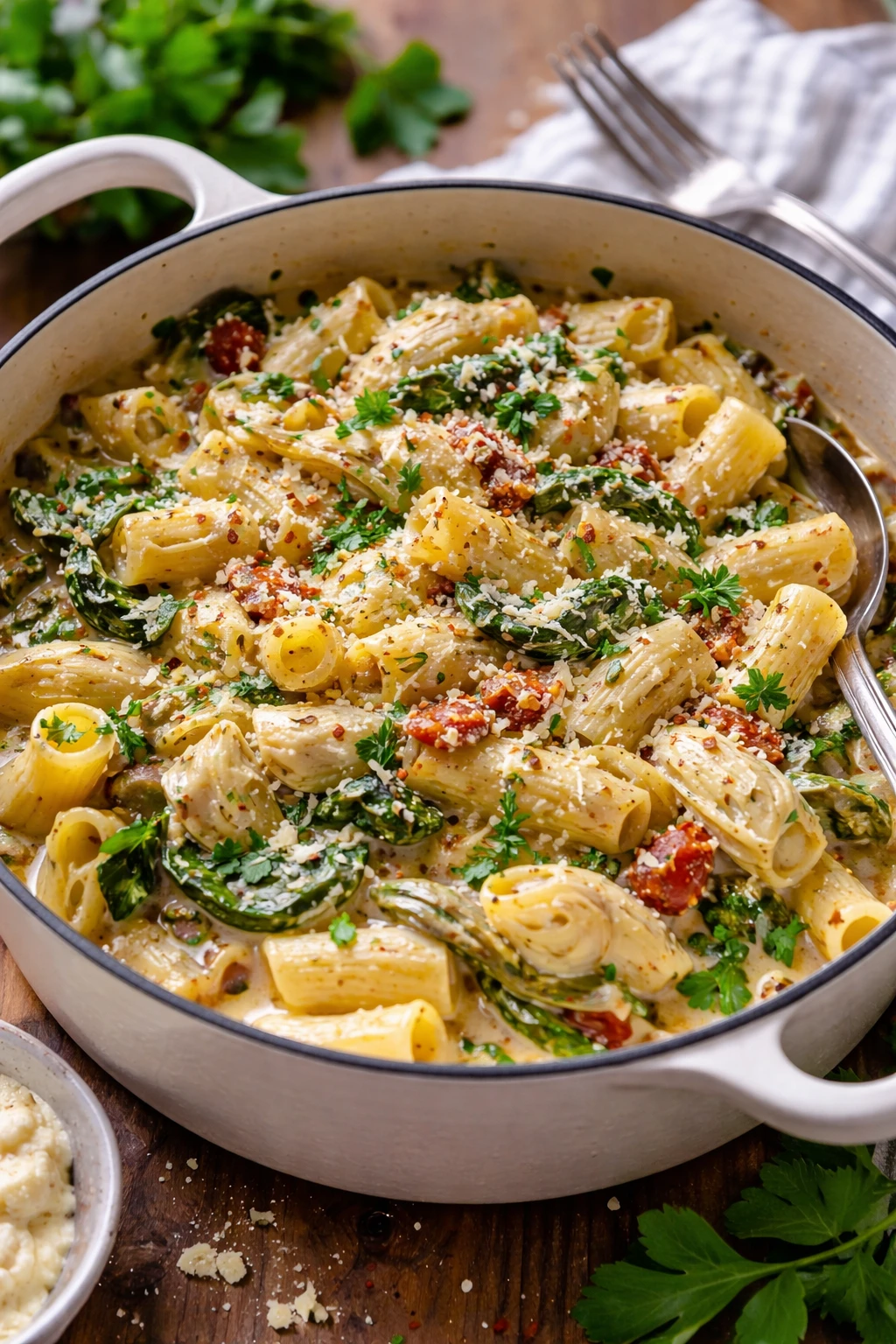
Add Spinach and Sun-Dried Tomatoes
Throw in a handful of fresh spinach and chopped sun-dried tomatoes along with the artichokes for a colorful, nutrient-packed twist. The spinach wilts down adding earthiness, while sun-dried tomatoes boost sweetness and tang.
Note: Add spinach in the last few minutes of cooking so it just wilts without overcooking. Sun-dried tomatoes can be stirred in with the artichokes.
Swap Heavy Cream for Coconut Milk
For a dairy-free version, replace heavy cream with full-fat coconut milk. This gives the sauce a subtle coconut flavor and creamy texture without dairy, perfect for vegans or those with lactose intolerance.
Note: Use canned coconut milk and add it after the pasta is cooked, stirring gently to combine without curdling.
Add Grilled Chicken for Protein Boost
Top the creamy artichoke pasta with sliced grilled chicken breasts for a hearty meal. Marinate the chicken in lemon and herbs to complement the pasta’s flavors.
Note: Cook chicken separately and add on top when serving to keep it juicy and tender.
Make It Spicy with Red Pepper Flakes
If you like a little heat, sprinkle some red pepper flakes into the onion and garlic saute. It adds a nice kick that pairs well with the creamy sauce without overpowering the artichokes.
Note: Add red pepper flakes early with garlic so their flavor infuses into the oil.
Use Fresh Artichokes Instead of Canned
For a fresher, more textured version, prepare fresh artichokes by trimming and boiling them before chopping and adding. This gives a more pronounced artichoke flavor and firmer bite.
Note: Trim and boil fresh artichokes until tender before chopping and adding with the pasta at the broth stage.
Pro Tips
Use freshly grated Parmesan cheese instead of pre-grated for a smoother sauce.
Pre-grated Parmesan often contains anti-caking agents that prevent it from melting smoothly, which can lead to a grainy sauce. Freshly grated cheese melts evenly and helps create a creamy, cohesive texture.
Don’t rush the pasta cooking; simmer gently to let starches release gradually.
A slow simmer allows the pasta starch to thicken the broth naturally, creating a luscious sauce. Boiling too hard or stirring aggressively can break the pasta and make the sauce gluey or thin.
Add lemon juice at the very end to keep its bright, fresh flavor intact.
Cooking lemon juice for too long causes bitterness and dulls its citrus aroma. Adding it last brightens the entire dish and balances the richness of the cream and cheese perfectly.
Use a wide, deep skillet or pot to give the pasta enough surface area to cook evenly.
A wide pan allows the pasta to spread out and cook in a single layer, preventing sticking and ensuring even absorption of broth and flavors.
Reserve a splash of broth or water before adding cream to adjust sauce consistency if needed.
Sometimes the pasta absorbs more liquid than expected. Having some broth on hand lets you loosen the sauce gently without watering it down.
Stir gently when adding cream and cheese to avoid breaking the sauce.
Vigorous stirring or overheating can cause the dairy to separate or curdle. Gentle mixing and moderate heat keep the sauce smooth and velvety.
Drain artichokes well to prevent excess liquid from thinning the sauce.
Excess moisture from canned or thawed artichokes can dilute the sauce and make it watery. Patting them dry ensures the sauce stays rich and creamy.
Common Mistakes to Avoid
Overcooking the pasta until mushy
Why it happens It’s tempting to cook pasta longer in one pot recipes, especially with added ingredients, but this breaks down the pasta’s structure.
Fix Keep an eye on the pasta’s texture and test it a minute or two before the package instructions. The pasta should be al dente—tender but still firm—so it holds up and absorbs sauce without becoming mushy.
Adding cheese too early and getting a grainy sauce
Why it happens Cheese proteins can clump if exposed to high heat or cooked too long, resulting in a broken sauce.
Fix Add Parmesan cheese after the pasta is cooked and the heat is lowered or off. Stir gently to melt the cheese evenly into the cream without overheating.
Not draining artichokes properly, causing watery sauce
Why it happens Canned or thawed artichokes hold excess liquid that dilutes the sauce if not drained well.
Fix Drain and pat artichokes dry with paper towels before adding them to the pot to maintain sauce thickness and flavor.
Skipping the lemon juice or adding it too early
Why it happens Lemon juice added too soon loses brightness and can become bitter when cooked too long.
Fix Add lemon juice right at the end, off the heat, to preserve its fresh, tangy flavor that balances the richness.
Using pre-grated Parmesan with anti-caking agents
Why it happens These additives prevent smooth melting and can create a grainy texture in the sauce.
Fix Always grate your own Parmesan cheese fresh for the best melting and flavor.
Nutrition
Per Serving:
Nutritional values are estimates and may vary based on specific ingredients used.
Storage & Tips
Room Temperature
This pasta can safely sit at room temperature for up to 2 hours if covered. Beyond that, it's best to refrigerate to prevent bacterial growth. Cover the pot or transfer to a bowl with plastic wrap to keep it from drying out.
Refrigerator
Store leftovers in an airtight container for up to 3 days. The sauce may thicken and flavors meld, but it can taste slightly less fresh. Reheat gently to restore creaminess, adding a splash of broth or water if needed.
Freezer
Freeze in a freezer-safe container for up to 2 months. Wrap tightly to prevent freezer burn. Thaw overnight in the fridge before reheating. Expect some slight texture changes but still delicious.
Reheating
Reheat on the stovetop over low heat or in the microwave in short bursts. Add a splash of broth or water to loosen the sauce and stir gently. Avoid high heat to prevent curdling or drying out.
Make Ahead
You can prep the sauce base and cook the pasta separately a day ahead. Store pasta and sauce separately and combine just before serving to keep textures optimal. Alternatively, make the full dish and reheat gently.
FAQ
Can I use fresh artichokes instead of canned?
Absolutely! Fresh artichokes add a lovely texture and flavor, but they require more prep time—trimming, boiling until tender, and chopping. Use them in place of canned by adding them when you add the pasta to the broth. Just make sure they're cooked through to avoid toughness.
What if I don’t have heavy cream? Can I substitute?
You can substitute with half-and-half or whole milk for a lighter sauce, but it won’t be as rich or creamy. Another good option is coconut milk for a dairy-free twist. Just be mindful that lower-fat alternatives may not thicken the sauce as well.
Why does my sauce sometimes turn grainy?
Graininess usually comes from adding cheese too early or overheating the sauce. Parmesan needs gentle heat to melt smoothly. Make sure to add cheese after the pasta is cooked and the heat is low or off, stirring gently to avoid clumping.
Can I make this recipe vegan?
Yes! Swap heavy cream for coconut milk or a cashew cream, and use a vegan Parmesan substitute or nutritional yeast for that cheesy flavor. The texture will be slightly different but still delicious and creamy.
How do I prevent the pasta from sticking in one-pot recipes?
Stir the pasta occasionally during cooking and use enough liquid to keep it submerged. Using a wide pot and moderate heat helps prevent sticking. Also, avoid rushing the cooking by maintaining a gentle simmer rather than a rolling boil.
Can I add other vegetables to this dish?
Definitely! Spinach, sun-dried tomatoes, or mushrooms work beautifully. Add quick-cooking veggies like spinach near the end to just wilt, and heartier ones like mushrooms early with the onions to develop flavor.
Is this recipe freezer-friendly?
Yes, you can freeze leftovers for up to 2 months. The texture may change slightly upon thawing, and the sauce might separate a bit. Reheat gently with a splash of broth to restore creaminess.
What’s the best way to reheat this pasta without drying it out?
Reheat slowly on the stovetop over low heat or in the microwave in short intervals. Add a little broth or water to loosen the sauce, and stir gently. Avoid high heat which can cause the cream to separate or the pasta to dry.
Final Thoughts
I hope you give this creamy one-pot artichoke pasta a try soon—it’s become one of my favorite quick dinners. Let me know how it turns out and if you add your own twist!