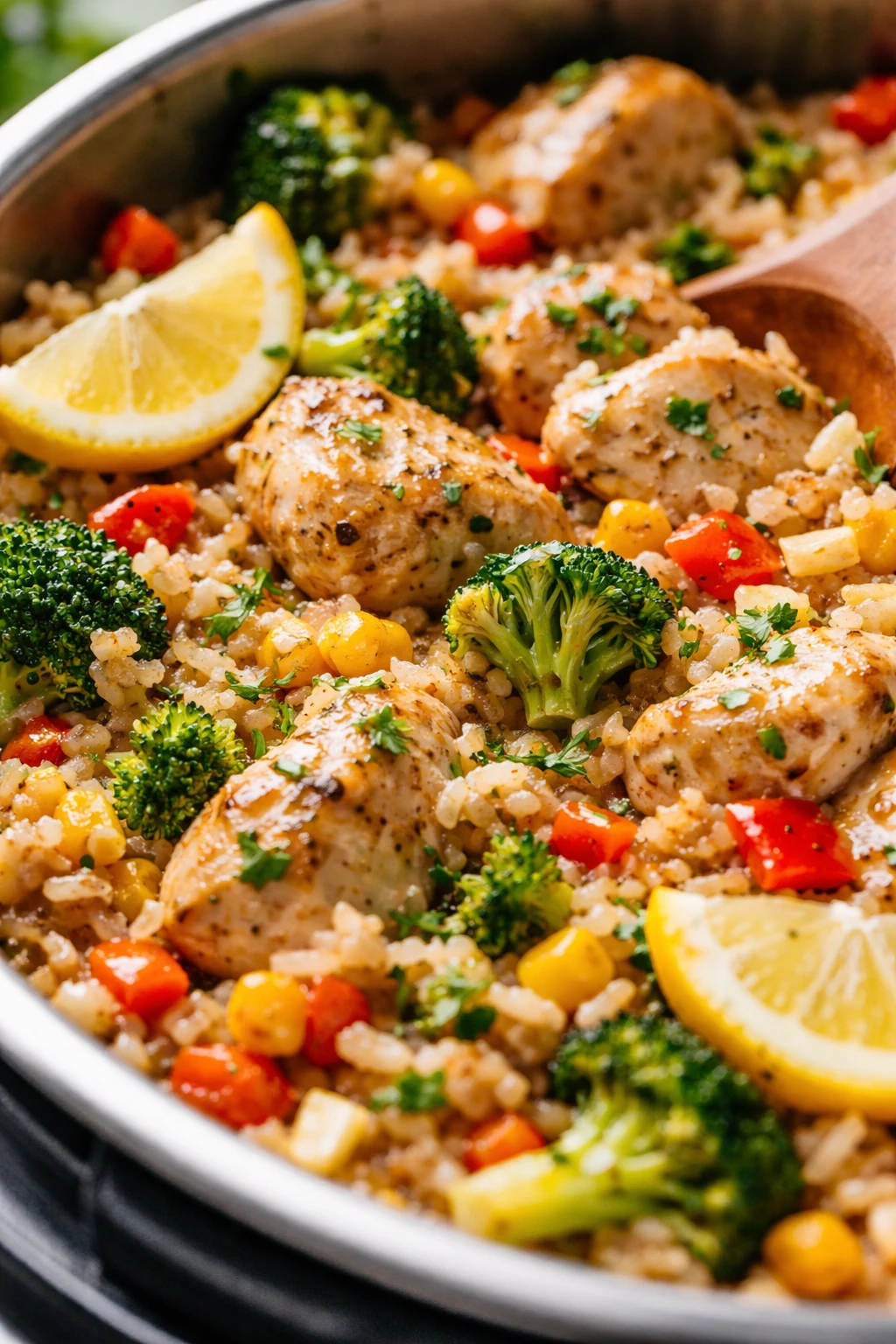
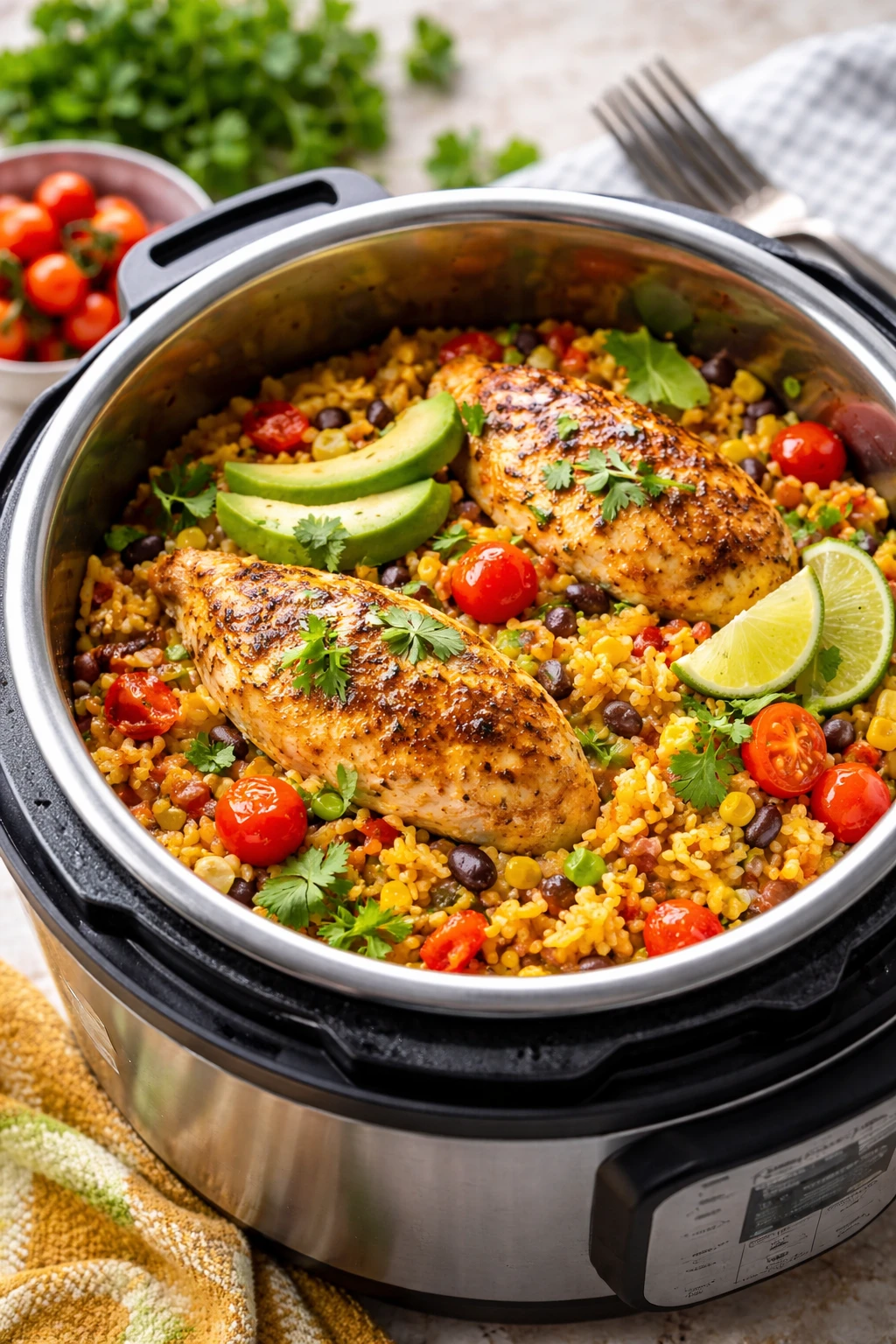
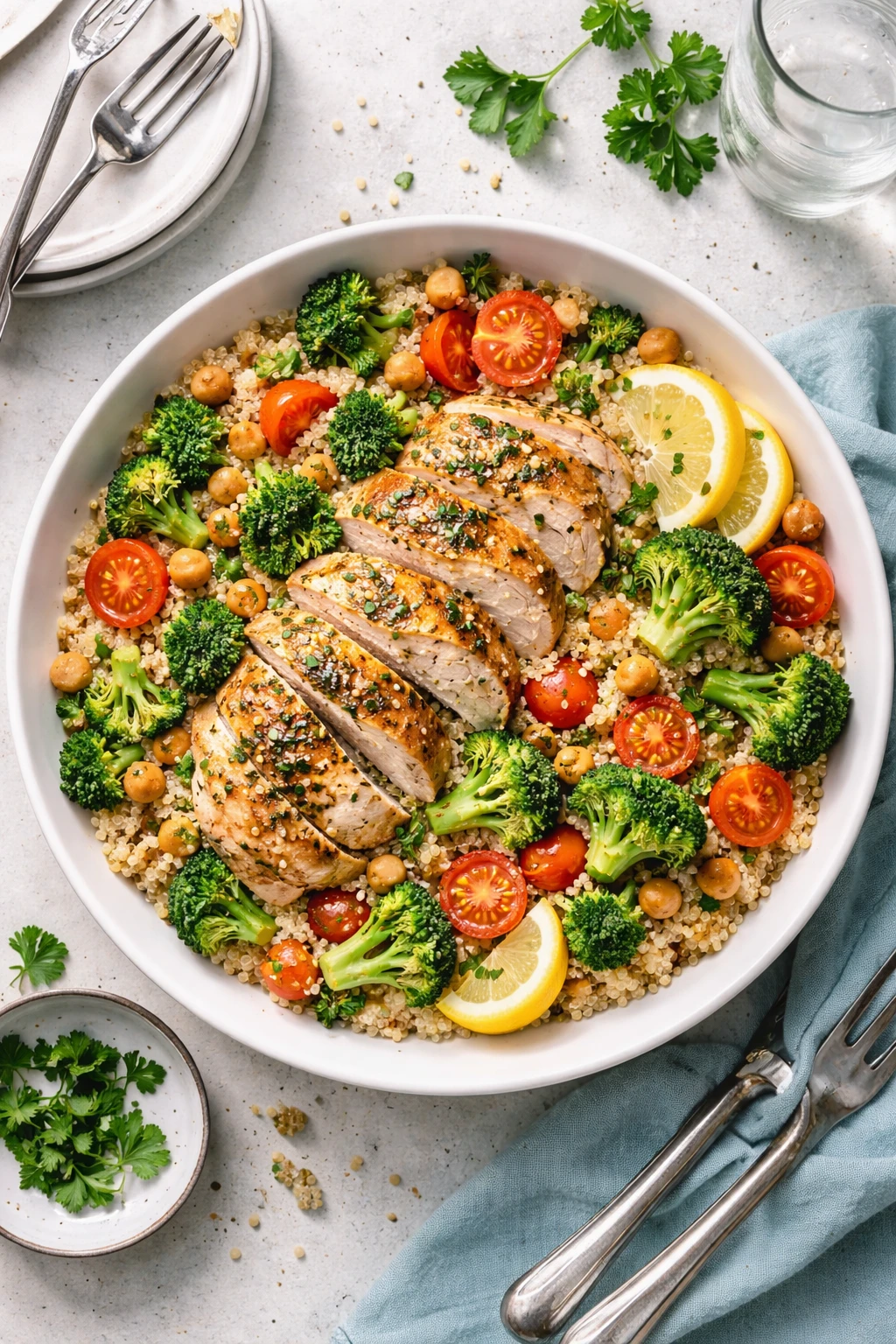
This hearty chicken and veggie stew comes together in one pot using the Instant Pot, making weeknight dinners easy and nutritious. Loaded with fresh vegetables and tender chicken, it’s perfect when you want something wholesome without the fuss.
Introduction
I first made this Instant Pot chicken and veggie stew on a hectic weeknight when I needed dinner on the table fast without sacrificing flavor. I loved how everything cooked together in one pot, and the chicken came out tender, soaking up all those herby, tomatoey juices. What sets this recipe apart is the combination of fresh vegetables and lean chicken thighs, which stay juicy in the pressure cooker. Plus, I add the veggies in stages to keep them from getting mushy — that trick really makes a difference. The stew ends up rich and comforting but still bright and fresh, perfect for chilly evenings or when you want a wholesome meal without a ton of cleanup. I’ve made it a dozen times now, and it’s a family favorite that’s both cozy and healthy. If you’re new to the Instant Pot or just want a fuss-free stew, this one really delivers on taste and ease.
What You'll Need
Approximately 6 cups, 4 servings
- 1 lb boneless skinless chicken thighs, cut into bite-sized pieces
- 1 medium onion, diced
- 3 cloves garlic, minced
- 2 medium carrots, sliced
- 2 celery stalks, sliced
- 1 red bell pepper, chopped
- 1 cup green beans, trimmed and cut in half
- 1 cup low-sodium chicken broth
- 1 can (14 oz) diced tomatoes, undrained
- 1 tsp dried thyme
- 1 tsp dried oregano
- Salt and pepper to taste
- 2 tbsp olive oil
How To Do It
Step 1
Set your Instant Pot to the sauté function and heat the olive oil until shimmering. Add the diced onion and cook, stirring frequently, until translucent and fragrant, about 3-4 minutes. This step builds the stew's flavor base by softening the onions and releasing their natural sweetness. Avoid browning them too much, as that can add bitterness. Once the onions are soft, add the minced garlic and cook for another 30 seconds until aromatic, but be careful not to burn it, which can make the stew taste bitter.
⏱ Time: 6
✓ Doneness: Onions should be translucent and soft, garlic fragrant but not browned
Step 2
Add the chicken pieces to the pot and season with salt, pepper, thyme, and oregano. Stir to coat the chicken with the spices and cook until the edges start to turn white but not fully cooked through, about 3-4 minutes. This partial cooking seals in juices and helps develop flavor. If you skip this step, the chicken might be less tender and the stew less flavorful. Stir occasionally to prevent sticking but don’t overcrowd the pot to allow even cooking.
⏱ Time: 4
✓ Doneness: Chicken pieces are opaque on the outside but still pink inside
Step 3
Pour in the chicken broth and canned diced tomatoes with their juices. Use a wooden spoon to scrape up any browned bits stuck to the bottom of the pot — these bits add deep flavor to the stew and prevent a burn warning on the Instant Pot. Stir everything well to combine. The liquid will create steam for pressure cooking and infuse the chicken and veggies with flavor.
⏱ Time: 3
✓ Doneness: Broth and tomatoes evenly mixed, no stuck bits on the pot bottom
Step 4
Add the carrots and celery to the pot, then secure the lid and set the Instant Pot to pressure cook on high for 10 minutes. These root vegetables need longer cooking to become tender but still hold their shape. Make sure the valve is sealed properly to build pressure. If you rush this or don’t seal the valve, the stew won’t cook evenly and veggies may be underdone.
⏱ Time: 10
✓ Doneness: Stew is visibly bubbling inside, pressure indicator shows sealed
Step 5
Once cooking is complete, carefully perform a quick release of pressure by moving the valve to venting. This stops the cooking process immediately, keeping the vegetables from overcooking. Slow natural release here would result in mushy carrots and celery. Use a long utensil or oven mitt to avoid steam burns during this step.
⏱ Time: 2
✓ Doneness: Pressure indicator drops, lid can be opened safely
Step 6
Open the lid and add the red bell pepper and green beans to the pot. Stir well to combine. These tender vegetables cook quickly and are added last to maintain their bright color and slight crunch. Adding them earlier would cause them to lose texture and look dull.
⏱ Time: 2
✓ Doneness: Vegetables mixed evenly, colors vibrant
Step 7
Switch the Instant Pot back to sauté mode and simmer the stew uncovered for 5-7 minutes. This helps thicken the broth slightly and finish cooking the bell pepper and green beans just right. Stir occasionally to prevent sticking. If you skip this step, the stew may be watery and the last veggies undercooked.
⏱ Time: 7
✓ Doneness: Broth slightly thickened, veggies tender-crisp
Step 8
Taste the stew and adjust seasoning with salt and pepper as needed. Fresh herbs or a squeeze of lemon juice can be added here to brighten the flavors if you like. This final seasoning step ensures the stew is balanced and flavorful. Don’t skip tasting—it makes a big difference!
⏱ Time: 2
✓ Doneness: Flavors balanced, no blandness or over-seasoning
Step 9
Serve the stew hot, ladled into bowls with a crusty bread or over rice if you want extra heartiness. The stew should be rich and comforting with tender chicken, vibrant veggies, and a fragrant broth. Enjoy immediately for best texture and flavor.
⏱ Time: 1
✓ Doneness: Stew steaming hot, visually inviting with colorful veggies
Variations
Spicy Cajun Chicken Stew
Add 1 tsp smoked paprika, 1/2 tsp cayenne pepper, and a pinch of dried thyme to give this stew a smoky, spicy kick. Swap bell peppers for jalapeños if you like heat. Expect a bolder, more robust flavor with a little extra warmth.
Note: Adjust cayenne to taste and add jalapeños after pressure cooking to keep their bite.
Creamy Coconut Chicken Stew
Stir in 1 cup canned coconut milk after pressure cooking to make a creamy, slightly sweet stew. Omit tomatoes and add a bit of ginger and turmeric for a Thai-inspired twist. The texture becomes rich and silky, great with jasmine rice.
Note: Add coconut milk during the final simmer step to prevent curdling.
Hearty Root Vegetable Stew
Include diced potatoes, parsnips, and turnips along with carrots and celery for a more filling stew. This variation is perfect for cold days and offers a rustic, earthy flavor profile with more bite and texture.
Note: Cut root veggies into uniform pieces to ensure even cooking during pressure phase.
Mediterranean Chicken Stew
Add olives, artichoke hearts, and a splash of lemon juice after cooking. Use oregano and basil for herbs. This version is bright and tangy with a Mediterranean flair, pairing well with crusty bread or couscous.
Note: Add delicate ingredients after pressure cooking to preserve texture and freshness.
Vegetarian Instant Pot Stew
Replace chicken with chickpeas or firm tofu and double the vegetables. Use vegetable broth instead of chicken. The stew stays hearty and flavorful but is completely plant-based and protein-rich.
Note: Reduce pressure cooking time slightly when using tofu to avoid overcooking.
Pro Tips
Don’t overcrowd the pot when sautéing chicken to ensure even browning.
If the chicken pieces are too crowded, they steam rather than brown, which reduces the Maillard reaction that adds rich flavor and appealing color. Browning in batches if needed improves taste and texture.
Add delicate vegetables like bell peppers after pressure cooking to preserve texture.
Bell peppers and green beans cook very quickly and can become mushy or lose color if pressure cooked too long. Adding them later keeps their crunch and vibrant appearance.
Use quick release to stop cooking immediately after pressure cooking.
Natural pressure release continues cooking inside the sealed pot, which can overcook vegetables and make them mushy. Quick release preserves ideal textures.
Scrape the bottom of the pot after adding liquid to prevent burn errors.
Browned bits stuck to the bottom can trigger Instant Pot’s burn warning and affect cooking. Scraping them up incorporates flavor and ensures smooth pressure cooking.
Adjust seasoning after cooking rather than before.
Flavors concentrate and change during cooking, so seasoning too early can lead to an overly salty or bland dish. Tasting at the end allows for perfect balance.
Use chicken thighs instead of breasts for juicier results.
Thighs have more fat and connective tissue that break down under pressure, keeping meat tender and flavorful, while breasts tend to dry out quickly.
Simmer uncovered after pressure cooking to thicken broth naturally.
This step evaporates excess liquid and intensifies flavors without needing starches or thickeners, producing a rich, hearty stew.
Common Mistakes to Avoid
Skipping the sauté step before pressure cooking.
Why it happens Many think pressure cooking alone is enough and skip sautéing to save time.
Fix Always sauté onions and chicken first to build flavor and improve texture. This develops sweetness and browning that pressure cooking can’t achieve alone.
Adding all vegetables at once before pressure cooking.
Why it happens It’s tempting to just toss everything in together for simplicity.
Fix Add sturdier veggies like carrots and celery first, then delicate ones like bell peppers after pressure cooking to avoid mushiness.
Not scraping the pot bottom after sautéing.
Why it happens Forgetting or rushing through this step can happen when multitasking.
Fix Scrape all browned bits before sealing the lid to prevent burn errors and keep flavor in the stew.
Using chicken breasts without adjusting cooking time.
Why it happens Assuming breasts and thighs cook the same under pressure.
Fix If using breasts, reduce pressure cooking time by a few minutes to avoid drying out the meat.
Over-seasoning before cooking.
Why it happens Some add all salt and herbs upfront expecting consistent flavor.
Fix Season lightly early on and adjust at the end after tasting the finished stew.
Nutrition
Per Serving:
Nutritional values are estimates and may vary based on specific ingredients used.
Storage & Tips
Room Temperature
This stew can be safely kept at room temperature for up to 2 hours if covered tightly. Beyond that, it’s best to refrigerate to prevent bacterial growth.
Refrigerator
Store leftovers in an airtight container for up to 4 days. The stew may thicken after chilling; reheat gently with a splash of broth or water to loosen it. Flavors often deepen after a day in the fridge.
Freezer
Freeze the stew in freezer-safe containers for up to 3 months. Cool completely before freezing to prevent ice crystals. Thaw overnight in the fridge and reheat on the stovetop or microwave, adding liquid as needed to restore consistency.
Reheating
Reheat on the stovetop over medium heat, stirring occasionally, until warmed through (about 5-7 minutes). Alternatively, microwave in a covered dish, stirring halfway. Add a splash of broth or water if the stew is too thick. Avoid boiling again to preserve texture.
Make Ahead
You can chop all vegetables and marinate the chicken with spices 1-2 days ahead. Store separately in the fridge. Assemble and cook the stew fresh for best texture and flavor, or prepare the entire stew and reheat when ready to serve.
FAQ
Can I use chicken breasts instead of thighs?
Yes, you can substitute chicken breasts, but reduce the pressure cooking time by about 2-3 minutes to prevent drying out. Breasts cook faster and can become tough if overcooked. Keep an eye on texture and adjust accordingly.
What if I don’t have an Instant Pot?
You can make this stew on the stovetop by sautéing all ingredients and then simmering covered for 30-40 minutes until chicken and vegetables are tender. Cooking times will be longer, but the flavor development is similar.
How do I prevent the stew from being watery?
Simmer the stew uncovered after pressure cooking to reduce excess liquid. This evaporation concentrates flavors and thickens the broth naturally without needing thickeners.
Can I add frozen vegetables?
Yes, but add frozen vegetables like green beans or bell peppers after pressure cooking, during the final simmer step, to avoid overcooking and mushiness.
Is it okay to double the recipe?
You can double the ingredients, but do not fill the Instant Pot more than two-thirds full. Cooking time remains the same, but ensure proper sealing and pressure build-up.
Can I make this stew spicy?
Absolutely! Add cayenne pepper, chili flakes, or fresh jalapeños to taste. Add spicy ingredients either before pressure cooking for milder heat or after for a sharper kick.
What side dishes go well with this stew?
I like serving it with crusty bread, rice, or mashed potatoes to soak up the flavorful broth. A simple green salad also pairs nicely for a balanced meal.
How do I store leftovers safely?
Cool the stew to room temperature within two hours, then refrigerate in airtight containers for up to 4 days. Freeze for longer storage up to 3 months. Reheat thoroughly before eating.
Final Thoughts
Give this cozy Instant Pot chicken and veggie stew a try — it’s a weeknight game changer! I’d love to hear how it turns out for you, so don’t forget to share your thoughts.