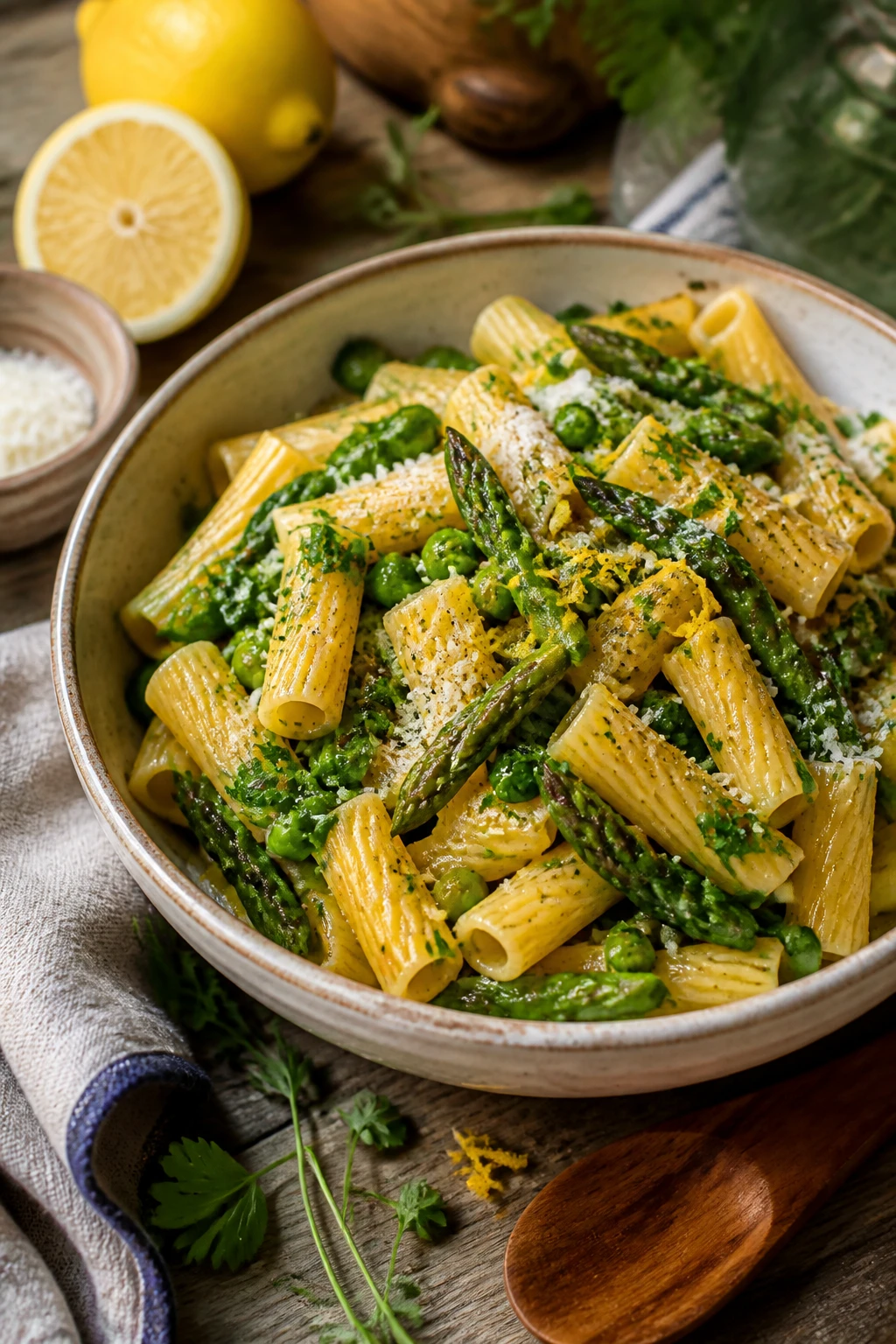
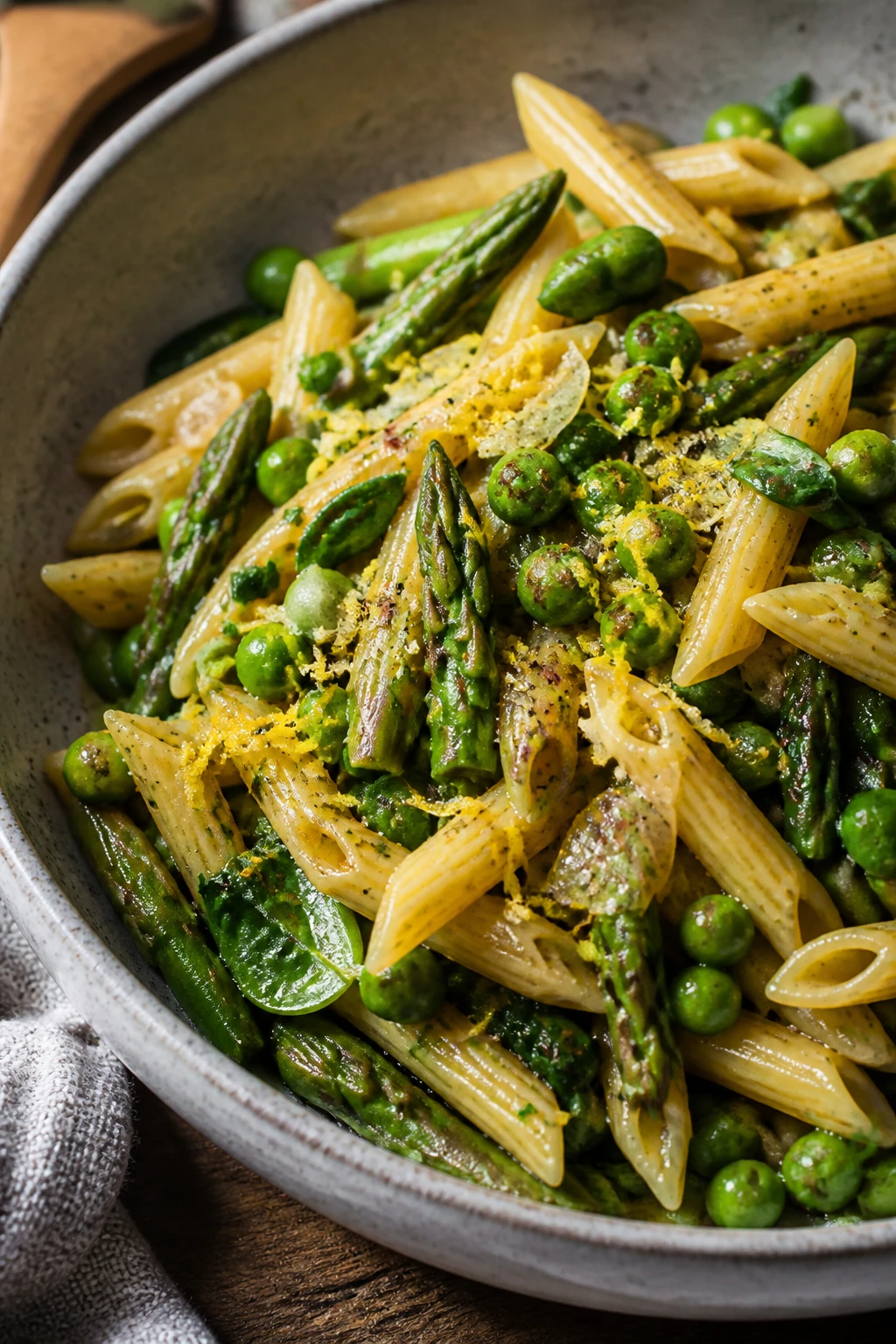
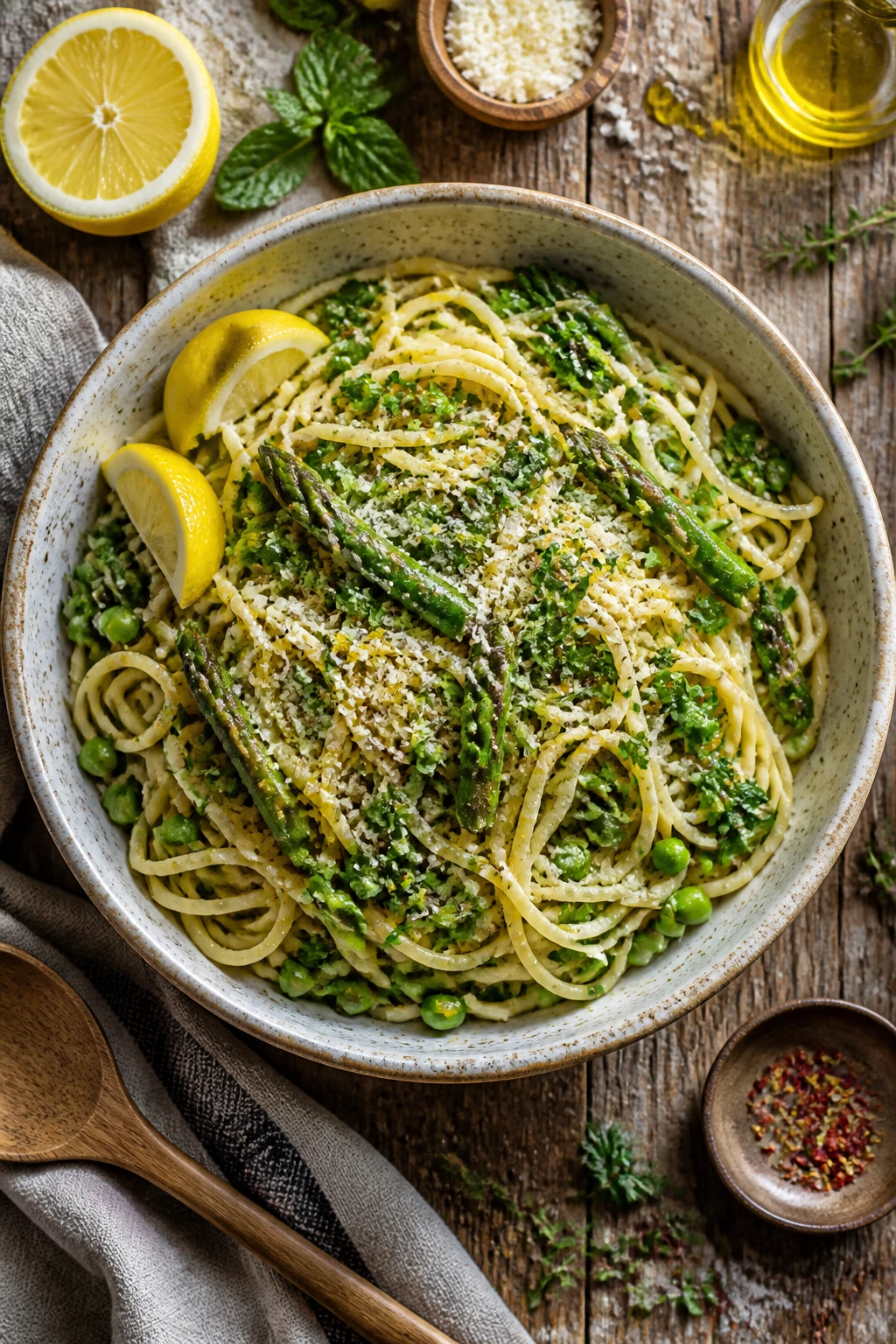
This one-pot pasta brings fresh spring veggies and a bright lemon garlic sauce together for a quick, light dinner. It’s my go-to when I want something fresh without fuss. Perfect for busy nights or a cheerful lunch!
Introduction
I stumbled upon this one-pot spring veggie pasta recipe during a particularly busy week when I wanted something fresh but fuss-free. What I love most about this dish is how it celebrates the bright flavors of spring — the tender asparagus, sweet peas, and juicy cherry tomatoes all mingle with a lively lemon garlic sauce that feels light but satisfying. Unlike many pasta recipes that require multiple pots and pans, this one is cooked entirely in a single pot, which means less cleanup and more time to enjoy your meal.
The trick I learned was to add the pasta dry right into the broth with the veggies and lemon zest, letting everything cook together so the pasta absorbs all the bright flavors. It creates a slightly creamy sauce without any cream, which I think makes it feel fresher and lighter. Plus, tossing in fresh basil and a sprinkle of Parmesan at the end adds that perfect herbal and savory finish.
I’ll admit, my first attempt was a bit watery because I didn’t measure the liquids carefully, but once I got the balance right, it became one of my go-to weeknight dinners. The finished dish looks colorful and inviting, with vibrant green veggies and a glossy sauce that clings to every strand of pasta. If you want a quick, fresh, and easy meal that feels like spring in a bowl, you’ll love this!
How To Do It
Step 1
Start by heating the olive oil in a large deep skillet or wide pot over medium heat. Add the sliced garlic and crushed red pepper flakes if using. Sauté gently until the garlic is fragrant and just starting to turn golden, about 1-2 minutes. Be careful not to burn the garlic as it will turn bitter and ruin the flavor. This step infuses the oil with garlic’s aroma, which is the base for the sauce.
⏱ Time: 3 minutes
✓ Doneness: Garlic is fragrant and lightly golden, not browned or burnt
Step 2
Add the dry pasta, vegetable broth, water, lemon zest, and a pinch of salt to the pot. Stir everything together to make sure the pasta is submerged as much as possible. Bring the liquid to a boil over high heat. This step allows the pasta to cook while absorbing the lemon and garlic flavors directly from the broth, creating a naturally bright sauce.
⏱ Time: 10 minutes
✓ Doneness: Liquid is bubbling and pasta starts to soften but still has some bite
Step 3
Once boiling, reduce heat to medium-low and add the asparagus, peas, and cherry tomatoes. Stir gently to combine. Cover the pot and let everything simmer. The veggies will steam and soften while the pasta finishes cooking. Covering traps steam and cooks the veggies evenly without losing their bright color and texture.
⏱ Time: 8 minutes
✓ Doneness: Vegetables are tender but still vibrant; pasta is al dente
Step 4
Check the pasta for doneness by tasting a strand. It should be tender but with a slight bite (al dente). If it’s too firm, cook for another minute or two, adding a splash of water if it’s drying out. Stir occasionally during this time to prevent sticking and ensure even cooking.
⏱ Time: 2-3 minutes
✓ Doneness: Pasta is tender with a slight chew, not mushy or hard
Step 5
Remove the pot from heat and stir in the lemon juice, fresh basil, and Parmesan cheese. The residual heat will melt the cheese and release the basil’s fragrance. This fresh finishing touch balances the tangy lemon with savory umami from the cheese, creating a well-rounded flavor.
⏱ Time: 2 minutes
✓ Doneness: Cheese is melted and sauce looks creamy, basil is vibrant
Step 6
Taste and season with additional salt and pepper as needed. The broth and lemon can vary in acidity, so adjust seasoning to your preference. This final seasoning step ensures every bite is perfectly balanced and flavorful.
⏱ Time: 1 minute
✓ Doneness: Flavor is bright, balanced, and satisfying
Step 7
Serve the pasta immediately while warm. Top with extra Parmesan and a drizzle of olive oil if desired. This dish is best fresh but can be reheated gently. Serving right away keeps the veggies crisp and the pasta saucy.
⏱ Time: Immediate
✓ Doneness: Pasta looks glossy and veggies vibrant on the plate
Step 8
If making ahead, cool the pasta completely before storing in an airtight container in the fridge. Reheat gently with a splash of water or broth to bring back the sauce’s creaminess. Avoid overheating to keep the veggies from getting mushy.
⏱ Time: N/A
✓ Doneness: Reheated pasta is warm and saucy without being dry or mushy
Step 9
For a vegan version, omit the Parmesan or substitute with a plant-based cheese or nutritional yeast. This keeps the dish light and fresh while adding a cheesy flavor. Stir it in at the end just like the Parmesan for best texture.
⏱ Time: N/A
✓ Doneness: Cheesy flavor without dairy, sauce remains creamy
Variations
Add Protein with Grilled Chicken
For a heartier meal, top the pasta with sliced grilled chicken breast. Season the chicken simply with salt, pepper, and lemon zest to complement the pasta’s flavors. This adds protein and makes it a complete dinner without changing the cooking method.
Note: Cook the chicken separately and slice it thinly. Serve on top just before plating to keep textures distinct.
Make it Vegan
Omit Parmesan and substitute with nutritional yeast or vegan cheese. Use vegetable broth and olive oil as usual. This keeps the dish fresh and light while catering to plant-based diets without losing the savory depth.
Note: Add nutritional yeast at the end off heat to preserve flavor and avoid bitterness.
Spicy Kick with Chili Oil
Drizzle chili oil or sprinkle crushed red pepper flakes on top before serving for some heat. This variation adds warmth and a spicy contrast to the bright lemon and fresh veggies, perfect if you like a little bite.
Note: Add chili oil after plating to control spice level and preserve oil’s flavor.
Swap Vegetables for Seasonal Picks
Use whatever fresh spring veggies you have on hand—snap peas, baby zucchini, or spinach work beautifully. Adjust cooking times to keep veggies crisp-tender. This flexibility makes the recipe adaptable year-round.
Note: Add delicate greens like spinach last as they wilt quickly, and firmer veggies earlier.
Creamier Version with a Touch of Cream
Stir in 1/4 cup heavy cream or coconut cream at the end for a richer sauce. This variation softens the lemon’s sharpness and adds indulgence while keeping the fresh vegetable flavors intact.
Note: Add cream off heat to prevent curdling and keep sauce smooth.
Pro Tips
Use a wide, deep skillet or pot to allow even cooking and enough liquid coverage.
A wide pot ensures the pasta lays flat in a single layer, allowing even absorption of liquid and preventing clumping. Too small a pot will crowd the pasta, causing uneven cooking and sticking. Depth is important to hold enough broth to cook the pasta fully.
Don’t rush the simmering step once veggies are added; gentle heat preserves texture.
High heat can overcook and break down delicate spring vegetables, making them mushy and dull in color. A gentle simmer steams them evenly while retaining their vibrant color and slight crunch, which adds great texture contrast to the dish.
Add lemon juice off the heat to maintain bright, fresh acidity.
Cooking lemon juice over heat can dull its brightness and make it taste bitter. Adding it at the end preserves the fresh citrus flavor, balancing the richness of the Parmesan and olive oil with lively acidity.
Stir occasionally but gently to avoid breaking the pasta or veggies.
Frequent or vigorous stirring can cause the pasta to release too much starch, making the sauce gluey, and can break tender veggies into mush. Gentle stirring prevents sticking while maintaining the dish’s light texture.
Reserve some pasta cooking liquid before draining if the sauce seems dry.
The starchy cooking liquid helps bind the sauce and keeps the pasta moist. Adding a splash back in can revive the sauce’s creaminess without diluting flavors, especially if the pasta absorbs too much liquid.
Use fresh herbs like basil right before serving for maximum aroma.
Cooking herbs for too long diminishes their fresh flavor and aroma. Adding them at the end preserves their bright, herbal notes that contrast beautifully with the lemon and garlic.
Taste and adjust salt gradually since broth and cheese add sodium.
Broth and Parmesan contribute saltiness, so seasoning early can easily lead to over-salting. Adjust salt at the end to achieve perfect balance without overwhelming the fresh flavors.
Common Mistakes to Avoid
Adding all the vegetables too early
Why it happens Many cooks add veggies at the start to save time, assuming everything can cook together evenly.
Fix Add tender vegetables like asparagus and peas later in the cooking process to prevent them from becoming mushy and losing their vibrant color. Timing the addition ensures crisp-tender texture and bright flavors.
Using bottled lemon juice instead of fresh
Why it happens Bottled lemon juice is convenient and often used as a shortcut without realizing the flavor difference.
Fix Always use freshly squeezed lemon juice and zest. Fresh lemon provides bright, clean acidity and aromatic oils in the zest that bottled juice lacks, which are essential for the recipe’s fresh flavor.
Not measuring liquid precisely
Why it happens Eyeballing broth and water amounts can lead to watery or dry pasta.
Fix Measure broth and water carefully to ensure the pasta cooks properly and the sauce forms naturally. Too much liquid results in a soupy dish; too little causes sticking and uneven cooking.
Overcooking pasta to mush
Why it happens Leaving pasta in hot liquid too long or cooking at too high heat can cause it to overcook.
Fix Check pasta a minute or two before package directions and remove from heat when al dente. The pasta will continue to soften slightly off heat, preventing mushiness.
Skipping the final seasoning adjustment
Why it happens Assuming the broth and cheese provide enough salt without tasting.
Fix Always taste and adjust salt and pepper at the end. This step ensures balanced flavor and prevents blandness or over-salting.
Nutrition
Per Serving:
Nutritional values are estimates and may vary based on specific ingredients used.
Storage & Tips
Room Temperature
This pasta can safely sit covered at room temperature for up to 2 hours. Beyond that, it’s best to refrigerate to avoid spoilage. Keep it covered to prevent drying out.
Refrigerator
Store leftovers in an airtight container for up to 3 days. The pasta may absorb more liquid and veggies soften over time. Reheat gently on the stovetop or microwave with a splash of broth or water to restore creaminess.
Freezer
Freeze cooked pasta in a freezer-safe container for up to 2 months. Use airtight wrapping to prevent freezer burn. Thaw overnight in the fridge before reheating gently to preserve texture.
Reheating
Reheat on the stovetop over low heat with a splash of broth or water, stirring frequently to loosen the sauce. Avoid high heat which can dry out the pasta or make veggies mushy. Microwave reheating works too but add liquid and stir halfway through.
Make Ahead
You can prepare the pasta and sauce up to 1 day ahead and store refrigerated without the fresh herbs and cheese. Add these right before serving to keep flavors bright and fresh.
FAQ
Can I use a different type of pasta for this recipe?
Yes! While thin pasta like spaghetti or linguine works best for even cooking in one pot, you can use other shapes like penne or fusilli. Just adjust cooking times as thicker or denser pasta may need more liquid or extra time.
What if I don’t have fresh asparagus or peas?
You can substitute with other spring vegetables like green beans, zucchini, or even broccoli florets. Frozen peas are also fine; just thaw them before adding. Adjust cooking times slightly to keep veggies crisp-tender.
How do I prevent the pasta from sticking when cooking in one pot?
Make sure the pasta is mostly submerged in liquid and stir gently but regularly during cooking. Using enough broth and water helps, plus starting with a wide pot allows even spreading. Avoid overcrowding the pot.
Can I make this recipe gluten-free?
Absolutely! Use gluten-free pasta and double-check your broth ingredients. Cooking times and liquid amounts may vary slightly, so keep an eye on the pasta’s texture as it cooks.
Is it okay to skip the Parmesan cheese?
Yes, you can omit Parmesan for a dairy-free or vegan version. To maintain savory depth, add nutritional yeast or a splash of soy sauce. The dish will be lighter but still flavorful thanks to the lemon and garlic.
How do I keep the vegetables from losing their color?
Add delicate veggies like asparagus and peas later in the cooking process and cook just until tender-crisp. Avoid boiling vigorously and cover the pot to steam them gently, preserving their vibrant color.
Can I prepare this recipe ahead of time?
You can make the pasta and sauce in advance and store it in the fridge for up to 1 day. Add fresh herbs and cheese just before serving to keep the flavors bright and fresh.
What’s the best way to reheat leftovers without drying them out?
Reheat gently on the stovetop with a splash of broth or water over low heat, stirring often. This loosens the sauce and prevents the pasta from drying out or becoming mushy.
Final Thoughts
I hope you enjoy making this bright and easy one-pot spring pasta as much as I do! Don’t forget to share how it turns out — I’d love to hear your tweaks and favorites.