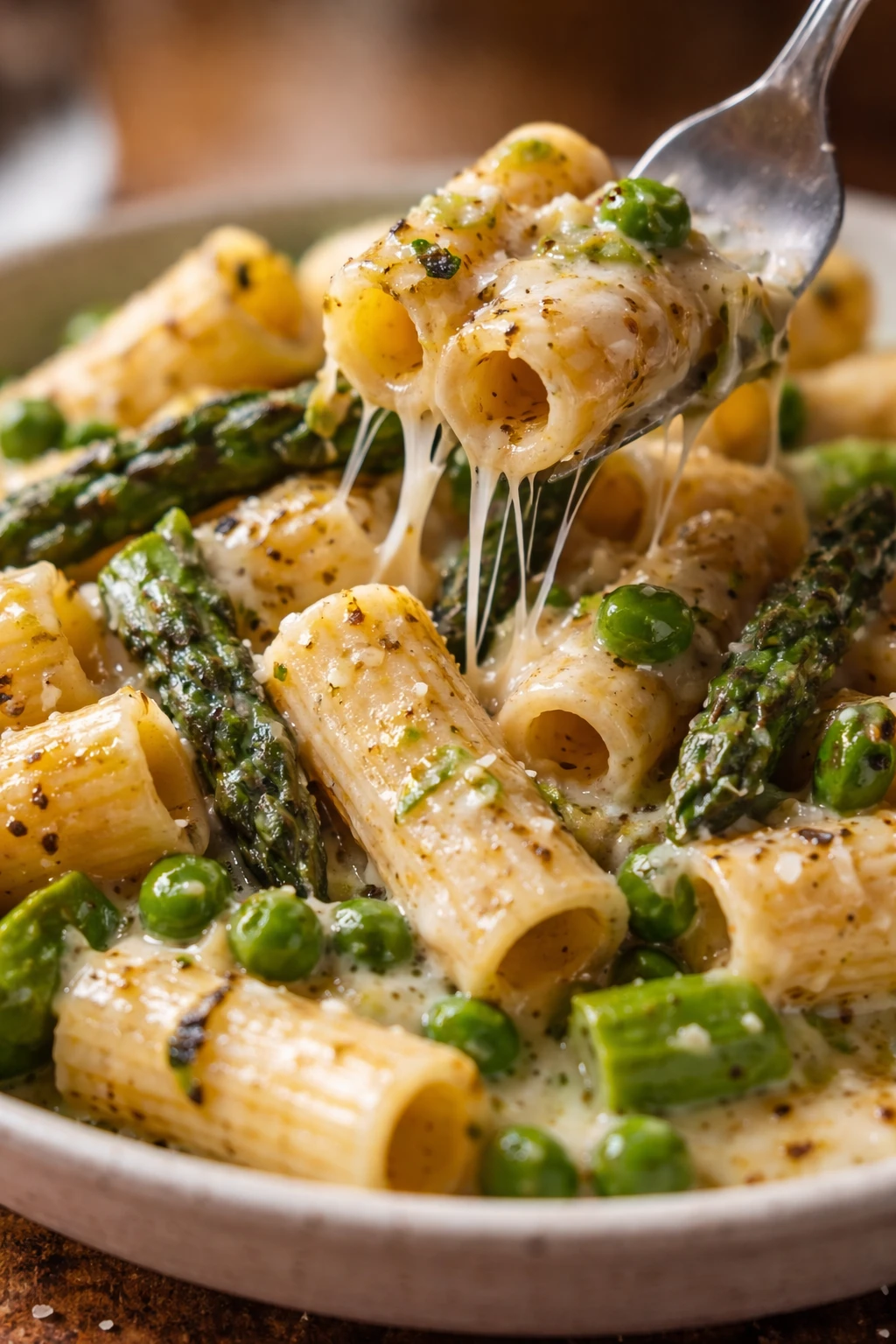
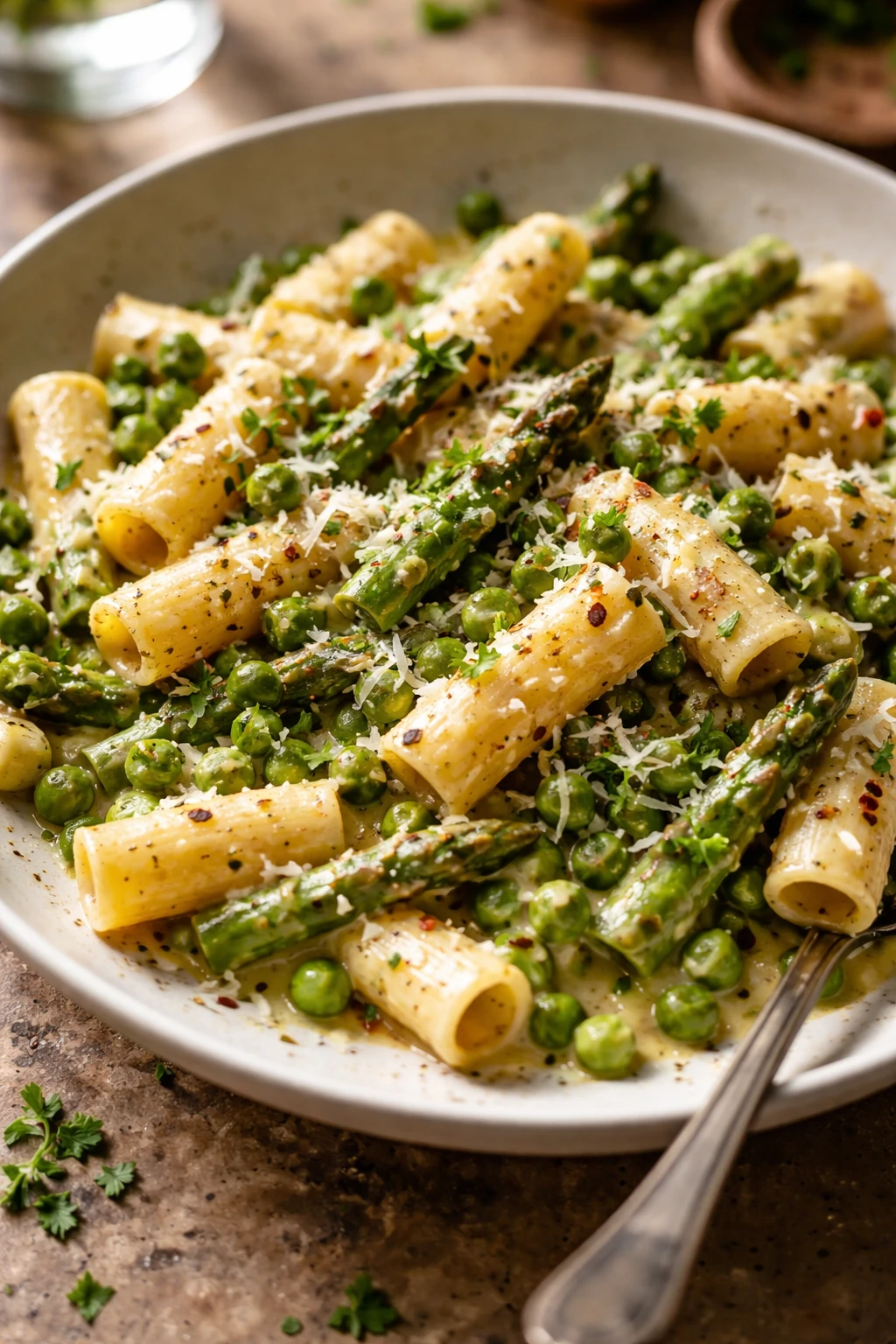
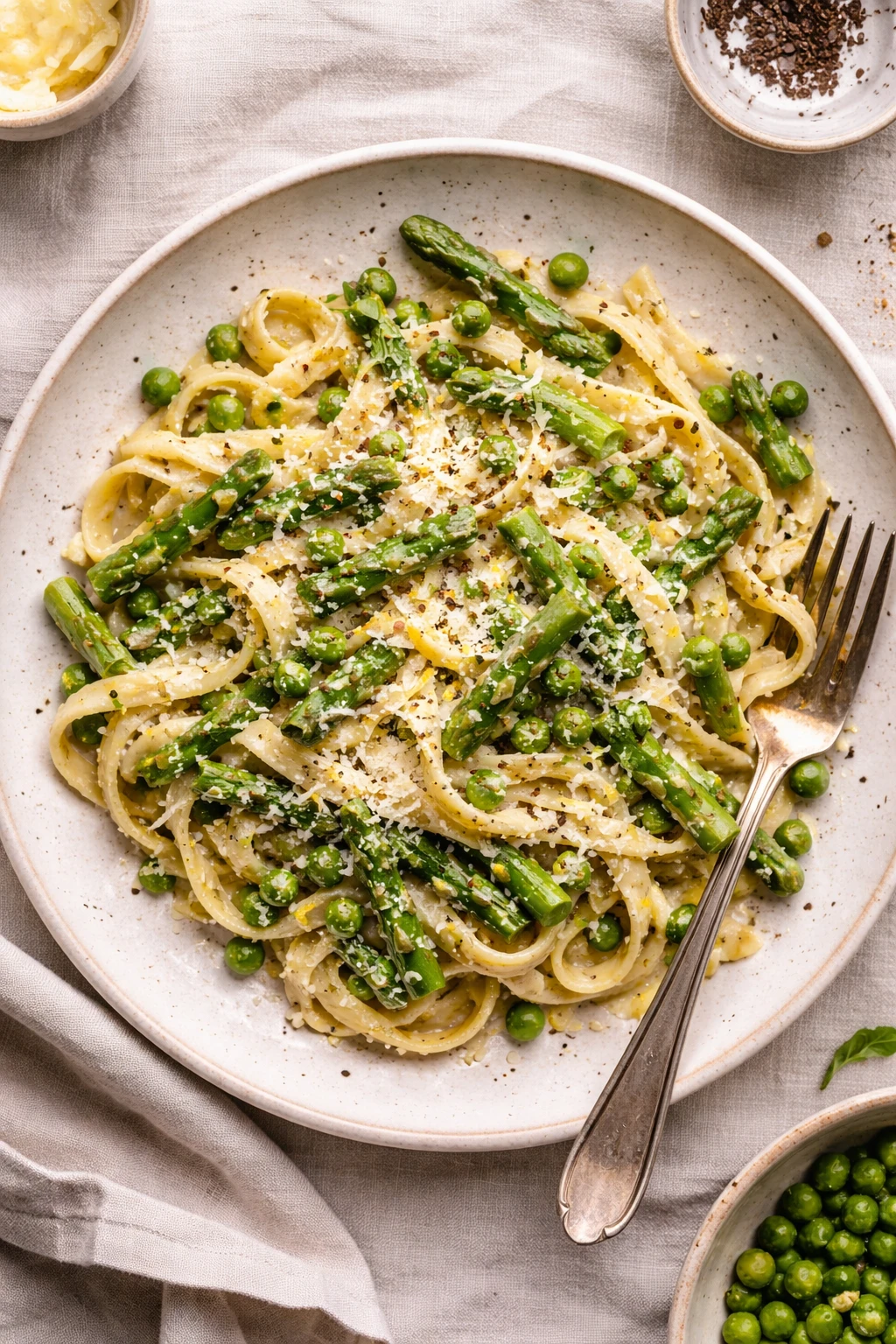
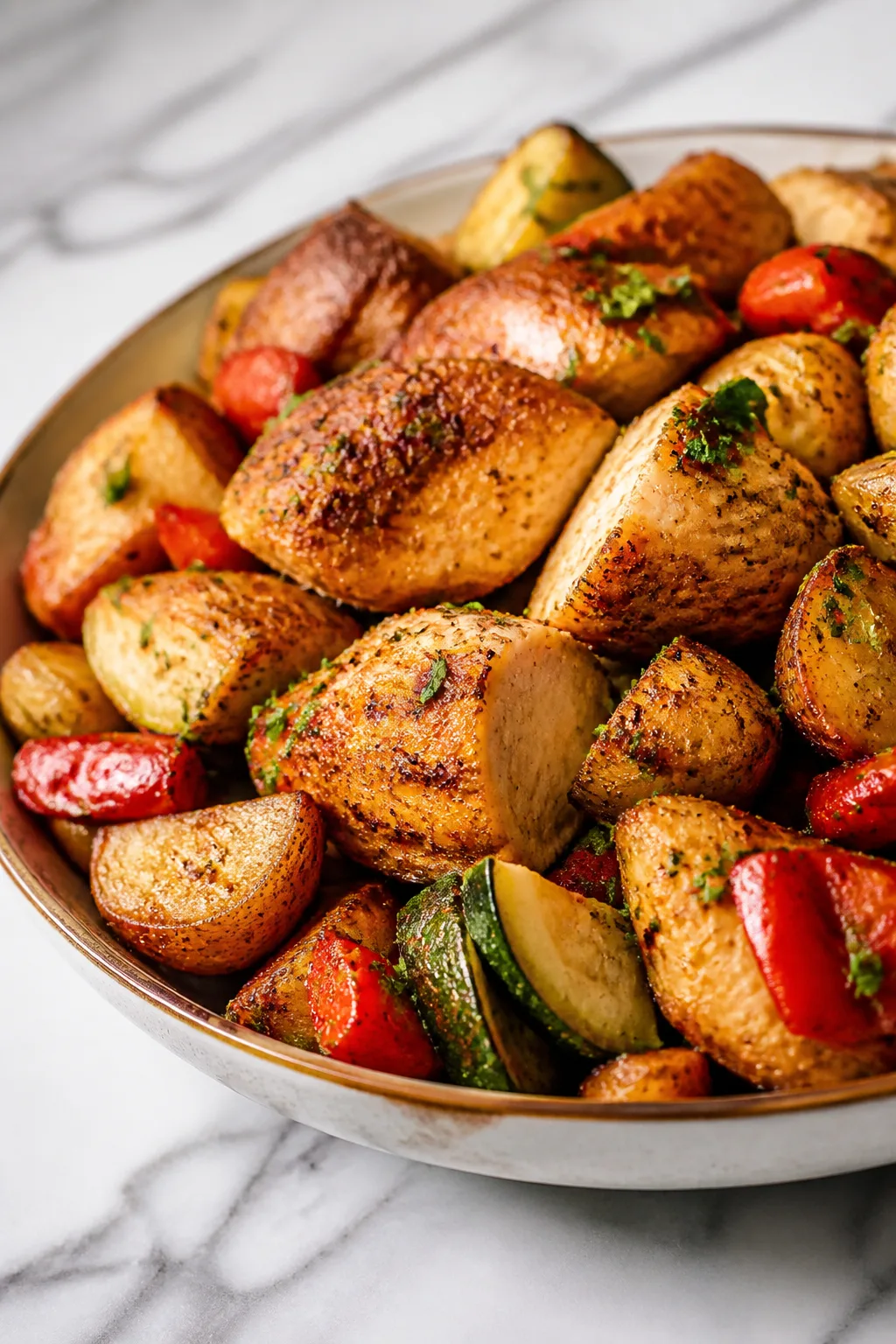
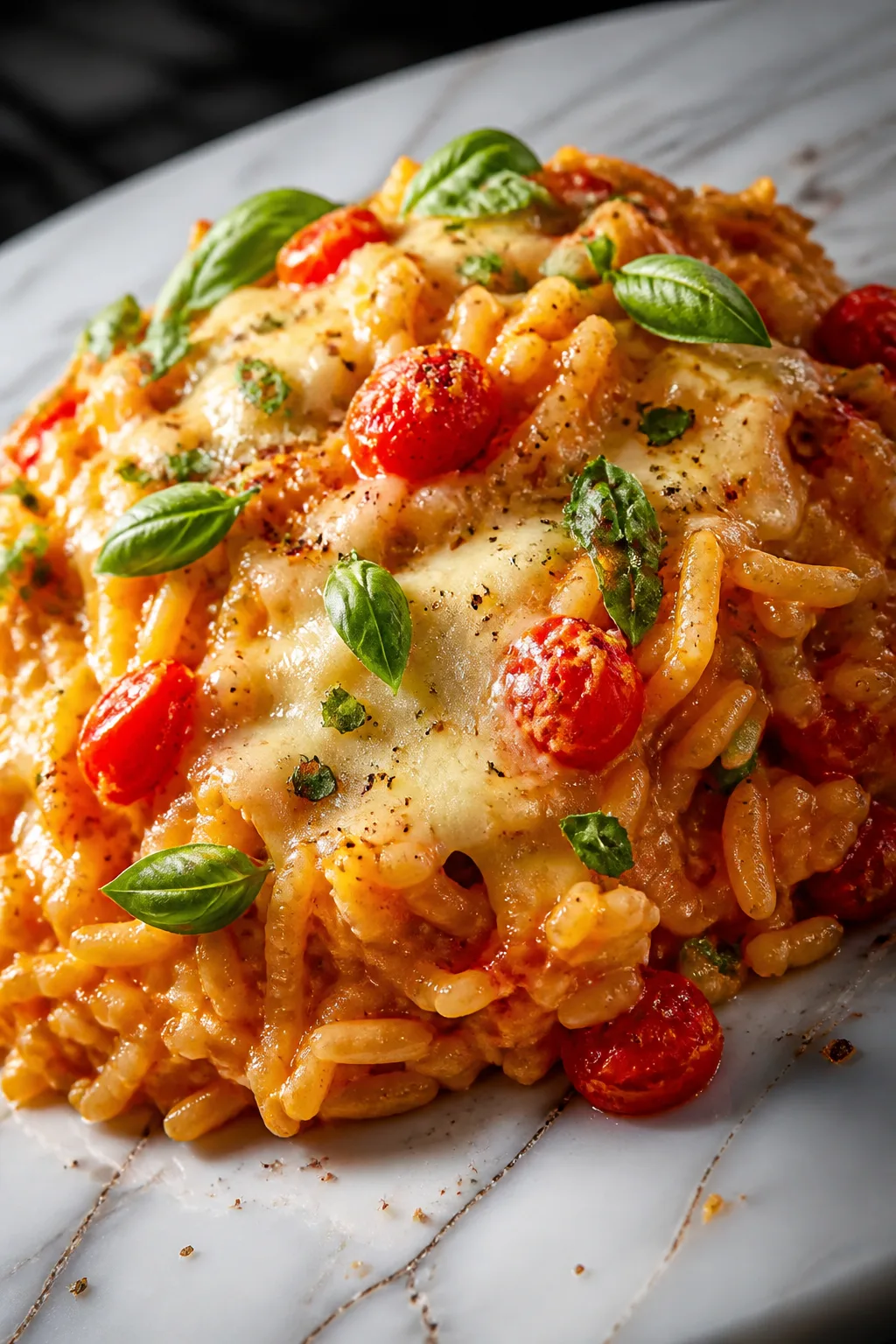
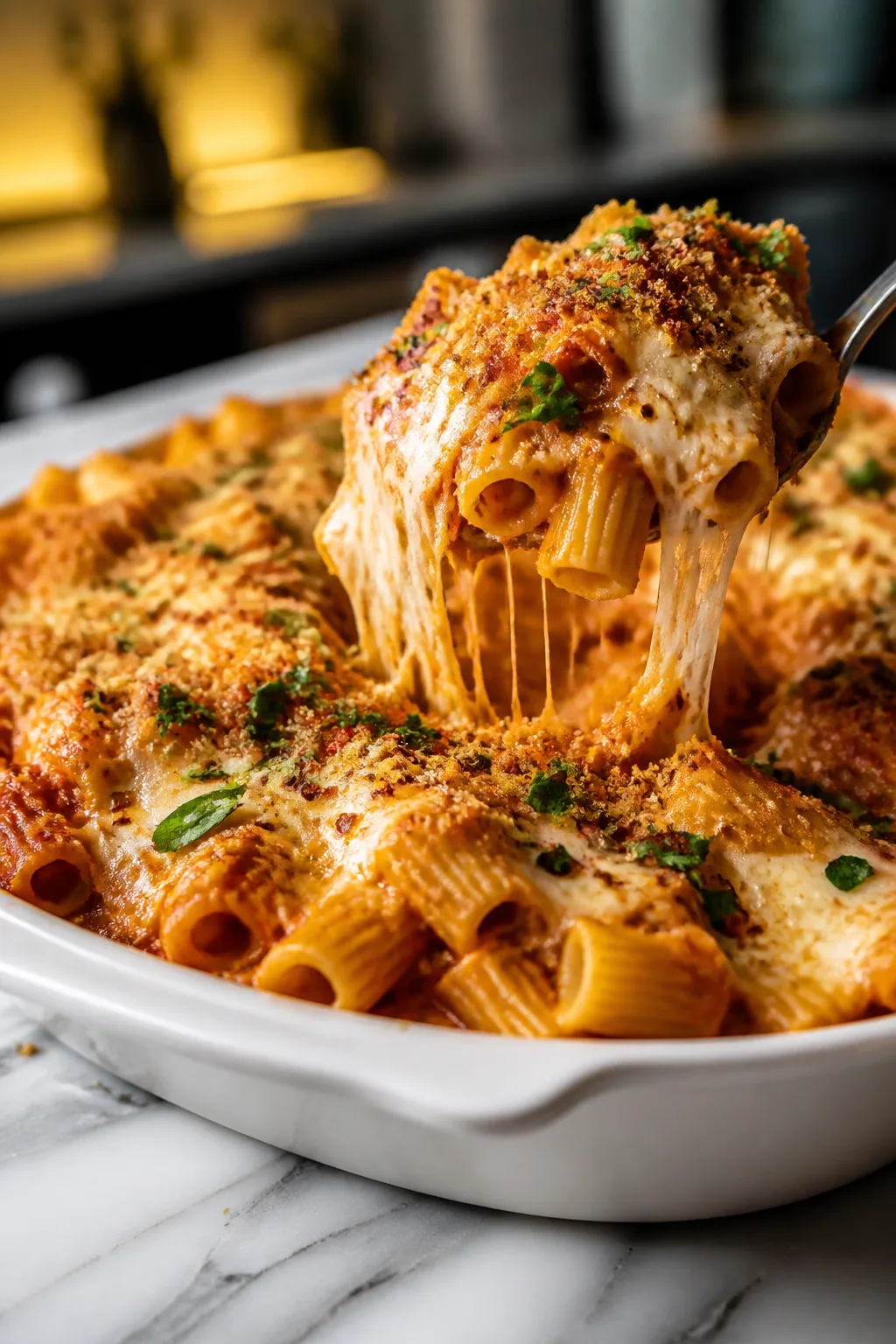
This pasta is light but indulgent, bursting with fresh asparagus and peas in a silky cream sauce. The lemon zest adds a bright twist that makes it feel special—perfect for a cozy weeknight dinner that’s quick but satisfying.
Introduction
I first stumbled upon this creamy lemon zest pasta on a rainy spring evening when fresh asparagus and peas were just starting to appear at the farmers market. I wanted something comforting but light, and the lemon zest twist was a game changer—brightening the whole dish and balancing the rich cream sauce. Over the years, I've tweaked this recipe to keep it simple yet special, using fresh garlic and plenty of Parmesan for depth. One trick I learned is to reserve some pasta water to loosen the sauce perfectly without watering it down. The final result is silky, fresh, and just the right amount of indulgent—a dish that feels like a treat but comes together in under 45 minutes. It’s now a go-to for weeknights when I want something quick but truly satisfying, especially when asparagus is in season. I think you’ll love how the lemon zest lifts the flavors and how the peas add a sweet pop, making this pasta feel fresh and bright. Plus, it looks beautiful on the plate—a perfect way to impress without stress.
How To Do It
Step 1
Bring a large pot of salted water to a boil and cook the pasta according to package instructions until al dente. This is crucial because overcooked pasta will become mushy once tossed with the sauce. Reserve about a cup of the pasta cooking water before draining — this starchy water helps loosen the sauce later without thinning out the flavor. Drain the pasta and set aside.
⏱ Time: 10
✓ Doneness: Pasta should be tender but still firm to the bite (al dente), not soft or mushy.
Step 2
While the pasta cooks, heat olive oil in a large skillet over medium heat. Add the asparagus pieces and sauté for about 4-5 minutes until they start to soften but still have some crunch. Add the peas and cook another 2 minutes. This quick sauté keeps the veggies vibrant and fresh-tasting, which contrasts nicely with the creamy sauce.
⏱ Time: 7
✓ Doneness: Vegetables should be bright in color and tender-crisp, not mushy or dull.
Step 3
Add the minced garlic to the skillet and sauté for about 30 seconds until fragrant. Be careful not to burn the garlic because it will turn bitter and ruin the sauce’s delicate flavor. Stir constantly and watch for that sweet aroma to fill your kitchen.
⏱ Time: 1
✓ Doneness: Garlic should be golden but not browned or blackened.
Step 4
Pour in the heavy cream and bring the mixture to a gentle simmer. Let it cook for 3-4 minutes, stirring occasionally, so the cream thickens slightly and the flavors meld together. Avoid boiling aggressively as this can cause the cream to separate.
⏱ Time: 4
✓ Doneness: Sauce should be slightly thickened, coating the back of a spoon.
Step 5
Stir in the grated Parmesan cheese slowly, allowing it to melt completely into the cream sauce. This adds richness and a savory depth that balances the brightness of the lemon. Keep the heat low to prevent the cheese from clumping.
⏱ Time: 2
✓ Doneness: Sauce should be smooth and creamy with no graininess.
Step 6
Add the cooked pasta to the skillet with the sauce and toss to coat evenly. If the sauce feels too thick, add a splash of the reserved pasta water to loosen it up. This step ensures the pasta is well-coated and silky without being dry or overly saucy.
⏱ Time: 2
✓ Doneness: Pasta strands should be glossy and coated evenly with sauce.
Step 7
Remove the skillet from heat and stir in the lemon zest and fresh lemon juice. The zest adds a fragrant brightness that cuts through the creaminess, while the juice adds a fresh tang. This finishing touch makes all the difference in flavor.
⏱ Time: 1
✓ Doneness: You should smell fresh citrus aroma and see tiny zest flecks throughout.
Step 8
Season the pasta with salt and freshly ground black pepper to taste. Taste as you go because the Parmesan already adds saltiness. Adjust seasoning carefully for the best balance.
⏱ Time: 1
✓ Doneness: Flavor should be balanced—creamy, bright, and savory with a hint of pepper.
Step 9
Serve immediately, garnished with chopped fresh basil or parsley if you like. The herbs add a fresh herbal note and a pop of color that makes the dish look as good as it tastes. Enjoy warm for the best texture and flavor.
⏱ Time: 1
✓ Doneness: Dish looks vibrant with fresh green garnishes and creamy sauce coating pasta.
Variations
Add Grilled Chicken for Protein
Toss in grilled chicken strips to make this pasta a heartier meal. The smoky chicken adds depth and pairs beautifully with the creamy lemon sauce and fresh veggies. It’s a simple upgrade that turns a vegetarian dish into a filling dinner.
Note: Ensure chicken is cooked through and sliced thinly for even coating with the sauce. Add chicken after the sauce is ready to keep it juicy.
Swap Cream for Coconut Milk
For a dairy-free twist, use full-fat coconut milk instead of heavy cream. This substitution adds a subtle tropical flavor while keeping the sauce silky. It’s perfect for those avoiding dairy but still craving creamy pasta.
Note: Simmer coconut milk gently to thicken; it won’t thicken as much as cream, so adjust pasta water accordingly.
Use Zucchini Noodles for a Low-Carb Version
Replace pasta with zucchini noodles for a lighter, low-carb meal. The fresh veggies and lemon zest keep the dish vibrant, while a touch of cream or a splash of olive oil keeps it satisfying without heaviness.
Note: Sauté zucchini noodles briefly to avoid sogginess and add sauce just before serving to maintain texture.
Add Red Pepper Flakes for Heat
Sprinkle in some red pepper flakes during the garlic sauté for a spicy kick. The heat contrasts nicely with the creamy sauce and bright lemon, adding complexity and warmth to the dish.
Note: Start with a small pinch and adjust to taste to avoid overpowering the delicate flavors.
Incorporate Fresh Herbs like Tarragon or Dill
Swap basil or parsley for fresh tarragon or dill to create a more aromatic and unique flavor profile. These herbs complement lemon and cream beautifully, giving the dish a fresh, garden-inspired twist.
Note: Add fresh herbs at the end off heat to preserve their delicate flavors.
Pro Tips
Reserve pasta water before draining.
The starchy pasta water acts as a natural emulsifier, helping the cream and cheese bind smoothly to the noodles. Without it, the sauce can become too thick or separate. Adding just enough pasta water creates a glossy, silky sauce that clings perfectly.
Don’t overcook the asparagus and peas.
Overcooked vegetables lose their vibrant color and turn mushy, making the dish less appealing in texture and flavor. Quick sautéing keeps them tender-crisp, adding a fresh contrast to the creamy sauce that makes every bite interesting.
Add lemon zest last, off the heat.
Lemon zest contains delicate oils that evaporate or become bitter if cooked too long. Adding it at the end preserves its bright, fresh aroma, which elevates the entire dish with a subtle citrus lift that’s unmistakable.
Use fresh Parmesan, not pre-grated.
Freshly grated Parmesan melts more smoothly and adds richer flavor. Pre-grated cheese often contains anti-caking agents that can cause grainy sauce texture. The cheese’s umami depth is key to balancing the cream and lemon.
Cook pasta al dente.
Al dente pasta has a firm bite that holds up well when tossed with sauce. Overcooked noodles become mushy and soak up too much sauce, resulting in a heavy, unbalanced dish. Proper timing ensures perfect texture.
Use medium heat when simmering cream.
High heat can cause cream to separate or scorch, ruining the sauce’s smooth texture. A gentle simmer thickens the sauce evenly and allows flavors to meld without curdling.
Season gradually and taste often.
Parmesan and lemon both add saltiness and acidity, so adding salt and pepper little by little prevents over-seasoning. Tasting as you go helps balance the flavors perfectly.
Common Mistakes to Avoid
Overcooking the pasta.
Why it happens Many cooks leave pasta in boiling water too long, thinking softer is better. This often happens when multitasking or rushing.
Fix Set a timer and check pasta a minute or two before the package suggests. Drain when it’s al dente—tender but with a slight bite—to avoid mushiness once mixed with sauce.
Burning the garlic.
Why it happens Garlic cooks very quickly and cooks unevenly if added too early or cooked on too high heat.
Fix Add garlic last during vegetable sauté and watch closely, stirring constantly for just 30 seconds until fragrant but not browned.
Skipping reserved pasta water.
Why it happens People often forget or don’t realize the importance of starchy pasta water.
Fix Always scoop out a cup before draining. Use it to adjust sauce consistency and help the sauce cling to pasta better.
Adding lemon zest too early.
Why it happens Some add zest with cream, not realizing heat degrades its flavor.
Fix Add zest off heat at the end to keep its fresh aroma intact.
Using pre-grated cheese.
Why it happens Pre-grated cheese is convenient but contains additives that affect melting.
Fix Grate fresh Parmesan for best flavor and smooth sauce texture.
Nutrition
Per Serving:
Nutritional values are estimates based on common ingredient brands and may vary.
Storage & Tips
Room Temperature
This pasta should not be left out at room temperature for more than 2 hours. Cover it loosely with foil or a clean kitchen towel if serving buffet style for a short time.
Refrigerator
Store leftovers in an airtight container for up to 3 days. The sauce may thicken and the pasta absorb liquid, so gently reheat with a splash of cream or water to restore creaminess before serving.
Freezer
Freezing is not recommended for best texture, as cream sauces can separate upon thawing. If freezing, place in a freezer-safe container for up to 1 month and thaw overnight in the fridge. Reheat gently with added liquid.
Reheating
Reheat gently on the stovetop over low heat, stirring often. Add a splash of cream, milk, or pasta water to loosen the sauce. Avoid microwaving at high power, which can cause the sauce to separate and become grainy.
Make Ahead
You can prepare the sauce and chop vegetables a day ahead and refrigerate separately. Cook pasta just before serving and toss everything together warm to keep textures fresh and vibrant.
FAQ
Can I use frozen peas instead of fresh?
Absolutely! Frozen peas work well and add a nice pop of sweetness. Just add them during the last couple of minutes of sautéing so they heat through without becoming mushy.
What type of pasta works best for this recipe?
Flat, long noodles like fettuccine or linguine are ideal because they hold the creamy sauce well. You can also use spaghetti or penne, but avoid very thin pasta that won’t cling to the sauce.
How can I make this dish vegan?
Swap heavy cream for full-fat coconut milk or a cashew cream, and use vegan Parmesan or nutritional yeast for that cheesy flavor. The result will be slightly different but still creamy and delicious.
Is there a substitute for heavy cream?
You can use half-and-half or a mixture of milk and butter, but the sauce won’t be quite as rich or thick. For dairy-free options, coconut milk works best but changes the flavor slightly.
Can I prepare this recipe in advance?
You can prep vegetables and sauce a day ahead, but cook pasta fresh right before serving to avoid soggy noodles. Reheat sauce gently and toss with pasta just before serving.
What if I don’t have lemon zest?
You can use a little extra lemon juice, but zest adds essential oils that brighten the flavor uniquely. If you must skip it, consider adding a splash of white wine vinegar for acidity.
How do I prevent the cream from curdling?
Keep heat low when simmering cream and avoid boiling vigorously. Slowly stir in cheese off high heat to keep the sauce smooth and silky.
Can I add other vegetables?
Yes! Mushrooms, spinach, or cherry tomatoes work well. Add them during the sauté step according to their cooking times to maintain texture.
Final Thoughts
I hope you enjoy making this creamy lemon zest pasta as much as I do. It’s an easy way to bring fresh spring flavors to your table—let me know how it turns out!