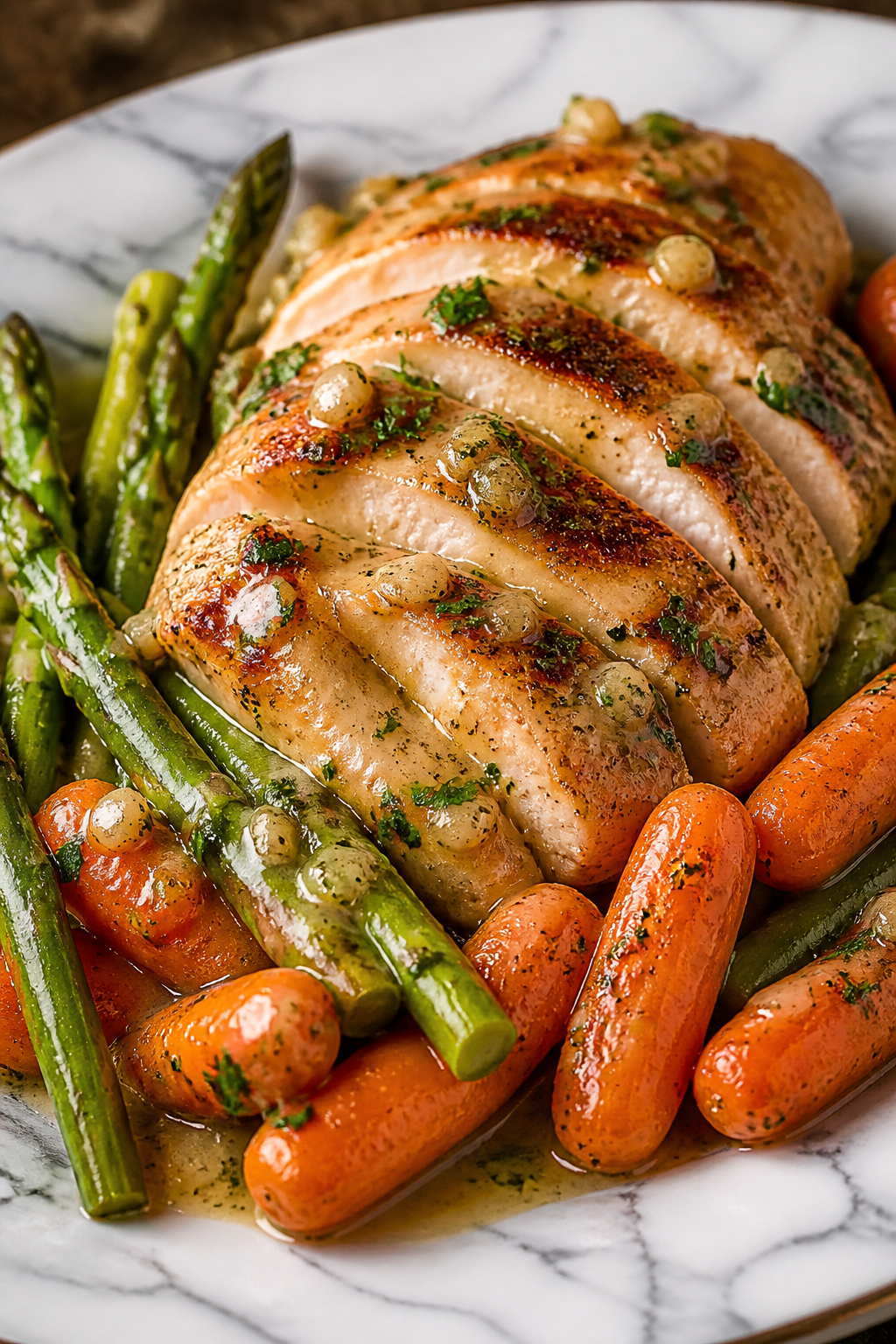
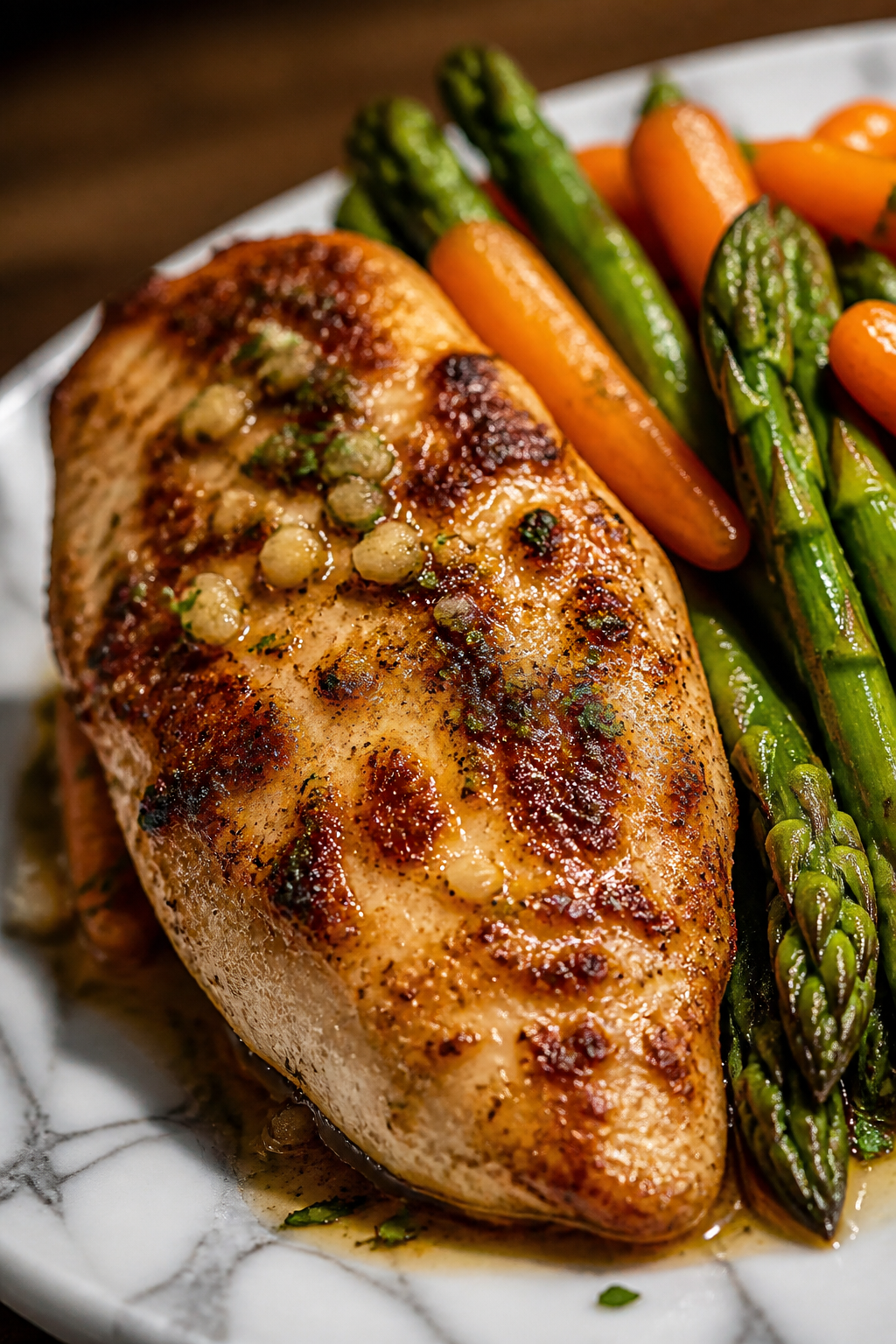
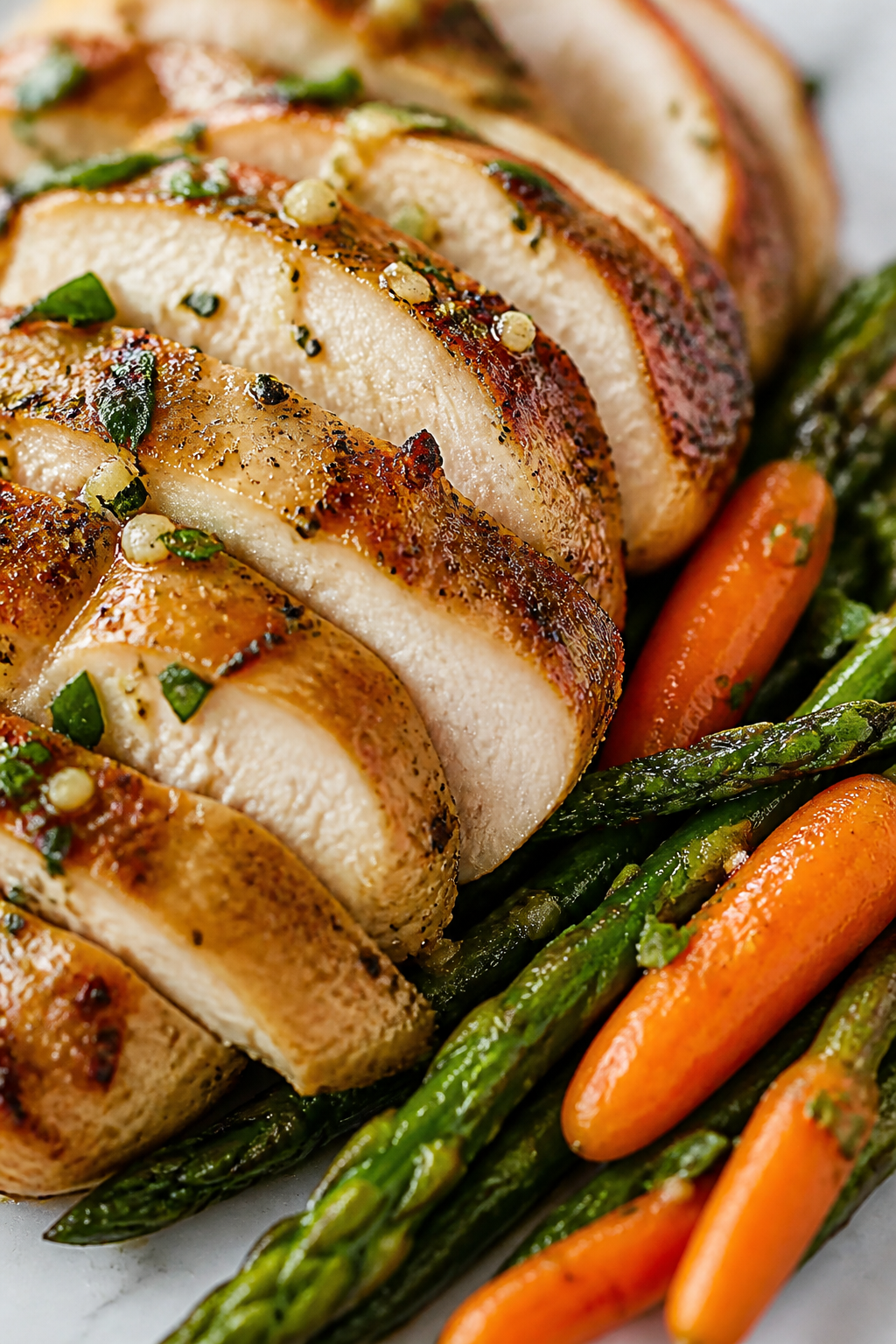
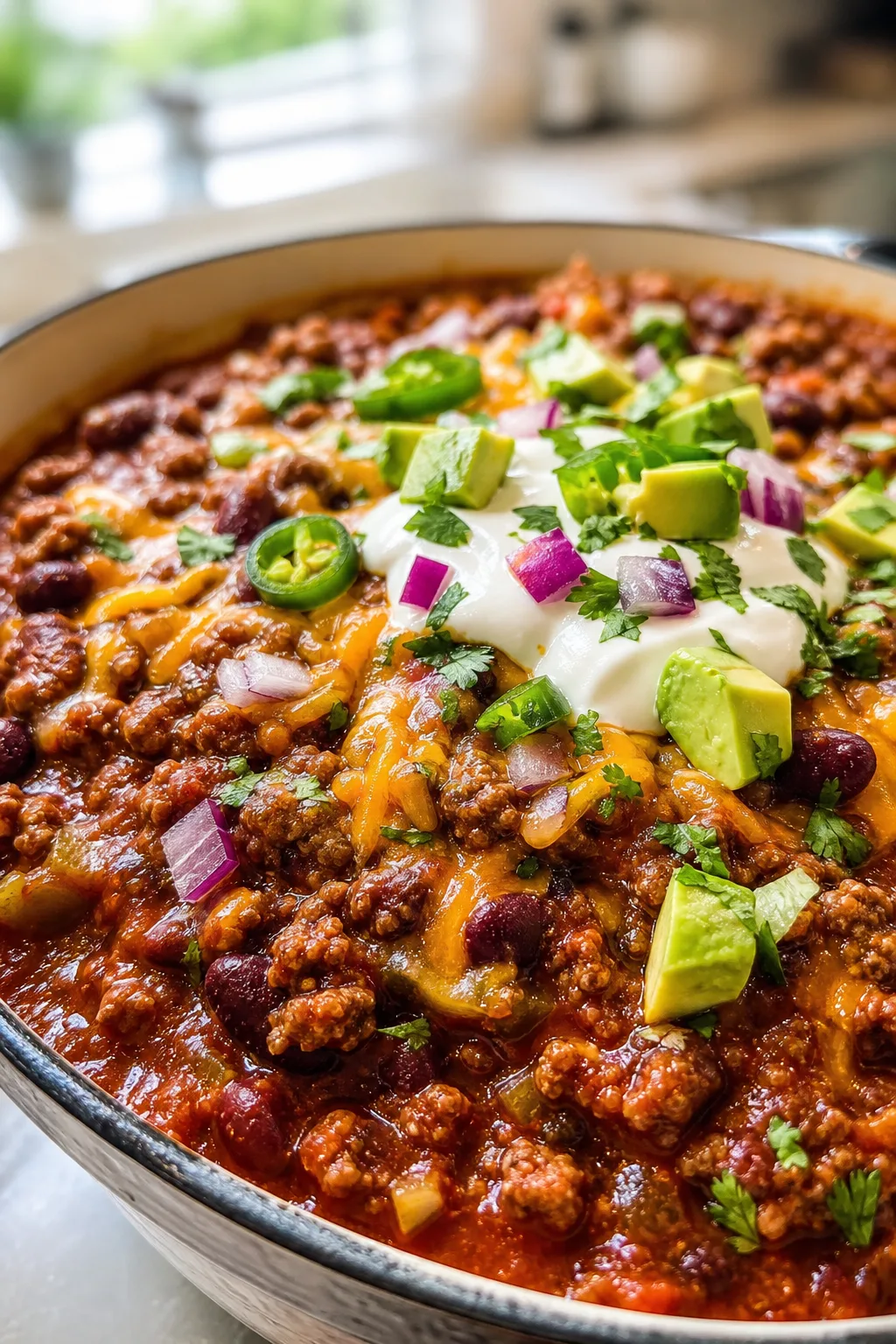
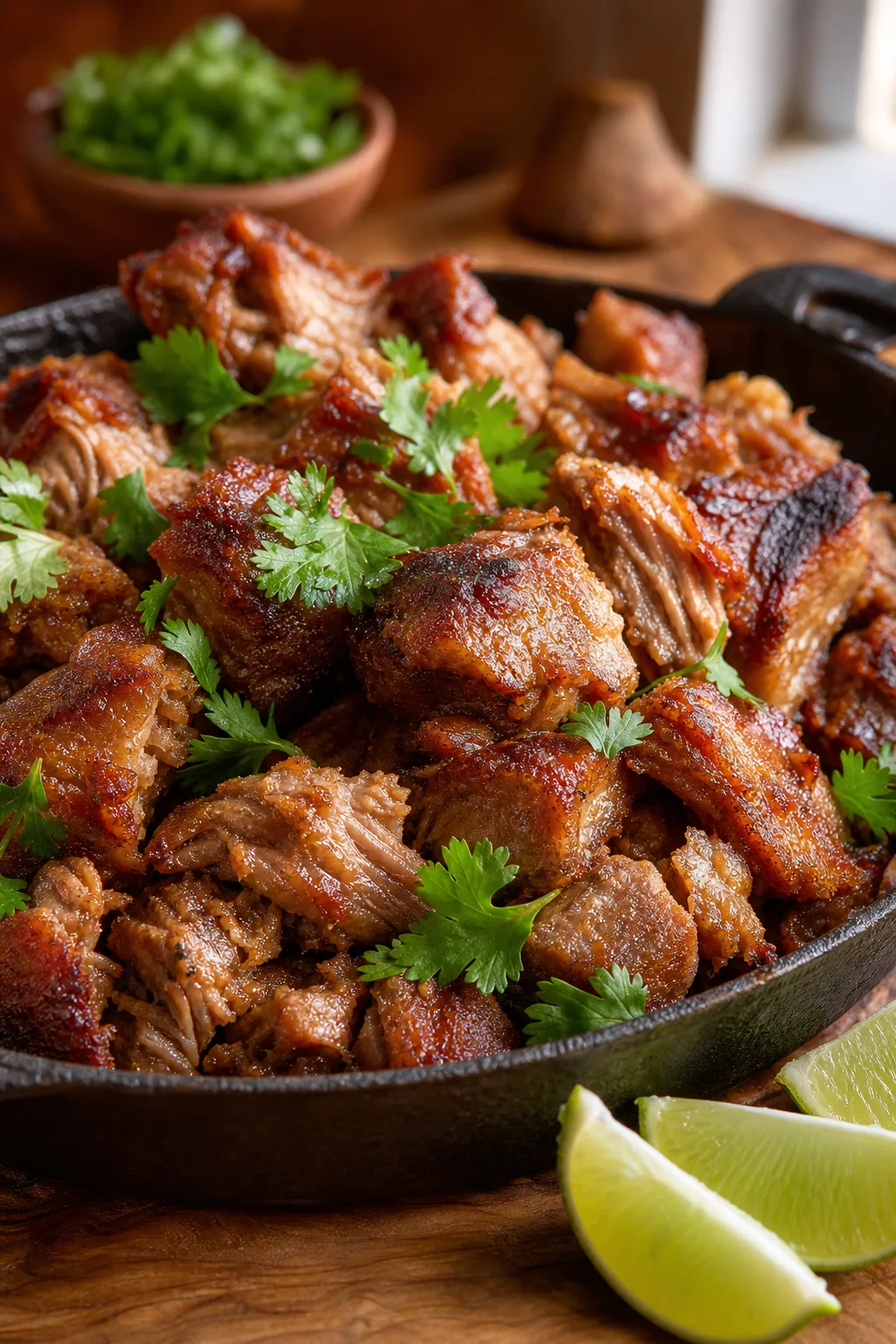
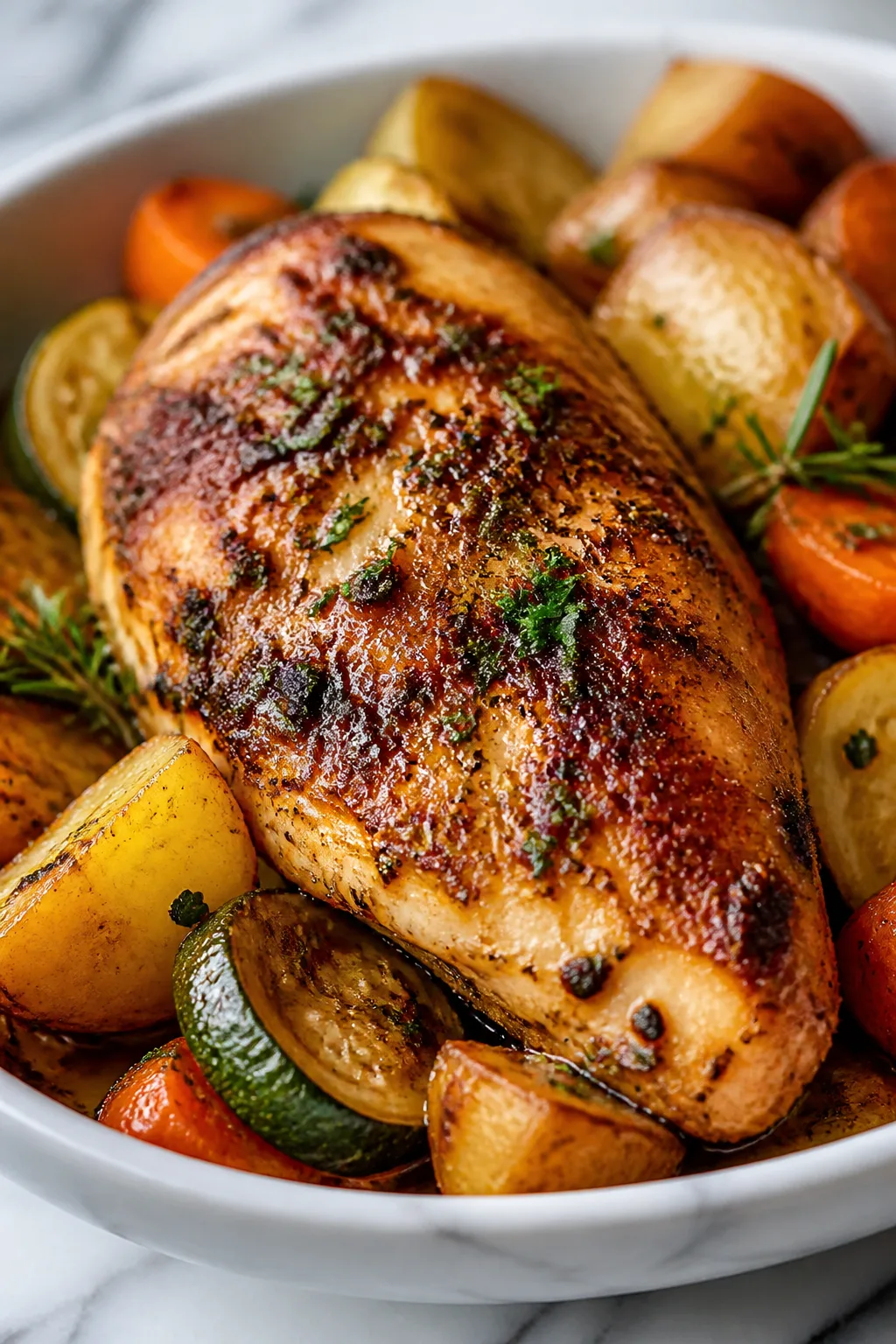
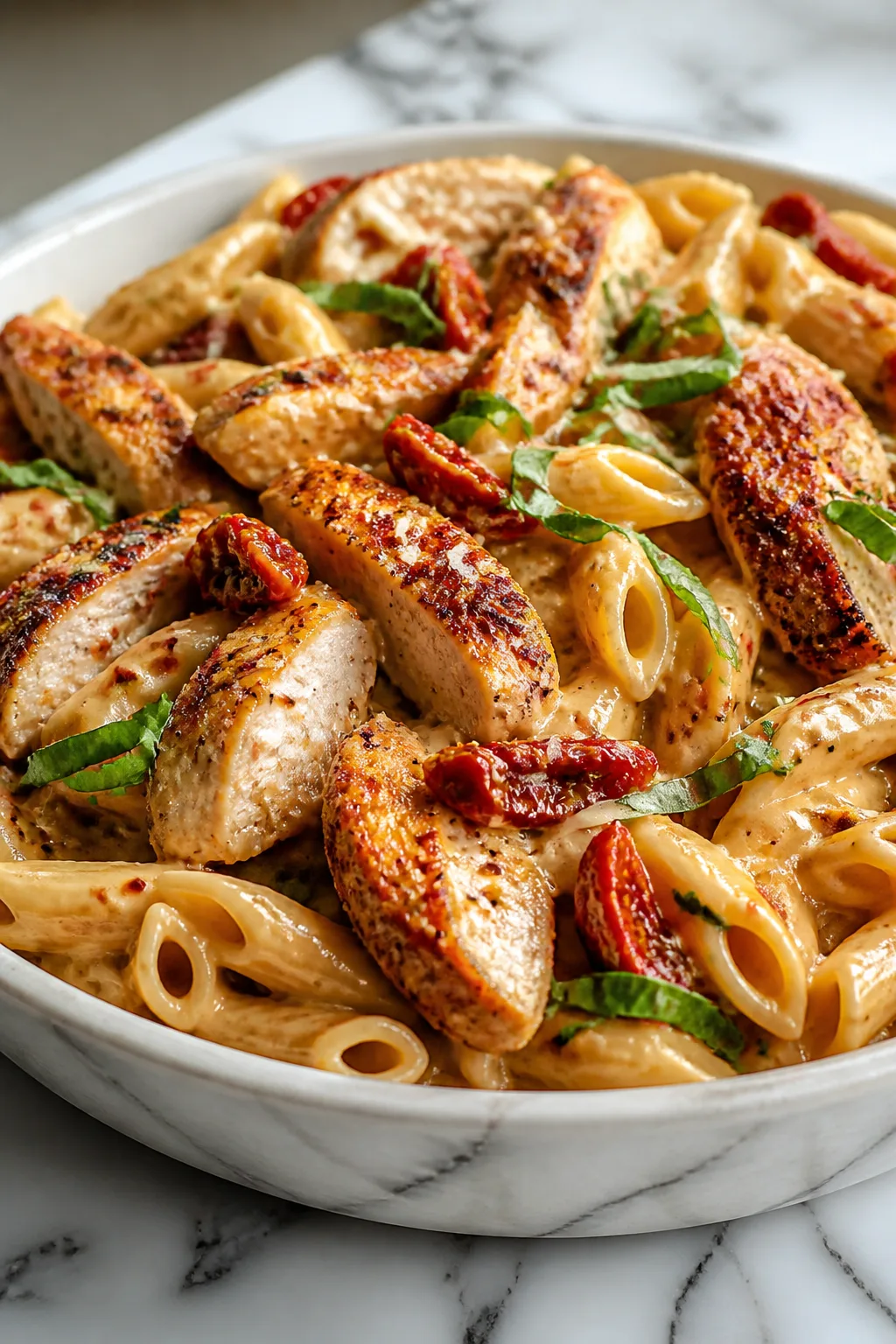
This light garlic chicken is a healthy, satisfying dinner with sweet baby carrots and crisp asparagus. Garlic adds cozy depth, and it’s ready in 45 minutes—perfect for busy weeknights when you want home-cooked comfort without fuss.
Introduction
I first made this garlic chicken dish on a hectic weeknight when I wanted something healthy but filling, and it quickly became a staple in my kitchen. What I love about this recipe is how the garlic-infused olive oil brings a cozy, homey flavor that makes the dish feel comforting without weighing you down. The fresh asparagus and baby carrots add just the right amount of sweetness and crunch, giving a nice contrast to the tender chicken. I’ve tried many garlic chicken recipes before, but what sets this one apart is the simple technique of cooking the veggies just right so they stay crisp and vibrant, rather than soggy. Plus, a quick squeeze of lemon brightens everything up perfectly. It’s a recipe that works great for busy weeknights, especially when you want dinner on the table fast but still want to enjoy fresh, wholesome ingredients. The end result is a colorful, flavorful plate that feels like a treat but is super easy to make. I think you’ll appreciate how the garlic aroma fills your kitchen as it cooks—makes the whole house smell amazing. And honestly, it’s one of those meals where you can eat your veggies without even thinking twice. I hope you enjoy making it as much as I do!
How To Do It
Step 1
Start by prepping your chicken breasts, cutting them into even strips. This ensures they cook quickly and uniformly, so you don’t end up with some pieces dry and others undercooked. Pat the chicken dry with paper towels to help it brown better in the pan. Heat 2 tablespoons of olive oil in a large skillet over medium-high heat. Once hot, add the chicken strips in a single layer, avoiding overcrowding. Searing the chicken properly is key to developing a nice golden crust and locking in moisture. Cook for about 4-5 minutes on one side without moving them, then flip and cook another 3-4 minutes until cooked through. If the pan gets crowded, the chicken will steam instead of sear, which you want to avoid.
⏱ Time: 10 minutes
✓ Doneness: Chicken strips should be golden brown on the outside and no longer pink inside when sliced
Step 2
Once the chicken is cooked, remove it from the pan and set aside. In the same skillet, add the remaining 1 tablespoon of olive oil and lower the heat to medium. Add the minced garlic and sauté gently for about 1 minute until fragrant but not browned — burnt garlic tastes bitter and can ruin the dish. Then toss in the asparagus pieces and baby carrots. Stir frequently to coat the veggies in the garlic oil and help them cook evenly. Cooking the veggies at medium heat preserves their bright color and crunch, which adds great texture contrast. Season with salt, pepper, and thyme. Cook for 7-8 minutes or until asparagus is tender-crisp and carrots have softened slightly but still have bite.
⏱ Time: 10 minutes
✓ Doneness: Veggies should be vibrant in color, tender but still slightly firm when pierced with a fork
Step 3
Return the cooked chicken to the skillet with the sautéed vegetables. Toss everything together gently to combine and heat through for 2-3 minutes. Squeeze the juice of half a lemon over the dish and stir well to brighten the flavors. The lemon juice adds a fresh, zesty note that balances the richness of the garlic and olive oil. Taste and adjust seasoning with more salt or pepper if needed. Garnish with chopped fresh parsley if you like. Serve immediately for the best texture and flavor contrast between the tender chicken and crisp veggies.
⏱ Time: 5 minutes
✓ Doneness: Dish is hot throughout with a fresh lemon aroma and balanced seasoning
Variations
Spicy Garlic Chicken with Chili Flakes
Add 1/2 teaspoon red chili flakes when sautéing the garlic to introduce a gentle heat. This variation adds a warm kick without overpowering the garlic flavor, perfect if you like a little spice. The veggies remain crisp and fresh, balancing the heat nicely.
Note: Monitor the garlic closely when adding chili flakes as the spices can burn faster. Adjust chili amount to your heat preference.
Creamy Garlic Chicken with Parmesan
After cooking the chicken and veggies, stir in 1/4 cup grated Parmesan cheese and a splash of cream or milk to create a silky sauce. This makes the dish more indulgent with a rich, cheesy flavor while keeping the garlic forward.
Note: Add cream off heat to avoid curdling and stir until smooth. Parmesan will thicken the sauce gently.
Herb-Roasted Garlic Chicken with Mixed Vegetables
Roast the chicken breasts whole with garlic cloves and a mix of vegetables like zucchini and bell peppers for a hands-off method. This gives a deeper roasted flavor and slightly caramelized veggies, changing the texture and taste profile.
Note: Increase cooking time to 35-40 minutes at 400°F and turn veggies halfway for even roasting.
Lemon-Garlic Chicken with Quinoa Salad
Serve the garlic chicken and veggies over a bed of fluffy quinoa tossed with lemon zest and fresh herbs. This creates a complete meal with added protein and a fresh, tangy base that complements the savory chicken.
Note: Cook quinoa separately and toss with lemon zest and herbs while chicken cooks.
Asian-Inspired Garlic Chicken Stir Fry
Replace thyme with ginger and soy sauce, and toss in snap peas and bell peppers for an Asian twist. The garlic remains central but the flavor profile shifts to savory umami, perfect for a quick stir fry dinner.
Note: Use high heat and cook veggies quickly to keep them crisp, adding soy sauce at the end.
Pro Tips
Pat the chicken dry before cooking.
Removing excess moisture from the chicken surface helps achieve a better sear by allowing the meat to brown instead of steam. This enhances flavor through the Maillard reaction and locks in juices, resulting in tender, flavorful chicken.
Don’t overcrowd the pan when cooking chicken.
Crowding traps moisture and causes the chicken to steam rather than sear, leading to pale, rubbery pieces. Cooking in batches or using a larger skillet ensures even browning and a better texture.
Sauté garlic on medium heat gently.
Garlic burns easily due to its sulfur compounds, turning bitter and ruining the dish’s flavor. Cooking it slowly in olive oil releases sweet, mellow aromas without burning, creating a rich base for the recipe.
Cut vegetables uniformly.
Evenly sized pieces cook at the same rate, preventing some vegetables from being undercooked while others are mushy. This ensures a consistent texture and appearance in the finished dish.
Add lemon juice at the end of cooking.
Acidity brightens all the flavors and balances the richness of olive oil and garlic. Adding it too early can cause bitterness or dull the freshness, so it’s best to add just before serving.
Use fresh herbs as garnish.
Fresh parsley or thyme adds a burst of color and a fresh herbal note that rounds out the dish. Adding herbs at the end preserves their delicate aromas and prevents them from becoming bitter.
Serve immediately after cooking.
This dish shines best when the chicken is juicy and the vegetables are crisp-tender. Waiting too long causes the veggies to soften further and the chicken to lose its fresh seared texture.
Common Mistakes to Avoid
Burning the garlic.
Why it happens Many cooks add garlic to a pan that’s too hot or cook it too long without stirring, causing it to burn quickly.
Fix Cook garlic on medium or medium-low heat and stir constantly. Add it after the chicken is partially cooked to avoid prolonged exposure to heat. If garlic burns, discard and start over to avoid bitterness.
Chicken not browning properly.
Why it happens This often happens when the pan is overcrowded or the chicken is wet, causing steaming instead of searing.
Fix Pat chicken dry thoroughly and cook in batches if needed. Use a hot pan and avoid moving the chicken too soon to allow a crust to form.
Vegetables overcooked and mushy.
Why it happens Cooking vegetables too long or at too high heat breaks down their structure and dulls their color.
Fix Cook veggies just until tender-crisp, stirring frequently, and remove from heat promptly. Use uniform cuts for even cooking.
Lemon juice added too early.
Why it happens Adding lemon juice early can cause bitterness or loss of fresh citrus flavor.
Fix Add lemon juice at the very end of cooking, just before serving, to brighten the dish without overpowering it.
Skipping seasoning.
Why it happens Some skip seasoning during cooking, resulting in bland chicken and vegetables.
Fix Season chicken and veggies generously with salt and pepper during cooking to enhance natural flavors.
Nutrition
Per Serving:
Nutritional values are estimates and may vary based on specific ingredients used.
Storage & Tips
Room Temperature
This dish can safely sit covered at room temperature for up to 2 hours. Beyond that, bacteria can grow, so it’s best to refrigerate promptly. Keep it covered with foil or a lid to prevent drying out.
Refrigerator
Store leftovers in an airtight container in the fridge for up to 3 days. The chicken remains tender, but vegetables may soften. Reheat gently to avoid drying out the chicken—adding a splash of water or broth helps maintain moisture.
Freezer
Freeze cooked chicken and vegetables in a freezer-safe container or bag for up to 2 months. Wrap tightly to prevent freezer burn. Thaw overnight in the fridge before reheating. Texture of veggies may be softer after freezing.
Reheating
Reheat gently on the stovetop over low to medium heat, stirring occasionally. Add a little water or broth to keep the chicken moist. Avoid microwaving on high as it can dry the chicken and make vegetables mushy.
Make Ahead
You can prep and cut all the vegetables 1-2 days ahead and store them in the fridge. Chicken can be marinated in garlic and olive oil overnight for deeper flavor. Cook everything fresh on the day of serving for best texture and taste.
FAQ
Can I use chicken thighs instead of breasts?
Yes, chicken thighs work great and are juicier, but they take slightly longer to cook. Use bone-in thighs for more flavor and adjust cooking time to about 35 minutes, checking for an internal temperature of 165°F. Thighs also have more fat, which enriches the dish.
What if I don’t have fresh asparagus?
You can substitute green beans or broccoli florets, which also cook quickly and add crunch. Frozen asparagus can be used but should be thawed and patted dry beforehand to avoid excess water making the dish soggy.
How do I prevent garlic from burning?
Cook garlic over medium heat and stir frequently. Add garlic after the chicken is mostly cooked to avoid overcooking it. If garlic starts to brown too fast, reduce the heat immediately or remove the pan from heat briefly.
Can I make this recipe vegan or vegetarian?
To make it vegan, replace chicken with firm tofu or tempeh, pressing and marinating it before cooking. Use vegetable broth if adding liquid. The garlic and veggies stay the same, making a flavorful plant-based meal.
Is this recipe gluten-free?
Yes, all ingredients used are naturally gluten-free. Just be sure any additional seasonings or broth you add are labeled gluten-free if you want to avoid cross-contamination.
What’s the best way to reheat leftovers without drying out the chicken?
Reheat gently on the stovetop with a splash of water or broth over low heat, stirring occasionally. This prevents dryness and keeps veggies from getting mushy. Avoid high heat or microwave reheating for better texture.
Can I add other vegetables to the dish?
Absolutely! Bell peppers, snap peas, zucchini, or mushrooms work well. Just add vegetables with similar cooking times to keep everything tender-crisp. Adjust seasoning accordingly to balance flavors.
How do I store leftovers to maintain freshness?
Store in an airtight container in the fridge within two hours of cooking. This keeps the chicken juicy and veggies fresh. Consume within 3 days for best taste and texture.
Final Thoughts
I hope you give this garlic chicken recipe a try—it’s one of my favorites for a quick, healthy meal. Let me know how it turns out and if you add your own twist!