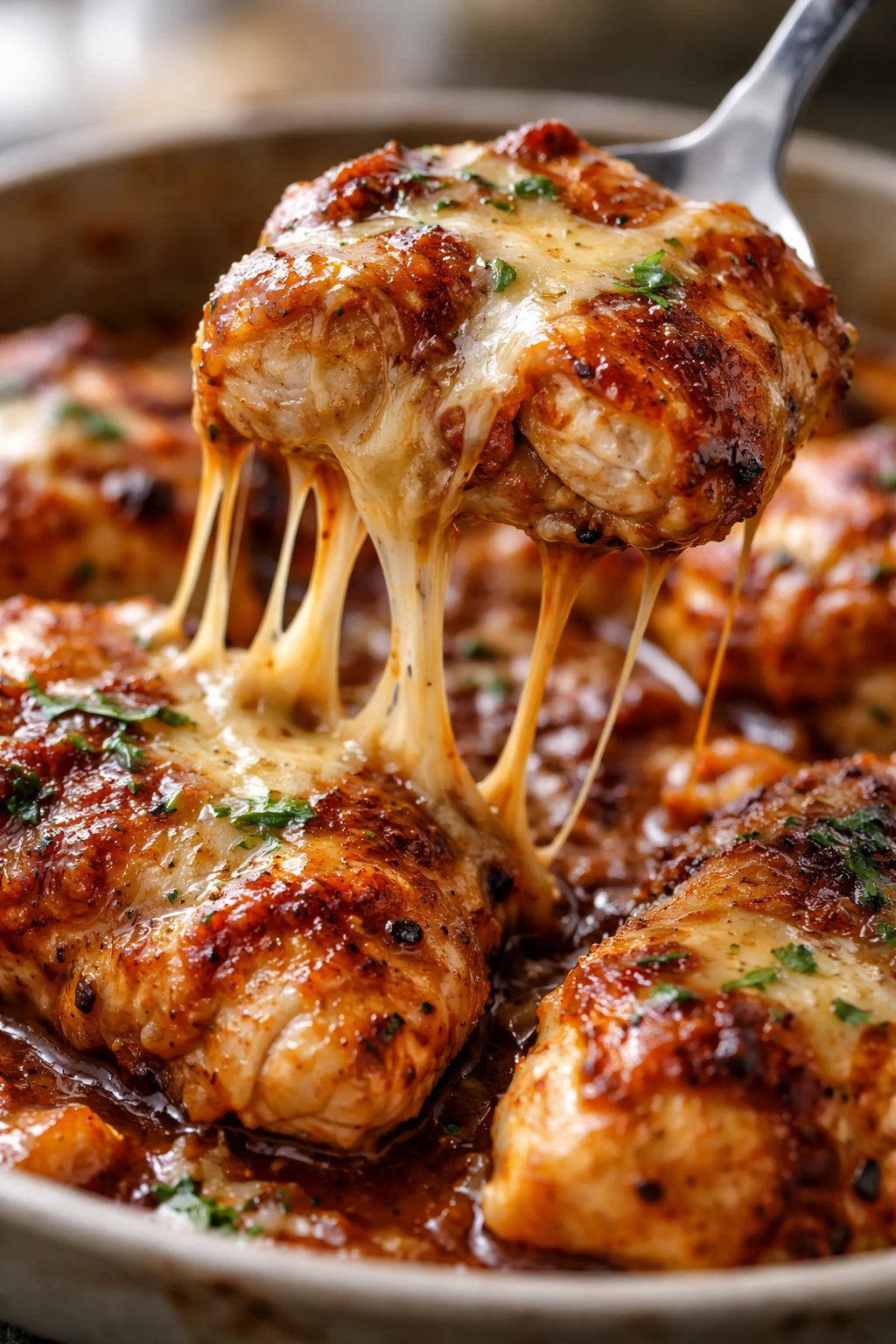
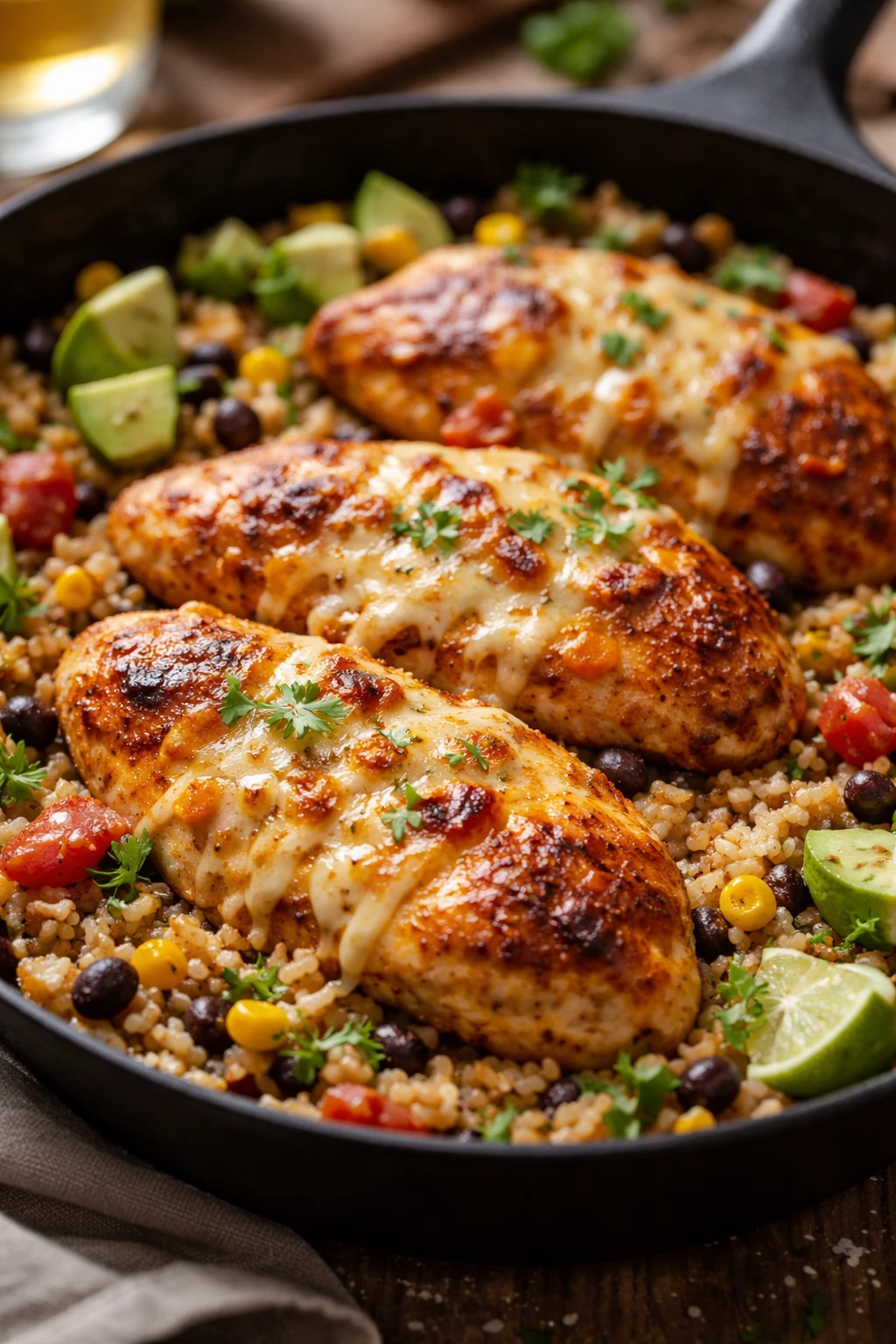
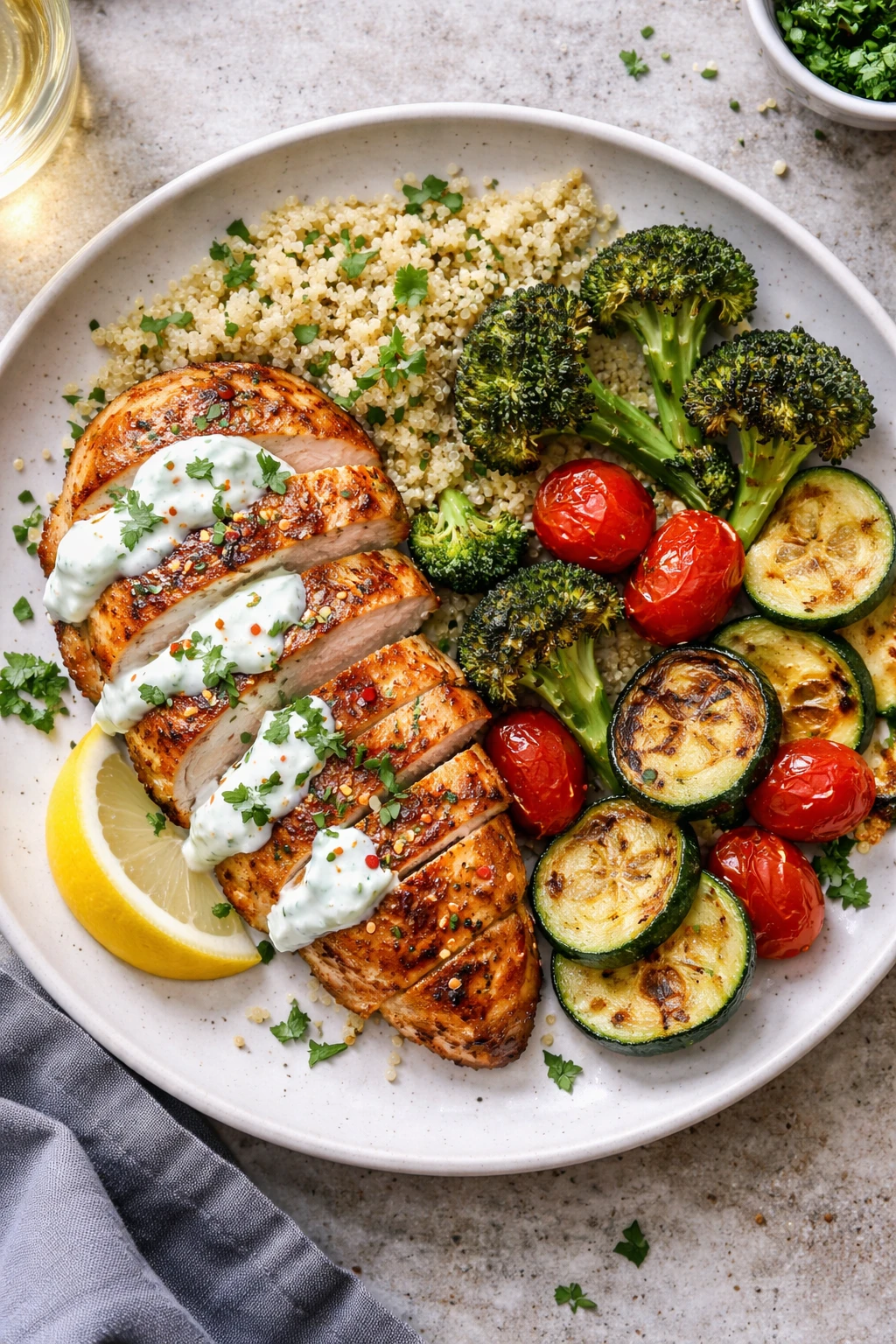
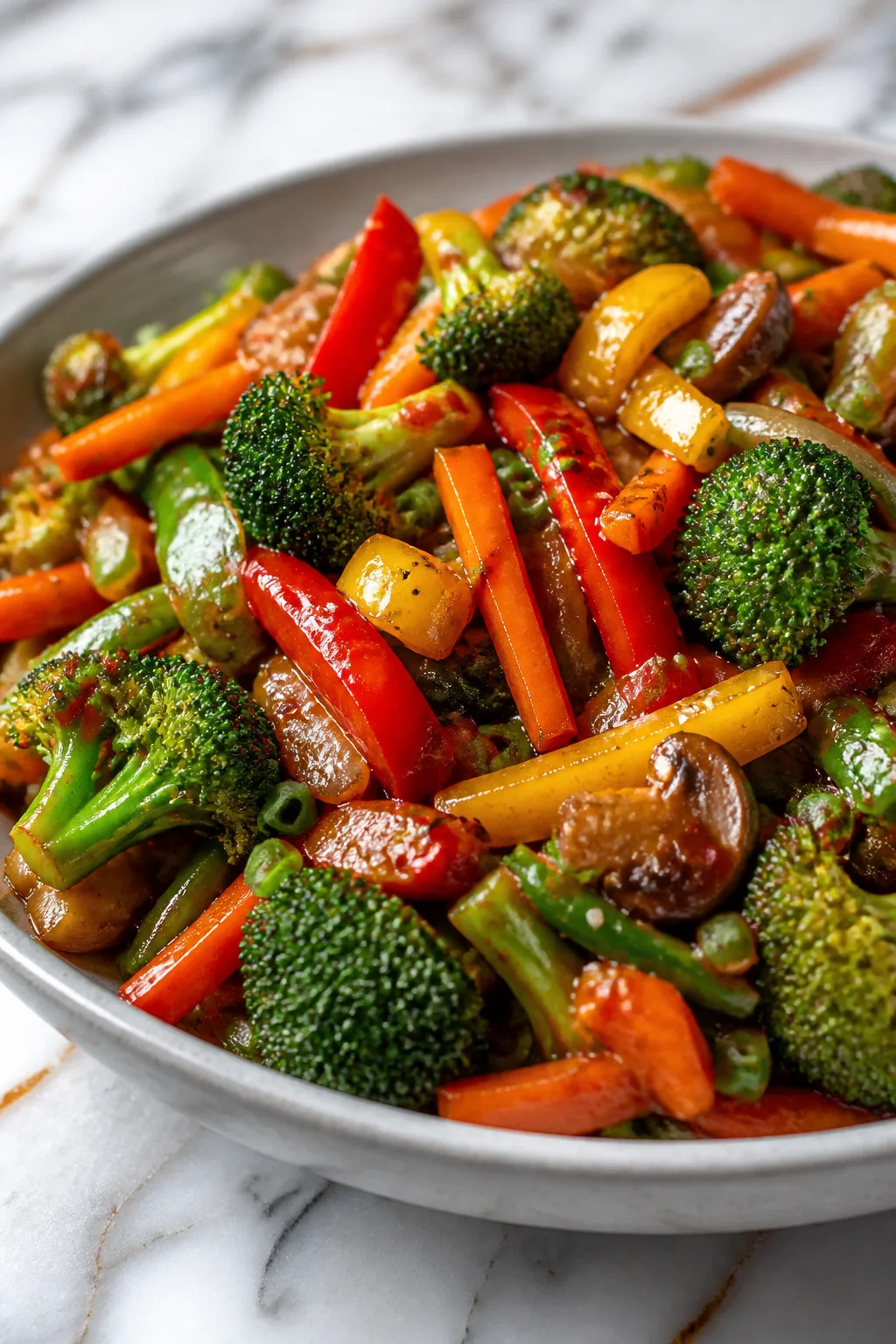
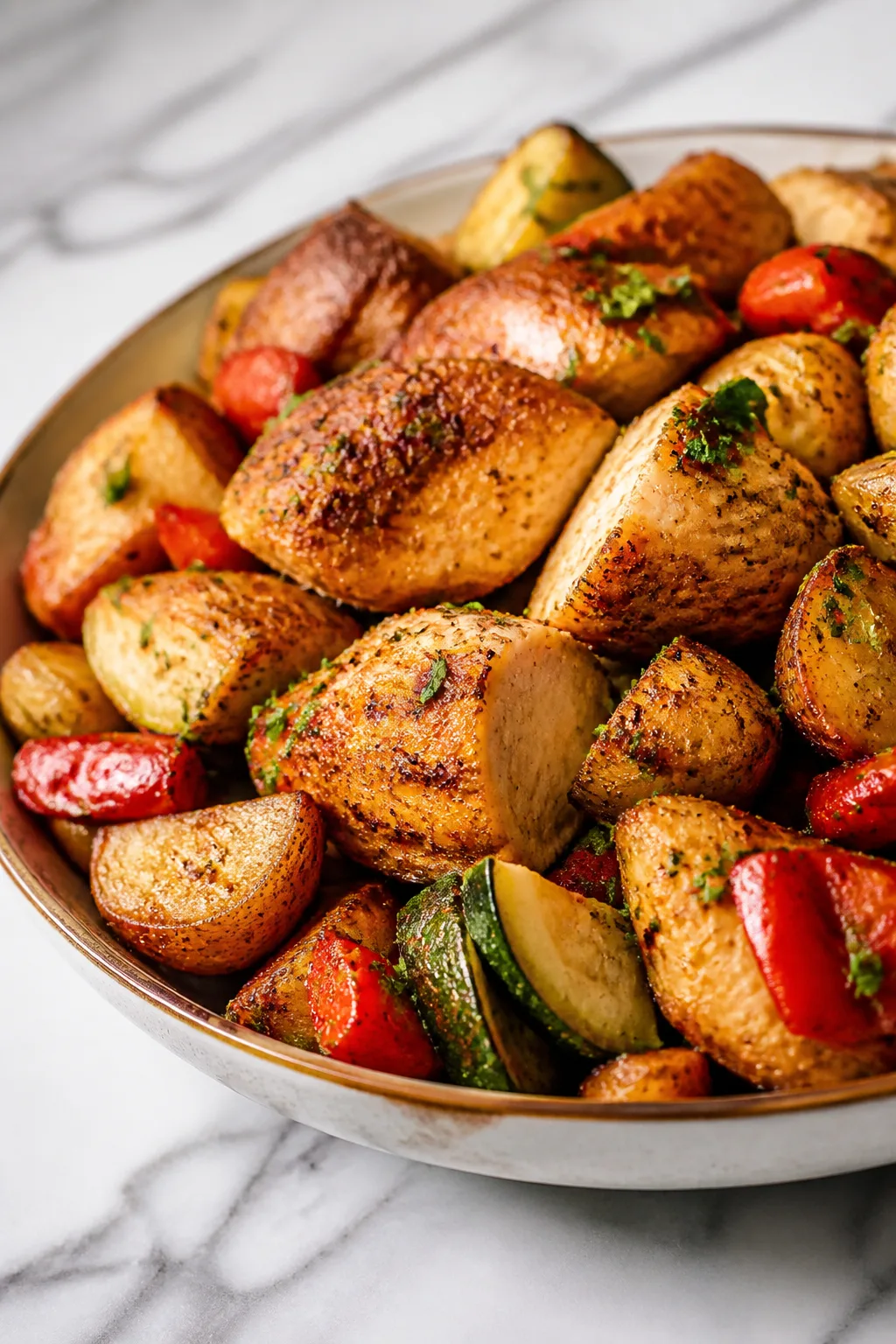
This stir fry is a quick, protein-rich dinner that’s perfect when you’re short on time but want something healthy and satisfying. Fresh veggies and tender chicken come together with a simple sauce. Great for weeknights!
Introduction
I’ve always loved quick dinners that don’t skimp on flavor or nutrition, and this chicken stir fry is one of my go-to meals when time is tight. The first time I made it, I was surprised how fresh and satisfying it felt compared to takeout. What sets this stir fry apart is the simple yet flavorful sauce made with soy and oyster sauce, plus the fresh ginger and garlic that give it a little zing. I learned that slicing the chicken thinly helps it cook evenly and stay tender, which was a game-changer for me. Plus, tossing in crisp vegetables like broccoli and bell pepper keeps the dish colorful and adds a nice crunch. When it’s all done, you get juicy chicken coated in a glossy, savory sauce with veggies that still have a bit of snap. It’s perfect for busy weeknights when you want something wholesome without a lot of fuss. I usually serve it over jasmine rice, but noodles work just as well. Trust me, once you try this, it’ll become a staple in your dinner rotation just like it did in mine.
How To Do It
Step 1
Start by prepping your ingredients carefully. Slice the chicken breasts thinly against the grain; this helps keep the meat tender and allows it to cook quickly and evenly during stir-frying. Thin slices also soak up the sauce better, making every bite flavorful. Chop the vegetables into uniform pieces to ensure even cooking. Remember not to overcrowd the pan later on, as that can cause steaming instead of searing, which changes the texture.
⏱ Time: 10 minutes
✓ Doneness: Chicken slices are thin and uniform; vegetables are cut into similar sizes
Step 2
Heat vegetable oil in a large skillet or wok over medium-high heat until shimmering but not smoking. Add the chicken slices in a single layer and let them sear without moving for about 2 minutes to get a nice golden color. Stir-fry the chicken until just cooked through but still juicy. Avoid overcooking here because chicken will continue to cook slightly when mixed with the sauce and vegetables.
⏱ Time: 5 minutes
✓ Doneness: Chicken turns opaque and has a light golden sear
Step 3
Remove the cooked chicken from the pan and set aside. In the same pan, add a bit more oil if needed and toss in minced garlic and grated ginger. Stir-fry for 30 seconds until fragrant but not burnt. This step is critical because it infuses the oil with fresh aromatics that flavor the entire dish.
⏱ Time: 1 minute
✓ Doneness: Aromatic scent fills the kitchen; garlic is lightly golden
Step 4
Add the sliced bell pepper, broccoli florets, and julienned carrot to the pan. Stir-fry the vegetables over high heat, moving them constantly so they cook evenly but retain their crunch. You want them tender-crisp, not mushy, which is why quick, high heat is key.
⏱ Time: 4-5 minutes
✓ Doneness: Vegetables are vibrant in color and slightly softened but still crisp
Step 5
Return the chicken to the pan with the vegetables. Stir to combine everything well before adding the sauce. This ensures the chicken and veggies are evenly distributed for the sauce to coat all ingredients nicely.
⏱ Time: 1 minute
✓ Doneness: Ingredients are mixed and heated through
Step 6
Pour in the soy sauce and oyster sauce, stirring quickly to coat the chicken and veggies. Then add the cornstarch slurry (cornstarch dissolved in water) gradually while stirring. This thickens the sauce and gives it a glossy finish. Stir continuously to prevent lumps and ensure an even consistency. If you skip this step, the sauce will be watery and won’t cling to the ingredients.
⏱ Time: 2-3 minutes
✓ Doneness: Sauce thickens and glazes the chicken and vegetables evenly
Step 7
Taste the stir fry and season with salt and pepper if needed. Keep in mind that soy and oyster sauces are salty, so adjust carefully. This final seasoning step lets you balance the flavors perfectly.
⏱ Time: 1 minute
✓ Doneness: Balanced savory flavor without overpowering saltiness
Step 8
Remove from heat and let the stir fry rest for a minute. This brief rest helps the sauce settle and flavors meld. It also prevents the chicken from drying out.
⏱ Time: 1 minute
✓ Doneness: Dish looks glossy and vibrant
Step 9
Serve immediately over steamed jasmine rice or noodles. The rice soaks up the delicious sauce, making every bite satisfying. Enjoy your homemade, protein-packed stir fry fresh for the best taste and texture.
⏱ Time: 0 minutes
✓ Doneness: Dish served hot with rice or noodles
Variations
Spicy Szechuan Chicken Stir Fry
Add dried red chili flakes or fresh chopped chilies and a splash of chili oil to the sauce for a fiery twist. Use Szechuan peppercorns for authentic numbing heat. Expect a bolder, spicier flavor with a tingling sensation in every bite.
Note: Reduce or omit chili if sensitive to spice. Stir-fry aromatics carefully to avoid burning the chili flakes.
Honey Garlic Chicken Stir Fry
Swap oyster sauce for honey and add extra garlic to create a sweet-savory glaze. This version is great if you prefer a touch of sweetness and pairs well with steamed greens or snap peas.
Note: Add honey after removing from heat to prevent burning and maintain its delicate flavor.
Vegetarian Tofu Stir Fry
Replace chicken with firm tofu pressed and cubed. Marinate tofu in soy sauce before stir-frying until golden. This keeps the protein high and makes it suitable for vegetarians without losing flavor or texture.
Note: Use a non-stick pan and cook tofu until crisp on all sides before adding vegetables.
Cashew Chicken Stir Fry
Toss in roasted cashews for added crunch and nutty flavor. This adds texture contrast and richness, making the dish feel more indulgent while still quick and healthy.
Note: Add cashews at the very end to keep them crunchy and prevent burning.
Ginger Lime Chicken Stir Fry
Add fresh lime juice and zest to the sauce along with extra ginger for a bright, citrusy flavor. This variation is refreshing and pairs wonderfully with cilantro garnish.
Note: Add lime juice at the end of cooking to preserve its fresh flavor.
Pro Tips
Always slice chicken against the grain for tenderness.
Cutting against the grain shortens muscle fibers, which makes the chicken easier to chew and keeps it tender after cooking. Ignoring this can result in tough, chewy pieces that detract from the dish’s enjoyment.
Don’t overcrowd the pan when stir-frying.
Overcrowding traps steam and prevents proper searing, leading to soggy textures. Stir-frying works best with high heat and space for ingredients to quickly brown and develop flavor.
Use a cornstarch slurry to thicken the sauce last.
Adding cornstarch mixed with water creates a smooth, glossy sauce that clings to the chicken and veggies. Adding cornstarch directly or too early can cause lumps or a gummy texture.
Cook garlic and ginger briefly until fragrant.
These aromatics release their essential oils quickly, flavoring the oil and the entire dish. Overcooking or burning them can create bitterness and ruin the flavor balance.
Serve immediately over freshly cooked rice or noodles.
The stir fry tastes best hot, with the rice absorbing the sauce. Waiting too long causes the sauce to thicken and the vegetables to lose their crispness.
Marinate chicken briefly if you have extra time.
A quick 10-minute marinade with soy sauce and a bit of sesame oil can add extra flavor and moisture, but it’s optional since this recipe cooks quickly and remains tender.
Use a wok or large skillet for even heat distribution.
A wok’s shape helps cook ingredients quickly and evenly with high heat, essential for good stir-frying. Using a small pan may crowd ingredients and reduce heat.
Common Mistakes to Avoid
Cooking chicken too thick or unevenly sliced
Why it happens People often slice chicken too thick or forget to cut against the grain, thinking it will cook faster or be easier to prepare.
Fix Take your time slicing the chicken thinly and against the grain. This ensures even cooking and tenderness. Using a sharp knife helps achieve clean, thin slices that cook quickly.
Overcrowding the pan during stir-fry
Why it happens Trying to cook everything at once to save time can lead to steaming instead of searing.
Fix Cook in batches if necessary to keep heat high and allow ingredients to brown properly. This keeps textures crisp and flavors developed.
Skipping the cornstarch slurry for the sauce
Why it happens Some skip this step thinking it’s unnecessary or to save time.
Fix Mix cornstarch with water and add it at the end to thicken the sauce. This binds flavors and gives the dish a nice glossy finish.
Burning garlic and ginger
Why it happens Cooking aromatics on too high heat or too long can cause bitterness.
Fix Add garlic and ginger after removing chicken, stir-fry quickly until fragrant (about 30 seconds), then add vegetables immediately.
Using low heat for stir-frying
Why it happens Some think lower heat is safer and easier to manage.
Fix Use medium-high to high heat to sear and cook ingredients quickly. This locks in juices and preserves texture.
Nutrition
Per Serving:
Nutritional values are estimates and may vary based on specific ingredients used.
Storage & Tips
Room Temperature
This stir fry can safely sit at room temperature for up to 2 hours if covered. Beyond that, bacteria growth increases, so refrigerate promptly.
Refrigerator
Store leftovers in an airtight container for up to 3 days. The sauce may thicken and vegetables soften when chilled, so reheat gently to restore texture. It can be eaten cold but tastes best warmed.
Freezer
Freeze cooked stir fry in a freezer-safe container for up to 2 months. Wrap tightly to prevent freezer burn. Thaw overnight in the fridge before reheating.
Reheating
Reheat on the stovetop over medium heat with a splash of water or broth to loosen the sauce. Microwave works too, but stir halfway through to heat evenly. Avoid overheating to prevent drying out.
Make Ahead
You can slice chicken and chop vegetables 1-2 days ahead and store separately in the fridge. Mix and cook everything on the day you plan to serve for maximum freshness.
FAQ
Can I use chicken thighs instead of breasts?
Yes! Chicken thighs are juicier and more forgiving if slightly overcooked. Slice them thinly like breasts and cook until just done. They add a richer flavor but may need a minute or two longer to cook.
What can I substitute for oyster sauce if I’m allergic?
You can use hoisin sauce or a mixture of soy sauce and a pinch of sugar as an alternative. While it changes the flavor slightly, it still adds sweetness and umami to the dish.
How do I keep vegetables crisp in the stir fry?
Cook vegetables on high heat and stir-fry quickly without overcrowding the pan. Avoid overcooking by adding them in stages if needed and removing from heat as soon as tender-crisp.
Can I make this recipe gluten-free?
Absolutely! Use gluten-free tamari instead of soy sauce and check that oyster sauce is gluten-free or substitute with a gluten-free alternative. Make sure all other ingredients are certified gluten-free.
Why is my sauce watery?
Often, this happens if you skip the cornstarch slurry or add it directly without mixing with water. Make sure to dissolve cornstarch in water before adding and stir until sauce thickens.
Can I prepare this dish ahead of time?
You can prep ingredients a day or two ahead but cook fresh for best texture and flavor. Stir fries lose their crispness and become soggy if stored cooked for long periods.
What’s the best pan to use for stir-frying?
A wok is ideal due to its shape and heat distribution. If you don’t have a wok, a large heavy-bottomed skillet works fine, just avoid overcrowding and keep heat high.
How spicy is this recipe by default?
This recipe is mild and family-friendly. You can easily add chili flakes or fresh chilies if you want to kick up the heat.
Final Thoughts
Give this chicken stir fry a try the next time you want a quick, healthy dinner that doesn’t skimp on flavor. I’d love to hear how it turns out for you!