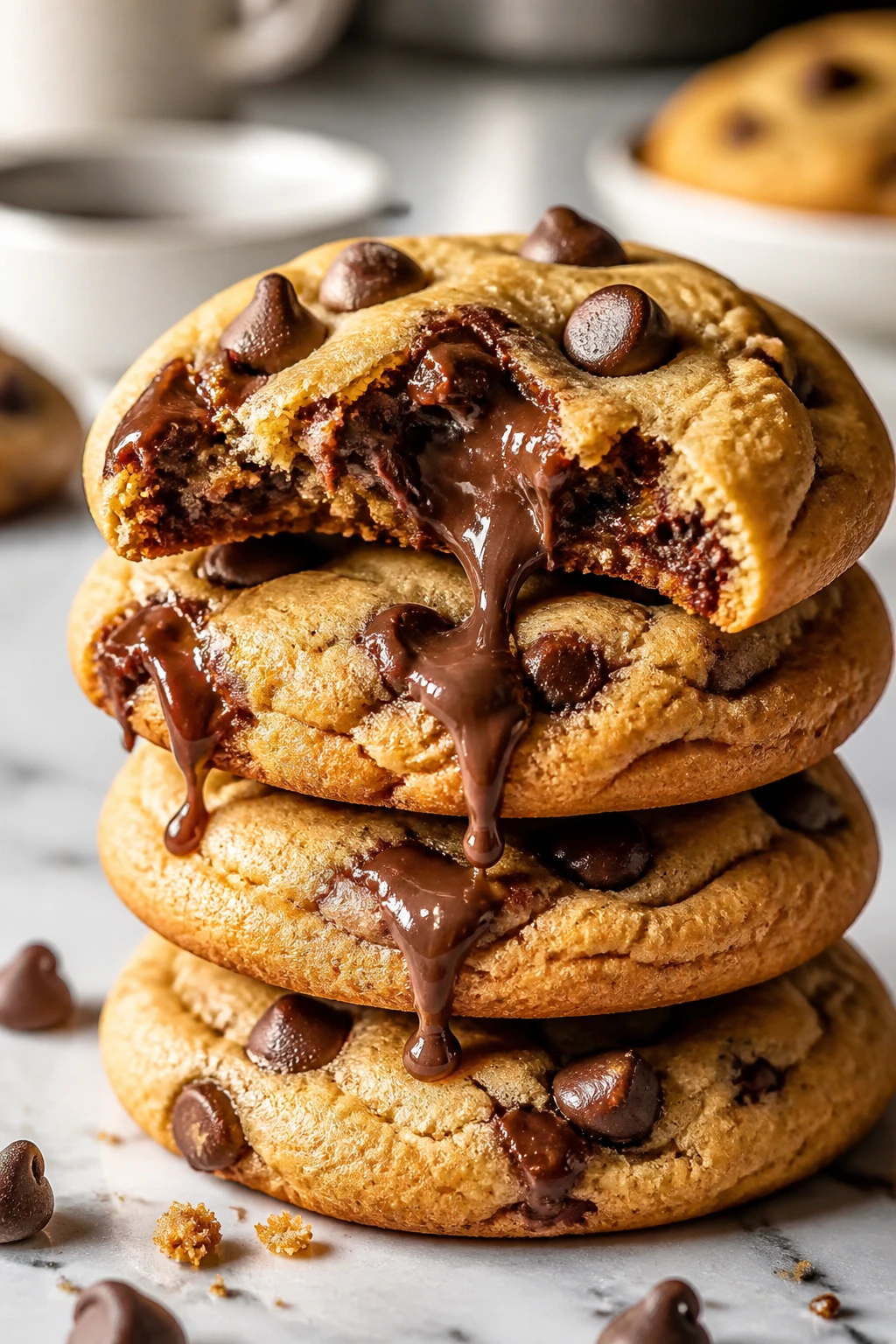
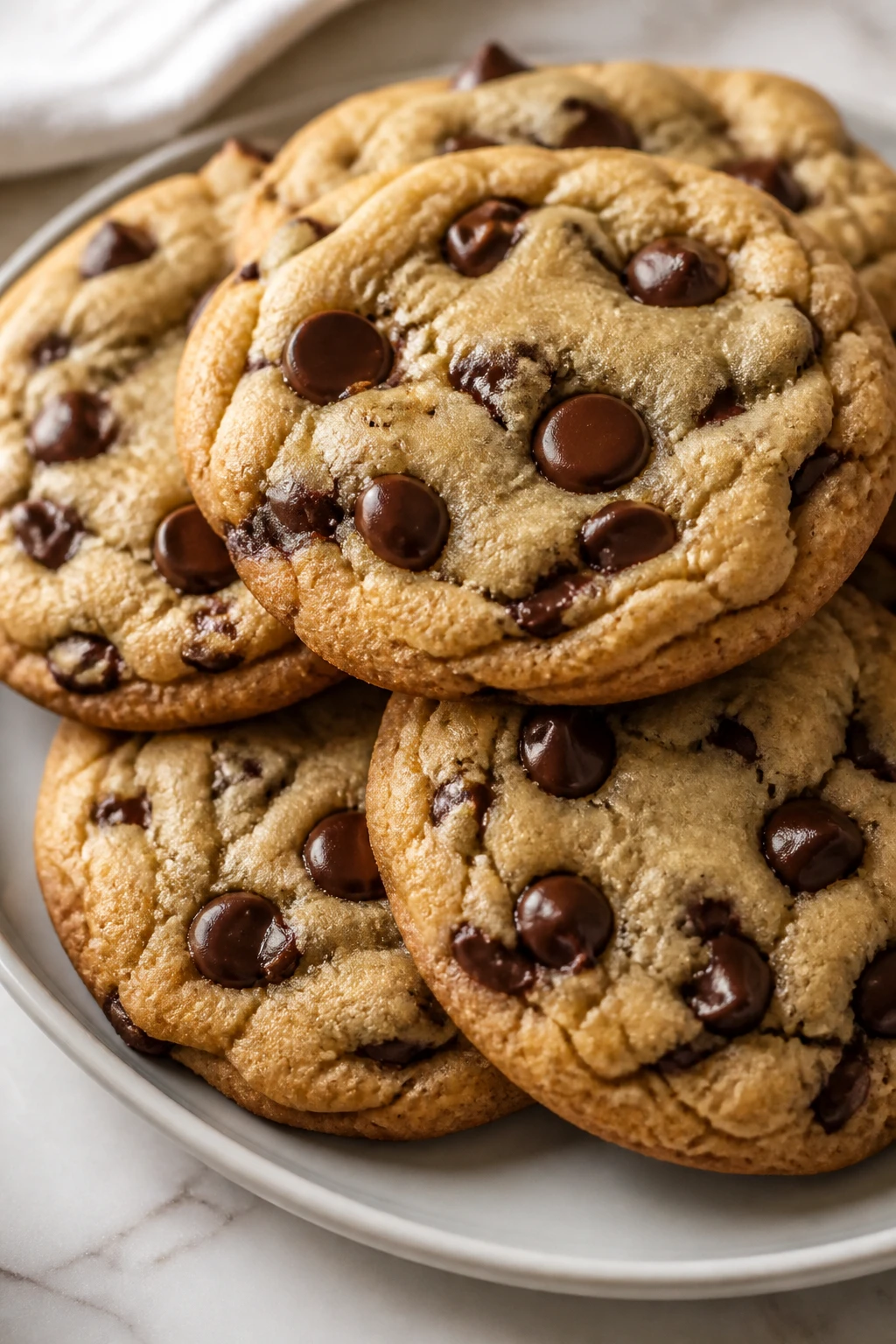
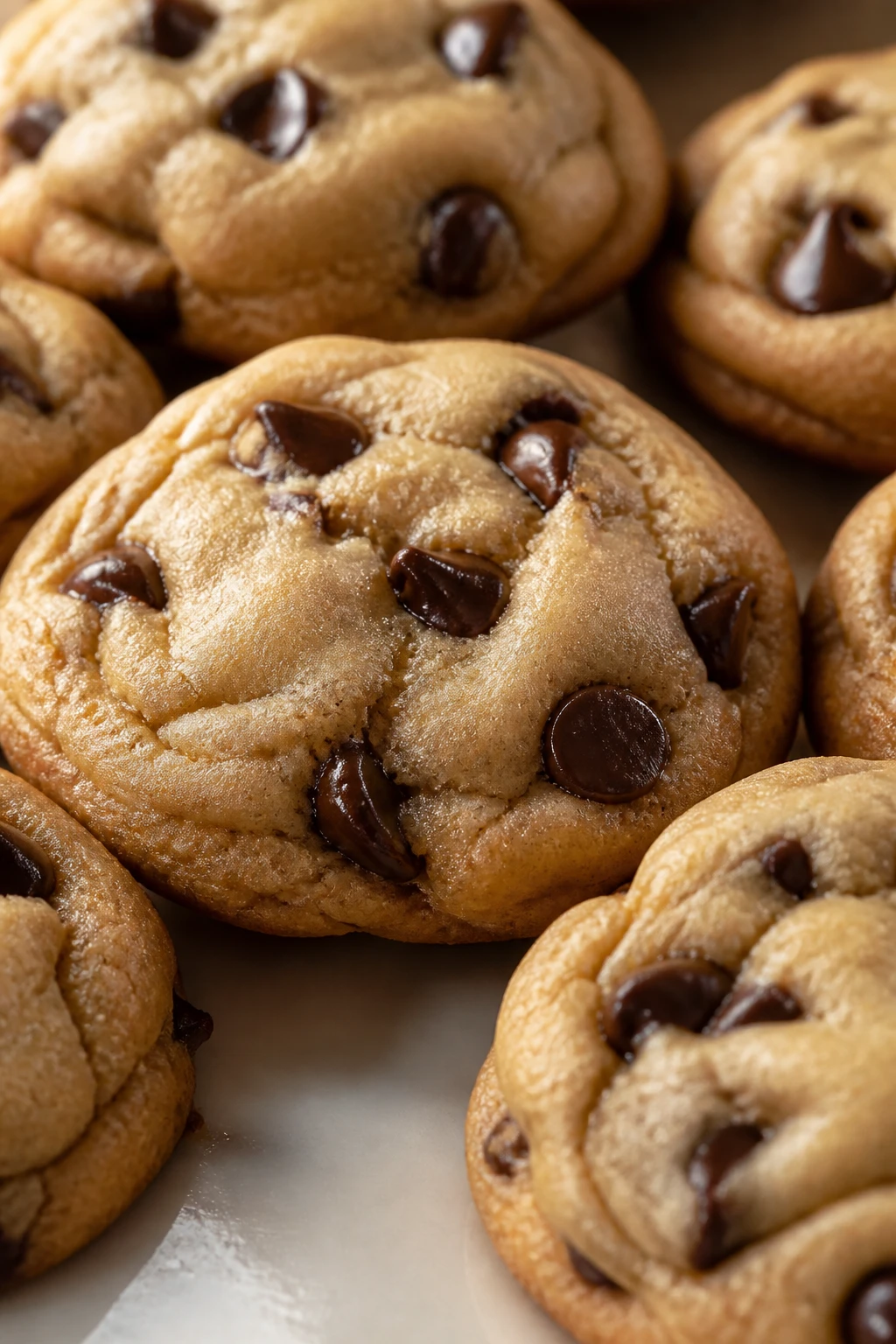
These chocolate chip cookies are my go-to when I want something quick and satisfying. Just five ingredients and 20 minutes to a soft, chewy treat thanks to the magic of brown sugar. Perfect for last-minute dessert cravings!
Introduction
I first made these chocolate chip cookies on a whim when I only had a few ingredients on hand and a serious cookie craving. I was pleasantly surprised at how chewy and soft they turned out with just five simple ingredients! The secret really is the brown sugar—it keeps the cookies tender and moist in a way that white sugar just can’t. Over time, I tweaked the baking time slightly to perfect that just-right texture: soft in the middle with slightly crisp edges. What I love most is how quick and easy this recipe is—no complicated steps or fancy ingredients, just classic comfort in cookie form. These cookies bake up fast, making them perfect for a last-minute dessert or an afternoon pick-me-up. Plus, they’re always a hit with friends and family, which makes me feel like I’m sharing a little homemade love.
What You'll Need
Approximately 12 cookies, 4 servings
- 1 cup unsalted butter, softened
- 1 cup brown sugar, packed
- 2 large eggs
- 2 cups all-purpose flour
- 1 cup semisweet chocolate chips
How To Do It
Step 1
Preheat your oven to 350°F (175°C) and line a baking sheet with parchment paper. This step is crucial because it ensures even baking and prevents the cookies from sticking. Using parchment also helps the bottoms brown nicely without burning. While the oven heats, get your ingredients ready so you can move smoothly through the recipe. Skipping this prep can lead to rushed mixing and uneven dough.
⏱ Time: 10 minutes
✓ Doneness: Oven fully preheated and baking sheet prepared with parchment paper
Step 2
In a large bowl, cream together the softened butter and packed brown sugar until the mixture is light and fluffy. This usually takes about 3-5 minutes using an electric mixer on medium speed. Creaming incorporates air, which helps the cookies rise and gives them a tender texture. Don't rush this step or you might end up with dense cookies.
⏱ Time: 5 minutes
✓ Doneness: Mixture looks pale, fluffy, and smooth
Step 3
Beat in the eggs one at a time, mixing well after each addition. This helps the eggs incorporate fully, providing structure and moisture to the dough. If you add both eggs at once, the batter might curdle or separate, affecting the final texture.
⏱ Time: 2 minutes
✓ Doneness: Smooth, glossy batter with no streaks of egg
Step 4
Gradually add the all-purpose flour to the wet ingredients, mixing on low speed just until combined. Overmixing here can develop gluten, resulting in tougher cookies, so stop as soon as you see no flour streaks. The dough should be soft but hold together.
⏱ Time: 3 minutes
✓ Doneness: No visible flour and dough forms a cohesive ball
Step 5
Fold in the chocolate chips evenly with a spatula. Folding instead of mixing preserves the dough’s texture and ensures the chips are well distributed without overworking the dough.
⏱ Time: 2 minutes
✓ Doneness: Chocolate chips evenly scattered throughout the dough
Step 6
Use a tablespoon or cookie scoop to drop dough balls onto the prepared baking sheet, spacing them about 2 inches apart to allow spreading. If cookies are too close, they’ll merge and lose their shape.
⏱ Time: 5 minutes
✓ Doneness: Uniform dough balls spaced evenly with room to spread
Step 7
Bake in the preheated oven for 12-15 minutes. Keep an eye on the edges—they should be golden but the centers will look slightly underbaked. This underbaking is key to keeping them chewy.
⏱ Time: 12-15 minutes
✓ Doneness: Edges are golden and centers look soft but set
Step 8
Remove the cookies from the oven and let them cool on the baking sheet for 5 minutes before transferring to a wire rack. This cooling time allows the cookies to finish setting without breaking apart.
⏱ Time: 5 minutes
✓ Doneness: Cookies are firm enough to move without falling apart
Step 9
Once cooled, enjoy immediately or store in an airtight container. These cookies taste best fresh but keep well for a few days when sealed properly. Reheating slightly can bring back that fresh-baked softness.
⏱ Time: 0 minutes
✓ Doneness: Cookies cooled to room temperature and ready to serve
Variations
Add Nuts for Crunch
Stir in 1 cup of chopped walnuts or pecans for extra texture and a nutty flavor that complements the chocolate. This adds a satisfying crunch and makes the cookies feel more substantial.
Note: Add nuts at the same time as chocolate chips to distribute evenly. Toasting nuts first enhances their flavor.
Swap Chocolate Chips for Chunks
Use chopped chocolate bars instead of chips for larger melty pockets of chocolate. This makes the cookies gooier and more decadent, perfect for chocolate lovers.
Note: Chopped chunks melt differently, so watch baking time closely to avoid burning.
Make Vegan with Coconut Oil
Replace butter with solid coconut oil and use flax eggs instead of regular eggs for a vegan-friendly cookie that still stays chewy and flavorful.
Note: Coconut oil may cause a slight coconut flavor and changes spread, so chill dough before baking.
Add a Pinch of Sea Salt
Sprinkle a tiny pinch of flaky sea salt on top of each cookie before baking to heighten the sweet and salty contrast, making the chocolate flavor pop.
Note: Add salt right before baking so it doesn’t dissolve into the dough.
Use Oats for Hearty Texture
Replace 1/2 cup of flour with rolled oats for a chewier, heartier cookie with a rustic feel. It adds fiber and a nutty taste without overpowering the classic flavor.
Note: Oats absorb more moisture; you may need to reduce flour slightly or add a splash of milk.
Pro Tips
Always use room temperature butter for creaming.
Room temperature butter creams better with sugar, trapping air that helps cookies rise and develop a tender texture. Cold butter won’t mix well, and melted butter changes the dough’s structure, leading to flat, greasy cookies.
Don’t overmix once you add flour.
Overmixing activates gluten, which toughens cookies. Mixing just until flour disappears keeps the dough soft and yields a chewy texture instead of a dense, hard cookie.
Chill the dough if time allows.
Chilling solidifies the fat, slowing spread during baking and enhancing flavor development. Even 30 minutes makes a difference in texture and flavor depth.
Use parchment paper or silicone mats.
These liners prevent sticking and promote even browning on the cookie bottom, which is critical for that perfect crisp edge without burning.
Space cookies evenly on the baking sheet.
Crowding causes cookies to merge into one another, ruining their shape and texture. Proper spacing allows heat to circulate and cookies to bake evenly.
Remove cookies when edges are golden but centers look soft.
This ensures they stay chewy inside. Overbaking dries them out, while underbaking leaves raw dough.
Let cookies cool on the baking sheet before transferring.
Cooling lets them set up so they don’t break apart when moved. Moving them too soon can cause crumbling.
Common Mistakes to Avoid
Using melted butter instead of softened butter.
Why it happens Many assume melted butter speeds things up or makes mixing easier, but it changes dough structure.
Fix Always soften butter to room temperature so it creams properly with sugar. If accidentally melted, chill dough before baking to firm it up.
Overmixing the dough after adding flour.
Why it happens Home cooks often want to ensure no lumps, but mixing too long activates gluten.
Fix Mix just until flour disappears. Stop immediately to keep cookies tender and chewy.
Baking cookies too long until fully firm.
Why it happens It’s tempting to wait for cookies to look fully done, but this dries them out.
Fix Pull them out when edges are golden and centers still look soft; they’ll finish cooking as they cool.
Not spacing cookies properly on the sheet.
Why it happens Sometimes people want to bake more at once, crowding the tray.
Fix Leave at least 2 inches between dough balls so cookies bake evenly and keep their shape.
Using old or hardened brown sugar.
Why it happens Brown sugar dries out if stored improperly and won’t provide moisture.
Fix Store brown sugar in an airtight container with a slice of bread or a damp paper towel to keep it soft.
Nutrition
Per Serving:
Nutritional values are estimates and may vary based on specific ingredients used.
Storage & Tips
Room Temperature
Cookies can be kept at room temperature in an airtight container for up to 3 days. Keep them covered to prevent drying out. They maintain their chewiness best when stored away from heat and sunlight.
Refrigerator
Store cookies in an airtight container for up to 7 days. Refrigeration can make them slightly firmer; warming briefly before serving restores softness.
Freezer
Freeze cookies in an airtight container or freezer bag for up to 3 months. Wrap individually or separate layers with parchment to avoid sticking. Thaw at room temperature and warm briefly to regain fresh-baked texture.
Reheating
Reheat cookies in a 300°F oven for 5 minutes or microwave for 10-15 seconds with a damp paper towel nearby to keep moisture. Avoid overheating, which can dry them out.
Make Ahead
You can prepare the dough 1-2 days ahead and keep it tightly wrapped in the fridge. When ready to bake, scoop and bake as usual. This resting time can enhance flavor and texture.
FAQ
Can I substitute white sugar for brown sugar?
You can, but your cookies will be less chewy and moist because white sugar lacks the molasses in brown sugar that retains moisture. The flavor will be lighter and less rich, and the texture may be crisper.
What if my cookies spread too much in the oven?
This usually happens if the dough is too warm or if too much butter is used. Chill the dough for at least 30 minutes before baking and measure ingredients carefully. Also, make sure your baking sheet isn’t too hot.
Can I use salted butter instead of unsalted?
Yes, but reduce or omit added salt in the recipe if there is any. Unsalted butter gives you full control over saltiness, but salted butter works fine for this recipe.
How do I keep my cookies soft for longer?
Store them in an airtight container with a slice of bread or a damp paper towel inside. The moisture from the bread helps keep cookies soft. Avoid refrigeration unless necessary, as it can dry cookies out.
Can I freeze the cookie dough?
Absolutely! Scoop the dough onto a baking sheet and freeze until firm, then transfer to a freezer bag. Bake from frozen, adding a couple extra minutes to baking time.
Why are my cookies dry or crumbly?
This often happens if you overbake or use too much flour. Measure flour correctly by spooning and leveling, and watch baking time closely. Also, using old or dried-out brown sugar can reduce moisture.
Can I add other mix-ins besides chocolate chips?
Definitely! Nuts, dried fruit, or white chocolate chips all work well. Just fold them in gently at the end to avoid overmixing the dough.
What’s the best way to soften hardened brown sugar?
Place the brown sugar in a microwave-safe bowl, cover with a damp paper towel, and microwave in 20-second intervals until soft. You can also store it with a slice of bread or apple to keep it moist.
Final Thoughts
I hope you enjoy making these chewy chocolate chip cookies as much as I do! They’re simple, comforting, and always a crowd-pleaser—let me know how yours turn out!