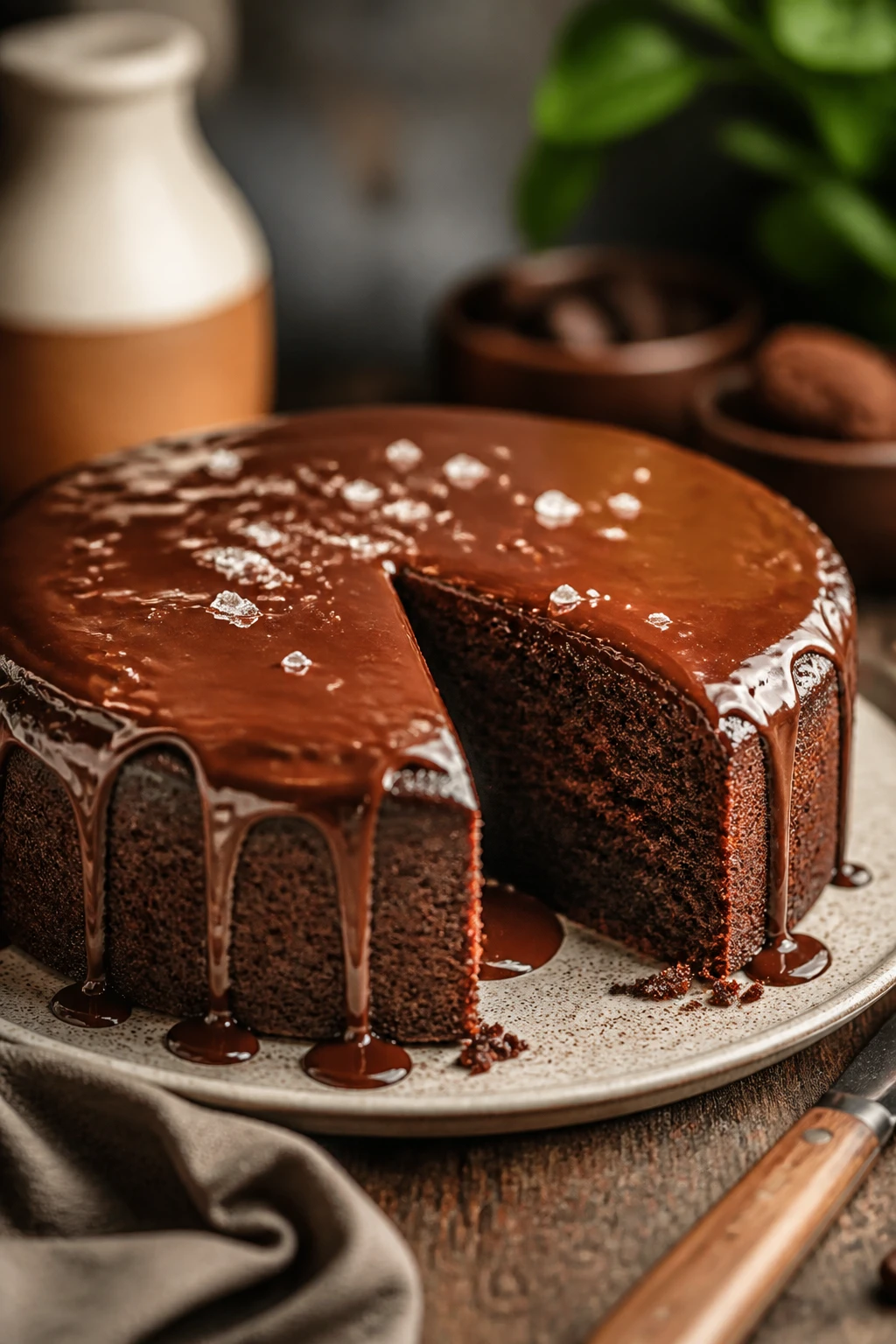
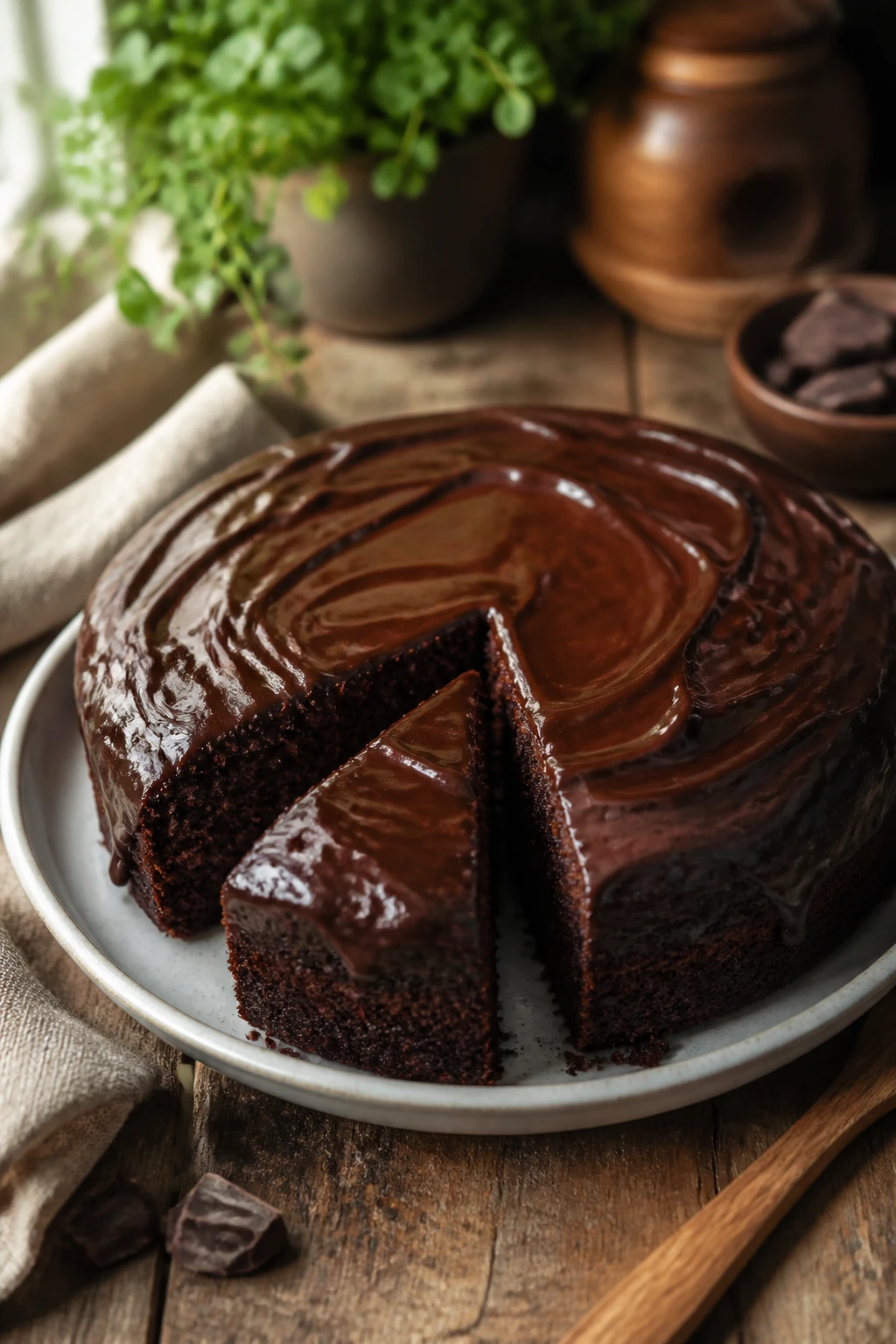
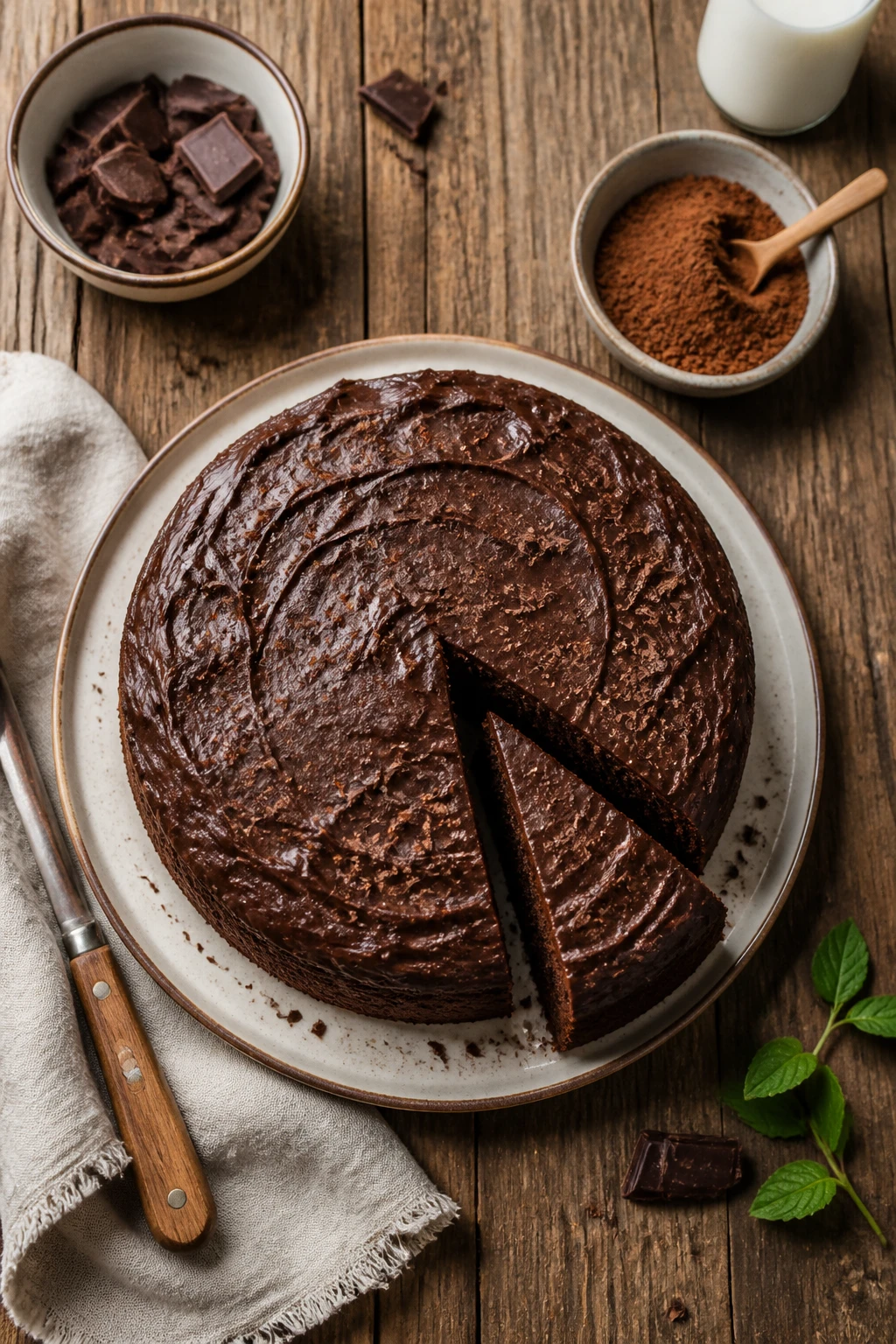
This quick chocolate cake is pure comfort with just five ingredients and half an hour prep. The cocoa powder really deepens the chocolate flavor. Great for last-minute dessert cravings or cozy nights in!
Introduction
I stumbled upon this chocolate cake recipe during one of those evenings when I craved something sweet but didn’t want to spend hours baking. What I love about this cake is how it manages to be incredibly moist and chocolatey with just five main ingredients. No complicated steps, no fancy gadgets—just simple pantry staples that come together quickly. The trick I learned early on was to sift the cocoa powder and flour together; it really helps create a light texture and avoids lumps. Also, mixing the wet ingredients separately before folding into the dry makes the batter silky smooth. I had a few failed attempts before I nailed it—sometimes cakes turn out dense or dry but this one is reliably soft and rich. When baked, it has a beautiful crackly top with a tender crumb inside, perfect for pairing with a scoop of vanilla ice cream or just a dusting of powdered sugar. Honestly, it’s become my go-to for last-minute dessert emergencies or when I just want a cozy treat without fuss.
What You'll Need
One 8-inch round cake, 8 servings
- 1 cup all-purpose flour, sifted
- 1 cup granulated sugar
- 1/2 cup unsweetened cocoa powder, sifted
- 1 teaspoon baking powder
- 1/2 cup vegetable oil
- 2 large eggs
- 1/2 cup whole milk
- 1 teaspoon vanilla extract
- Pinch of salt
How To Do It
Step 1
Preheat your oven to 350°F (175°C) and grease an 8-inch round cake pan with butter or nonstick spray. This ensures the cake won’t stick and will come out cleanly. It’s important to hit the right temperature so the cake bakes evenly—too low and it could be dense, too high and the edges might burn before the center is done.
⏱ Time: 10 minutes
✓ Doneness: Oven fully preheated and pan greased with no dry spots
Step 2
In a large bowl, sift together the flour, cocoa powder, baking powder, sugar, and salt. Sifting helps aerate the dry ingredients and removes lumps, which makes the cake lighter and more tender. Mixing these ingredients thoroughly also ensures even rising and consistent chocolate flavor throughout.
⏱ Time: 5 minutes
✓ Doneness: Dry ingredients combined with no visible lumps
Step 3
In a separate bowl, whisk together the eggs, milk, vegetable oil, and vanilla extract until smooth and well combined. This wet mixture brings moisture and richness to the cake. Whisking it first helps avoid overmixing later and keeps the batter smooth, which translates to a tender crumb.
⏱ Time: 3 minutes
✓ Doneness: Wet ingredients fully blended with no streaks of egg white
Step 4
Pour the wet ingredients into the dry ingredients and gently fold them together with a spatula until just combined. Don’t overmix here; overworking the batter can develop gluten and make the cake tough. The batter should be smooth but slightly thick, with no dry patches of flour.
⏱ Time: 3 minutes
✓ Doneness: Batter uniform in color and texture, not overly runny
Step 5
Pour the batter into the prepared cake pan and gently tap it on the counter to release any air bubbles. This helps prevent large holes in the finished cake and ensures an even bake. Smooth the top with the spatula for an even surface.
⏱ Time: 2 minutes
✓ Doneness: Batter evenly spread in pan with no large air pockets
Step 6
Bake in the preheated oven for 18-22 minutes. Start checking at 18 minutes by inserting a toothpick into the center; it should come out with a few moist crumbs but no wet batter. Baking too long can dry the cake, so keep an eye on it.
⏱ Time: 20 minutes
✓ Doneness: Toothpick inserted in center comes out mostly clean with few crumbs
Step 7
Remove the cake from the oven and let it cool in the pan for 10 minutes. Cooling slightly before removing prevents the cake from breaking apart. After 10 minutes, run a knife around the edges and invert onto a wire rack to cool completely.
⏱ Time: 15 minutes
✓ Doneness: Cake begins to pull slightly from pan edges and feels firm
Step 8
Once fully cooled, dust with powdered sugar or frost as desired. Cooling completely ensures any frosting won’t melt and the texture will be perfect. If you want a simple finish, a sprinkle of powdered sugar adds a lovely touch without overpowering the chocolate.
⏱ Time: 10 minutes
✓ Doneness: Cake surface dry and cool to the touch
Step 9
Slice and serve with your favorite toppings—ice cream, fresh berries, or just a glass of milk. This cake is best enjoyed fresh but can be stored covered for a couple of days. The rich cocoa flavor shines through every bite, making it a crowd-pleaser no matter the occasion.
⏱ Time: 5 minutes
✓ Doneness: Slices hold shape and have moist crumb texture
Variations
Chocolate Coffee Cake
Add 1 tablespoon of instant coffee granules to the dry ingredients for a subtle mocha flavor that enhances the chocolate’s richness. This variation is perfect for coffee lovers who want a twist on classic chocolate cake.
Note: Make sure to dissolve coffee granules well in the wet ingredients if preferred, to avoid graininess.
Gluten-Free Chocolate Cake
Swap all-purpose flour with a 1:1 gluten-free baking flour blend. This option keeps the cake moist and tender without gluten, great for those with dietary restrictions.
Note: Gluten-free flours can behave differently; avoid overmixing and consider adding 1/4 teaspoon xanthan gum if your blend doesn’t contain it.
Vegan Chocolate Cake
Replace eggs with flax eggs (1 tablespoon ground flaxseed + 3 tablespoons water per egg) and use almond milk instead of dairy milk. This creates a moist, dairy-free, and egg-free cake with a slightly nutty flavor.
Note: Let flax eggs sit for 5 minutes before mixing; the batter may be a bit denser and require a slightly longer bake time.
Chocolate Orange Cake
Add 1 teaspoon orange zest to the batter and top with a simple orange glaze for a bright citrus twist. The orange complements the deep cocoa flavor beautifully for a fresh, festive dessert.
Note: Be careful not to add too much zest to avoid bitterness; a light hand works best.
Chocolate Cake with Chocolate Chips
Fold in 1/2 cup semi-sweet chocolate chips into the batter before baking for pockets of melty chocolate. This makes the cake extra indulgent and fun to eat.
Note: Toss chips in flour before folding to prevent sinking to the bottom.
Pro Tips
Always sift your dry ingredients together before mixing.
Sifting aerates the flour and cocoa powder, removing lumps and ensuring even distribution of leavening agents. This helps your cake rise evenly and develop a tender crumb rather than a dense texture.
Don’t overmix the batter once you combine wet and dry ingredients.
Overmixing develops gluten in the flour, which makes the cake tough and chewy. Mixing just until combined keeps the crumb soft and delicate, which is perfect for a chocolate cake.
Use room temperature eggs and milk for the wet ingredients.
Cold ingredients can cause the batter to curdle or mix unevenly, leading to a lumpy batter and uneven baking. Room temperature ingredients emulsify better, resulting in a smooth, consistent batter.
Grease and line your pan well to prevent sticking.
Even a simple cake can break apart if it sticks to the pan. Greasing and optionally lining with parchment ensures your cake comes out cleanly and looks beautiful.
Check your cake early to avoid overbaking.
Ovens vary, so starting to test the cake a few minutes before the recommended time prevents drying out. A toothpick should come out with moist crumbs, not wet batter.
Cool the cake in the pan before removing.
Letting the cake cool slightly allows it to firm up and pull away from the pan edges, reducing the risk of breaking or crumbling when you invert it.
Add a pinch of salt to balance the sweetness.
Salt enhances the chocolate flavor and balances the sugar, making the cake taste richer and more complex rather than flat or overly sweet.
Common Mistakes to Avoid
Skipping the sifting of dry ingredients
Why it happens Many think sifting is unnecessary or time-consuming, especially with pre-sifted flours or mixes.
Fix Take the extra minute to sift flour, cocoa, and baking powder together. It aerates the mix and prevents lumps, ensuring your cake rises properly and has a light texture.
Overmixing the batter
Why it happens In a rush, it’s tempting to mix vigorously to combine everything quickly.
Fix Mix gently and just until the ingredients come together. Stop when you no longer see dry flour. This keeps gluten development minimal and your cake tender.
Baking at the wrong temperature
Why it happens Ovens often run hotter or cooler than indicated, and not preheating properly can cause uneven baking.
Fix Use an oven thermometer to check accuracy and always preheat fully. Bake at 350°F and start checking doneness a few minutes early.
Using cold eggs or milk
Why it happens Some forget to bring ingredients to room temperature or use straight from the fridge.
Fix Plan ahead and let eggs and milk sit out 30 minutes before mixing. This helps ingredients blend smoothly and produces a better batter.
Not greasing the pan well
Why it happens Rushing prep or assuming nonstick pans don’t need greasing.
Fix Always grease and optionally flour or line the pan. This prevents sticking and ensures a clean release.
Nutrition
Per Serving:
Nutritional values are estimates and may vary based on specific ingredients used.
Storage & Tips
Room Temperature
Store the cooled cake covered loosely with a cake dome or in an airtight container at room temperature for up to 2 days. Keep it away from direct sunlight or heat sources to maintain moisture and prevent it from drying out.
Refrigerator
Keep the cake in an airtight container in the fridge for up to 5 days. The texture may firm up and the cake can taste slightly denser when cold. For best results, bring to room temperature before serving or warm briefly in the microwave.
Freezer
Wrap the cake tightly in plastic wrap and then foil to prevent freezer burn. Freeze for up to 3 months. To thaw, transfer to the refrigerator overnight and then bring to room temperature. Avoid thawing at room temp directly to maintain texture.
Reheating
Warm slices in the microwave for 15-20 seconds or in a 300°F oven for 5-7 minutes. Adding a small splash of milk or covering with foil can prevent drying. Avoid overheating as it can dry out the cake.
Make Ahead
You can mix the dry and wet ingredients separately a day ahead and refrigerate. Combine and bake the next day for fresher texture. Alternatively, bake the cake fully and store wrapped; just reheat gently before serving.
FAQ
Can I substitute butter for the vegetable oil?
You can substitute melted butter for vegetable oil in equal amounts, but the cake may be slightly denser and less moist. Oil keeps the cake tender because it remains liquid at room temperature, while butter solidifies, affecting texture. If using butter, melt and cool before mixing to avoid cooking the eggs.
What if my cake comes out dry?
Dry cake often results from overbaking or too much flour. Check your oven temperature with a thermometer and start checking doneness a few minutes early. Also, measure flour carefully—too much flour makes the cake dry. Ensure you don’t overmix the batter, which can also dry it out.
Can I make this cake gluten-free?
Yes! Use a 1:1 gluten-free baking flour blend that contains xanthan gum or add it separately. Gluten-free flours behave differently, so avoid overmixing and expect a slightly different texture—usually denser but still delicious.
How do I store leftover cake?
Wrap leftover cake tightly or store in an airtight container at room temperature for up to 2 days or in the fridge for up to 5 days. For longer storage, freeze wrapped well for up to 3 months. Thaw in the fridge overnight before serving.
Can I add frosting to this cake?
Absolutely! This cake pairs well with simple buttercream, cream cheese frosting, or even a dusting of powdered sugar. Just make sure the cake is fully cooled before frosting to prevent melting.
Why does my cake sometimes crack on top?
A crackled top is normal for this cake and indicates the Maillard reaction creating a slightly crisp crust. If cracks are very deep or excessive, it might be due to oven temperature being too high or batter overmixed.
Can I bake this cake in a different pan?
You can use a 9x9 square pan or a loaf pan, but baking time will vary. Check for doneness earlier or later depending on pan size and shape; the cake is done when a toothpick comes out mostly clean.
Why is sifting the cocoa powder important?
Cocoa powder tends to clump, and sifting breaks up lumps to ensure an even chocolate flavor and smooth batter. It also helps incorporate air, leading to a lighter cake texture.
Final Thoughts
I hope you enjoy making and eating this simple chocolate cake as much as I do. Don’t forget to share your results—I’d love to hear how it turns out!