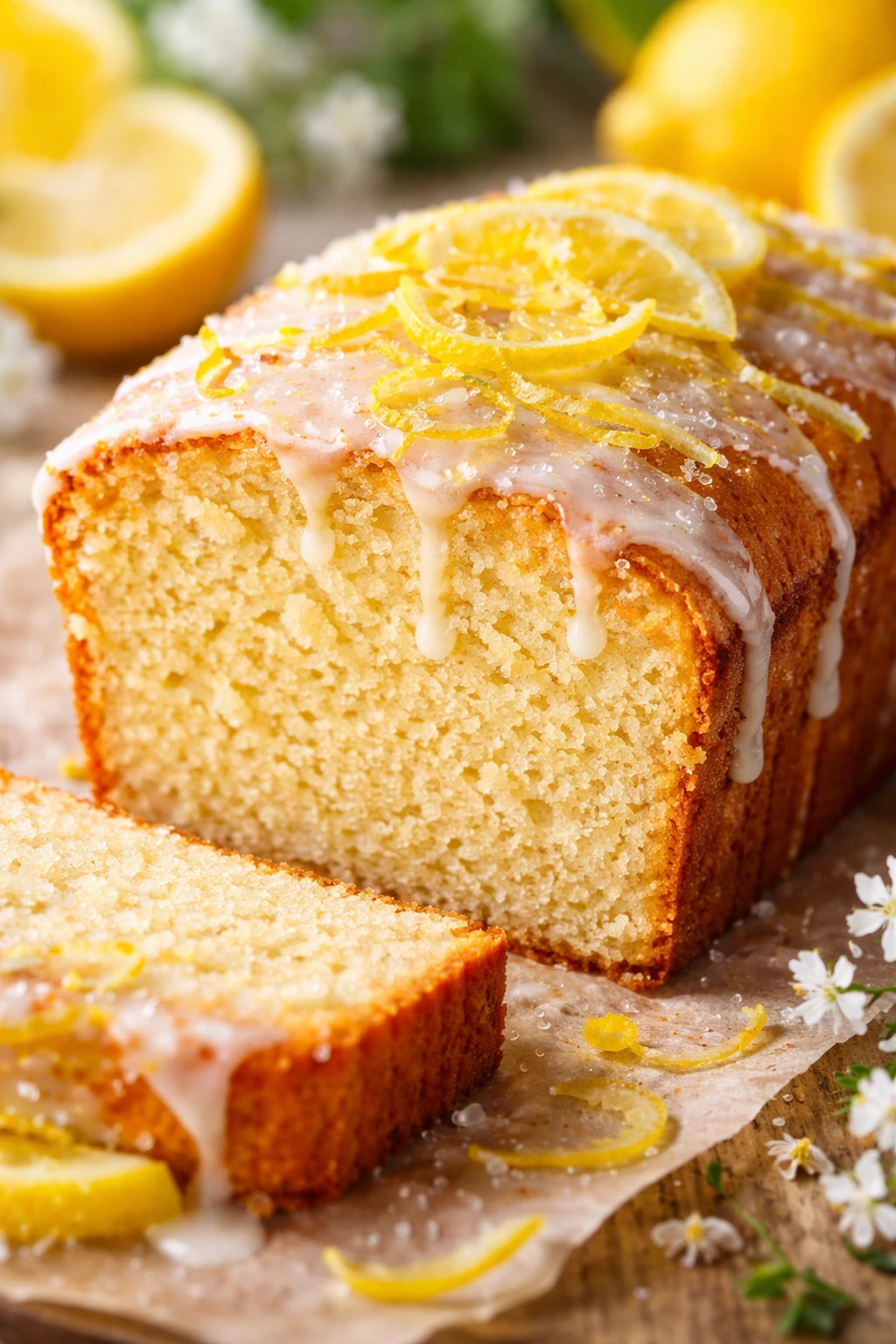
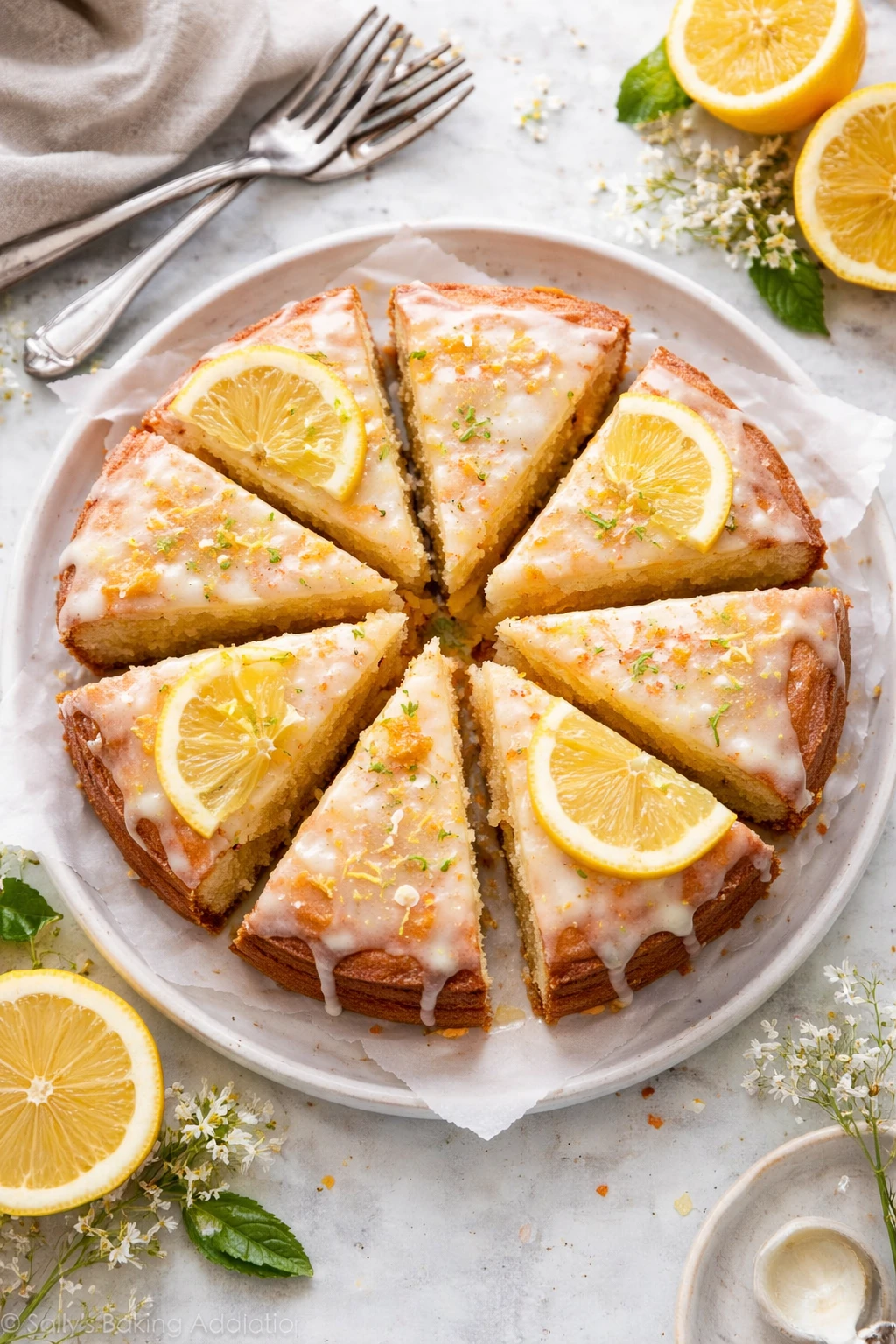
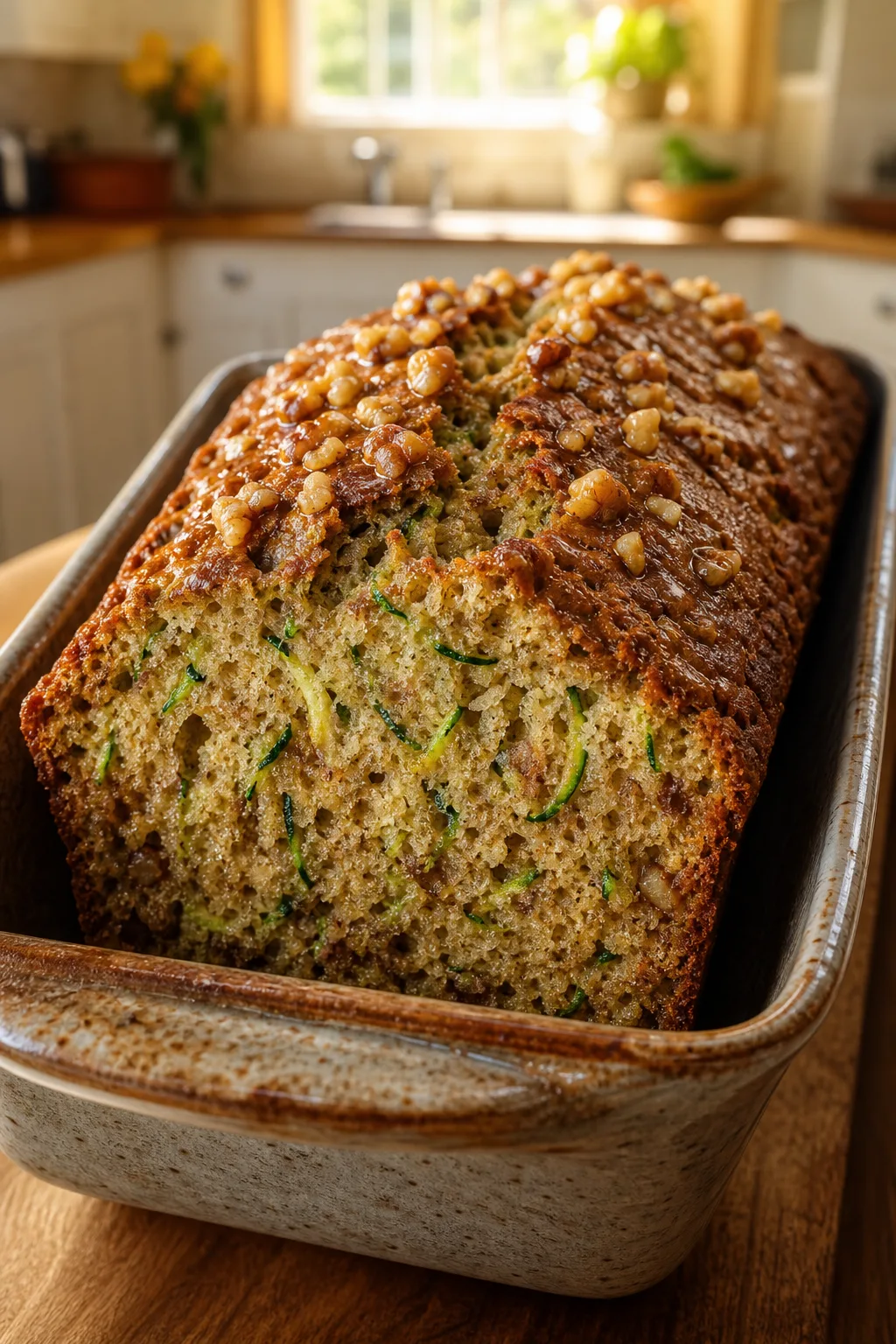
This lemon drizzle cake is such a fresh and simple treat, bursting with bright citrus flavor thanks to fresh lemon zest and a tangy drizzle. It’s my go-to for spring afternoons or casual get-togethers!
Introduction
I first stumbled upon this lemon drizzle cake recipe years ago when I wanted something bright and cheerful to bake for a spring brunch. What hooked me was how just five simple ingredients could come together to create such a moist, zesty cake that feels like sunshine in every bite. I’ve tried a few versions over time, but the trick I learned is to really use fresh lemon zest and to pour the drizzle over the cake while it’s still warm. That way, the cake absorbs all the tangy syrup, making it irresistibly moist and flavorful. My family loves it because it’s not too sweet, just perfectly balanced with that fresh lemon punch. When you slice into it, the crumb is tender and soft with a shiny, sticky topping that’s bursting with citrus goodness. It’s great for casual afternoon tea or whenever you want a simple dessert that feels special without a lot of fuss.
What You'll Need
One 8-inch loaf cake, 8 servings
- 225g unsalted butter, softened
- 225g caster sugar
- 4 large eggs, room temperature
- 225g self-raising flour
- 2 lemons, zest and juice
How To Do It
Step 1
Preheat your oven to 180°C (350°F) and grease a loaf tin with butter or line it with parchment paper. This ensures the cake won’t stick and will come out cleanly. Preparing your pan first is key because once the batter is ready, you want to get it into the oven quickly to preserve the rising action of the baking powder. Avoid skipping this step or using too much grease, which can cause the cake to slide and lose shape.
⏱ Time: 10
✓ Doneness: Loaf tin is evenly greased and parchment paper snugly fits without wrinkles
Step 2
Cream the softened butter and caster sugar together in a large bowl until pale and fluffy. This process traps air, which helps the cake rise and become light. Use an electric mixer or beat by hand for about 4-5 minutes. If you don’t cream long enough, the cake may turn out dense. You’ll know it’s ready when the mixture looks lighter in color and has a soft, creamy texture.
⏱ Time: 5
✓ Doneness: Mixture is pale, fluffy, and smooth without lumps
Step 3
Beat in the eggs one at a time, mixing well after each addition. Adding eggs gradually prevents the batter from curdling and keeps it smooth. If you rush this or add all eggs at once, the mixture might split, affecting texture. After adding all eggs, the batter should be glossy and well combined.
⏱ Time: 5
✓ Doneness: Batter looks smooth, glossy, and well incorporated
Step 4
Sift the self-raising flour into the bowl and gently fold it into the batter using a spatula. Folding preserves the air you've incorporated during creaming, keeping the cake light and tender. Overmixing at this stage can develop gluten and toughen the cake, so fold just until no flour streaks remain.
⏱ Time: 3
✓ Doneness: No visible flour, batter is smooth but not overmixed
Step 5
Add the zest of two lemons to the batter and fold gently to distribute. Fresh lemon zest is the secret to that bright citrus flavor—it contains essential oils that give the cake its fresh aroma. Make sure to only grate the yellow part to avoid bitterness from the white pith.
⏱ Time: 2
✓ Doneness: Zest is evenly mixed throughout the batter
Step 6
Pour the batter into the prepared loaf tin and smooth the top with a spatula. Leveling the batter ensures even rising and a nice flat top which helps the drizzle soak evenly later. Tap the tin lightly on the counter to release any large air bubbles that could create holes.
⏱ Time: 3
✓ Doneness: Batter surface is smooth and evenly spread
Step 7
Bake in the preheated oven for 35-40 minutes. The cake is done when a skewer inserted into the center comes out clean or with just a few moist crumbs. Avoid opening the oven door too early or frequently as this may cause the cake to sink. The top should be golden and spring back slightly when pressed.
⏱ Time: 35
✓ Doneness: Golden top with skewer test showing no wet batter
Step 8
While the cake is baking, prepare the lemon drizzle syrup by mixing the juice of two lemons with 100g caster sugar until the sugar dissolves. This syrup is what gives the cake its iconic tangy sweetness and moist crumb. Don’t skip this step or use less juice, as it balances the cake’s buttery richness.
⏱ Time: 5
✓ Doneness: Syrup is smooth and sugar fully dissolved
Step 9
Once the cake is out of the oven but still warm, prick the top all over with a skewer or fork and pour the lemon drizzle syrup evenly over it. This allows the syrup to soak deep into the cake, keeping it moist and infusing it with lemon flavor throughout. If you wait until the cake cools, the syrup won’t absorb as well and will just sit on top.
⏱ Time: 5
✓ Doneness: Syrup is absorbed and cake surface looks shiny and sticky
Variations
Gluten-Free Lemon Drizzle Cake
Swap self-raising flour for a gluten-free blend with xanthan gum to keep structure. The texture might be slightly denser but still moist and flavorful. Use the same lemon zest and drizzle for that bright citrus punch.
Note: Gluten-free flours absorb liquids differently, so you might need to slightly adjust the baking time and check doneness carefully.
Lemon Drizzle Cake with Poppy Seeds
Add 2 tablespoons of poppy seeds to the batter for a subtle crunch and visual interest. The nutty flavor complements the lemon beautifully, adding depth without overpowering.
Note: Fold poppy seeds in with the flour to distribute evenly, and be mindful not to overmix.
Lemon Drizzle Cake with Greek Yogurt
Replace 50g of butter with Greek yogurt to add moisture and a slight tang. This variation yields an even softer crumb and boosts protein content while keeping the cake light.
Note: Reduce liquid slightly if using yogurt to maintain batter consistency.
Lemon Drizzle Bundt Cake
Bake this batter in a bundt pan for a pretty ring shape that’s perfect for parties. The baking time will be a bit longer, and the thicker cake will have a slightly denser texture but the same lovely lemon flavor.
Note: Increase baking time to about 50 minutes and test with a skewer for doneness.
Lemon Drizzle Cake with Icing Sugar Glaze
Instead of the traditional drizzle, mix lemon juice with icing sugar to make a thicker glaze. Pour it over once the cake cools for a shiny, sweet finish that’s less sticky but still tangy.
Note: Allow the cake to cool completely before glazing to avoid melting the icing.
Pro Tips
Always soften butter to room temperature before creaming.
Softened butter traps air more effectively when creamed with sugar, which is essential for a light cake. Using cold butter won’t incorporate enough air, resulting in a denser texture.
Use fresh lemon zest, not dried, for the best flavor.
Fresh zest contains essential oils that provide a bright, fresh aroma and flavor. Dried zest loses these oils and can taste dull or bitter, which impacts the cake’s overall taste.
Fold in flour gently to avoid overmixing.
Overmixing develops gluten in the flour, making the cake tough instead of tender. Folding preserves the air bubbles that keep the crumb soft and light.
Pour the lemon drizzle syrup over the cake while it’s still warm.
Warm cake absorbs the syrup better, keeping the crumb moist and sticky. If poured over a cooled cake, the syrup will just sit on top and not penetrate, reducing flavor and texture.
Line your loaf tin with parchment paper for easy removal.
Using parchment prevents the cake from sticking and helps maintain its shape when removing it from the tin, avoiding breakage.
Use room temperature eggs for better emulsion.
Cold eggs can cause the batter to split or curdle when mixed with butter, affecting texture. Room temperature eggs blend smoothly and help create a stable batter.
Tap the tin gently before baking to release air bubbles.
This avoids large holes or tunnels in the cake and ensures an even crumb structure.
Common Mistakes to Avoid
Using cold butter straight from the fridge.
Why it happens Many assume butter is fine as long as it’s butter, but cold butter doesn’t cream well with sugar.
Fix Leave butter out for at least 30 minutes to soften before starting. Soft butter traps air better, giving you a lighter cake.
Overmixing the batter after adding flour.
Why it happens In an effort to combine ingredients thoroughly, it’s easy to mix too long.
Fix Fold the flour gently just until it disappears. Stop mixing immediately to keep the cake tender.
Skipping the drizzle or adding it after the cake cools.
Why it happens Some think the drizzle is optional or that it’s easier to add later.
Fix Pour the lemon syrup over the warm cake so it soaks in and keeps the crumb moist and flavorful.
Not zesting lemons properly and including the white pith.
Why it happens It’s tempting to zest quickly without care, but the white pith is bitter.
Fix Only grate the yellow outer skin for bright flavor. Avoid the white part to prevent bitterness.
Opening the oven door frequently during baking.
Why it happens Curiosity or impatience can lead to checking too often.
Fix Try to keep the oven door closed until near the end of baking to prevent temperature drops that cause sinking.
Nutrition
Per Serving:
Nutritional values are estimates and may vary based on specific ingredients used.
Storage & Tips
Room Temperature
The cake can safely be kept covered at room temperature for up to 2 days. Use a cake dome or airtight container to prevent it from drying out. It’s best served within this time for optimal freshness and moistness.
Refrigerator
Store the cake in an airtight container in the fridge for up to 4 days. The cake may firm up and the texture will be denser when cold. You can serve it chilled or warm it slightly before serving to soften the crumb.
Freezer
Wrap the cooled cake tightly in plastic wrap and then foil to freeze for up to 2 months. To thaw, leave it in the fridge overnight or at room temperature for a few hours. Avoid microwaving frozen cake directly as it can dry out.
Reheating
Reheat slices gently in a microwave for 15-20 seconds or warm in a low oven (150°C/300°F) for about 10 minutes. Adding a small splash of lemon juice or water before reheating can help maintain moisture. Avoid overheating as it dries the cake.
Make Ahead
You can bake the cake a day ahead and store it wrapped at room temperature. Prepare the lemon drizzle syrup in advance and add it just before serving to keep the topping fresh and sticky.
FAQ
Can I use bottled lemon juice instead of fresh lemons?
While you can use bottled lemon juice, fresh lemons are best for this recipe. Fresh lemon zest contains essential oils that give the cake its bright aroma, and fresh juice has a more vibrant, natural flavor. Bottled juice often lacks this freshness and can make the cake taste less lively.
What do I do if my batter curdles after adding eggs?
If the batter curdles, it usually means the eggs were too cold or added too quickly. To fix this, add a spoonful of flour to the batter and mix gently to bring it back together. Next time, use room temperature eggs and add them one at a time, mixing well after each addition.
How can I tell when the cake is fully baked?
Insert a skewer or toothpick into the center of the cake; it should come out clean or with just a few moist crumbs attached. The top should be golden and spring back lightly when pressed. Avoid opening the oven too early as this can cause sinking.
Can I make this cake vegan?
To make a vegan version, substitute butter with a plant-based alternative and use flax or chia eggs (1 tbsp ground seeds + 3 tbsp water per egg). Keep in mind the texture may be slightly different, often denser, and the flavor less rich but still delicious.
Why is my cake dry even though I added the drizzle?
If your cake turns out dry, it might be because the drizzle was added after the cake cooled or you didn’t prick the cake before pouring syrup. The drizzle needs to be absorbed while the cake is warm to keep it moist. Also, avoid overbaking.
Can I double this recipe for a larger cake?
Yes, you can double the ingredients and bake in a larger pan or two loaf tins. Adjust baking time accordingly, checking for doneness with a skewer. Larger cakes may take longer to bake, so keep an eye on the color and texture.
What’s the best way to zest lemons?
Use a microplane or fine grater to zest just the yellow outer layer, avoiding the white pith underneath which is bitter. Zest directly over the bowl to catch all the oils and prevent waste.
How do I prevent the cake from sticking to the pan?
Grease your loaf tin well with butter and line it with parchment paper extending beyond the sides for easy removal. This prevents sticking and helps keep the cake intact when you take it out.
Final Thoughts
I hope you give this lemon drizzle cake a try soon—it’s such a simple recipe that always brings a little sunshine to the table. Let me know how it turns out!