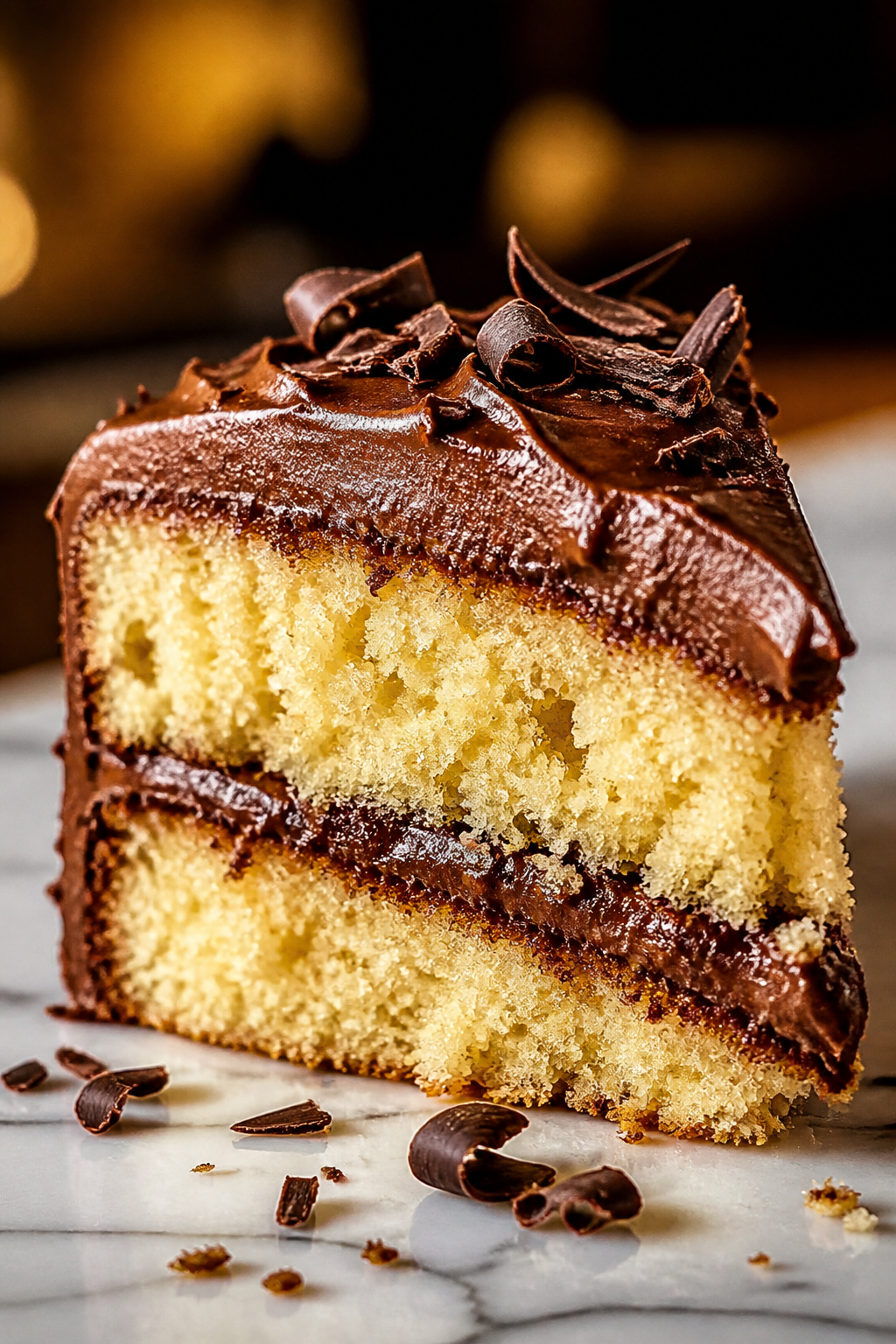
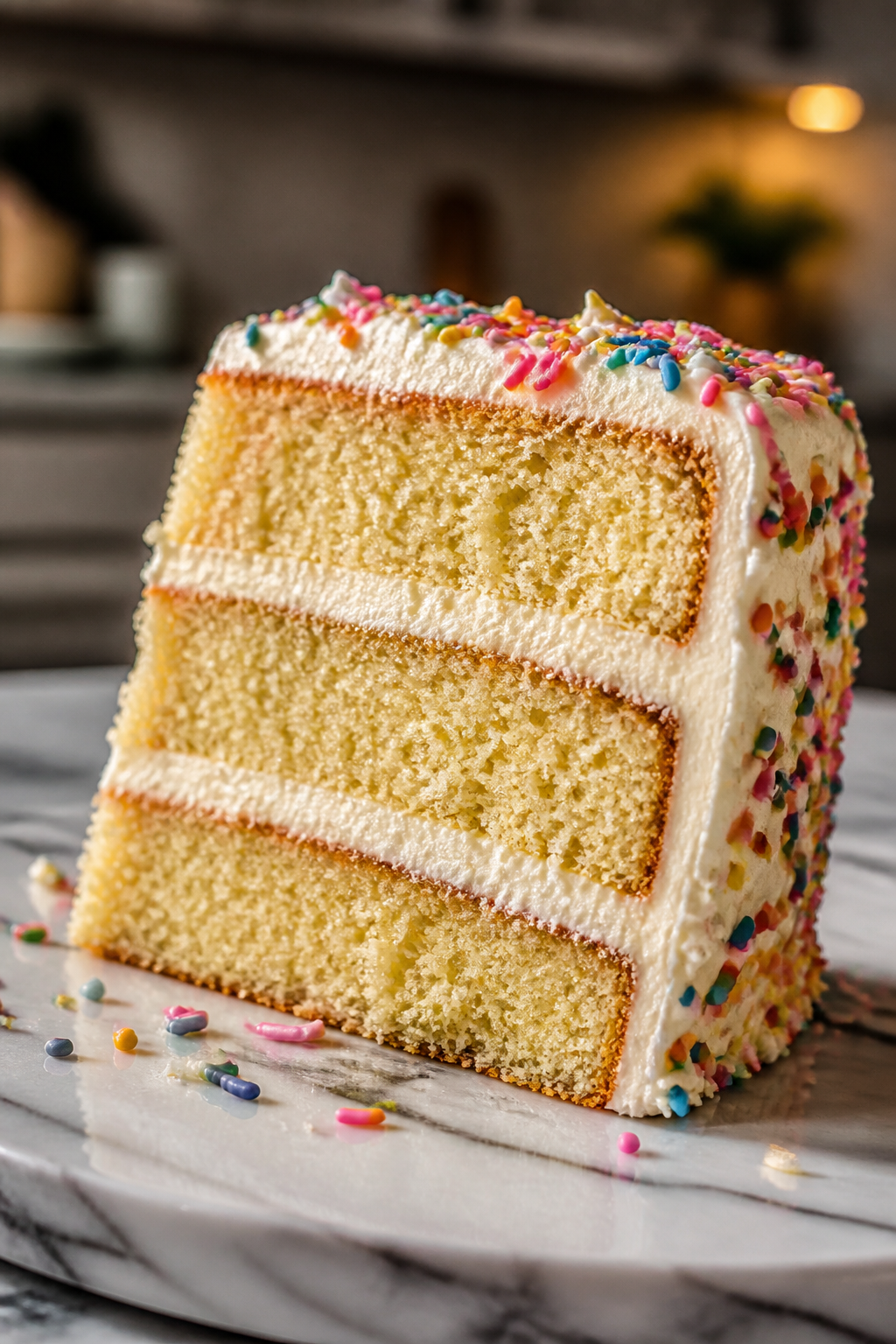
This cake is my go-to for special occasions—super moist, fluffy, and tender thanks to buttermilk and vanilla. It’s perfect for birthdays or anytime you want a comforting slice of homemade goodness.
Introduction
I first made this buttermilk vanilla cake years ago when I wanted a moist, tender cake that wasn’t too sweet but still felt special. Traditional cakes sometimes come out dry or heavy, but this one always surprises me with its soft crumb and subtle vanilla aroma. The secret to its magic is the buttermilk, which adds just enough acidity to tenderize the gluten and balance the sweetness. Plus, I always make sure my butter is perfectly softened and my eggs are at room temp to help everything blend smoothly. Over the years, I’ve tweaked the baking time and ingredient order to get this just right—like beating the butter and sugar until fluffy to trap air, which makes the cake lighter. When it’s fresh from the oven, the cake smells heavenly and has a delicate crumb that’s perfect for any celebration or a cozy weekend treat. Honestly, I think you’ll find it quickly becomes a favorite in your home too!
What You'll Need
One 9-inch round cake, 8 servings
- 2 1/2 cups all-purpose flour, sifted
- 1 1/2 teaspoons baking powder
- 1/2 teaspoon baking soda
- 1/2 teaspoon salt
- 1 cup unsalted butter, softened
- 1 3/4 cups granulated sugar
- 3 large eggs, room temperature
- 1 cup buttermilk, room temperature
- 2 teaspoons pure vanilla extract
How To Do It
Step 1
Preheat your oven to 350°F (175°C) and grease a 9-inch round cake pan. Greasing your pan carefully and then lightly flouring it helps the cake release cleanly after baking. This step might seem small but it prevents any sticking, which can ruin the cake’s beautiful edges. Use softened butter to coat the pan evenly, making sure to get the sides and bottom. Avoid skipping the flour dusting because it adds an extra barrier that helps the batter rise evenly without sticking.
⏱ Time: 10 minutes
✓ Doneness: Pan feels evenly coated and lightly dusty with flour, no bare spots
Step 2
In a medium bowl, whisk together the sifted flour, baking powder, baking soda, and salt. Sifting helps aerate the flour and evenly distributes the leavening agents, which is critical for a uniform rise. Mixing these dry ingredients thoroughly ensures the cake’s texture is light and consistent. If you skip sifting, you risk lumps or uneven pockets of baking powder that cause dense spots in your cake.
⏱ Time: 5 minutes
✓ Doneness: Dry ingredients are combined with no visible clumps
Step 3
In a large bowl, beat the softened butter and sugar together on medium speed until the mixture is pale, fluffy, and almost doubled in size. This usually takes about 4-5 minutes. This creaming step is crucial because it incorporates air into the batter, giving the cake a light texture. If you rush this or don’t beat it enough, your cake may turn out dense and heavy.
⏱ Time: 5 minutes
✓ Doneness: Butter and sugar mixture looks fluffy and light in color
Step 4
Add the eggs one at a time, beating well after each addition. This gradual mixing helps emulsify the batter, ensuring the eggs fully incorporate without curdling the butter. Adding eggs too quickly can cause the batter to separate or become lumpy, which affects texture.
⏱ Time: 3 minutes
✓ Doneness: Batter looks smooth and creamy with no streaks of egg
Step 5
Mix in the vanilla extract. Adding it at this point lets the flavor infuse evenly throughout the batter without evaporating during mixing. Use pure vanilla extract for the best aroma and taste; imitation vanilla doesn’t provide the same depth.
⏱ Time: 1 minute
✓ Doneness: Batter has a uniform creamy texture with a pleasant vanilla scent
Step 6
Alternate adding the dry ingredients and buttermilk to the batter, starting and ending with the dry ingredients. Mix gently after each addition just until combined to avoid overworking the gluten, which would make the cake tough. The acidity in the buttermilk reacts with baking soda to create a tender crumb and slight tang that balances the sweetness.
⏱ Time: 5 minutes
✓ Doneness: Batter is smooth, thick but pourable, no flour pockets
Step 7
Pour the batter into your prepared pan and smooth the top with a spatula. Tap the pan gently on the counter to release any large air bubbles that could cause uneven holes in the cake. This helps the cake bake evenly and look uniform once sliced.
⏱ Time: 3 minutes
✓ Doneness: Batter surface looks even and smooth
Step 8
Bake in the preheated oven for 28-32 minutes. Start checking at 28 minutes by inserting a toothpick in the center; it should come out clean or with a few moist crumbs. Overbaking dries the cake out, so watch closely in the last few minutes. The edges should pull slightly from the pan and the top should spring back when lightly pressed.
⏱ Time: 30 minutes
✓ Doneness: Toothpick inserted in center comes out clean or with moist crumbs
Step 9
Let the cake cool in the pan for 10 minutes, then run a knife around the edges and invert onto a wire rack. Cooling in the pan too long can cause sogginess from condensation. Transferring to a rack lets air circulate so the cake sets with a tender but firm crumb. Once cool, frost or serve as desired.
⏱ Time: 15 minutes
✓ Doneness: Cake feels firm but soft, no wet spots underneath
Variations
Lemon Buttermilk Cake
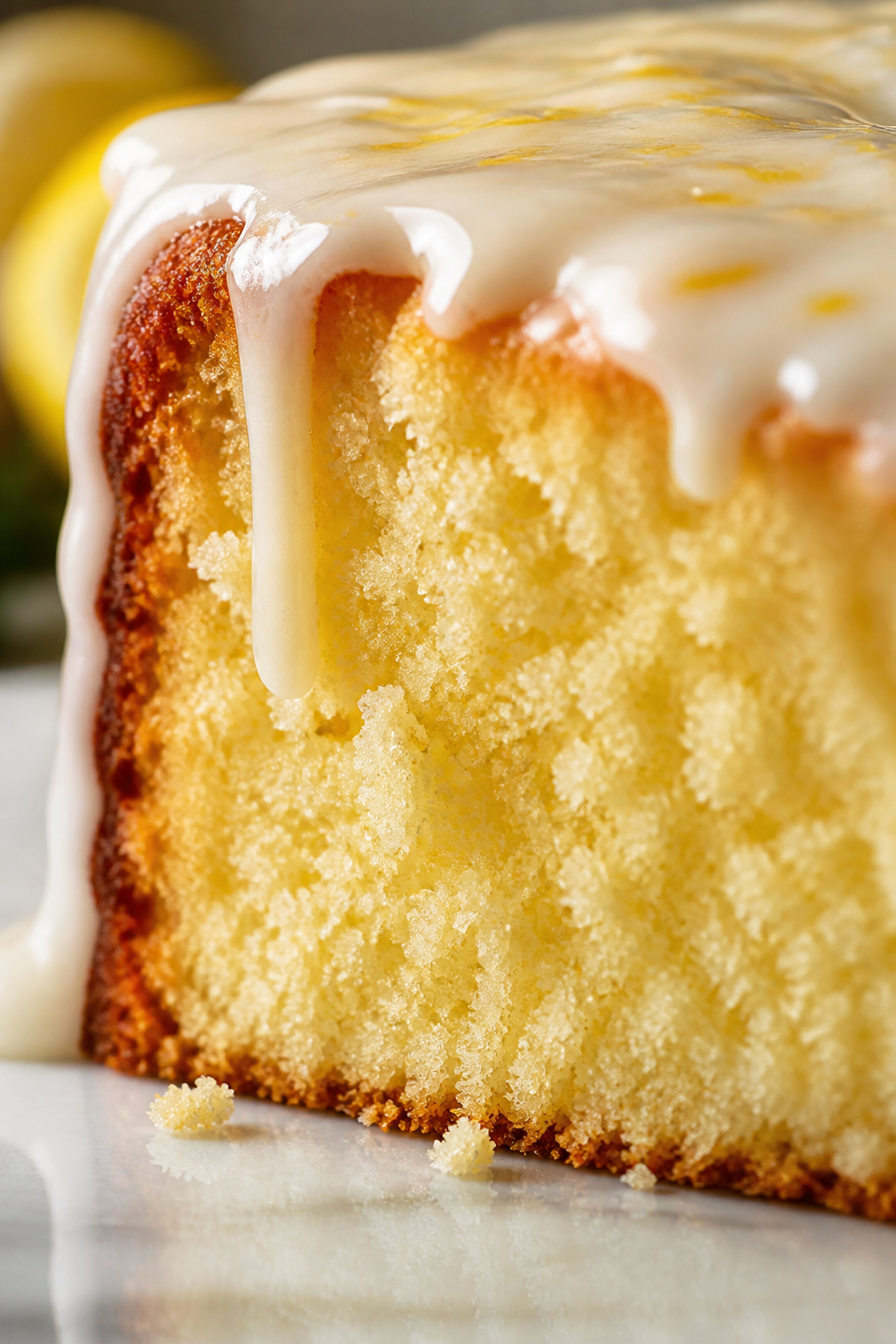
Add 2 tablespoons of fresh lemon juice and zest to the batter for a bright citrus twist. This variation pairs wonderfully with a lemon glaze or cream cheese frosting for a refreshing flavor.
Note: Reduce the vanilla to 1 teaspoon to avoid flavor clashes and add lemon juice with buttermilk during the liquid additions.
Chocolate Swirl Buttermilk Cake
Fold in 1/2 cup of melted dark chocolate or cocoa powder mixed with a little sugar to swirl through the batter. This creates a marbled effect and adds rich chocolate flavor without overpowering the vanilla.
Note: Add chocolate mixture last and gently swirl with a skewer before baking to avoid overmixing.
Spiced Vanilla Buttermilk Cake
Incorporate 1 teaspoon cinnamon, 1/2 teaspoon nutmeg, and a pinch of cloves for a warm, cozy flavor profile. Perfect for fall or holiday gatherings.
Note: Add spices with the dry ingredients to ensure even distribution.
Gluten-Free Buttermilk Cake
Substitute all-purpose flour with a 1-to-1 gluten-free baking blend. Expect a slightly different texture—still moist but a bit denser. Great for gluten-sensitive guests.
Note: Add an extra 1/4 teaspoon xanthan gum if your blend doesn’t contain it to improve structure.
Buttermilk Pound Cake
Use the same ingredients but bake in a loaf pan and increase baking time to 50-60 minutes. This yields a denser, buttery pound cake texture perfect for slicing thick.
Note: Check doneness with a toothpick and tent with foil if browning too quickly.
Pro Tips
Always bring ingredients like eggs and buttermilk to room temperature before mixing.
Room temperature ingredients blend more easily and create a smooth batter. Cold ingredients can cause the butter to seize or curdle, leading to a lumpy or uneven texture in the final cake.
Don’t overmix once you add the flour.
Overmixing develops gluten, which makes cakes dense and chewy rather than soft and tender. Mix just until the flour disappears for the lightest crumb.
Use an oven thermometer to ensure accurate baking temperature.
Many ovens run hotter or cooler than their settings. Baking at the correct temperature ensures even cooking and prevents drying or underbaking.
Cream butter and sugar until very fluffy and pale.
This step traps air in the batter, which expands during baking to give a light, airy texture. Rushing it results in a denser cake.
Sift dry ingredients together before adding to wet ingredients.
Sifting aerates the flour and evenly distributes leavening agents, preventing lumps and ensuring an even rise.
Tap the cake pan on the counter before baking.
This removes large air bubbles that can cause holes or uneven textures in the cake crumb.
Check the cake early with a toothpick starting at 28 minutes.
Ovens vary, and overbaking dries out the cake. Testing early helps catch it at perfect doneness for moistness.
Common Mistakes to Avoid
Using cold ingredients straight from the fridge
Why it happens Many people forget to plan ahead and add cold eggs or buttermilk directly, assuming it doesn’t matter.
Fix Take ingredients out 30-60 minutes before baking to warm to room temperature. This ensures smooth emulsification and prevents curdling or uneven texture.
Overmixing the batter after adding flour
Why it happens It’s tempting to mix thoroughly to avoid lumps, but this develops gluten.
Fix Mix just until the flour disappears. Use gentle folding motions with a spatula rather than vigorous stirring.
Skipping the flour dusting on the pan
Why it happens Some think greasing is enough, but flour dusting prevents sticking.
Fix After greasing, lightly dust the pan with flour and tap out excess for easy cake release.
Overbaking the cake
Why it happens Leaving the cake in too long makes it dry and crumbly.
Fix Start checking doneness a few minutes early with a toothpick. Remove when it comes out clean or with a few moist crumbs.
Using expired baking powder or soda
Why it happens Old leavening agents lose potency and cause flat cakes.
Fix Test baking powder by adding a teaspoon to hot water; it should fizz. Replace if no reaction.
Nutrition
Per Serving:
Nutritional values are estimates and may vary based on specific ingredients used.
Storage & Tips
Room Temperature
This cake keeps well at room temperature for up to 2 days if covered tightly with plastic wrap or stored in an airtight container. Avoid leaving it exposed to air to prevent it from drying out.
Refrigerator
Store the cake in an airtight container for up to 5 days. The cake may firm up in the fridge but will still taste delicious. Let it come to room temperature before serving or warm gently in the microwave for a few seconds.
Freezer
Wrap the cake tightly in plastic wrap and then foil and freeze for up to 3 months. To thaw, transfer to the fridge overnight, then bring to room temperature before serving. Avoid refreezing once thawed.
Reheating
Reheat slices in the microwave for 10-15 seconds or warm the whole cake in a 300°F oven for 10 minutes, loosely covered with foil. Adding a small dab of butter or a splash of milk can help restore moisture.
Make Ahead
You can bake the cake a day ahead and store it wrapped at room temperature or refrigerated. If frosting, do it on the day of serving for best texture. The batter can be mixed and refrigerated overnight but may need gentle stirring before baking.
FAQ
Can I substitute regular milk for buttermilk?
Regular milk lacks the acidity needed to tenderize the cake and activate baking soda properly. If you don’t have buttermilk, mix 1 tablespoon of lemon juice or white vinegar with enough milk to make 1 cup, then let it sit for 5 minutes before using. This mimics buttermilk’s acidity and helps the cake stay moist and tender.
Why is my cake dense instead of fluffy?
Dense cake often results from overmixing the batter after adding flour, not creaming the butter and sugar enough, or using cold ingredients. To fix this, beat butter and sugar until fluffy, use room temperature eggs and buttermilk, and mix the batter gently just until combined.
How do I know when the cake is done baking?
Start checking at 28 minutes by inserting a toothpick into the center. It’s done when the toothpick comes out clean or with a few moist crumbs attached. The cake’s edges will also pull slightly away from the pan, and the top should spring back when lightly pressed.
Can I make this cake dairy-free?
Yes, substitute the butter with a dairy-free margarine or coconut oil and use a plant-based milk mixed with lemon juice as a buttermilk substitute. The texture may be slightly different, but it will still be moist and flavorful.
Why is my cake sticking to the pan?
This usually happens if the pan isn’t greased and floured properly or if you try to remove the cake before it has cooled enough. Always grease the pan well, dust with flour, and let the cake cool for 10-15 minutes before removing.
Can I use cake flour instead of all-purpose flour?
Cake flour has less protein and results in a softer, lighter crumb. You can substitute it 1-for-1, but you might need to reduce the liquid slightly as cake flour absorbs more moisture.
How should I store leftover cake?
Store leftover cake in an airtight container at room temperature for up to 2 days or in the fridge for up to 5 days. Freezing is also an option for longer storage. Always wrap well to maintain moisture.
Can I double this recipe for a larger cake?
Yes, doubling the ingredients works well. Use two pans or a larger pan and increase baking time accordingly, checking doneness regularly. Avoid overcrowding the oven to ensure even baking.
Final Thoughts
I hope you enjoy making this buttermilk vanilla cake as much as I do! Don’t forget to share your baking adventures and any tweaks you try — I’d love to hear how it turns out.