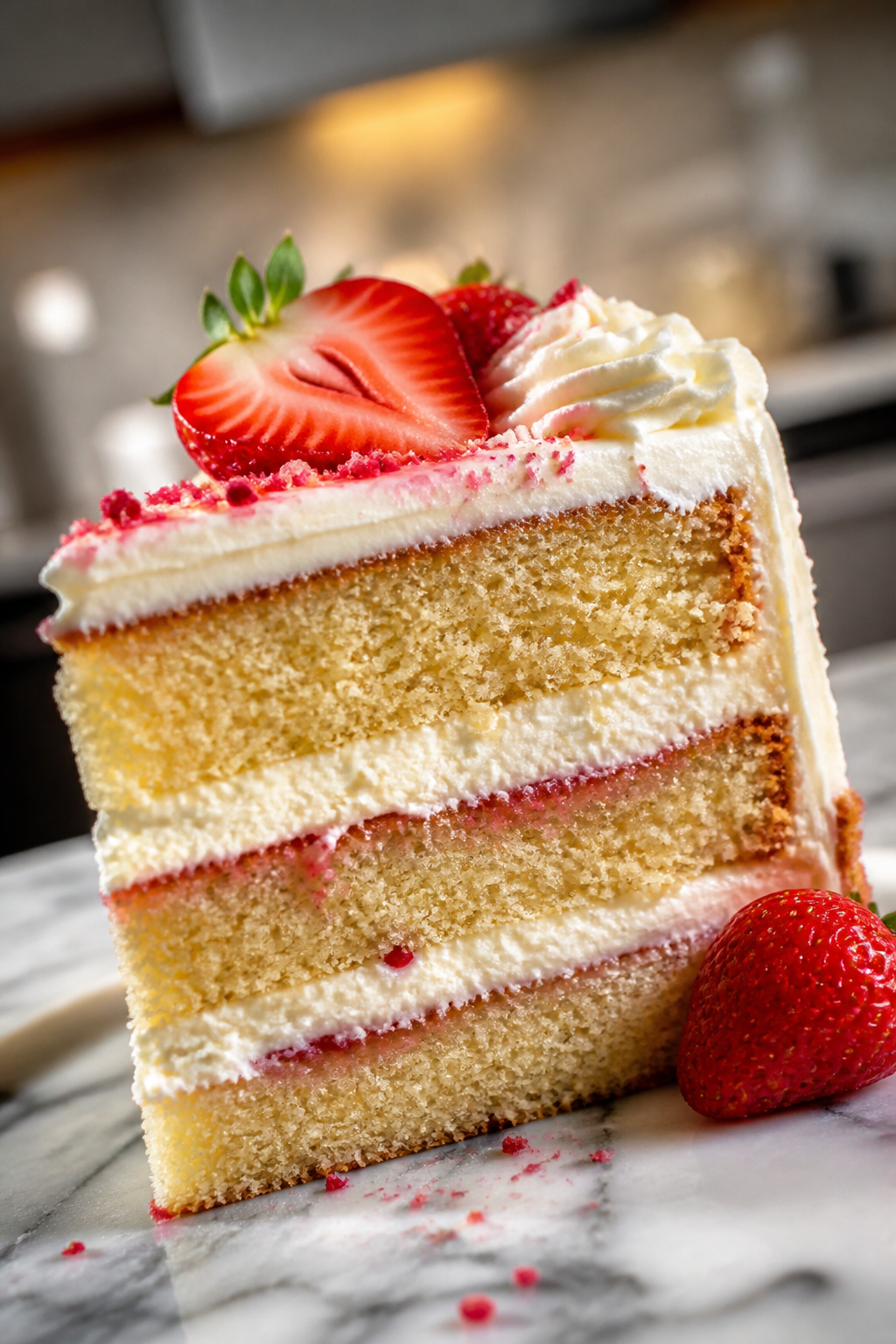
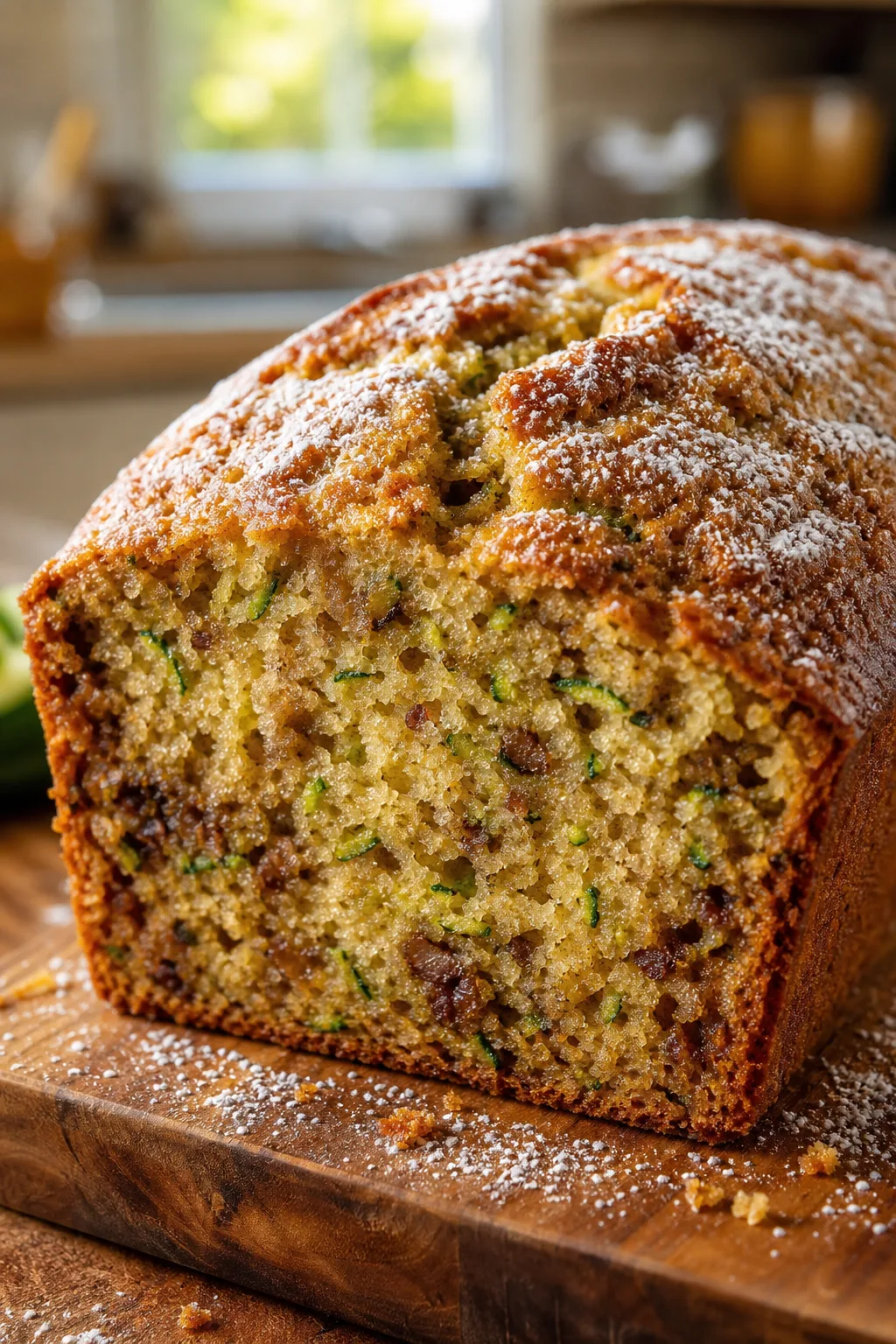
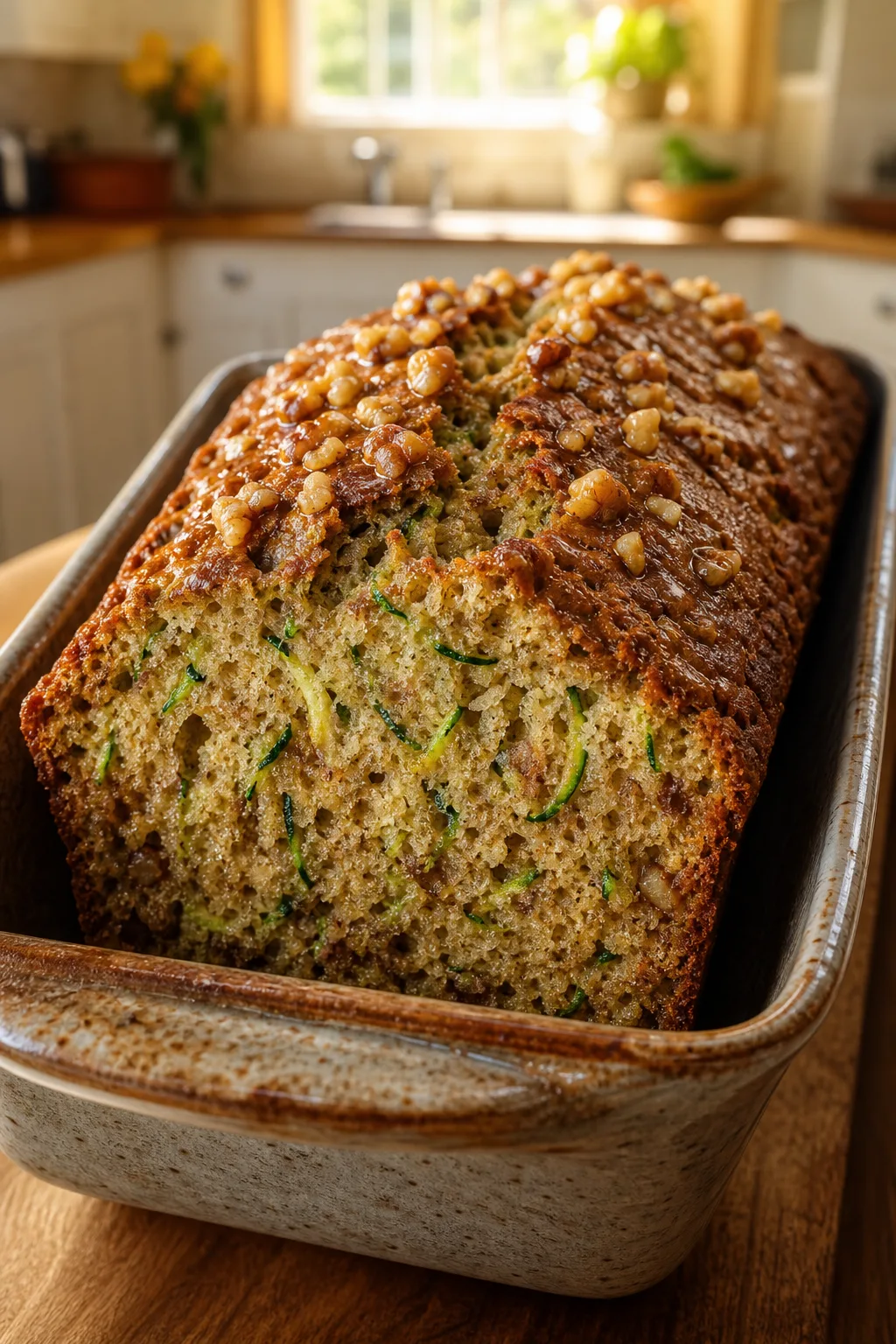
This buttermilk cake is my all-time favorite for any special occasion. It’s super moist thanks to the tangy buttermilk and careful mixing. Great for birthdays or a cozy afternoon tea with friends.
Introduction
I’ve been making this buttermilk cake for years, and it’s hands down my favorite for celebrations or just a sweet treat. The first time I tried a buttermilk cake, I was amazed at how moist and tender it was compared to regular cakes. The trick I learned early on is to handle the batter gently once the wet and dry ingredients come together — mixing too much can make the cake dense instead of light and fluffy. Also, using real buttermilk adds a subtle tang and helps keep the crumb soft. I remember a few early attempts where I overmixed or used cold buttermilk, and the texture just wasn’t right. Now, I stick to using room temperature ingredients and fold the batter carefully, and it always turns out perfectly. The finished cake has a golden crust with a soft, tender crumb inside that practically melts in your mouth. It’s simple but special — ideal for birthdays, tea time, or any day you want a little homemade comfort.
What You'll Need
One 9-inch round cake, 8 servings
- 2 cups all-purpose flour, sifted
- 1 1/2 teaspoons baking powder
- 1/2 teaspoon baking soda
- 1/2 teaspoon salt
- 1 cup unsalted butter, softened
- 1 1/4 cups granulated sugar
- 3 large eggs, room temperature
- 1 teaspoon pure vanilla extract
- 1 cup buttermilk, room temperature
How To Do It
Step 1
Preheat your oven to 350°F (175°C). Grease and flour a 9-inch round cake pan or line it with parchment paper. This ensures the cake doesn’t stick and helps it bake evenly. Proper pan preparation is key — otherwise, you might struggle to remove the cake later and risk damaging its delicate crumb.
⏱ Time: 10 minutes
✓ Doneness: Pan is evenly greased with no dry spots
Step 2
In a medium bowl, whisk together the sifted flour, baking powder, baking soda, and salt. Sifting aerates the flour and evenly distributes the leavening agents, which helps the cake rise uniformly. Skipping this step can lead to uneven texture or dense spots.
⏱ Time: 5 minutes
✓ Doneness: Dry ingredients are fully combined and smooth
Step 3
In a large bowl, beat the softened butter and sugar on medium speed until pale and fluffy — about 3-5 minutes. This creaming step incorporates air, which contributes to a light texture. If you rush this or don’t cream enough, the cake can turn out heavy.
⏱ Time: 5 minutes
✓ Doneness: Mixture is light in color and fluffy in texture
Step 4
Add eggs one at a time, beating well after each addition. This helps the batter emulsify and prevents curdling. Adding eggs too quickly can cause the mixture to separate, affecting texture.
⏱ Time: 3 minutes
✓ Doneness: Batter is smooth and glossy after each egg
Step 5
Mix in the vanilla extract until combined. Vanilla adds a warm, sweet aroma that complements the tang of the buttermilk perfectly.
⏱ Time: 1 minute
✓ Doneness: Vanilla is evenly incorporated with no streaks
Step 6
Add the dry ingredients in three additions alternately with the buttermilk (start and end with dry). Use a spatula to fold gently after each addition. This alternating method helps maintain the batter’s airiness and prevents overmixing, which can toughen the cake.
⏱ Time: 5 minutes
✓ Doneness: Batter is smooth and thick with no visible flour pockets
Step 7
Pour the batter into the prepared pan and smooth the top with a spatula. Gently tap the pan on the counter a few times to release any large air bubbles. This step helps avoid large holes in the crumb and ensures even baking.
⏱ Time: 2 minutes
✓ Doneness: Batter surface is level and free of big air pockets
Step 8
Bake for 28-32 minutes, or until a toothpick inserted in the center comes out clean. Avoid opening the oven door early to prevent the cake from collapsing. The cake should have a golden top and spring back lightly when touched.
⏱ Time: 30 minutes
✓ Doneness: Golden brown crust and toothpick clean when tested
Step 9
Let the cake cool in the pan for 10 minutes, then turn it out onto a wire rack to cool completely. Cooling allows the crumb to set properly and prevents sogginess. Removing the cake too soon can cause it to break apart.
⏱ Time: 15 minutes
✓ Doneness: Cake is firm to touch and cool to the touch
Variations
Lemon Buttermilk Cake
Add zest of one lemon and 1 tablespoon of lemon juice to the batter for a bright, citrusy twist. This variation pairs beautifully with a simple glaze or fresh berries.
Note: Reduce vanilla extract slightly to balance flavors. The acidity from lemon complements buttermilk’s tang and enhances rise.
Chocolate Buttermilk Cake
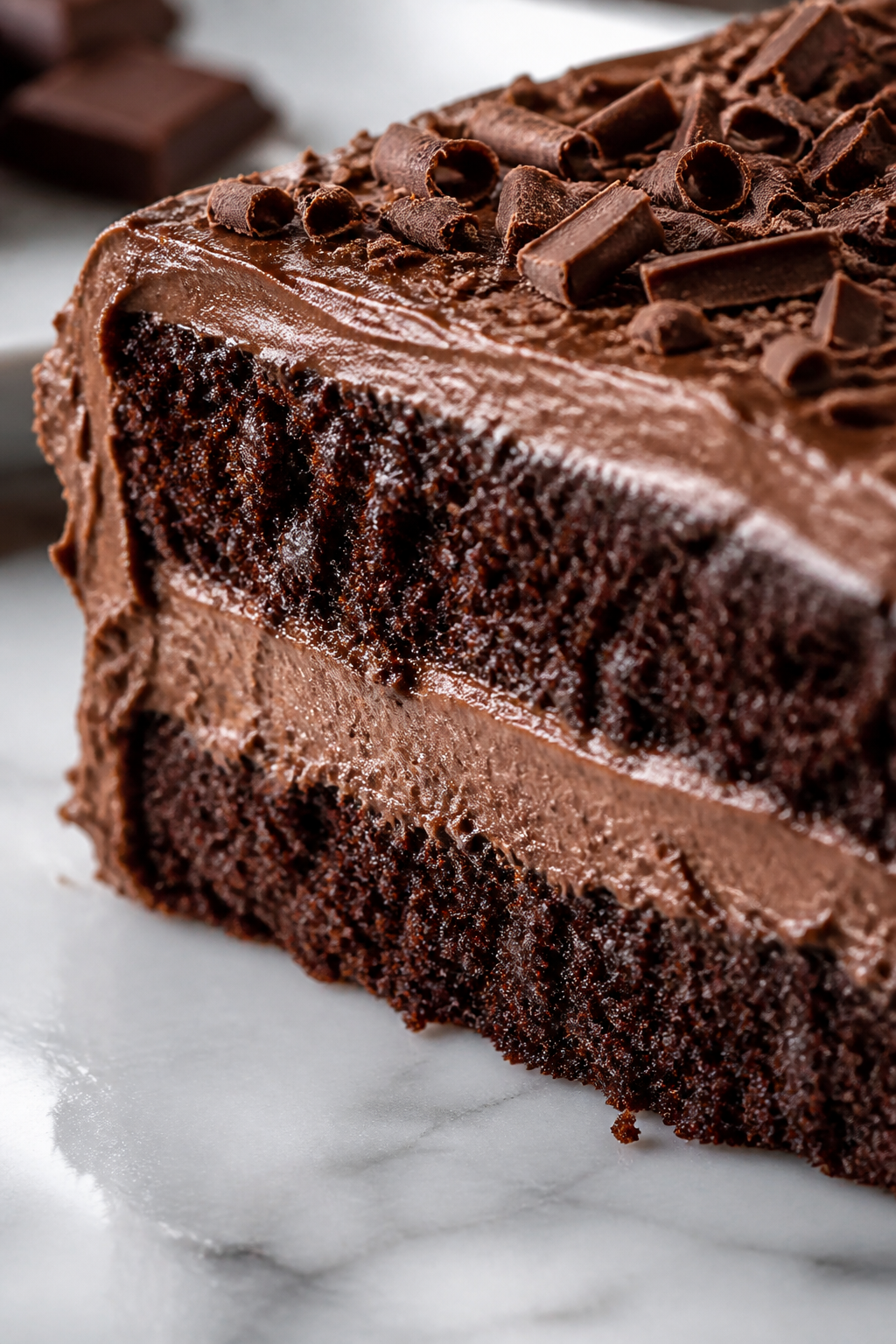
Substitute 1/2 cup of the flour with unsweetened cocoa powder for a rich chocolate flavor. Add chocolate chips if you like an extra indulgence. Great for chocolate lovers!
Note: Add cocoa powder along with dry ingredients. You may need to bake a few minutes longer due to moisture changes.
Vanilla Bean Buttermilk Cake
Use one scraped vanilla bean pod instead of extract for a deep, aromatic vanilla flavor. It’s a subtle upgrade that makes the cake feel extra special.
Note: Scrape seeds into the batter early during the wet mixing step for even distribution.
Spiced Buttermilk Cake
Add 1 teaspoon cinnamon and 1/4 teaspoon nutmeg to the dry ingredients for a cozy, warm spice profile. Perfect for fall or winter gatherings.
Note: Mix spices with flour to ensure even flavor. The warm spices complement the tang of buttermilk nicely.
Gluten-Free Buttermilk Cake
Replace all-purpose flour with a gluten-free blend that includes xanthan gum. This makes the cake accessible for gluten sensitivities without sacrificing tenderness.
Note: Choose a high-quality gluten-free flour blend designed for baking. The texture may be slightly different but still delicious.
Pro Tips
Always use room temperature ingredients for the best batter consistency.
When ingredients like eggs, butter, and buttermilk are at room temperature, they blend more evenly, creating a smooth, uniform batter. Cold ingredients can cause the batter to curdle or mix unevenly, resulting in a dense or uneven crumb.
Don’t overmix once you combine wet and dry ingredients.
Overmixing develops too much gluten in the flour, making the cake tough and chewy instead of tender. Folding gently just until combined keeps the crumb soft and light.
Cream butter and sugar until light and fluffy to trap air.
This step incorporates tiny air bubbles that expand during baking, helping the cake rise and become fluffy. Rushing or skipping this step leads to a denser cake.
Sift dry ingredients together before mixing.
Sifting aerates the flour and evenly distributes leavening agents like baking powder and soda, which promotes even rising and a fine crumb texture.
Use fresh baking soda for proper leavening.
Old baking soda can lose its potency, causing the cake not to rise properly and resulting in a flat, dense texture. Test by adding a little vinegar to see if it fizzes.
Let the cake cool in the pan before removing.
Cooling slightly helps the cake firm up and reduces the risk of breaking apart when you unmold it. Removing it too soon can cause crumbling.
Avoid opening the oven door during the first 20 minutes of baking.
Opening the door lets heat escape, which can cause the cake to sink or bake unevenly. Wait until the cake is mostly set before checking.
Common Mistakes to Avoid
Overmixing the batter after adding dry ingredients
Why it happens Many cooks think mixing longer will make the batter smoother, but it actually develops gluten, making the cake tough.
Fix Mix just until the flour is incorporated and no dry streaks remain. Use gentle folding motions rather than vigorous stirring to keep the batter light.
Using cold buttermilk or eggs
Why it happens It’s tempting to use ingredients straight from the fridge, but cold items don’t blend well, causing curdling or uneven texture.
Fix Plan ahead and bring eggs and buttermilk to room temperature before mixing. This ensures a smooth batter and even rise.
Not greasing the pan properly
Why it happens Skipping this step can cause the cake to stick and tear when removed, ruining its appearance.
Fix Grease the pan thoroughly with butter or nonstick spray and dust with flour or line with parchment paper for easy release.
Opening the oven door too early
Why it happens Curious cooks often peek too soon, letting heat out and disrupting baking.
Fix Resist the urge to open the oven until at least 20 minutes have passed. Use the oven light if you want to check progress.
Using expired leavening agents
Why it happens Old baking soda or powder loses effectiveness, so the cake won’t rise properly.
Fix Test baking soda by adding vinegar to see if it bubbles. Replace if inactive for consistent results.
Nutrition
Per Serving:
Nutritional values are estimates based on standard ingredients and may vary.
Storage & Tips
Room Temperature
Store the cooled cake covered loosely with foil or a cake dome at room temperature for up to 2 days. This keeps the crumb moist but avoid direct sunlight or heat which can dry it out.
Refrigerator
Keep in an airtight container and refrigerate for up to 5 days. The cake may firm up and lose some softness but can be warmed slightly before serving to refresh texture.
Freezer
Wrap the cake tightly in plastic wrap and then foil, freezing for up to 3 months. Thaw overnight in the fridge before serving for best texture.
Reheating
Warm individual slices gently in the microwave for 15-20 seconds or in a low oven (300°F) for 10 minutes. Adding a small pat of butter or covering with foil prevents drying out.
Make Ahead
You can bake the cake a day in advance and store it wrapped at room temperature or refrigerated. Frost or glaze it the day you plan to serve for the freshest taste and appearance.
FAQ
Can I use regular milk instead of buttermilk?
You can substitute buttermilk with regular milk mixed with 1 tablespoon of lemon juice or vinegar per cup. Let it sit for 5 minutes before using. This mimics the acidity of buttermilk to activate the baking soda and tenderize the cake.
Why is my cake dense instead of light?
Dense cake usually means overmixing or using cold ingredients. Mix just until combined and use room temperature eggs and buttermilk. Also, make sure your baking powder and soda are fresh for proper rise.
Can I make this cake gluten-free?
Yes, replace all-purpose flour with a quality gluten-free blend that includes xanthan gum. The texture will be slightly different but still moist and tender. Avoid using pure starches alone, as they won’t provide enough structure.
How do I know when the cake is done baking?
Insert a toothpick in the center. If it comes out clean or with just a few moist crumbs, the cake is done. The top should be golden and spring back slightly when touched.
Can I make this cake vegan?
This recipe relies on eggs and butter for structure and moisture, so it’s not easily veganized without major changes. Using vegan substitutes requires experimenting with flax eggs and plant-based fats, which will alter texture and flavor.
Why did my cake sink in the middle?
Opening the oven door too early or underbaking can cause sinking. Also, too much leavening or overmixing can weaken the structure. Follow baking times closely and avoid peeking until the cake is mostly set.
Can I double this recipe for a larger cake?
Yes, you can double the ingredients and bake in a larger pan or multiple pans. Just keep an eye on baking time as it may need to be adjusted slightly, usually longer for bigger cakes.
What frosting pairs best with this cake?
Classic buttercream, cream cheese frosting, or a simple glaze all work well. The cake’s moist texture and subtle tang from buttermilk balance nicely with both rich and light frostings.
Final Thoughts
I hope you give this buttermilk cake a try soon — it’s truly a comforting classic that never disappoints. Let me know how it turns out!