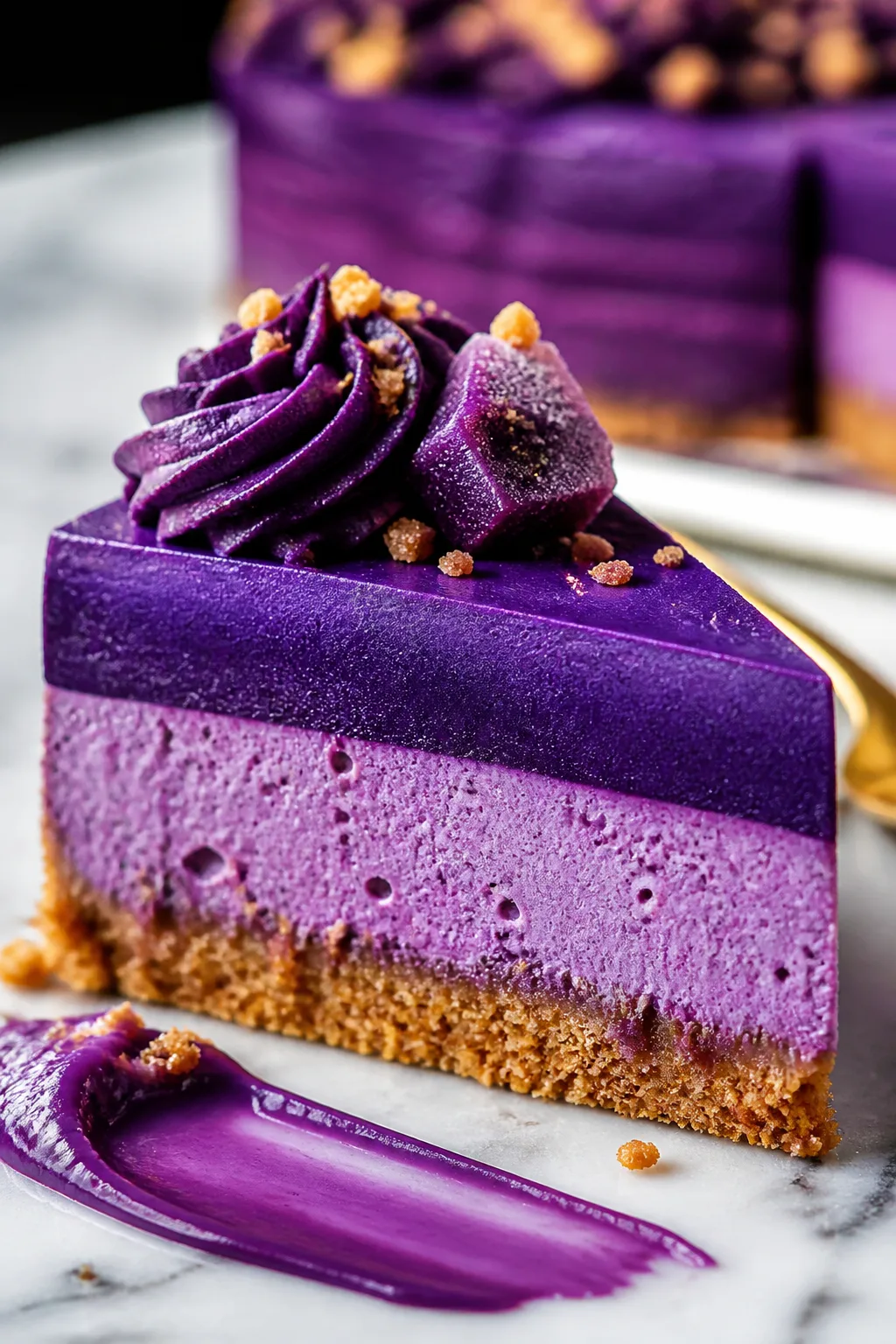
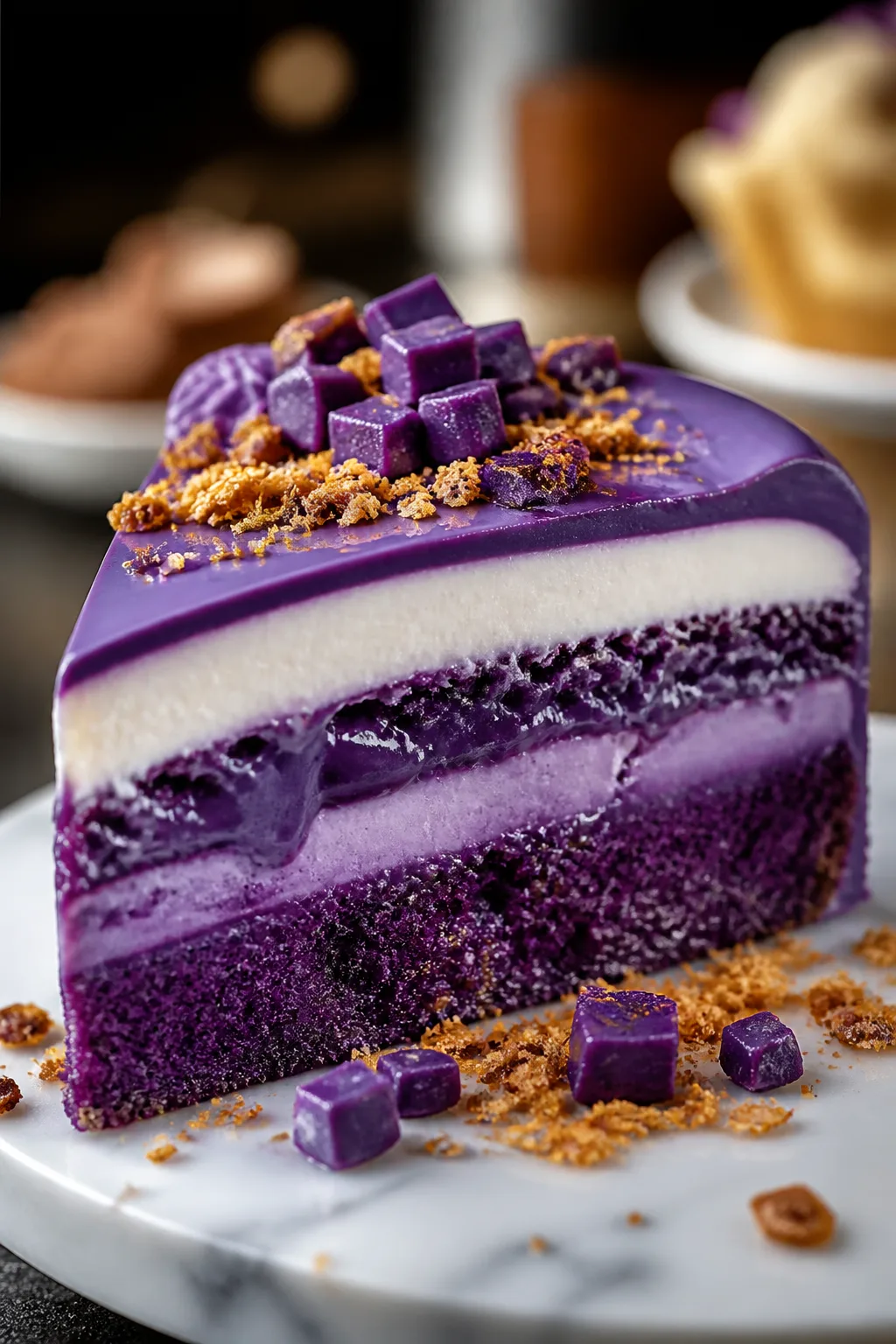
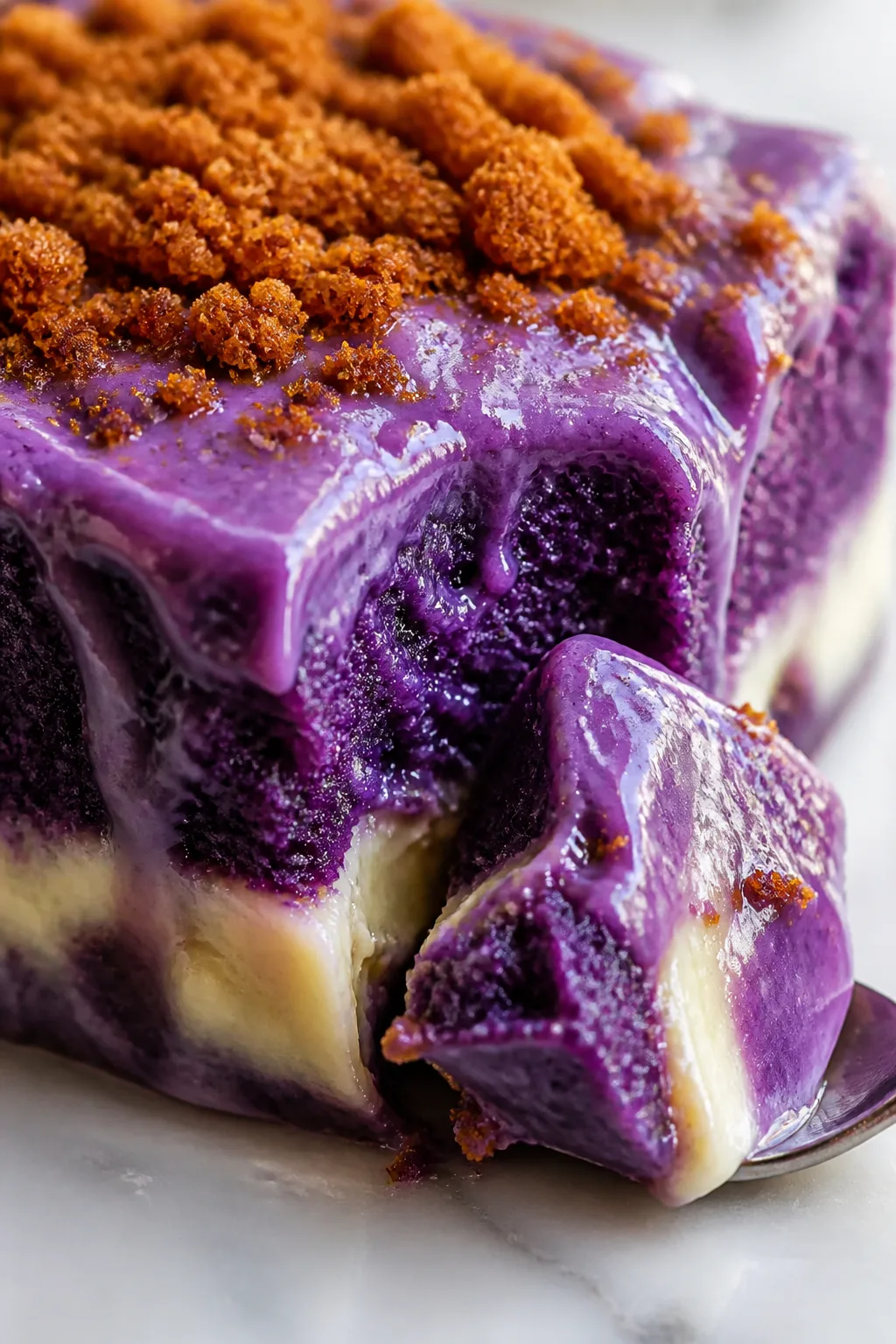
This creamy ube halaya is a sweet purple yam jam that’s both vibrant and comforting. Made with fresh purple yams and a touch of coconut milk, it’s perfect for dessert or as a spread anytime you want a flavorful treat.
Introduction
I first fell in love with ube halaya during a trip to the Philippines, where the vibrant purple yam desserts were everywhere. I wanted to recreate that creamy, sweet experience at home, but I also wanted to keep it fresh and natural. Many recipes use ube powder, but I prefer starting with fresh purple yam—it gives a richer flavor and that stunning natural purple color that’s hard to beat. Over time, I developed a method that balances coconut milk and condensed milk for creamy sweetness without overpowering the yam’s earthiness. The trick I learned was to cook the yam slowly and mash it well before adding the milks, which helps achieve that smooth, jam-like texture. When done right, this ube halaya is thick, luscious, and a feast for the eyes as much as the palate. It’s a versatile treat — perfect on its own, spread on toast, or folded into ice cream. It’s become a family favorite, especially during holidays and special occasions, but honestly, it’s good anytime you want a sweet, colorful pick-me-up.
What You'll Need
Approximately 4 cups, 6 servings
- 2 pounds fresh purple yam (ube), peeled and cubed
- 1 can (13.5 oz) coconut milk
- 1 cup condensed milk
- 1/2 cup evaporated milk
- 1/2 cup white sugar
- 1/4 cup butter
- 1 teaspoon vanilla extract
How To Do It
Step 1
Start by peeling and cubing the fresh purple yams into evenly sized pieces. This helps them cook uniformly, so you don't end up with some mushy and some undercooked chunks. Place the yam cubes in a pot and cover with water. Boil over medium heat until the yams are tender and easily pierced with a fork, about 20-25 minutes. Avoid rushing this step — undercooked yams won’t mash smoothly and will affect the texture of your halaya.
⏱ Time: 25
✓ Doneness: Yams are soft and break apart easily when poked with a fork.
Step 2
Drain the cooked yams and mash them thoroughly while still warm. Use a potato masher or fork to get a smooth, lump-free consistency. The warmth helps break down the yam fibers, which is essential for the creamy texture of your halaya. If lumps remain, the final product will have an uneven texture, so take your time here.
⏱ Time: 10
✓ Doneness: A smooth, slightly sticky yam mash with no large lumps.
Step 3
In a large nonstick pan over medium-low heat, melt the butter. Once melted, add the mashed yam and stir continuously to combine. This initial cooking helps the yam absorb the butter's richness and prevents sticking later on. Stirring constantly is key here to avoid burning or uneven cooking.
⏱ Time: 5
✓ Doneness: Butter is fully incorporated, and mixture looks glossy and smooth.
Step 4
Slowly pour in the coconut milk, condensed milk, and evaporated milk. Stir to combine everything evenly. The mixture will be quite liquid at this stage, but it will thicken as you cook. Cooking slowly allows the flavors to meld and the natural sugars to caramelize slightly, giving your halaya a richer taste.
⏱ Time: 5
✓ Doneness: Mixture is fully combined and starts to bubble gently.
Step 5
Lower the heat to medium-low and cook the mixture, stirring constantly with a wooden spoon or spatula. This step can take 20-30 minutes, so patience is essential. Constant stirring prevents the mixture from sticking and burning on the pan bottom. You'll notice the mixture gradually thickening and pulling away from the sides — that’s your cue it’s almost done.
⏱ Time: 30
✓ Doneness: Thick, sticky consistency that pulls away cleanly from the pan sides.
Step 6
Once the mixture is thick and jam-like, stir in the vanilla extract for that subtle aromatic lift. This final flavor addition brightens the dense sweetness and rounds out the taste beautifully. Mix well to ensure the vanilla is evenly distributed.
⏱ Time: 2
✓ Doneness: Vanilla aroma is noticeable and the mixture remains thick.
Step 7
Transfer the ube halaya to a greased container or mold. Smooth the surface with a spatula and let it cool to room temperature. Cooling allows the halaya to set and makes it easier to slice or scoop later. If you want firmer halaya, refrigerate it for a few hours.
⏱ Time: 15
✓ Doneness: Surface is smooth and firm to the touch once cooled.
Step 8
Once cooled, cover the halaya with plastic wrap or a lid to prevent it from drying out. Store it in the refrigerator if not serving immediately. Proper storage preserves the creamy texture and vibrant color. Avoid leaving it uncovered to prevent a dry skin from forming.
⏱ Time: 5
✓ Doneness: Halaya is well covered and retains moisture.
Step 9
When ready to serve, you can enjoy the ube halaya chilled or at room temperature. It pairs wonderfully with toasted bread, as a topping for ice cream, or simply by itself. For an extra touch, sprinkle toasted coconut flakes on top for added texture and flavor contrast.
⏱ Time: 2
✓ Doneness: Halaya is creamy and smooth with a vibrant purple hue.
Variations
Ube Halaya with Toasted Coconut
Add toasted coconut flakes on top or folded into the halaya for a crunchy texture and nutty flavor contrast. This adds a tropical twist and extra dimension to the creamy yam base.
Note: Toast coconut flakes separately and fold them in gently at the end or sprinkle as garnish before serving.
Vegan Ube Halaya
Make the recipe vegan by substituting butter with coconut oil and using coconut cream instead of evaporated milk. This keeps it creamy and rich without dairy, perfect for plant-based diets.
Note: Cooking time may be slightly shorter due to different fat content; watch for thickening cues carefully.
Ube Halaya with Cheese Swirl
Swirl in softened cream cheese or grated cheddar at the end of cooking for a salty-sweet flavor combination popular in Filipino desserts. It adds a creamy tang and richness.
Note: Add cheese off heat and fold in gently to avoid curdling or separation.
Ube Halaya Ice Cream Base
Use the cooked halaya as a base for homemade ice cream by chilling it and churning with cream and sugar. This creates a luscious, naturally purple ice cream with authentic ube flavor.
Note: Ensure halaya is fully cooled before mixing with dairy and freezing to get a smooth ice cream texture.
Spiced Ube Halaya
Add warm spices like cinnamon, nutmeg, or cardamom during cooking for a cozy, aromatic variation. This adds complexity and pairs beautifully with the yam’s natural sweetness.
Note: Add spices early in the cooking process to allow flavors to infuse fully.
Pro Tips
Mash the yams while still warm for a smoother texture.
Warm yams are softer and easier to mash fully, which helps achieve the creamy consistency essential for good halaya. Cold yams tend to be firmer and can result in lumps, affecting the smoothness of the final dish.
Use a heavy-bottomed pan to prevent burning during cooking.
Ube halaya requires slow cooking and constant stirring. A heavy-bottomed pan distributes heat evenly, reducing hotspots that can cause the mixture to scorch or stick, ensuring a smooth, evenly cooked jam.
Stir constantly and scrape the sides of the pan during cooking.
Continuous stirring prevents the mixture from sticking and burning on the pan’s bottom and sides. Scraping the sides incorporates all ingredients evenly, helping the halaya thicken uniformly and preventing lumps.
Add vanilla extract at the end of cooking.
Vanilla’s delicate aroma can dissipate with prolonged heat. Adding it at the end preserves its fragrance, enhancing the overall flavor without losing the subtle notes that complement the ube.
Cook on medium-low heat for best results.
Higher heat can cause the halaya to burn quickly or cook unevenly. Medium-low heat allows gradual thickening, caramelization of sugars, and flavor development without risking scorching.
Use fresh ube for the brightest color and best flavor.
Fresh ube retains natural moisture and vibrant purple pigments better than powders or frozen substitutes, resulting in a visually stunning and flavorful halaya.
Grease your container before transferring the halaya.
This prevents the halaya from sticking to the container as it cools and sets, making it easier to serve and clean up afterward.
Common Mistakes to Avoid
Using high heat which causes burning
Why it happens Many cooks rush the process or try to speed up thickening by increasing heat, not realizing the sugar and milk components are very prone to burning.
Fix Always cook on medium-low heat and stir constantly. Patience is key to prevent scorching and achieve a smooth, rich halaya.
Not mashing yams thoroughly
Why it happens Some assume lumps won’t affect texture much or mash when yams are cold and harder to break down.
Fix Mash yams while warm and use a masher or fork to get a smooth consistency. This ensures the halaya is creamy and lump-free.
Skipping butter or using too little
Why it happens Some omit butter to reduce fat or don’t realize its role in texture.
Fix Include the specified amount of butter to enrich flavor and prevent dryness or gumminess.
Using light coconut milk
Why it happens Light coconut milk is sometimes chosen for lower calories but lacks fat needed for creaminess.
Fix Use full-fat coconut milk to maintain richness and proper texture.
Not stirring constantly during cooking
Why it happens Some think occasional stirring is enough or get distracted during the long cooking time.
Fix Stay attentive and stir continuously to prevent sticking and ensure even cooking.
Nutrition
Per Serving:
Nutritional values are estimates and may vary based on specific ingredients used.
Storage & Tips
Room Temperature
Ube halaya can be kept covered at room temperature for up to 4 hours. To prevent drying or contamination, cover tightly with plastic wrap or store in a sealed container. Beyond this, refrigeration is recommended to maintain quality and safety.
Refrigerator
Store ube halaya in an airtight container in the fridge for up to 5 days. The texture may firm up when chilled but will soften slightly when brought back to room temperature. Reheat gently if desired to restore creaminess.
Freezer
Freeze ube halaya in a sealed container wrapped with plastic wrap and foil to prevent freezer burn. It keeps well for up to 2 months. Thaw overnight in the refrigerator, then gently warm to regain softness. Avoid refreezing to maintain texture.
Reheating
Reheat gently on the stovetop over low heat, stirring frequently. Add a splash of milk or coconut milk if the mixture becomes too thick or sticky. Avoid overheating, which can cause separation or burning.
Make Ahead
You can prepare ube halaya up to 2 days ahead and store it refrigerated. Reheat gently before serving. Alternatively, cook the yam and mash it a day ahead, then finish cooking with milks and butter on serving day for fresher flavor.
FAQ
Can I use ube powder instead of fresh purple yam?
Yes, ube powder can be used as a substitute, but the texture and flavor will differ. Fresh yam offers a creamier, more natural taste and vibrant color. When using powder, follow package instructions for rehydration and adjust liquid quantities accordingly to avoid a dry or pasty halaya.
Why is my ube halaya grainy or lumpy?
Graininess usually comes from undercooked yams or insufficient mashing. Make sure to cook yams until very tender and mash thoroughly while still warm. Also, constant stirring during cooking helps break down lumps and produce a smooth texture.
How do I store leftover ube halaya?
Store leftovers in an airtight container in the refrigerator for up to 5 days. For longer storage, freeze in a well-wrapped container for up to 2 months. Always cover halaya tightly to prevent drying out and odor absorption.
Can I make this recipe vegan?
Definitely! Substitute butter with coconut oil and use coconut cream instead of evaporated milk to keep it creamy and dairy-free. The taste will remain rich and authentic with these swaps.
Why does my halaya stick to the pan and burn?
This usually happens when the heat is too high or stirring is infrequent. Cook on medium-low heat and stir continuously to prevent the mixture from sticking and burning. Using a heavy-bottomed pan also helps distribute heat evenly.
Can I add other flavors to ube halaya?
Yes! Vanilla is classic, but you can also add coconut flakes, cheese, or spices like cinnamon for unique twists. Add delicate flavors like vanilla at the end to preserve aroma.
How long does it take to cook ube halaya properly?
Cooking from start to finish takes about 50 minutes: 25 minutes to boil yams, 10 minutes mashing, and 15-20 minutes slow cooking with milks and butter. Rushing leads to poor texture or burnt halaya.
Is it normal for ube halaya to thicken more when chilled?
Yes, ube halaya firms up in the refrigerator due to starch retrogradation and fat solidification. You can enjoy it chilled or let it soften slightly at room temperature before serving.
Final Thoughts
Give this ube halaya a try and enjoy a taste of the Philippines right at home. I’d love to hear how it turns out for you—don’t forget to share your purple yam creations!