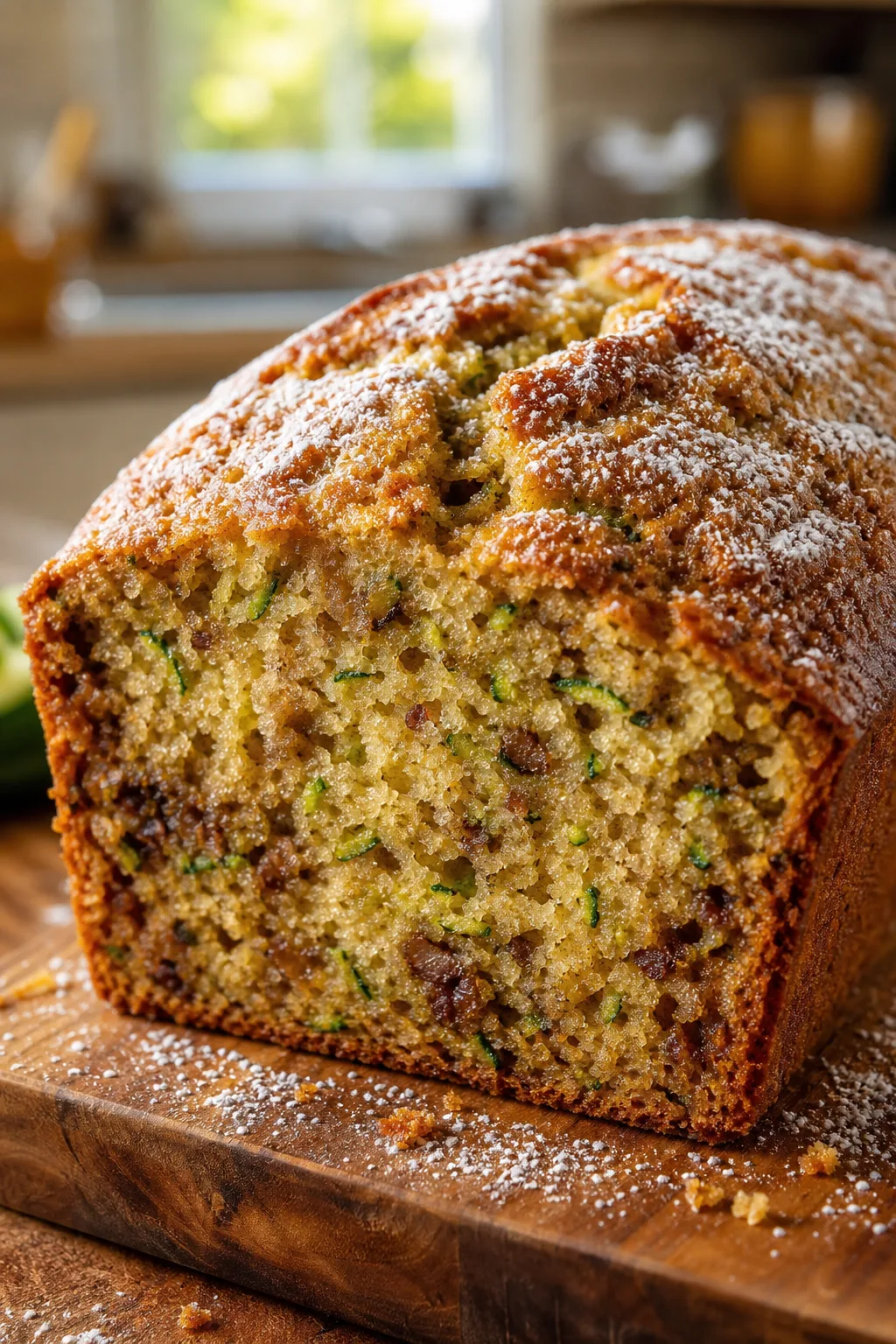
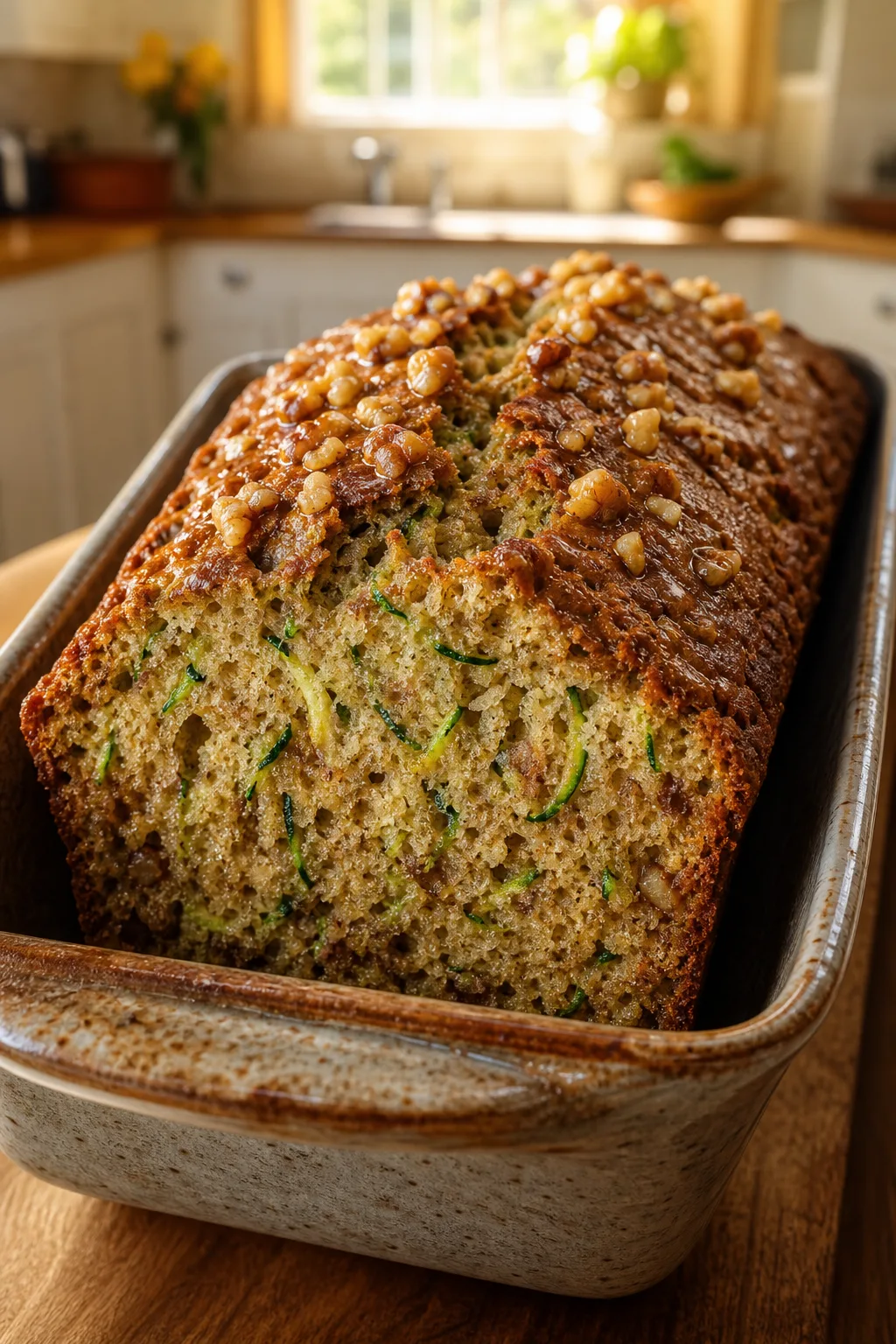
This vanilla cake is anything but basic — a cozy blend of warm spices makes it feel like a comforting hug. I love serving it for birthdays or lazy weekend afternoons with tea. The secret? Toasted cinnamon and nutmeg that fill your kitchen with amazing smells!
Introduction
I first made this spiced vanilla cake on a chilly autumn afternoon when I was craving something cozy but didn’t want to fuss over complicated flavors. What started as a simple vanilla cake quickly turned into a family favorite once I added a little cinnamon and nutmeg. The warm spices add such a comforting depth without overpowering the classic vanilla taste. I’ve tried many vanilla cake recipes over the years, but this one stands out because of a couple of tricks I learned along the way. For example, sifting the dry ingredients together with the spices ensures everything is evenly distributed, so you don’t get any clumps of cinnamon or nutmeg in a single bite. Also, using buttermilk keeps the cake super moist and tender while balancing the sweetness. When it’s done, the cake has a light crumb with a subtle spice aroma that fills the kitchen and invites everyone to grab a slice. I love serving it with a simple dusting of powdered sugar or a dollop of whipped cream. It’s perfect for birthdays, afternoon tea, or whenever you want a little extra warmth on your plate. Honestly, it’s that kind of recipe that feels like a hug in dessert form, and I’m excited to share it with you!
What You'll Need
One 9-inch round cake, 8 servings
- 2 1/2 cups all-purpose flour, sifted
- 2 1/2 tsp baking powder
- 1/2 tsp baking soda
- 1/2 tsp salt
- 1 tbsp ground cinnamon
- 1/2 tsp ground nutmeg
- 1 cup unsalted butter, softened
- 1 3/4 cups granulated sugar
- 3 large eggs, room temperature
- 1 tbsp pure vanilla extract
- 1 cup buttermilk, room temperature
How To Do It
Step 1
Preheat your oven to 350°F (175°C). Grease and flour a 9-inch round cake pan to ensure the cake doesn’t stick. This step is crucial because a well-prepared pan helps the cake release cleanly, maintaining its shape and texture. If you skip this, the cake might tear when you try to remove it, which can be frustrating after all the effort.
⏱ Time: 10 minutes
✓ Doneness: Pan is evenly greased with no bare spots showing
Step 2
In a medium bowl, sift together the flour, baking powder, baking soda, salt, cinnamon, and nutmeg. Sifting helps to aerate the flour and evenly distribute the spices and leavening agents, which prevents clumps and ensures a consistent crumb throughout the cake. Don’t rush this step or skip sifting — lumps of spice can create pockets of strong flavor that throw off the balance.
⏱ Time: 5 minutes
✓ Doneness: Dry ingredients are light, fluffy, and free of lumps
Step 3
In a large bowl, use a mixer to cream the softened butter and granulated sugar until light and fluffy, about 3-4 minutes on medium speed. This process incorporates air into the batter, which helps the cake rise beautifully and have a tender texture. If you don’t cream long enough, the cake can turn out dense and heavy.
⏱ Time: 4 minutes
✓ Doneness: Mixture looks pale, fluffy, and has increased in volume
Step 4
Add the eggs one at a time, beating well after each addition. This gradual incorporation helps to emulsify the batter, preventing it from curdling and ensuring a smooth texture. Adding all eggs at once or not mixing well can cause the batter to separate, leading to a dense cake.
⏱ Time: 3 minutes
✓ Doneness: Batter is smooth and glossy with no visible egg streaks
Step 5
Mix in the vanilla extract until combined. Vanilla adds depth and enhances all the other flavors, especially the spices. Use pure vanilla extract if possible — it makes a noticeable difference compared to imitation flavors.
⏱ Time: 1 minute
✓ Doneness: Vanilla is evenly incorporated with no streaks
Step 6
Alternately add the sifted dry ingredients and buttermilk to the butter mixture, starting and ending with the dry ingredients. Mix each addition just until combined to avoid overworking the batter, which can make the cake tough. The buttermilk adds moisture and a slight tang that balances the sweetness and spices perfectly.
⏱ Time: 5 minutes
✓ Doneness: Batter is smooth, thick, and well combined without streaks of flour
Step 7
Pour the batter into the prepared pan and smooth the top with a spatula. This helps the cake bake evenly and look nice once finished. Tap the pan gently on the counter to release any large air bubbles that could cause holes or uneven texture.
⏱ Time: 3 minutes
✓ Doneness: Surface is even and free of large bubbles
Step 8
Bake in the preheated oven for 28-32 minutes, or until a toothpick inserted in the center comes out clean or with just a few moist crumbs. Don’t open the oven door too early or too often, as this can cause the cake to sink. The right baking time ensures a moist but fully cooked cake.
⏱ Time: 30 minutes
✓ Doneness: Toothpick inserted in center emerges clean or with moist crumbs
Step 9
Let the cake cool in the pan for 10 minutes, then turn it out onto a wire rack to cool completely. Cooling in the pan too long can cause condensation and soggy edges, while removing it too soon may cause it to break apart. Proper cooling keeps the crumb tender and helps it set perfectly.
⏱ Time: 20 minutes
✓ Doneness: Cake is cool to the touch and holds its shape well
Variations
Lemon-Spiced Vanilla Cake
Add the zest of one lemon to the dry ingredients and replace the nutmeg with a pinch of ground ginger. This brightens the flavor and adds a fresh twist to the cozy spices. Expect a slightly tangier, lighter cake that’s perfect for spring.
Note: Zest should be finely grated and mixed well with the dry ingredients to avoid clumping. Baking time remains the same.
Chocolate Chip Spiced Vanilla Cake
Fold in 1 cup of semi-sweet chocolate chips into the batter just before baking for melty pockets of chocolate that complement the warm spices beautifully. This version is a crowd-pleaser for kids and adults alike.
Note: Gently fold chips to avoid deflating the batter. Use room temperature chips to prevent sinking.
Gluten-Free Spiced Vanilla Cake
Substitute the all-purpose flour with a 1:1 gluten-free baking blend that contains xanthan gum. The texture will be slightly different but still moist and flavorful, making it a great option for gluten-sensitive guests.
Note: Check that your gluten-free blend includes leavening agents or adjust baking powder slightly for rise.
Maple Glaze Topped Vanilla Cake
After cooling, drizzle a simple glaze made from maple syrup and powdered sugar over the cake. The maple adds a rich sweetness that pairs perfectly with the spices and vanilla, making it extra indulgent.
Note: Glaze should be thick but pourable; adjust powdered sugar quantity to achieve desired consistency.
Vegan Spiced Vanilla Cake
Use flax eggs (1 tbsp ground flaxseed + 3 tbsp water per egg) and substitute butter with vegan margarine or coconut oil. Use plant-based milk with a splash of lemon as a buttermilk substitute. The cake will be slightly denser but still deliciously spiced.
Note: Mix flax eggs well before adding and allow to thicken. Baking time may increase by 3-5 minutes; test with toothpick.
Pro Tips
Always sift your dry ingredients and spices together.
Sifting aerates the flour and evenly distributes the baking powder, baking soda, and spices. This prevents clumps and pockets of strong spice flavor, ensuring a uniform crumb and balanced taste throughout the cake.
Cream butter and sugar until very light and fluffy.
This step traps air in the batter, which helps the cake rise and gives it a tender, airy texture. Under-creaming results in denser, heavier cakes, so take your time to do it properly.
Alternate adding dry ingredients and buttermilk to the batter.
This technique helps maintain a smooth batter and prevents overmixing, which can develop gluten and make the cake tough. It also ensures even hydration of the flour.
Use room temperature ingredients for best mixing.
Room temperature eggs, butter, and buttermilk combine more easily, creating a smooth batter. Cold ingredients can cause curdling or uneven mixing, affecting texture and rise.
Avoid opening the oven door during the first 20 minutes of baking.
Opening the door releases heat and can cause the cake to sink in the middle or bake unevenly. Wait until the cake is set before checking doneness.
Let the cake cool in the pan for 10 minutes before removing.
This allows the cake to firm up slightly, reducing the risk of breaking apart when transferring to a wire rack. Removing it too soon can cause tears.
Use pure vanilla extract for the best flavor.
Pure vanilla has a richer, more complex flavor than imitation. It enhances the warm spices and gives the cake a well-rounded taste.
Common Mistakes to Avoid
Overmixing the batter after adding flour
Why it happens Many home bakers think mixing longer makes a smoother batter, but it actually develops gluten, leading to a tough, dense cake.
Fix Mix just until you don’t see dry flour. Use gentle folding motions when incorporating dry ingredients and stop as soon as combined to keep the cake tender.
Using cold ingredients straight from the fridge
Why it happens Sometimes people rush and don’t wait for ingredients to warm up, causing uneven mixing and curdled batter.
Fix Plan ahead and bring eggs, butter, and buttermilk to room temperature before baking. This helps ingredients emulsify properly and creates a smooth batter.
Skipping sifting of dry ingredients
Why it happens Sifting may seem unnecessary, but skipping it can cause clumping of spices or leaveners, resulting in uneven texture and flavor.
Fix Always sift flour, baking powder, baking soda, salt, and spices together to ensure even distribution and a lighter crumb.
Opening oven door too early or too often
Why it happens Curious cooks want to check progress, but this causes heat loss and can make the cake sink or bake unevenly.
Fix Resist the urge to open the door until at least 20 minutes have passed. Use the oven light and window to check instead.
Not greasing the pan properly
Why it happens Skipping or doing a rushed job leads to the cake sticking and breaking when removed.
Fix Use butter or nonstick spray and dust with flour evenly. Tap out excess flour to prevent clumps that create uneven surfaces.
Nutrition
Per Serving:
Nutritional values are estimates and may vary based on specific ingredients used.
Storage & Tips
Room Temperature
Store the cake covered loosely with a cake dome or plastic wrap at room temperature for up to 2 days. Keep it away from direct sunlight and heat to prevent drying out. The spices may become more pronounced after resting a day.
Refrigerator
Keep leftovers in an airtight container in the fridge for up to 4 days. Chilled cake can feel denser and less moist, so bring it to room temperature before serving or warm gently to restore softness.
Freezer
Wrap the cake tightly in plastic wrap and then foil to prevent freezer burn. Freeze for up to 3 months. Thaw overnight in the fridge and then bring to room temperature before serving for best texture.
Reheating
Warm slices gently in a microwave for 15-20 seconds or in a low oven (300°F) wrapped in foil for 10 minutes. Avoid overheating, which can dry out the cake. Adding a small dab of butter or whipped cream helps restore moisture.
Make Ahead
You can bake the cake layers up to 2 days ahead and keep them wrapped at room temperature. Assemble and frost on the day you plan to serve for the freshest look and texture.
FAQ
Can I substitute buttermilk with regular milk?
Yes, but buttermilk adds acidity which reacts with baking soda to create a lighter, tender crumb. To mimic this, add 1 tablespoon lemon juice or vinegar to 1 cup milk and let it sit for 5 minutes before using. This homemade 'buttermilk' helps achieve similar results.
What if I don’t have ground nutmeg?
You can omit nutmeg or replace it with a pinch of ground cloves or allspice for a similar warm spice note. Nutmeg adds a subtle sweetness and depth, but the cake will still taste delicious without it.
How do I know when the cake is done baking?
Insert a toothpick or cake tester into the center. If it comes out clean or with just a few moist crumbs, the cake is done. If it’s wet with batter, it needs more time. Avoid opening the oven too early to prevent sinking.
Can I make this cake gluten-free?
Absolutely! Use a high-quality 1:1 gluten-free baking flour with xanthan gum included. Baking time and texture may vary slightly, but the spices and vanilla flavor will still shine through.
Why is my cake dense and heavy?
This often happens from overmixing after adding flour, which develops gluten and toughens the crumb. Mix just until ingredients are combined and avoid beating the batter vigorously at this stage.
Can I add frosting to this cake?
Yes! Cream cheese frosting, vanilla buttercream, or a simple powdered sugar glaze all pair wonderfully with the warm spices and vanilla flavor. Just make sure the cake is fully cooled before frosting.
How should I store leftover cake?
Store leftover cake in an airtight container at room temperature for up to 2 days or refrigerated for up to 4 days. For longer storage, wrap tightly and freeze for up to 3 months.
Can I use salted butter instead of unsalted?
You can, but reduce or omit added salt in the recipe to avoid over-salting. Unsalted butter gives you better control over the seasoning and flavor balance.
What’s the best way to get a smooth cake surface?
After pouring batter into the pan, smooth the top with a spatula and gently tap the pan on the counter to release air bubbles. This prevents holes and uneven baking.
Can I make this cake vegan?
Yes! Use flax eggs (1 tbsp ground flaxseed + 3 tbsp water per egg) and substitute butter with vegan margarine or coconut oil. Use plant-based milk with lemon juice as a buttermilk substitute. The texture will be slightly different but still tasty.
Final Thoughts
I hope you enjoy baking and savoring this cozy spiced vanilla cake as much as I do. Don’t forget to share your results and let me know your favorite twist!