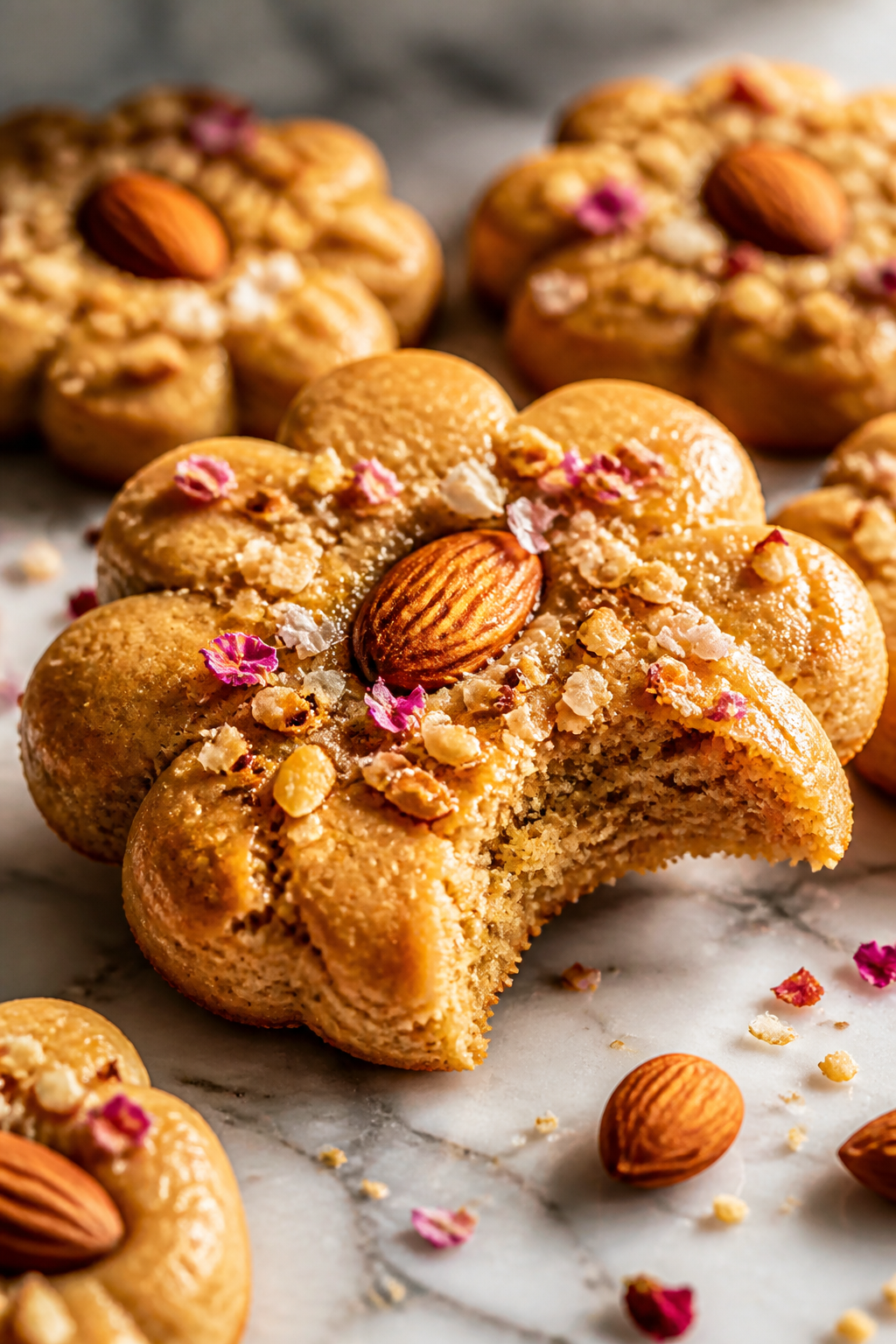
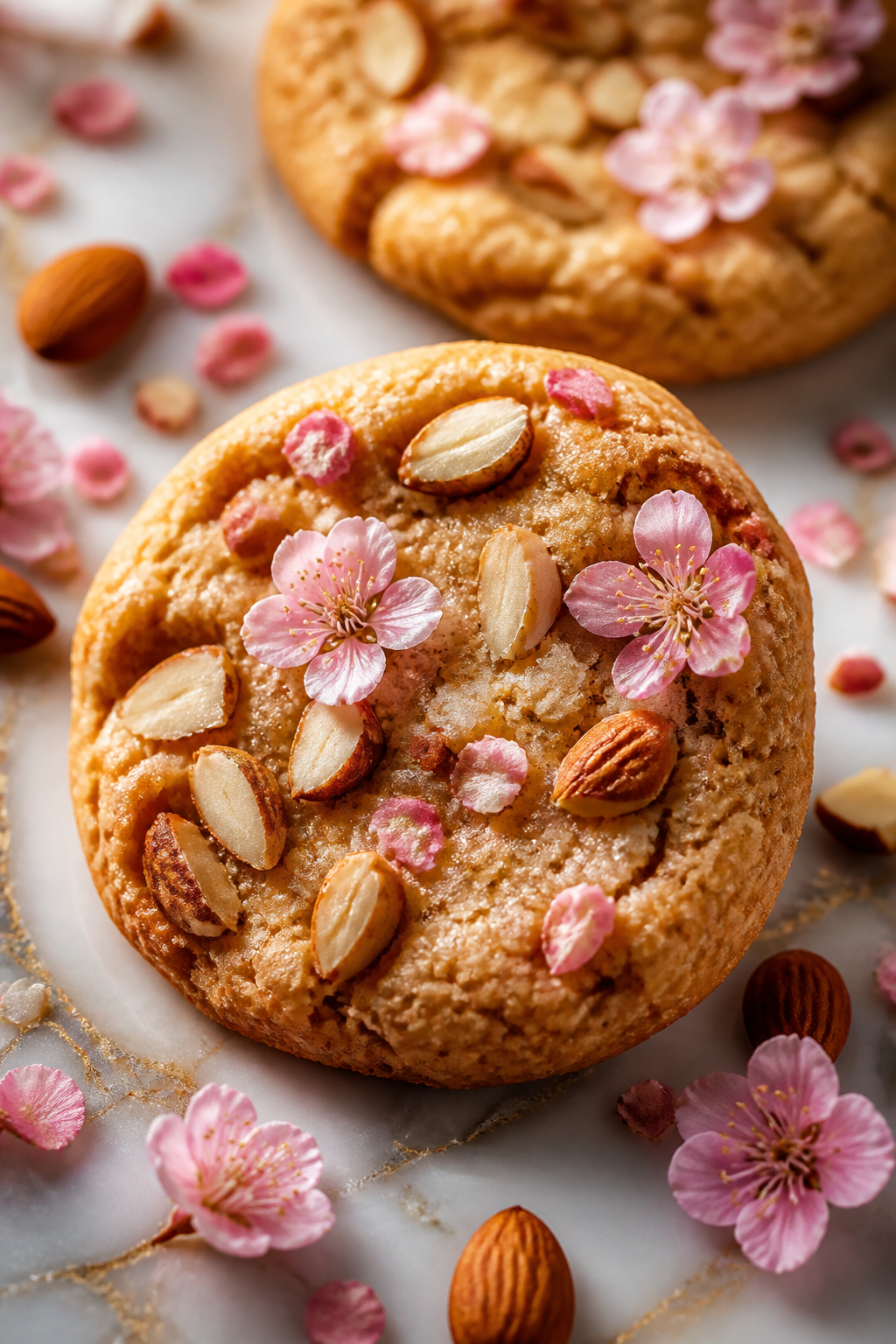
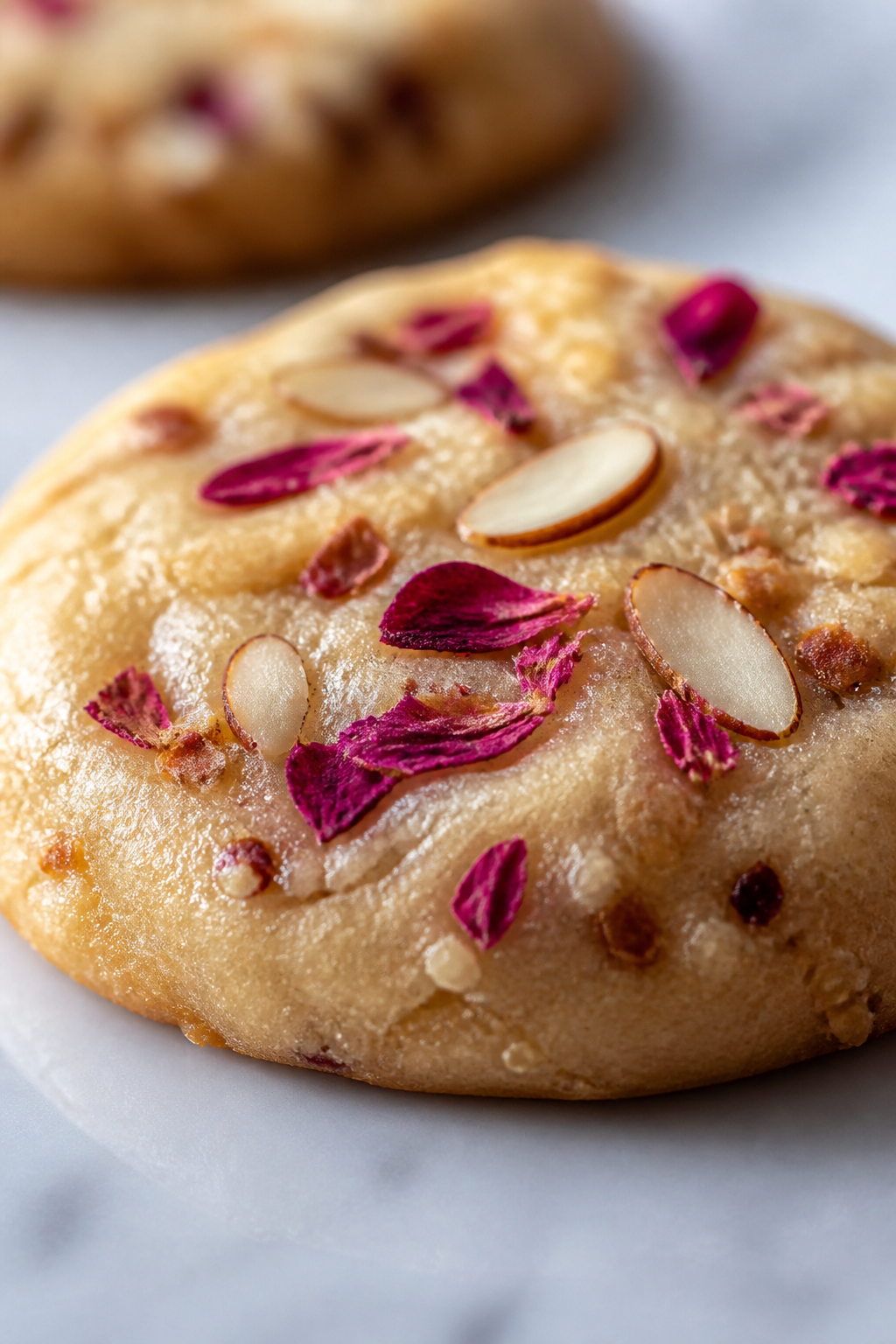
These almond butter cookies are soft, chewy, and subtly nutty thanks to a splash of honey that keeps them moist. They’re my go-to for a cozy afternoon snack or tea time treat.
Introduction
I first made these chewy almond butter cookies a couple of springs ago when I was craving something sweet but not too heavy. I wanted a cookie that felt a bit special but was still quick enough to whip up on a lazy afternoon. What sets this recipe apart is the honey—it’s a small addition but it makes all the difference, keeping the cookies soft and moist rather than dry or crumbly like some nut butter cookies can get. I also love that these cookies are naturally gluten-free and don’t rely on refined sugar, which makes them a bit lighter and more wholesome. The trick I learned is to use smooth almond butter and not overmix the dough. That way, the cookies spread just right and have a tender crumb with a slight chewiness. When they come out of the oven, they’re golden around the edges but still soft in the center, which makes them perfect for dunking in tea or coffee. I’ve shared these with friends and family, and they always ask for the recipe. Honestly, they’re a little addictive. If you like subtle nutty flavors with a hint of sweetness, you’ll love these.
How To Do It
Step 1
Preheat your oven to 350°F (175°C) and line a baking sheet with parchment paper. This step is crucial because the parchment prevents sticking and helps the cookies bake evenly without burning on the bottom. Make sure your oven is fully preheated before baking; otherwise, the cookies might spread too much or bake unevenly.
⏱ Time: 10 minutes
✓ Doneness: Oven is at stable temperature, parchment paper is laid flat with no wrinkles
Step 2
In a medium bowl, combine 1 cup of smooth almond butter with 1/2 cup honey. Stir gently until fully blended. The almond butter needs to be smooth to ensure an even texture, and mixing slowly prevents overworking the batter which can make cookies tough. The honey adds moisture and natural sweetness, helping keep the cookies chewy.
⏱ Time: 3 minutes
✓ Doneness: Mixture looks creamy and uniform without lumps
Step 3
Beat in 1 large egg and 1 teaspoon vanilla extract until just combined. The egg binds the ingredients and adds richness while vanilla enhances the flavor depth. Be careful not to overmix here; just fold until the wet ingredients are incorporated to keep the dough tender.
⏱ Time: 2 minutes
✓ Doneness: Dough is smooth and shiny but not runny
Step 4
In a small bowl, whisk together 1/2 teaspoon baking soda and 1/4 teaspoon salt. These dry ingredients are essential to give the cookies a slight lift and balance the sweetness. Make sure the baking soda is fresh because expired soda can cause flat cookies.
⏱ Time: 1 minute
✓ Doneness: Dry ingredients are evenly mixed without clumps
Step 5
Gradually add the dry mixture to the wet ingredients, folding gently until just combined. Overmixing at this stage can develop gluten in any flour present or toughen the almond butter, resulting in dense cookies. The goal is a soft dough that holds together but is not stiff.
⏱ Time: 3 minutes
✓ Doneness: Dough is cohesive and slightly sticky but not wet
Step 6
Using a tablespoon or cookie scoop, drop dough balls onto the prepared baking sheet, spacing them about 2 inches apart. This spacing lets the cookies spread without merging. If you place them too close, the cookies will bake into one large sheet.
⏱ Time: 5 minutes
✓ Doneness: Evenly spaced dough balls, slightly rounded on top
Step 7
Gently flatten each dough ball with the back of a fork in a crisscross pattern. This helps the cookies bake evenly and gives them a classic look. Don’t press too hard or the cookies will be too thin and crisp instead of chewy.
⏱ Time: 3 minutes
✓ Doneness: Cookies have a uniform fork pattern without cracking
Step 8
Bake in the preheated oven for 10-12 minutes. Keep a close eye starting at 10 minutes because almond butter cookies can go from soft to overbaked quickly. The edges should be golden but the centers will still look slightly soft. They firm up as they cool.
⏱ Time: 10-12 minutes
✓ Doneness: Edges are lightly browned and centers look set but soft
Step 9
Remove the cookies from the oven and let them cool on the baking sheet for 5 minutes before transferring to a wire rack. This resting time lets the cookies firm up just enough to handle without breaking, and finishing on a rack prevents sogginess from trapped steam.
⏱ Time: 10 minutes
✓ Doneness: Cookies hold their shape when lifted and have a soft but not sticky texture
Variations
Chocolate Chip Almond Butter Cookies
Add 1/2 cup dark chocolate chips to the dough for a rich twist. The melty chocolate complements the nutty almond butter perfectly, creating a classic flavor combo with a chewy texture.
Note: Fold chocolate chips in gently at the end to avoid breaking them up and ensure even distribution.
Spiced Almond Butter Cookies
Mix in 1/2 teaspoon cinnamon and a pinch of nutmeg for a warm, cozy flavor. These spices add complexity and make the cookies perfect for cooler months or holiday treats.
Note: Add spices with the dry ingredients to evenly disperse the flavors throughout the dough.
Coconut Almond Butter Cookies
Fold 1/3 cup shredded unsweetened coconut into the dough for a chewy, tropical vibe. The coconut adds texture and a subtle sweetness that pairs beautifully with almond butter.
Note: Use unsweetened coconut to avoid overly sweet cookies and maintain balance.
Vegan Almond Butter Cookies
Replace the egg with a flax egg (1 tablespoon ground flaxseed mixed with 3 tablespoons water). This swap keeps the cookies vegan while maintaining a chewy texture and binding the dough well.
Note: Allow the flax egg mixture to gel for 5 minutes before adding to ensure proper binding.
Salted Almond Butter Cookies
Sprinkle a pinch of flaky sea salt on top of each cookie before baking. The salt enhances the almond butter’s nutty flavor and adds a delightful contrast to the sweetness.
Note: Add salt just before baking to preserve its texture and flavor impact.
Pro Tips
Use room temperature almond butter for easier mixing and better texture.
Cold almond butter is stiff and harder to incorporate evenly, which can lead to uneven texture and lumps in the dough. Room temperature almond butter blends smoothly with honey and egg, creating a uniform batter that bakes consistently. This also helps the cookies spread evenly during baking.
Don’t overbake; remove cookies when edges are golden but centers still look soft.
Overbaking dries out the cookies and ruins that chewy texture. Almond butter cookies continue to cook slightly after being removed from the oven due to residual heat. Taking them out at the perfect moment ensures they stay moist, tender, and chewy once cooled.
Press dough balls gently with a fork for even baking and classic appearance.
Flattening the cookies with a fork creates uniform thickness, which helps them bake evenly. It also prevents thick centers that might remain undercooked or thin edges that crisp too much. The crisscross pattern is traditional and functional, providing a nice texture on top.
Use fresh baking soda to ensure proper leavening and texture.
Expired baking soda loses its potency, causing cookies to be dense and flat. Proper leavening creates small air pockets that make the cookies tender and chewy rather than heavy. Testing baking soda with vinegar before use prevents baking failures.
Let cookies cool on the baking sheet before moving to a rack.
Cooling on the hot pan allows cookies to finish setting without breaking apart. Moving them too early can cause them to crumble, while cooling on a rack from the start may lead to sticky bottoms. This step preserves the perfect chewy texture.
Use a cookie scoop for uniform cookie sizes and even baking.
Consistent cookie sizes ensure that all cookies bake at the same rate, preventing some from burning while others remain undercooked. A cookie scoop saves time and effort, giving your batch a professional look.
Store cookies in an airtight container with a slice of bread to keep them soft.
The bread releases moisture that the cookies absorb, preventing them from drying out and becoming hard. This simple trick extends the cookies’ freshness and keeps the texture chewy for longer.
Common Mistakes to Avoid
Overmixing the dough
Why it happens Many cooks think mixing longer will produce a better dough, but this develops gluten and toughens the cookies.
Fix Mix just until ingredients are combined. Use gentle folding motions rather than vigorous stirring to keep the dough tender and prevent tough cookies.
Using chunky almond butter
Why it happens Some assume any almond butter works, but chunks cause uneven texture and spreading.
Fix Choose smooth almond butter and stir well if natural oils have separated to ensure even mixing and consistent cookie texture.
Baking at too high a temperature
Why it happens Rushing baking by increasing temperature causes cookies to brown too fast and dry out.
Fix Stick to 350°F (175°C) to allow even baking. This ensures the edges crisp gently while centers stay chewy and moist.
Skipping the cooling time on the pan
Why it happens Impatience leads to moving cookies too soon, causing them to break or stick.
Fix Let cookies rest on the baking sheet for at least 5 minutes to firm up before transferring to a wire rack.
Using old or expired baking soda
Why it happens Baking soda loses effectiveness over time, resulting in flat, dense cookies.
Fix Test baking soda by mixing with vinegar before use. Replace if no fizzing occurs to guarantee proper leavening.
Nutrition
Per Serving:
Nutritional values are estimates and may vary based on specific ingredients used.
Storage & Tips
Room Temperature
Store cookies in an airtight container at room temperature for up to 3 days. Keep them away from direct sunlight or heat to prevent melting or drying out. Adding a slice of bread inside the container helps maintain softness.
Refrigerator
You can refrigerate cookies in an airtight container for up to 7 days. Refrigeration may firm them up slightly, so allow them to come to room temperature before eating or warm briefly in the microwave to restore softness.
Freezer
Freeze cookies in a single layer on a baking sheet, then transfer to a freezer-safe container or bag for up to 3 months. Wrap tightly to avoid freezer burn. Thaw at room temperature or warm gently in the oven to refresh texture.
Reheating
Warm cookies in a 300°F oven for 5-7 minutes or microwave for 10-15 seconds with a damp paper towel to maintain moisture. Avoid overheating to prevent drying or hardening.
Make Ahead
You can prepare the dough 1-2 days ahead and store it covered in the fridge. Bring dough to room temperature before baking. This method helps deepen flavors and makes baking day quicker.
FAQ
Can I use peanut butter instead of almond butter?
Yes! Peanut butter works well and will give a slightly different but equally delicious flavor. Use smooth peanut butter for the best texture. Keep in mind peanut butter can be a bit oilier, so watch the dough consistency and adjust slightly if needed.
Why are my cookies dry and crumbly?
Dry cookies usually mean the dough was overmixed, baked too long, or the honey amount was too low. Make sure to mix gently, remove cookies when centers are still soft, and measure honey accurately to keep moisture locked in.
Can I make these cookies gluten-free?
This recipe is naturally gluten-free since it uses almond butter instead of flour. Just ensure your baking soda and other ingredients are certified gluten-free if you have sensitivities.
How do I store these cookies to keep them soft?
Store in an airtight container with a slice of fresh bread inside. The bread releases moisture that the cookies absorb, helping them stay soft and chewy for several days.
Can I freeze the cookie dough?
Absolutely! Scoop the dough onto a baking sheet and freeze until solid, then transfer to a freezer bag. Bake from frozen, adding a couple extra minutes to the baking time.
What if I don’t have honey? Can I use maple syrup?
Maple syrup can substitute for honey, but it may slightly change the flavor and texture. It’s a bit thinner, so your cookies might spread more. Use the same amount and watch baking time closely.
My cookies are spreading too much. What did I do wrong?
This happens if the dough is too warm or you used too much liquid. Chill the dough before baking if needed and ensure you measure ingredients carefully. Also, check your oven temperature with a thermometer.
Can I add mix-ins like nuts or chocolate chips?
Yes! Gently fold in up to 1/2 cup of nuts, chocolate chips, or dried fruit at the end of mixing. This adds texture and flavor without affecting the baking process much.
Final Thoughts
I hope you enjoy making and eating these chewy almond butter cookies as much as I do! Don’t forget to share your baking adventures and tweaks with me—I love hearing how they turn out.