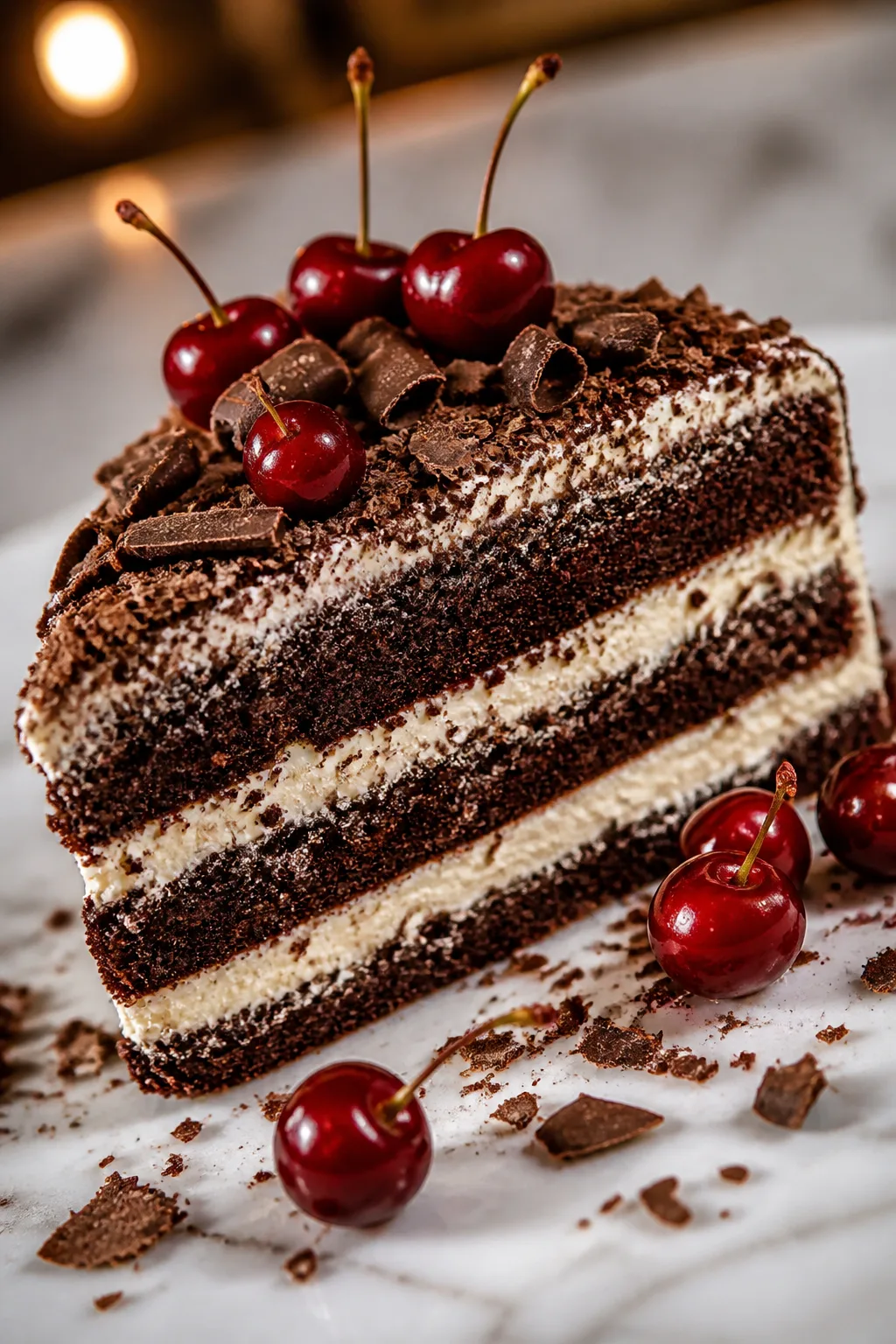
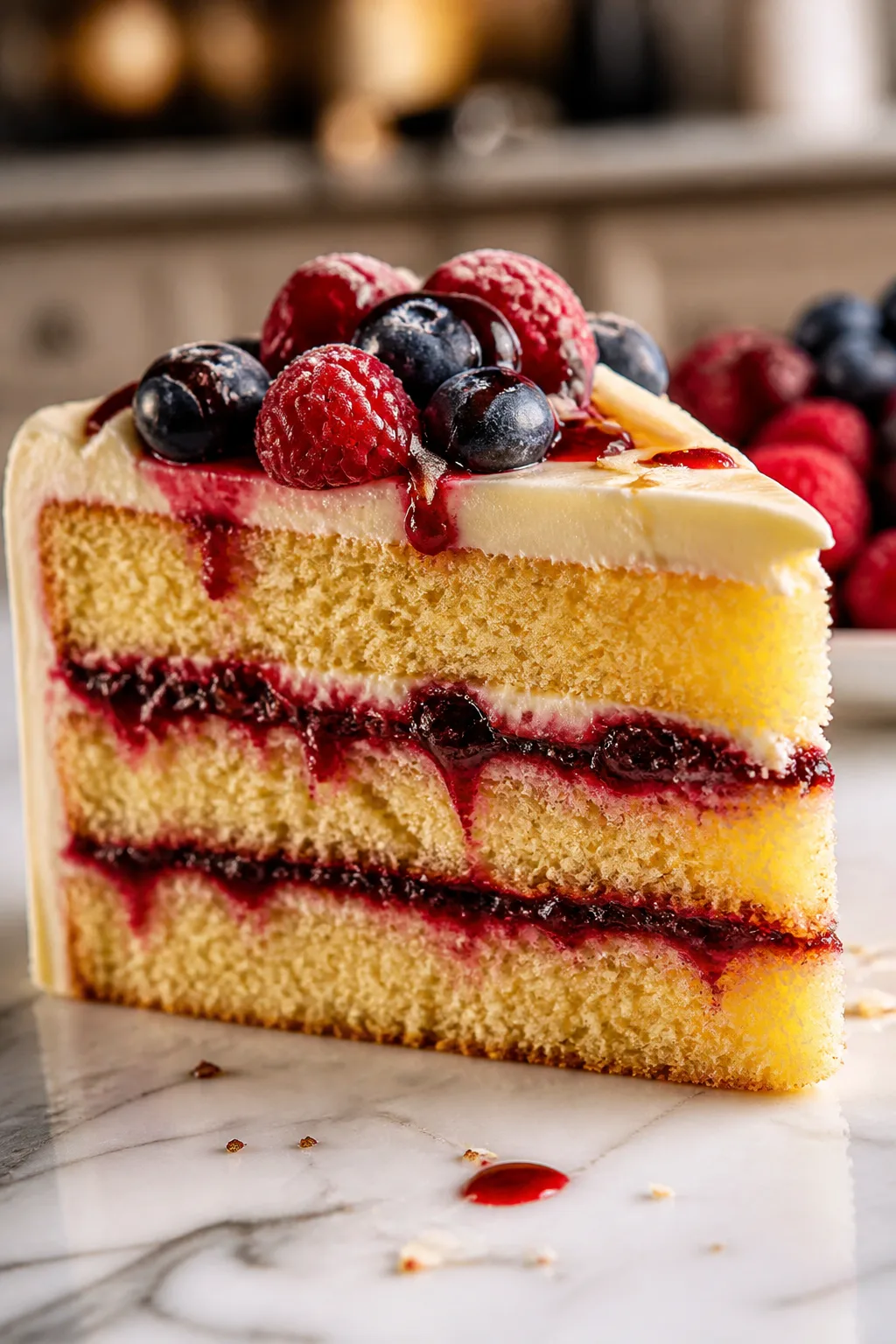
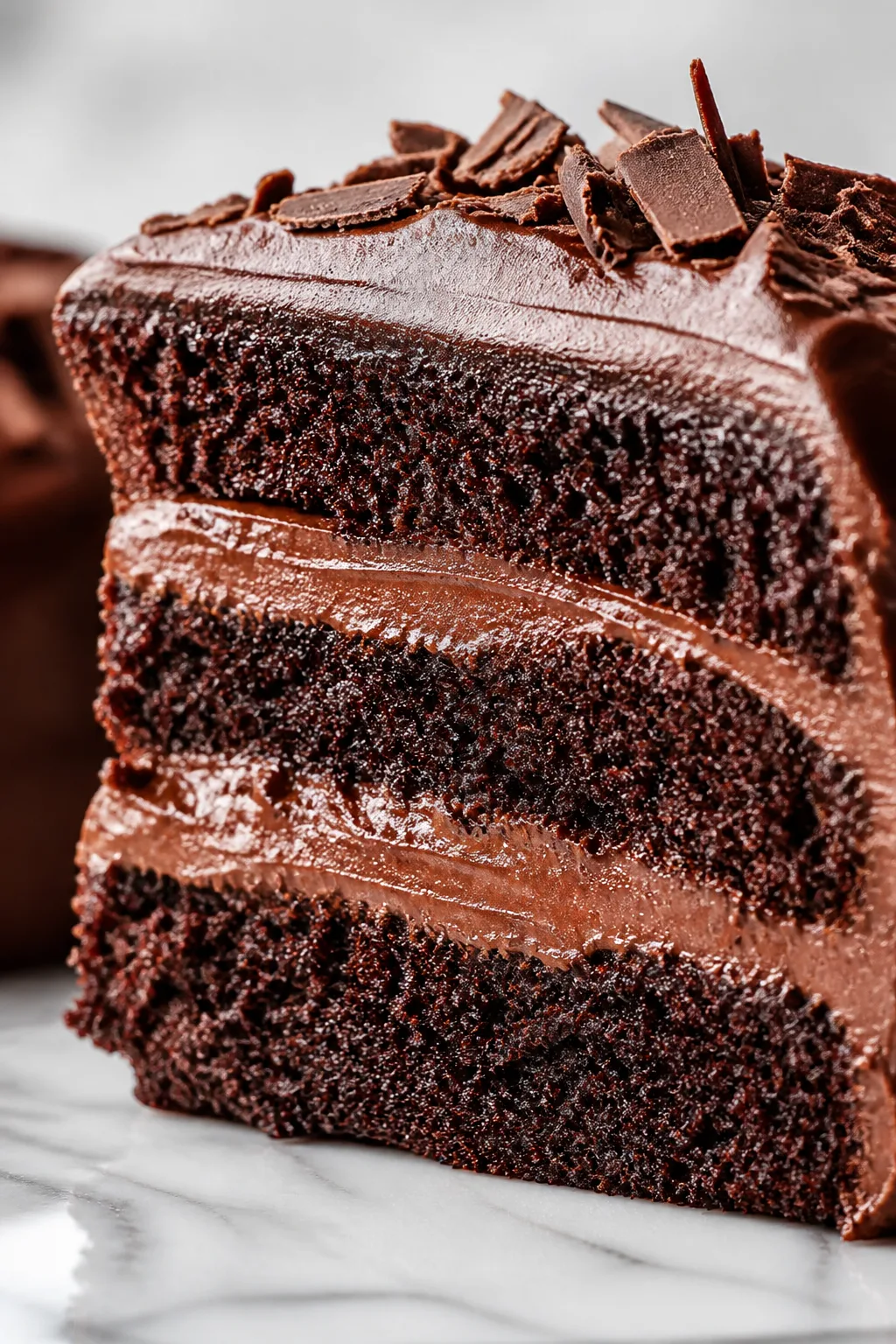
This vanilla cake is a family favorite—simple ingredients with a secret folding technique for extra fluffiness. Great for birthdays or just a cozy afternoon treat. You'll love how light and soft it turns out!
Introduction
I remember the first time I made this vanilla cake—it was for my niece’s birthday, and honestly, I was a bit nervous. I’d tried a few vanilla cake recipes before, but they always came out dense or dry. This recipe changed everything for me. The trick is a little secret folding technique that keeps the batter light and airy before baking. It’s simple but makes such a difference! I love how this cake rises beautifully with a tender crumb and delicate crumb texture. Plus, the vanilla flavor is just right—not too overpowering but perfectly sweet. Over the years, this cake has become my go-to for celebrations and even just weekend treats. The buttery softness and fluffiness make every bite feel like a hug. I’ve learned to never rush the mixing process here; patience really pays off. When you try this, expect a cake that’s light, moist, and so easy to slice and serve. I’m excited for you to give it a go—your family might just ask for it again and again!
What You'll Need
One 9-inch round cake, 8 servings
- 2 1/2 cups all-purpose flour, sifted
- 2 1/2 tsp baking powder
- 1/2 tsp salt
- 1 cup unsalted butter, softened
- 1 3/4 cups granulated sugar
- 4 large eggs, room temperature
- 1 tbsp pure vanilla extract
- 1 cup whole milk, room temperature
How To Do It
Step 1
Preheat your oven to 350°F (175°C). Grease and flour a 9-inch round cake pan to prevent sticking. This step is crucial because it ensures the cake releases easily after baking. If you skip greasing, your cake might tear when you try to remove it. Make sure to tap out excess flour so the coating is even but not thick.
⏱ Time: 10 minutes
✓ Doneness: Pan is coated evenly with a light dusting of flour without clumps
Step 2
In a medium bowl, sift together the flour, baking powder, and salt. Sifting helps aerate the dry ingredients and removes lumps, which contributes to the cake’s light texture. Mixing these beforehand also ensures even distribution of the leavening agent so the cake rises uniformly.
⏱ Time: 5 minutes
✓ Doneness: Dry ingredients are well combined and lump-free
Step 3
In a large bowl, beat the softened butter with the sugar until pale and fluffy, about 4-5 minutes. This creaming step is key: it incorporates air into the batter, which helps the cake rise and gives it a tender crumb. Don’t rush this; the texture should be noticeably lighter in color and volume before moving on.
⏱ Time: 5 minutes
✓ Doneness: Butter and sugar mixture is light, fluffy, and pale yellow
Step 4
Add the eggs one at a time, beating well after each addition. Adding eggs slowly helps emulsify the batter and prevents it from curdling. If you add them too quickly, the mixture might separate, leading to a dense cake. Scrape down the sides often to keep everything evenly mixed.
⏱ Time: 5 minutes
✓ Doneness: Batter is smooth, glossy, and slightly thickened
Step 5
Stir in the vanilla extract until fully incorporated. The vanilla adds that warm, inviting aroma and flavor that makes this cake special. Use pure vanilla extract for the best taste; imitation vanilla can alter the flavor profile.
⏱ Time: 1 minute
✓ Doneness: Vanilla is evenly distributed with no streaks
Step 6
Add the sifted dry ingredients in three parts, alternating with the milk, beginning and ending with the dry ingredients. Mix gently after each addition just until combined. Overmixing at this stage develops gluten, which can make the cake tough. The alternating method keeps the batter smooth and tender.
⏱ Time: 5 minutes
✓ Doneness: Batter is smooth, thick but pourable, with no flour pockets
Step 7
Here’s the secret step: fold the batter gently with a spatula instead of stirring vigorously. Folding preserves the air bubbles created during creaming. Use a gentle under-and-over motion, turning the bowl as you go. This technique keeps the cake light and fluffy after baking.
⏱ Time: 3 minutes
✓ Doneness: Batter is fully combined, light, and airy without deflating
Step 8
Pour the batter into your prepared pan and smooth the top with a spatula. Tap the pan gently on the counter to release any large air bubbles. This ensures an even bake and prevents big holes in the crumb.
⏱ Time: 2 minutes
✓ Doneness: Surface is smooth and even with no large bubbles
Step 9
Bake for 28-32 minutes or until a toothpick inserted in the center comes out clean or with a few moist crumbs. Avoid opening the oven door too early to prevent the cake from sinking. The top should be lightly golden and spring back when touched.
⏱ Time: 30 minutes
✓ Doneness: Golden top, toothpick comes out clean or with moist crumbs
Variations
Lemon Vanilla Cake
Add 2 tablespoons of fresh lemon zest and replace half the milk with freshly squeezed lemon juice. This creates a bright, citrusy twist on the classic vanilla cake, perfect for spring and summer occasions.
Note: Because lemon juice adds acidity, reduce baking powder slightly to prevent over-leavening and adjust batter consistency by adding a bit more flour if needed.
Chocolate Swirl Vanilla Cake
Fold in 1/3 cup of melted dark chocolate into half the batter before swirling it into the vanilla batter in the pan. This adds a rich chocolate flavor with a beautiful marbled look.
Note: Cool melted chocolate to room temperature before folding to avoid deflating the batter or cooking eggs prematurely.
Gluten-Free Vanilla Cake
Substitute the all-purpose flour with a gluten-free flour blend designed for baking. This adaptation keeps the cake tender and fluffy for gluten-sensitive eaters without sacrificing taste.
Note: Add 1/4 teaspoon xanthan gum if your flour blend doesn’t contain it to improve structure and crumb.
Vegan Vanilla Cake
Replace eggs with flax eggs (1 tbsp ground flaxseed + 3 tbsp water per egg) and use plant-based milk and vegan butter. This vegan version is moist and flavorful, suitable for dairy-free diets.
Note: Flax eggs provide binding but less lift, so add 1/2 tsp extra baking powder to compensate.
Vanilla Chiffon Cake
Separate the eggs and whip the whites to stiff peaks before folding into the batter. This creates an ultra-light, airy texture, perfect for delicate desserts.
Note: Use an ungreased tube pan for baking and avoid overmixing to maintain volume.
Pro Tips
Always use room temperature ingredients for better mixing.
Room temperature butter, eggs, and milk combine more easily, creating a smoother batter and better emulsion. Cold ingredients can cause curdling or uneven texture, leading to a denser cake.
Don’t overmix after adding flour to keep the cake tender.
Overmixing develops gluten, which tightens the structure and makes the cake tough. Gentle mixing preserves a soft crumb and light texture.
Sift dry ingredients to aerate and eliminate lumps.
Sifting incorporates air and ensures even distribution of baking powder and salt, promoting consistent rise and preventing dense spots.
Cream butter and sugar until pale and fluffy for best rise.
This step traps air bubbles that expand during baking, creating a light crumb. Rushing this step reduces volume and cake fluffiness.
Fold the batter gently at the end instead of stirring.
Folding preserves the air bubbles incorporated during creaming, which are essential for a fluffy texture. Stirring vigorously deflates the batter.
Use fresh baking powder to ensure proper leavening.
Expired baking powder loses potency, causing the cake to rise poorly and become dense or flat.
Tap the pan before baking to remove large air pockets.
This prevents large holes or tunnels in the cake crumb, resulting in a uniform texture.
Common Mistakes to Avoid
Using cold butter or eggs
Why it happens Many assume cold ingredients are fine, but they don’t blend well, causing uneven texture or curdling.
Fix Bring ingredients to room temperature before mixing. This helps create a smooth, homogenous batter and better rise.
Overmixing after adding flour
Why it happens Eager cooks want to finish quickly and mix thoroughly, but this develops gluten.
Fix Mix just until ingredients are combined. A few small lumps are okay. Use gentle folding motions.
Skipping the creaming step or rushing it
Why it happens Some think it’s unnecessary or want to save time, but it’s essential for aeration.
Fix Beat butter and sugar until light and fluffy, about 4-5 minutes. This traps air for a better rise.
Not measuring ingredients accurately
Why it happens Eyeballing flour or sugar can throw off the balance of the recipe.
Fix Use a kitchen scale or proper measuring cups for accuracy to ensure consistent results.
Opening the oven door too early
Why it happens Impatience or curiosity makes cooks check the cake, but this causes temperature drops.
Fix Wait until at least 25 minutes have passed before checking. Opening early can cause the cake to sink.
Nutrition
Per Serving:
Nutritional values are estimates and may vary based on specific ingredients used.
Storage & Tips
Room Temperature
Store the cake covered loosely with a cake dome or plastic wrap at room temperature for up to 2 days. Avoid direct sunlight or heat sources to keep it moist and fresh.
Refrigerator
Keep the cake in an airtight container in the fridge for up to 5 days. The texture may firm slightly when cold, so bring to room temperature before serving or warm gently for a few seconds.
Freezer
Wrap the cooled cake tightly in plastic wrap and then foil. Freeze for up to 3 months. Thaw overnight in the fridge, then bring to room temperature to restore softness.
Reheating
Warm slices gently in the microwave for 10-15 seconds or in a 300°F oven for 5-7 minutes. Adding a small splash of milk or covering loosely with foil helps retain moisture while reheating.
Make Ahead
You can bake the cake layers 1-2 days ahead and store them wrapped at room temperature or in the fridge. Assemble and frost the day of serving for best texture and freshness.
FAQ
Can I substitute milk with a non-dairy alternative?
Yes, you can use almond, soy, or oat milk as a 1:1 substitute for whole milk. Make sure the milk is at room temperature for best mixing. Non-dairy milks may slightly alter flavor but won’t affect texture much.
Why did my cake sink in the middle?
This usually happens if the oven temperature is too low, or if you opened the oven door too early. Also, overmixing the batter can cause excess air bubbles that collapse. Use an oven thermometer and avoid peeking until near the end of baking.
Can I make this cake in a different pan size?
Yes, but adjust baking time accordingly. A smaller pan will need more time, while a larger pan will bake faster. Check doneness with a toothpick and watch for golden color and springiness.
How do I know when the butter and sugar are creamed enough?
The mixture should be noticeably lighter in color and fluffy in texture, usually after 4-5 minutes of beating. It should hold soft peaks and not look grainy.
Can I add frosting to this cake?
Absolutely! This vanilla cake pairs beautifully with buttercream, cream cheese frosting, or even a simple dusting of powdered sugar. Frost once the cake is completely cool to avoid melting.
What if I don’t have baking powder?
You can substitute baking powder with a mix of baking soda and an acid like cream of tartar, but the quantities need adjustment. It’s best to use baking powder for consistent results.
Why is folding the batter so important?
Folding protects the air bubbles incorporated during creaming. Stirring vigorously deflates these bubbles, leading to a denser cake. Gentle folding keeps the batter airy and light.
Can I prepare the batter ahead of time?
It’s best to bake the batter immediately after mixing to preserve the air bubbles. If you must wait, cover the batter and refrigerate for up to 2 hours, but expect a slight loss of fluffiness.
Final Thoughts
I hope you enjoy making this classic vanilla cake as much as I do. Don’t forget to share your baking moments and let me know how it turns out!