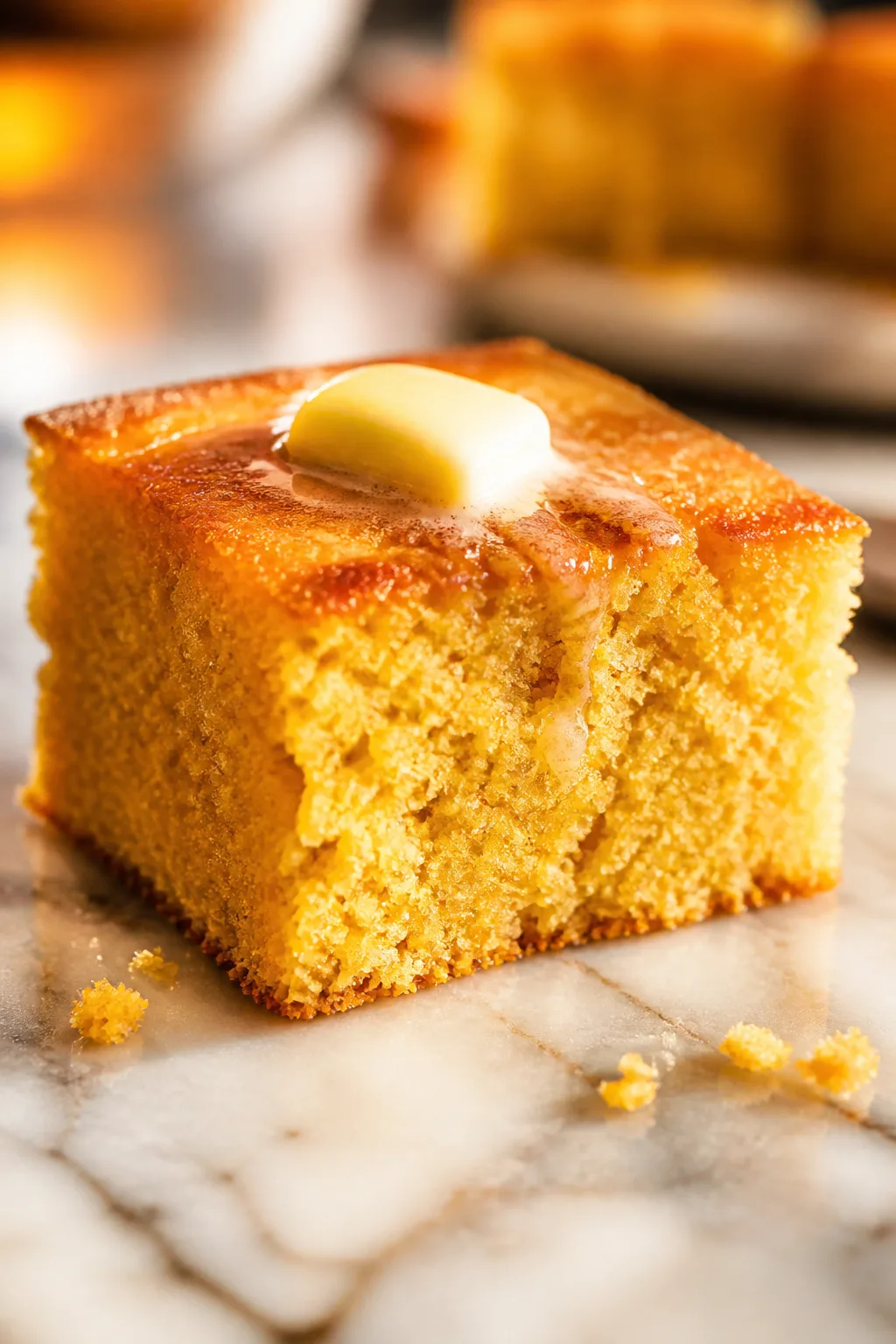
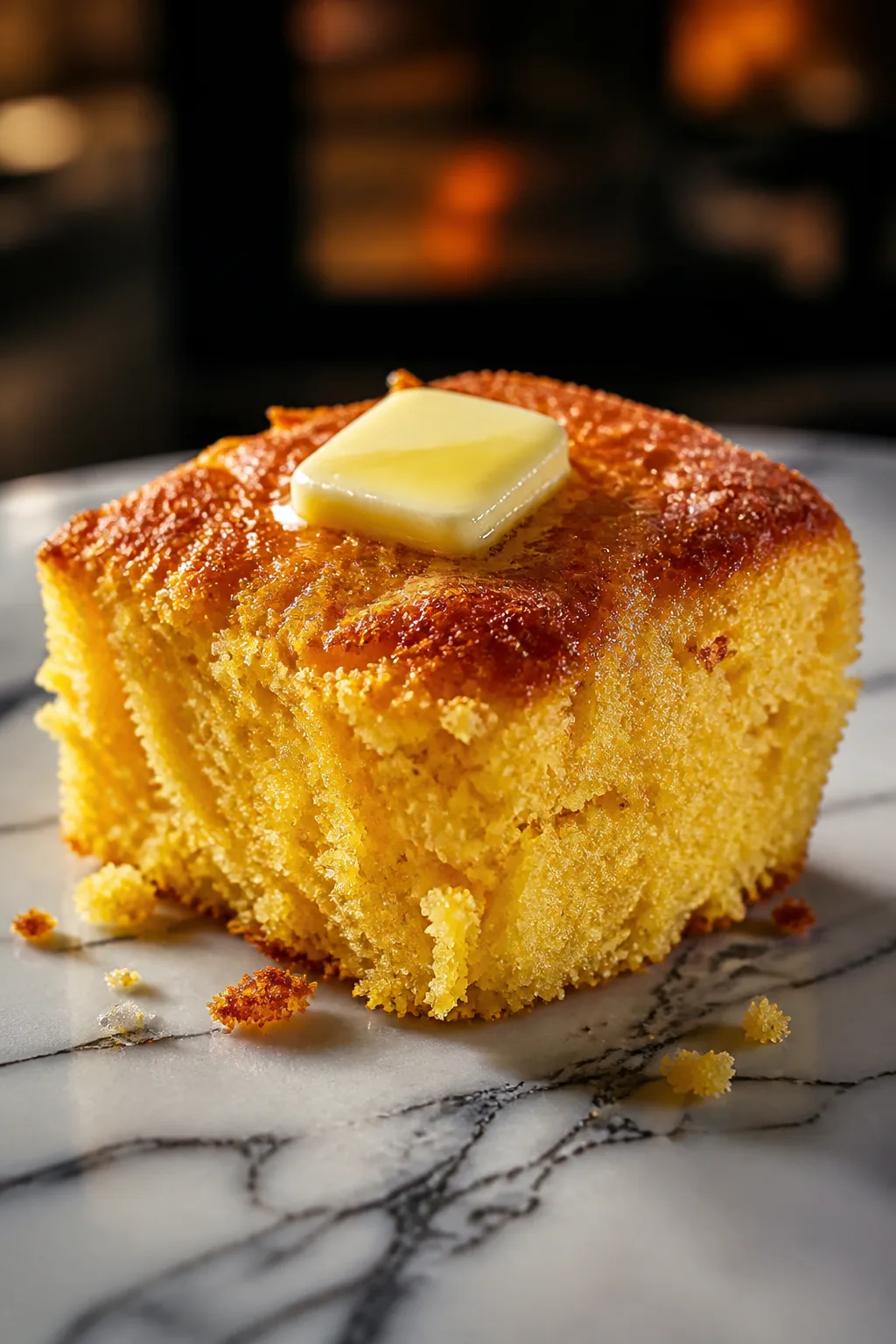
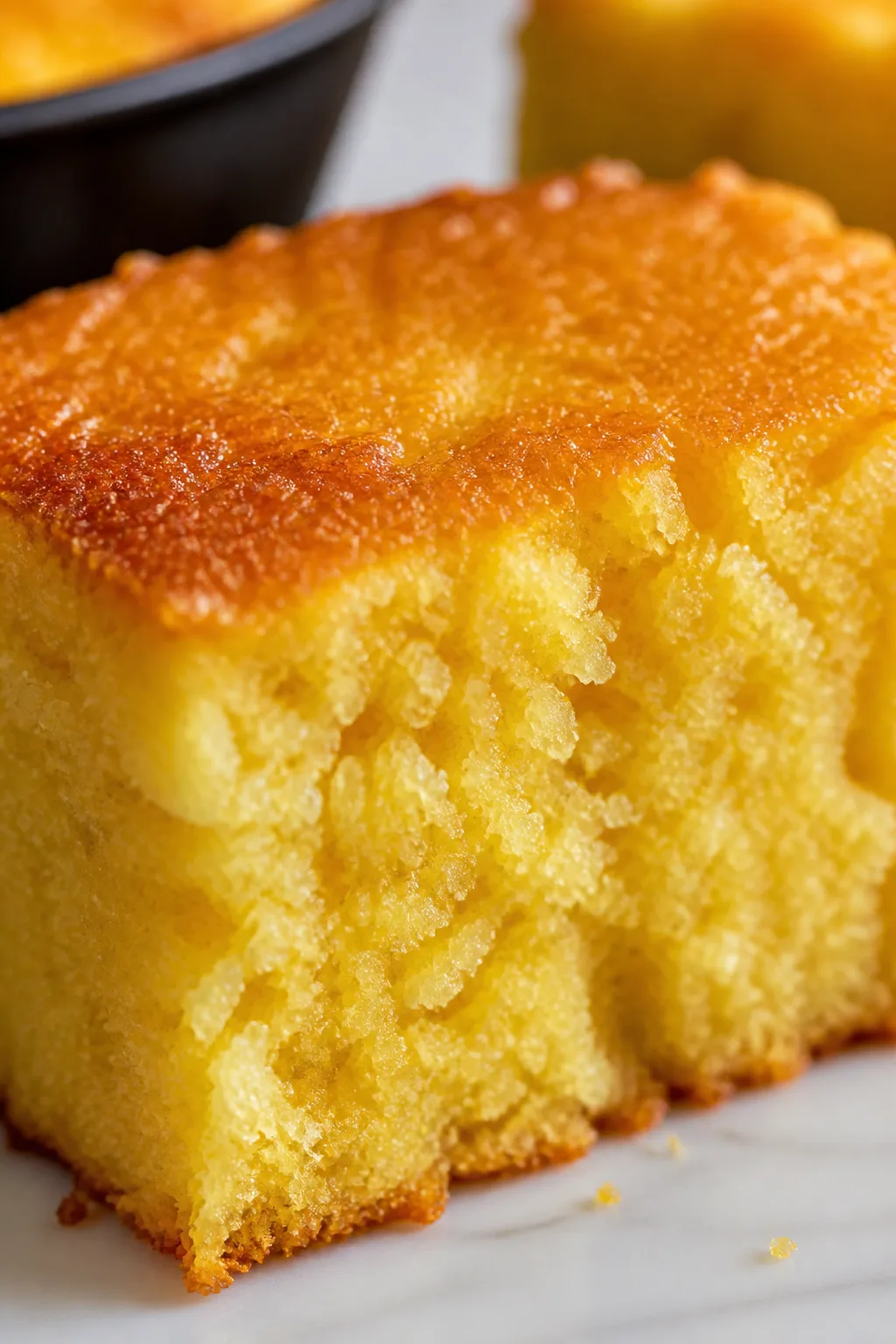
This cornbread is my go-to for cozy dinners. The buttermilk adds a subtle tang and keeps it moist, while the crust gets perfectly crispy. Ideal with a bowl of chili or a hearty Sunday meal.
Introduction
I first made this classic buttermilk cornbread years ago when I wanted a reliable side to go with my homemade chili. What I love about this recipe is how the buttermilk adds a subtle tang and keeps the crumb so moist, unlike dry cornbread I’ve had before. Plus, the trick of heating the skillet with oil before pouring in the batter gives it that irresistible crispy crust that everyone raves about. I remember my first attempt was a bit dense because I overmixed the batter, so now I mix just until combined to keep it tender. The finished cornbread comes out golden with a crunchy edge and a soft, flavorful middle — perfect for scooping up chili or enjoying with a pat of butter. It’s become a family favorite for Sunday suppers and weeknight dinners alike, and I think you’ll find it just as comforting and easy to make.
What You'll Need
One 9-inch square pan, 8 servings
- 1 cup yellow cornmeal, stone-ground
- 1 cup all-purpose flour
- 1/4 cup granulated sugar
- 1 tablespoon baking powder
- 1/2 teaspoon baking soda
- 1/2 teaspoon salt
- 1 cup buttermilk, cold
- 2 large eggs
- 1/4 cup unsalted butter, melted and slightly cooled
- 2 tablespoons vegetable oil or more for skillet
How To Do It
Step 1
Preheat your oven to 425°F (220°C). Place a 9-inch cast iron skillet or ovenproof pan in the oven to heat while you prepare the batter. Heating the skillet first is key because it helps create that crispy, golden crust on the cornbread. If you skip this step, the crust won’t develop as well and the bread might stick to the pan. Be careful when handling the hot skillet later to avoid burns.
⏱ Time: 10
✓ Doneness: Skillet feels very hot to the touch (use oven mitts!) and oil shimmers when added
Step 2
In a large bowl, whisk together the cornmeal, flour, sugar, baking powder, baking soda, and salt. These dry ingredients form the base and leavening system of the bread. Mixing them thoroughly ensures even rising and a balanced texture. If you rush or skip sifting or whisking, you might end up with uneven pockets or a flat cornbread.
⏱ Time: 5
✓ Doneness: Dry ingredients are evenly combined with no clumps
Step 3
In a separate bowl, beat the eggs with the cold buttermilk until combined. The cold buttermilk reacts with the baking soda to create bubbles that help the bread rise. Using cold buttermilk also keeps the batter from warming too quickly, which preserves the leavening power. If you use warm liquids, the bread might not rise as well.
⏱ Time: 3
✓ Doneness: Eggs and buttermilk are fully mixed with no streaks
Step 4
Pour the wet ingredients into the dry ingredients and gently fold them together with a spatula. Mix just until no dry flour remains; a few lumps are okay. Overmixing develops gluten which leads to tough cornbread. The goal is a tender crumb, so resist the urge to stir vigorously.
⏱ Time: 3
✓ Doneness: Batter is smooth but slightly lumpy and thick
Step 5
Stir the melted butter into the batter quickly but thoroughly. The butter adds richness and moisture, contributing to a softer texture and deeper flavor. Make sure the butter isn’t too hot or it could cook the eggs, causing lumps. If you skip the butter, the cornbread might be drier and less flavorful.
⏱ Time: 2
✓ Doneness: Butter is fully incorporated with no separation
Step 6
Remove the hot skillet from the oven carefully and add the vegetable oil, swirling to coat the bottom and sides. Pour the batter into the skillet immediately. The hot oil sears the batter on contact, forming that signature crispy crust. Pouring into a cold pan will result in a pale, sticky crust instead.
⏱ Time: 2
✓ Doneness: Batter sizzles gently as it hits the skillet
Step 7
Place the skillet back in the oven and bake for 20-25 minutes. Avoid opening the oven door too often as it can cause the bread to deflate. Around 20 minutes, check for doneness by inserting a toothpick in the center; it should come out clean or with a few moist crumbs. The top should be golden brown and slightly firm to the touch.
⏱ Time: 25
✓ Doneness: Golden brown crust with toothpick coming out clean
Step 8
Once baked, remove the skillet from the oven and let the cornbread cool for at least 10 minutes before slicing. This resting time allows the crumb to set properly and makes slicing easier. Cutting too soon can cause the bread to crumble or fall apart.
⏱ Time: 10
✓ Doneness: Cornbread feels set and holds shape when gently pressed
Step 9
Serve warm with butter, honey, or your favorite chili. Leftovers can be reheated gently in the oven or toaster oven to bring back some crispness. Enjoying it fresh is best, but it also freezes well for busy days. This cornbread pairs beautifully with savory dishes or simply on its own.
⏱ Time: 0
✓ Doneness: Cornbread is warm, moist, and flavorful when served
Variations
Jalapeño Cheddar Cornbread
Add 1/2 cup shredded sharp cheddar cheese and 1-2 diced jalapeños to the batter for a spicy, cheesy twist. It’s perfect for serving with barbecue or chili, adding a flavorful kick and gooey texture.
Note: Fold in cheese and jalapeños gently to avoid overmixing. Baking time remains the same but watch for cheese browning.
Honey Sweetened Cornbread
Replace granulated sugar with 1/4 cup honey for a natural sweetness and moist crumb. The honey adds a subtle floral aroma and pairs beautifully with butter or jam.
Note: Reduce buttermilk by 2 tablespoons to balance added liquid from honey. Mix honey with wet ingredients before combining.
Gluten-Free Cornbread
Use a gluten-free all-purpose flour blend instead of wheat flour to make this recipe gluten-free. The texture will be slightly different but still tender and delicious.
Note: Add 1/4 teaspoon xanthan gum if your flour blend doesn’t contain it, to help with structure. Baking time may increase by a few minutes.
Sweet Corn and Herb Cornbread
Fold in 1/2 cup fresh or frozen corn kernels and 2 tablespoons chopped fresh herbs like thyme or chives for a fresh, garden-inspired flavor. Great as a side for spring and summer meals.
Note: Drain frozen corn well to avoid excess moisture. Gently fold in ingredients to maintain batter texture.
Skillet Blueberry Cornbread
Add 1 cup fresh or frozen blueberries to the batter for a fruity, sweet variation. The berries add bursts of flavor and moisture, making it a delicious breakfast or snack option.
Note: Toss blueberries in a little flour before folding in to prevent sinking. Baking time may be slightly longer.
Pro Tips
Always preheat your skillet before adding batter.
Heating the skillet until very hot ensures the batter sizzles on contact, forming a crispy crust through the Maillard reaction. Without this step, the crust will be pale and soft, missing that signature crunch that defines great cornbread.
Mix wet and dry ingredients just until combined.
Overmixing develops gluten in the flour, which makes the cornbread tough and dense. Gentle folding keeps the crumb tender and light, allowing the leavening agents to work effectively and create a soft texture.
Use cold buttermilk straight from the fridge.
Cold buttermilk slows the reaction of baking soda slightly, giving time for even distribution and proper rise. Warm liquids can cause the batter to react too soon, resulting in flat or unevenly risen bread.
Don’t skip the baking soda along with baking powder.
Baking soda neutralizes the acid in buttermilk and produces carbon dioxide gas, which helps the bread rise and lightens the crumb. Omitting it will make the cornbread denser and less flavorful.
Let the cornbread rest before slicing.
Resting allows the crumb to set and moisture to redistribute, preventing crumbly slices. Cutting too soon can cause the bread to fall apart or be gummy.
Use a cast iron skillet if possible.
Cast iron retains and distributes heat evenly, promoting a beautiful crust and even baking. Other pans may not get hot enough or distribute heat uniformly, affecting texture and browning.
Add a little extra oil to the skillet for a crispier crust.
A thin layer of oil in the hot skillet helps fry the edges of the batter as it bakes, enhancing crispness and flavor. Skipping this can lead to sticking and a softer crust.
Common Mistakes to Avoid
Overmixing the batter.
Why it happens Many cooks think mixing longer makes a smoother batter, but this develops gluten and toughens the bread.
Fix Mix only until the dry ingredients are moistened and there are no large pockets of flour. Some lumps are fine. Folding gently helps keep the crumb tender and light.
Pouring batter into a cold pan.
Why it happens Skipping the skillet preheat step is common because it feels like an extra hassle.
Fix Always preheat your skillet with oil in the oven until very hot before adding batter. This step is crucial for a crispy, golden crust.
Using expired baking powder or baking soda.
Why it happens Leavening agents lose potency over time, and cooks often don’t check dates.
Fix Test baking powder by adding a teaspoon to hot water—if it bubbles vigorously, it’s good. Replace expired leaveners to ensure proper rise.
Not letting the cornbread rest before slicing.
Why it happens Impatience to eat warm bread leads to cutting too early.
Fix Allow at least 10 minutes for the cornbread to cool and set. This makes slicing cleaner and prevents crumbling.
Using fine cornmeal or corn flour instead of stone-ground.
Why it happens Some recipes call for fine cornmeal, but it results in gummy texture.
Fix Use stone-ground yellow cornmeal for authentic texture and flavor. Avoid corn flour for this recipe.
Nutrition
Per Serving:
Nutritional values are estimates and may vary based on specific ingredients used.
Storage & Tips
Room Temperature
Cornbread can safely sit at room temperature for up to 2 hours when covered loosely with foil or a clean kitchen towel to prevent drying out. Beyond this, it’s best refrigerated to maintain freshness.
Refrigerator
Store leftovers in an airtight container for up to 4 days. The cornbread will firm up and can be served cold or reheated. Reheating in the oven or toaster oven helps restore some crispness lost in the fridge.
Freezer
Wrap cornbread tightly in plastic wrap and then foil to prevent freezer burn. Freeze for up to 3 months. Thaw overnight in the fridge and reheat gently to refresh texture.
Reheating
Reheat slices in a preheated oven at 350°F for 10-15 minutes or in a toaster oven until warmed through. Adding a small dab of butter before reheating helps restore moisture. Avoid microwaving as it can make the bread soggy.
Make Ahead
Prepare the batter up to 2 hours ahead and keep it refrigerated. Heat the skillet just before baking. You can also bake ahead and reheat before serving for convenience.
FAQ
Can I use regular milk instead of buttermilk?
Yes, buttermilk’s acidity helps the bread rise and adds flavor. To mimic this, add 1 tablespoon of lemon juice or vinegar to 1 cup of regular milk and let it sit for 5 minutes before using. This substitute works well in a pinch.
Why is my cornbread dense and heavy?
Dense cornbread usually means the batter was overmixed, causing too much gluten development. Also, old or expired baking powder or baking soda can prevent proper rising. Mix gently and check your leavening agents for freshness.
Can I bake this cornbread in a regular baking pan?
Absolutely! A 9x9-inch metal or glass baking pan works fine. Just be aware that the crust might be less crispy compared to using a hot cast iron skillet, but the texture and flavor will still be delicious.
How do I prevent cornbread from sticking to the pan?
Preheating the skillet with oil and coating it well creates a natural non-stick surface. If using a regular pan, grease it thoroughly with butter or oil and consider lining with parchment paper for easy removal.
Can I make this cornbread vegan?
You can substitute eggs with flax eggs (1 tablespoon ground flaxseed + 3 tablespoons water per egg) and use plant-based milk with a splash of vinegar instead of buttermilk. Replace butter with vegan margarine or oil. Texture may vary slightly.
Why is the crust not crispy?
Most likely the skillet wasn’t hot enough before adding the batter or not enough oil was used. Preheating the pan until very hot and swirling in oil before pouring batter ensures a crispy crust forms during baking.
Can I add other flavors or ingredients?
Definitely! Mix-ins like cheese, jalapeños, corn kernels, or herbs can be folded into the batter for extra flavor and texture. Just add them at the end of mixing and avoid overloading the batter to keep the right balance.
How do I store leftover cornbread?
Let it cool completely, then store in an airtight container at room temperature for up to 2 days or refrigerate for up to 4 days. For longer storage, freeze wrapped tightly for up to 3 months.
Final Thoughts
I hope you enjoy making and sharing this classic buttermilk cornbread as much as my family does. Let me know how it turns out and what your favorite variations are!