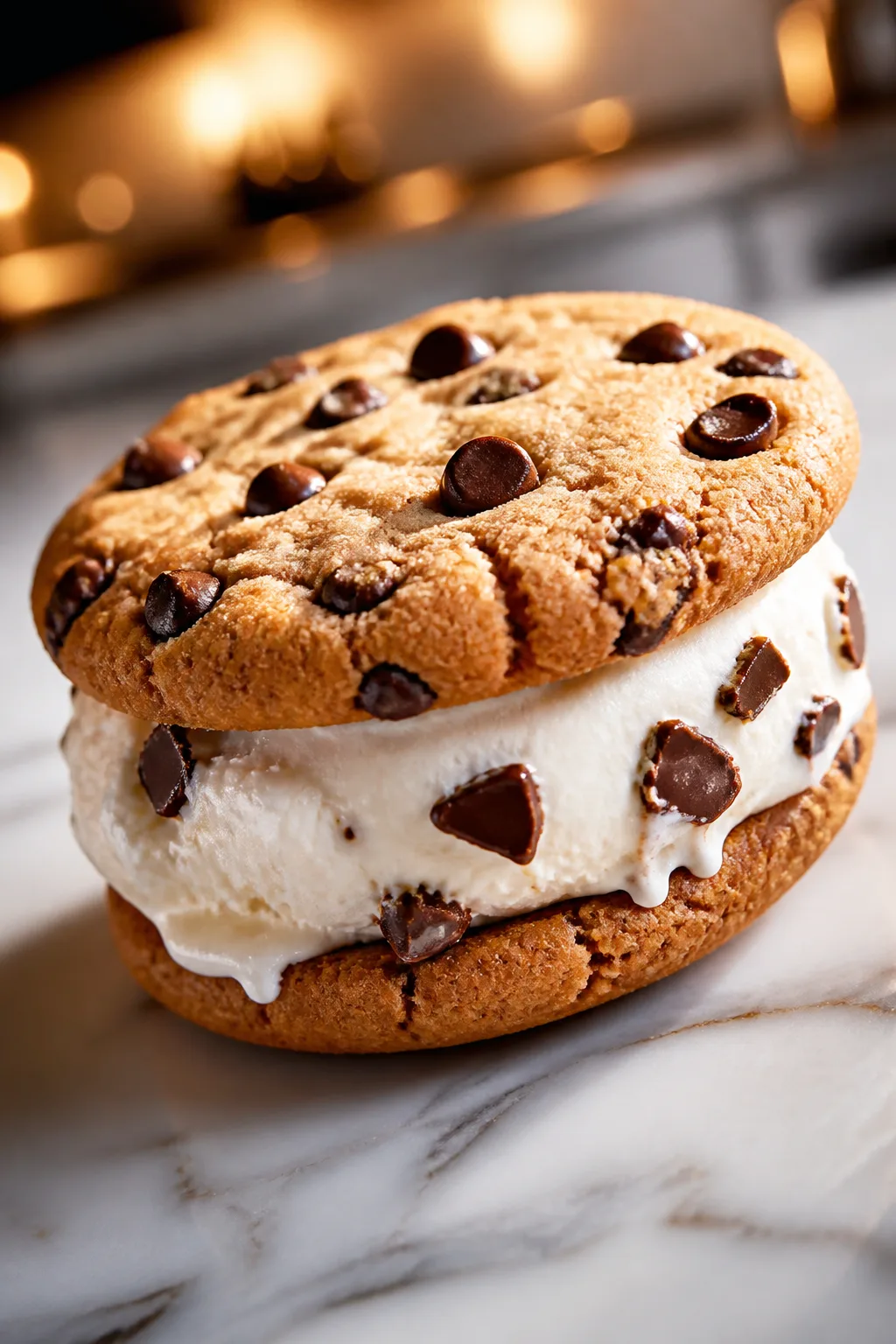
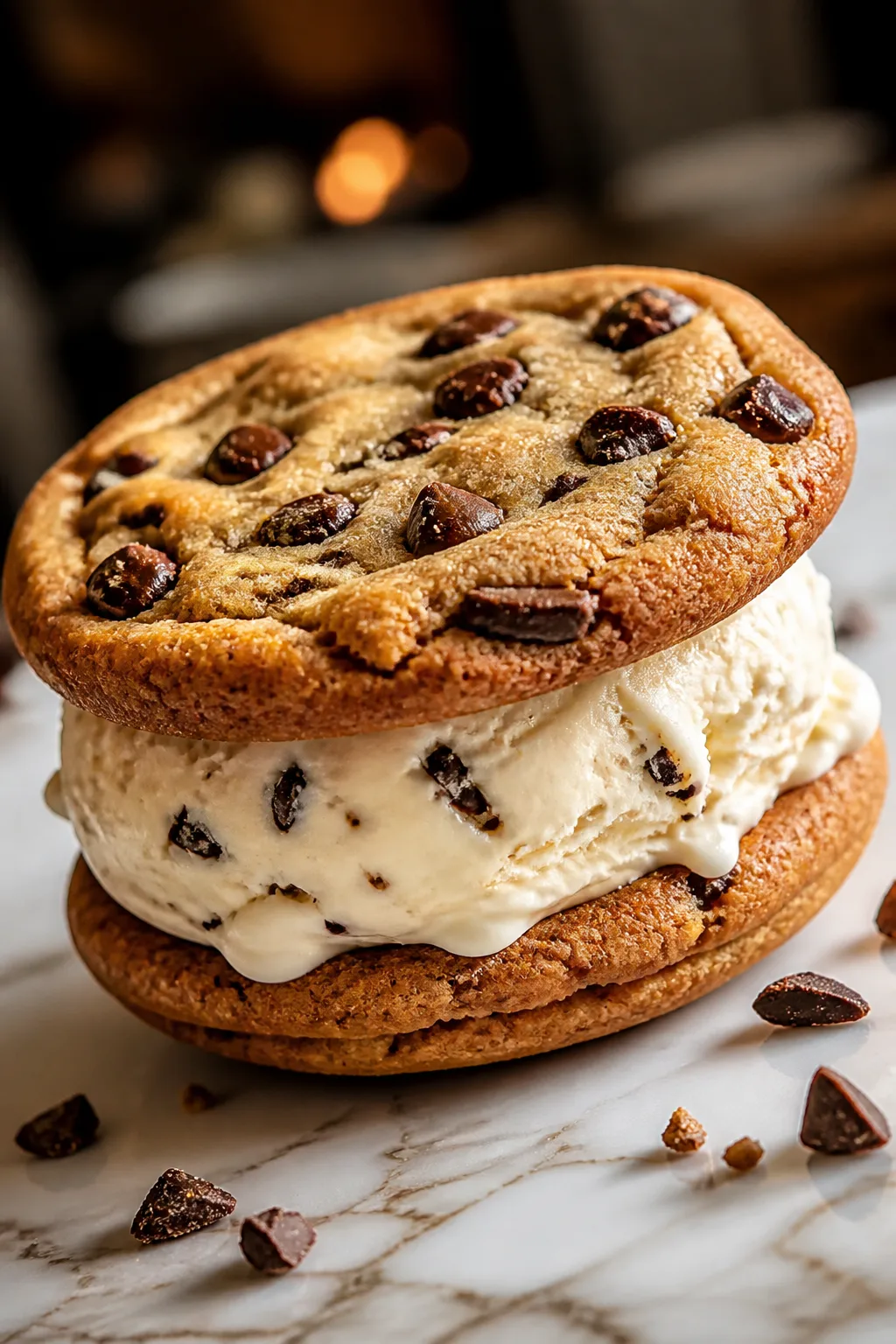
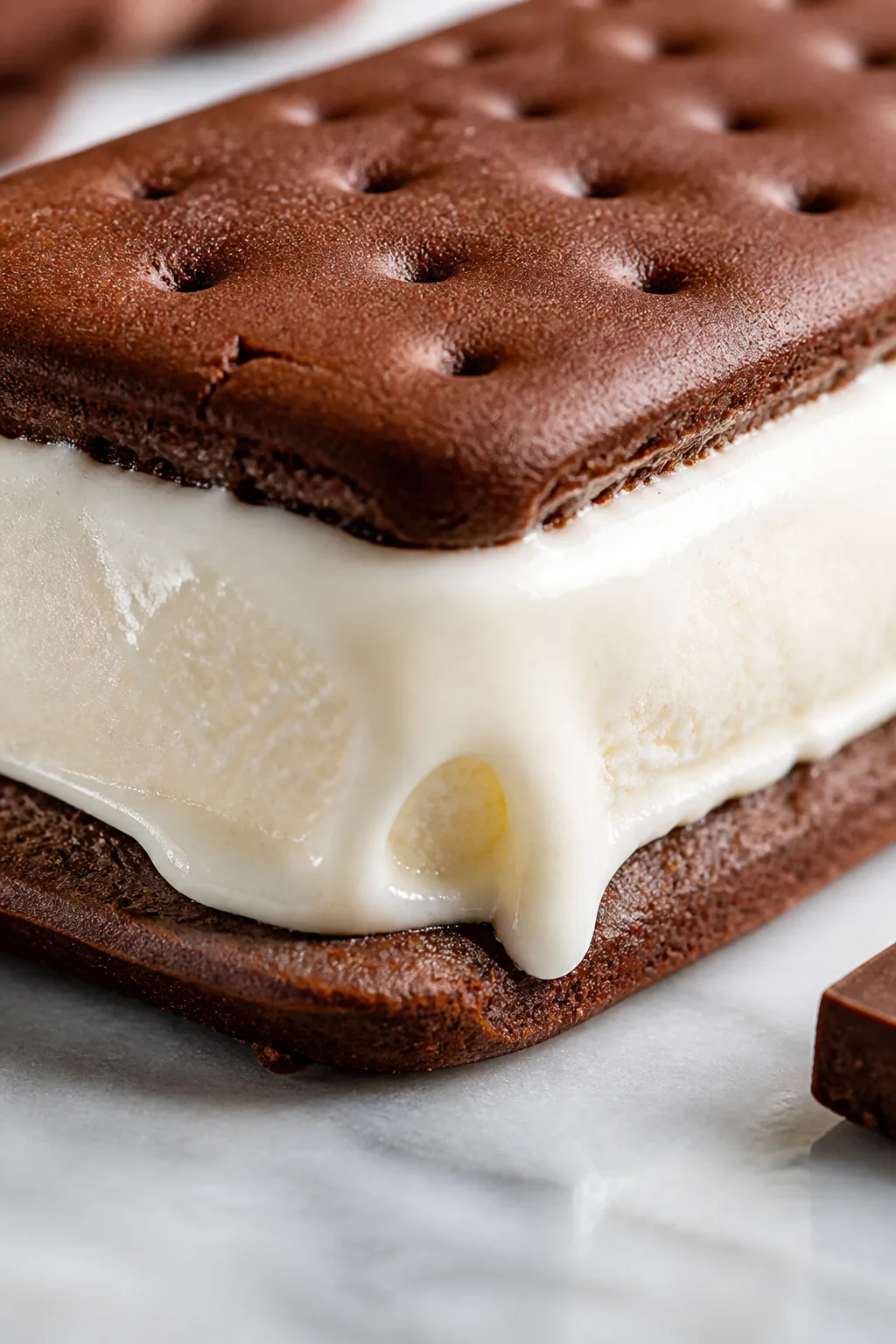
These ice cream sandwiches bring back all the childhood feels with chewy brown sugar cookies hugging creamy vanilla ice cream. The brown sugar adds a caramel-like depth that makes every bite unforgettable. Great for sunny afternoons or a fun dessert anytime!
Introduction
I stumbled upon this ice cream sandwich recipe one hot summer afternoon when I was craving something nostalgic but homemade. I’d always loved the chewy, soft texture of brown sugar cookies, so I decided to pair them with classic vanilla ice cream for a fun twist on a childhood favorite. What sets this version apart is that the cookies stay perfectly chewy without turning hard or crunchy, thanks to using brown sugar and a bit of extra butter. The vanilla ice cream melts just right between the cookies, creating a creamy, dreamy bite every time. I’ve tried other recipes before that ended up with soggy or too-firm cookies, but this one strikes the perfect balance. When these come out of the freezer, the cookie edges are soft yet sturdy enough to hold all that creamy ice cream without falling apart. Honestly, it’s become my go-to summer treat, especially when friends come over for casual hangouts. I love how you can make the cookies ahead and just assemble when ready. Plus, you can swap the vanilla for any favorite flavor to customize your sandwiches. The trick I learned? Slightly softening the ice cream before assembling so it’s easier to spread and doesn’t melt too fast. You’ll love how approachable this recipe is — no fancy ingredients, just good, simple comfort food that brings back happy memories.
What You'll Need
Approximately 8 sandwiches
- 1 cup unsalted butter, softened
- 1 cup brown sugar, packed
- 1/2 cup granulated sugar
- 2 large eggs
- 2 teaspoons vanilla extract
- 2 1/2 cups all-purpose flour
- 1 teaspoon baking soda
- 1/2 teaspoon salt
- 2 cups vanilla ice cream, slightly softened
How To Do It
Step 1
Start by preheating your oven to 350°F (175°C) and lining two baking sheets with parchment paper. This ensures the cookies bake evenly and don’t stick. Using parchment also helps the bottoms stay soft instead of getting too browned. Soft cookie bottoms are key for a tender sandwich, so don’t skip this step.
⏱ Time: 10 minutes
✓ Doneness: Oven preheated and baking sheets ready with parchment paper
Step 2
In a large bowl, cream together the softened butter, brown sugar, and granulated sugar until light and fluffy. This usually takes about 3 to 5 minutes with an electric mixer on medium speed. Creaming incorporates air into the mixture, which helps the cookies become tender and soft. If you rush this or don’t cream well, the texture can be dense or dry.
⏱ Time: 5 minutes
✓ Doneness: Mixture is pale, fluffy, and smooth
Step 3
Add the eggs one at a time, beating well after each addition, then stir in the vanilla extract. This helps fully incorporate the eggs for a uniform dough. Eggs add moisture and structure, so mixing them thoroughly prevents uneven baking or dry spots.
⏱ Time: 3 minutes
✓ Doneness: Dough looks smooth and glossy with no streaks of egg
Step 4
In a separate bowl, whisk together the flour, baking soda, and salt. This ensures even distribution of the leavening agent and seasoning, which is crucial for consistent texture and taste in every cookie.
⏱ Time: 2 minutes
✓ Doneness: Dry ingredients are evenly mixed with no clumps
Step 5
Gradually add the dry ingredients to the wet mixture, mixing on low speed until just combined. Avoid overmixing here — overworking the dough develops gluten, making cookies tough instead of soft and chewy. Stop as soon as you see no dry flour.
⏱ Time: 3 minutes
✓ Doneness: Dough is uniform, slightly sticky, and soft
Step 6
Scoop the dough with a tablespoon or cookie scoop onto the prepared baking sheets, spacing about 2 inches apart. Flatten each slightly with your fingers because these cookies don’t spread much during baking. This step helps them bake evenly and stack nicely with the ice cream.
⏱ Time: 5 minutes
✓ Doneness: Cookie dough balls are evenly spaced and gently flattened
Step 7
Bake the cookies for 10-12 minutes until the edges are just set but the centers remain soft. The cookies will continue to firm up as they cool, so don’t wait for them to brown fully. Overbaking leads to hard cookie sandwiches, which defeats the purpose of chewy goodness.
⏱ Time: 12 minutes
✓ Doneness: Edges look set and slightly golden but centers look soft
Step 8
Allow the cookies to cool completely on the baking sheets for about 15 minutes. This resting time lets the cookies firm up enough to handle without breaking but keeps them tender. Transferring too early can cause them to crumble.
⏱ Time: 15 minutes
✓ Doneness: Cookies feel firm around the edges but still soft in the center
Step 9
To assemble, take one cooled cookie and spread about 2 tablespoons of slightly softened vanilla ice cream on the flat side. Top with a second cookie, pressing gently to spread the ice cream evenly without squeezing it out. Wrap each sandwich tightly in plastic wrap and freeze for at least 1 hour before serving to let the ice cream firm up.
⏱ Time: 15 minutes prep + 1 hour freezing
✓ Doneness: Ice cream sandwiches are neat, firm, and hold together well
Variations
Chocolate Chip Ice Cream Sandwiches
Add 1 cup of semi-sweet chocolate chips to the cookie dough for a classic twist. The melty chocolate pairs beautifully with vanilla ice cream, adding texture and richness. Expect slightly chunkier cookies with bursts of chocolate in every bite.
Note: Fold chocolate chips gently into dough after mixing dry ingredients to avoid overmixing and maintain cookie tenderness.
Peanut Butter Ice Cream Sandwiches
Swap half the butter for creamy peanut butter in the dough for a nutty flavor boost. These sandwiches are perfect with vanilla or chocolate ice cream. The peanut butter adds moisture and a subtle saltiness that balances sweetness.
Note: Reduce salt slightly in the dough when adding peanut butter to avoid over-salting the cookies.
Vegan Ice Cream Sandwiches
Use vegan butter and flax eggs (1 tbsp ground flax + 3 tbsp water per egg) to make the cookies vegan-friendly. Pair with your favorite plant-based vanilla ice cream. Texture will be slightly different but still deliciously chewy.
Note: Chill the dough for 30 minutes before baking to help maintain cookie structure without eggs.
Salted Caramel Ice Cream Sandwiches
Drizzle salted caramel sauce inside the sandwich along with the vanilla ice cream for a decadent treat. The salty-sweet combo enhances the brown sugar cookie flavor and adds a gooey surprise.
Note: Add caramel sauce just before freezing to prevent it from melting into the cookies.
Mint Chocolate Chip Ice Cream Sandwiches
Use mint chocolate chip ice cream instead of vanilla for a refreshing twist. The chewy brown sugar cookies balance the cool mint flavor perfectly, making these sandwiches extra special.
Note: Softening the ice cream well is especially important here to spread easily without breaking the cookies.
Pro Tips
Use room temperature butter for better creaming.
Softened butter creams more easily with sugar, incorporating air that lightens the dough and creates tender cookies. If butter is too cold, the mixture stays lumpy and dense, resulting in tougher cookies. Proper creaming is vital for the right texture.
Don’t overbake the cookies; pull them when edges are set but centers are soft.
Cookies continue to cook as they cool, so removing them early prevents drying out. Overbaking leads to hard, crunchy cookies that don’t pair well with ice cream. The goal is a chewy texture that holds up when frozen.
Slightly soften the ice cream before assembling sandwiches.
Softened ice cream spreads easily between cookies without cracking them. If too hard, spreading can break the cookies; if too melted, the sandwiches become soggy. Timing the softening is key for neat, stable sandwiches.
Use parchment paper to line baking sheets.
Parchment prevents cookies from sticking and promotes even baking. It also helps keep cookie bottoms soft rather than over-browned, which is essential for chewy texture in ice cream sandwiches.
Flatten cookie dough balls slightly before baking.
These cookies don’t spread much on their own, so gently flattening ensures an even shape and size, making sandwich assembly easier and more consistent.
Wrap sandwiches tightly in plastic wrap before freezing.
Wrapping prevents freezer burn and keeps the cookies from drying out. It also helps the ice cream meld with the cookie flavors during freezing, improving taste and texture.
Let cookies cool completely before assembling.
Warm cookies can melt the ice cream and cause sogginess. Waiting ensures the cookies are firm enough to handle and maintain structure when combined with ice cream.
Common Mistakes to Avoid
Overbaking the cookies
Why it happens Many assume cookies should be fully browned and crispy, so they leave them in the oven too long.
Fix Remove cookies from the oven when edges are set but centers still look soft. They will firm up as they cool, preserving chewiness essential for ice cream sandwiches.
Using cold butter for creaming
Why it happens Some think cold butter is better for dough but it doesn’t cream properly with sugar.
Fix Always use room temperature butter to cream with sugars. This traps air and creates a lighter, softer cookie texture.
Assembling sandwiches with frozen, hard ice cream
Why it happens Rushing assembly without softening ice cream leads to cracked cookies or uneven spreading.
Fix Let ice cream soften for about 10 minutes at room temperature before spreading to avoid breaking cookies and ensure smooth sandwiches.
Skipping parchment paper
Why it happens Some don’t want extra cleanup or assume it’s unnecessary.
Fix Always line baking sheets with parchment to prevent sticking and promote even baking, which affects cookie softness.
Not flattening dough balls before baking
Why it happens Assuming dough will spread naturally leads to uneven cookies.
Fix Gently press dough balls flat before baking to get uniform cookie size and shape for perfect sandwich assembly.
Nutrition
Per Serving:
Nutritional values are estimates and may vary based on specific ingredients used.
Storage & Tips
Room Temperature
Ice cream sandwiches should not be left at room temperature for more than 10-15 minutes as the ice cream will melt and the cookies may become soggy. Keep them wrapped and stored in the freezer until ready to serve.
Refrigerator
Avoid storing ice cream sandwiches in the refrigerator as this causes the ice cream to soften too much and the cookies to lose their texture. Best to keep refrigerated only briefly if needed, but serve immediately.
Freezer
Store sandwiches individually wrapped in plastic wrap and place in an airtight container or freezer bag to prevent freezer burn. They keep well for up to 2 months. Thaw slightly at room temperature for 5-10 minutes before serving for best texture.
Reheating
Ice cream sandwiches are best enjoyed chilled. Avoid reheating as this melts the ice cream. If you want softer cookies, warm cookies separately in the oven for a few minutes and then assemble with cold ice cream.
Make Ahead
Bake cookies up to 2 days ahead and store in an airtight container at room temperature. Assemble sandwiches just before serving or freeze assembled sandwiches up to 2 months for easy grab-and-go treats.
FAQ
Can I use store-bought cookies for the sandwiches?
You can, but homemade brown sugar cookies offer the best chewy texture and flavor balance for these sandwiches. Store-bought cookies are often crisper or drier, which can make the sandwiches less tender and enjoyable.
How do I prevent the cookies from getting hard in the freezer?
Using brown sugar and slightly underbaking the cookies keeps them soft. Also, wrapping sandwiches tightly and freezing quickly prevents moisture loss, which helps maintain chewiness even after freezing.
What if I don’t have brown sugar?
You can substitute half brown sugar with white sugar, but the cookies will be less moist and flavorful. Brown sugar’s molasses is key for chewiness and depth, so it’s worth getting if possible.
Can I make these gluten-free?
Yes! Use a 1:1 gluten-free baking flour blend that contains xanthan gum. The texture might be slightly different, but the recipe should still yield chewy cookies that pair well with ice cream.
How long do the sandwiches last in the freezer?
Properly wrapped, they last up to 2 months. Beyond that, freezer burn or flavor loss may occur. For best taste and texture, enjoy within 4-6 weeks.
Can I use different ice cream flavors?
Absolutely! Vanilla is classic, but feel free to experiment with chocolate, mint chip, or even fruity sorbets. Just soften the ice cream slightly before assembling for easy spreading.
Why do my cookies turn out hard instead of chewy?
Common causes include overbaking, using too much flour, or not enough brown sugar. Make sure to measure ingredients accurately, cream butter and sugar well, and bake just until edges are set.
Is it better to freeze sandwiches assembled or just cookies?
You can do both. Baking cookies ahead and freezing assembled sandwiches are both convenient. Assembled sandwiches freeze well and the flavors meld nicely, but wrapping individually is key to prevent freezer burn.
Final Thoughts
Give this recipe a try and enjoy that perfect chewy cookie and creamy ice cream combo. I’d love to hear how your sandwiches turn out—share your pics and tweaks!