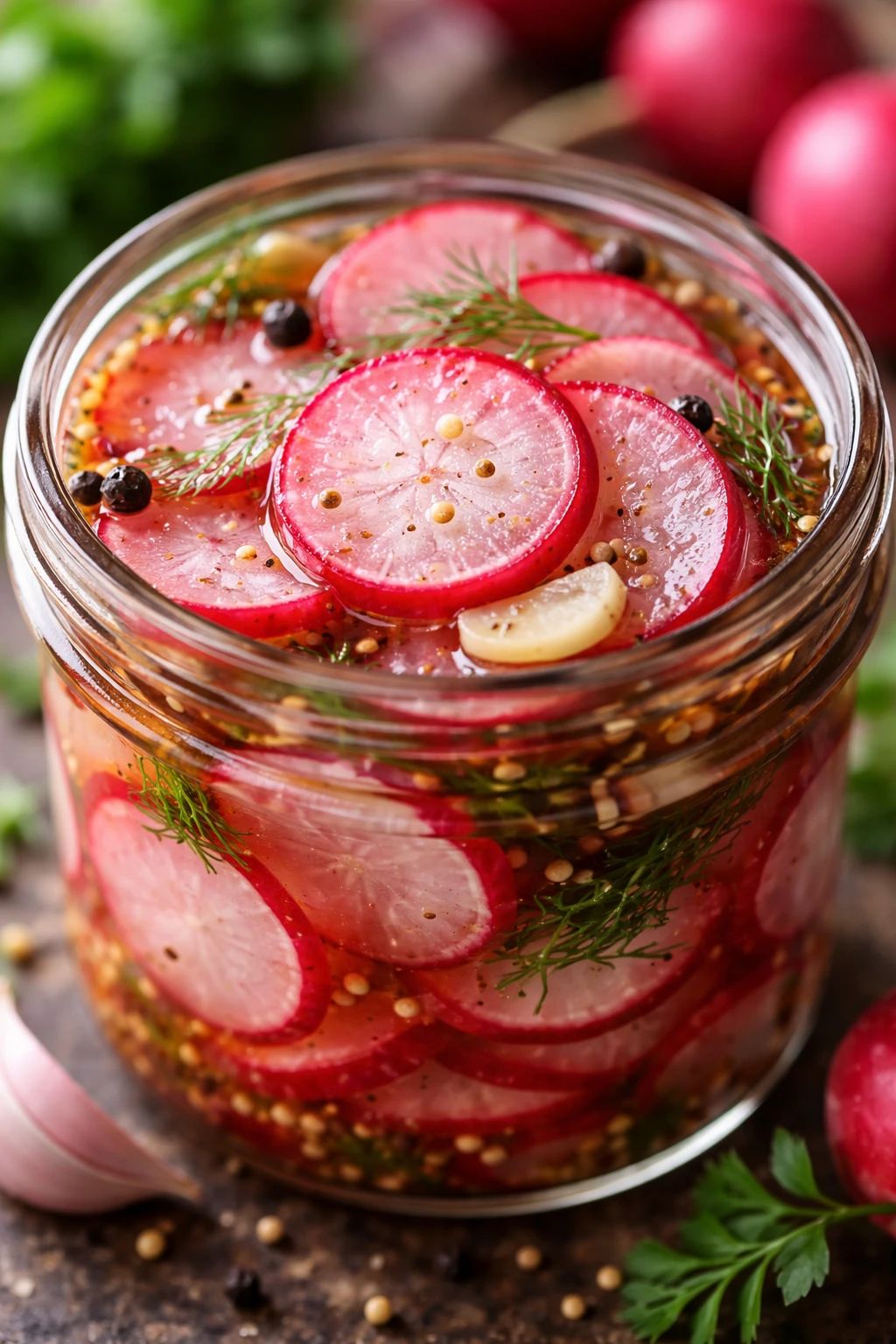
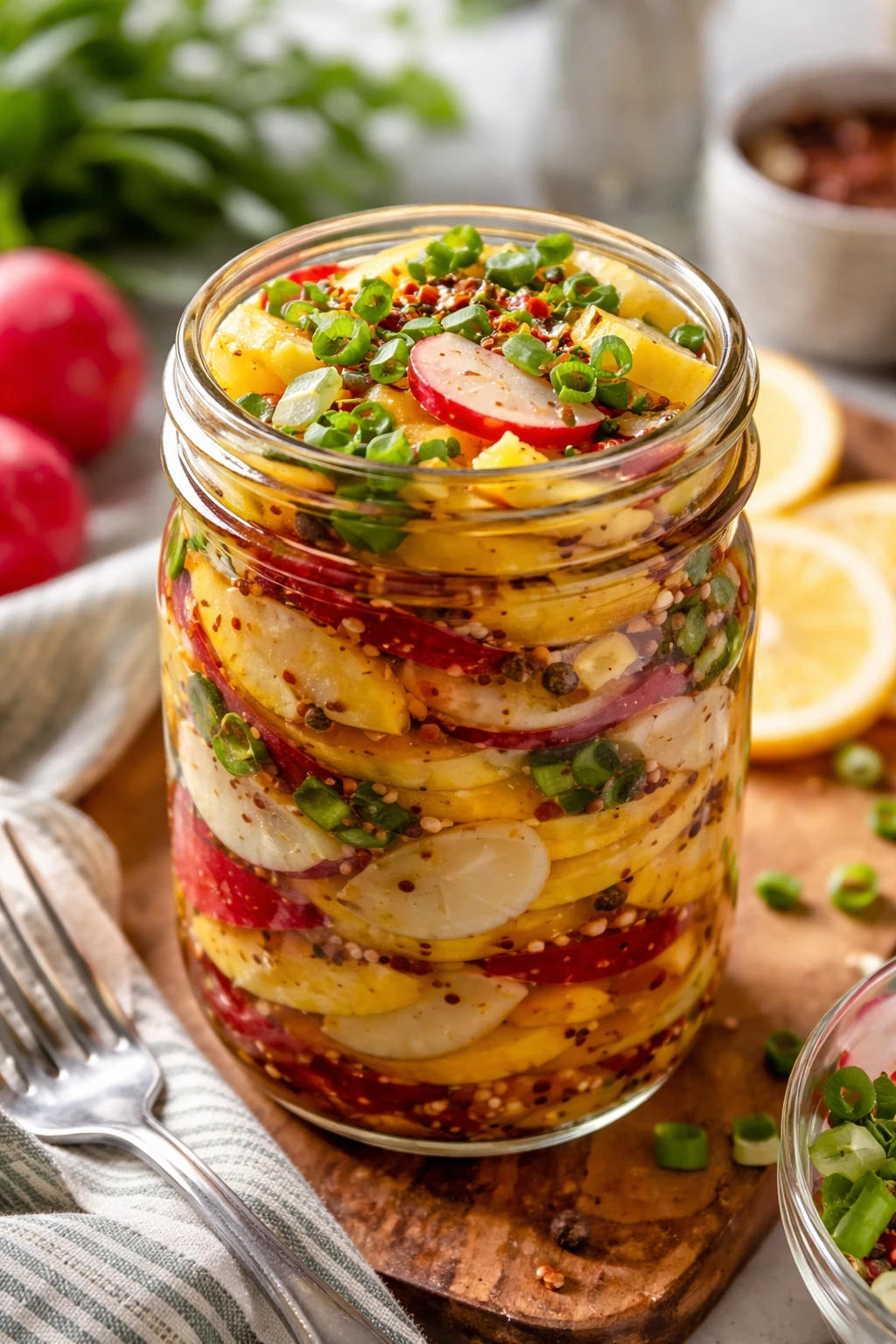
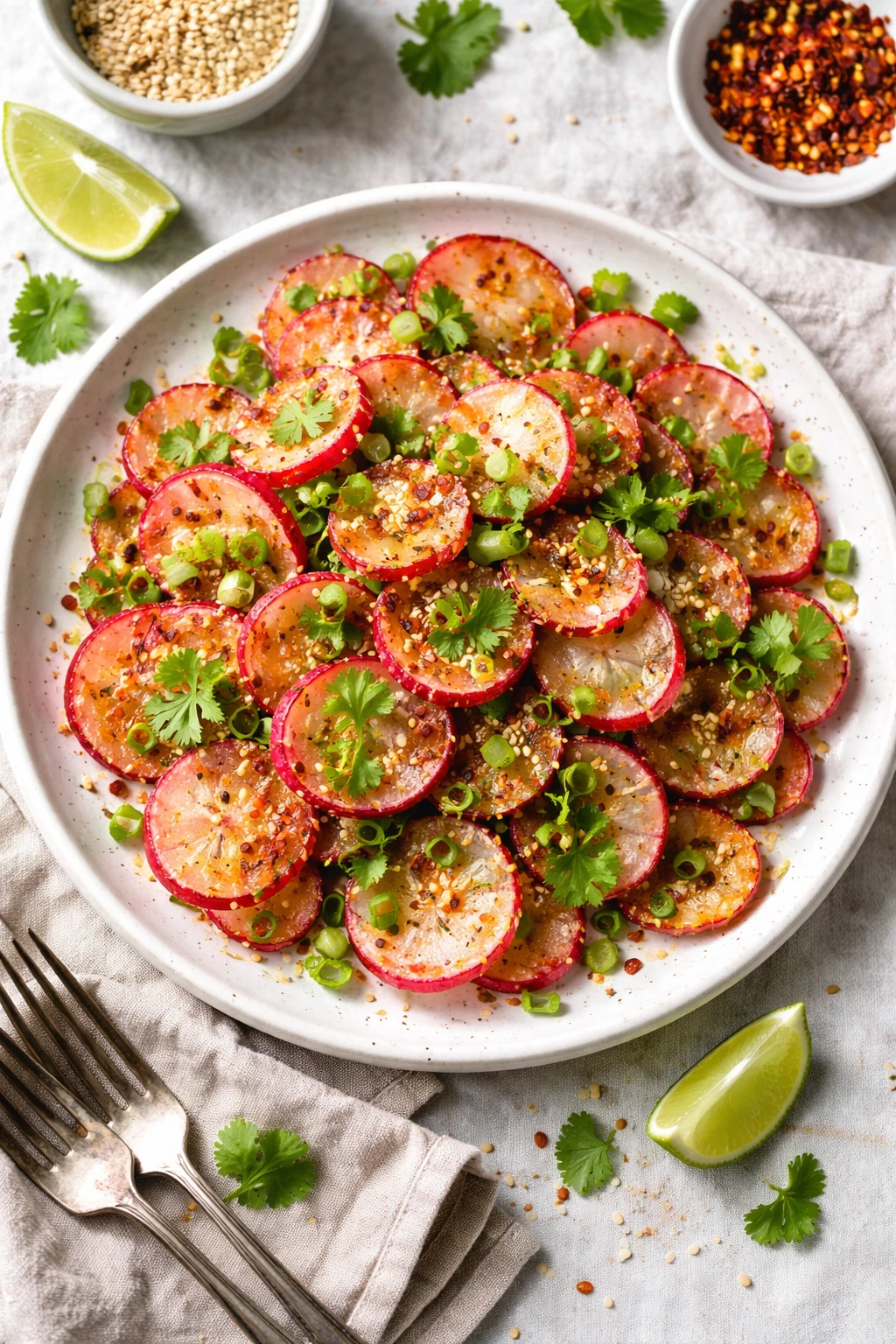
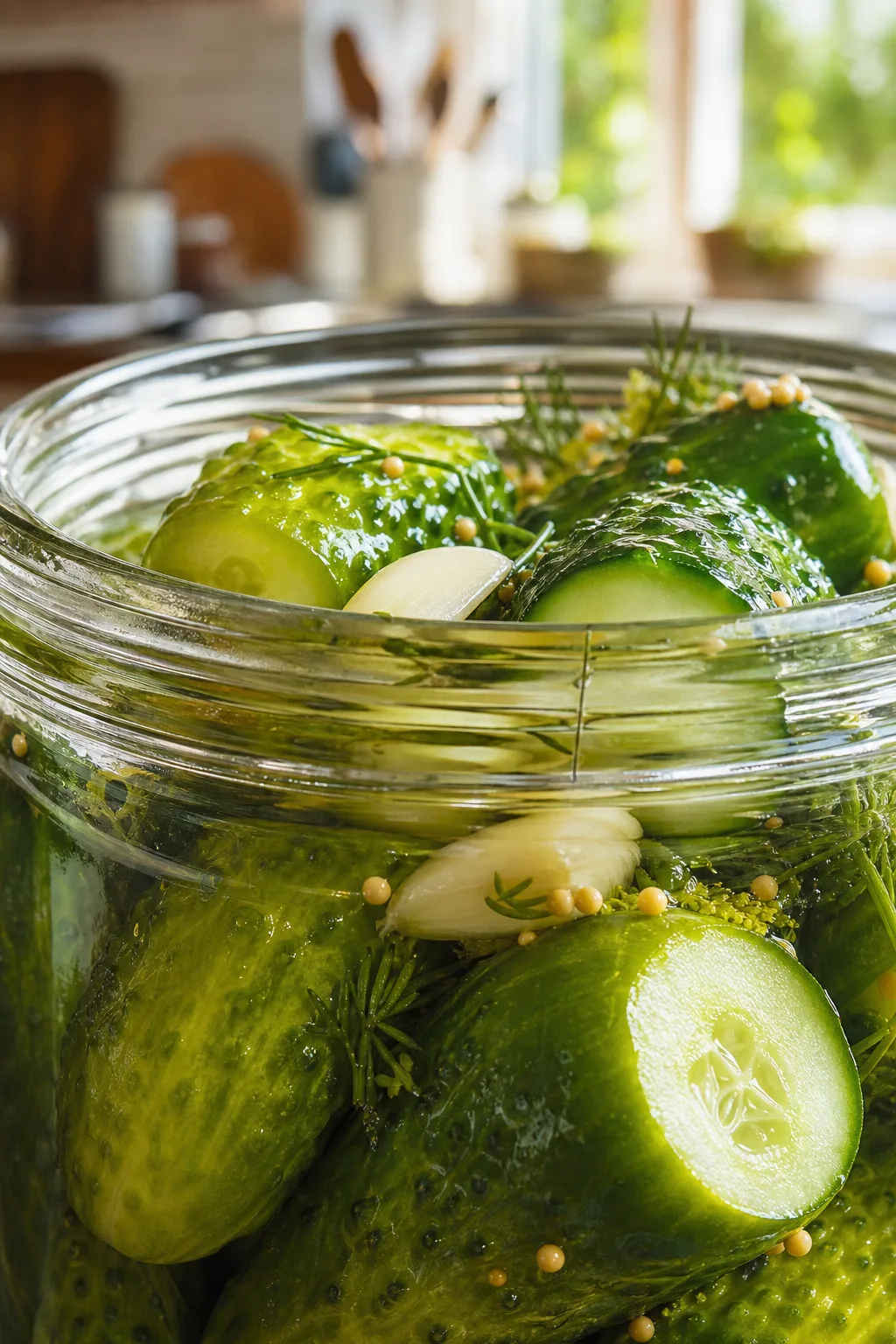
These pickled radishes are delightfully crunchy and tangy thanks to a quick pickling method using sugar and vinegar. They add a fresh zing to sandwiches or salads and are perfect for snacking anytime.
Introduction
I first stumbled upon this quick pickled radish recipe during a summer cookout when I needed a fast, flavorful side to brighten up my sandwiches. What I love about this version is how it keeps the radishes super crunchy and tangy without any fuss or long wait times. Instead of the usual long fermentation, this quick pickling uses just sugar and vinegar to balance the sharpness of the radishes, making it a perfect last-minute addition to any meal. One trick I learned early on was to slice the radishes thinly but not paper-thin; this keeps the texture satisfying and prevents them from turning mushy. Plus, a little salt and sugar in the brine really helps mellow out the bite while preserving that fresh snap. The finished pickles have this beautiful bright pink color and a zing that wakes up your taste buds—ideal on salads, tacos, or just as a crunchy snack. Honestly, once I made these, they became a staple in my fridge because they’re so versatile and easy to whip up anytime. If you’re looking for a quick, fresh way to add a punch of flavor to your meals, give these a try—you might just fall in love like I did!
What You'll Need
Approximately 1 1/2 cups, 4 servings
- 1 cup thinly sliced radishes, fresh
- 1/2 cup white vinegar
- 1/2 cup water
- 1 tablespoon granulated sugar
- 1 teaspoon salt
- Optional: 1/2 teaspoon black peppercorns
- Optional: 1 clove garlic, smashed
How To Do It
Step 1
Start by washing your radishes thoroughly to remove any dirt. Then, slice them into thin rounds about 1/8 inch thick. Using a sharp knife or mandoline helps you get even slices, which is important because uniform thickness ensures the radishes pickle evenly and stay crisp. Watch out for slices that are too thin as they can become soggy quickly during pickling. Setting them aside in a bowl will make it easy to pour the brine over them later.
⏱ Time: 10 minutes
✓ Doneness: Evenly sliced rounds, firm to the touch without breaking
Step 2
In a small saucepan, combine the white vinegar, water, sugar, and salt. Heat the mixture over medium heat, stirring occasionally until the sugar and salt dissolve completely. This step is key because dissolving these ingredients ensures the brine is balanced and flavorful, which helps the radishes absorb the tangy flavors quickly. Avoid boiling aggressively, as that can alter the vinegar’s sharpness. Once dissolved, remove from heat and let it cool slightly before pouring over the radishes.
⏱ Time: 5 minutes
✓ Doneness: Clear brine with no visible sugar or salt granules
Step 3
Place the sliced radishes into a clean glass jar or container. If you like, add optional flavorings like peppercorns or smashed garlic cloves for an extra aromatic touch. These add subtle depth without overpowering the radish’s natural flavor. Pour the warm brine over the radishes, making sure they’re fully submerged. Submerging them properly is crucial to prevent oxidation and maintain crispness. Use a small weight or clean utensil to keep them pressed down if needed.
⏱ Time: 5 minutes
✓ Doneness: Radishes fully covered by brine, no floating pieces
Step 4
Let the jar cool to room temperature before sealing with a lid. This prevents condensation inside which could dilute the brine or encourage spoilage. Then, refrigerate the pickled radishes for at least 1 hour to let the flavors develop. The longer they sit, the more pronounced the tangy flavor becomes, but even an hour gives a noticeable difference. Quick pickles like this don’t need long fermenting times, so don’t worry if you’re short on time.
⏱ Time: 1 hour
✓ Doneness: Radishes slightly translucent and vibrant pink color
Step 5
Before serving, give the jar a gentle shake or stir to redistribute the brine and flavorings. Taste a slice to check if it has reached your preferred tanginess. If it’s too mild, let it sit longer in the fridge. These pickles are fantastic on sandwiches, tacos, or as a crunchy salad topping. Remember, the texture should be crisp, not soft or soggy, which indicates they were pickled properly.
⏱ Time: 5 minutes
✓ Doneness: Bright, tangy flavor with crisp texture
Step 6
Use a clean utensil each time you remove pickles from the jar to avoid contamination. This keeps your pickled radishes fresh longer and prevents unwanted bacteria growth. Also, avoid leaving the jar open at room temperature for extended periods. Proper handling ensures your pickles stay tasty and safe.
⏱ Time: Ongoing
✓ Doneness: Jar remains clean and pickles stay fresh-smelling
Step 7
If you want to customize the flavor, try adding fresh herbs like dill or thyme to the jar before sealing. These herbs infuse the radishes with a subtle aromatic note that pairs beautifully with the vinegar’s sharpness. Just be sure to keep herbs fully submerged in the brine for even flavoring and preservation.
⏱ Time: 5 minutes
✓ Doneness: Herbs appear vibrant and immersed in brine
Step 8
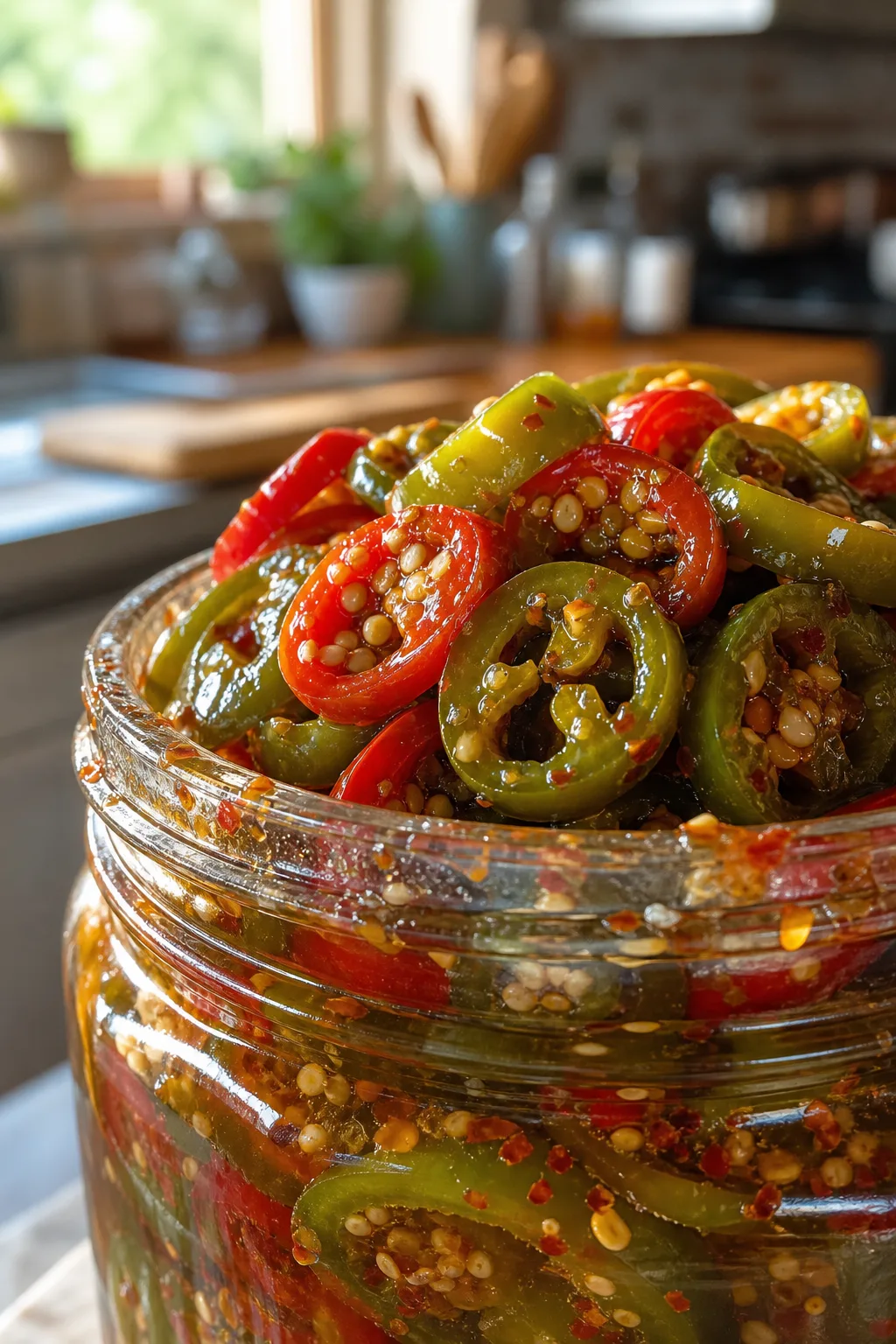
For a spicier version, add thin slices of jalapeño or a pinch of red pepper flakes to the jar before pickling. The heat complements the tangy crispness and gives the radishes a nice kick. Adjust the amount to your heat tolerance, and remember that the spice intensifies as the pickles sit.
⏱ Time: 5 minutes
✓ Doneness: Spicy aroma noticeable but balanced
Step 9
Enjoy your pickled radishes within 2 weeks for the best texture and flavor. Over time, they will become softer and the vinegar flavor will intensify. Always keep them refrigerated and sealed tightly. If you notice any off smells or mold, discard immediately. Freshness is key to enjoying this quick pickle at its best!
⏱ Time: Ongoing
✓ Doneness: Crisp texture and fresh aroma maintained
Variations
Spicy Jalapeño Pickled Radishes
Add thin slices of jalapeño or a pinch of red pepper flakes to the brine for a spicy kick. This variation gives your pickles a lively heat that pairs well with tacos or grilled meats, adding complexity to the tangy crunch.
Note: Keep the jalapeño slices thin to avoid overpowering the radishes. Spicy flavor intensifies the longer it sits, so start with less if you’re heat-sensitive.
Herbed Pickled Radishes with Dill and Thyme
Toss fresh dill sprigs and thyme into the jar before adding the brine for an herbal twist. The fresh herbs infuse delicate aromatic notes, making these pickles perfect for salads or cheese boards.
Note: Ensure herbs are fully submerged to prevent wilting and maintain vibrant flavor.
Sweet and Sour Pickled Radishes with Honey
Swap granulated sugar for honey in the brine for a richer, more complex sweetness. This variation adds a floral undertone and softens the vinegar’s sharpness, ideal for those who prefer a milder tang.
Note: Warm the honey gently in the vinegar mixture to blend smoothly without losing aroma.
Asian-Inspired Pickled Radishes with Ginger and Sesame
Add thin slices of fresh ginger and a sprinkle of toasted sesame seeds to the jar for an Asian twist. These pickles complement dishes like ramen or rice bowls with their bright and slightly spicy notes.
Note: Use fresh ginger thinly sliced to avoid overpowering the radishes and toast sesame seeds lightly for best flavor.
Garlic and Black Pepper Pickled Radishes
Include smashed garlic cloves and whole black peppercorns in the brine to enhance pungency and spice. This variation adds warmth and depth, perfect for serving alongside grilled or roasted dishes.
Note: Crush garlic gently to release flavor but avoid mincing, which can cause bitterness during pickling.
Pro Tips
Use a mandoline slicer for uniform radish slices.
Uniform slices ensure even pickling and consistent texture. Uneven slices can cause some pieces to become overly soft while others remain too firm, resulting in an unbalanced bite.
Warm the brine but don’t boil it vigorously.
Gently heating dissolves sugar and salt without evaporating vinegar’s acidity, preserving the sharp tang and ensuring a balanced flavor.
Keep radishes fully submerged in brine.
Exposure to air can cause discoloration and spoilage. Submerging prevents oxidation and helps maintain crispness and flavor.
Use a clean jar and utensils to avoid contamination.
Cleanliness prevents unwanted bacteria growth, prolonging shelf life and keeping pickles safe to eat.
Store pickles in the fridge immediately after cooling.
Refrigeration slows enzymatic activity and microbial growth, preserving texture and flavor.
Add aromatics like garlic or peppercorns for extra flavor.
These ingredients infuse subtle complexity without overpowering the radishes, making your pickles more interesting and delicious.
Taste after an hour and adjust pickling time as needed.
Pickling time affects tanginess and texture. Checking early helps you catch the perfect balance before radishes get too soft.
Common Mistakes to Avoid
Slicing radishes too thin or too thick.
Why it happens Many cooks either slice radishes paper-thin thinking it’ll pickle faster or too thick expecting crunch to last longer, but both can backfire.
Fix Aim for thin but sturdy slices about 1/8 inch thick. This thickness allows quick flavor absorption while maintaining crunch. Using a mandoline helps achieve consistent slices.
Not dissolving sugar and salt fully in the brine.
Why it happens Rushing the brine preparation or using cold liquids can leave granules undissolved.
Fix Heat the vinegar mixture gently while stirring until all sugar and salt dissolve to ensure balanced flavor throughout the pickles.
Leaving radishes partially exposed above the brine.
Why it happens Overfilling jars or not pressing down the vegetables properly.
Fix Use a small weight or utensil to keep radishes submerged and prevent spoilage or discoloration.
Skipping refrigeration after pickling.
Why it happens Assuming quick pickles don’t need cold storage like fermented ones.
Fix Always refrigerate pickles after the brine cools to maintain freshness and inhibit spoilage.
Using old or soft radishes.
Why it happens Not checking freshness before pickling.
Fix Select firm, fresh radishes for best texture. Old radishes won’t stay crisp and can make pickles soggy.
Nutrition
Per Serving:
Nutritional values are estimates and may vary based on specific ingredients used.
Storage & Tips
Room Temperature
Quick pickled radishes should not be left at room temperature for more than 2 hours to prevent spoilage. Always cover the jar with a lid or plastic wrap if left out briefly.
Refrigerator
Store pickled radishes in an airtight container in the fridge for up to 2 weeks. Flavor and crunch are best within the first week. They can be enjoyed cold directly from the fridge or added to dishes.
Freezer
Freezing is not recommended as it will degrade the texture and cause the radishes to become mushy upon thawing. It’s best to consume pickles fresh.
Reheating
No reheating needed. These pickles are meant to be eaten cold or at room temperature to preserve their crispness and tangy flavor.
Make Ahead
You can prepare the brine and slice radishes 1-2 days in advance, storing them separately. Combine and refrigerate at least 1 hour before serving for best flavor.
FAQ
Can I use other types of vinegar for this recipe?
Yes, you can substitute white vinegar with apple cider vinegar or rice vinegar for a different flavor profile. Keep in mind that apple cider vinegar adds a fruity note, while rice vinegar is milder and sweeter. Avoid flavored vinegars with additives as they may affect the taste and clarity of the pickles.
How long do quick pickled radishes last in the fridge?
They generally last up to 2 weeks refrigerated in an airtight container. For best texture and flavor, consume within the first week. Over time, the radishes may soften and become more sour as the vinegar continues to penetrate.
Can I use frozen radishes for pickling?
It's not recommended to use frozen radishes because freezing breaks down their cell structure, resulting in a mushy texture after pickling. Fresh, firm radishes provide the best crunch and flavor.
Is it necessary to heat the vinegar brine?
Heating helps dissolve sugar and salt fully and slightly warms the radishes for better flavor absorption. However, you can pour room temperature brine over the radishes, but dissolution might be slower, and flavors may take longer to develop.
What if my pickled radishes are too sour?
If they’re too sour, try rinsing the radishes briefly under cold water before serving to mellow the acidity. Alternatively, reduce the vinegar amount slightly in your next batch or add a bit more sugar to balance the tang.
Can I reuse the pickling brine?
Reusing brine is not recommended for safety reasons as it can harbor bacteria from previous use. It's best to prepare fresh brine each time to ensure food safety and optimal flavor.
How can I make the pickled radishes spicier?
Add sliced jalapeños, red pepper flakes, or a few peppercorns to the jar before sealing. The spice will intensify the longer the radishes sit in the brine, so start with a small amount and adjust to taste.
Do I need to peel radishes before pickling?
No need to peel radishes; their skin is thin and edible. The skin adds color and texture to the pickles. Just wash them thoroughly to remove any dirt.
Final Thoughts
Give this quick pickled radish recipe a try and enjoy the fresh, tangy crunch it brings to your meals. Don’t forget to share your crunchy creations—I’d love to hear how you use them!