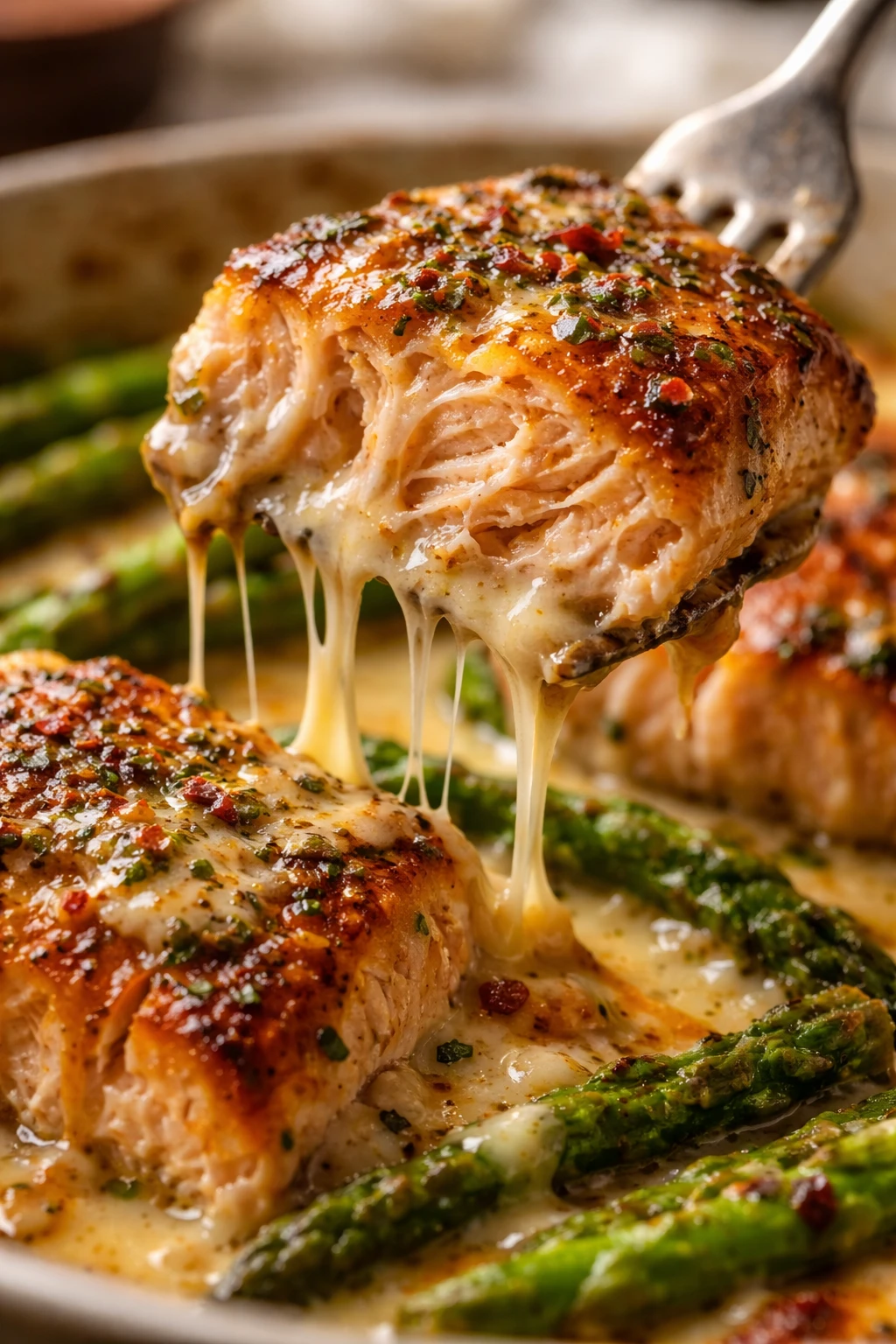
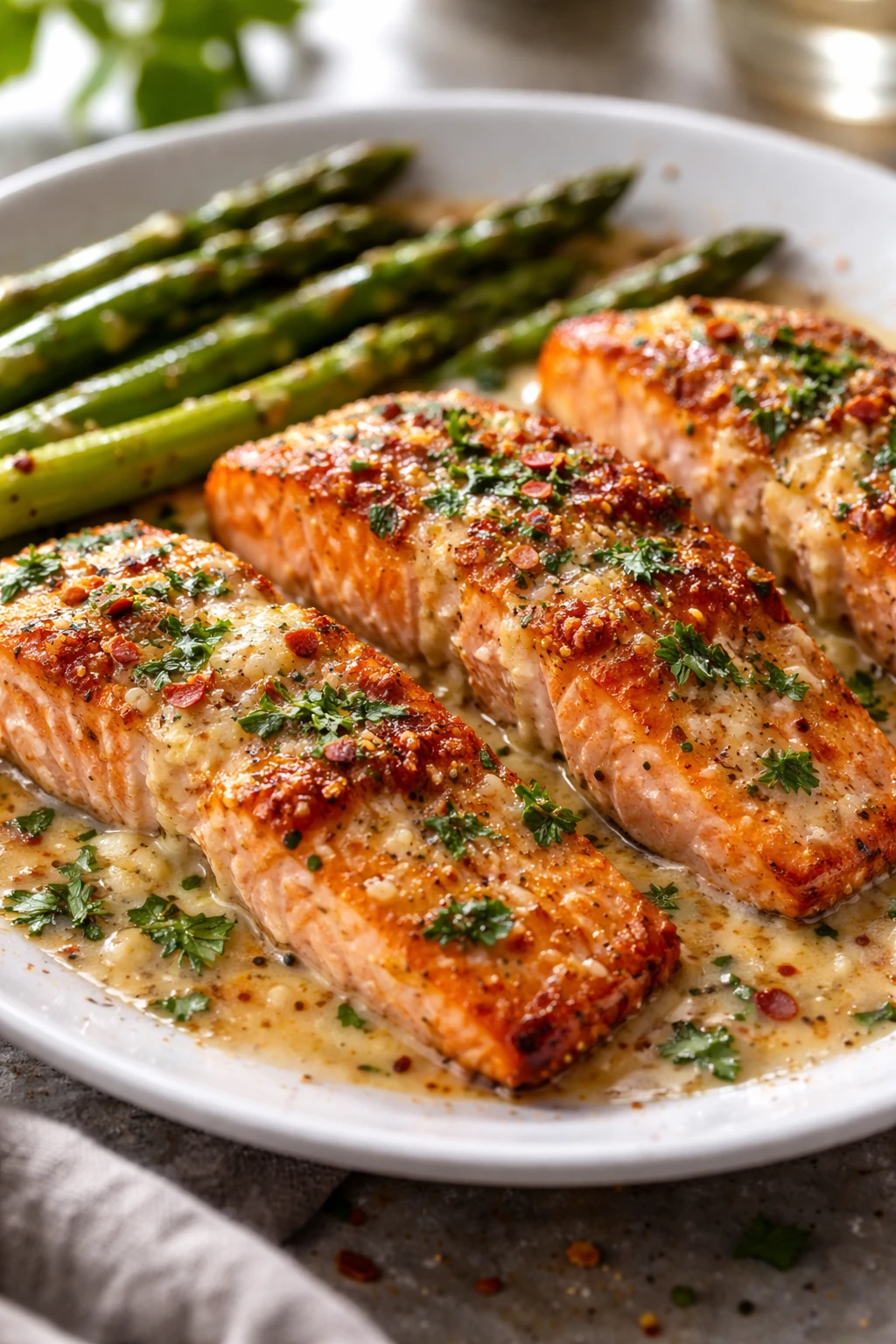
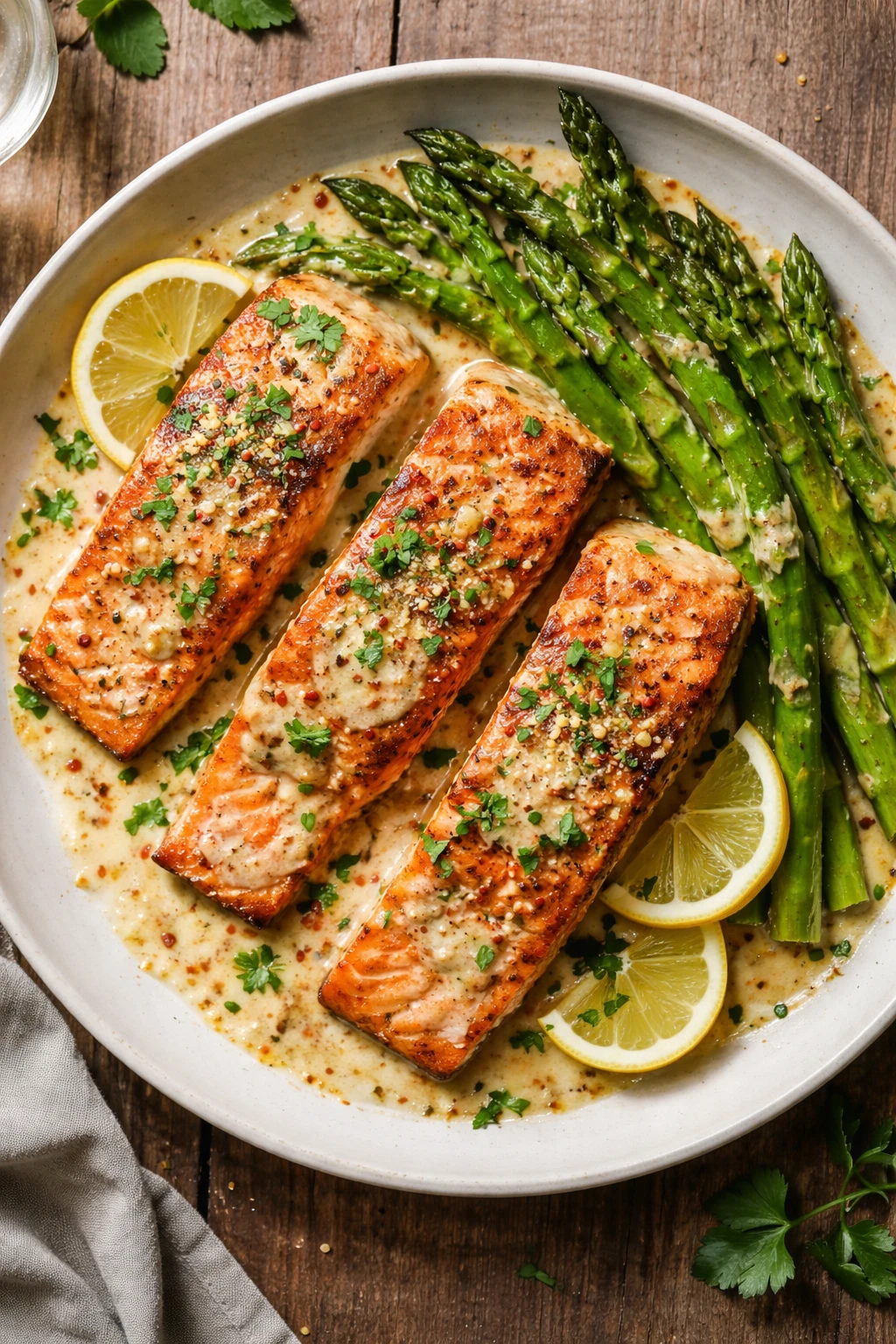
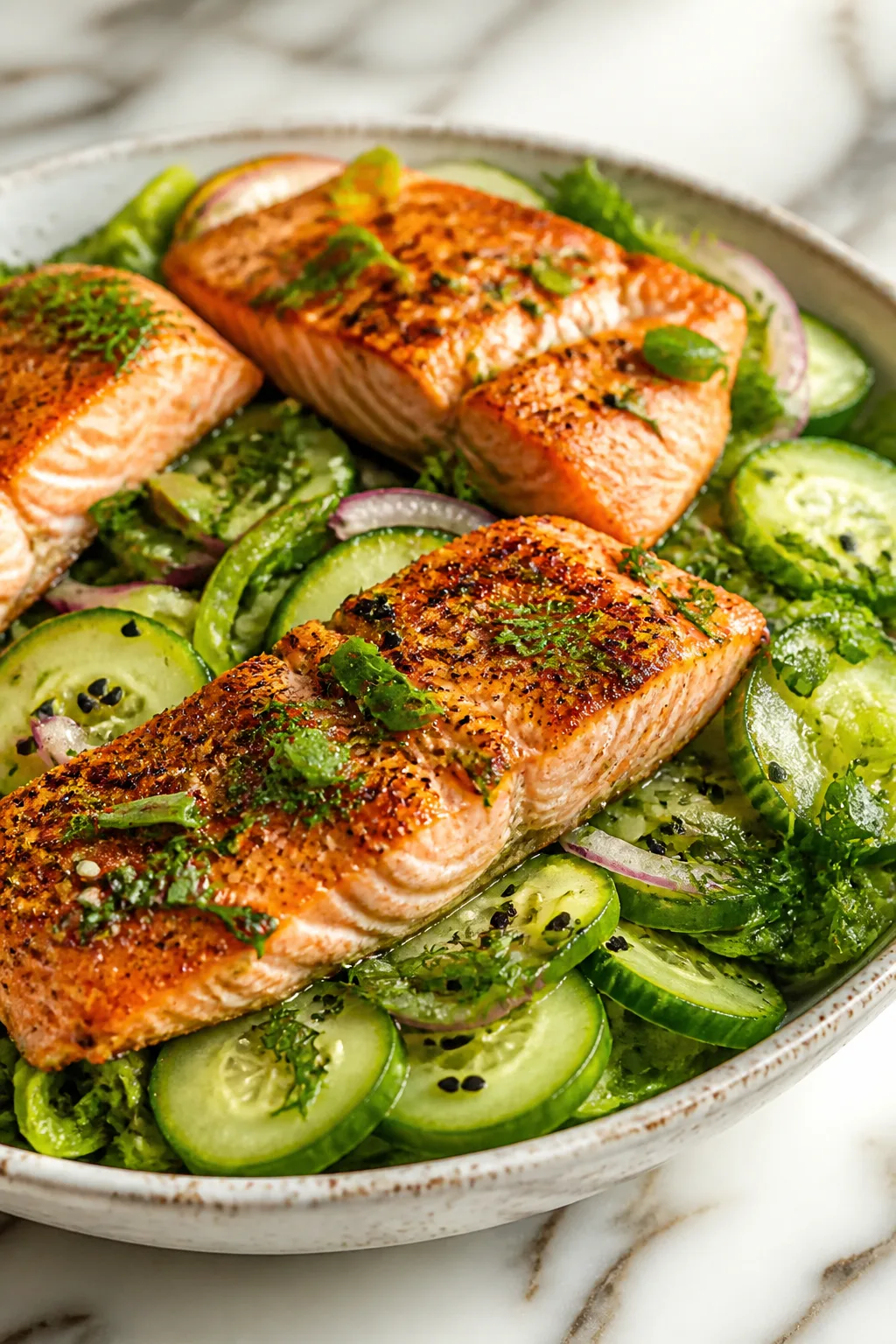
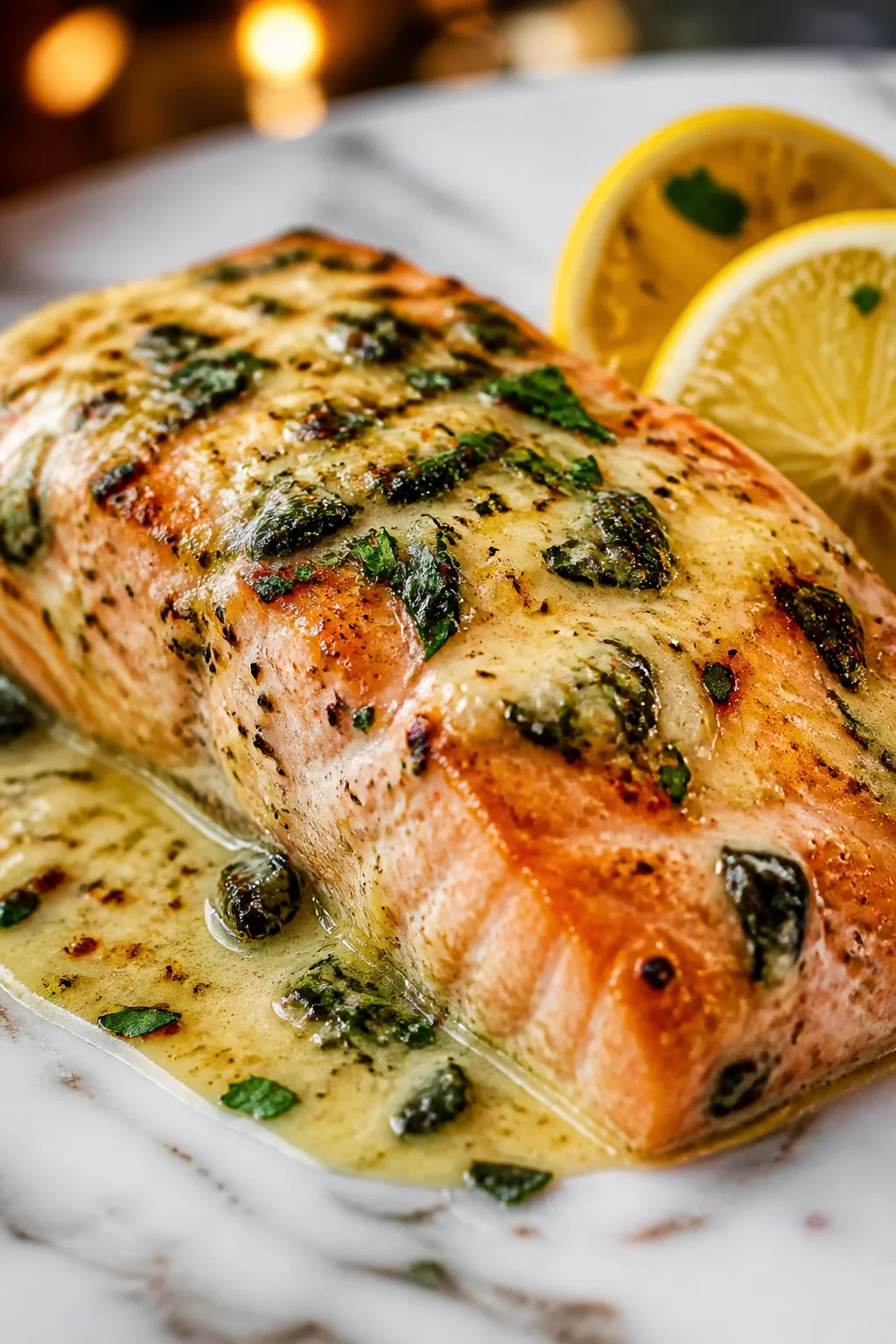
This salmon dish is a quick, creamy delight that pairs tender fish with garlicky butter and crisp asparagus. A splash of cream makes the sauce irresistibly smooth. Perfect for a fancy yet fast weeknight meal!
Introduction
I first tried a creamy garlic butter salmon recipe a few years ago when I wanted something quick but still impressive for a weeknight dinner. The original dish was good, but I felt it needed a little something extra to elevate it without complicating things. After some trial and error, I found that adding a splash of heavy cream to the garlicky butter sauce made the texture silky and rich without overpowering the delicate salmon. Plus, tossing in fresh asparagus cooked just right adds a nice crunch and freshness that balances the creaminess. I’ve been making this version ever since, especially when time is tight but I still want a meal that feels special. The trick I learned is to not overcook the salmon and to cook the asparagus just until tender-crisp – it keeps everything bright and fresh. The sauce comes together fast, and the lemon juice at the end adds a zing that wakes up all the flavors. When it’s done, you get tender, flaky salmon coated in a luscious, garlicky cream sauce with vibrant green asparagus on the side. It’s one of those dishes that feels fancy but is totally doable on a busy weeknight.
How To Do It
Step 1
Start by prepping your salmon fillets: pat them dry with paper towels and season both sides generously with salt and pepper. Drying the skin helps it crisp up nicely in the pan. This step is crucial because moisture on the surface will steam the fish instead of searing it, resulting in a less flavorful crust. Use a sharp knife to check for any pin bones and remove them if needed. Getting the seasoning right upfront ensures the salmon is well-flavored all the way through.
⏱ Time: 10
✓ Doneness: Salmon skin looks dry and fillets are evenly seasoned
Step 2
Heat a large skillet over medium-high heat and add the olive oil. When the oil shimmers, place the salmon fillets skin-side down. Press down gently with a spatula to keep the skin flat for even crisping. Cook undisturbed for about 5-6 minutes until the skin is golden and crisp. Don’t rush this or flip too early; the skin needs time to render fat and develop that perfect crunchy texture. If you move it too soon, the skin will stick and tear.
⏱ Time: 6
✓ Doneness: Skin is golden brown and salmon easily releases from the pan
Step 3
Flip the salmon carefully and cook the other side for 3-4 minutes until the fish is just opaque in the center. Avoid overcooking here; salmon continues to cook off the heat and you want it moist and tender. Check doneness by gently pressing the thickest part – it should flake easily but still feel slightly springy.
⏱ Time: 4
✓ Doneness: Fish is mostly opaque with a hint of translucency in the center
Step 4
Remove the salmon from the pan and set aside on a warm plate. Lower the heat to medium and add the butter to the skillet. Once melted, stir in the minced garlic. Cooking the garlic gently in butter releases its flavor without burning it, which can cause bitterness. Stir frequently and watch closely, cooking just until fragrant (about 1 minute).
⏱ Time: 2
✓ Doneness: Garlic is soft and aromatic but not browned
Step 5
Add the asparagus pieces to the skillet with the garlic butter. Sauté for 4-5 minutes, stirring occasionally, until the asparagus is tender but still crisp. The residual heat and butter will lightly caramelize the asparagus, enhancing its natural sweetness. Avoid overcooking to keep that fresh snap and bright color.
⏱ Time: 5
✓ Doneness: Asparagus is bright green and slightly softened but not mushy
Step 6
Pour in the heavy cream and stir to combine with the garlic butter and asparagus. Let the sauce simmer gently for 2-3 minutes to thicken slightly. The cream adds richness and smoothness, turning the garlic butter into a luscious sauce that clings to the salmon. Keep the heat moderate to avoid breaking or curdling the cream.
⏱ Time: 3
✓ Doneness: Sauce is slightly thickened and coats the back of a spoon
Step 7
Return the salmon to the pan, nestling it among the asparagus and sauce. Spoon some sauce over the top and cook for another 1-2 minutes to warm everything through and meld the flavors. This final step ensures the salmon absorbs some of the garlicky cream sauce without drying out.
⏱ Time: 2
✓ Doneness: Salmon is warmed through and sauce looks glossy
Step 8
Finish by stirring in the lemon juice and seasoning to taste with salt and pepper. The acidity brightens the rich sauce and balances the butteriness perfectly. Always add lemon at the end to preserve its fresh flavor and avoid bitterness from overcooking.
⏱ Time: 1
✓ Doneness: Sauce has a fresh, tangy aroma and balanced flavor
Step 9
Serve immediately, spooning the creamy garlic butter sauce and asparagus alongside the salmon. This dish is best enjoyed fresh for the perfect texture contrast between creamy sauce, tender fish, and crisp asparagus. A simple side of rice or crusty bread works well to soak up the sauce.
⏱ Time: 0
✓ Doneness: Dish is plated attractively with vibrant colors and glossy sauce
Variations
Spicy Creamy Garlic Salmon
Add a pinch of red pepper flakes or a dash of cayenne to the garlic butter sauce for a spicy kick. This variation adds warmth and depth without overpowering the creamy texture. It’s perfect if you like a little heat with your seafood.
Note: Add red pepper flakes when cooking the garlic to infuse the butter with spice. Adjust quantity based on desired heat level.
Lemon Herb Cream Salmon
Stir in fresh chopped herbs like dill, parsley, or chives along with the lemon juice at the end. The herbs add freshness and complexity, making the dish feel bright and garden-fresh. Great for spring or summer meals.
Note: Add herbs off heat to preserve their delicate flavors and vibrant color.
Dairy-Free Garlic Butter Salmon
Use olive oil instead of butter and coconut cream instead of heavy cream to make this recipe dairy-free. The flavor will be slightly different but still rich and satisfying, perfect for those with dairy sensitivities.
Note: Simmer coconut cream gently as you would dairy cream, but watch for separation and adjust heat accordingly.
Creamy Garlic Salmon with Mushrooms
Add sliced mushrooms to the garlic butter sauce before the asparagus for an earthy, umami twist. Mushrooms soak up the creamy sauce beautifully and add heartiness to the dish.
Note: Sauté mushrooms until golden before adding garlic for best flavor and texture.
Honey Garlic Butter Salmon
Drizzle a little honey into the garlic butter sauce for a subtle sweetness that balances the savory garlic and cream. This variation creates a more complex flavor profile that’s slightly sweet and buttery.
Note: Add honey right after garlic cooks to dissolve it smoothly into the sauce.
Pro Tips
Always pat salmon dry before seasoning and cooking.
Moisture on the surface of salmon prevents proper searing and crisping of the skin. By thoroughly drying the fillets, you ensure the heat can create a Maillard reaction, producing a flavorful, crispy crust rather than steaming the fish. This step significantly improves texture and taste.
Use medium to medium-high heat when cooking salmon skin-side down.
Too high heat can burn the skin before the fat renders, while too low heat won’t crisp it properly. Medium heat allows the fat under the skin to melt slowly, making the skin crisp and flavorful without overcooking the fish. This balance is key to perfect texture.
Add cream off the heat or over low heat to avoid curdling.
Heavy cream can break or curdle if boiled aggressively. Simmering gently or adding it when the pan is not too hot preserves a smooth, stable sauce. This technique keeps the sauce silky and luxurious, enhancing the overall dish.
Cook asparagus last in the garlic butter to keep it crisp-tender.
Asparagus cooks quickly and can become mushy if overcooked. Adding it after the garlic butter forms allows it to absorb flavor while retaining its bright color and slight crunch, providing essential texture contrast.
Let salmon rest briefly after cooking before serving.
Resting allows juices to redistribute within the fish, resulting in a moister, more flavorful bite. Serving immediately after cooking can cause the juices to run out and the fish to dry.
Use fresh lemon juice added at the end for brightness.
Lemon juice added too early loses its fresh citrus notes and can become bitter when cooked too long. Adding it at the end preserves a lively tang that balances the richness of the butter and cream.
Don’t overcrowd the pan when searing salmon.
Crowding lowers pan temperature, causing the fish to steam instead of sear. Cooking in batches if necessary ensures even browning and crisp skin.
Common Mistakes to Avoid
Overcooking the salmon until dry.
Why it happens Many cooks rush cooking or use too high heat, causing the fish to lose moisture quickly.
Fix Cook salmon skin-side down first over medium heat until crisp, then flip and cook just until opaque in the center. Use a gentle touch to avoid overcooking. Remember the fish will continue cooking slightly after removal from heat.
Burning the garlic in butter.
Why it happens Garlic cooks quickly and can burn if the pan is too hot or garlic is added too early.
Fix Lower heat before adding garlic and cook it briefly until fragrant but not browned. Stir constantly and remove from heat if it starts to brown.
Sauce breaking when adding cream.
Why it happens Adding cream to a pan that is too hot or boiling the sauce aggressively causes it to separate.
Fix Add cream slowly over low heat and stir gently. Avoid boiling after cream addition to maintain a smooth sauce.
Asparagus becoming soggy.
Why it happens Overcooking asparagus or adding it too early causes loss of crunch and bright color.
Fix Add asparagus last to the garlic butter and cook just until tender-crisp, about 4-5 minutes, stirring occasionally.
Not drying salmon before cooking.
Why it happens Wet fillets steam instead of sear, preventing crispy skin.
Fix Pat salmon fillets thoroughly dry with paper towels before seasoning and cooking.
Nutrition
Per Serving:
Nutritional values are estimates and may vary based on specific ingredients used.
Storage & Tips
Room Temperature
This dish can safely sit at room temperature for up to 1 hour if covered loosely. Beyond that, bacteria growth increases, so refrigerate promptly to maintain safety and freshness.
Refrigerator
Store leftovers in an airtight container for up to 3 days. The sauce may thicken and the asparagus soften when chilled, so gently reheat on low heat with a splash of cream or water to restore texture and warmth.
Freezer
Freeze cooked salmon and sauce separately if possible in airtight containers for up to 2 months. Wrap asparagus tightly to prevent freezer burn. Thaw overnight in the fridge before reheating to preserve texture.
Reheating
Reheat gently on the stovetop over low heat, stirring occasionally. Add a splash of cream or broth if the sauce is too thick. Avoid microwaving as it can overcook the salmon and make asparagus mushy.
Make Ahead
You can prepare the garlic butter sauce and trim asparagus a day ahead, storing them separately in the fridge. Cook the salmon fresh to keep it tender. On serving day, quickly sauté asparagus, warm the sauce, and sear the salmon for best results.
FAQ
Can I use frozen salmon for this recipe?
Yes, but make sure to thaw it completely and pat it very dry before cooking. Frozen salmon often releases extra moisture, which can prevent the skin from crisping properly. Thawing overnight in the refrigerator is best.
What can I substitute for heavy cream?
You can use half-and-half or full-fat coconut milk, but the sauce may be less thick and rich. For a dairy-free option, coconut cream works well but watch the heat to prevent curdling.
How do I know when the salmon is cooked perfectly?
Look for opaque flesh that flakes easily but still feels slightly springy when pressed gently. Overcooked salmon will be dry and tough, so err on the side of slightly undercooked as it continues to cook off heat.
Can I make this recipe without asparagus?
Absolutely! You can substitute with other quick-cooking veggies like green beans, broccoli, or spinach. Just adjust cooking times to keep vegetables tender-crisp and bright.
Is it okay to use salted butter?
You can, but reduce added salt to avoid over-seasoning. Unsalted butter gives you better control over the final saltiness of the dish.
Can I prepare this recipe ahead for meal prep?
You can prepare the sauce and trim veggies in advance, but cook the salmon fresh to maintain texture. Reheat sauce and veggies gently before adding freshly cooked salmon.
Why does my garlic taste bitter sometimes?
Garlic burns quickly and turns bitter if cooked over high heat or too long. Cook it gently in butter over medium-low heat and remove from heat once fragrant to avoid bitterness.
What side dishes go well with this salmon?
Simple sides like steamed rice, quinoa, or crusty bread are perfect to soak up the creamy sauce. A light salad can also balance the richness.
Final Thoughts
Give this creamy garlic butter salmon a try — it’s easy, comforting, and always a hit. I’d love to hear how yours turns out, so don’t forget to share your experience!