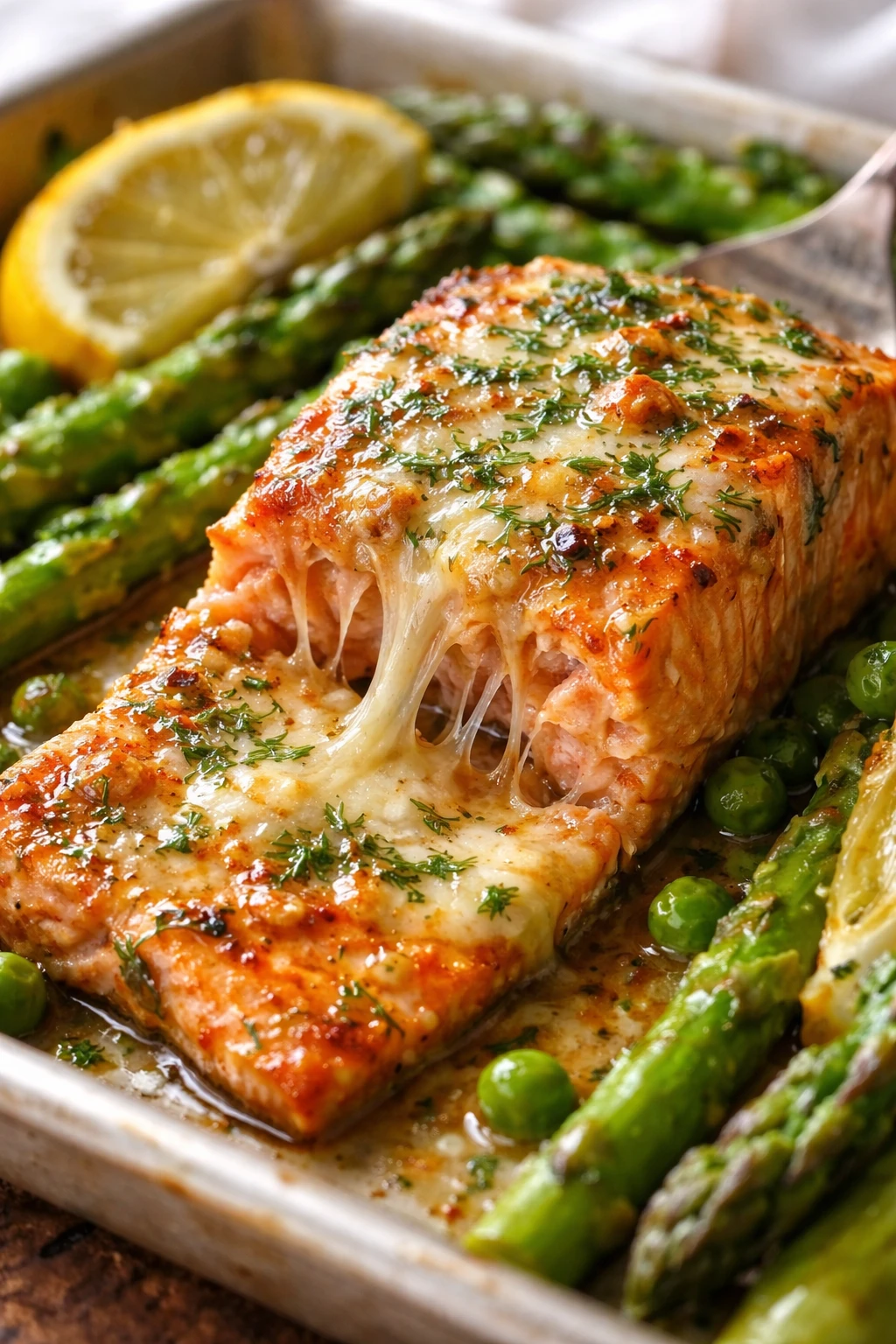
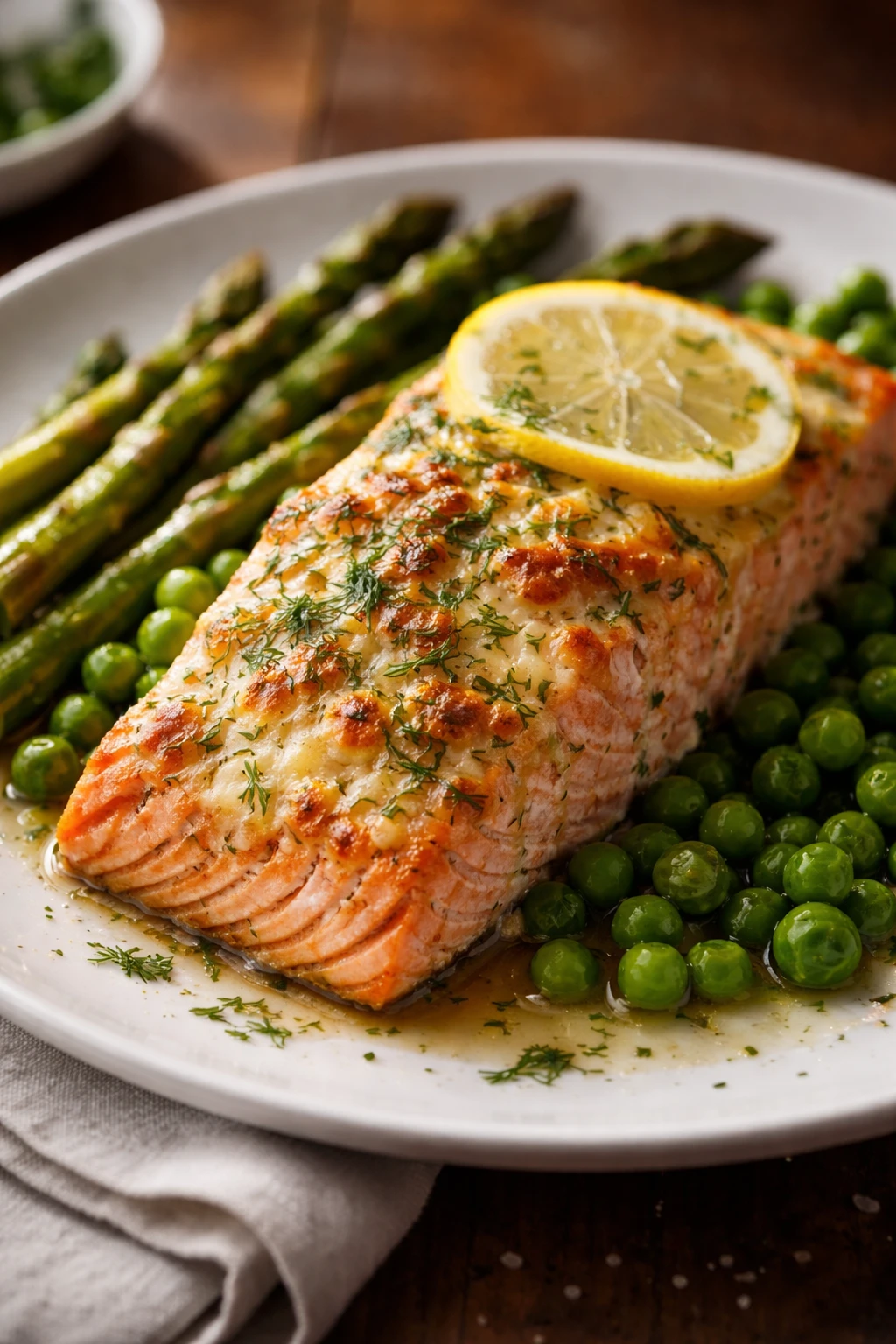
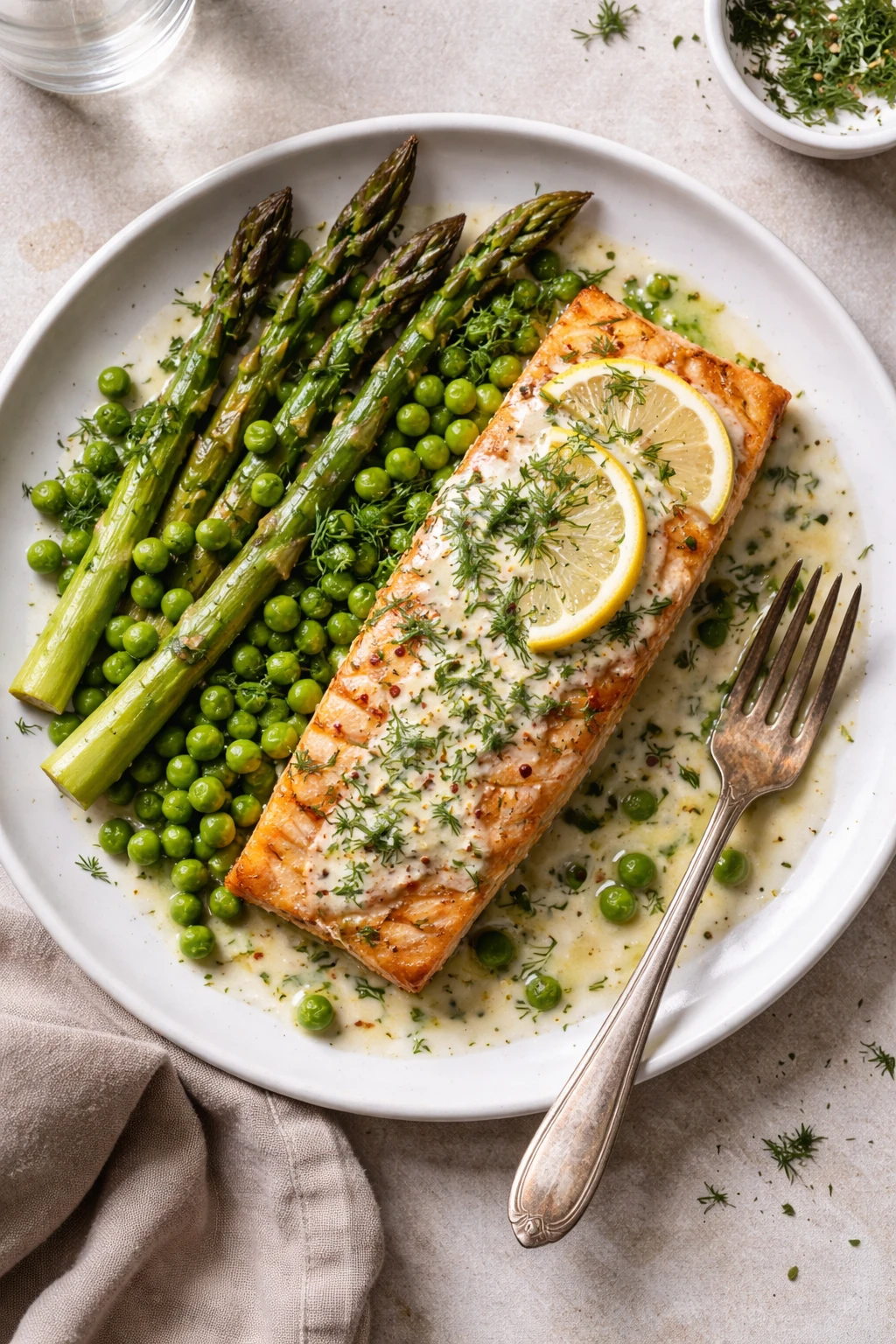
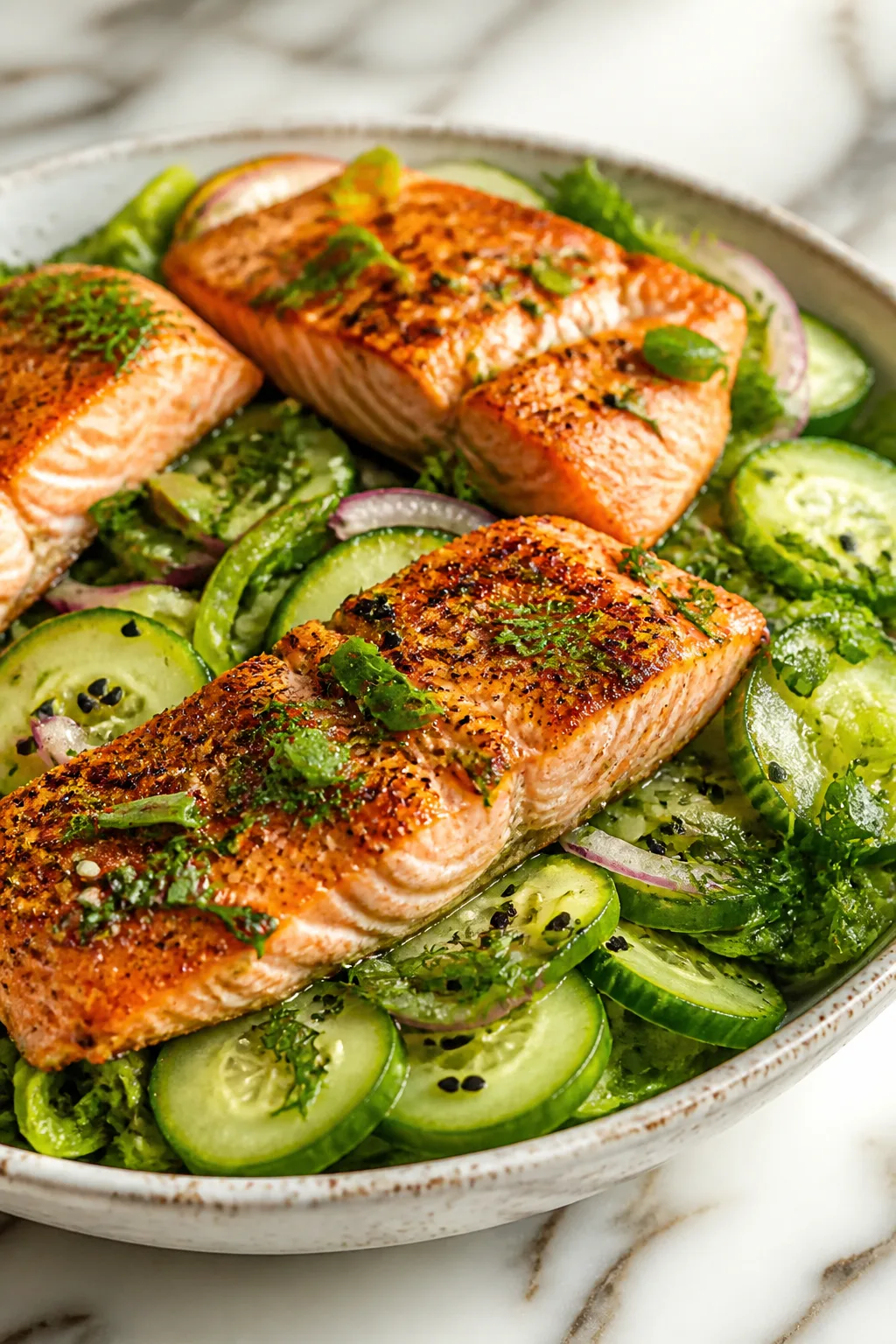
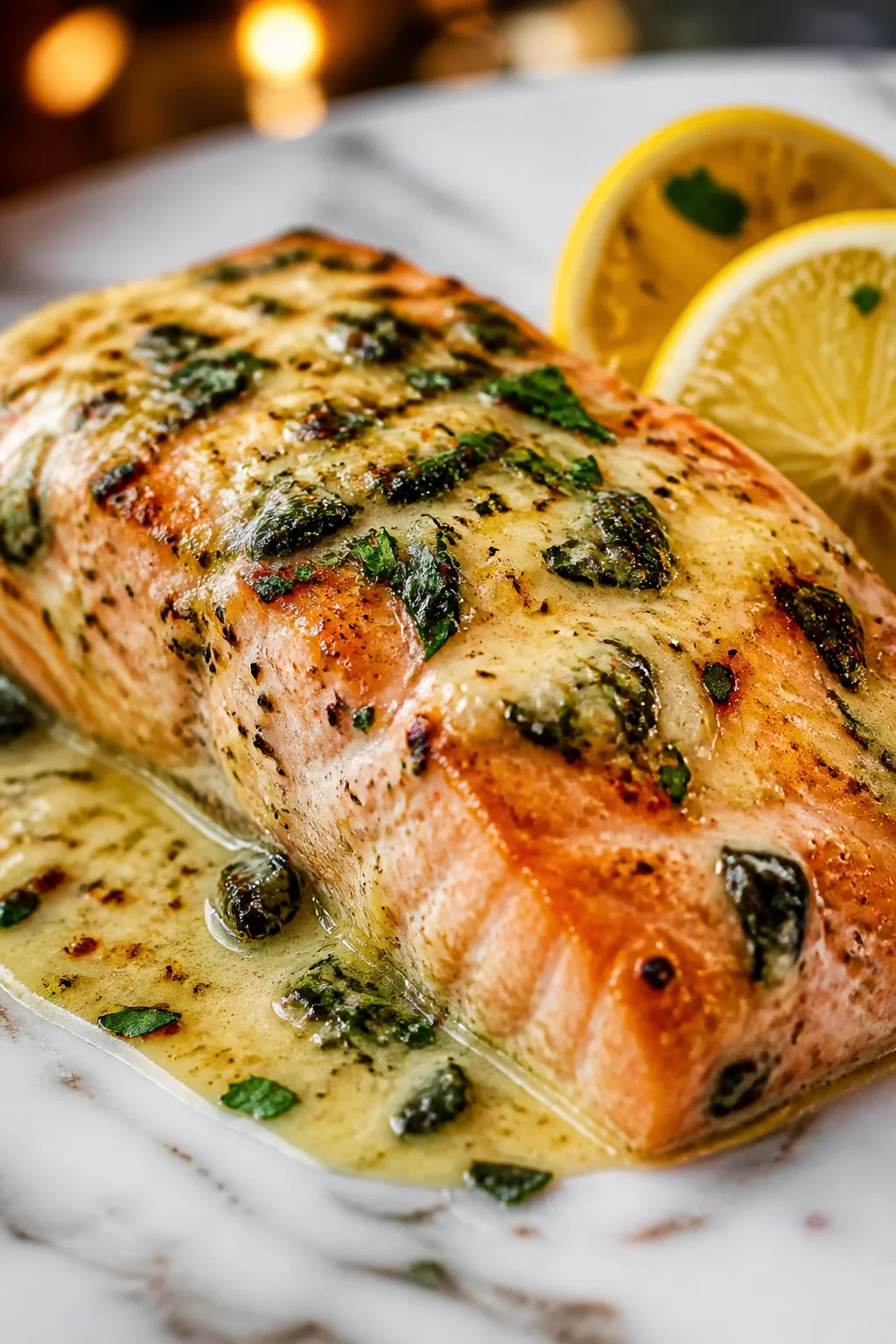
This baked salmon is super fresh and light, with bright lemon and dill flavors. Tender asparagus and sweet peas make it a perfect easy dinner for busy nights when you want something healthy but delicious.
Introduction
I first made this baked salmon recipe on a busy weeknight when I wanted something light but satisfying. I love how the lemon and dill brighten the fish without overpowering it. Plus, the asparagus and peas add a fresh, springtime vibe that feels so good on the plate. What sets this version apart is the simple marinade of olive oil, garlic, and fresh herbs that keeps the salmon juicy and flavorful without any fuss. The trick I learned is to roast the veggies and fish together on one sheet pan, which saves time and cleanup — a total win in my book. When it’s done, the salmon is tender and flaky, with a nice citrusy zing, and the asparagus is perfectly crisp-tender. It’s a dish that feels fancy but is actually super easy to pull off any night of the week. I’ve made this for family dinners and casual meals alike, and it always gets rave reviews. If you’re looking for a healthy, delicious dinner that doesn’t require standing over the stove, this recipe is a keeper!
How To Do It
Step 1
Preheat your oven to 400°F (200°C). While it heats, prep your salmon by patting the fillets dry with a paper towel. Drying the surface helps the olive oil and seasoning stick better and promotes a nice texture during baking. Place the salmon skin-side down on a large baking sheet lined with parchment paper or a silicone mat. This setup prevents sticking and makes cleanup easier.
⏱ Time: 10 minutes
✓ Doneness: Salmon fillets are dry to the touch and arranged evenly on the sheet pan.
Step 2
Trim the asparagus by snapping off the woody ends; they naturally break where the tender part begins. Toss the asparagus and peas in a bowl with 1 tablespoon of olive oil, minced garlic, salt, and pepper. This light seasoning enhances their natural flavors without overpowering the salmon. Spread the veggies evenly around the salmon on the baking sheet to ensure even roasting.
⏱ Time: 5 minutes
✓ Doneness: Asparagus and peas are coated lightly and distributed evenly around the salmon.
Step 3
Drizzle the remaining 1 tablespoon of olive oil over the salmon fillets. Season them generously with salt and freshly ground black pepper. Scatter the lemon slices over and around the salmon and veggies, allowing the citrus oils to infuse during baking. Finally, sprinkle chopped fresh dill over everything for that bright, herbal note that complements the fish beautifully.
⏱ Time: 5 minutes
✓ Doneness: Salmon and veggies are evenly seasoned and garnished with lemon slices and dill.
Step 4
Place the baking sheet in the preheated oven and roast for about 12-15 minutes. The key here is to cook the salmon until it flakes easily with a fork but remains moist inside. Avoid overcooking which can dry it out. The asparagus should be tender-crisp, and peas heated through but still vibrant. Check the salmon at 12 minutes to avoid overbaking.
⏱ Time: 15 minutes
✓ Doneness: Salmon flakes easily with a fork; asparagus is tender but still slightly firm.
Step 5
Once cooked, remove the baking sheet from the oven. Let the salmon rest for a couple of minutes; this helps redistribute the juices for a moist bite. Squeeze any extra lemon juice over the top for added brightness. Serve warm with the roasted asparagus and peas alongside. This simple plating keeps the focus on the fresh flavors and beautiful colors.
⏱ Time: 5 minutes
✓ Doneness: Salmon rested and ready to serve, with vibrant veggies and fresh lemon aroma.
Step 6
If you want to add a little extra flair, sprinkle some toasted almonds or pine nuts over the veggies before serving. This adds a lovely crunch and nutty flavor that pairs well with the lemon and dill. Toast nuts in a dry skillet over medium heat for 2-3 minutes, shaking frequently to avoid burning.
⏱ Time: 3 minutes
✓ Doneness: Nuts are golden brown and fragrant, ready to garnish the dish.
Step 7
For a creamy touch, serve with a dollop of Greek yogurt mixed with a bit of lemon zest and fresh dill. This cool, tangy sauce complements the salmon perfectly and adds a nice contrast in texture. Simply stir together about ½ cup yogurt with a teaspoon of zest and a teaspoon of chopped dill.
⏱ Time: 5 minutes
✓ Doneness: Yogurt sauce is smooth, well combined, and chilled.
Step 8
If you prefer your salmon with a slightly crispier top, you can broil it for the last 2 minutes of cooking. Watch carefully to prevent burning. This step caramelizes the lemon slices and herbs slightly, adding extra flavor and texture.
⏱ Time: 2 minutes
✓ Doneness: Salmon surface is lightly browned and lemon slices have a bit of char.
Step 9
Clean up any drippings on the baking sheet after cooking to prevent smoke in future uses. If you used parchment or a silicone mat, simply discard or wash them. Keeping your cookware clean ensures even heat in future recipes and prolongs the life of your pans.
⏱ Time: 5 minutes
✓ Doneness: Baking sheet is clean and ready for next use.
Variations
Spicy Citrus Salmon
Add a pinch of red pepper flakes and a splash of orange juice to the marinade for a spicy-sweet twist. The heat pairs nicely with the citrus and dill, giving the dish a lively kick. Serve with roasted sweet potatoes for a fuller meal.
Note: Monitor cooking times closely since the added sugars from orange juice can caramelize faster, potentially burning if broiled.
Garlic Butter Salmon
Swap olive oil for melted garlic butter brushed over the salmon before baking. This enriches the flavor and adds a luscious mouthfeel. Pair with steamed green beans instead of asparagus for a different veggie note.
Note: Butter has a lower smoke point than olive oil, so bake at slightly lower temperature (375°F) to prevent burning.
Mediterranean Style
Top the salmon with chopped tomatoes, olives, and capers before baking. This variation adds briny, tangy flavors that complement the fish beautifully. Serve with couscous or quinoa for a Mediterranean-inspired meal.
Note: Add tomatoes and olives in the last 5 minutes of baking to avoid over-softening.
Honey Mustard Glazed Salmon
Mix Dijon mustard with honey and brush over the salmon before baking. The glaze caramelizes slightly, adding sweetness and tang. Roasted Brussels sprouts make a great side for this version.
Note: Keep an eye during broiling to prevent the glaze from burning due to its sugar content.
Herb Crusted Salmon
Top the salmon with a mixture of breadcrumbs, Parmesan, and fresh herbs before baking. This adds a crunchy, savory crust that contrasts nicely with the tender fish inside. Serve with roasted potatoes for a comforting meal.
Note: Sprinkle the crust mixture evenly and press gently to help it adhere before baking.
Pro Tips
Pat the salmon dry before seasoning to help the oil and herbs stick better.
Removing excess moisture from the surface ensures that the olive oil and seasonings adhere well, which promotes even cooking and better flavor absorption. If the fillets are wet, they’ll steam rather than roast, resulting in a less appealing texture.
Use a rimmed baking sheet to catch any juices and prevent oven messes.
Salmon releases moisture as it cooks. A rimmed pan contains these juices, preventing drips that could burn on the oven floor and cause smoke. It also helps keep your oven clean and makes cleanup much easier.
Don’t overcrowd the pan; give the salmon and veggies space to roast evenly.
Crowding traps steam and prevents proper browning, which affects texture and flavor. Leaving space around each piece allows hot air to circulate, promoting Maillard reactions on the asparagus and caramelization on the salmon’s surface.
Let the salmon rest a few minutes after baking before serving.
Resting allows the muscle fibers to relax and reabsorb juices that were pushed out during cooking. This results in moister, more tender salmon that flakes perfectly rather than drying out on the plate.
Add lemon slices on top of salmon instead of just juice for a subtle infused flavor.
Lemon slices roast with the fish, releasing oils and gentle acidity gradually. This method provides a nuanced citrus flavor and a pretty presentation, unlike a sharp splash of juice that can overpower the delicate fish.
Use fresh dill rather than dried to maximize aroma and flavor.
Fresh dill contains volatile oils that give it a bright, tangy scent and taste. Dried dill loses much of this potency, so using fresh herbs elevates the dish with authentic herbal notes that pair beautifully with salmon.
Broil for 1-2 minutes at the end if you want a bit of crispness on top.
A quick broil caramelizes the surface, adding texture contrast and intensifying flavor without overcooking the fish. Be sure to watch carefully to avoid burning, as broilers work quickly.
Common Mistakes to Avoid
Overcooking the salmon until it’s dry and tough.
Why it happens Salmon cooks quickly and can easily become dry if left in the oven too long. Many assume it needs to be cooked through fully, but that leads to loss of moisture.
Fix Use a timer and check the salmon around 12 minutes. Look for flaky flesh that still feels slightly firm and moist. Remove from oven immediately to prevent carryover cooking. Resting also helps redistribute juices.
Skipping the drying step before seasoning.
Why it happens It’s easy to forget to pat fish dry, especially when in a hurry. Moisture on the surface prevents seasonings from sticking and causes steaming instead of roasting.
Fix Always use a paper towel to gently blot your salmon fillets dry before applying oil and herbs. This simple step improves flavor adherence and texture.
Crowding the pan with too many veggies and fillets.
Why it happens Trying to cook everything at once to save time can cause overcrowding. This traps steam and prevents proper browning.
Fix Use a large enough baking sheet and spread ingredients out evenly. Roast in batches if needed to ensure crisp, caramelized veggies and perfectly cooked fish.
Using bottled lemon juice instead of fresh lemons.
Why it happens Convenience often leads to using bottled juice, but it lacks fresh oils and brightness.
Fix Always use fresh lemon slices or freshly squeezed juice for the best flavor. The zest and oils in fresh lemon peel add essential aromatic compounds.
Not seasoning the vegetables properly.
Why it happens People tend to focus on seasoning the fish and forget the veggies, leading to bland sides.
Fix Toss asparagus and peas with olive oil, salt, pepper, and garlic before roasting. This boosts their natural flavors and ties the whole dish together.
Nutrition
Per Serving:
Nutritional values are estimates and may vary based on specific ingredients used.
Storage & Tips
Room Temperature
This baked salmon dish is best served fresh but can safely sit at room temperature for up to 2 hours if covered loosely to avoid drying out.
Refrigerator
Store leftovers in an airtight container in the fridge for up to 3 days. The salmon may firm up and the vegetables soften slightly when cold. Reheat gently to avoid drying out.
Freezer
Freeze cooked salmon and veggies in a sealed container or heavy-duty freezer bag for up to 2 months. Wrap tightly to prevent freezer burn. Thaw overnight in the fridge before reheating.
Reheating
Reheat gently in a low oven (about 275°F) for 10-15 minutes or in the microwave on medium power with a splash of water or broth to keep moisture. Avoid high heat to prevent drying out.
Make Ahead
You can prep the asparagus and peas in advance by trimming and washing, then store them in the fridge until ready to roast. Marinate the salmon up to 2 hours before baking to deepen flavor.
FAQ
Can I use frozen salmon for this recipe?
Yes, frozen salmon works well if fully thawed in the fridge overnight. Pat it dry thoroughly before seasoning to avoid steaming instead of roasting. Keep in mind frozen salmon may release more moisture, so adjust cooking time slightly if needed.
What if I don’t have fresh dill?
Fresh dill is best for flavor but if unavailable, use dried dill sparingly. Add it earlier in cooking since dried herbs need more time to rehydrate and release flavor. Alternatively, try fresh parsley or tarragon for a different herbal note.
How do I know when the salmon is done?
The salmon is done when it flakes easily with a fork but still feels moist inside. It should be opaque and slightly firm but not dry. Using a thermometer, the internal temperature should reach 125-130°F for medium doneness.
Can I add other vegetables?
Absolutely! Vegetables like cherry tomatoes, bell peppers, or green beans roast well alongside salmon. Just adjust cooking times as some veggies may cook faster or slower. Cut them into uniform sizes for even roasting.
What’s the best way to reheat leftovers without drying out the salmon?
Reheat gently at low temperature, preferably in the oven or microwave with a splash of water or broth. Cover loosely with foil to retain moisture. Avoid high heat which can make the fish tough and dry.
Is it okay to remove the skin before cooking?
You can remove the skin if you prefer, but keeping it on helps protect the flesh during cooking and adds flavor. It also makes it easier to handle the fillets. If you dislike the skin, you can remove it after cooking.
Can I prepare this recipe vegan or vegetarian?
To make a vegetarian version, substitute the salmon with thick slices of roasted tofu or cauliflower steaks. Use the same lemon and dill seasoning and roast with asparagus and peas. The cooking time will vary slightly depending on the substitute.
Why do you recommend roasting the veggies with the salmon?
Roasting them together saves time and ensures all components finish cooking simultaneously. The flavors meld nicely, and the veggies pick up some of the salmon’s savory juices, enhancing the overall dish.
Final Thoughts
I hope you love this fresh and easy baked salmon as much as my family does! Give it a try and let me know how it turns out — I’d love to hear your tweaks and favorites.