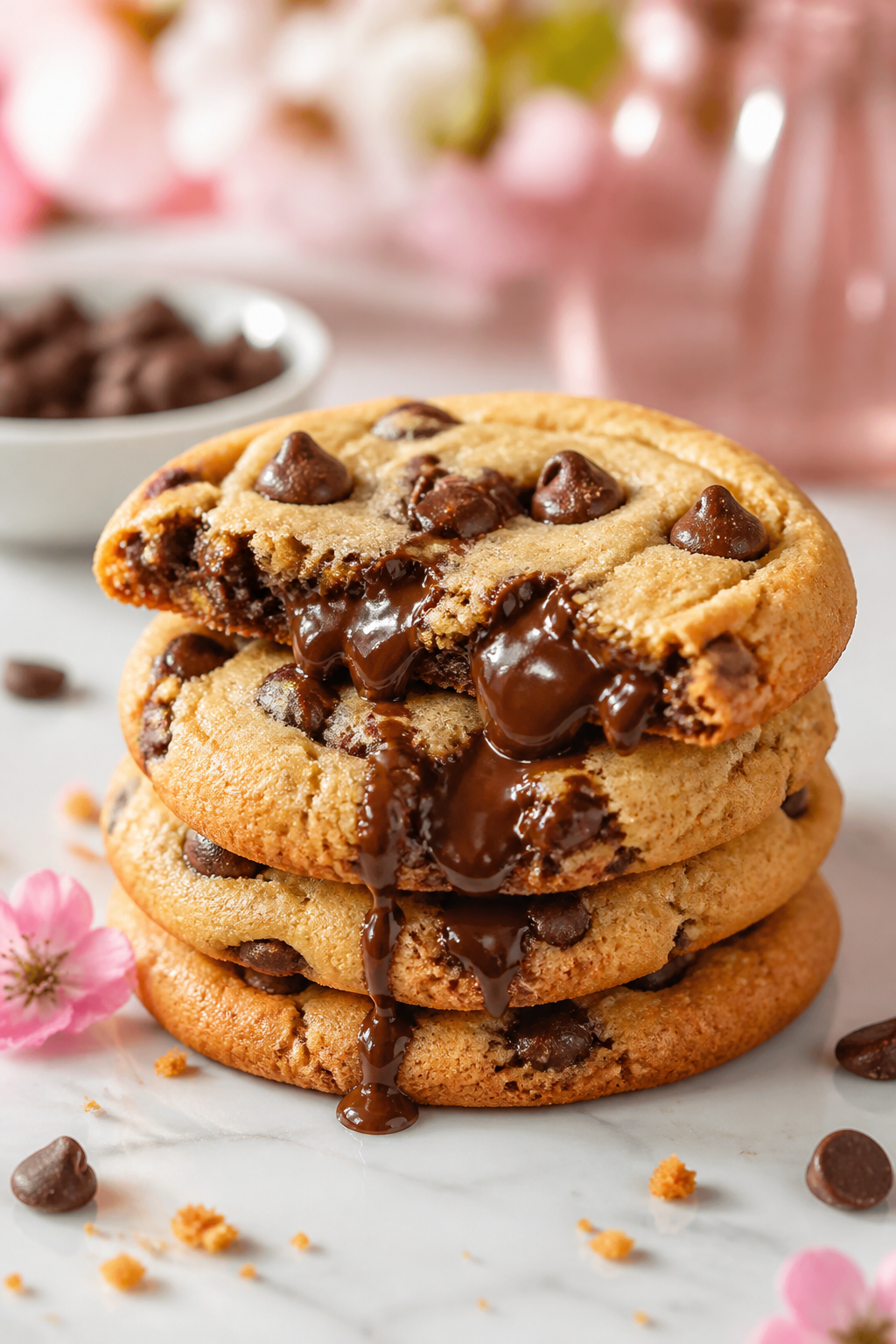
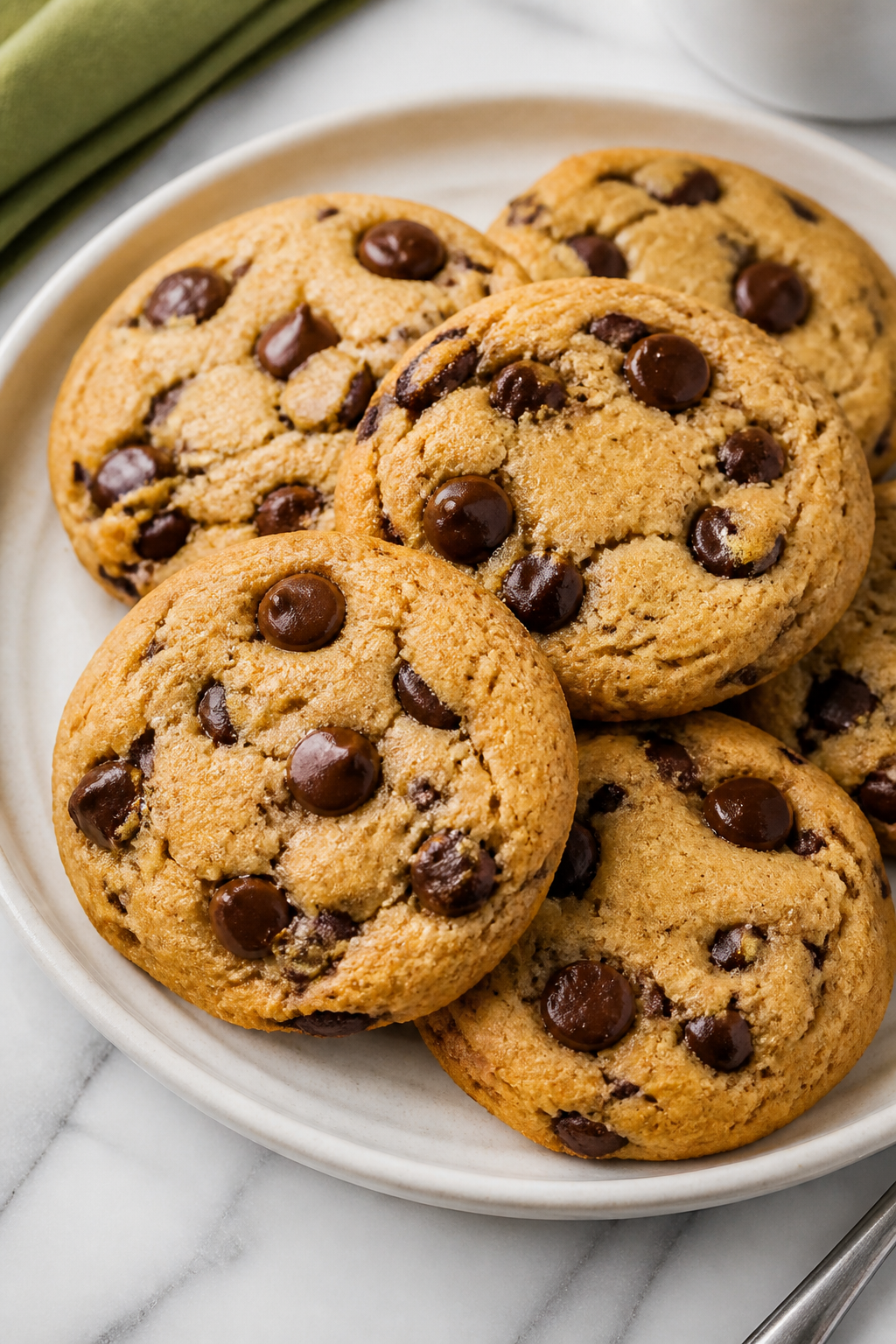
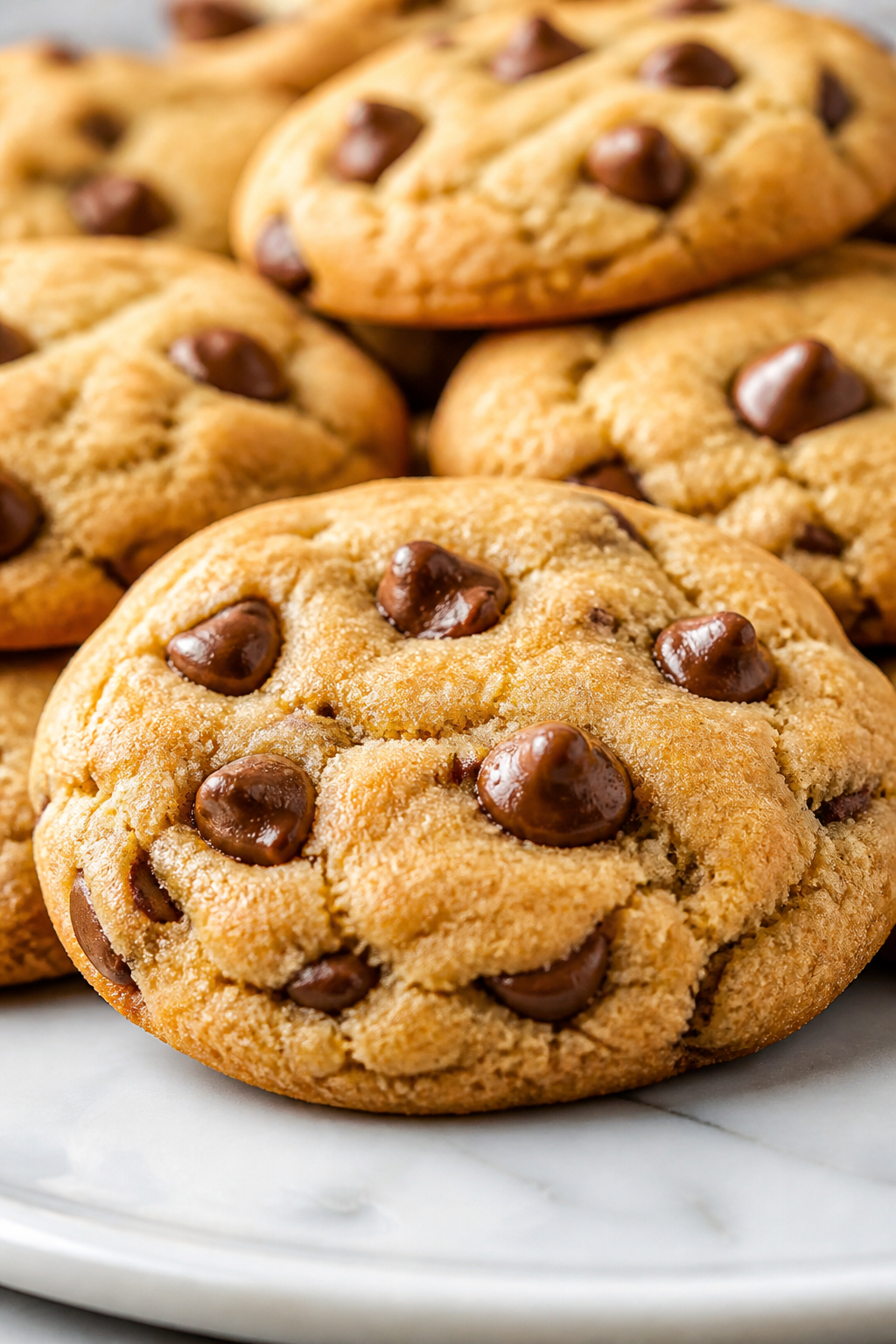
These gluten free chocolate chip cookies are irresistibly soft and chewy with a hint of nutty almond flour. They’re perfect for sharing on sunny spring afternoons or casual hangouts. So easy to whip up!
Introduction
I first made these gluten free chocolate chip cookies a few years ago when a friend asked me to bake something safe for her wheat allergy. Honestly, I was skeptical about how a cookie without traditional flour could turn out chewy and soft, but almond flour changed the game. The subtle nutty flavor it adds really elevates the cookie beyond your typical gluten free treats. I learned that melting the coconut oil instead of creaming it keeps the cookies tender and slightly dense, which I love. Plus, using maple syrup adds a gentle sweetness and moisture that balances the almond flour perfectly. These cookies bake quickly and come out golden with melty chocolate pockets inside. They’re my go-to for spring get-togethers or whenever I need a comforting, allergy-friendly sweet. My family enjoys them just as much as I do, and I think you’ll find the texture and flavor just right — not crumbly or dry like some gluten free cookies can be. They’re soft, chewy, and packed with chocolatey goodness, making them perfect for sharing or just sneaking a few on your own.
How To Do It
Step 1
Preheat your oven to 350°F (175°C) and line a baking sheet with parchment paper. This step ensures an even bake and prevents sticking. Using parchment also helps the cookies brown evenly without burning underneath, which can happen on bare sheets. Make sure your oven is fully preheated to get the best rise and texture in the cookies.
⏱ Time: 10
✓ Doneness: Oven temperature steady at 350°F and baking sheet prepared with parchment, ready for batter
Step 2
In a medium bowl, whisk together the almond flour, baking soda, and salt. This dry mix is essential for distributing the leavening agent evenly, which helps the cookies rise slightly and prevents uneven texture. Almond flour can be oily, so mixing these dry ingredients first prevents clumps and ensures your cookies bake uniformly.
⏱ Time: 5
✓ Doneness: Dry ingredients fully combined with no lumps visible
Step 3
In a separate bowl, combine the melted coconut oil, maple syrup, egg, and vanilla extract. Whisk until smooth and slightly frothy. The melted oil adds moisture and tenderness, while the maple syrup sweetens and keeps the dough soft. Be careful not to over-whisk the egg here; just combine until smooth to avoid a dense cookie.
⏱ Time: 5
✓ Doneness: Wet ingredients well mixed with a smooth, pale yellow mixture
Step 4
Pour the wet ingredients into the dry ingredients and stir gently until just combined. Overmixing can cause the cookies to be tough, so fold carefully until no dry flour streaks remain. The batter will be a bit thick but still scoopable. This step is crucial for maintaining a tender crumb and soft texture.
⏱ Time: 3
✓ Doneness: Dough looks even in color with no dry patches, thick but pliable
Step 5
Fold in the dark chocolate chips evenly throughout the batter. This distributes the chocolate so every bite has melty pockets of chocolate. Using dark chocolate adds a nice depth of flavor and balances the sweetness of the maple syrup. Avoid adding too many chips or the cookies may spread unevenly.
⏱ Time: 2
✓ Doneness: Chocolate chips evenly distributed with no clumps
Step 6
Using a tablespoon or cookie scoop, drop dough balls onto the prepared baking sheet, spacing them about 2 inches apart. The spacing prevents the cookies from merging as they bake. Don’t flatten the dough balls; they’ll spread slightly on their own and keep a nice domed shape.
⏱ Time: 5
✓ Doneness: Evenly spaced mounds of dough on the baking sheet ready for the oven
Step 7
Bake for 10 to 12 minutes until the edges are golden and the tops look set but still soft. Almond flour cookies don’t brown as much as wheat cookies, so watch closely. Pull them out just before they look fully firm to keep that soft, chewy center.
⏱ Time: 12
✓ Doneness: Edges slightly golden, tops set but soft to the touch
Step 8
Let the cookies cool on the baking sheet for 10 minutes before transferring to a wire rack. This rest allows them to finish setting and prevents them from breaking apart. Almond flour cookies can be fragile when hot, so handle gently.
⏱ Time: 10
✓ Doneness: Cookies firm enough to lift without breaking
Step 9
Once completely cool, store cookies in an airtight container at room temperature. They keep their softness best this way and taste great even after a couple of days. If you prefer them warm, a quick 10-second zap in the microwave revives that fresh-baked feel.
⏱ Time: 0
✓ Doneness: Cookies cooled and ready for storage or serving
Variations
Add Chopped Nuts
Mix 1/2 cup chopped walnuts or pecans into the dough along with chocolate chips for extra crunch and flavor. Nuts add texture contrast and a toasty note that complements the almond flour.
Note: Chop nuts finely and fold in gently to avoid overmixing. The baking time remains the same.
Use White Chocolate Chips
Swap dark chocolate chips for white chocolate to create a sweeter, creamier cookie. This changes the flavor profile to a more buttery, mellow sweetness that pairs well with almond flour.
Note: White chocolate melts faster, so watch baking closely to avoid overbrowning.
Add Dried Cranberries
Stir in 1/2 cup dried cranberries for a tart contrast to the sweet chocolate and nutty flour. The chewy fruit adds bursts of flavor and color, perfect for festive occasions.
Note: Ensure dried fruit is chopped small to distribute evenly and prevent clumping.
Make Vegan with Flax Egg
Replace the egg with a flaxseed egg (1 tbsp ground flaxseed + 3 tbsp water) for a vegan version. This adds fiber and omega-3s while maintaining binding properties.
Note: Let flax egg sit for 5 minutes to thicken before mixing. Texture may be slightly denser.
Add Cinnamon and Nutmeg
Sprinkle 1 teaspoon cinnamon and 1/4 teaspoon nutmeg into the dry ingredients for a warm, cozy spice flavor. Perfect for fall or winter baking.
Note: Spices blend well with the almond flour and maple syrup; no change in baking time needed.
Pro Tips
Use room temperature eggs for better mixing.
Room temperature eggs blend more easily with wet ingredients, ensuring a smooth batter without lumps. Cold eggs can cause the coconut oil to solidify slightly, resulting in uneven texture and pockets of fat in the dough.
Don’t overmix the dough once wet and dry ingredients are combined.
Overmixing develops any residual gluten and incorporates too much air, leading to tougher cookies. Gentle folding keeps the dough tender and prevents dense or chewy textures from becoming dry or rubbery.
Chill the dough for 15 minutes before baking if your kitchen is warm.
Chilling firms the dough, reducing spread in the oven and helping cookies keep a nice shape. Warm dough can flatten too much and bake unevenly, losing the soft, chewy texture.
Use parchment paper or a silicone baking mat for even baking.
These liners prevent sticking and promote even heat distribution across the cookie bottoms, avoiding burnt or overly browned edges.
Measure almond flour by weight for best accuracy.
Almond flour is dense and can compact in measuring cups, leading to too much flour if scooped incorrectly. Using a kitchen scale ensures the perfect flour-to-fat ratio for consistent cookie texture.
Let cookies cool fully before storing to avoid sogginess.
Warm cookies release steam that can condense inside containers, making them soft or mushy. Cooling allows moisture to escape and cookies to set properly.
Use dark chocolate chips for less sweetness and richer flavor.
Dark chocolate balances the natural sweetness of maple syrup and almond flour, preventing the cookies from becoming overly sweet and enhancing the overall taste complexity.
Rotate baking sheets halfway through baking.
Ovens have hot spots that can cause uneven baking. Rotating ensures all cookies bake uniformly with consistent color and texture.
Common Mistakes to Avoid
Using almond meal instead of almond flour.
Why it happens Many confuse almond meal for almond flour but almond meal is coarser and contains skins, resulting in gritty texture.
Fix Always use finely ground blanched almond flour for this recipe. If only almond meal is available, pulse it in a food processor to make it finer, but texture may still differ slightly.
Skipping the parchment paper or silicone mat.
Why it happens Some think it’s unnecessary and want to save time or dishes.
Fix Always line your baking sheet to prevent sticking and uneven browning. If you skip this, cookies may burn on the bottom or break when removing.
Overbaking the cookies until fully firm.
Why it happens It’s common to think cookies must be fully set to be done.
Fix Pull cookies from the oven when edges are golden but centers still look soft. They firm up as they cool, maintaining that chewy texture.
Substituting coconut oil with butter without adjusting.
Why it happens Butter is a common fat in baking, so it’s often swapped without thought.
Fix If using butter, melt it and reduce baking time slightly. Butter has water content that changes dough moisture and spread, so expect a slightly different texture.
Measuring almond flour by scooping instead of weighing.
Why it happens Using cups is convenient but inaccurate for dense flours.
Fix Use a kitchen scale to measure almond flour precisely. This prevents dry, crumbly cookies caused by too much flour.
Nutrition
Per Serving:
Nutritional values are estimates and may vary based on specific ingredients used.
Storage & Tips
Room Temperature
Store cookies in an airtight container at room temperature for up to 3 days. Keep them away from direct sunlight or heat to maintain softness. Covering them well prevents drying out but avoid refrigeration if you want to keep that chewy texture.
Refrigerator
You can refrigerate cookies in an airtight container for up to 1 week. The cookies may firm up and lose some chewiness when cold, so let them come to room temperature or warm slightly before eating.
Freezer
Freeze cookies in a single layer on a baking sheet, then transfer to a freezer-safe container or bag for up to 3 months. Wrap well to prevent freezer burn. Thaw at room temperature or warm briefly in the oven to restore texture.
Reheating
Reheat cookies in a 300°F oven for 5-7 minutes or microwave for 10-15 seconds to refresh softness. Avoid overheating as it can dry them out. Adding a tiny splash of water on a paper towel in the microwave helps retain moisture.
Make Ahead
You can prepare the dough 1 day ahead and keep it covered in the fridge. Scoop and bake fresh the next day for best texture. Alternatively, bake the cookies and freeze them to enjoy later without loss of quality.
FAQ
Can I substitute almond flour with another gluten free flour?
Almond flour is key to the texture and flavor here, so substituting with other gluten free flours like oat or rice flour will change the cookie’s softness and taste. If you must substitute, try a blend designed for cookies and expect a different, often drier result.
Why are my cookies crumbly and dry?
This usually happens if there’s too much flour or overbaking. Make sure to measure almond flour by weight and pull cookies out when edges just turn golden but centers are still soft. Also, don’t skip the wet ingredients like maple syrup or coconut oil which add moisture.
Can I use butter instead of coconut oil?
Yes, melted butter can replace coconut oil but it contains water which affects spread and texture. Your cookies may be slightly less chewy and more cakey. Adjust baking time slightly and watch closely to avoid overbrowning.
How do I make these cookies vegan?
Replace the egg with a flax egg (1 tbsp ground flaxseed mixed with 3 tbsp water, let sit 5 mins). This binds the dough similarly but may make the cookies a bit denser. Maple syrup and coconut oil keep them moist and tender.
Can I add other mix-ins besides chocolate chips?
Absolutely! Nuts, dried fruit, or even white chocolate chips work well. Just fold them in gently and keep the total mix-ins to about 1 cup to maintain dough balance and baking consistency.
Why do my cookies spread too much?
Warm dough or too much oil can cause excess spreading. Chill the dough before baking if your kitchen is warm, and measure coconut oil carefully. Also, don’t flatten dough balls before baking.
How long do these cookies keep fresh?
Stored at room temperature in an airtight container, they stay fresh for about 3 days. Refrigeration extends life to a week but may change texture. Freezing is best for longer storage.
Can I make these cookies nut-free?
Since almond flour is the base, nut-free substitutions are tricky. You could try sunflower seed flour but it may alter flavor and texture significantly. Testing small batches is recommended.
Final Thoughts
I hope you enjoy baking and sharing these soft, chewy gluten free chocolate chip cookies as much as I do. Don’t forget to let me know how they turn out!