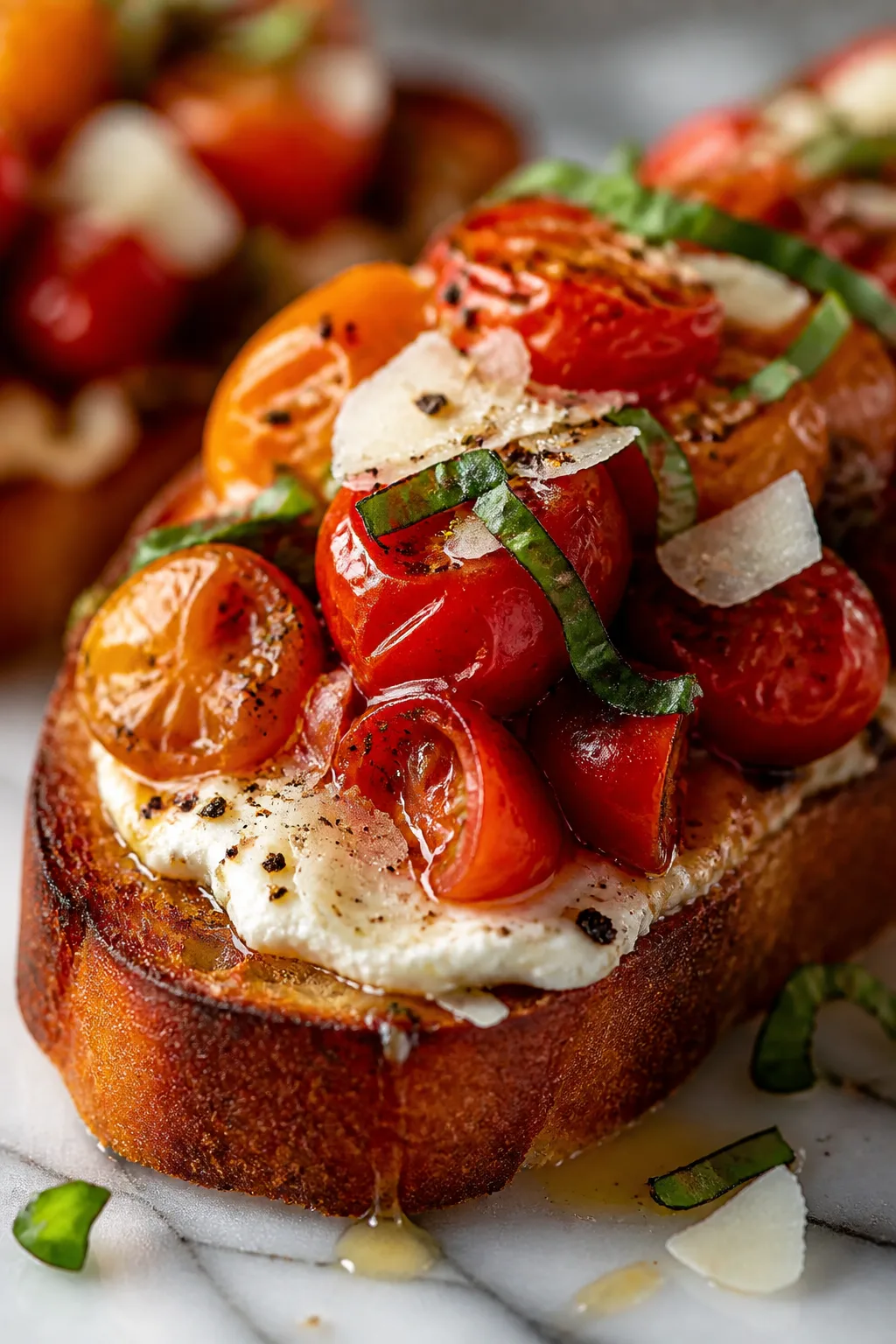
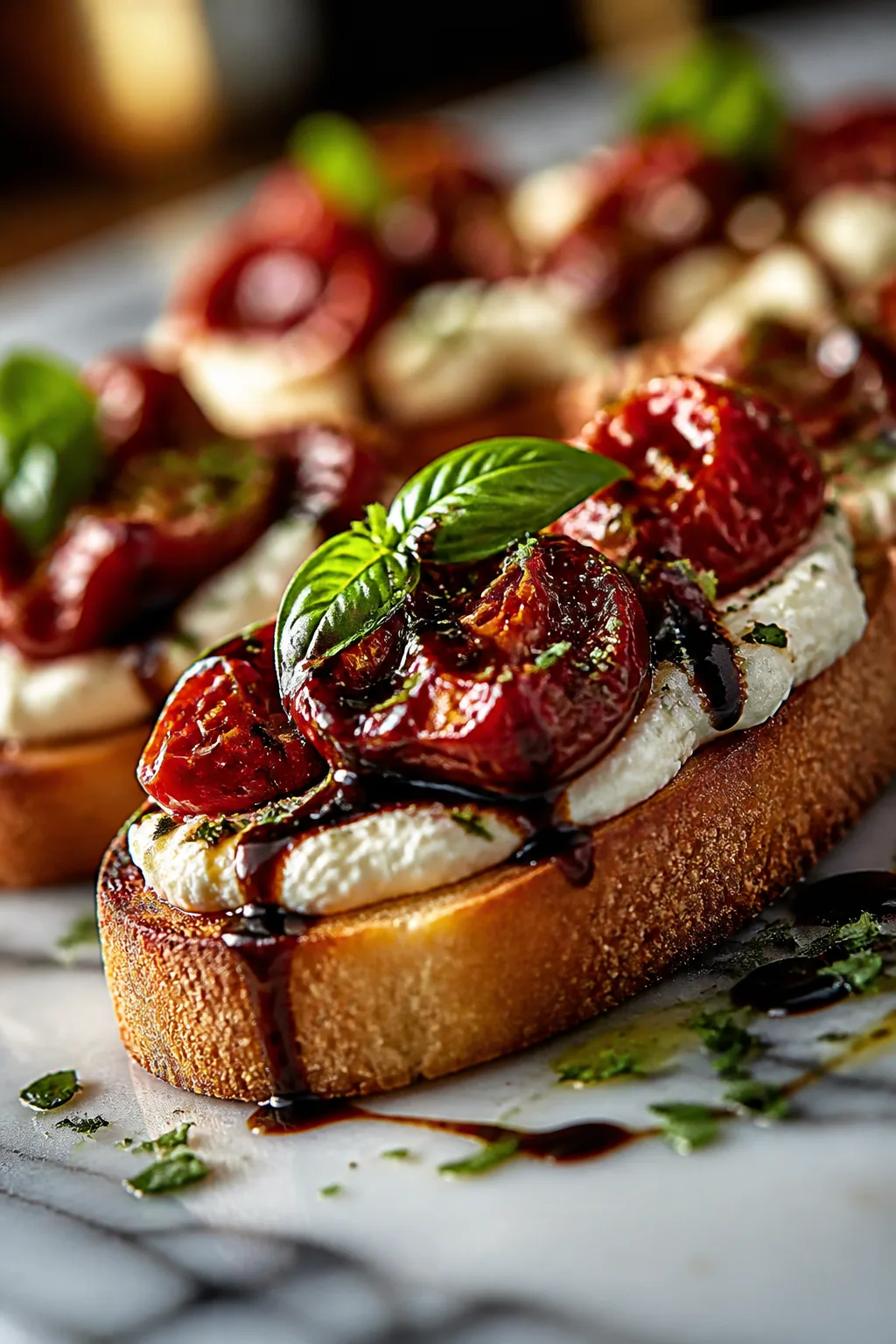
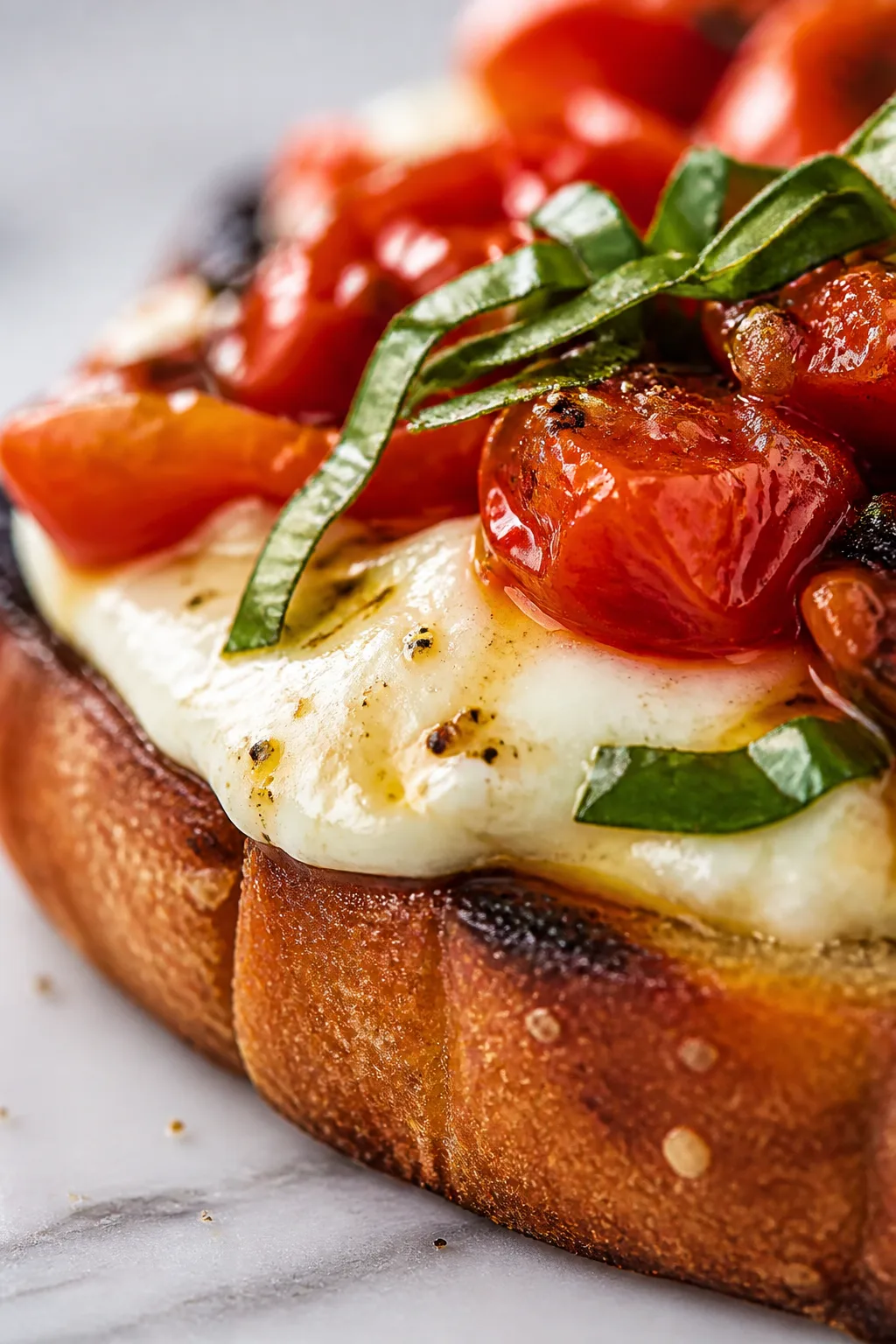
These crostini appetizers are my go-to for casual gatherings—bright herbs and a hint of lemon zest make them pop. Super simple to throw together and always disappear fast at parties!
Introduction
I first made these crostini a few years ago when I was scrambling to put together something quick for an impromptu get-together. What started as a last-minute idea turned into a favorite staple at my parties. What I love about this recipe is its simplicity—just a few fresh herbs, a pop of lemon zest, and toasted baguette slices come together to make something really delicious. I’ve tried versions with store-bought herb blends, but nothing beats the brightness and freshness of chopping your own parsley and basil. The trick I learned is to rub the toasted bread with garlic right after it comes out of the oven to infuse subtle flavor without overpowering the herbs. The result is crisp, fragrant crostini with a perfect balance of zest and herbaceous notes. They’re light enough to enjoy before dinner but flavorful enough to satisfy. Plus, they’re super easy to customize—add a slice of tomato, a smear of cheese, or some olives to switch things up. If you’re looking for an effortless appetizer that will impress with minimal fuss, these crostini are a winner every time.
What You'll Need
Approximately 16 crostini, serves 8
- 1 baguette, sliced into 1/2-inch rounds
- 3 tablespoons olive oil, divided
- 2 cloves garlic, peeled and halved
- 1/2 cup fresh parsley, finely chopped
- 1/4 cup fresh basil, finely chopped
- Zest of 1 lemon
- 1/2 teaspoon sea salt
- Freshly ground black pepper, to taste
How To Do It
Step 1
Preheat your oven to 375°F (190°C). Arrange the baguette slices on a baking sheet in a single layer. Brush each slice lightly with about 2 tablespoons of olive oil. This step is crucial because the oil helps the bread toast evenly and develop a golden, crispy texture without drying out. Make sure to coat both edges if you can, but don’t saturate—the bread should remain light and crunchy. Keep an eye on them as they bake; you want a deep golden color but not burnt edges. This usually takes about 8-10 minutes. Avoid overcrowding the pan, as that can cause uneven toasting.
⏱ Time: 10 minutes
✓ Doneness: Bread slices are golden brown and crisp to the touch
Step 2
Once the crostini are toasted, immediately rub each slice with the cut side of the garlic cloves. This infuses a subtle garlic aroma and flavor without overwhelming the herbs later. The warmth of the bread helps release the garlic oils. Don’t press too hard or the bread might crumble. This gentle rubbing is a simple technique that elevates the taste, giving a fresh, fragrant base for the herb topping.
⏱ Time: 2 minutes
✓ Doneness: Slices have a slight sheen and faint garlic aroma
Step 3
In a small bowl, combine the chopped parsley, basil, lemon zest, remaining 1 tablespoon olive oil, sea salt, and freshly ground black pepper. Mix gently to combine. The fresh herbs bring brightness and the lemon zest adds a lively zing that cuts through the richness of the olive oil. Salt and pepper balance the flavors, so don’t skip them. This herb mixture is the star of the crostini, so make sure your herbs are fresh and fragrant.
⏱ Time: 5 minutes
✓ Doneness: Herb mixture is vibrant green and evenly coated with oil
Step 4
Spoon the herb mixture generously over each crostini slice just before serving. The contrast between the warm, crispy bread and the fresh, cool herbs creates a delightful texture and flavor experience. If you add the herbs too early, they might wilt or the bread could get soggy, so timing matters here.
⏱ Time: 3 minutes
✓ Doneness: Each crostini is topped with a bright, fresh herb layer
Step 5
Serve the crostini immediately for best texture and flavor. They pair wonderfully with a crisp white wine or a light cocktail and make a great starter or snack. If you’re prepping ahead, keep the toasted bread and herb mixture separate until ready to serve to maintain crispness.
⏱ Time: Serve immediately
✓ Doneness: Crostini remain crisp and fresh, herbs vibrant
Step 6
For extra flair, consider topping some crostini with thin slices of fresh tomato or a small dollop of ricotta cheese before adding the herbs. This adds creaminess and a juicy contrast to the crispy bread. Just remember to add these last to avoid sogginess.
⏱ Time: Optional, 5 minutes
✓ Doneness: Additional toppings appear fresh and balanced
Step 7
If you want to make these vegan or dairy-free, stick to the basic herb and oil topping. The lemon zest and fresh herbs alone provide plenty of flavor and brightness. This versatility makes the recipe great for accommodating different dietary needs without losing taste.
⏱ Time: No extra time
✓ Doneness: Herbs and zest shine without dairy
Step 8
To toast the baguette slices evenly, flip them halfway through baking. This ensures both sides get that perfect crunch. Skipping this can result in one side being softer, which changes the texture balance of the crostini.
⏱ Time: Flip at 5 minutes
✓ Doneness: Both sides golden and crisp
Step 9
For a smoky twist, try using smoked sea salt instead of regular salt in the herb mixture. It adds a subtle depth that pairs beautifully with the fresh herbs. Just don’t overdo it—start with a small amount and adjust to taste.
⏱ Time: Incorporate during herb mixing
✓ Doneness: Smoky aroma complements herb freshness
Variations
Tomato and Ricotta Crostini
Add a thin layer of fresh ricotta cheese and a slice of ripe tomato on top of the garlic-rubbed crostini, then sprinkle with the herb mixture. This adds creaminess and juiciness, making it a richer appetizer perfect for summer nights.
Note: Add ricotta and tomato just before serving to avoid sogginess; keep crostini toasted and crisp.
Spicy Herb Crostini
Mix some red chili flakes or finely chopped fresh chili into the herb mixture for a spicy kick. The heat contrasts nicely with the fresh herbs and lemon zest, great for those who like a little fire in their appetizers.
Note: Adjust chili quantity to taste; start small to prevent overpowering the fresh herb flavors.
Mushroom and Thyme Crostini
Sauté finely chopped mushrooms with garlic and thyme, then spoon over the toasted bread before adding the fresh herb mixture. This adds earthy depth and a meaty texture, perfect for fall gatherings.
Note: Cook mushrooms until just browned and moisture evaporates to avoid soggy crostini.
Vegan Pesto Crostini
Swap the herb mixture for a homemade vegan pesto made with basil, parsley, garlic, nuts, and olive oil. This variation is rich, flavorful, and perfect for plant-based diets.
Note: Prepare pesto fresh and spread immediately on toasted bread to maintain crispness.
Cheesy Herb Crostini
Sprinkle grated Parmesan or Pecorino over the herb mixture after assembling and briefly broil until cheese melts and browns slightly. Adds savory umami and a crispy cheesy crust.
Note: Watch carefully under the broiler to avoid burning cheese; serve immediately.
Pro Tips
Toast the bread slices on a wire rack to allow air circulation and even crisping.
Elevating the bread lets hot air circulate around each slice, promoting uniform toasting and preventing soggy bottoms. If you toast directly on a baking sheet, moisture can get trapped underneath, leading to uneven texture.
Use a microplane grater for zesting the lemon to avoid the bitter pith.
A microplane produces fine zest that distributes evenly and releases more oils for brighter flavor. Scraping too deeply includes the pith, which adds bitterness and can spoil the fresh balance of the crostini.
Chop herbs just before assembling to preserve their vibrant color and aroma.
Herbs start to lose moisture and flavor soon after chopping. Waiting to chop until right before mixing keeps them fresh and visually appealing, enhancing both taste and presentation.
Rub the garlic on warm bread, not cold, to maximize flavor absorption.
The heat releases the garlic’s natural oils and aroma, which soak into the bread surface. Rubbing on cold bread won’t impart as much flavor and can feel harsher or more pungent.
Add a pinch of flaky sea salt on top after assembling to enhance texture and flavor.
Flaky salt adds a pleasant crunch and bursts of saltiness that contrast with the softness of herbs and bread. It lifts the overall flavor profile and adds a gourmet touch.
Serve crostini soon after assembling to keep bread crunchy and herbs fresh.
Waiting too long causes moisture from herbs and oil to soak into the bread, making it soggy and less appealing. Serving immediately preserves the intended texture and flavor contrast.
Experiment with different herb combinations to customize flavor profiles.
Parsley and basil are classic, but adding mint, thyme, or oregano can bring new dimensions. Fresh herbs contain volatile oils that shift flavor depending on combinations, allowing you to tailor the crostini to your taste.
Common Mistakes to Avoid
Toasting bread at too high a temperature causing burnt edges.
Why it happens Many try to speed up toasting by cranking the oven temperature, but bread burns quickly before the interior crisps properly.
Fix Toast at a moderate temperature (375°F) and watch carefully. Flip halfway through to ensure even browning. This method produces golden, crispy crostini without bitterness.
Adding herb mixture too early making the bread soggy.
Why it happens Some prep everything ahead and top the bread too soon, which allows moisture to soak in and soften the crust.
Fix Keep the toasted bread and herb mixture separate until just before serving. Assemble last minute to maintain crisp texture and fresh flavor.
Using dried herbs instead of fresh ones.
Why it happens It’s tempting for convenience, but dried herbs lack the brightness and moisture needed for this fresh-tasting appetizer.
Fix Always use fresh herbs for this recipe. Their vibrant oils and texture are key to the flavor and appearance.
Skipping the garlic rub step.
Why it happens Some think garlic will overpower or is unnecessary, but it adds subtle depth.
Fix Don’t skip rubbing warm bread with garlic. It infuses gentle aroma and flavor that balances the herbs and oil.
Over-oiling the bread leading to greasy crostini.
Why it happens Applying too much olive oil can saturate the bread, making it heavy and soggy.
Fix Brush lightly and evenly with olive oil. The goal is a thin coating to aid browning and flavor without weighing down the bread.
Nutrition
Per Serving:
Nutritional values are estimates and may vary based on specific ingredients used.
Storage & Tips
Room Temperature
Crostini are best served fresh but can sit at room temperature covered loosely for up to 2 hours. Beyond this, the bread may lose crispness and herbs wilt.
Refrigerator
Store toasted bread slices and herb mixture separately in airtight containers for up to 3 days. Re-toast bread slices in oven before assembling to restore crispness. Herb mixture can be refrigerated but may lose some brightness.
Freezer
You can freeze toasted bread slices wrapped tightly in foil and plastic wrap for up to 1 month. Thaw at room temperature and re-toast before serving. Herb mixture does not freeze well due to moisture.
Reheating
Reheat toasted bread slices in a 375°F oven for 5-7 minutes until crisp. Avoid microwaving as it makes bread chewy. Add herb mixture fresh after reheating.
Make Ahead
Toast bread and prepare herb mixture 1-2 days ahead. Store separately as described. Assemble crostini just before serving to ensure crisp texture and fresh flavors.
FAQ
Can I use dried herbs instead of fresh for the crostini?
While dried herbs are convenient, they don’t provide the same bright flavor or texture for this recipe. Fresh herbs release essential oils and have a vibrant aroma that dried ones lack. If you must use dried, use about one-third the amount and expect a milder flavor.
How do I keep the crostini from getting soggy if making ahead?
Toast the bread slices and store them separately from the herb mixture. Add the herb topping just before serving to keep the bread crisp. If assembled too early, moisture from the herbs and oil will soften the bread.
What’s the best way to store leftover crostini?
Store leftover toasted bread slices in an airtight container at room temperature for up to 24 hours. Keep herb mixture refrigerated separately for up to 3 days. Re-toast bread before serving again and add fresh herb topping.
Can I make these gluten-free?
Yes! Substitute the baguette with gluten-free bread sliced and toasted similarly. Note that gluten-free bread may toast differently, so watch carefully to avoid burning or drying out.
Is there a way to add protein to this appetizer?
Absolutely! Consider topping crostini with a thin slice of prosciutto, smoked salmon, or a dollop of ricotta or goat cheese for added protein and richness. Add these toppings just before serving.
Can I use other citrus zest besides lemon?
Yes, lime or orange zest can be used for a different flavor twist. Lemon zest is classic for its bright acidity, but other citrus zests lend unique aromas that work well with fresh herbs.
How do I prevent the garlic from overpowering the crostini?
Rub the warm bread gently with the cut garlic clove to impart a subtle flavor. Avoid pressing too hard or using raw garlic paste, which can be too strong. The warmth mellows the garlic aroma nicely.
What wine pairs well with these crostini?
Light, crisp white wines like Sauvignon Blanc or Pinot Grigio complement the fresh herbs and lemon zest beautifully. Their acidity balances the olive oil richness and bright flavors.
Final Thoughts
I hope you enjoy making and sharing these fresh herb crostini as much as I do. They’re such a simple way to brighten any gathering—let me know how yours turn out!