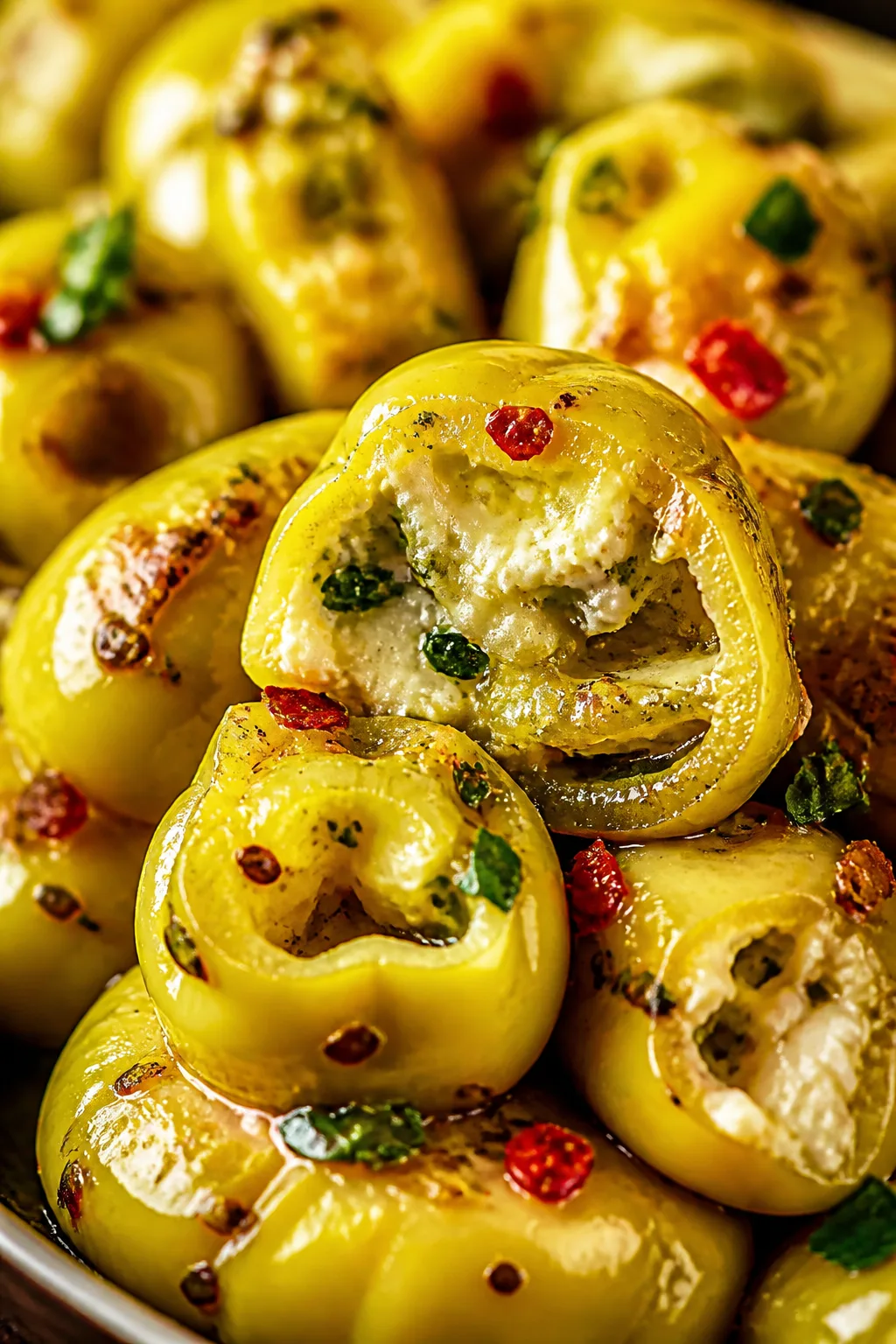
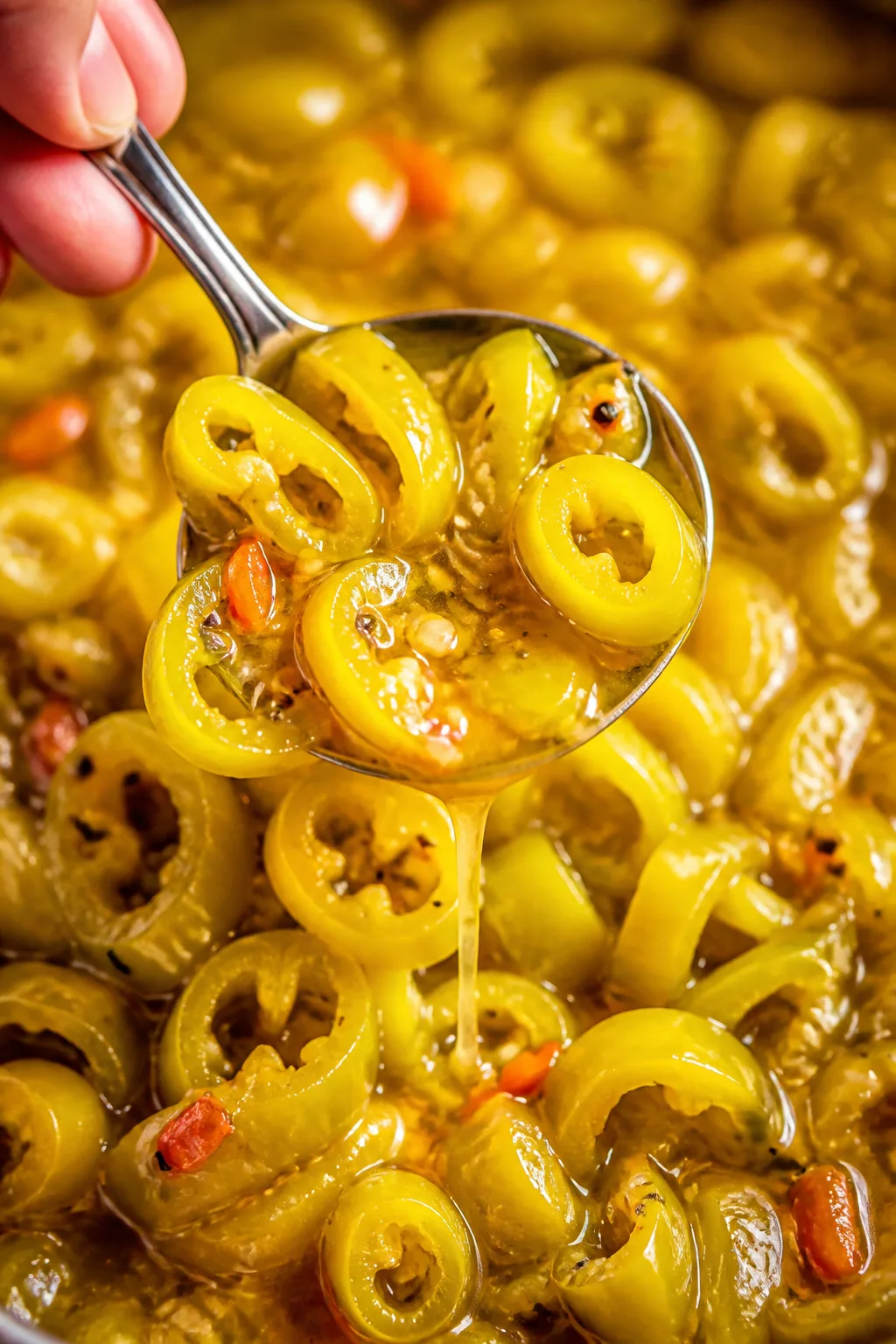
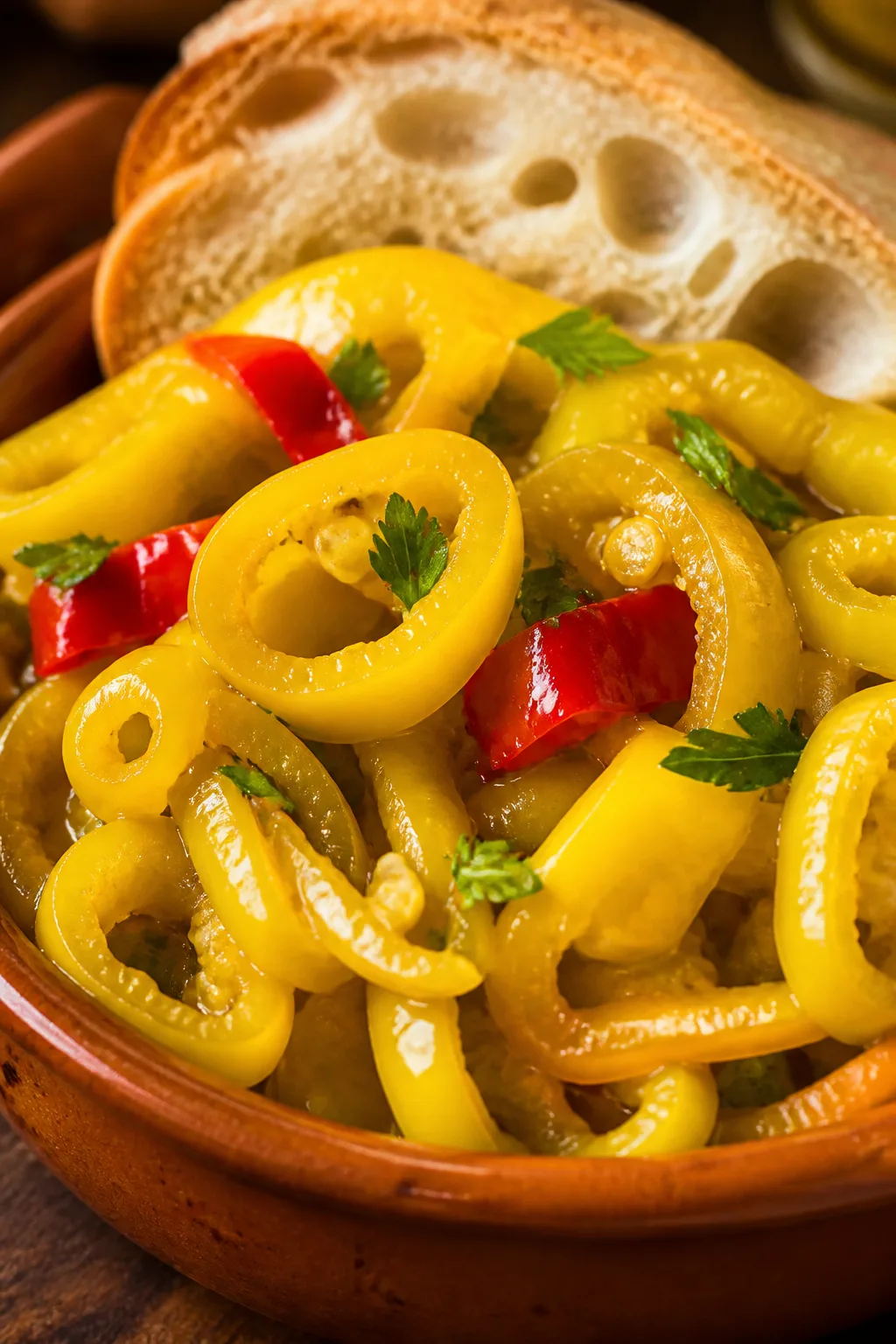
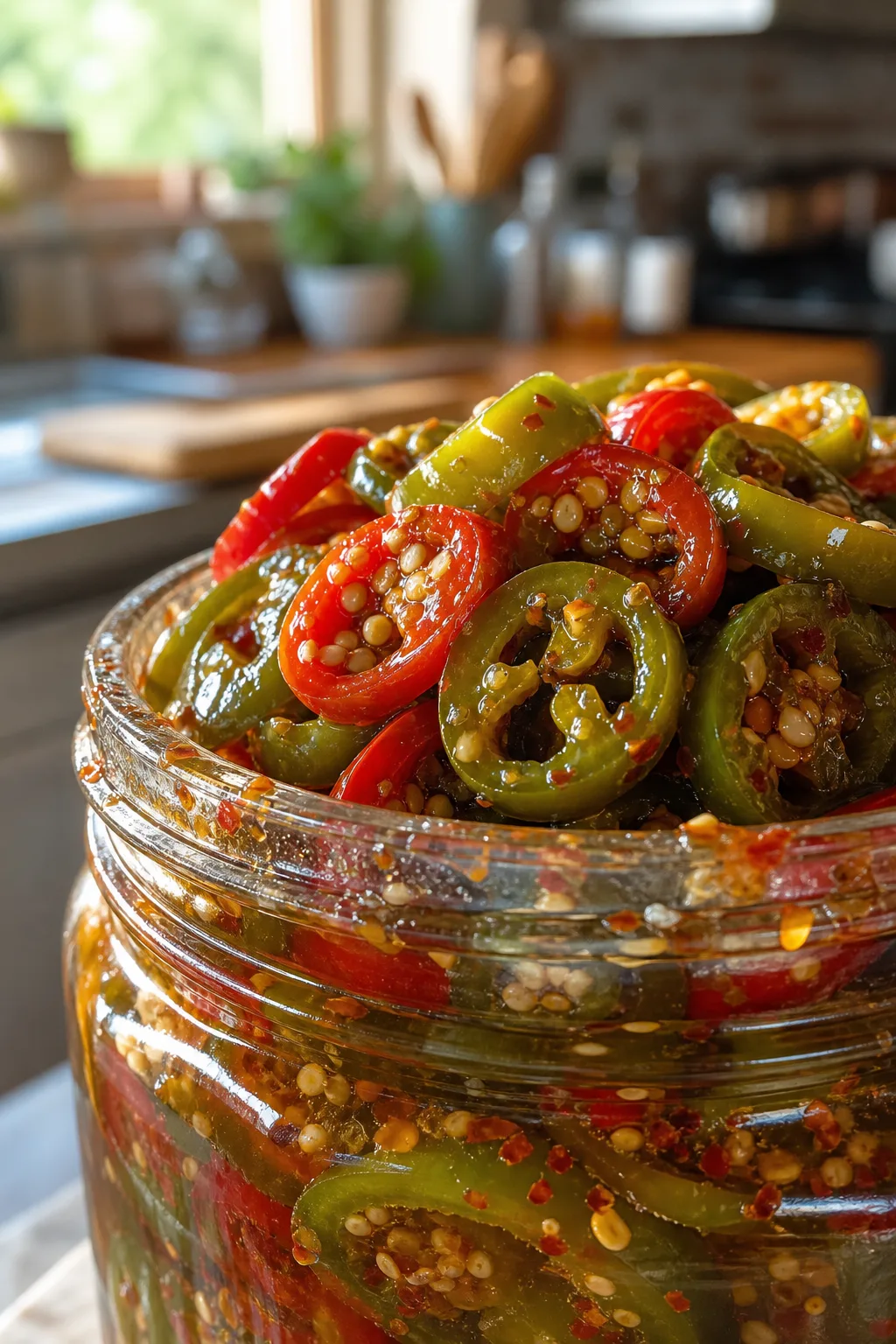
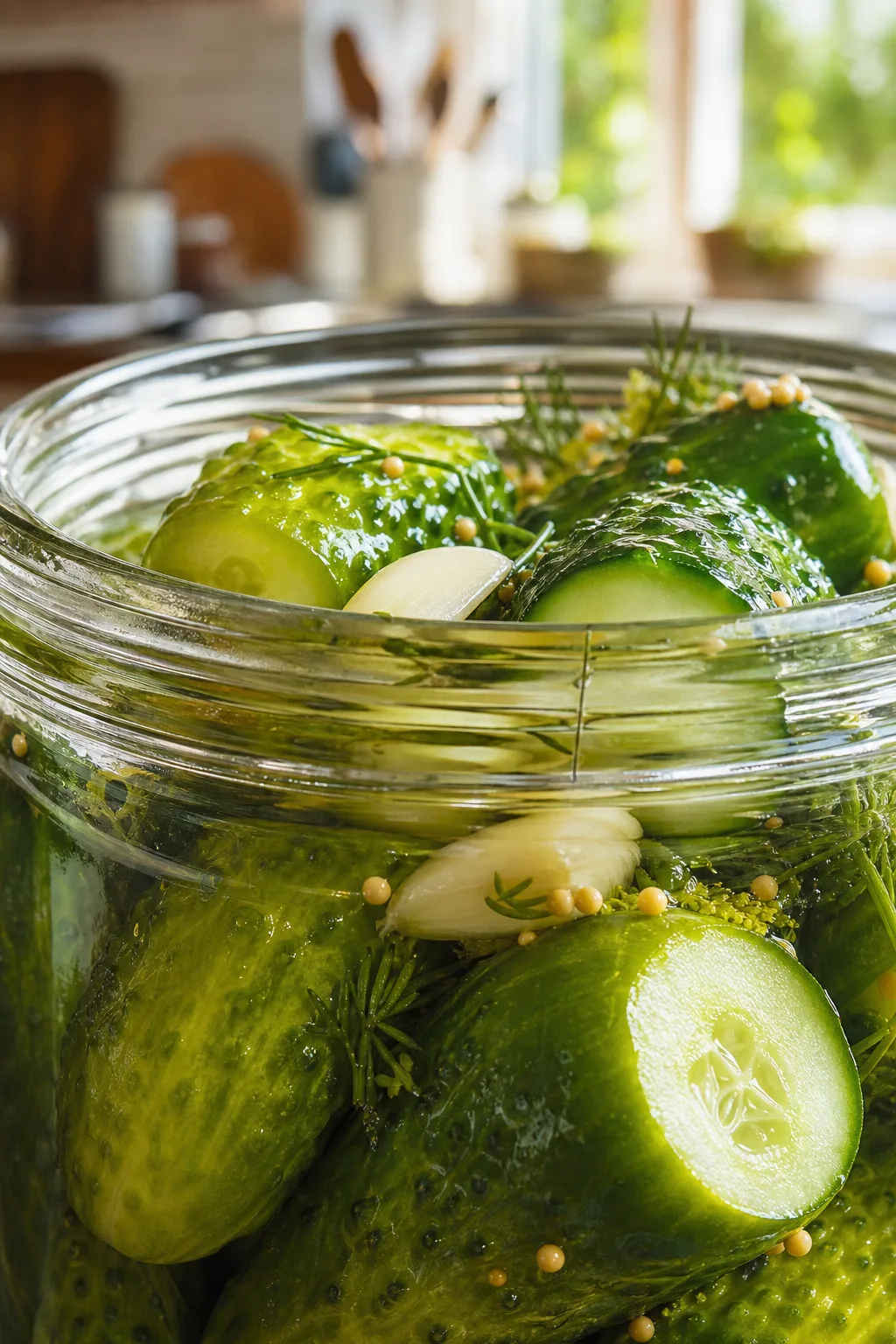
I love canning banana peppers because it locks in that fresh, tangy crunch you crave all year. This simple recipe uses just a handful of ingredients and is perfect for sprucing up sandwiches or salads anytime.
Introduction
I first started canning banana peppers a few years ago when I had a bumper crop from my garden. I wanted a way to enjoy their bright, tangy flavor long after the season ended. After a few trial runs, I found a simple recipe that really locks in that crisp texture and lively zing without being too vinegary or salty. What makes this version stand out is the balance of sugar and vinegar, which brings out the peppers’ natural sweetness while keeping that satisfying bite. Plus, I add just a touch of mustard seeds and peppercorns to give it a subtle depth of flavor. The trick I learned was to slice the peppers uniformly so they pack neatly and pickle evenly in the jars. The finished product tastes fresh and vibrant — perfect for tossing into sandwiches, salads, or even as a tangy snack. Honestly, it’s become a staple in my fridge, and friends always ask me for a jar when they visit. I think you’ll love how easy it is to make and how it brightens up even the simplest meals.
What You'll Need
Approximately 4 pint jars, 4 servings
- 4 cups banana peppers, sliced into rings
- 2 cups white vinegar (5% acidity)
- 2 cups water
- 3 tablespoons sugar
- 2 tablespoons kosher salt
- 4 cloves garlic, peeled and smashed
- 1 teaspoon mustard seeds
- 1 teaspoon black peppercorns
- 1/2 teaspoon crushed red pepper flakes (optional)
How To Do It
Step 1
Start by washing your banana peppers thoroughly. Slice them into uniform rings about 1/4 inch thick; this ensures they pickle evenly and fit nicely in your jars. Uniform slices also help prevent any pieces from becoming mushy while others remain crunchy. Avoid slicing too thinly, or the peppers might lose their texture during pickling.
⏱ Time: 10
✓ Doneness: Peppers are evenly sliced and ready to pack tightly in jars without gaps.
Step 2
In a medium saucepan, combine the white vinegar, water, sugar, and kosher salt. Heat gently over medium until the sugar and salt dissolve completely. This pickling brine is the base that preserves your peppers, so dissolving these ingredients fully is crucial for consistent flavor and safe preservation.
⏱ Time: 10
✓ Doneness: Brine is clear and simmering gently, with no sugar or salt granules visible.
Step 3
Pack the sliced banana peppers tightly into sterilized pint jars, layering in the smashed garlic cloves, mustard seeds, black peppercorns, and optional red pepper flakes for a subtle kick. Packing tightly but without crushing helps keep the peppers crisp and ensures the spices infuse evenly.
⏱ Time: 5
✓ Doneness: Jars are filled leaving about 1/2-inch headspace at the top.
Step 4
Pour the hot brine over the peppers in each jar, making sure the peppers are fully submerged. Leave about 1/2 inch of headspace to allow for expansion during processing. Submerging the peppers fully is key to preventing spoilage and achieving that classic tangy pickle flavor.
⏱ Time: 5
✓ Doneness: Peppers are completely covered by brine with appropriate headspace.
Step 5
Remove air bubbles by running a non-metallic utensil around the inside of the jar. This step helps prevent trapped air pockets that can cause spoilage or uneven pickling. Wipe the rims clean with a damp cloth to ensure a good seal.
⏱ Time: 3
✓ Doneness: No visible air bubbles remain and jar rims are spotless.
Step 6
Place sterilized lids and rings on the jars and tighten finger-tight. Avoid overtightening, which can prevent air from escaping during processing and cause jars to break or seals to fail.
⏱ Time: 2
✓ Doneness: Lids are secure but not rigidly tightened.
Step 7
Process the jars in a boiling water bath for 10 minutes. Make sure water covers jars by at least 1 inch. This heat treatment kills bacteria and creates a vacuum seal, preserving your peppers safely for months. Adjust processing time if you’re at high altitude.
⏱ Time: 10
✓ Doneness: Water is boiling steadily and jars are fully submerged.
Step 8
Remove jars carefully and place them on a towel to cool undisturbed for 12-24 hours. You’ll hear the satisfying pop of lids sealing. Avoid moving jars during this time to ensure a proper vacuum seal forms.
⏱ Time: 15
✓ Doneness: Lids are concave and do not flex when pressed.
Step 9
Once cooled, check seals by pressing the center of each lid. Store sealed jars in a cool, dark place for at least a week before opening to allow flavors to develop fully. Refrigerate after opening and enjoy within a few weeks for best texture and taste.
⏱ Time: 5
✓ Doneness: Lids stay down when pressed and jars are stored properly.
Variations
Spicy Pickled Banana Peppers
Add 1 teaspoon of crushed red pepper flakes or a sliced jalapeño to the jars for extra heat. This variation gives your peppers a spicy kick that’s perfect for tacos or sandwiches.
Note: Be sure to adjust the amount of red pepper flakes to your heat tolerance and watch for increased fermentation activity.
Herbed Banana Peppers
Include fresh dill sprigs or oregano in each jar before filling with peppers and brine. The herbs add a fresh, aromatic note that complements the tanginess beautifully.
Note: Use fresh herbs for best flavor; dried herbs may require longer infusion time.
Garlic-Heavy Pickled Peppers
Double the garlic cloves for a bolder, pungent flavor. Great for garlic lovers who want a strong punch in every bite.
Note: Extra garlic can overpower if left too long; consume within a few months for best taste.
Sweet Pickled Banana Peppers
Increase sugar to 1/4 cup for a noticeably sweeter pickle that pairs well with rich cheeses or charcuterie boards.
Note: Higher sugar slows fermentation and softens acidity; monitor flavor balance closely.
Quick Refrigerator Pickled Peppers
Skip the boiling water bath and store peppers in the fridge in the brine. They’ll be ready in 24 hours and last 2-3 weeks refrigerated, perfect for small batches.
Note: This method does not preserve long-term and must be kept cold to avoid spoilage.
Pro Tips
Slice peppers uniformly to ensure even pickling and texture.
When slices vary in thickness, thinner pieces tend to become mushy while thicker ones remain under-pickled. Uniform slices allow the brine to penetrate evenly, resulting in consistent flavor and crispness throughout.
Use sterilized jars and lids for safe preservation.
Sterilizing removes bacteria and yeast that could spoil your pickles. Without proper sterilization, jars may develop mold or off-flavors, and seals might fail, ruining your batch.
Don’t overtighten jar lids before processing.
Lids need to be finger-tight to allow air to escape during the boiling water bath. Over-tightening can trap air, causing jar breakage or improper seals, which compromises safety and shelf life.
Allow a resting period of at least one week before opening.
This resting time lets the peppers absorb the brine and spices fully, developing deeper, balanced flavors. Opening too soon means the taste might be one-dimensional or bland.
Add crushed red pepper flakes for a subtle heat boost.
The flakes infuse slowly during pickling, adding complexity without overwhelming the natural pepper flavor. Skip if you prefer a milder pickle, but it’s a great way to customize your batch.
Use a non-metallic utensil to remove air bubbles before sealing.
Trapped air pockets can lead to uneven pickling and spoilage. Running a plastic or wooden utensil inside the jar releases bubbles without scratching the glass or contaminating the brine.
Store sealed jars in a cool, dark place for best quality.
Light and heat degrade the quality of canned goods over time, causing the peppers to lose color and flavor. A dark pantry or cellar preserves freshness and extends shelf life.
Common Mistakes to Avoid
Using vinegar with less than 5% acidity
Why it happens People sometimes substitute flavored or weaker vinegar thinking it won’t affect the recipe much, but acidity is critical for safe preservation.
Fix Always use vinegar labeled 5% acidity to ensure the right pH level. This prevents harmful bacteria growth and guarantees your peppers stay safe and tasty.
Overfilling jars without leaving headspace
Why it happens It’s tempting to pack jars fully, but not leaving space can cause jars to overflow or fail to seal properly during processing.
Fix Leave about 1/2 inch headspace to allow for expansion and vacuum sealing during the water bath.
Skipping the boiling water bath processing step
Why it happens Some assume pouring hot brine is enough, but this step sterilizes and seals jars, essential for shelf stability.
Fix Always process jars in boiling water for the recommended time to kill bacteria and create a vacuum seal.
Not removing air bubbles before sealing
Why it happens Air bubbles can be overlooked, but they trap oxygen that leads to spoilage or uneven pickling.
Fix Use a non-metallic utensil to gently release bubbles before placing lids.
Using overripe or soft peppers
Why it happens Using peppers past their prime results in mushy pickles with poor texture.
Fix Select firm, fresh banana peppers for the best crunch and flavor.
Nutrition
Per Serving:
Nutritional values are estimates and may vary based on specific ingredients used.
Storage & Tips
Room Temperature
Once sealed, jars can safely keep at room temperature for up to one year if stored in a cool, dark place. Always check seals before use. If opened, keep refrigerated and consume within a few weeks.
Refrigerator
After opening, store in an airtight container or keep the original jar tightly closed. Refrigerated pickled peppers maintain best quality for up to 3 weeks. Texture may soften slightly but flavor remains vibrant.
Freezer
Freezing is not recommended as it negatively affects texture, making peppers mushy upon thawing. It’s best to enjoy fresh or canned peppers within their shelf life.
Reheating
These peppers are typically served cold or at room temperature. If using in cooked dishes, add them near the end of cooking to preserve their crunch and tang.
Make Ahead
You can prepare and pack jars up to a day ahead before processing. Keep packed jars refrigerated overnight, then proceed with the boiling water bath the next day for best safety and flavor.
FAQ
Can I use apple cider vinegar instead of white vinegar?
You can substitute apple cider vinegar as long as it has 5% acidity to ensure safe preservation. It will impart a slightly different, fruitier flavor compared to the clean taste of white vinegar.
Why are my pickled peppers soft instead of crisp?
Also, avoid skipping the salt or vinegar amounts, as they help preserve texture by strengthening cell walls.
How long do canned banana peppers last unopened?
Properly processed and sealed jars can last up to one year stored in a cool, dark place. Always check for any signs of spoilage like bulging lids or off smells before consumption.
Can I reuse jars and lids for canning?
Reusing old lids risks seal failure and spoilage.
What if my jars didn’t seal properly after processing?
Never consume unsealed jars stored at room temperature due to safety risks.
Is it necessary to add sugar to the pickling brine?
You can adjust sugar to taste but keep salt and vinegar consistent for safety.
Can I use fresh herbs in the pickling jars?
Add herbs before filling jars with peppers and brine for best infusion.
Should I refrigerate the jars after processing?
No need to refrigerate sealed jars after processing if stored properly in a cool, dark place. Once opened, refrigerate and consume within 3 weeks for best quality.
Final Thoughts
I hope you enjoy making these canned banana peppers as much as I do! They’re a simple way to add bright, tangy flavor to your meals all year long. Don’t forget to share your results!