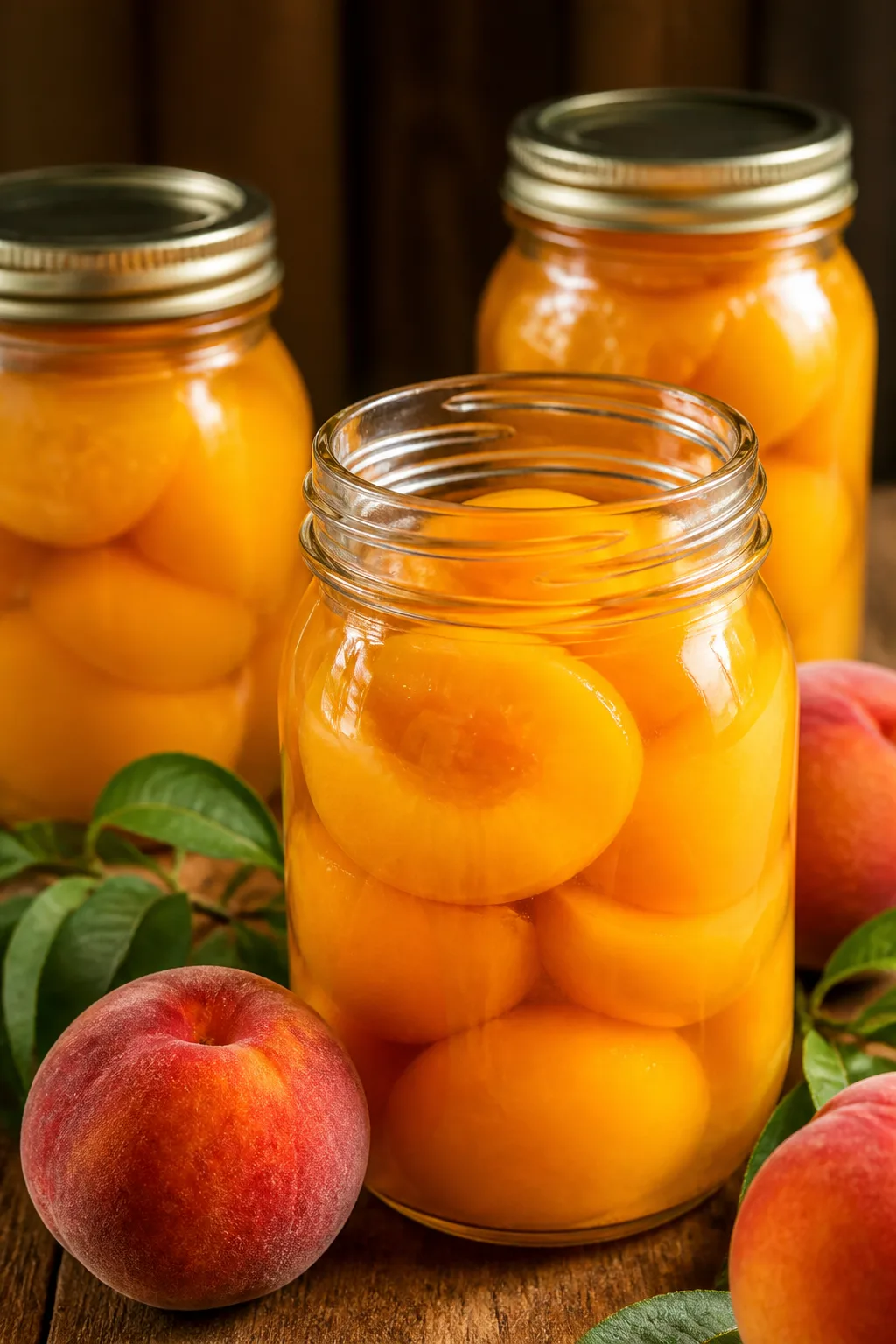
I love preserving peaches when they're at their sweetest in the summer. This easy canning method keeps that fresh juicy flavor locked in, perfect for desserts or gifts through the colder months.
Introduction
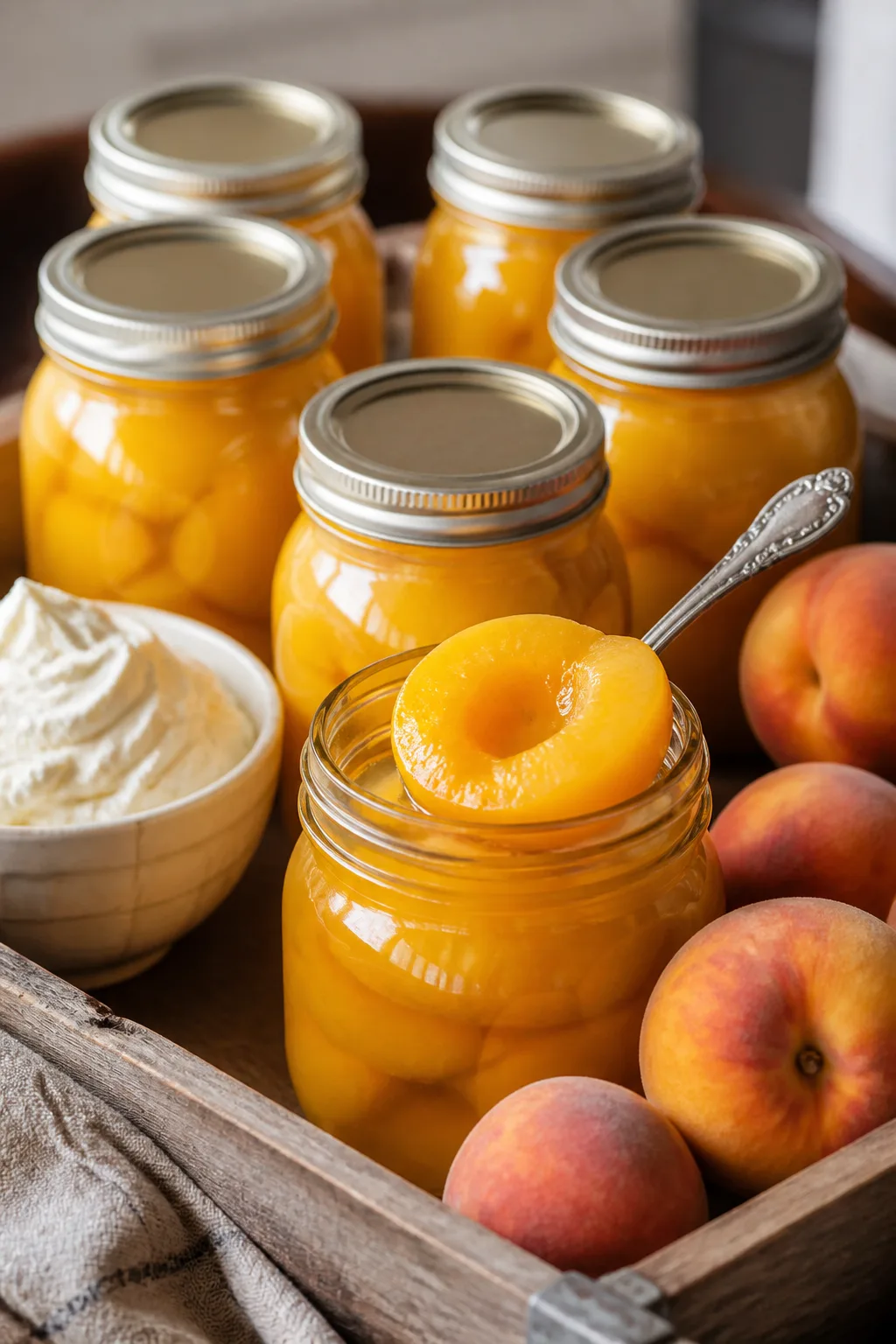
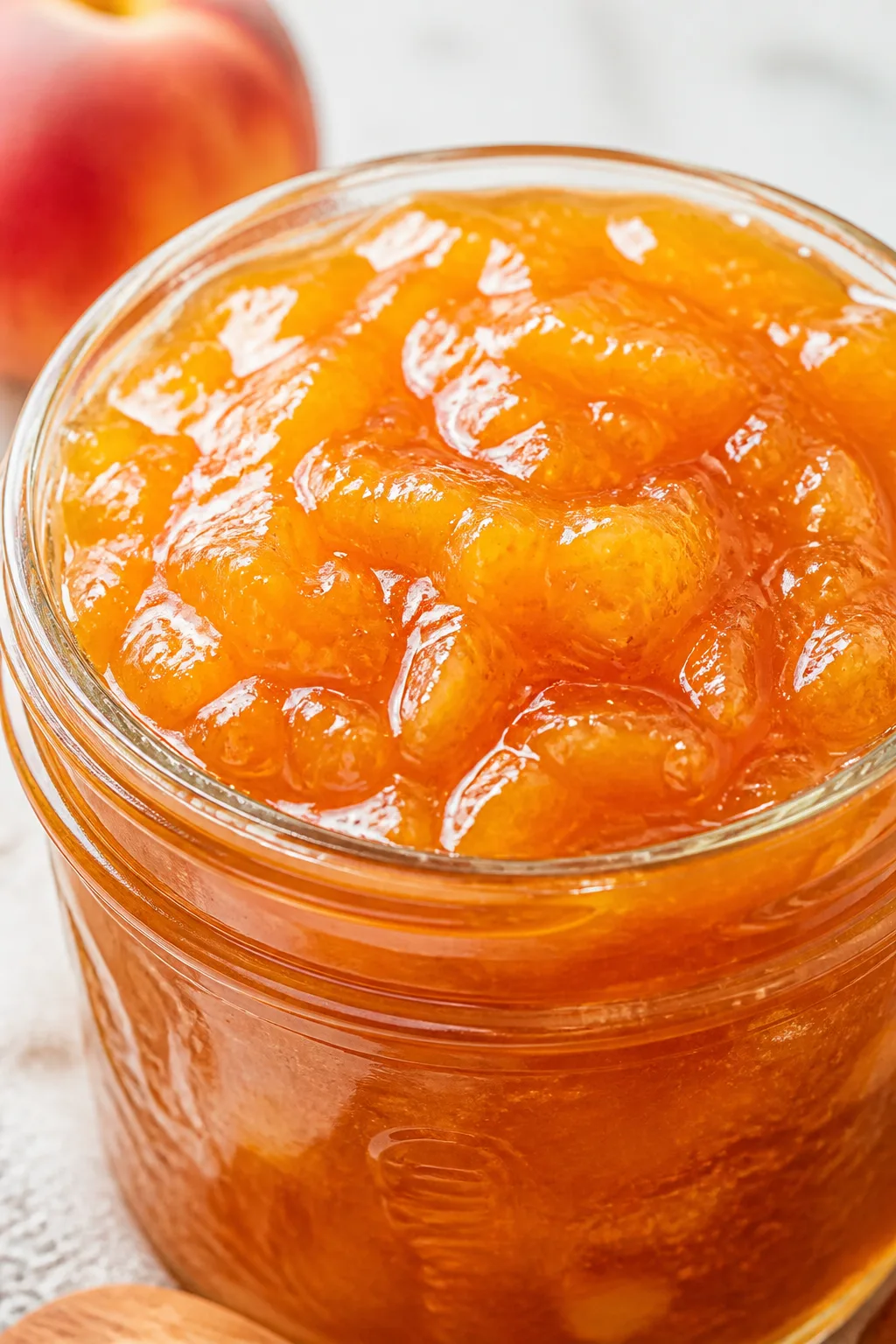
I first started making peach preserves a few summers ago when I had an overload of peaches from my local farmer's market. I wanted a simple way to enjoy that fresh, juicy flavor all year long without complicated steps or added preservatives. What makes this recipe special is how it balances the natural sweetness of the peaches with just the right amount of sugar and lemon juice to brighten the flavor. Plus, I use a gentle simmering technique that helps the fruit soften perfectly without turning into a jammy mess. I’ve had my share of failed preserves—sometimes too runny or too tart—but this method finally gave me that perfect texture and vibrant peach taste. The finished preserves have a lovely, slightly chunky consistency that’s great on toast, stirred into yogurt, or spooned over ice cream. Plus, they make thoughtful gifts that always get rave reviews. I promise you'll feel like you’re biting into summer no matter the season!
What You'll Need
Approximately 6 half-pint jars
- 4 pounds fresh ripe peaches, peeled and sliced
- 2 cups granulated sugar
- 1/4 cup fresh lemon juice
- 1/2 cup water
- 1 teaspoon vanilla extract (optional)
How To Do It
Step 1
Start by peeling your peaches. The easiest way is to blanch them in boiling water for about 30 seconds, then immediately plunge them into ice water. This loosens the skin so it slips off easily without wasting any fruit. Peeling ensures a smooth texture in your preserves and prevents any bitter skin bits from ruining the flavor.
⏱ Time: 10 minutes
✓ Doneness: Peach skins should slide off easily, leaving bright, intact peach slices.
Step 2
Slice the peeled peaches into even pieces, about 1/2 inch thick. Uniform slices cook evenly and help maintain a pleasant texture once preserved. Avoid cutting too thin, as the fruit might break down too much during cooking.
⏱ Time: 5 minutes
✓ Doneness: Slices are consistent in size and look fresh and juicy.
Step 3
Combine the sliced peaches, sugar, lemon juice, and water in a large pot. The sugar draws out the juices and sweetens the preserves, while the lemon juice adds brightness and helps prevent the peaches from browning. Stir gently to combine without mashing the fruit.
⏱ Time: 5 minutes
✓ Doneness: Mixture looks glossy and the sugar begins to dissolve.
Step 4
Bring the peach mixture to a gentle boil over medium heat. Once boiling, reduce heat to low and let it simmer uncovered. Stir occasionally to prevent sticking, but carefully so the peaches keep their shape. This slow simmer helps thicken the preserves naturally without added pectin.
⏱ Time: 20 minutes
✓ Doneness: The mixture thickens slightly and peaches look tender but still hold shape.
Step 5
Add vanilla extract (optional) in the last 5 minutes of simmering for a subtle warm flavor. This step is optional but adds a lovely depth to the preserves that pairs well with many desserts.
⏱ Time: 5 minutes
✓ Doneness: A sweet, fragrant aroma fills the kitchen.
Step 6
Sterilize your jars and lids by boiling them in water for 10 minutes. Proper sterilization is crucial to prevent mold and bacteria, ensuring your preserves stay safe and fresh for months.
⏱ Time: 10 minutes
✓ Doneness: Jars and lids are hot and free of any residue.
Step 7
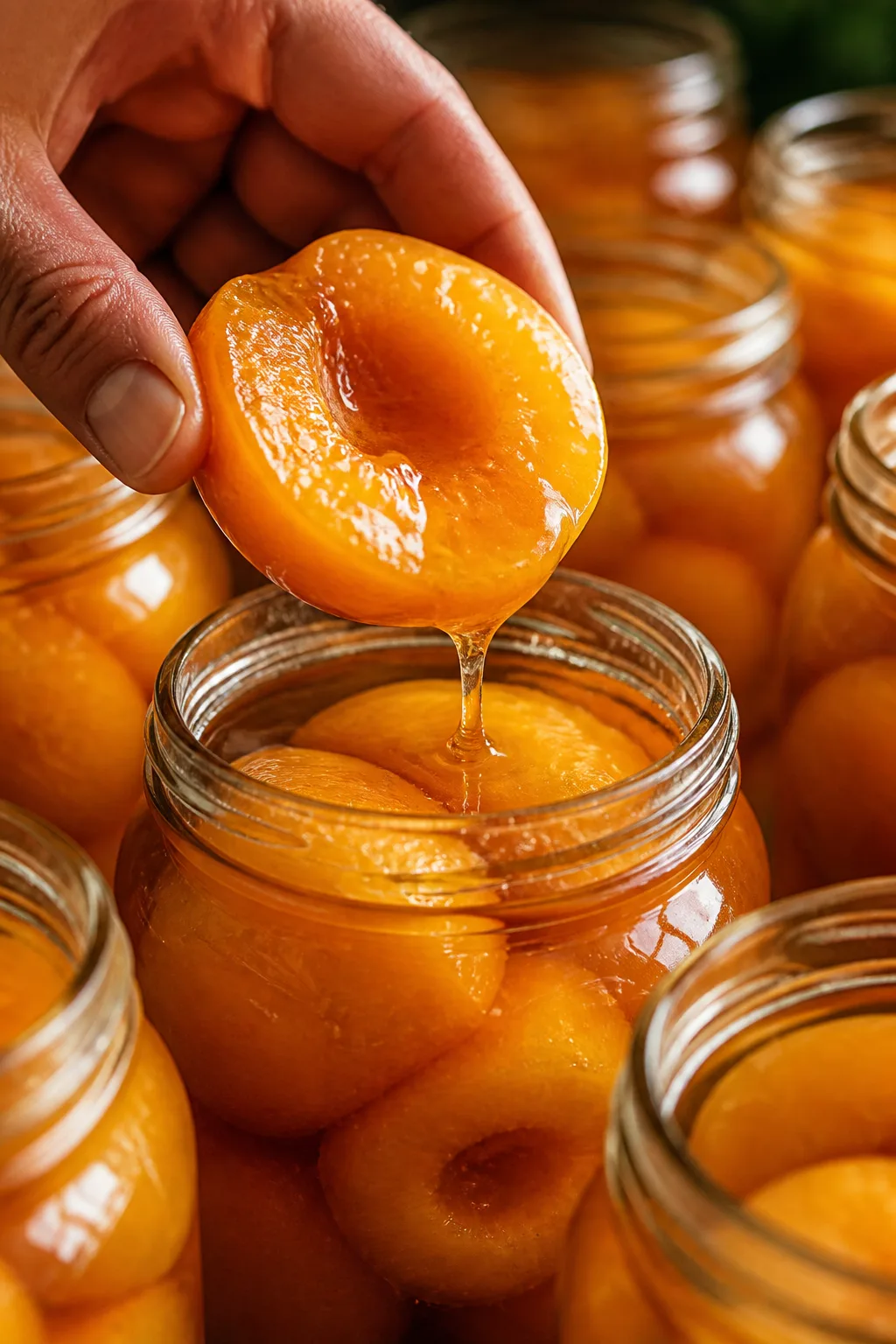
Ladle the hot peach preserves into the sterilized jars, leaving about 1/4 inch headspace at the top. Wipe jar rims clean with a damp cloth to ensure a good seal before placing the lids on.
⏱ Time: 10 minutes
✓ Doneness: Jars are filled neatly with no spills on rims.
Step 8
Process the filled jars in a boiling water bath for 15 minutes. This step seals the jars and helps preserve the peaches safely. Make sure water covers jars by at least an inch and maintain a gentle boil throughout.
⏱ Time: 15 minutes
✓ Doneness: Jars seal with lids that pop down and do not flex when pressed.
Step 9
Remove jars and let them cool undisturbed for 12-24 hours. Check seals once cooled. Store in a cool, dark place and wait at least a week before opening to allow flavors to develop fully.
⏱ Time: 12-24 hours
✓ Doneness: Lids remain sealed and preserves have a consistent texture.
Variations
Spiced Peach Preserves
Add a cinnamon stick and a few cloves during simmering for a warm, cozy twist on classic peach preserves. The spices complement the sweetness and make it perfect for fall gifts or holiday breakfasts.
Note: Remove whole spices before canning to avoid overpowering flavor and maintain smooth texture.
Peach and Ginger Preserves
Grate fresh ginger into the peach mixture for a spicy kick that balances sweetness. Great for pairing with cheese or adding zing to desserts.
Note: Use about 1 tablespoon fresh grated ginger and simmer gently to infuse flavor evenly.
Low Sugar Peach Preserves
Reduce sugar by half and add a natural pectin powder to maintain thickness. This version lets the peach flavor shine with less sweetness, ideal for those watching sugar intake.
Note: Adjust cooking time slightly to compensate for less sugar and ensure proper gel set.
Peach and Vanilla Bean Preserves
Split a vanilla bean pod and simmer it with the peaches for a richer, more aromatic preserve. The seeds add a pretty speckled look and deep vanilla flavor.
Note: Remove the pod before canning to avoid bitterness but keep the seeds.
Peach and Lavender Preserves
Add a teaspoon of dried culinary lavender buds during simmering for a floral, delicate flavor. Works beautifully on scones or toast for a fancy brunch treat.
Note: Strain out lavender buds before canning to prevent gritty texture.
Pro Tips
Use a large, heavy-bottomed pot to simmer your preserves.
A heavy-bottomed pot distributes heat evenly and prevents hot spots that can scorch the fruit mixture. Scorching ruins flavor and can cause your preserves to taste burnt or bitter, so this helps maintain a clean, fresh peach taste.
Don’t rush the simmering process; low and slow wins here.
Simmering gently allows the peaches to soften evenly and the syrup to thicken naturally without breaking down the fruit too much. Rushing with high heat breaks down texture and can cause separation, ruining the preserve’s consistency.
Always sterilize your jars and lids before filling.
Sterilization kills any bacteria or mold spores that could cause your preserves to spoil. Skipping this step risks contamination that shortens shelf life or causes foodborne illness. It’s a simple safety step that’s essential for successful canning.
Leave headspace when filling jars to allow expansion.
The preserves expand slightly as they cool and seal. Leaving about 1/4 inch space prevents overflow and ensures a proper vacuum seal forms. Too little space can cause jars to break or seals to fail.
Use fresh lemon juice for best acidity and flavor.
Fresh lemon juice contains natural acids that brighten flavor and help pectin gel form properly. Bottled juice often contains preservatives that can dull flavor or interfere with thickening, impacting texture and taste.
Test your seal before storing by pressing the lid center.
A properly sealed jar lid won’t flex or pop back when pressed. This confirms a vacuum seal that keeps air and bacteria out. If the lid moves, refrigerate and use the preserve quickly or reprocess.
Let preserves rest for at least a week before opening.
This resting period lets flavors meld and the syrup thicken further, improving taste and texture. Opening too soon means you miss out on the full depth of flavor development.
Common Mistakes to Avoid
Skipping the peeling step
Why it happens Some cooks assume the peach skin is fine to leave on to save time, but it can add bitterness and uneven texture.
Fix Blanch and peel peaches before cooking. This prevents skin bits from affecting texture and flavor, ensuring smooth, sweet preserves.
Using overripe or underripe peaches
Why it happens It's tempting to use all peaches on hand, but texture and flavor vary widely with ripeness.
Fix Choose peaches that are ripe but still firm. Overripe peaches turn mushy and watery; underripe lack sweetness and flavor.
Boiling too hard or too fast
Why it happens In a rush, cooks crank up heat, which breaks down fruit too quickly.
Fix Simmer gently to preserve texture and develop flavor. High heat ruins the preserves’ consistency.
Not sterilizing jars properly
Why it happens Some think hot water rinse is enough, but bacteria can survive.
Fix Boil jars and lids for at least 10 minutes before filling to ensure safety and shelf stability.
Not leaving enough headspace in jars
Why it happens Inexperience or hurried filling can lead to overfilled jars.
Fix Leave about 1/4 inch space to allow for expansion and proper sealing.
Nutrition
Per Serving:
Nutritional values are estimates and may vary based on specific ingredients used.
Storage & Tips
Room Temperature
Store sealed jars in a cool, dark place away from sunlight. Preserves can safely keep at room temperature for up to one year. Once opened, consume within 2 weeks and refrigerate.
Refrigerator
Keep opened jars tightly sealed in the fridge for up to 2 weeks. Flavor and texture remain good cold, but warming slightly enhances spreadability.
Freezer
You can freeze peach preserves in airtight containers for up to 6 months. Use freezer-safe jars or bags, leaving headspace for expansion. Thaw in the fridge overnight and stir gently before serving.
Reheating
Warm preserves gently in a saucepan over low heat if you want a looser consistency. Avoid boiling to preserve fresh flavor. Add a splash of water if too thick.
Make Ahead
Prepare and can preserves up to 2 months ahead. Store unopened jars in a pantry. For gifts, decorate jars the day of giving to keep them fresh and beautiful.
FAQ
Can I use frozen peaches for this recipe?
Frozen peaches can be used but they tend to be softer and release more water, which may result in thinner preserves. If using frozen, thaw and drain excess juice before cooking, and consider reducing added water.
How do I know if my jars sealed properly?
After cooling, press the center of each lid. If it doesn’t pop back or move, the jar is sealed. If it flexes, the jar isn’t sealed and should be refrigerated and used quickly or reprocessed.
Can I add pectin to make thicker preserves?
Yes, adding commercial pectin can help achieve a firmer set. Follow package instructions and reduce cooking time slightly to avoid over-thickening or a jelly-like texture.
How long do homemade peach preserves last?
Unopened, properly canned preserves last up to a year stored in a cool, dark place. Once opened, consume within 2 weeks refrigerated for best quality and safety.
What can I substitute for lemon juice?
If you don’t have lemon juice, use a mild vinegar like white wine vinegar, but reduce quantity to avoid overpowering acidity. Fresh lime juice can also work but will alter flavor slightly.
Why did my preserves turn out too runny?
Runny preserves usually result from insufficient cooking time, too much water, or underripe peaches with low natural pectin. Simmer longer to thicken or add pectin next time for better gel.
Is it safe to use any type of sugar?
White granulated sugar is best for preservation and flavor. Brown sugar or honey can be used but will change color and taste and may affect shelf life slightly.
Can I make these preserves without canning?
Yes, you can store peach preserves in the fridge for up to 3 weeks without canning. For longer storage, freezing is recommended. Canning is best for shelf stability.
Final Thoughts
I hope you enjoy making and sharing these peach preserves as much as I do. Don’t forget to tell me how your jars turn out—I love hearing your stories!