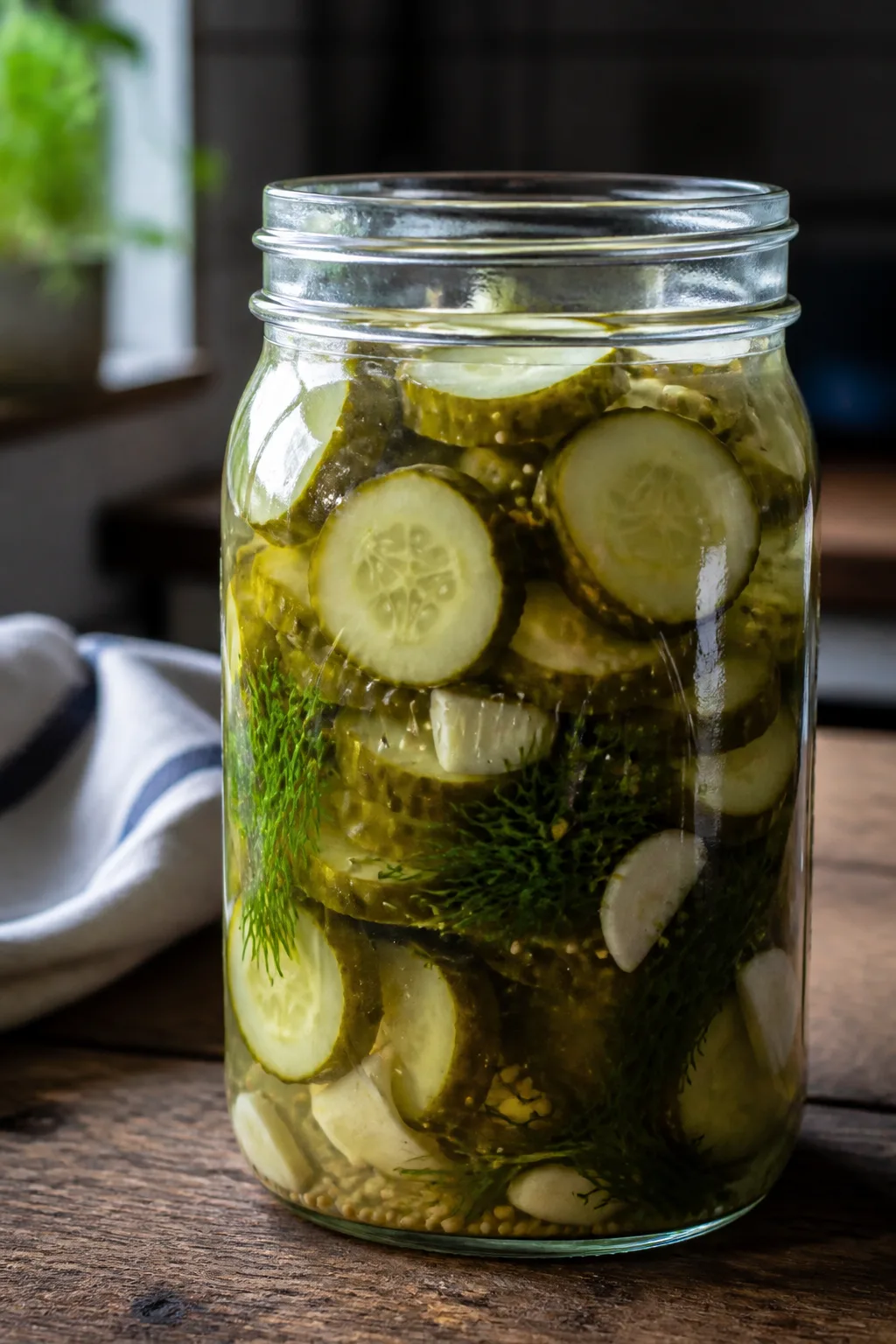
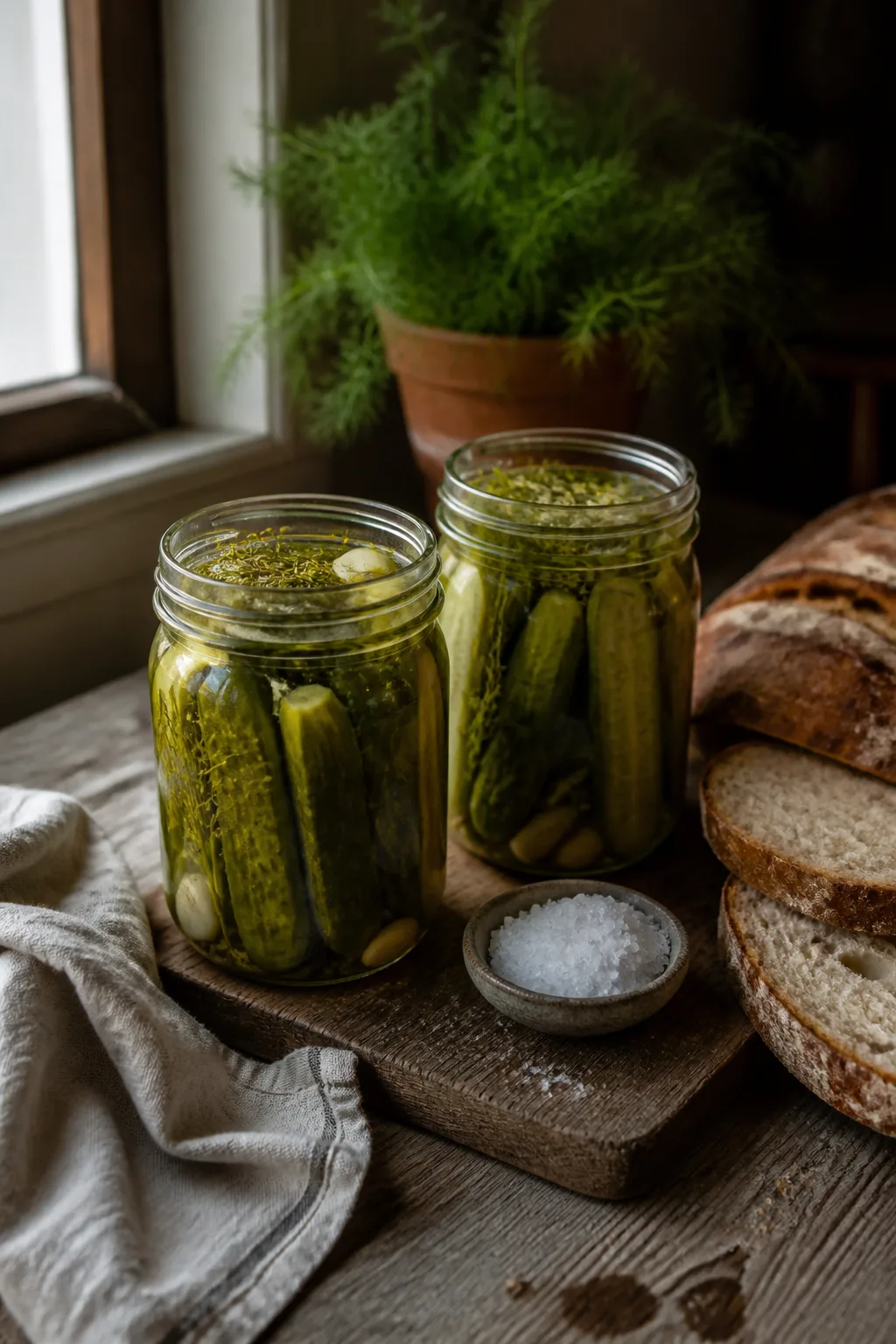
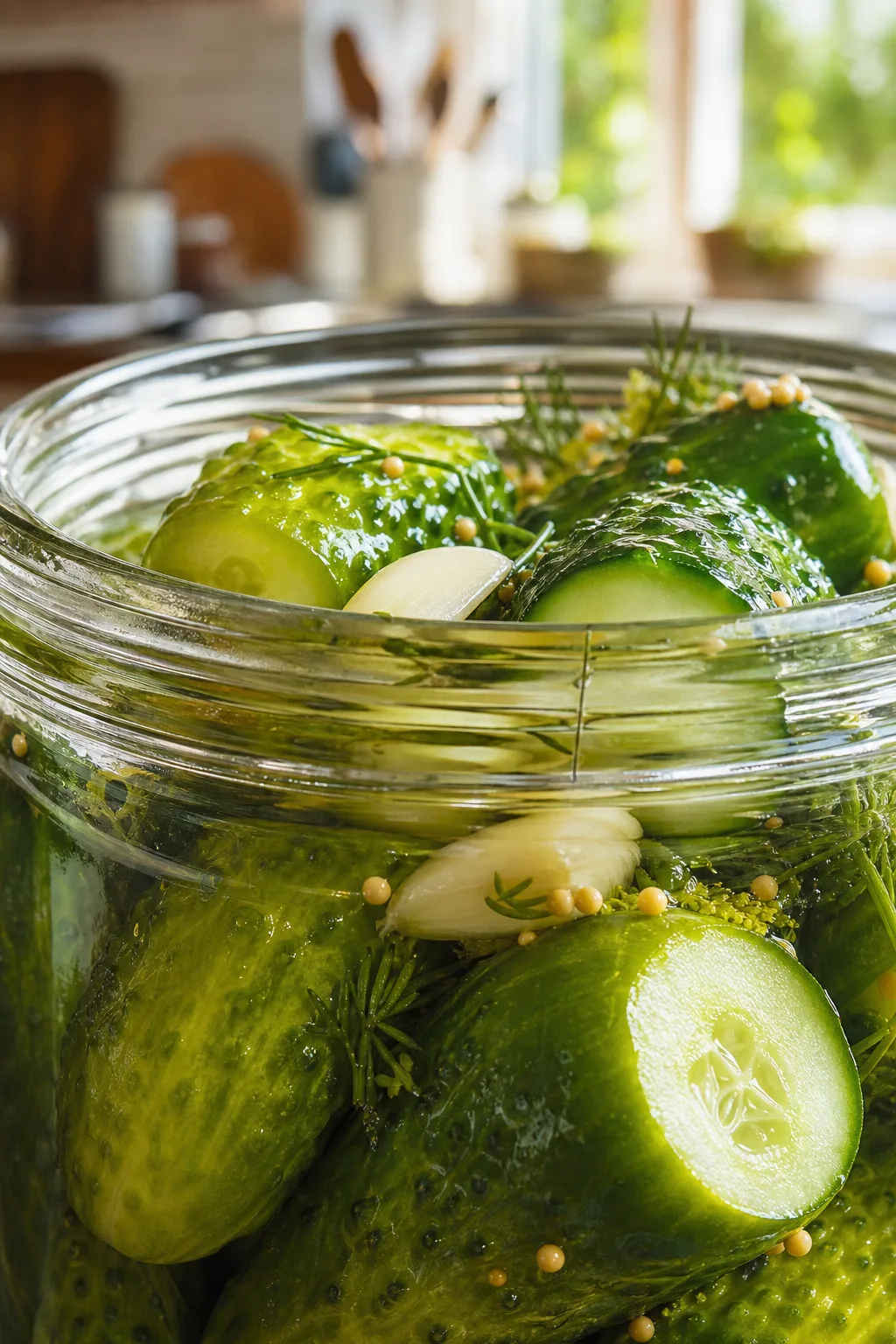
These homemade canning pickles are delightfully crisp and tangy, perfect for snacking or sharing. The fresh dill and simple brine give them that classic zing. Great for summer harvest or anytime you crave a crunchy treat!
Introduction
I first tried canning pickles a few summers ago when my garden was overflowing with cucumbers. I quickly realized that homemade pickles taste so much better than store-bought — they have this fresh crunch and brightness that you just can't get from mass-produced jars. This recipe is my go-to because it’s super simple but yields perfectly crisp, tangy pickles every time. The trick I learned was to use fresh dill and a basic vinegar brine with just the right amount of salt to balance the flavors. I used to rush the process and ended up with soggy pickles, but letting the jars sit sealed and cool properly makes all the difference. These pickles come out with that classic dill punch and satisfying snap, perfect for snacking, sandwiches, or gifting to friends. Plus, they’re so easy to make that you’ll want to keep a batch on hand all summer long.
What You'll Need
Approximately 4 quart jars, 8 servings
- 8 cups fresh cucumbers, sliced or whole small pickling cucumbers
- 4 cups water
- 4 cups white vinegar (5% acidity)
- 1/4 cup kosher salt
- 4 cloves garlic, peeled
- 4 sprigs fresh dill
- 2 teaspoons pickling spice
How To Do It
Step 1
Start by washing your cucumbers thoroughly to remove any dirt or debris. If you’re using larger cucumbers, slice them into spears or rounds depending on your preference. Small pickling cucumbers can be left whole. This step is crucial to ensure your pickles are clean and ready to absorb the brine evenly. Avoid using cucumbers that are overripe or have soft spots, as they can make the final pickles mushy.
⏱ Time: 10 minutes
✓ Doneness: Cucumbers are clean, dry, and uniformly cut or whole, free of blemishes.
Step 2
Prepare the brine by combining water, white vinegar, and kosher salt in a large pot. Heat the mixture gently, stirring until the salt fully dissolves. This balance of vinegar and salt is what preserves the cucumbers and gives them their characteristic tang. Don’t rush dissolving the salt, as uneven brine can affect flavor and preservation.
⏱ Time: 10 minutes
✓ Doneness: Brine is clear with no salt crystals visible, and gently steaming but not boiling.
Step 3
Place a garlic clove and a sprig of fresh dill inside each sterilized jar. These aromatics are key to infusing the pickles with that classic dill flavor. Make sure the jars are clean and sterilized to prevent spoilage. Using fresh dill rather than dried really brightens the taste.
⏱ Time: 5 minutes
✓ Doneness: Garlic and dill are visible at the bottom of each jar, evenly distributed.
Step 4
Pack the cucumbers tightly into the jars, leaving about half an inch of headspace at the top. Packing tightly helps keep the cucumbers submerged in the brine, which is essential for even pickling. Avoid crushing the cucumbers as that can release too much moisture and cause a softer texture.
⏱ Time: 10 minutes
✓ Doneness: Jars are filled firmly but cucumbers remain intact without bruising.
Step 5
Add about half a teaspoon of pickling spice to each jar for extra flavor complexity. This blend often contains mustard seeds, peppercorns, and coriander, adding a subtle warmth and spice to the pickles. Be careful not to overfill with spices, as it can overpower the dill and garlic.
⏱ Time: 5 minutes
✓ Doneness: Pickling spices are evenly distributed in each jar.
Step 6
Pour the hot brine over the cucumbers in each jar, covering them completely but leaving the recommended headspace. This step ensures the cucumbers are fully submerged, which prevents mold and encourages proper fermentation. Wipe the rims clean before sealing to ensure a tight seal.
⏱ Time: 5 minutes
✓ Doneness: Cucumbers are fully covered with brine; no air bubbles trapped.
Step 7
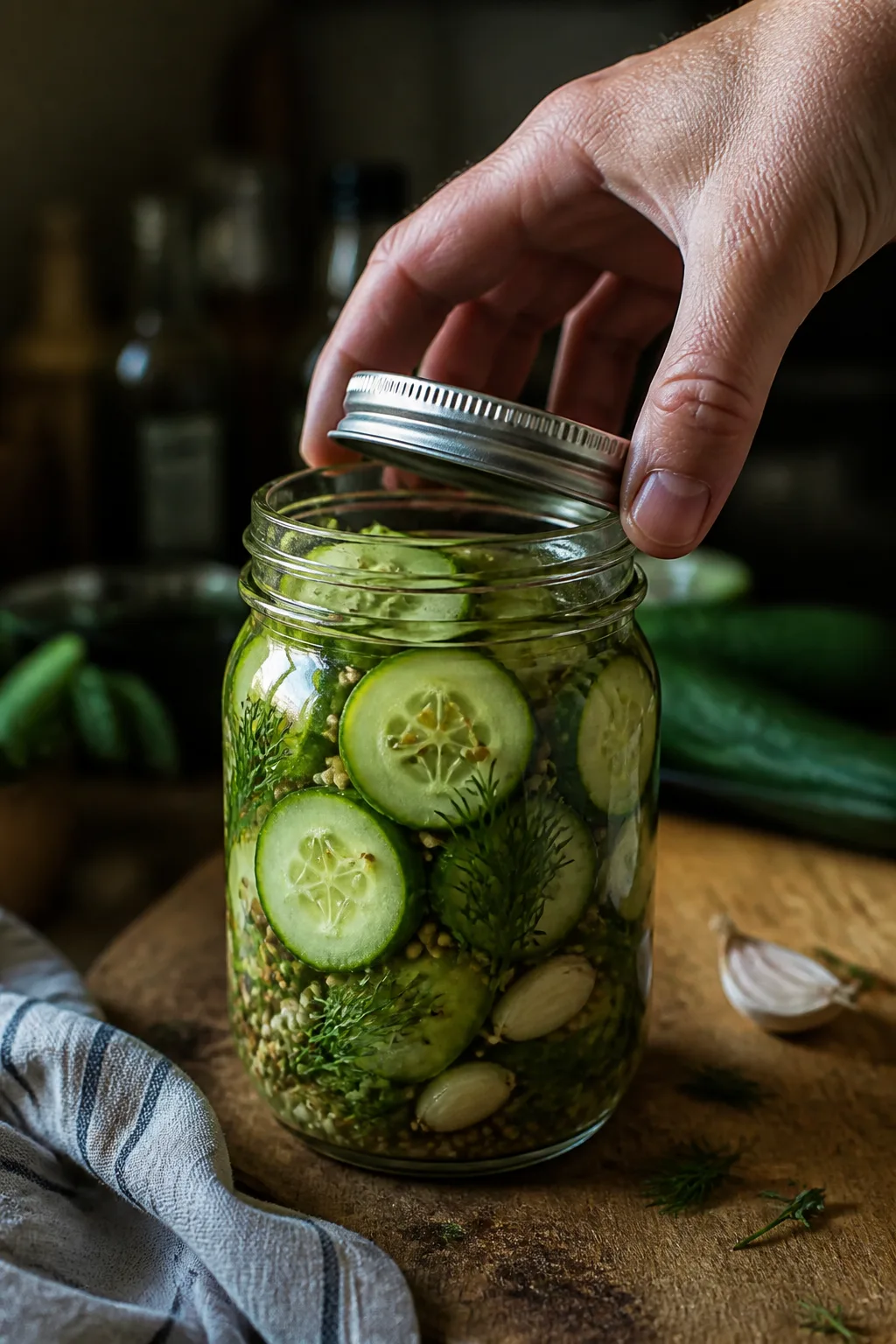
Seal the jars with sterilized lids and rings. Process them in a boiling water bath for 10-15 minutes to safely preserve the pickles. This step kills any bacteria and creates a vacuum seal, so your pickles last for months. Timing is important — underprocessing can cause spoilage, while overprocessing can soften the cucumbers.
⏱ Time: 15 minutes
✓ Doneness: Lids have sealed with a slight concave shape and don’t flex when pressed.
Step 8
Remove jars from the water bath and let them cool completely at room temperature. Don’t disturb them while cooling, or the seal might break. Cooling allows the pickles to develop their full flavor and texture as the brine penetrates the cucumbers.
⏱ Time: 30 minutes
✓ Doneness: Jars are cool to the touch and lids are fully sealed.
Step 9
Store your pickles in a cool, dark place for at least one week before opening to allow flavors to meld. The longer they sit, the more flavorful and tangy they become. Once opened, keep them refrigerated and enjoy within a month for best texture and taste.
⏱ Time: 7 days minimum
✓ Doneness: Pickles taste tangy and crisp with a balanced dill flavor.
Variations
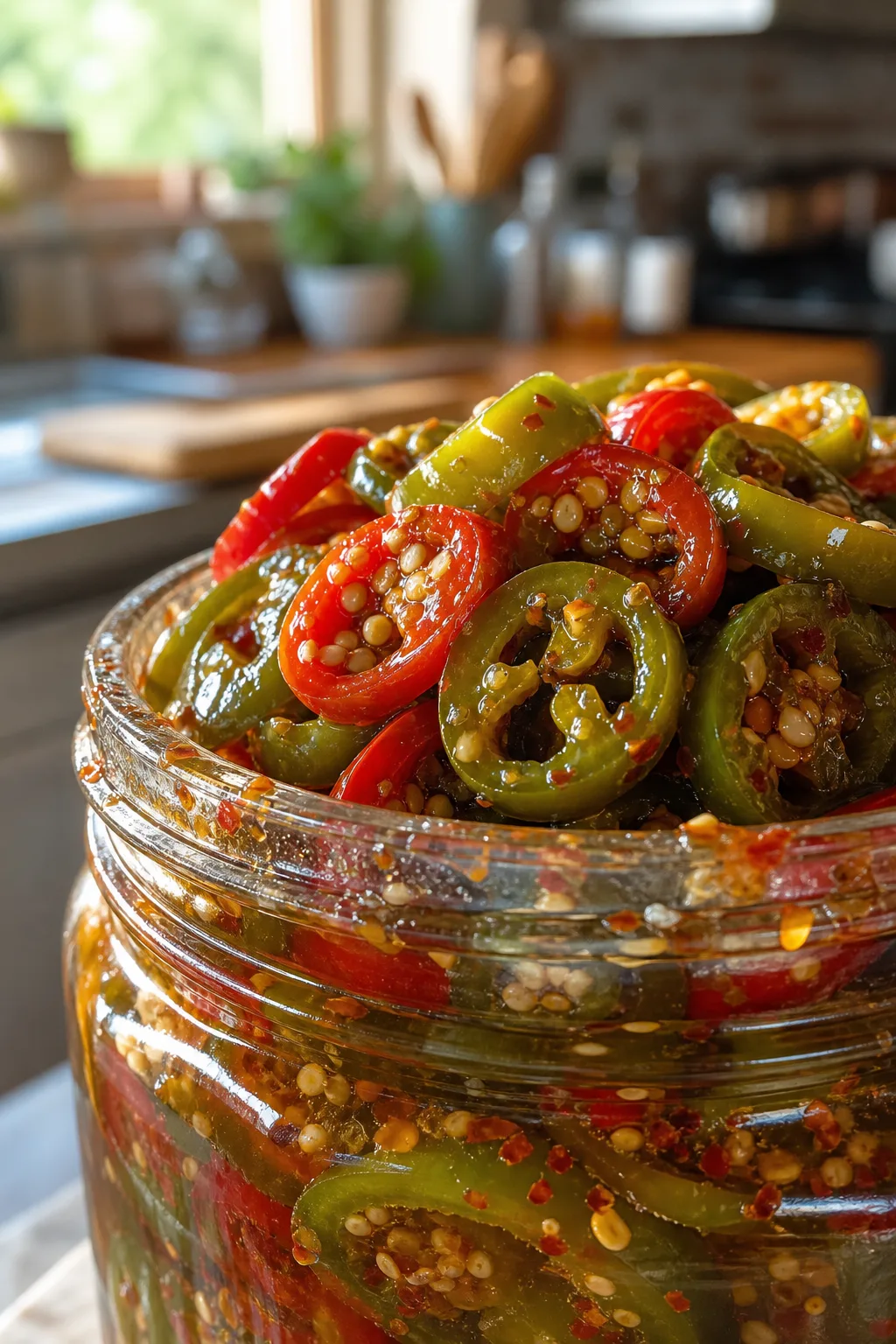
Spicy Pickles
Add sliced jalapeños or red pepper flakes to the jars for a spicy kick. The heat pairs wonderfully with the tangy brine and fresh dill, creating a vibrant flavor profile that’s perfect for spice lovers.
Note: Be cautious with the amount of spice added; too much can overpower the classic pickle flavor and may alter the fermentation process slightly.
Bread and Butter Pickles
Add sugar and mustard seeds to the brine for a sweet and tangy twist. These pickles are milder and sweeter, making them a great addition to sandwiches or burgers.
Note: Adjust sugar carefully to balance sweetness without compromising preservation; these pickles are best consumed within a shorter timeframe.
Garlic and Herb Pickles
Enhance the flavor by adding fresh thyme or rosemary along with extra garlic cloves. This variation adds complexity and a fragrant herbal note to the traditional dill pickle.
Note: Herbs should be fresh and used sparingly to avoid overpowering the dill and garlic base flavors.
Quick Refrigerator Pickles
Skip the water bath canning and store pickles in the fridge for up to 2 weeks. This is perfect if you want pickles fast without long-term preservation.
Note: These pickles won’t last as long but retain excellent crunch and flavor when consumed quickly.
Cucumber and Carrot Pickles
Add thin carrot sticks to the jars for extra crunch and a touch of sweetness. This colorful variation is fun and adds nutritional variety.
Note: Cut carrots thinly and pack tightly with cucumbers for even pickling.
Pro Tips
Always sterilize your jars and lids before canning.
Sterilizing removes bacteria and contaminants that could cause spoilage or unsafe fermentation. Skipping this step risks mold growth and off flavors, compromising the entire batch.
Use fresh, firm cucumbers for best crunch.
Firm cucumbers have higher water content and stronger cell walls that withstand the pickling process. Softer or older cucumbers break down and become mushy, ruining the texture.
Don’t rush the cooling and sealing process.
Allowing jars to cool undisturbed ensures a proper vacuum seal forms. Moving jars too soon can break the seal, leading to spoilage and loss of crispness.
Pack cucumbers tightly but gently to avoid bruising.
Tight packing keeps cucumbers submerged in brine, preventing mold. However, bruising releases moisture and softens texture, so handle with care.
Use a boiling water bath to process jars safely.
This step kills harmful bacteria and creates a vacuum seal essential for long-term preservation. Without it, pickles may spoil quickly or become unsafe to eat.
Let pickles rest for at least 7 days before eating.
Flavor development takes time; the brine needs to penetrate the cucumbers fully. Eating too soon results in bland, less tangy pickles.
Add pickling spice sparingly for balanced flavor.
Too much spice can overpower the delicate dill and garlic notes. A small amount enhances complexity without masking the classic pickle flavor.
Common Mistakes to Avoid
Using cucumbers that are too large or overripe
Why it happens People often use whatever cucumbers they have on hand, assuming size doesn’t matter. Larger cucumbers have more seeds and softer flesh, which leads to mushy pickles.
Fix Choose small, firm pickling cucumbers specifically. If only large ones are available, slice them thinly to compensate, but expect a softer texture.
Not sterilizing jars and lids properly
Why it happens Some skip sterilization to save time or assume rinsing is enough. This can introduce bacteria that spoil the pickles.
Fix Always boil jars and lids in water for at least 10 minutes before use. Dry them with a clean towel or air dry to maintain sterility.
Overprocessing jars in the water bath
Why it happens Trying to be extra safe, some leave jars boiling too long, which softens cucumbers.
Fix Stick to the recommended 10-15 minutes. Overprocessing breaks down cucumber cell walls, ruining crunch.
Not leaving enough headspace in jars
Why it happens People often fill jars to the brim, thinking more pickles is better. This prevents proper sealing and can cause brine overflow.
Fix Leave about 1/2 inch headspace to allow for expansion and vacuum sealing during processing.
Skipping the resting period before eating
Why it happens Impatience leads to opening jars immediately, resulting in bland pickles.
Fix Wait at least 7 days to let flavors develop fully. Store jars in a cool, dark place during this time.
Nutrition
Per Serving:
Nutritional values are estimates and may vary based on specific ingredients used.
Storage & Tips
Room Temperature
Once processed and sealed, pickles can safely be stored at room temperature in a cool, dark place for up to 1 year. Keep jars away from direct sunlight and heat to preserve flavor and texture.
Refrigerator
After opening, store pickles in an airtight container in the refrigerator for up to 1 month. The flavor intensifies but texture may soften slightly over time. Serve cold or at room temperature.
Freezer
Freezing pickles is not recommended as it damages their texture, causing them to become mushy upon thawing. It’s best to consume them fresh or refrigerated.
Reheating
Pickles are best enjoyed cold or at room temperature. Avoid reheating as it breaks down their crisp texture and alters flavor.
Make Ahead
You can prepare and seal the jars up to several weeks ahead, but wait at least 7 days before opening to allow flavors to develop. Store sealed jars in a cool, dark place until ready to enjoy.
FAQ
Can I use regular table salt instead of kosher salt?
It’s best to use kosher salt because it dissolves evenly and doesn’t contain additives like iodine, which can affect the color and flavor of your pickles. If you must use table salt, reduce the quantity slightly and be aware the brine might become cloudy.
How do I know if my jars sealed properly?
After cooling, press the center of each lid. If it doesn’t pop back or flex, the jar is sealed. You can also lift the jar by the lid—if it holds firm, it’s sealed. If not, refrigerate and consume those pickles first.
Why are my pickles soft instead of crunchy?
Soft pickles usually result from using overripe cucumbers, overprocessing in the water bath, or not packing them tightly enough. Use fresh, firm cucumbers and follow processing times closely to maintain crispness.
Can I add sugar to this recipe?
Yes, adding sugar creates sweeter pickles like bread and butter style. Adjust sugar carefully to avoid affecting preservation. Too much sugar can reduce acidity and shorten shelf life.
How long do homemade canned pickles last?
If you notice any off smells, mold, or bubbles, discard immediately.
Can I reuse jars from store-bought pickles?
Avoid using jars with chips or cracks.
Why do I need to leave headspace in the jars?
Leaving about half an inch is ideal.
Is fresh dill necessary or can I use dried?
Fresh dill is recommended because it imparts a brighter, more vibrant flavor and aroma. Dried dill can be used in a pinch but results in a milder taste and less aromatic pickles.
Final Thoughts
I hope you give this easy homemade pickling recipe a try — it’s such a rewarding way to enjoy fresh cucumbers all year round. Don’t forget to share your crunchy creations with friends and family!