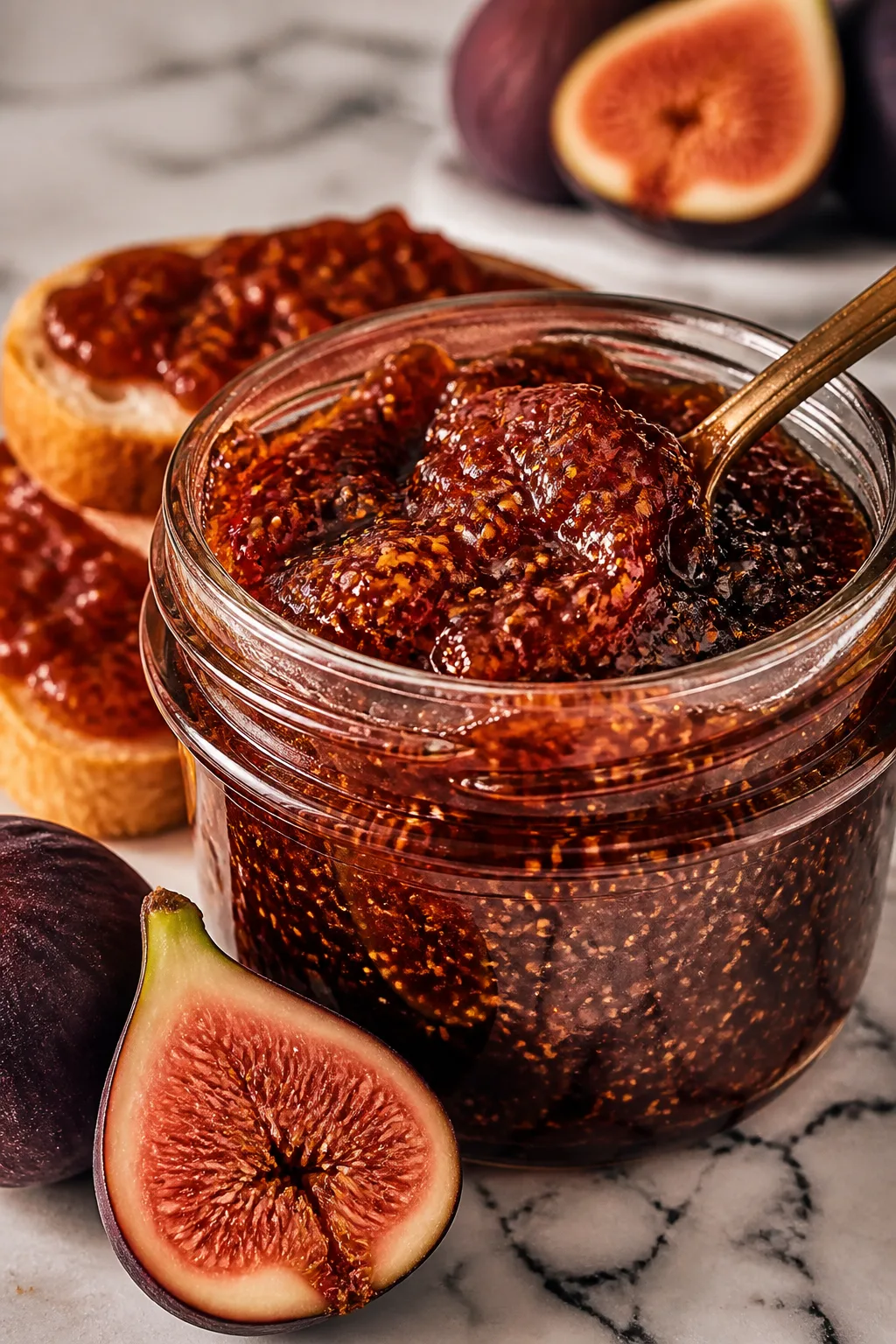
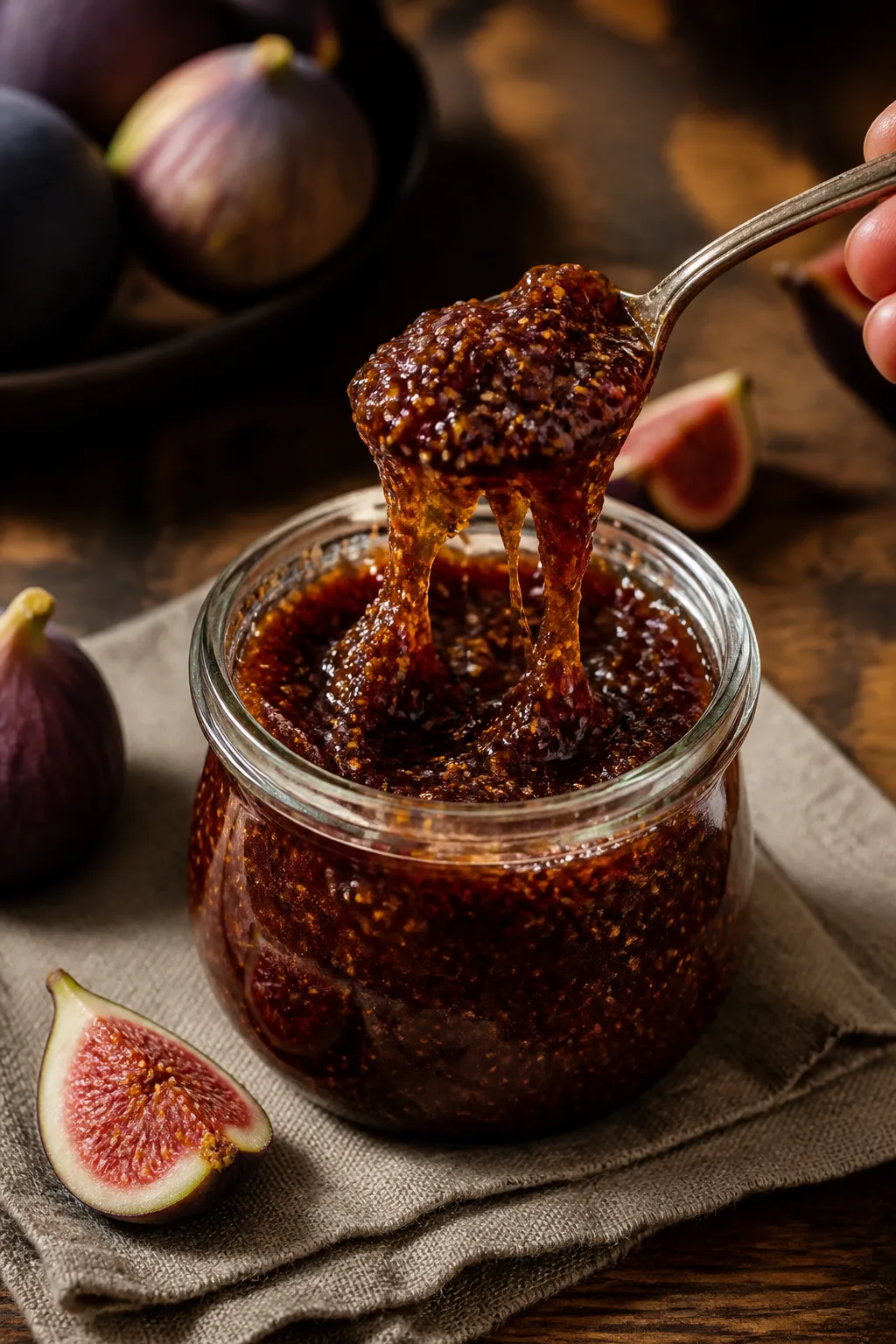
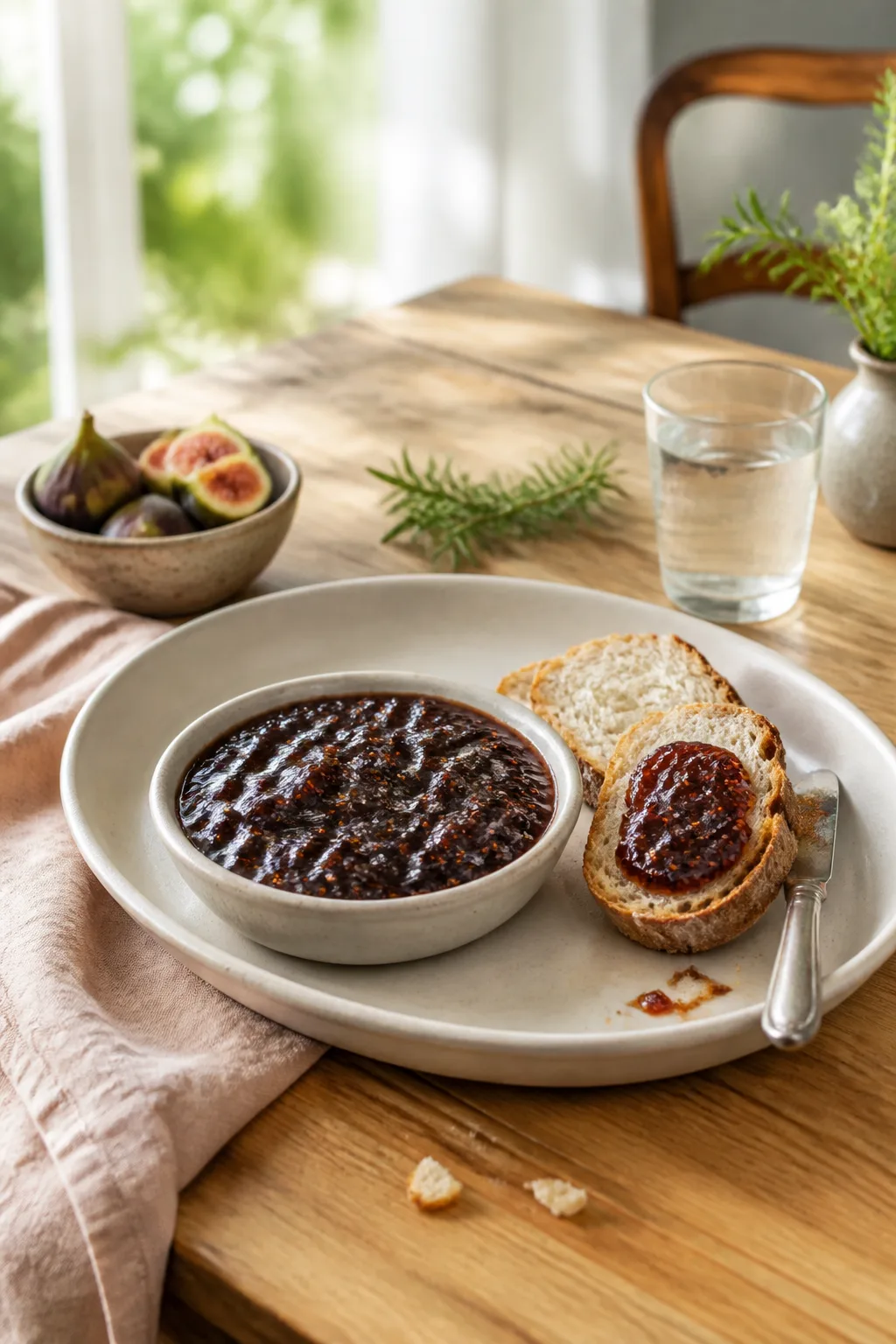
This fig jam is naturally sweet with just a hint of tang from fresh lemon zest. It’s super easy to make and perfect for breakfast toast or fancy cheese boards. I always keep a jar handy for cozy mornings or gift-giving!
Introduction
I first stumbled upon making fig jam a few years ago during fig season, and honestly, it quickly became one of my favorite homemade preserves. What I love about this version is its simplicity — just fresh figs, a bit of sugar, and lemon to brighten things up. No complicated steps or weird additives, just natural flavors. The trick I learned was to gently simmer the figs with lemon juice and zest to keep that fresh, tangy note without overpowering their natural sweetness. This jam turns out thick and luscious, perfect spooned over morning toast or alongside your favorite cheese. Plus, it’s a great gift if you want to share a little homemade love. I’ve had some early batches turn out too watery or overly sweet, so adjusting the cooking time and sugar balance really helped me nail the texture and flavor. The end result is this cozy, slightly tangy fig jam that feels like a little jar of sunshine no matter the season.
What You'll Need
Approximately 2 cups, 4 servings
- 1 pound fresh ripe figs, stems removed and quartered
- 1/2 cup granulated sugar
- 2 tablespoons fresh lemon juice
- 1 teaspoon lemon zest
- 1/4 cup water
How To Do It
Step 1
Start by washing your fresh figs and removing the stems. Then quarter them into uniform pieces so they cook evenly. This step is important because uneven pieces can cause some parts to overcook while others stay underdone. A uniform size ensures a smooth, consistent jam texture later on. Also, chopping the figs releases their natural juices, which helps the jam thicken as it cooks.
⏱ Time: 5 minutes
✓ Doneness: Figs are quartered evenly and juicy.
Step 2
Place the chopped figs in a medium saucepan along with sugar, lemon juice, lemon zest, and water. Stir gently to combine. This mix of sugar and lemon juice helps balance the natural sweetness of figs with acidity, which prevents the jam from becoming cloyingly sweet. The water adds just enough moisture to get things started without diluting the flavor.
⏱ Time: 2 minutes
✓ Doneness: Ingredients are well mixed and beginning to soften.
Step 3
Bring the mixture to a gentle boil over medium heat, then reduce to low and let it simmer uncovered. Stir occasionally to prevent sticking and burning at the bottom. Simmering slowly allows the figs to break down and the mixture to thicken naturally. Avoid high heat which can cause uneven cooking or caramelization that masks the fresh fig flavor.
⏱ Time: 20 minutes
✓ Doneness: Jam thickens and bubbles steadily.
Step 4
As the jam cooks, use a potato masher or fork to gently mash the figs to your preferred consistency. I like mine with a few chunks for texture, but you can mash it completely smooth if you prefer. This step controls the final texture of your jam, so take your time to get it just right.
⏱ Time: 5 minutes
✓ Doneness: Figs are broken down but still have some texture.
Step 5
Test the jam’s thickness by placing a small spoonful on a chilled plate. If it wrinkles when pushed with your finger, it’s ready. If not, continue simmering a few more minutes. This test is crucial because jam thickens as it cools, so you want to avoid overcooking which can make it too stiff or caramelized.
⏱ Time: 2-3 minutes
✓ Doneness: Jam wrinkles slightly on chilled plate.
Step 6
Remove the pan from heat and let the jam cool slightly. Then spoon it into sterilized jars while still warm. Leaving a bit of headspace helps when sealing. Warm filling also sterilizes the jar interiors, extending shelf life. Be careful not to burn yourself during this transfer step.
⏱ Time: 5 minutes
✓ Doneness: Jam fills jars without spilling; jars are warm.
Step 7
Seal the jars tightly and let them cool completely at room temperature. You can store them in the fridge if you plan to use the jam soon or process in a water bath for longer shelf life. Proper sealing preserves freshness and prevents spoilage.
⏱ Time: 15 minutes
✓ Doneness: Jars are sealed and cooled.
Step 8
Once cooled, store your fig jam in the refrigerator and use within a month for best flavor. The jam will thicken further as it chills. If you want it spreadable right away, take it out 10 minutes before serving to soften slightly.
⏱ Time: N/A
✓ Doneness: Jam is chilled and ready to be enjoyed.
Step 9
Enjoy your homemade fig jam on toast, swirled into yogurt, or paired with cheese and crackers. It’s versatile and adds a lovely natural sweetness with a hint of citrus brightness. Share with friends or keep it all to yourself!
⏱ Time: N/A
✓ Doneness: Jam is served and enjoyed.
Variations
Spiced Fig Jam
Add warming spices like cinnamon stick or star anise to the simmering figs for a cozy twist. The spices infuse subtly without overpowering the fresh fig flavor, making it perfect for fall breakfasts or holiday gift jars.
Note: Add whole spices early in cooking and remove before jar filling to avoid gritty texture.
Honey-Sweetened Fig Jam
Replace granulated sugar with honey for a floral sweetness and softer set. Honey pairs beautifully with figs and adds a unique depth. Expect a slightly looser jam texture due to honey’s moisture content.
Note: Reduce simmering time slightly to prevent over-thickening when using honey.
Fig and Orange Marmalade
Add chopped orange peel and extra orange juice for a citrusy marmalade variation. The bitter orange peel contrasts nicely with sweet figs, creating a complex flavor profile great for toast or desserts.
Note: Include orange peel early in simmering for full flavor extraction.
Fig and Vanilla Jam
Stir in a split vanilla bean or vanilla extract near the end of cooking for a creamy, aromatic jam. Vanilla enhances the natural sweetness and adds a rich undertone that’s lovely on pastries or yogurt.
Note: Add vanilla extract after removing pan from heat to preserve aroma.
Low-Sugar Fig Jam
Cut sugar by half and increase lemon juice slightly for a tart, less sweet jam. This version relies more on natural fig sweetness and acidity, resulting in a fresher, lighter spread.
Note: Monitor cooking time carefully as lower sugar jams set more slowly.
Pro Tips
Use ripe but firm figs for best texture.
Ripe figs provide the ideal balance of sweetness and pectin, but overly soft or mushy figs can make the jam watery and affect the final consistency. Firm figs hold their shape better during cooking.
Don’t rush the simmering process.
Slow simmering allows natural sugars to concentrate and pectin to activate properly. High heat can cause uneven cooking, burnt flavor, and loss of fresh fig aroma.
Sterilize your jars before filling.
Sterilized jars prevent contamination and extend shelf life by killing bacteria. Warm jars also help the jam cool evenly and seal properly.
Add lemon zest last for maximum aroma.
Adding zest too early can cause bitterness or loss of essential oils through prolonged heat exposure. Adding it near the end preserves its fresh citrus flavor.
Test jam thickness with the chilled plate method.
This simple test helps you avoid over- or under-cooking. The jam wrinkles when pushed if it’s thick enough to set properly once cooled.
Store jam in small batches.
Smaller jars reduce exposure to air once opened, keeping the jam fresh longer and preventing spoilage.
Use a wooden spoon to stir.
Wood doesn’t conduct heat like metal, reducing the risk of scorching the jam on the pan bottom and ensuring gentle, even stirring.
Common Mistakes to Avoid
Using underripe or overripe figs
Why it happens People often grab whatever figs are available without considering ripeness, assuming all will work the same.
Fix Choose figs that are ripe but still firm to get the right balance of sweetness and pectin. If figs are too soft, the jam may be too runny; too underripe and it lacks sweetness.
Cooking jam at too high heat
Why it happens In a hurry, cooks crank up heat to speed things along, not realizing it can burn the jam or cause uneven thickening.
Fix Maintain a gentle simmer and stir often. This prevents burning and promotes even cooking, preserving fresh fig flavor.
Skipping the lemon juice
Why it happens Some think lemon juice is optional or forget it entirely, not knowing it’s key for pectin activation and flavor balance.
Fix Always add fresh lemon juice to help the jam set and provide that bright, tangy contrast to sweetness.
Not sterilizing jars
Why it happens People overlook sterilization, assuming refrigeration is enough for safety.
Fix Sterilize jars by boiling or baking to kill bacteria, ensuring longer shelf life and safe storage.
Overcooking until jam is too thick or caramelized
Why it happens Trying to get jam thicker by cooking longer can backfire, making it overly firm or burnt tasting.
Fix Use the chilled plate test to check doneness and remove from heat at the right time for perfect texture.
Nutrition
Per Serving:
Nutritional values are estimates and may vary based on specific ingredients used.
Storage & Tips
Room Temperature
Once sealed in sterilized jars, fig jam can safely sit at room temperature for up to 1 week if unopened. After opening, it should be refrigerated promptly. Keep jars in a cool, dark place away from direct sunlight to preserve flavor.
Refrigerator
Store opened fig jam in an airtight container in the refrigerator for up to 3 weeks. The jam will thicken and darken slightly but remains delicious. Let it sit at room temperature for 10-15 minutes before serving for easier spreading.
Freezer
Fig jam can be frozen for up to 3 months. Use freezer-safe containers or bags, leaving some headspace for expansion. Thaw in the refrigerator overnight. Texture may become slightly looser, so stir before serving.
Reheating
If the jam has thickened too much after refrigeration or freezing, warm it gently in a saucepan over low heat, stirring frequently. Add a teaspoon of water if needed to loosen it. Avoid boiling to maintain fresh flavor.
Make Ahead
You can prepare the jam up to 2 days ahead and store it in the refrigerator. Just reheat gently before transferring to jars. Alternatively, prepare the figs and lemon mixture in advance and cook the jam fresh on serving day for the best texture.
FAQ
Can I use dried figs instead of fresh for this jam?
Dried figs aren’t ideal because they lack the natural moisture and pectin fresh figs provide. If you must use dried, soak them in warm water until soft and adjust water content, but the texture and flavor will differ from fresh fig jam.
How do I know when the jam is thick enough?
Use the chilled plate test: put a spoonful of hot jam on a cold plate, let it cool for a minute, then push it with your finger. If it wrinkles and holds shape, it’s ready. If it spreads or runs, cook a bit longer.
Can I reduce the sugar in this recipe?
Yes, but reducing sugar too much can affect the jam’s setting and preservation. If cutting sugar, add a bit more lemon juice to help pectin set and keep an eye on cooking time to avoid a runny jam.
Why is lemon juice important in fig jam?
Lemon juice provides acidity that activates the natural pectin in figs, helping the jam thicken properly. It also balances the sweetness and acts as a natural preservative.
How should I sterilize jars for storing jam?
Wash jars and lids with hot soapy water, rinse well, then boil them in water for 10 minutes or bake in a 225°F oven for 10 minutes. Use the jars while still warm to fill with hot jam.
What’s the best way to store opened fig jam?
Keep it in an airtight container in the refrigerator and use within 3 weeks. Always use a clean spoon to avoid contamination and let it come to room temperature before spreading for best texture.
Can I make this jam without lemon zest?
You can, but lemon zest adds aromatic oils that brighten the flavor. Omitting it will result in a less vibrant jam, though the lemon juice will still provide acidity.
Why did my jam turn out too watery?
This usually happens if the figs weren’t ripe enough or if the jam wasn’t cooked long enough. Also, too much water or skipping the lemon juice can prevent proper thickening. Try cooking it a bit longer and using ripe figs next time.
Final Thoughts
Give this fig jam a try and enjoy its natural sweetness and bright lemon twist. I’d love to hear how it turns out for you, so don’t forget to share your results!