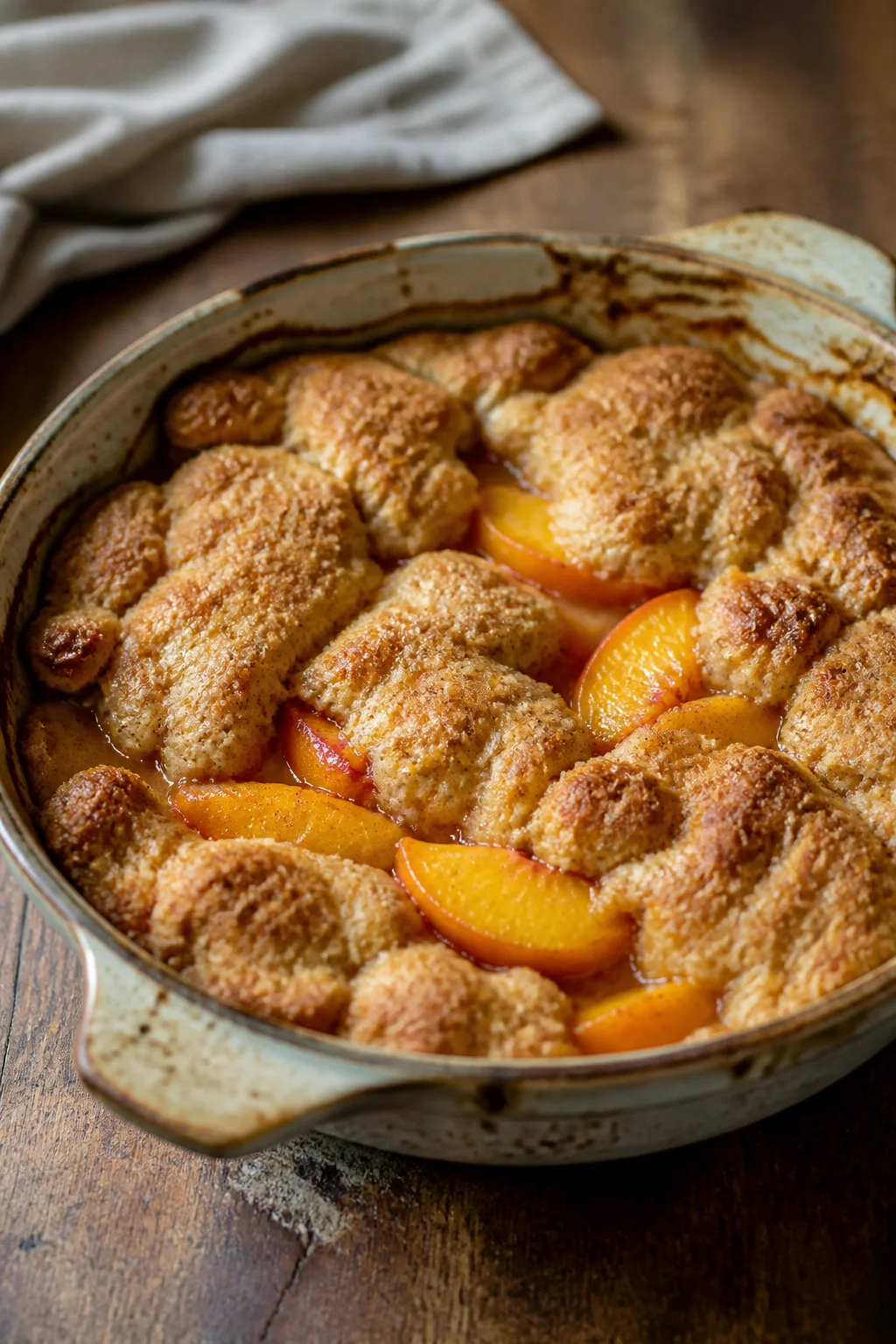
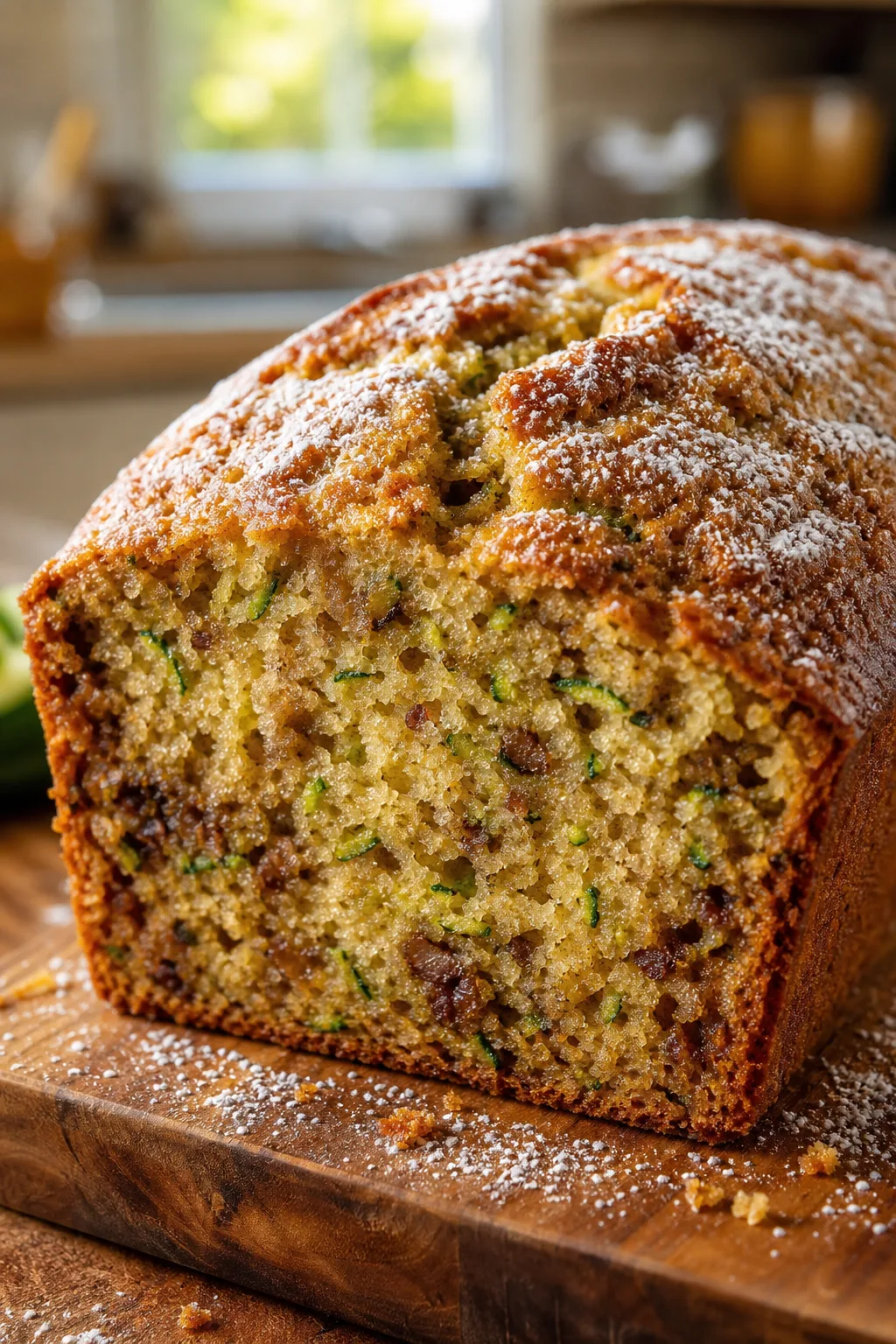
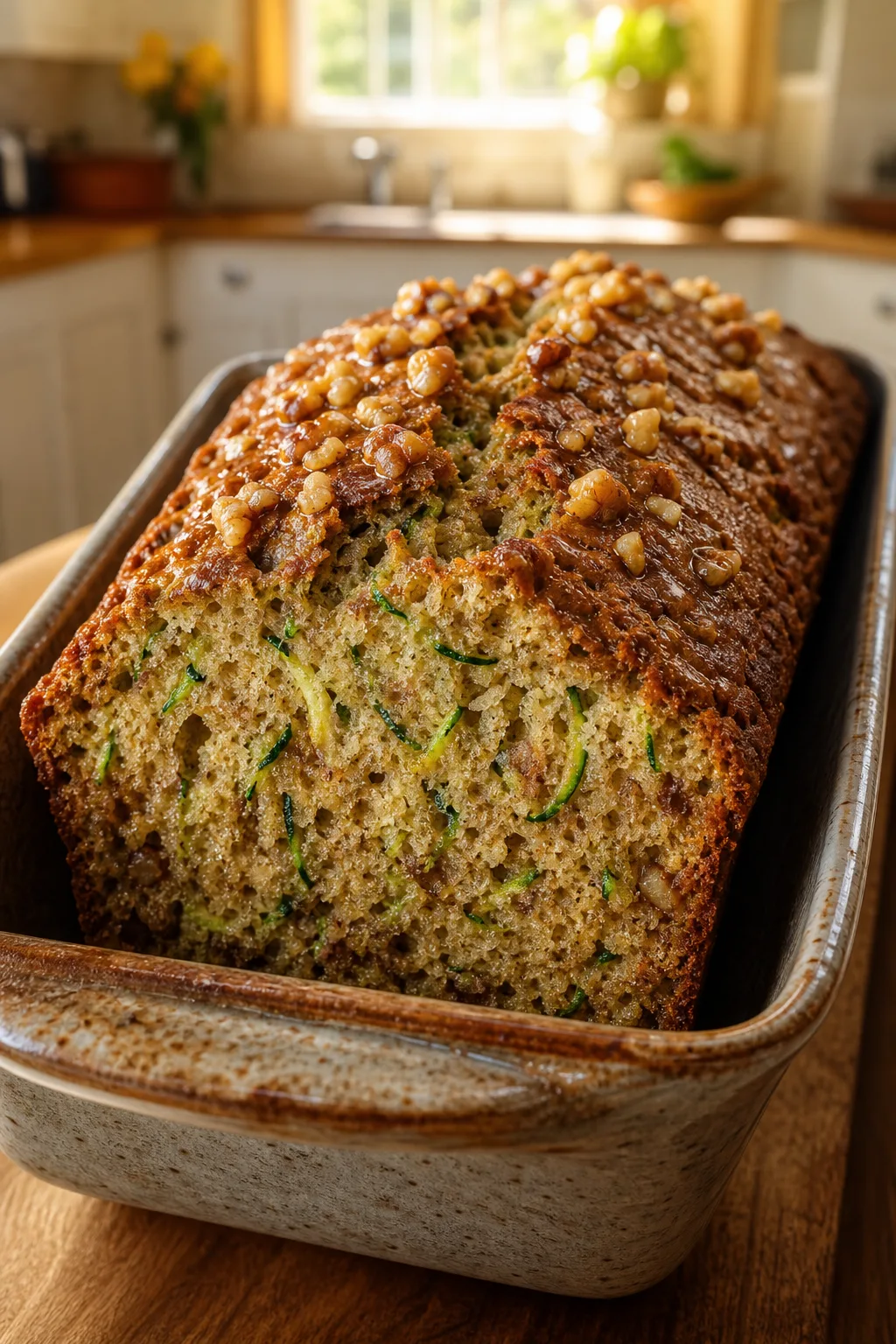
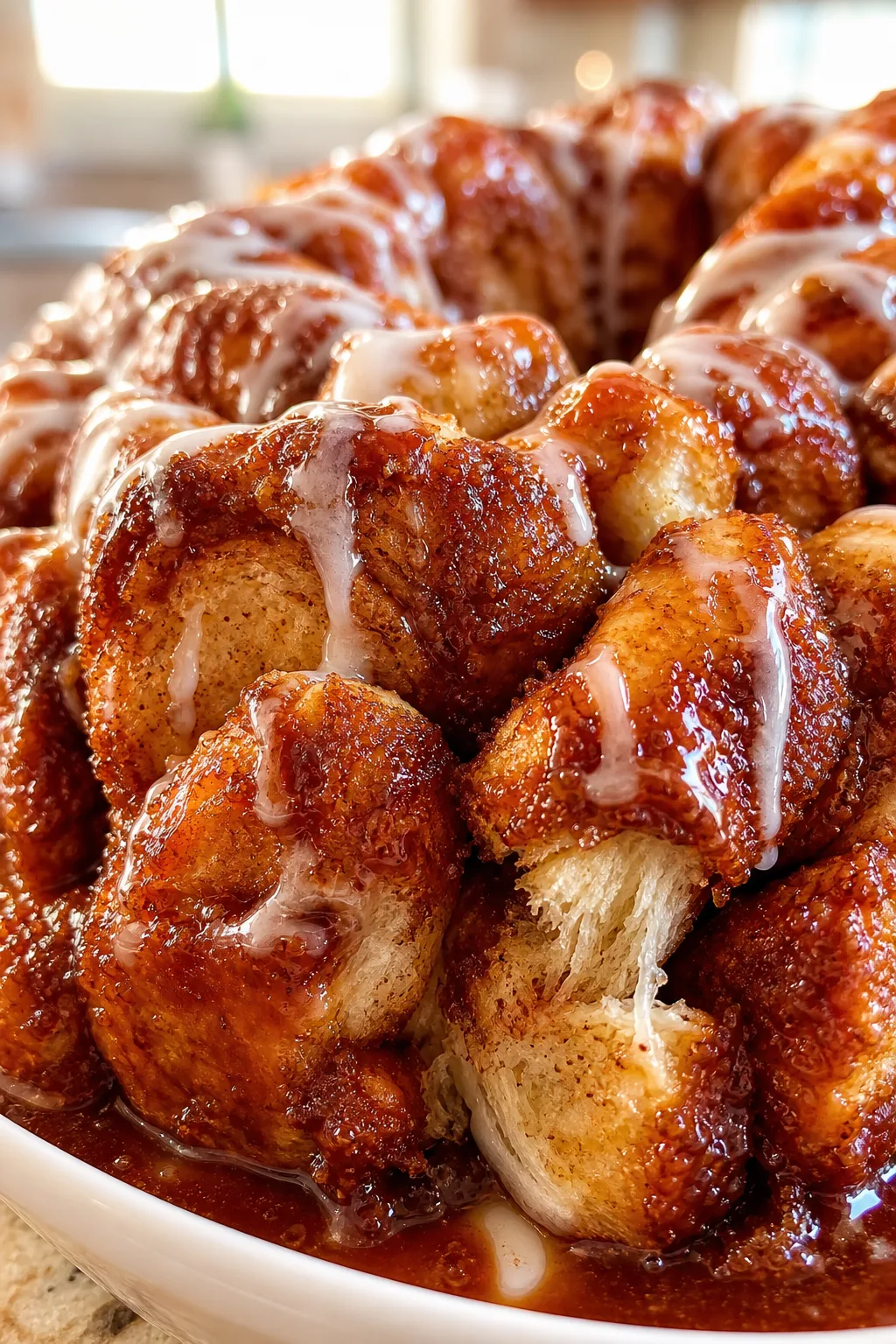
This peach cobbler is a simple, cozy dessert that really lets fresh peaches shine. The cinnamon syrup adds a warm, subtle spice that makes every bite comforting. Great for summer nights or weekend get-togethers!
Introduction
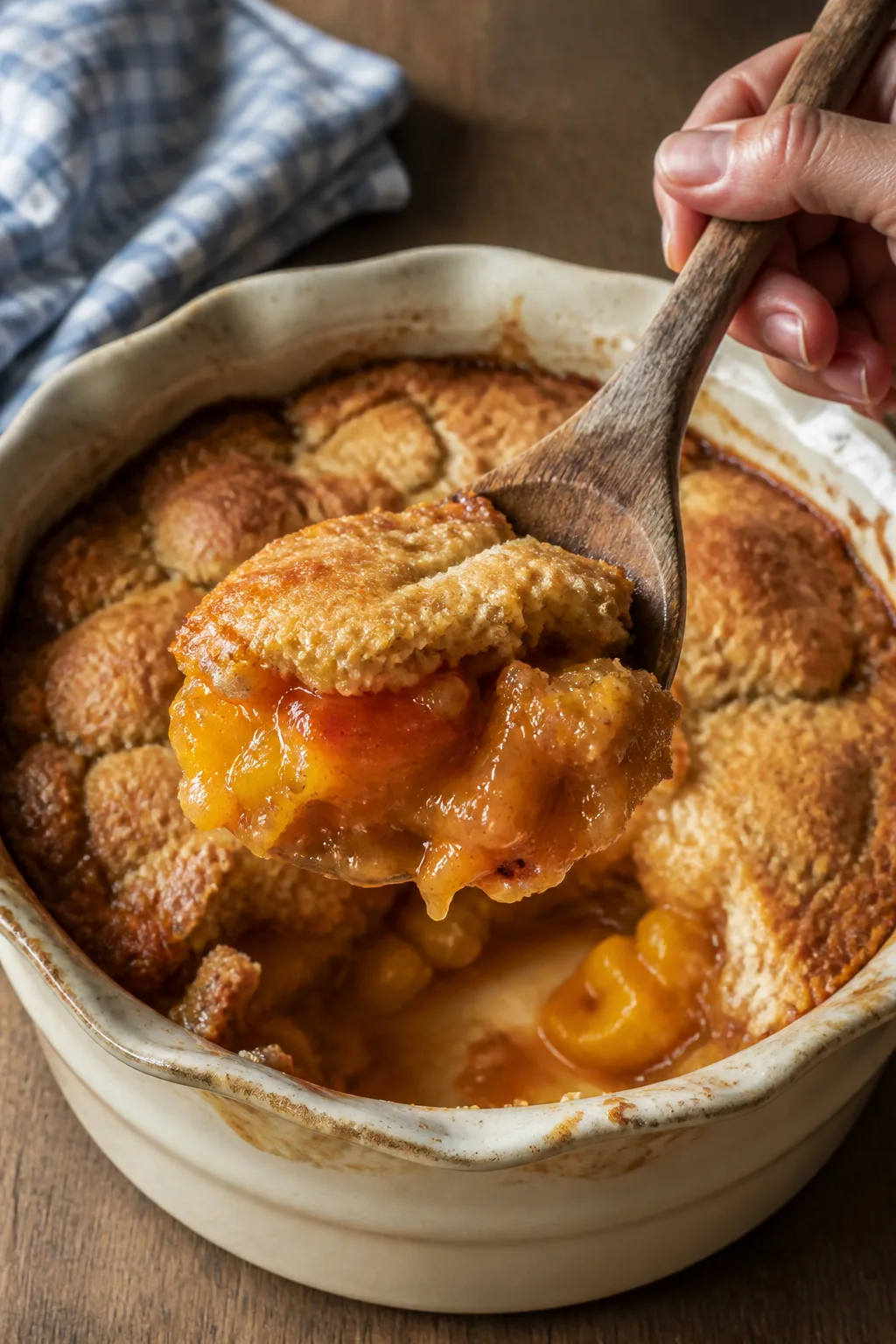
I first made this peach cobbler on a lazy summer afternoon when my local farmer's market was overflowing with ripe, juicy peaches. I wanted something simple that really celebrated the peaches without too much fuss. What makes this version stand out is the little cinnamon-spiced syrup I mix with the peaches before baking — it adds a subtle warmth and depth that balances their natural sweetness perfectly. Plus, the topping is tender and flaky, not cakey or doughy like some cobblers I've tried before. It’s a straightforward recipe, but the trick is to let the peaches macerate in the cinnamon syrup while you prepare the batter, so all the flavors get cozy. The finished cobbler has this beautiful golden crust with bubbling peach filling underneath, making it irresistible fresh from the oven. I love serving it with a scoop of vanilla ice cream on warm summer evenings, but honestly, it’s just as good on its own. If you’re looking for a crowd-pleasing dessert that’s easy but still feels special, this is it. I’ve had a few cobbler fails in the past — soggy crusts or bland fillings — but this one nails the balance every time. I’m excited for you to try it!
How To Do It
Step 1
Start by peeling and slicing your fresh peaches. If you want easier peeling, blanch them in boiling water for 30 seconds and then plunge into ice water — the skins slip right off. This step is important because the peach skin can sometimes interfere with the texture of the filling. Once peeled and sliced, toss the peaches with granulated sugar, brown sugar, cinnamon, nutmeg, lemon juice, and vanilla extract in a large bowl. Letting them sit for about 10-15 minutes helps the sugar draw out the natural juices, creating a syrup that will soak into the cobbler for extra flavor and moisture.
⏱ Time: 15 minutes
✓ Doneness: Peaches should be juicy and slightly softened, with a fragrant cinnamon aroma.
Step 2
While the peaches macerate, preheat your oven to 350°F (175°C). In a separate bowl, whisk together the all-purpose flour, baking powder, and salt. Then slowly stir in the milk until you have a smooth batter. The batter should be pourable but thick enough to coat a spoon. Pour the melted butter into a 9x13 inch baking dish, making sure it covers the bottom evenly. This butter layer will help the topping get golden and crispy as it bakes, so don’t skip it or rush this step.
⏱ Time: 10 minutes
✓ Doneness: Butter should be fully melted and evenly spread without pooling excessively.
Step 3
Pour the batter evenly over the melted butter in the baking dish, but do not stir. This layering technique allows the batter to rise through the butter, creating a light, tender crust with a slightly crispy bottom. Pour the peach mixture, including the syrupy juices, evenly over the batter. Resist the urge to mix everything together; the batter will rise up around the peaches as it bakes, giving you that classic cobbler texture.
⏱ Time: 5 minutes
✓ Doneness: Peach slices should be evenly distributed and syrup visible over the batter.
Step 4
Place the baking dish in the preheated oven and bake for about 30 minutes. During baking, the batter will puff up and turn golden brown, and the peach juices will bubble at the edges. Keep an eye on the cobbler during the last 10 minutes to ensure the top doesn’t over-brown; if it’s browning too fast, loosely tent with foil. The bubbling juices indicate the filling is cooked through and the flavors have melded nicely.
⏱ Time: 30 minutes
✓ Doneness: Top is golden brown and peaches are soft with bubbling juices.
Step 5
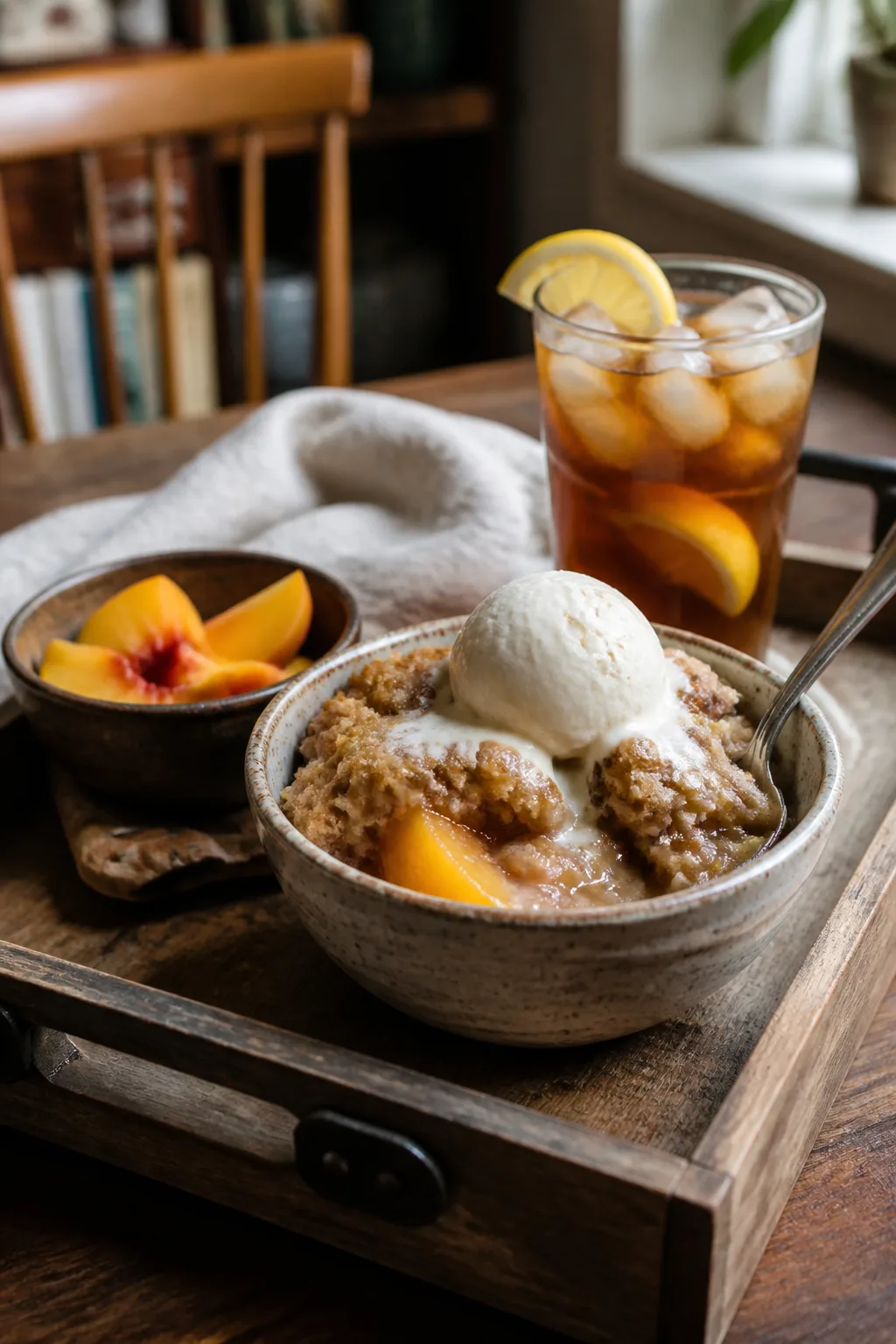
Once baked, remove the cobbler from the oven and let it cool for at least 10 minutes before serving. This rest time helps the filling thicken slightly so it isn’t too runny when you scoop it out. The aroma of cinnamon and warm peaches will fill your kitchen — a sure sign it’s ready. Serve warm, ideally with a scoop of vanilla ice cream or a dollop of whipped cream for an extra indulgent treat.
⏱ Time: 10 minutes
✓ Doneness: Filling is thickened and cobbler is slightly cooled but still warm.
Step 6
If you want to add a little extra crunch, sprinkle some chopped toasted pecans or almonds over the top about 10 minutes before the cobbler finishes baking. This adds a lovely texture contrast to the tender peaches and flaky topping. Just keep an eye to avoid burning the nuts, as ovens vary.
⏱ Time: 5 minutes
✓ Doneness: Nuts are golden and fragrant without dark spots.
Step 7
For a deeper cinnamon flavor, you can add a cinnamon stick to the peach mixture while it macerates and remove it before baking. This infuses the syrup with a subtle spicy warmth that’s more nuanced than just ground cinnamon. It’s a small step but makes a noticeable difference in aroma and taste.
⏱ Time: 15 minutes
✓ Doneness: Syrup has a gentle cinnamon scent, not overpowering.
Step 8
To ensure even baking, place the baking dish on the middle rack of your oven. This positioning allows the heat to circulate evenly around the cobbler, preventing uneven browning or undercooked spots. Avoid putting it too close to the top heating element, which can burn the crust before the filling is done.
⏱ Time: N/A
✓ Doneness: Even golden crust all over with no burnt edges.
Step 9
If you like a thicker filling, you can add a tablespoon of cornstarch to the peach mixture before baking. This will help the juices thicken as they cook. However, too much thickener can make the filling gummy, so don’t overdo it. Stir it in well to avoid clumps and ensure a smooth texture.
⏱ Time: 2 minutes
✓ Doneness: Filling consistency is thick but still juicy and smooth.
Variations
Gluten-Free Peach Cobbler
Swap the all-purpose flour with a gluten-free blend that includes xanthan gum for structure. This keeps the topping tender and flaky without gluten. The rest of the recipe stays the same, and you won’t lose the classic cobbler texture or flavor.
Note: Gluten-free flours can absorb liquids differently; you might need to adjust milk slightly to get the right batter consistency.
Vegan Peach Cobbler
Replace butter with coconut oil or vegan butter, and use a plant-based milk like almond or oat milk. The coconut oil adds a subtle tropical note while maintaining the flaky crust. This version works great for dairy-free diets without sacrificing flavor.
Note: Ensure the plant milk is unsweetened to control sweetness; coconut oil melts differently than butter, so watch the crust for even browning.
Spiced Peach and Blueberry Cobbler
Add 1 cup fresh blueberries to the peach mixture for a burst of color and tangy flavor. This combo adds complexity and a beautiful contrast in texture. It’s a fun twist that still bakes evenly and tastes delicious.
Note: Blueberries release extra juice, so consider adding 1 tablespoon cornstarch to thicken the filling.
Peach Cobbler with Oat Topping
For a heartier topping, mix rolled oats into the batter or sprinkle on top before baking. The oats add a lovely crunch and rustic texture that pairs well with the soft peaches. It’s a cozy variation for cooler weather.
Note: Oats absorb moisture, so you might want to reduce milk slightly or increase baking time to ensure the topping cooks through.
Bourbon-Infused Peach Cobbler
Add 2 tablespoons bourbon to the peach mixture during maceration for a warm, boozy depth of flavor. The alcohol cooks off during baking, leaving a subtle richness that complements the cinnamon and peaches beautifully.
Note: Be sure to macerate longer (about 30 minutes) to let the bourbon flavors meld well with the fruit.
Pro Tips
Let the peaches macerate for at least 15 minutes before baking.
Macerating draws out natural juices from the peaches, creating a flavorful syrup that keeps the filling moist and sweet. Skipping this step can result in a dry or bland filling because the sugar hasn’t had time to dissolve and mix with the fruit juices.
Don’t stir the batter and peaches together once in the pan.
Pouring the batter first and then the peach mixture on top allows the batter to rise through the butter during baking, creating a tender, flaky crust. Mixing everything would produce a dense, cakey texture, losing the classic cobbler contrast.
Use fresh, ripe peaches and peel them for best texture.
Peach skins can be tough or bitter when baked, affecting the final texture. Peeling ensures the filling is smooth and tender. Fresh peaches provide natural sweetness and juiciness that canned or frozen peaches can’t match.
Bake the cobbler on the middle rack for even heat distribution.
Positioning is crucial to avoid burnt edges or undercooked spots. The middle rack ensures the crust browns evenly and the filling cooks through without drying out or burning.
Tent the cobbler with foil if the crust browns too quickly.
Ovens vary, and the crust may brown faster than the filling cooks. Covering loosely with foil prevents burning while allowing the filling to finish baking and bubbling.
Add a tablespoon of cornstarch to thicken the filling if desired.
Cornstarch helps absorb excess peach juice and creates a thicker, less runny filling. However, too much can make the texture gummy, so use sparingly and mix well to avoid clumps.
Serve the cobbler warm with vanilla ice cream or whipped cream.
The cold creaminess contrasts the warm, spiced peaches and flaky crust, elevating the dessert experience. It also balances the sweetness and adds a luxurious mouthfeel.
Common Mistakes to Avoid
Skipping the maceration step.
Why it happens Many cooks rush to bake without letting the peaches sit with sugar and spices, assuming it’s unnecessary.
Fix Always let the peaches macerate for at least 15 minutes. This draws out juices and dissolves sugar, ensuring a juicy, flavorful filling instead of dry, bland fruit.
Mixing the batter and peaches together before baking.
Why it happens It seems intuitive to combine everything for even distribution.
Fix Pour the batter first, then spoon peaches on top without stirring. This layering creates the classic cobbler texture with a flaky crust and juicy fruit pockets.
Not peeling the peaches.
Why it happens Peeling is time-consuming and some think skins add texture.
Fix Peel peaches by blanching or carefully with a knife. Skin can lead to tough, unpleasant texture and affect the smoothness of the filling.
Using overripe or underripe peaches.
Why it happens Sometimes peaches are chosen based on appearance rather than ripeness.
Fix Select peaches that are fragrant and slightly firm. Overripe peaches get mushy and watery; underripe ones lack sweetness.
Baking at too high temperature causing burnt crust.
Why it happens Trying to speed up baking often leads to uneven cooking.
Fix Bake at 350°F and place the dish on the middle rack. Tent with foil if crust browns too fast to avoid burning.
Nutrition
Per Serving:
Nutritional values are estimates and may vary based on specific ingredients used.
Storage & Tips
Room Temperature
Cobbler can safely be kept covered at room temperature for up to 2 hours. Beyond that, it’s best to refrigerate to prevent spoilage, especially in warm weather.
Refrigerator
Store leftovers in an airtight container in the fridge for up to 3 days. The cobbler can firm up when cold, so reheat gently to restore softness. Serving cold is fine but the texture and flavors are best warm.
Freezer
Freeze cobbler in an airtight container or wrap tightly with plastic wrap and foil for up to 2 months. To prevent freezer burn, ensure it’s sealed well. Thaw overnight in the fridge before reheating.
Reheating
Reheat cobbler in a 350°F oven for 15-20 minutes until warmed through. You can cover with foil to prevent over-browning. Avoid microwaving if possible, as it can make the crust soggy. Add a splash of milk or cream when reheating to refresh the topping.
Make Ahead
You can prepare the peach mixture and batter separately up to 1 day in advance and store covered in the fridge. Combine and bake just before serving for best freshness and texture.
FAQ
Can I use frozen peaches for this cobbler?
You can use frozen peaches, but thaw and drain them well before baking to avoid excess liquid making the cobbler soggy. Frozen peaches tend to be softer, so the texture might be less firm than fresh. Adding a thickener like cornstarch helps maintain a good consistency.
What if I don’t have fresh peaches in season?
If fresh peaches aren’t available, canned peaches in juice (not syrup) can work as a substitute. Drain well and reduce added sugar since canned peaches are usually sweeter. Adjust spices to taste because canned fruit can be less vibrant in flavor.
How do I prevent the cobbler crust from getting soggy?
The key is layering the batter over melted butter and then adding the peach mixture on top without stirring. This technique allows the crust to bake crisp and flaky. Also, macerate peaches to reduce excess juice and consider adding cornstarch to thicken the filling.
Can I make this cobbler gluten-free?
Yes! Use a gluten-free flour blend with xanthan gum for structure. You might need to adjust liquid amounts slightly to get the batter consistency right. The texture will be slightly different but still delicious and tender.
How do I store leftovers properly?
Keep leftovers in an airtight container in the refrigerator for up to 3 days. Reheat in the oven to restore warmth and texture. Avoid leaving cobbler at room temperature for more than 2 hours to prevent spoilage.
Is it better to serve peach cobbler warm or cold?
Peach cobbler is best served warm, ideally with ice cream or whipped cream. Warmth enhances the flavors and softens the crust. It can be eaten cold, but the texture and experience aren’t quite the same.
Can I prepare the cobbler ahead of time?
You can prepare the peach mixture and batter separately up to a day in advance and keep refrigerated. Assemble and bake the cobbler just before serving to maintain freshness and the best texture.
What’s the best way to peel peaches quickly?
Blanch peaches in boiling water for about 30 seconds, then transfer to an ice bath. The skins will loosen and peel off easily with your fingers or a paring knife. This is much faster than peeling raw peaches.
Final Thoughts
I hope you enjoy making this peach cobbler as much as I do! It’s a simple, comforting dessert that’s sure to become a favorite—don’t forget to share how it turns out!