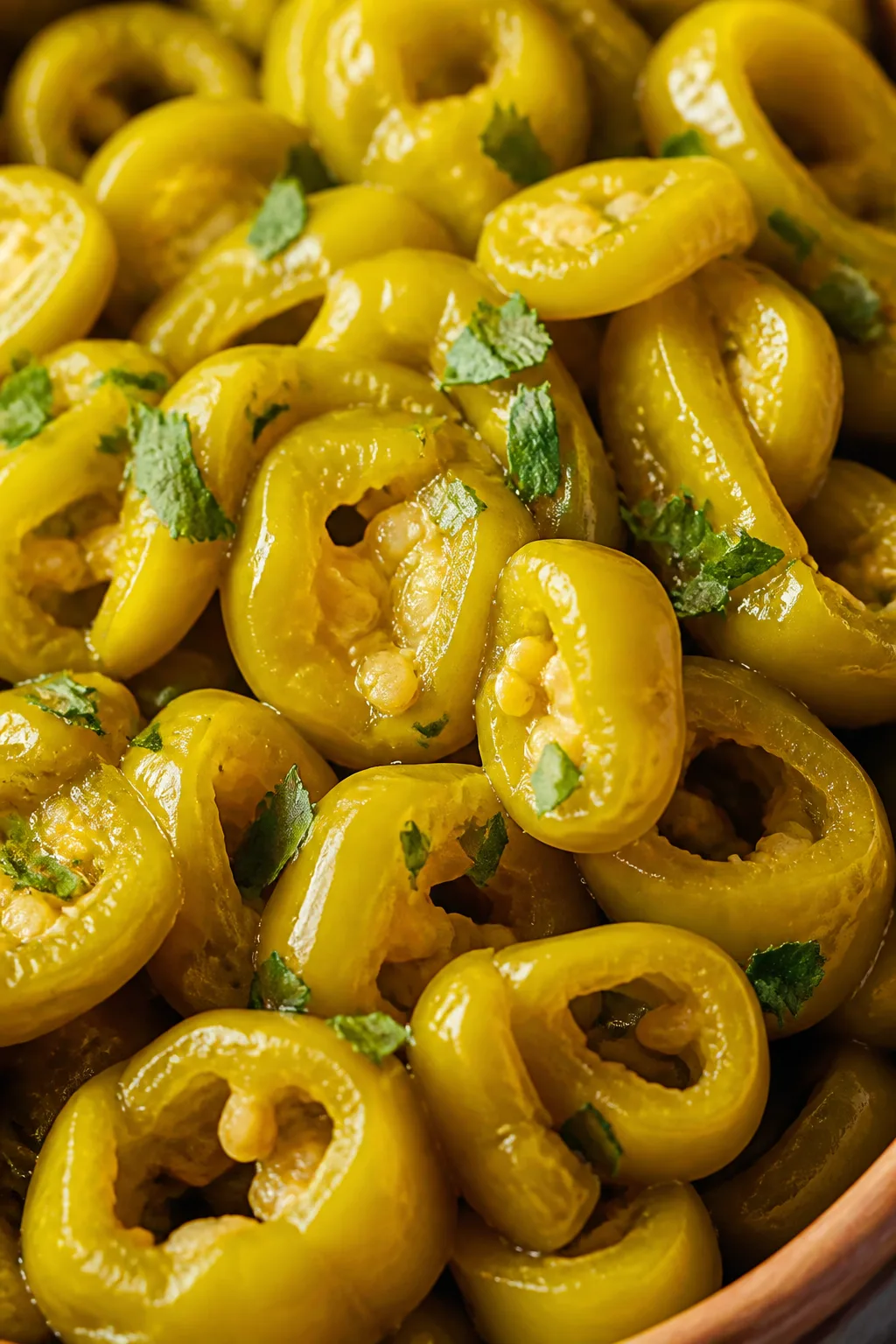
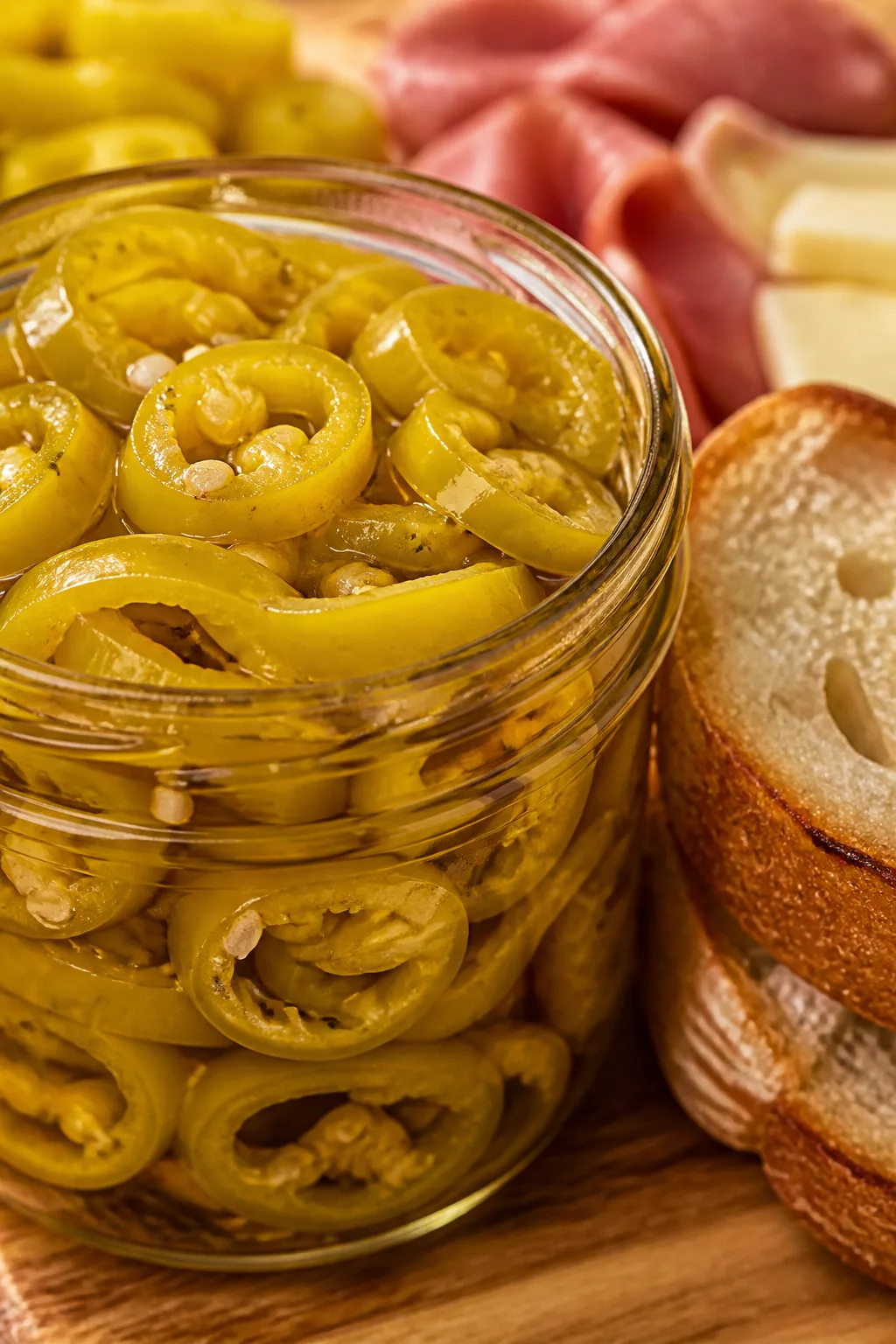
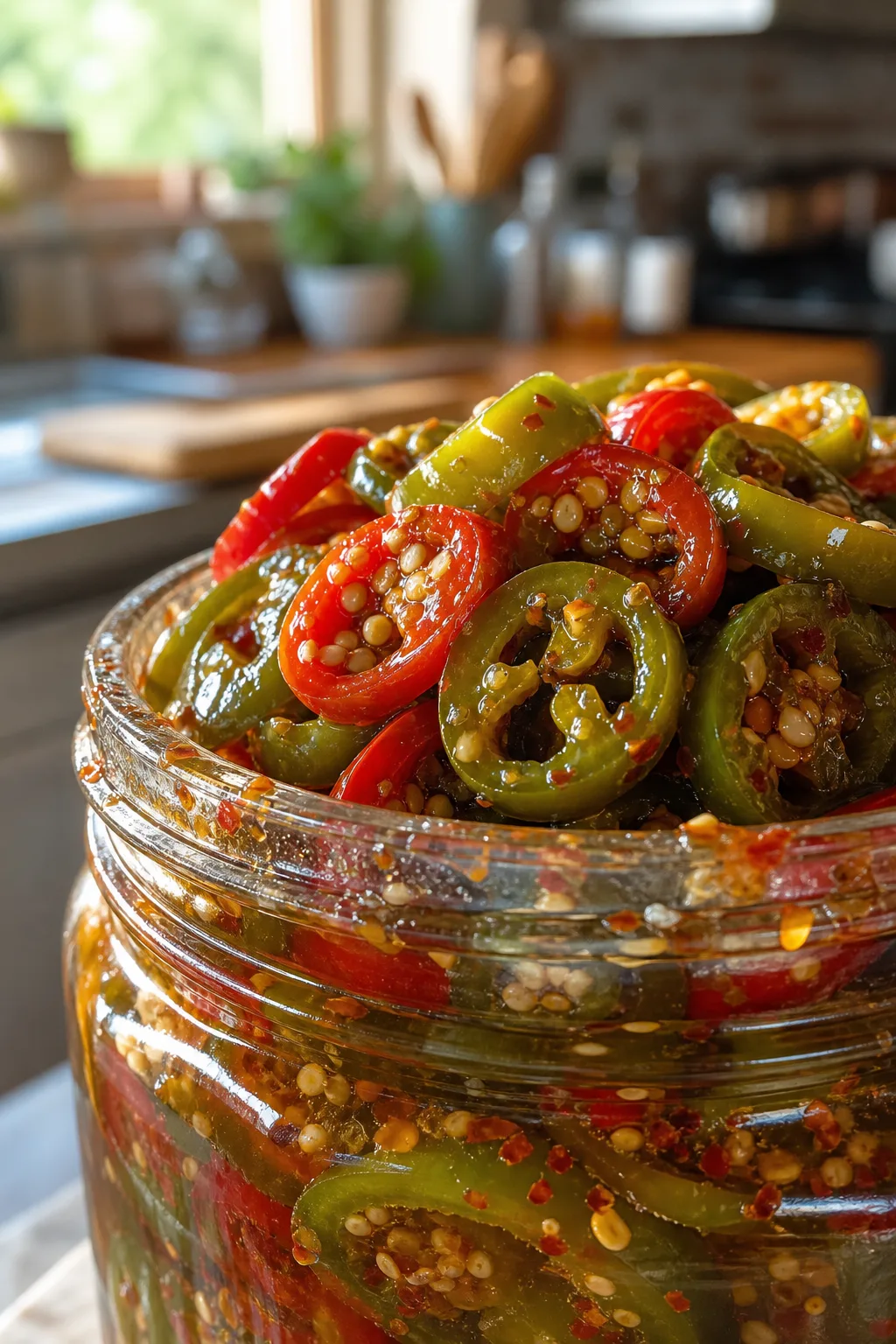
These pickled banana peppers are a game changer—perfectly tangy with just the right crunch. The simple brine really highlights their natural sweetness. I keep a jar in my fridge for sandwiches and salads all week!
Introduction
I first stumbled upon pickled banana peppers during a summer barbecue years ago, and I was instantly hooked. The bright, tangy crunch they add is unmatched, especially when paired with sandwiches or fresh salads. Over time, I tweaked the brine to balance the natural sweetness of the peppers with just enough acidity and a hint of spice. What makes this recipe stand out is using fresh garlic and whole spices in the brine—it adds layers of flavor that really pop. Plus, letting them sit in the fridge for at least 24 hours lets the flavors meld beautifully. I love keeping a jar handy; it’s such an easy way to elevate simple meals. Honestly, I used to buy these pre-made, but making them yourself is surprisingly easy and way more delicious. The peppers come out crisp, tangy, and perfectly balanced every time. If you’re like me and enjoy quick, flavorful additions to your meals, you’ll appreciate how this recipe comes together with minimal effort but maximum taste.
What You'll Need
Approximately 4 cups pickled banana peppers, 4 servings
- 4 cups banana peppers, sliced into rings
- 2 cups white vinegar
- 2 cups water
- 3 tablespoons sugar
- 2 tablespoons kosher salt
- 4 cloves garlic, smashed
- 1 teaspoon black peppercorns
- 1 teaspoon mustard seeds
- 1/2 teaspoon red pepper flakes (optional)
How To Do It
Step 1
Start by preparing your peppers. Slice the banana peppers into thin rings, removing seeds if you prefer less heat. This step is crucial because thinner slices will absorb the brine faster, giving you that tangy flavor sooner. Be careful to wear gloves or wash your hands thoroughly after handling, especially if you’re sensitive to spicy peppers. Rinsing the peppers briefly under cold water can help tone down some bite if you want milder results.
⏱ Time: 10 minutes
✓ Doneness: Peppers are evenly sliced, seeds mostly removed for milder taste
Step 2
Combine the vinegar, water, sugar, and kosher salt in a medium saucepan. Heat gently over medium heat, stirring occasionally until the sugar and salt dissolve completely. This creates a balanced brine that’s tangy yet slightly sweet, which enhances the peppers’ natural flavor. Avoid boiling vigorously as it can alter the sharpness of the vinegar and affect the final taste.
⏱ Time: 5 minutes
✓ Doneness: Brine is clear with no sugar or salt grains visible
Step 3
Add the smashed garlic cloves, black peppercorns, mustard seeds, and red pepper flakes (if using) to the hot brine. Let it simmer gently for about 3 minutes to infuse the spices without overpowering the delicate pepper flavor. This step is key to layering the taste and giving the pickles a subtle aromatic kick.
⏱ Time: 3 minutes
✓ Doneness: Brine is fragrant with spices well infused
Step 4
Place the sliced banana peppers in a clean glass jar or heatproof container. Pour the hot brine over the peppers, making sure they’re fully submerged. The heat helps the peppers soften slightly and absorb the flavors quickly. Leave a little space at the top to allow for expansion. Using a non-metal lid or covering with plastic wrap under the lid prevents any metallic taste.
⏱ Time: 5 minutes
✓ Doneness: Peppers are fully covered by brine and jar is not overfilled
Step 5
Let the jar cool to room temperature before sealing it tightly. This prevents condensation inside the jar which could dilute the brine. Cooling also helps preserve the crisp texture of the peppers. Once sealed, place the jar in the refrigerator to chill and develop flavor.
⏱ Time: 15 minutes cooling, then refrigeration
✓ Doneness: Jar is sealed with no steam or condensation inside
Step 6
Allow the peppers to pickle for at least 24 hours before eating. This resting time lets the flavors marry and the peppers soften just enough while keeping some crunch. If you’re impatient, you can taste them after 12 hours, but the full flavor punch develops after a day.
⏱ Time: 24 hours
✓ Doneness: Peppers have softened slightly but remain crisp and tangy
Step 7
Use these pickled banana peppers to top sandwiches, salads, or even grilled meats. Their bright acidity cuts through rich flavors and adds a refreshing bite. Stir the jar gently before serving to redistribute the spices and brine evenly.
⏱ Time: 1 minute
✓ Doneness: Peppers are evenly coated and ready to serve
Step 8
If you want to store for longer, keep them refrigerated and consume within 3 weeks for best texture and flavor. Always use a clean utensil to avoid contamination and prolong shelf life.
⏱ Time: Ongoing storage advice
✓ Doneness: Peppers remain fresh and flavorful during storage
Step 9
For a quicker pickle, you can pour the hot brine over peppers and refrigerate immediately. They’ll be ready to eat in about 6 hours but won’t develop the same depth of flavor as the longer method. It’s a great option if you’re short on time.
⏱ Time: 6 hours for quick pickle
✓ Doneness: Peppers have absorbed some brine but are less tangy than traditional pickles
Variations
Spicy Pickled Banana Peppers
Add more red pepper flakes or a couple of sliced jalapeños to the brine for extra heat. This variation gives a fiery kick that’s perfect for those who like their pickles with a spicy punch. Expect a sharper, bolder flavor and a slightly warmer finish on the palate.
Note: Increase resting time slightly to mellow the heat and balance flavors.
Herb-Infused Pickled Banana Peppers
Toss in fresh herbs like dill, thyme, or oregano when simmering the brine. These herbs add fragrant, earthy notes that complement the tangy peppers beautifully. It’s a great twist for herb lovers and pairs well with Mediterranean dishes.
Note: Use fresh herbs and strain them out before storing to prevent cloudiness.
Sweet and Mild Pickled Banana Peppers
Increase sugar slightly and omit red pepper flakes for a sweeter, gentler pickle. This is ideal if you want a milder condiment that kids and picky eaters will enjoy. The texture remains crisp but the flavor is softer and less tangy.
Note: Reduce salt by a small amount to keep balance with added sugar.
Quick Refrigerator Pickled Banana Peppers
Skip the simmering and pour cold brine over the peppers, then refrigerate. They’re ready in 6 hours and perfect for last-minute additions. Though less complex in flavor, this method saves time and still delivers a fresh tang.
Note: Use finer sugar and salt for faster dissolving in cold brine.
Pickled Banana Peppers with Onion and Carrot
Add thinly sliced onions and carrots to the jar for a colorful, crunchy mix. The onions add sharpness while carrots bring sweetness and texture, making a vibrant pickle medley that’s great on sandwiches or as a side.
Note: Adjust brine quantity slightly to cover extra vegetables.
Pro Tips
Wear gloves when handling banana peppers to avoid skin irritation.
Banana peppers contain capsaicin, which can irritate sensitive skin or cause burning sensations if touched then rubbed in eyes or on face. Gloves protect your hands and prevent accidental discomfort, especially if you’re slicing many peppers.
Use a non-reactive container like glass for pickling.
Metal containers can react with the acidic vinegar, altering flavor and potentially leaching metals into your food. Glass preserves the pure taste and ensures food safety during the pickling process.
Don’t rush the resting period; let the peppers pickle for at least 24 hours.
The flavors need time to meld and infuse fully. Rushing results in a less balanced taste and softer texture. Patience here yields the best crunchy, tangy outcome.
Adjust sugar and salt levels gradually to suit your taste.
Pickling is flexible, and personal preference varies. Too much sugar can make pickles overly sweet, while too little salt reduces preservation and flavor. Tasting and tweaking helps you find your perfect balance.
Simmer spices gently rather than boiling vigorously.
High heat can cause spices to become bitter or lose subtle aromatics. A gentle simmer extracts flavor without harshness, preserving the delicate balance in the brine.
Remove seeds if you want milder pickles.
Seeds hold most of the heat in peppers. Taking them out reduces spiciness, making the pickles more accessible to those sensitive to heat while maintaining crunch.
Store your pickled peppers in the coldest part of the fridge.
Consistent cold temperature slows spoilage and maintains crisp texture. Avoid storing near the door where temperature fluctuates to keep your pickles fresh longer.
Common Mistakes to Avoid
Using boiling vinegar for the brine
Why it happens Many assume boiling the vinegar is necessary to sterilize or fully dissolve ingredients, but overheating can dull vinegar’s sharpness and change flavor.
Fix Heat the vinegar mixture just until sugar and salt dissolve and spices infuse, then remove from heat. This preserves the bright acidity essential for great pickles.
Not fully submerging peppers in brine
Why it happens Sometimes jars are overfilled or peppers float up, leaving parts exposed to air which causes spoilage or discoloration.
Fix Use a clean weight or press peppers down to keep them submerged. Leave some headspace but ensure all peppers are covered by brine.
Skipping the cooling step before sealing
Why it happens Sealing a hot jar traps steam inside, causing condensation which can dilute brine and encourage bacterial growth.
Fix Allow jars to cool to room temperature before sealing tightly to maintain pickle quality and safety.
Using table salt instead of kosher salt
Why it happens Table salt’s additives can cloud the brine and affect flavor, and measurements aren’t interchangeable due to density differences.
Fix Stick to kosher salt for a cleaner brine and accurate seasoning. If using table salt, decrease quantity accordingly.
Not letting pickles rest long enough
Why it happens Impatience leads to tasting pickles too soon when flavors haven’t fully developed.
Fix Wait at least 24 hours before eating, or ideally 48 hours, for best flavor and texture.
Nutrition
Per Serving:
Nutritional values are estimates and may vary based on specific ingredients used.
Storage & Tips
Room Temperature
Pickled banana peppers should not be left at room temperature for more than 2 hours. Keep them covered in a clean jar to avoid contamination. For safety and best texture, refrigeration is recommended immediately after cooling.
Refrigerator
Store pickled banana peppers in an airtight glass jar in the fridge for up to 3 weeks. Flavor intensifies over time but texture may soften slightly. They’re best served chilled or at room temperature, not heated.
Freezer
Freezing is not recommended as it breaks down the peppers’ crisp texture and can make the brine cloudy. For long-term storage, stick to refrigeration and consume within the suggested timeframe.
Reheating
No reheating necessary. Pickled peppers are typically enjoyed cold or at room temperature. If using in cooked dishes, add them near the end of cooking to preserve their crunch and flavor.
Make Ahead
You can prepare the brine and slice peppers a day ahead, storing them separately in the fridge. Assemble and pour hot brine over the peppers on the day you plan to serve for freshest texture and flavor.
FAQ
Can I use other types of peppers instead of banana peppers?
Absolutely! You can substitute with mild peppers like pepperoncini or even jalapeños if you want more heat. Just keep in mind that hotter peppers will produce spicier pickles. Adjust the amount of red pepper flakes accordingly.
How long do these pickled banana peppers last in the fridge?
Stored properly in an airtight container, they keep well for up to 3 weeks. After that, texture and flavor may degrade. Always use a clean utensil to prevent contamination and prolong shelf life.
Do I need to sterilize the jars before pickling?
For refrigerator pickles like this, sterilizing jars isn't strictly necessary but washing them thoroughly in hot, soapy water helps reduce bacteria. If you want longer shelf life or to can them, proper sterilization and canning methods are required.
Can I make this recipe vegan and gluten-free?
Yes! This recipe is naturally vegan and gluten-free since it uses just peppers, vinegar, spices, and sugar. Just double-check your sugar source if you’re concerned about vegan certifications.
Why are my pickled peppers soft instead of crunchy?
Softness often comes from using overripe peppers, boiling the brine too long, or not refrigerating promptly. Using fresh, firm peppers and pouring hot (not boiling) brine over them helps preserve crunch.
Can I add herbs or other spices to the brine?
Definitely! Fresh dill, thyme, or bay leaves all make great additions. Just add them during the simmering step to infuse flavor, then remove before storing to keep the brine clear.
What’s the best vinegar to use for pickling?
White vinegar with 5% acidity is preferred for its clean flavor and preservation qualities. Avoid flavored or malt vinegars unless you want to experiment with different tastes.
How can I reduce the heat if the peppers are too spicy?
Removing seeds and membranes before slicing cuts down on heat significantly. Also, rinsing sliced peppers briefly under cold water before pickling can mellow their spiciness.
Final Thoughts
I hope you enjoy making and eating these tangy pickled banana peppers as much as I do. Don’t forget to share your creations and how you use them in your favorite dishes!