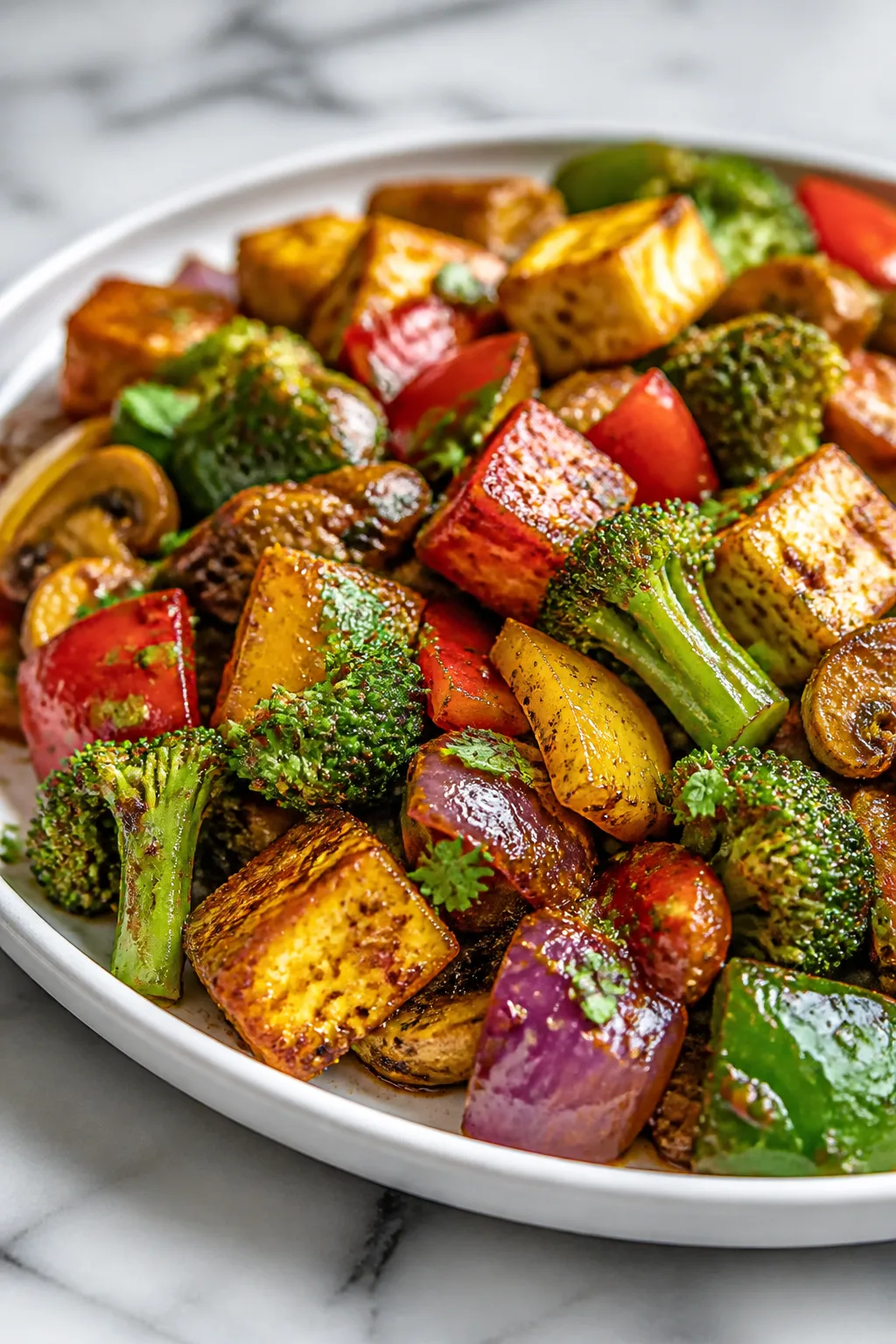
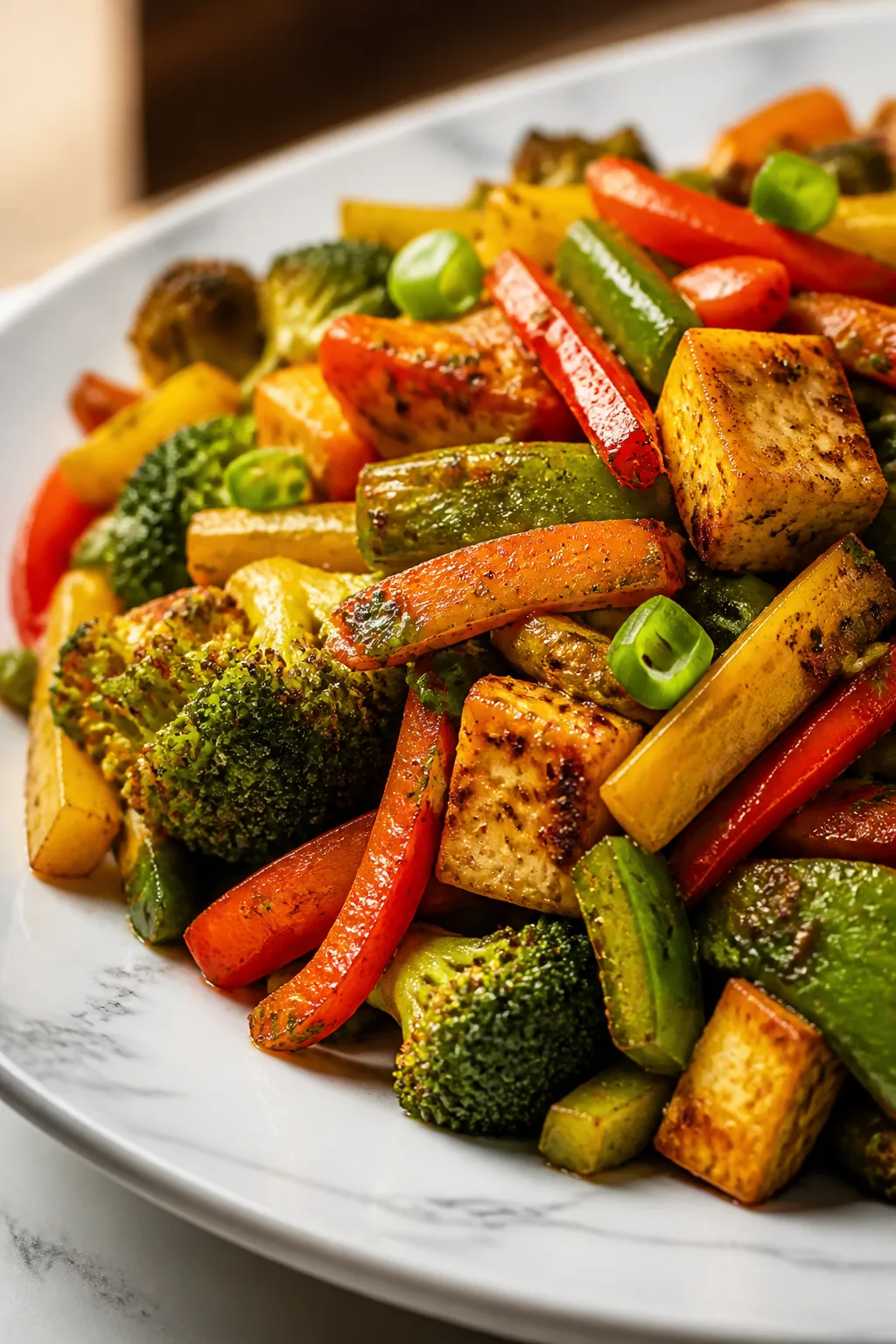
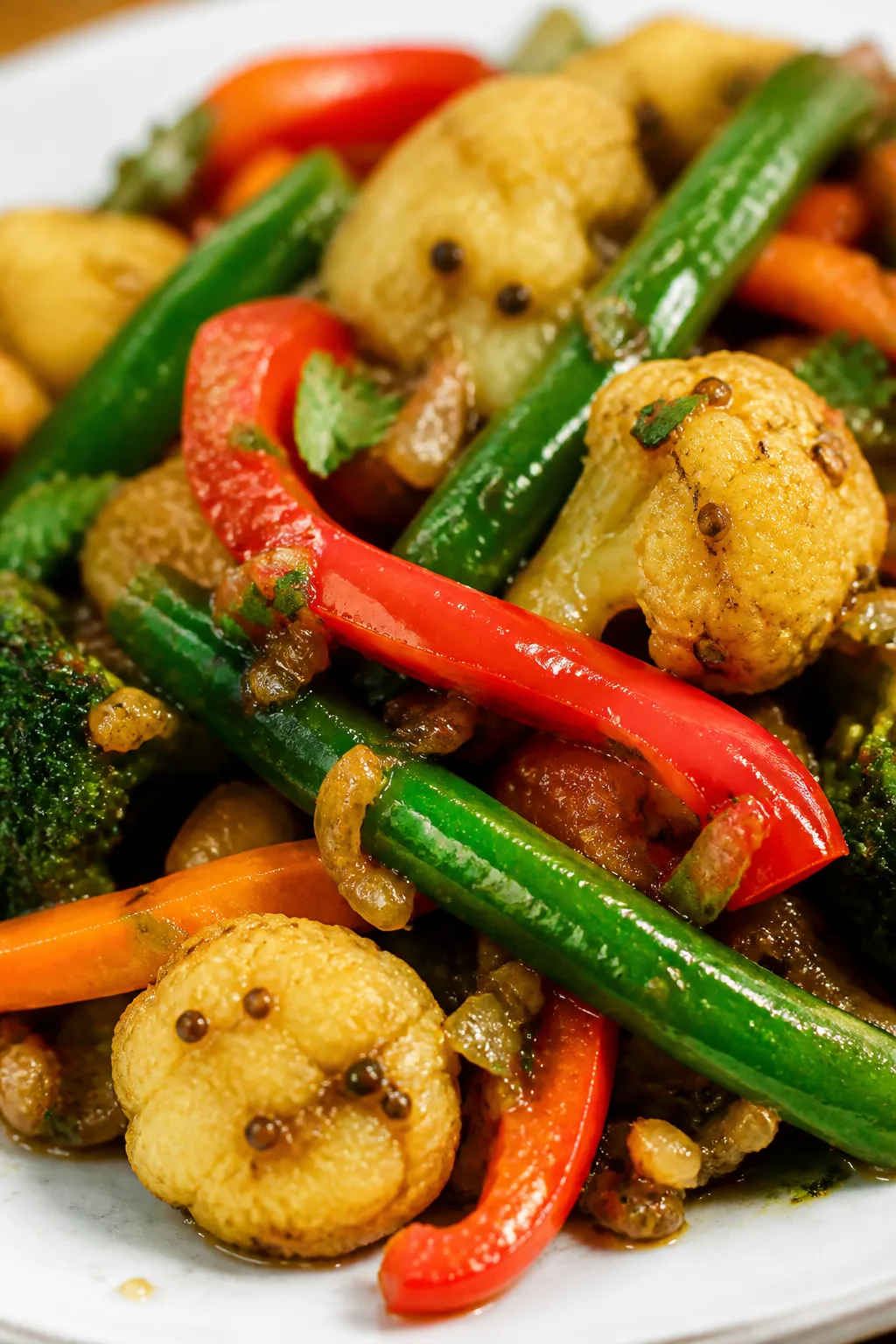
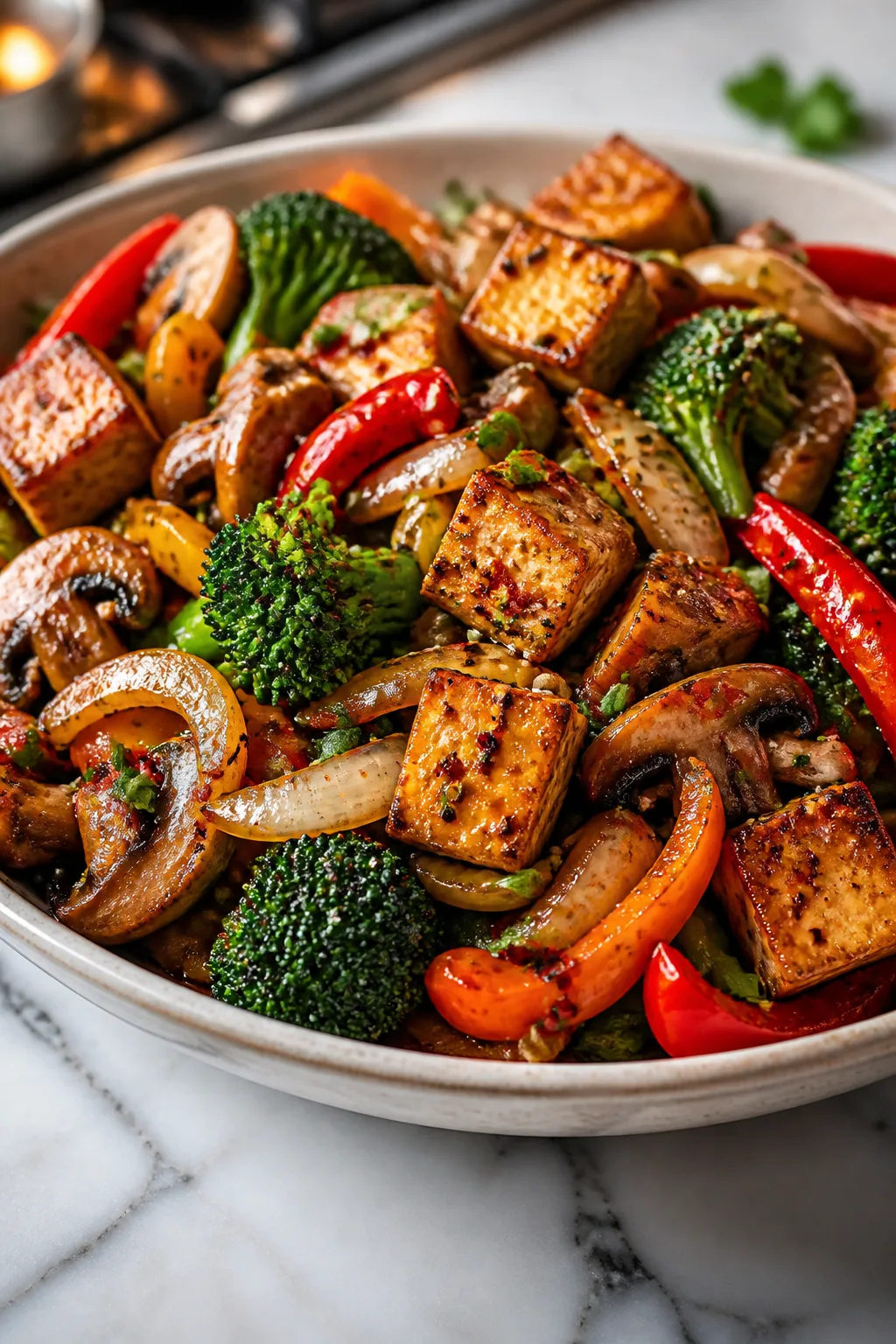
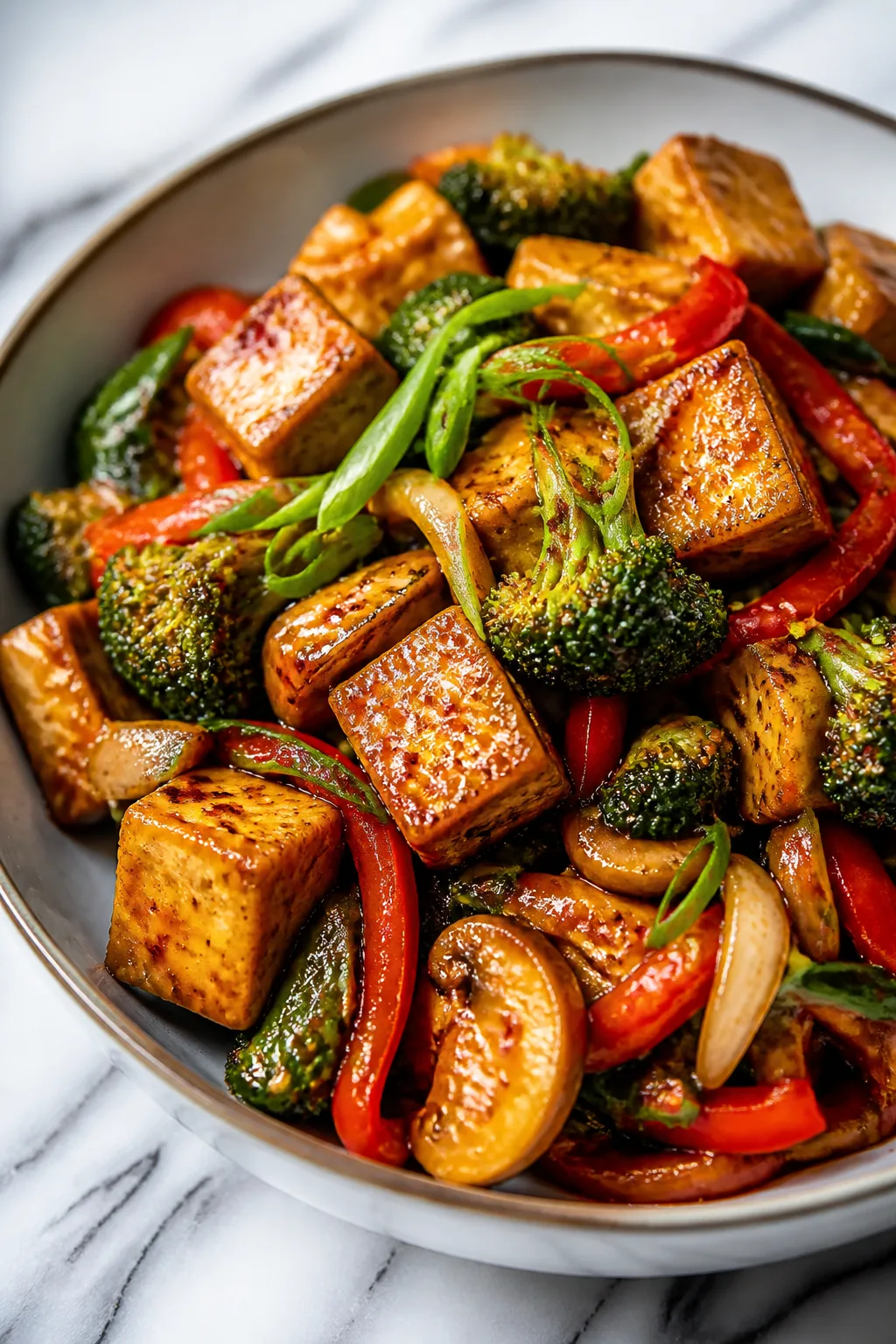
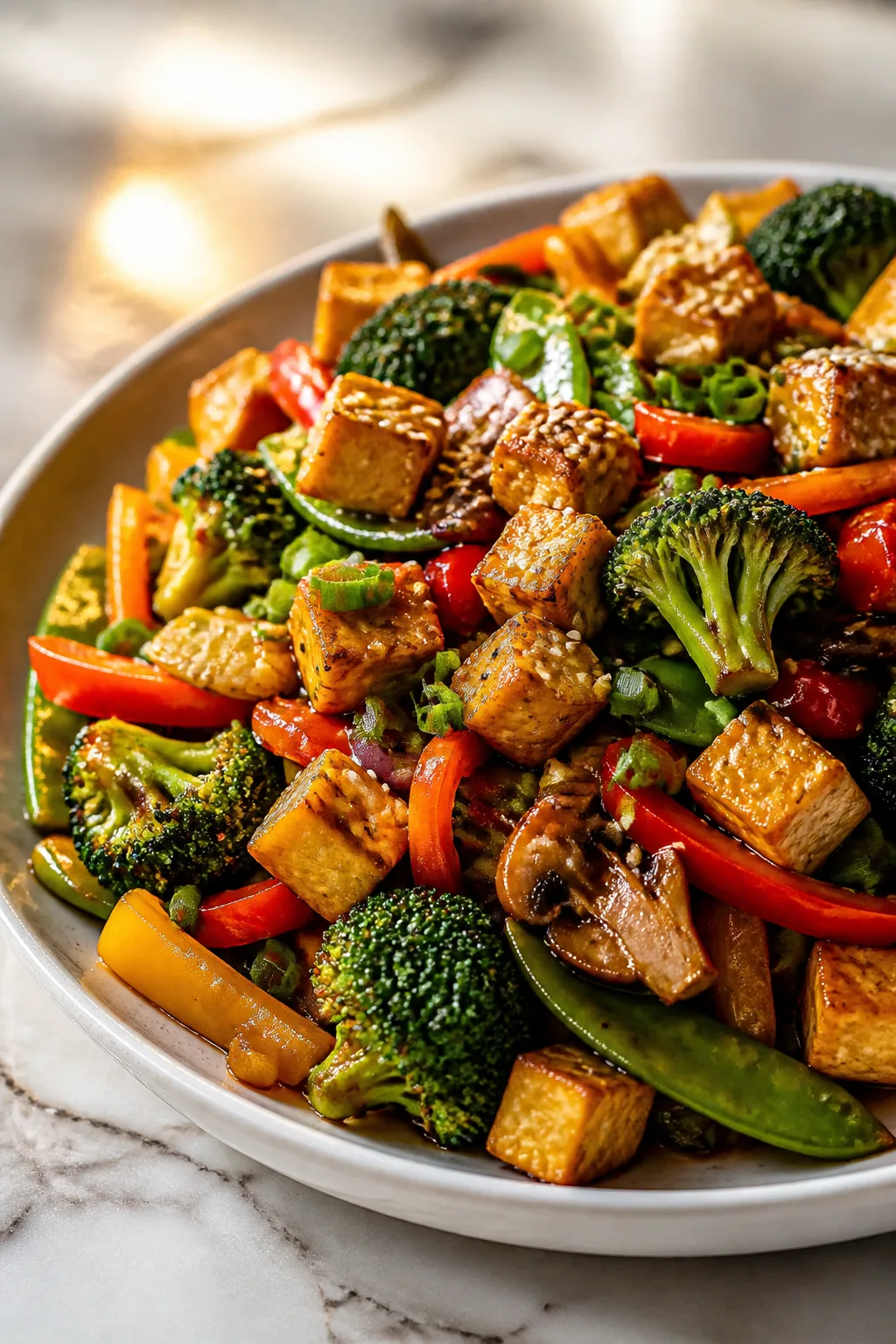
This vibrant Indian veg stir fry bursts with fresh spices and crisp veggies. The mustard seeds and curry leaves create a signature South Indian flavor. Perfect for a speedy weeknight dinner that feels fresh and comforting.
Introduction
I first stumbled upon this Indian veg stir fry while visiting a friend in Chennai, and it immediately became a favorite. What I love most is how simple it is to whip up, yet it delivers such vibrant, fresh flavors. The trick I’ve learned is to toast the mustard seeds just right so they pop and release that wonderful nutty aroma, and don’t skip the curry leaves—they add an unmistakable South Indian touch that really lifts the dish. I’ve tried making this with different veggies, but the crispness of carrots and green beans works best for that satisfying bite. Plus, it’s ready in under 30 minutes, making it my go-to for busy weeknights when I want something wholesome without fuss. The finished stir fry is colorful, lightly spiced, and incredibly fresh tasting—perfect served with rice or flatbread. Honestly, the first time I made it at home, I rushed the tempering step and the mustard seeds burned, which made the dish bitter. Since then, I’m careful to keep the heat moderate and watch them closely. It’s a simple dish but those little details make all the difference. I’m excited to share this with you because it’s one of those recipes that feels special yet is so easy to make.
How To Do It
Step 1
Heat the vegetable oil in a large skillet over medium heat. Once hot, add the mustard seeds and cover the pan briefly. This helps the seeds pop without splattering all over your stove. You'll know they're ready when you hear popping sounds and see the seeds start to jump around. This step is crucial because it releases the seeds' nutty, aromatic oils that form the flavor base. Avoid burning them, as that will make the dish bitter. Lower the heat if they pop too fast.
⏱ Time: 3 minutes
✓ Doneness: Mustard seeds are actively popping and sizzling but not turning black
Step 2
Add the curry leaves immediately after the mustard seeds start popping. They should sizzle briefly and release their fragrance. Then add the thinly sliced onions, stirring frequently. Cook until the onions turn translucent and soft, about 5 minutes. This slow cooking brings out their sweetness and creates a mellow base for the spices. Be careful not to brown the onions too much, as it shifts the flavor profile from fresh to caramelized.
⏱ Time: 5 minutes
✓ Doneness: Onions are soft, translucent, and fragrant but not browned
Step 3
Stir in the minced garlic, grated ginger, and sliced green chili if using. Cook for 1-2 minutes until fragrant, stirring constantly so the garlic doesn’t burn. This step infuses the oil with fresh aromatics that add depth to the dish. Burnt garlic tastes bitter, so keep the heat moderate and watch closely.
⏱ Time: 2 minutes
✓ Doneness: Aromatic smell of garlic and ginger fills the kitchen without any burnt notes
Step 4
Add the chopped carrots, green beans, and bell peppers to the pan. Stir well to coat the veggies in the spiced oil. The key here is to keep the veggies crisp-tender by cooking them quickly on medium-high heat. Overcooking will make them mushy and dull the vibrant colors. Stir often to ensure even cooking and prevent sticking.
⏱ Time: 6-7 minutes
✓ Doneness: Veggies are tender but still have a bit of crunch and bright color
Step 5
Sprinkle in the turmeric powder, cumin powder, and salt. Stir thoroughly to distribute the spices evenly. Turmeric adds earthiness and a warm golden color, while cumin lends a subtle smoky flavor. Salt enhances all these flavors and balances the dish. Mixing well ensures every bite is flavorful. Don’t skip this step!
⏱ Time: 1 minute
✓ Doneness: Spices are evenly mixed and the dish has a uniform golden hue
Step 6
Add the frozen peas last, stirring them in gently. Cook for another 2 minutes just until the peas are heated through but still bright green. Adding peas later prevents them from becoming mushy and losing their fresh bite. This final step also keeps the dish colorful and texturally interesting.
⏱ Time: 2 minutes
✓ Doneness: Peas look vibrant and the entire stir fry is hot
Step 7
Taste and adjust salt or spices as needed. If you want a little extra heat, add a pinch of red chili powder or fresh chopped chilies now. Stir well to combine. This final seasoning tweak personalizes the dish to your liking and ensures balanced flavor.
⏱ Time: 1 minute
✓ Doneness: Balanced seasoning with a pleasant mild heat if added
Step 8
Turn off the heat and sprinkle chopped fresh coriander leaves over the stir fry. The fresh herbs add a burst of brightness and a fresh aroma that contrasts nicely with the warm spices. Toss gently to mix. This finishing touch lifts the dish and makes it look inviting.
⏱ Time: 30 seconds
✓ Doneness: Fresh green coriander scattered evenly and aroma is fresh and vibrant
Step 9
Serve immediately with steamed rice, chapati, or your favorite flatbread. This dish tastes best fresh when the veggies retain their crunch and the spices are lively. If you need to hold it for a short time, cover the pan to keep warm but avoid reheating too much later to preserve texture.
⏱ Time: Serve immediately
✓ Doneness: Dish plated with vibrant colors and fresh aroma
Variations
Add Paneer for Protein Boost
Toss in cubes of paneer cheese along with the veggies for a richer, protein-packed version. Paneer absorbs the spices and adds a creamy texture. It’s perfect for a more filling meal.
Note: Add paneer cubes in the last 5 minutes of cooking and stir gently to avoid breaking them up.
Make It Spicy with Extra Chilies
Increase the heat by adding extra green chilies or a pinch of red chili powder. This variation is great if you love a fiery kick but still want the fresh veggie crunch.
Note: Add chili early with garlic and ginger to infuse the oil with heat.
Use Seasonal Vegetables
Swap in whatever fresh vegetables you have on hand—zucchini, asparagus, or cauliflower work well. This keeps the dish fresh and adaptable to different seasons and tastes.
Note: Adjust cooking times based on vegetable density; harder veggies may need a minute or two longer.
Serve as a Side with Dal and Rice
Turn this stir fry into a side dish by pairing it with lentil dal and steamed basmati rice for a wholesome, balanced Indian meal.
Note: Reduce salt slightly if serving alongside salty dal to balance flavors.
Add a Squeeze of Lemon
Finish with a squeeze of fresh lemon juice for a bright, tangy lift that contrasts beautifully with the warm spices. It’s a simple way to elevate the dish.
Note: Add lemon juice off heat just before serving to preserve freshness.
Pro Tips
Toast mustard seeds on medium heat until they just start popping.
This releases their essential oils without burning, which is key for a nutty, aromatic base. Burnt seeds taste bitter and ruin the dish, so moderate heat and attention are essential.
Add curry leaves early in the tempering process.
They need hot oil to release their oils and aroma. Adding them late or cold oil won’t extract their signature flavor, making the dish less authentic.
Cook veggies on medium-high heat quickly to keep them crisp.
High heat cooks veggies fast, preserving texture and color. Slow cooking breaks down cell walls, resulting in mushy, dull veggies.
Add frozen peas last to avoid overcooking.
Peas cook quickly and lose their bright color and snap if cooked too long. Adding them at the end keeps them fresh and vibrant.
Use fresh ginger and garlic for best flavor.
Fresh aromatics provide sharper, fresher notes than powders or pastes. They infuse the oil and dish with bright, lively flavor.
Season gradually and taste before final seasoning.
Salt balances and enhances flavors, so adding it in stages and tasting prevents over or under seasoning.
Garnish with fresh coriander just before serving.
Fresh herbs lose aroma if cooked too long. Adding at the end provides a fresh burst that contrasts warm spices.
Common Mistakes to Avoid
Burning mustard seeds during tempering.
Why it happens Many cooks use too high heat or leave seeds unattended, thinking faster cooking saves time.
Fix Use medium heat and stay close while toasting seeds. Remove pan from heat briefly if they start to brown too fast. Proper popping releases flavor without bitterness.
Overcooking vegetables until mushy.
Why it happens Rushing to finish or low heat causes veggies to lose crunch and color.
Fix Cook veggies on medium-high heat, stirring often, and remove from heat while still crisp-tender to preserve texture and vibrancy.
Skipping curry leaves or using dried ones.
Why it happens They can be hard to find or unfamiliar to some cooks.
Fix Use fresh or frozen curry leaves whenever possible for authentic flavor. Avoid dried substitutes as they lack the distinctive aroma.
Adding peas too early.
Why it happens Assuming frozen peas need long cooking to thaw.
Fix Add peas at the last 2 minutes of cooking to keep them bright and crisp. They warm through quickly without overcooking.
Burning garlic while sautéing.
Why it happens Cooking garlic on high heat or for too long.
Fix Add garlic after onions soften, cook on medium-low heat stirring constantly, and remove from heat if it starts browning.
Nutrition
Per Serving:
Nutritional values are estimates and may vary based on specific ingredients used.
Storage & Tips
Room Temperature
This stir fry can safely sit at room temperature for up to 2 hours if covered. To keep it fresh, cover with a lid or foil to avoid drying out or contamination.
Refrigerator
Store leftovers in an airtight container for up to 3 days. The veggies may soften slightly but reheating gently restores warmth. It can be eaten cold but flavors are best warmed.
Freezer
Freeze in a sealed container for up to 1 month. To avoid freezer burn, press a layer of plastic wrap directly on the surface before sealing. Thaw overnight in the fridge and reheat gently.
Reheating
Reheat on the stovetop over medium-low heat, adding a splash of water or oil if needed to loosen the veggies. Avoid microwaving on high to prevent overcooking and mushiness.
Make Ahead
You can chop all vegetables and prepare the spice mix 1-2 days ahead. Store separately in airtight containers. Cook the stir fry fresh on the day you plan to serve for best texture and flavor.
FAQ
Can I use dried curry leaves instead of fresh?
Dried curry leaves don’t have the same bright aroma and flavor as fresh ones, so the dish won’t taste quite the same. If fresh or frozen curry leaves aren’t available, it’s better to omit them than substitute dried. You can try adding a pinch of curry powder but it won’t fully replicate the flavor.
What can I substitute if I don’t have mustard seeds?
Mustard seeds give a nutty, pungent flavor and a popping texture. If you don’t have them, you can use a pinch of ground mustard powder or skip them altogether, but the flavor base will be less authentic. Toasting cumin seeds alone also adds good aroma.
How do I keep the vegetables crunchy and colorful?
Cook veggies quickly on medium-high heat and avoid overcooking. Stir frequently and remove from heat as soon as they’re tender-crisp. Using fresh, firm vegetables also helps maintain texture and color.
Can I make this stir fry vegan?
Yes! This recipe is naturally vegan as it uses vegetable oil and no animal products. Just be sure the oil you use is plant-based and avoid adding dairy or honey.
What rice pairs best with this stir fry?
Steamed basmati rice is a classic pairing, as it’s light and fluffy with a subtle aroma that complements the spices. You can also serve it with brown rice or quinoa for a healthier twist.
Can I prepare this dish in advance?
You can chop vegetables and prep spices a day or two ahead, but it’s best to cook the stir fry fresh to keep veggies crisp. If you make it ahead, store it in the fridge and reheat gently before serving.
What should I do if my mustard seeds burn?
If seeds burn, discard the oil and start over. Burnt mustard seeds taste bitter and will ruin the dish. Use medium heat and watch closely to prevent burning.
How can I make this dish spicier?
Add more fresh green chilies during cooking or sprinkle red chili powder with the spices. You can also serve with a spicy chutney or hot sauce on the side.
Final Thoughts
I hope you enjoy making this Indian veg stir fry as much as I do! It’s a quick, flavorful way to brighten up your meals—let me know how it turns out!